

Published November 1, 2026 03:10AM
I’ve always been jealous of people with a kitted-out Land Cruiser or a made-to-order Sprinter van. These #adventuremobiles not only look cool and bestow the driver with backcountry cred, but they also offer the freedom to roam without worrying about finding a place to pitch a tent. Behind the wheel of one, you can venture into the unknown and, when sleepiness starts making your eyelids heavy, pull off the road for some fully prone shut-eye without even stepping outside.
Even if you’re not pulling over at the last minute, these rigs serve as comfy, spacious home bases for drive-in campsites, getting rest before a big race, or road-tripping to a far-flung national park. The major problem? They can be prohibitively expensive, rarely work well as daily drivers, and can be tricky to keep running smoothly. Sleeping in my car comfortably always felt like a luxury I couldn’t afford—until this summer.
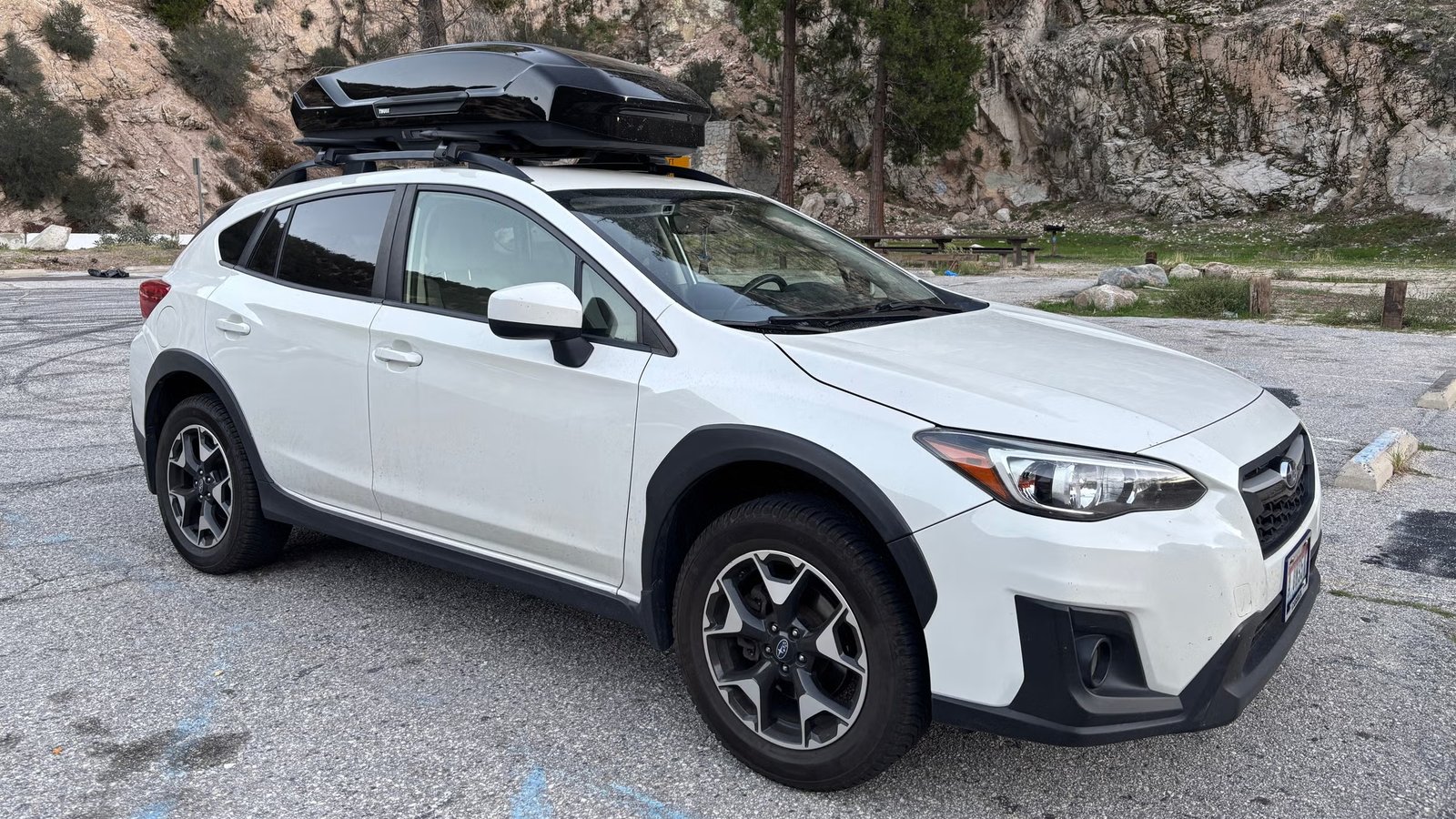
In June, I bought a car for the first time in years. Like many outdoor-minded folks, I gravitated toward a small, capable crossover that promised competence on dirt roads alongside decent city gas mileage. For me, that was a Subaru Crosstrek—a car I’ve wanted for nearly a decade. But it could have been an Outback, a Toyota RAV4, or any number of smaller utility vehicles. Since I’d be driving it daily in Los Angeles, the fuel economy and parkability made sense. But I also knew I could take it off the beaten path to road-trip to Mammoth or explore the American West. What I wasn’t sure of was whether I could turn it into my own adventuremobile and spend a comfortable night sleeping inside.
After some research and a few key car camping gear pick-ups, I can tell you that it is indeed possible to sleep in the back of my Crosstrek and fully stretch out my five-foot-ten frame—no scrunching or squishing necessary. In fact, two people could sleep back there quite easily, which I didn’t anticipate when I drove it off the lot. I’ve found car-specific sleeping pads, easy-access roof boxes, and numerous other bits and bobs that make sleeping in the back of a compact car genuinely comfortable.
Since June, I’ve dialed in a basic setup you can apply to just about any small vehicle. Read on for my car camping essentials, plus a few items I hope to pick up soon to make nights in my hatchback even more luxurious. Who needs a van? (Okay, I’d still love a van.)
Compact Car Camping Essentials: At a Glance
Best Car Camping Mattress
Exped MegaMat Auto
If you buy only one thing to make sleeping in your car comfortable, make it the MegaMat Auto from Exped. The first time I slept on one was at a friend’s house; they used their original MegaMat as a guest bed. I was skeptical that a camping mattress could match a standard air mattress, but my skepticism was misplaced—it gave me one of the best nights of sleep I’ve ever had on an inflatable bed. When I saw Exped made a car-contoured version, I had to get one.
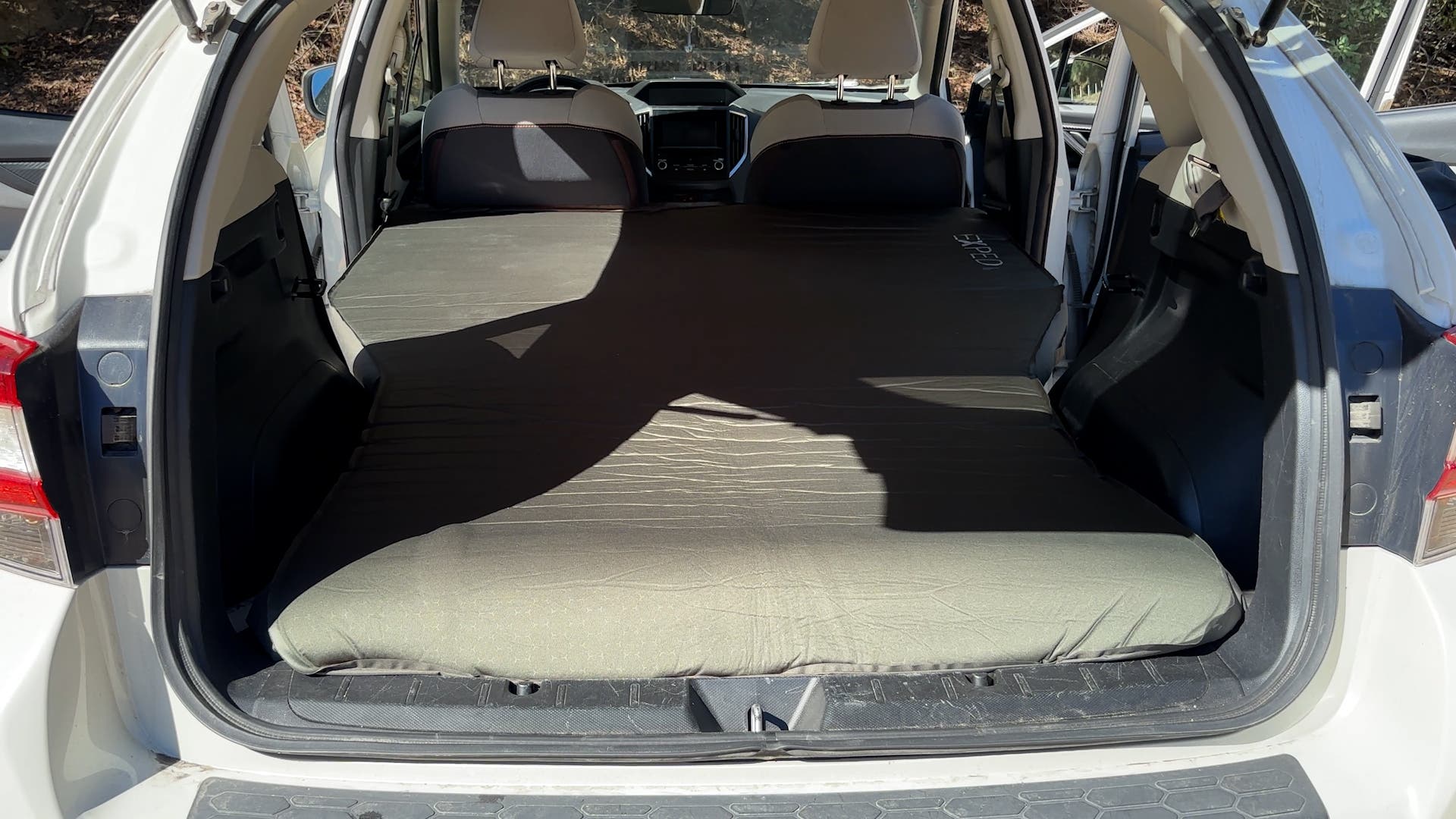
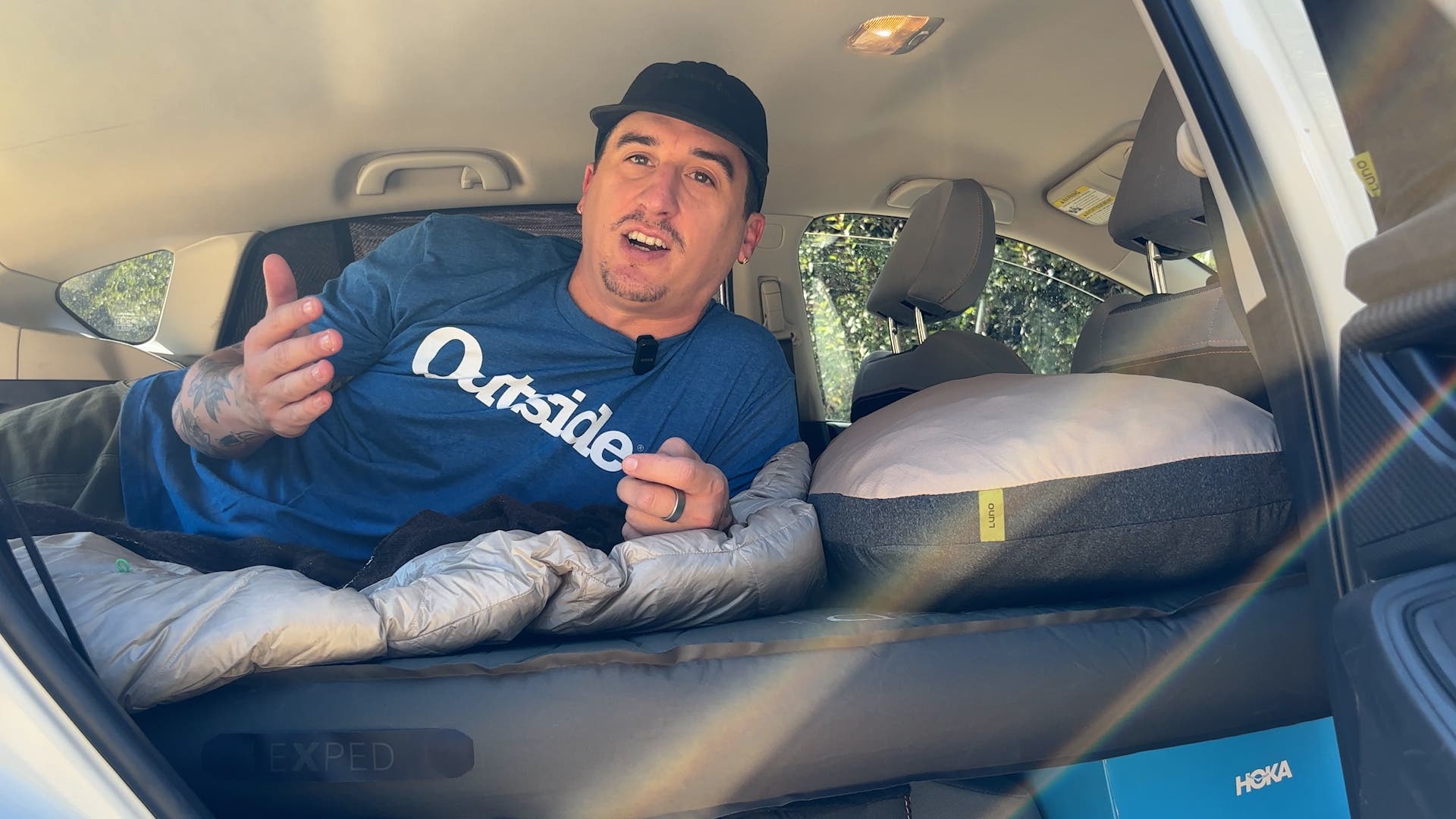
It fits snugly in my Crosstrek with both front seats pushed fully forward, providing plenty of width for one person and enough room for two to sleep as comfortably as they would in a two- or three-person tent. It inflates quickly—especially if you use the Mega Pump, which tops it off in under two minutes.
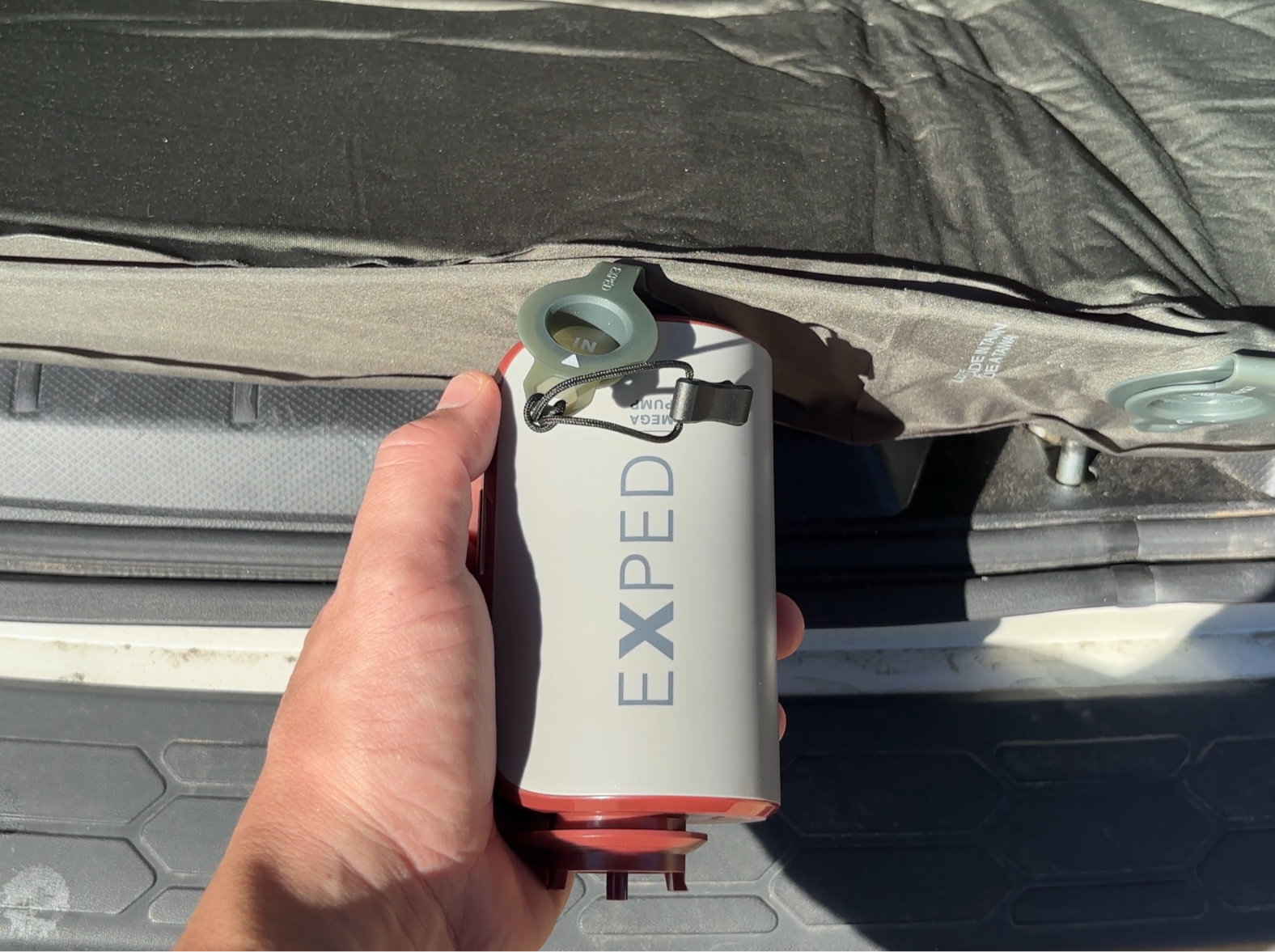
Plus, it doubles as a spare mattress for houseguests. For extra luxury, you can also add the MegaMat LuxeWool Auto cover.
Best Roof Box
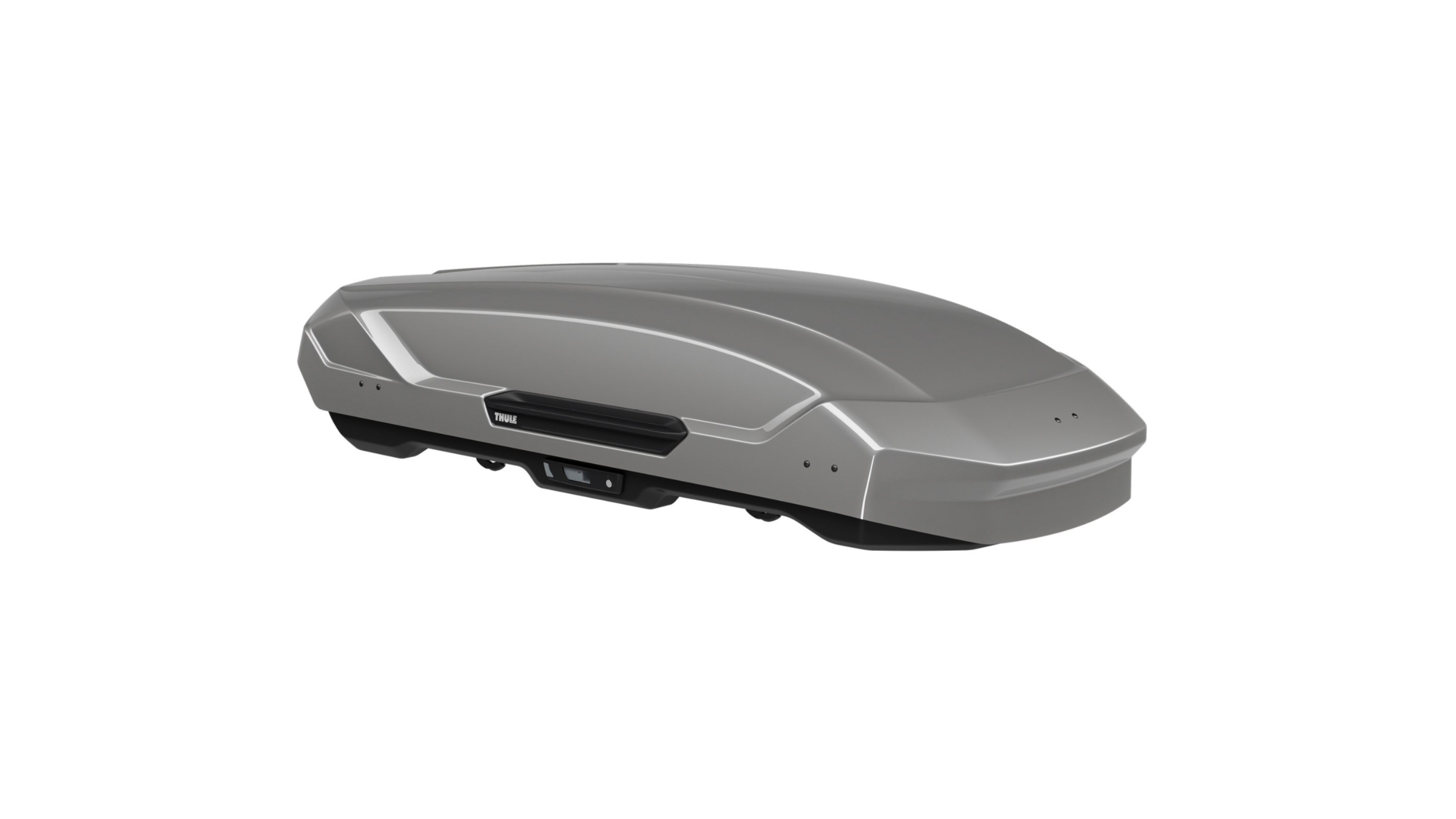
Thule Motion 3 Roof Box
I’ve never owned a roof box before, and it’s a total game-changer for car camping when square footage is at a premium. Sure, you could chuck everything from the trunk into the front seats while you sleep, but that leaves zero room for organization. With a cargo box, you can store your sleeping gear up top while driving, then swap it for your extra gear overnight.
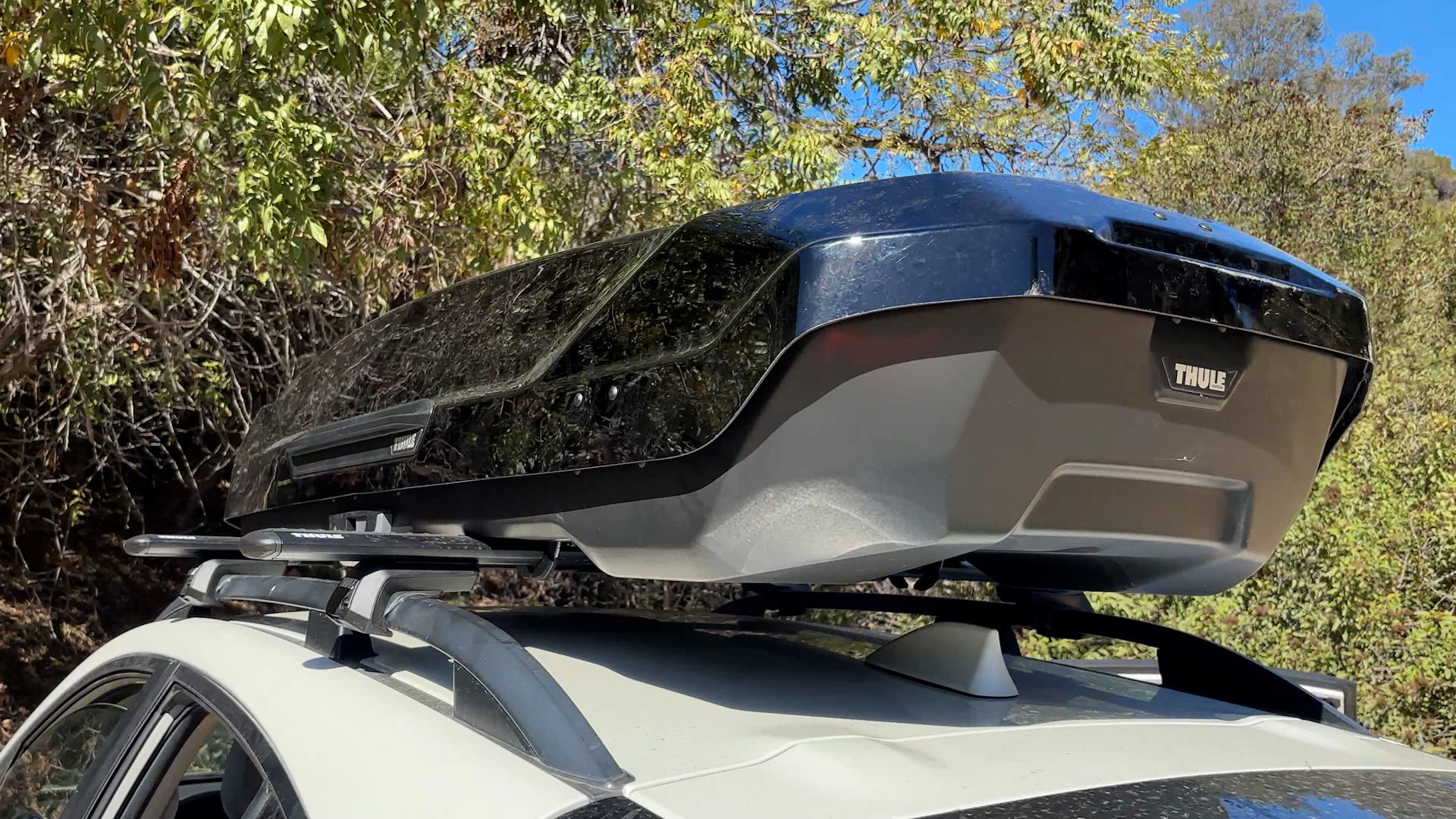
The Thule Motion 3 looks sleek (especially in black) and opens smoothly from either side, which is handy on the Crosstrek since I can center the box on the roof and still access it from the driver or passenger side. The Large size fits perfectly on the roof length-wise. Locks and keys are included, and while it’s light enough for one person to hoist or remove, I recommend having a second set of hands. The mounting hardware clamps down without fuss. I pair it with the Thule WingBar Evo crossbars—a bit spendy, but versatile enough to keep on the roof year-round.
Best Storage Crate
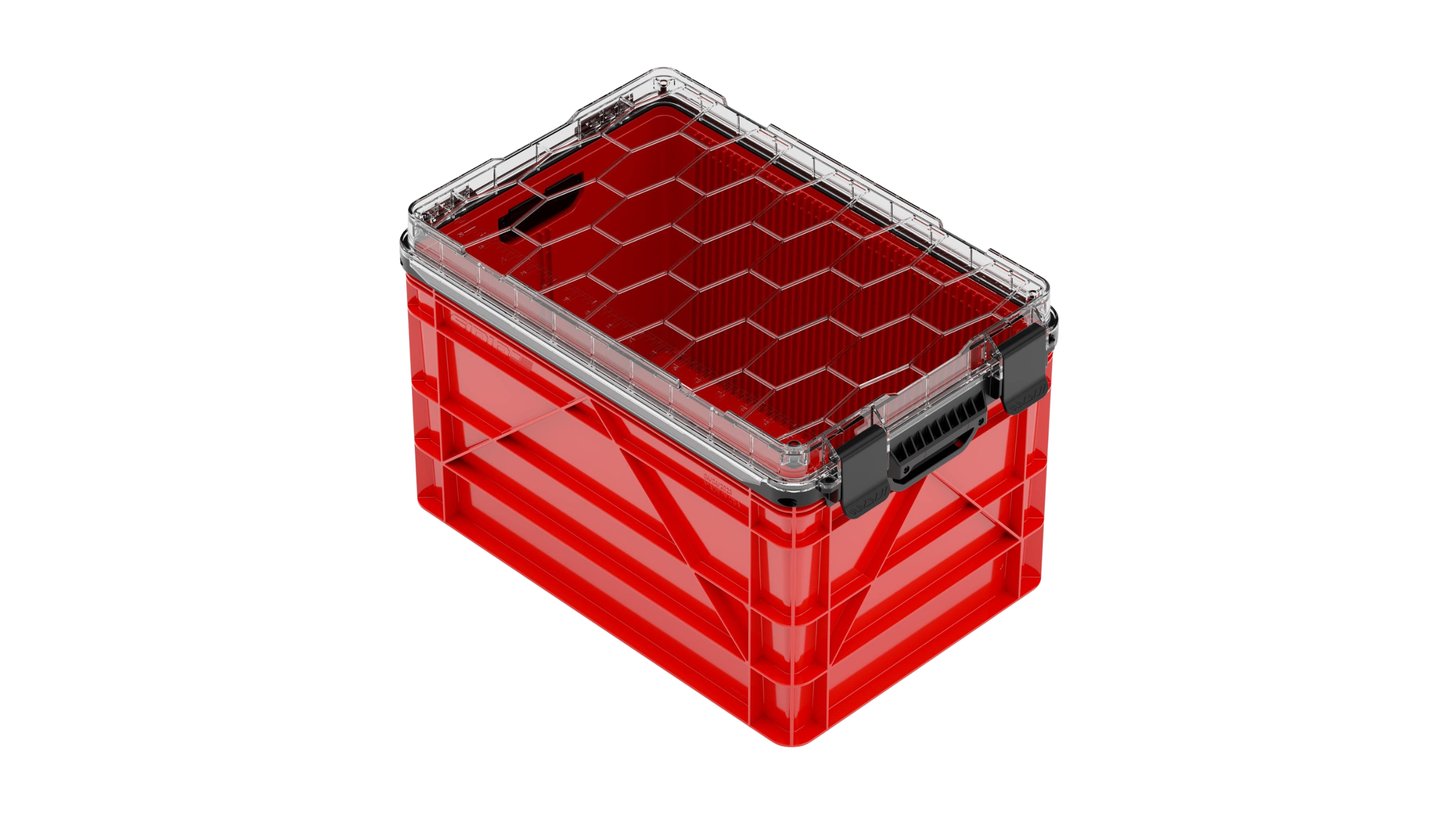
Sidio Full Size WR Crate
There are plenty of ways to manage car storage, but hard-sided crates solve one of car-sleeping’s biggest headaches: the rear footwells. While my back seats fold flat, there’s a wide gap between the folded seats and the front seats that needs support so your mattress doesn’t sag under your head.
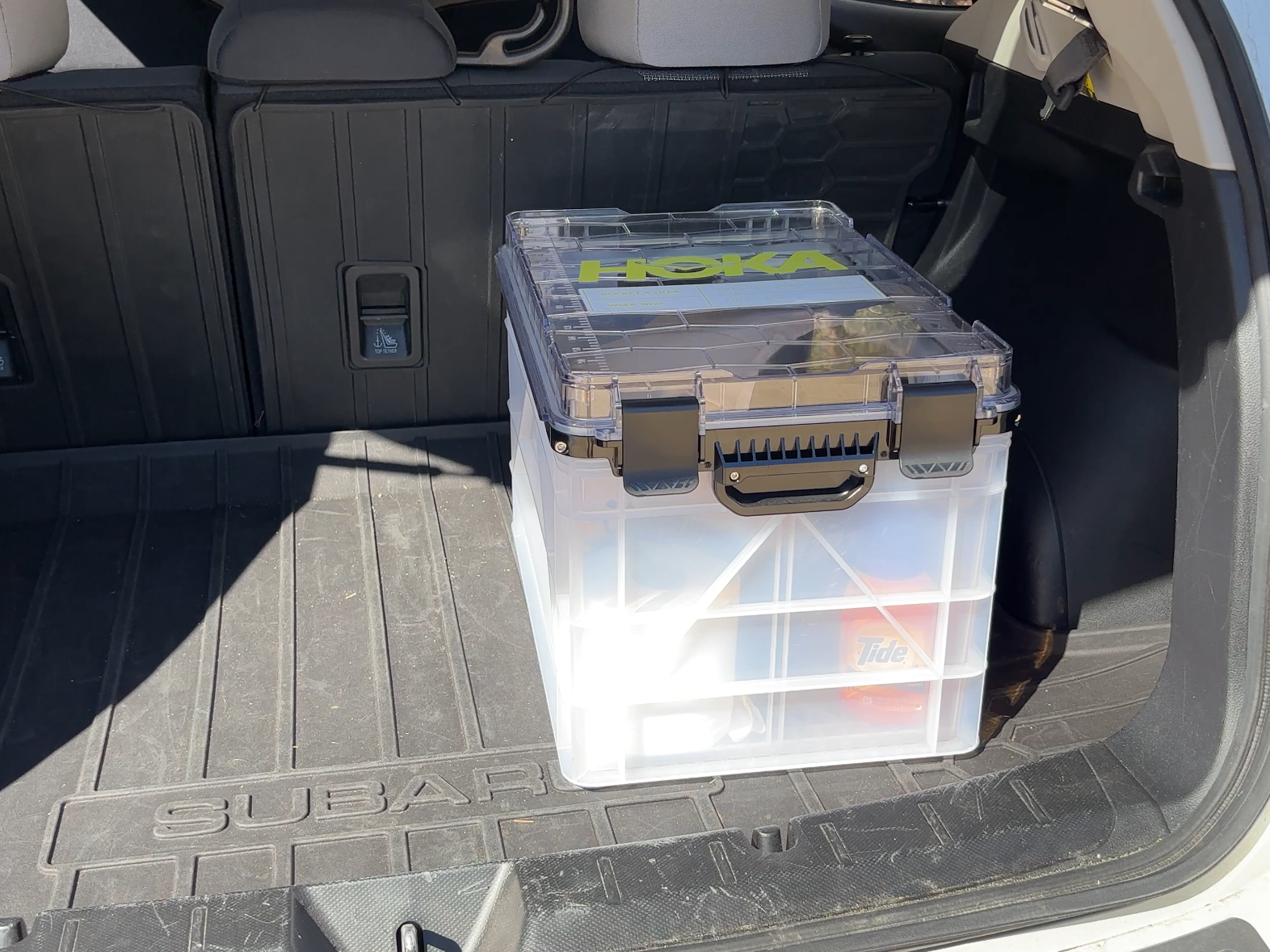
My Sidio crate lives in the trunk loaded with car essentials—first-aid kit, blanket, towel, and miscellaneous gear. When it’s time to sleep, one of these crates slides into each footwell to create a sturdy platform. One crate isn’t quite tall enough on its own, so I usually stack a sturdy shoe box on top to level it out. Stacking a Quarter Size Crate on top of the Full Size Crate would likely hit the exact height needed for the Crosstrek.
Best Window Screens
Luno Car Window Screens
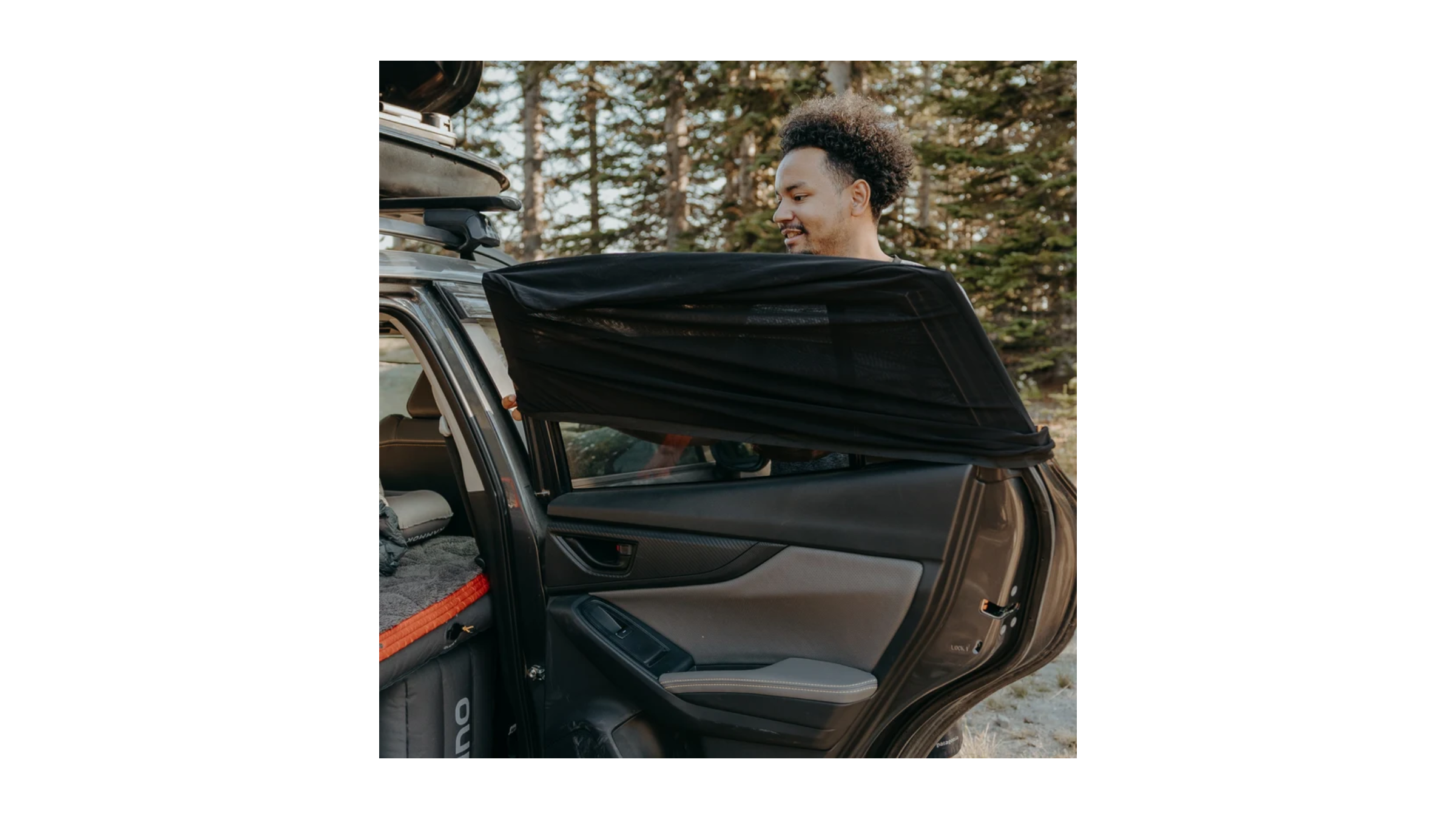
After a good mattress, window screens are the most crucial piece of gear for sleeping in your car. Sleeping with the windows sealed shut gets stuffy fast, but leaving them cracked invites bugs and curious passersby. These mesh screens from Luno slip over the rear door frames, providing airflow, bug protection, and privacy. Since I tend to sleep hot, I’m planning to grab a second pair for the front windows, too.
Car Camping Extras That Only Improve the Experience
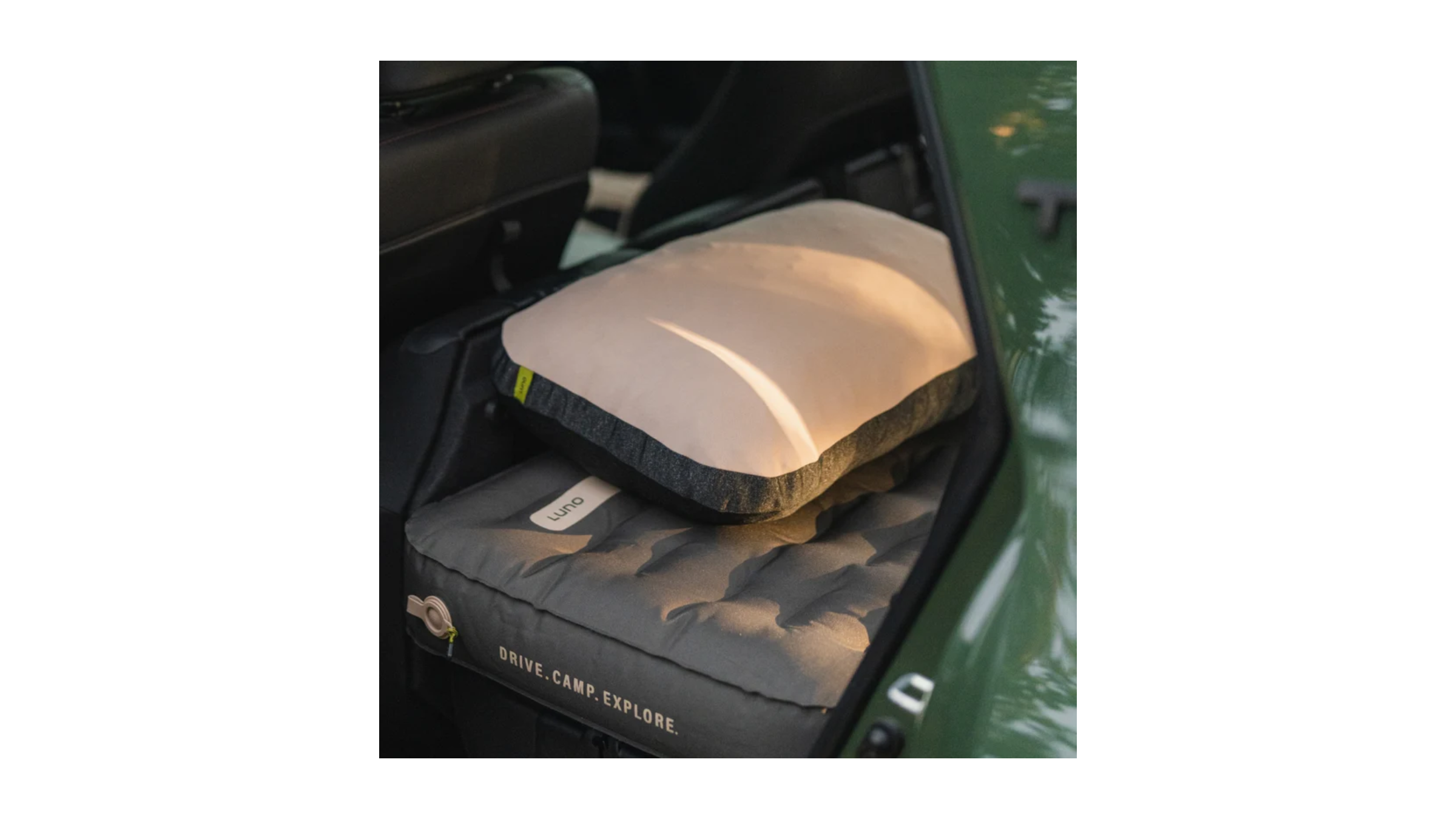
Best Camping Pillow
Luno Packable Camping Pillow
You don’t strictly need a dedicated camping pillow, but keeping one in the car saves your everyday bed pillows from outdoor dirt. The Luno Packable Camping Pillow lives in my Sidio crate full-time. It doesn’t pack down microscopic, but it compresses enough to justify keeping it in the car 24/7, and the shredded memory foam fill is comfortable enough to use indoors. A zippered inner liner lets you add or remove filling to adjust the firmness.
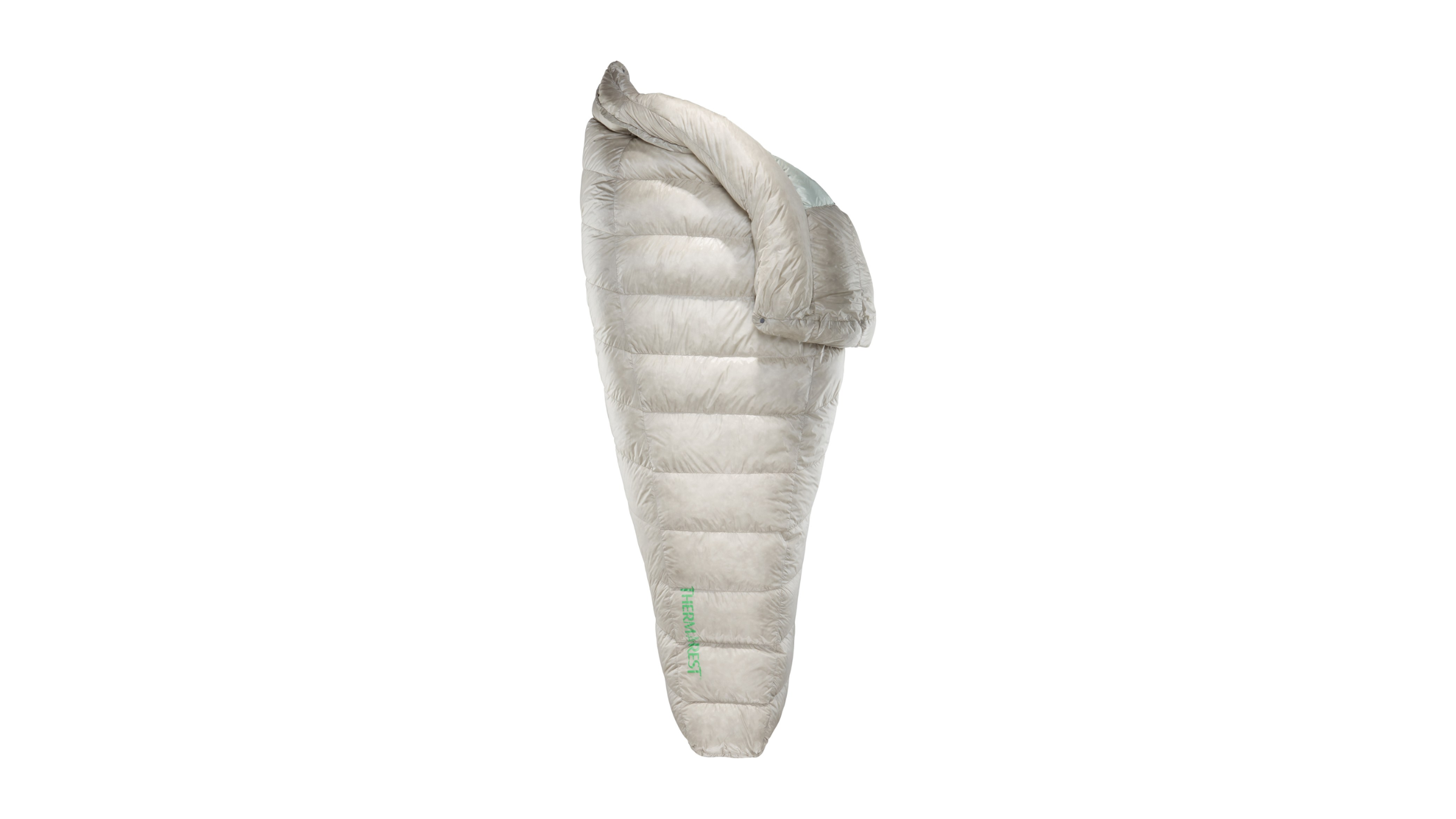
Best Down Quilt
Therm-a-Rest Vesper
Any standard blanket works, but a technical down quilt packs down small and adapts well to changing temperatures. I use the Therm-a-Rest Vesper (which doubles as my backpacking quilt), while the team at Backpacker rates the Neve Gear Waratah as a top choice. Choose based on the climate and temperatures you expect to encounter.
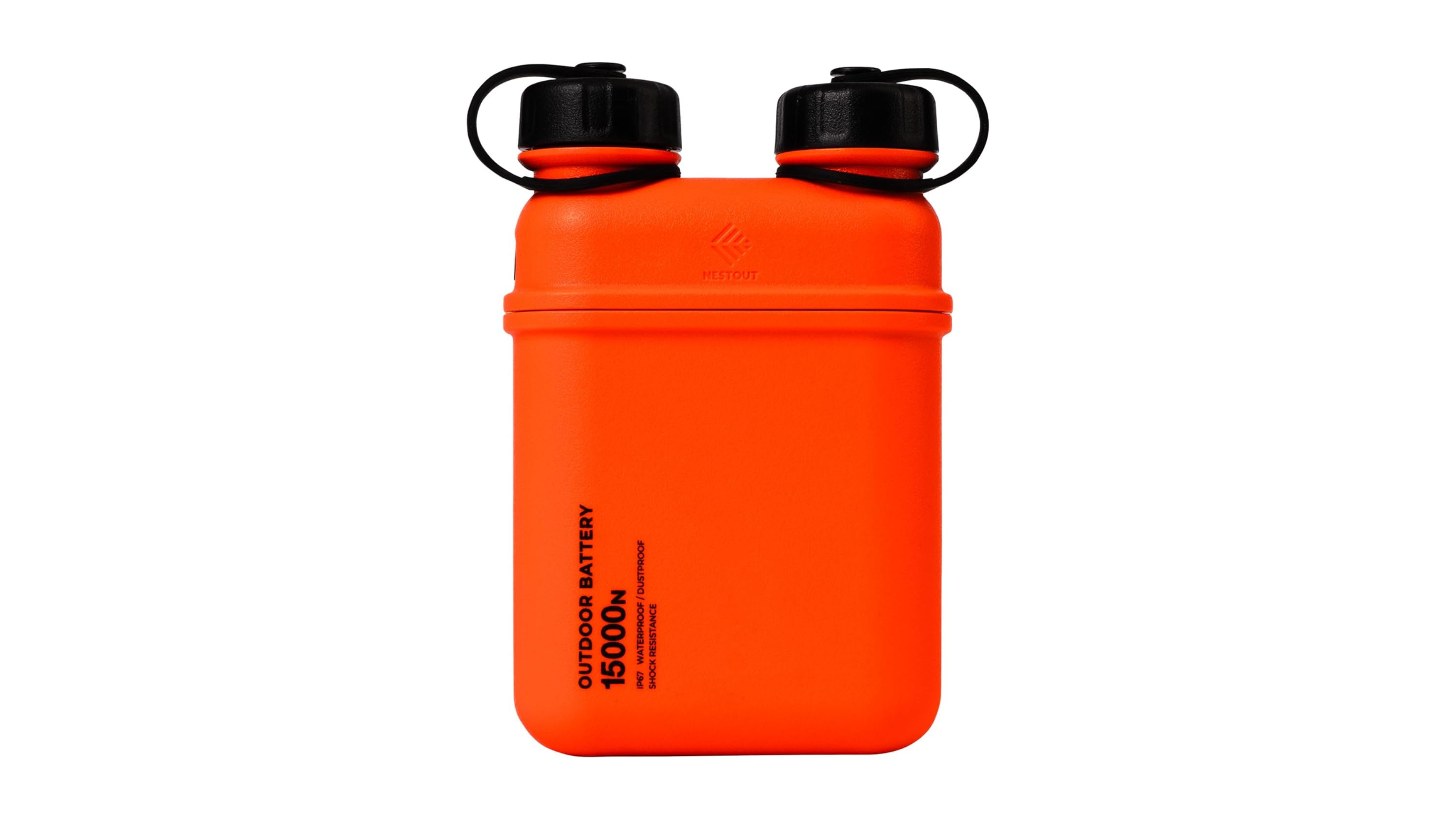
Best Power Station
Nestout Battery Pack
I’ve been using a compact Nestout Battery Pack to charge my phone, but a larger portable power station makes multi-day trips much easier. Compact stations like the Jackery Explorer or Goal Zero Yeti tuck away neatly while keeping cameras, headlamps, and laptops powered up.
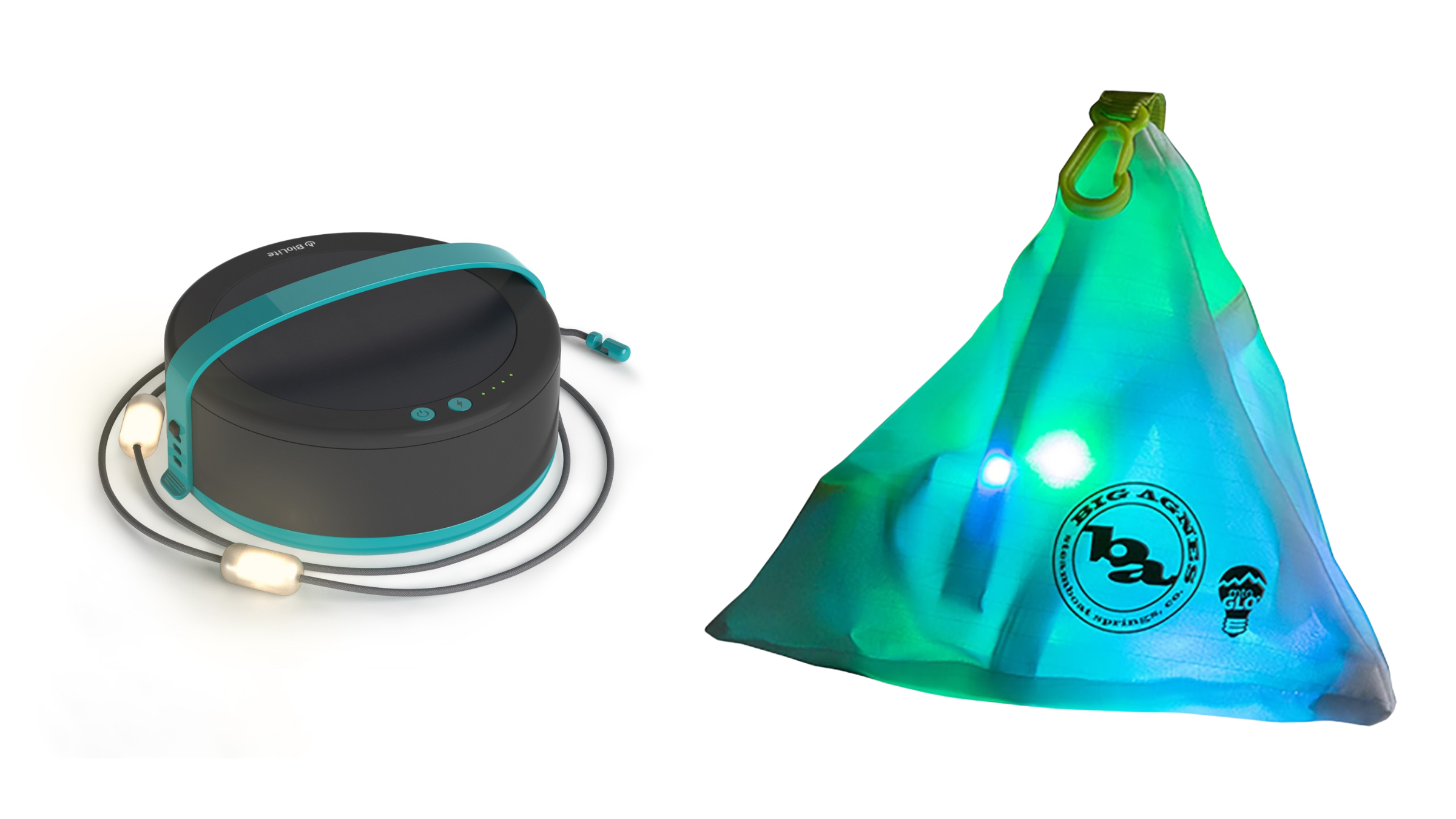
Lighting System
BioLite Luci Solar String Lights (L) and Big Agnes mtnGLO (R)
To read or wind down without wearing a headlamp, interior lighting is a subtle upgrade. The BioLite Luci Solar String Lights add cozy ambient light across the cabin, while a compact lantern like the Big Agnes mtnGLO can easily hang from a grab handle or ceiling hook. The BioLite lights are rechargeable, and the Big Agnes light requires AAA batteries, so keep that in mind when adding accessories that require power.
