

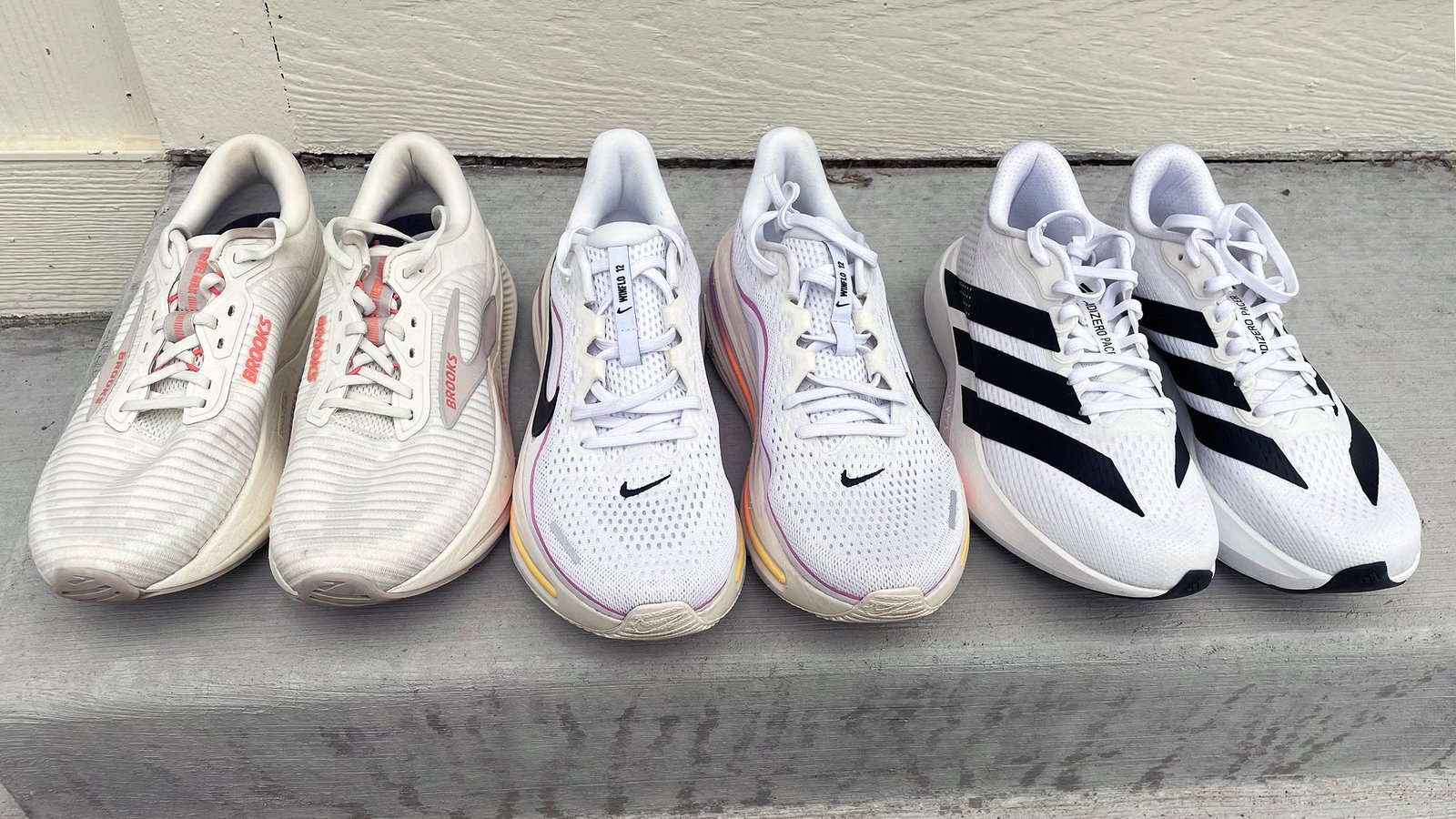
Not all good running shoes have to put a huge dent in your wallet.
Published July 30, 2026 10:01AM
Let’s face it: Running shoes can be expensive. With costly technologies like supercritical, nitrogen-infused midsole foams and highly engineered mesh uppers, prices continue to soar. High-tech features have made top-end running shoes lighter, springier, faster, and more comfortable than ever before. But we don’t all need to be running in the very best models out there, paying a premium to do so.
Thankfully, many of the larger shoe companies have been able to leverage their top-of-the-line technologies into budget-oriented offerings. The following three running shoes cost $120 or less and run comfortably and smoothly, thanks to smart construction that borrows the good stuff from higher-end models while skipping the expensive extras.
Nike Winflo 12
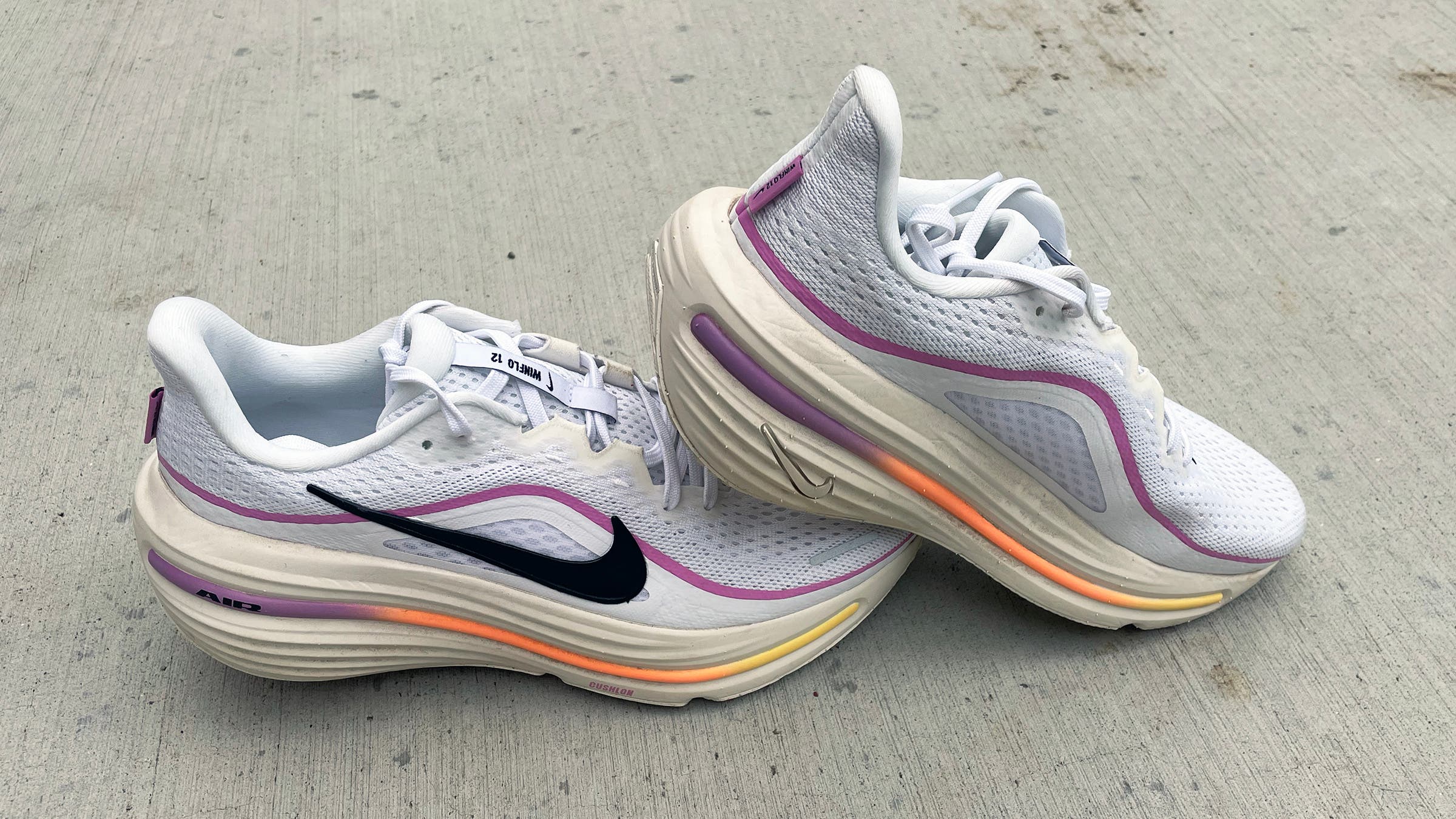
A takedown model of the Pegasus 42, Nike’s franchise lightweight neutral cushioned shoe, the Winflo 12 is a super-comfortable, still-cushy shoe at $35 less.
The Winflo offers a higher stack than the Pegasus, with 41 mm under the heel and 30 mm under the forefoot compared to the 37–27 mm of the Pegasus. Accordingly, the Winflo weighs over a half ounce more than Pegasus 42. The outsole of the Winflo is made of a simple rubber, while the Pegasus 42 features a high-abrasion rubber in a waffle construction for better traction.
While the Nike Pegasus 42 features a heel-to-toe Nike Air cushioning unit, the Winflo 10 has Nike Air only under the heel to optimize the impact-dampening effect without the cost of a full-length unit. The rest of the midsole is made of Cushlon 3.0 foam, which provides a softer ride versus the more responsive, lively feel of the ReactX foam found on the Pegasus.
The Pegasus 42’s responsiveness makes it feel like a more premium shoe, but the Winflo is equally plush with a padded tongue and well-cushioned heel cup. The Winflo 12 has a roomy forefoot, but a secure fit at the heel, and is all-day comfortable. Both shoes breathe well, thanks to open-holed mesh.
Comparisons aside, many runners should find the Winflo 12 a cushy, comfortable, neutral shoe that makes a great daily trainer and is well worth the bargain price.
Brooks Revel Max
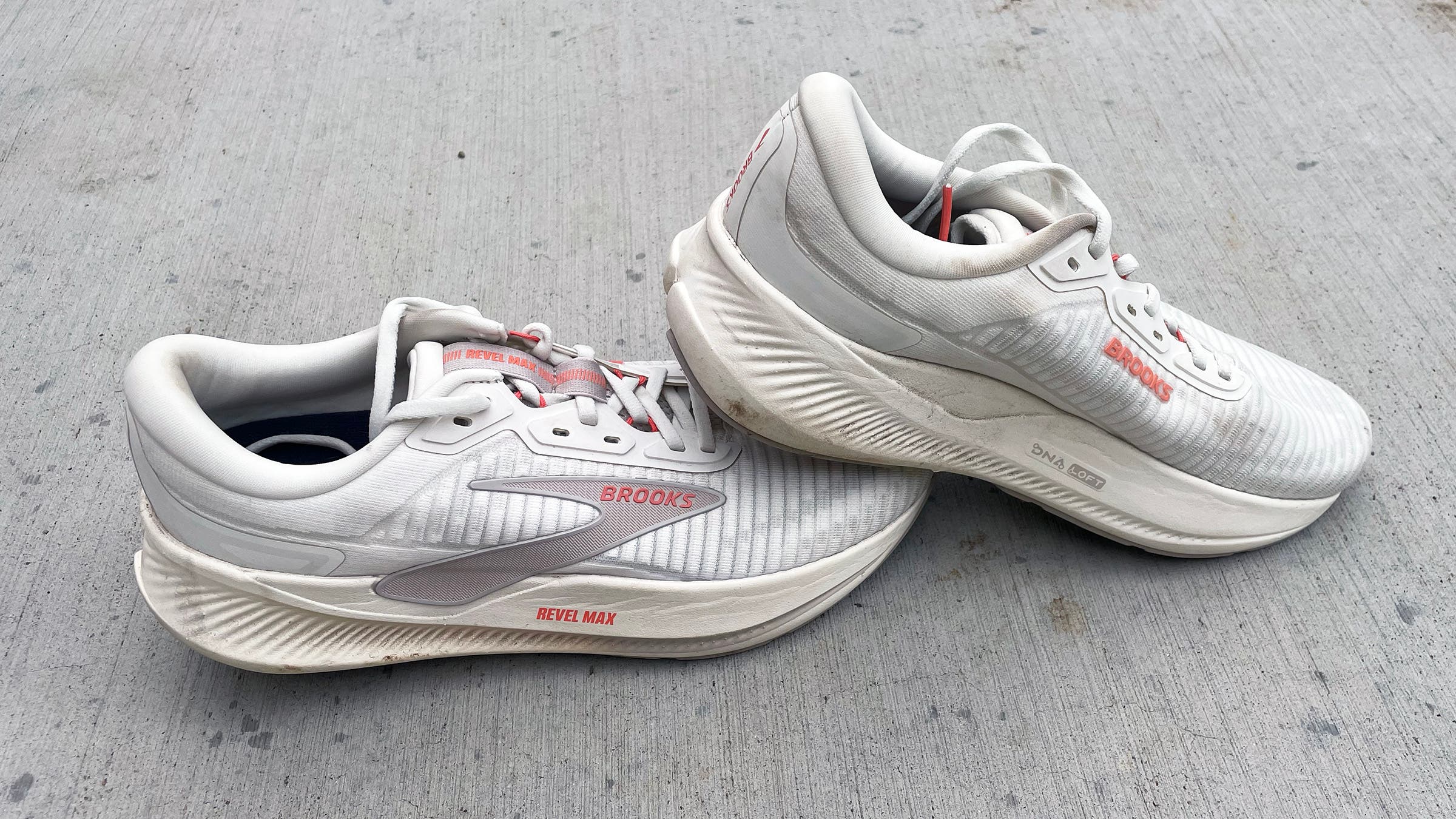
The Brooks Revel Max shares a similar structure with the Brooks Ghost Max 3—both feature plenty of cushioning, a broad base for a stable ride, and a slightly rockered shape to help the transition from landing to toe off. The differences are in the price—the Revel Max is $40 less—and materials used.
The Revel Max has a 28–21 mm stack of Brooks’ DNA Loft v2, a blend of EVA, rubber, and air, while the Ghost Max stacks 39–33mm of Brooks DNA Loft v3, a nitrogen-infused cushioning compound that’s both softer and springier than the v2 version. The somewhat firmer foam makes the Revel Max a nicely stable shoe that still allows some groundfeel, while providing enough cushioning and support for a range of runners.
While the Revel Max sounds (and looks) like a maximally cushioned shoe, it’s not as high as it seems. The midsole wraps over the upper in sidewalls that surround the foot, creating a supportive cradling effect. The upper of the Revel Max is a flexible warp knit that conforms around the foot with an attractive, streamlined look. And at 9.8 ounces for men and 8.9 ounces for women, it’s relatively lightweight.
The Revel Max combines a stable, confident-feeling base underfoot with a slight rockered shape that encourages forward momentum. It’s a great pick for those looking for an inherently stable shoe that isn’t overly bouncy for daily runs and walks.
Adidas Adizero Pacer
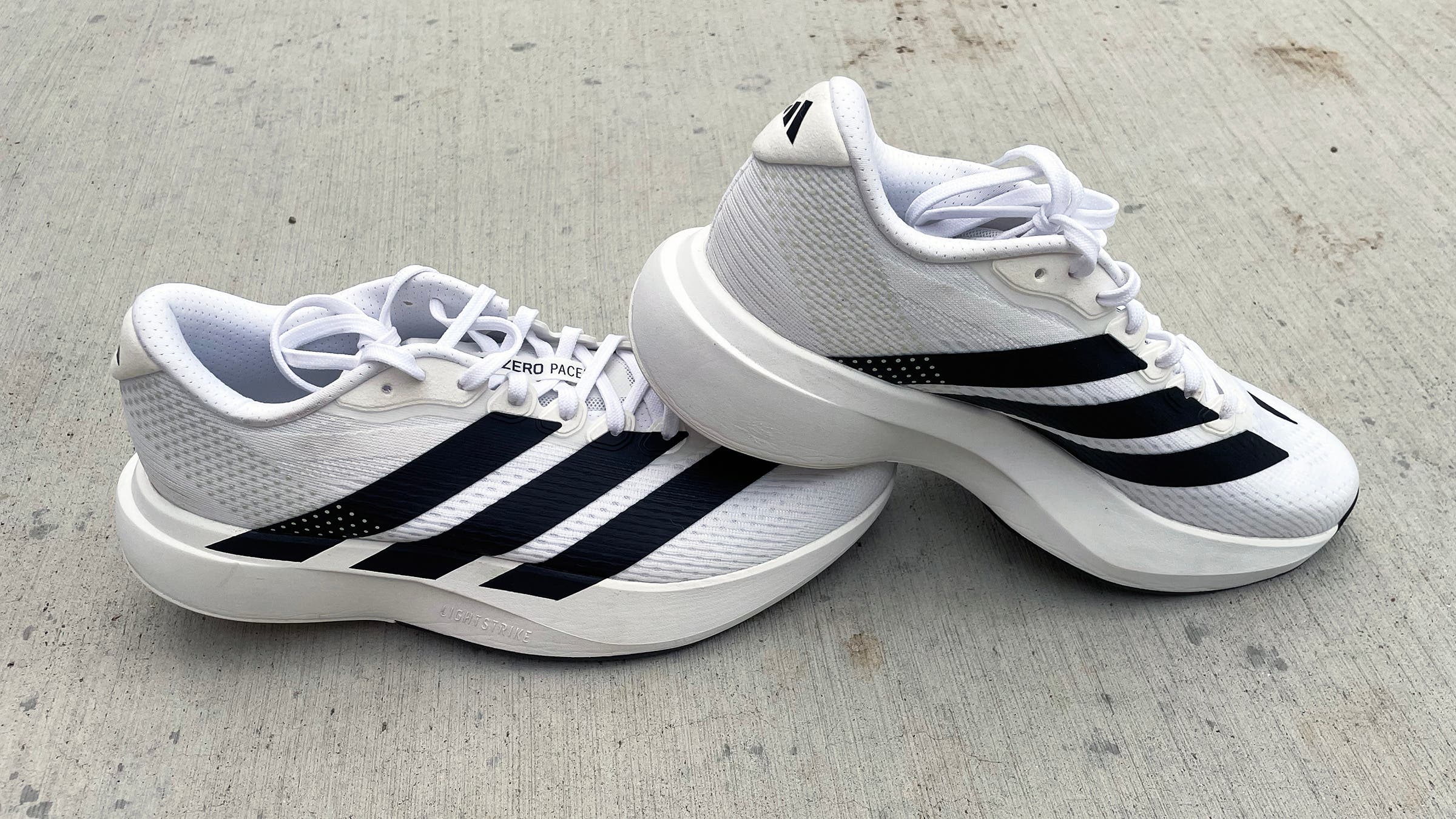
The new Adidas Adizero Pacer is a $70 cheaper, takedown version of the popular—and fast!—Adidas Adizero EVO SL. They share looks and geometry, with both the EVO SL and the Pacer sporting stack heights of 38 mm under the heel and 32 mm under the forefoot; both also have an aggressive forefoot rocker.
But while the EVO SL uses a premium, supercritical TPEE-based Lightstrike Pro foam for maximum energy return, the Adizero Pacer has a full-length midsole made of Lightstrike, an EVA compound that delivers a firmer ride. And the EVO SL weighs a scant 7.9 ounces for men and 6.6 ounces for women compared to the Pacer’s 9.1 ounces (men’s) and 7.6 ounces (women’s).
The EVO SL’s outsole uses pricey Continental rubber, while the Pacer features a rubber “Adiwear” outsole. The Continental rubber provides more secure traction, especially on wet roads, but both are known to be durable.
When not compared to its premium sibling (which we reviewed in full here), the Pacer delivers a responsive, rolling ride. With its breathable mesh upper and signature three-stripe design, it’s at home both running tempo efforts in summer heat and turning heads as cool-kid streetwear.
