

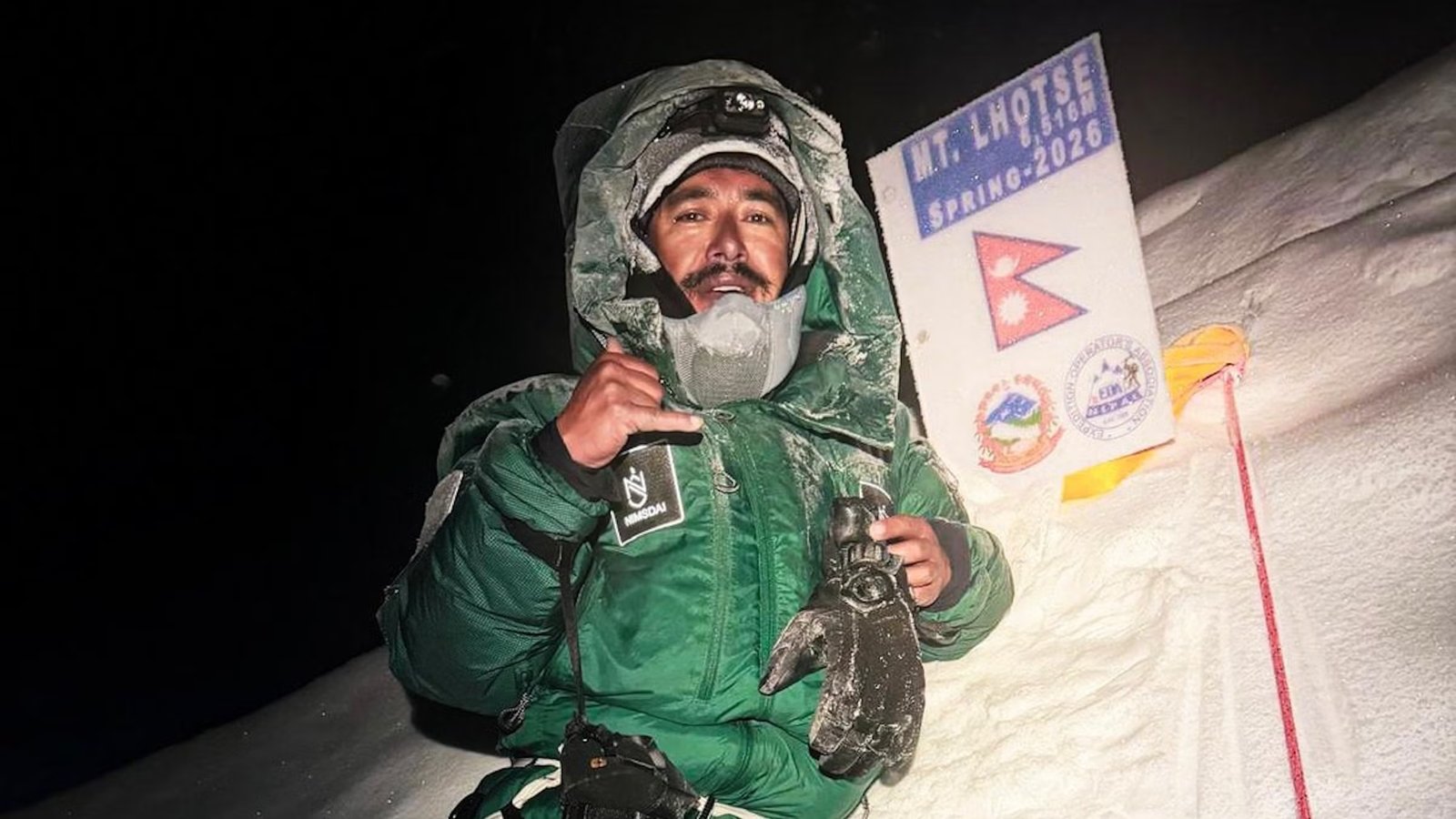
A massive avalanche on the 26,400-foot-tall Broad Peak has left ten climbers missing, including Nirmal “Nims” Purja.
Purja climbed from the summit of Mount Everest to the summit of neighbouring Lhotse without
supplemental oxygen in May 2026 (Photo: Nimsdai Purja)
Updated July 30, 2026 03:44PM
The summer climbing season in Pakistan’s Karakoram Mountains has taken a tragic turn after a massive avalanche on the 26,400-foot-tall Broad Peak has left ten climbers missing, including Nirmal “Nims” Purja.
According to a press release posted on the Alpine Club of Pakistan’s Instagram channel, the avalanche struck a group of climbers climbing Broad Peak around midday on Thursday, July 30. “The entire team has been out of communication since the avalanche,” the statement reads.
Tracking data of the expedition shows a rapid descent that would align with that of an avalanche.
Rescue efforts are underway, but are not expected to reach the mountain until Friday morning local time.
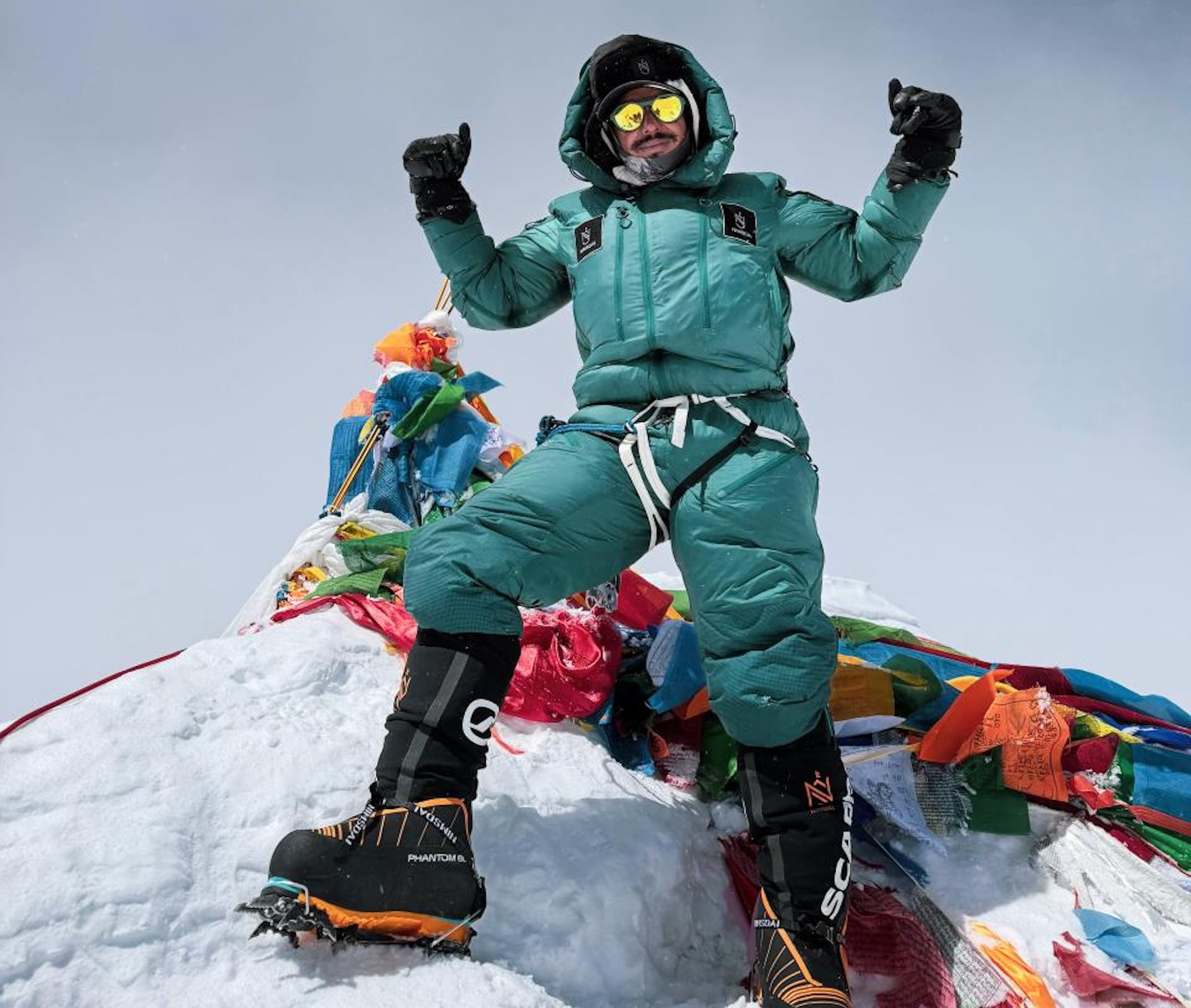
Purja was leading an expedition for his company, Elite Exped, when the avalanche occurred. Purja rose to fame after the popular Netflix documentary 14 Peaks: Nothing Is Impossible was released in 2021, chronicling his successful attempt to break the previous speed record for climbing the world’s 14 peaks above 8,000 meters. His career has been defined by success and controversy, including allegations of sexual assault during expeditions, as reported by The New York Times.
According to the Everest Chronicle, the avalanche occurred only days after Nims completed his 57th successful ascent of an 8,000-meter peak with an oxygenless ascent of Gasherbrum II on July 21. He was nearing completion of his Hat Trick Campaign to climb all 14 8,000-meter peaks three times. Purja is also known for his foundation, which raised funds to give back to the mountaineering community. He recently inaugurated a new porter shelter in the Everest region for workers carrying goods for Everest expeditions.
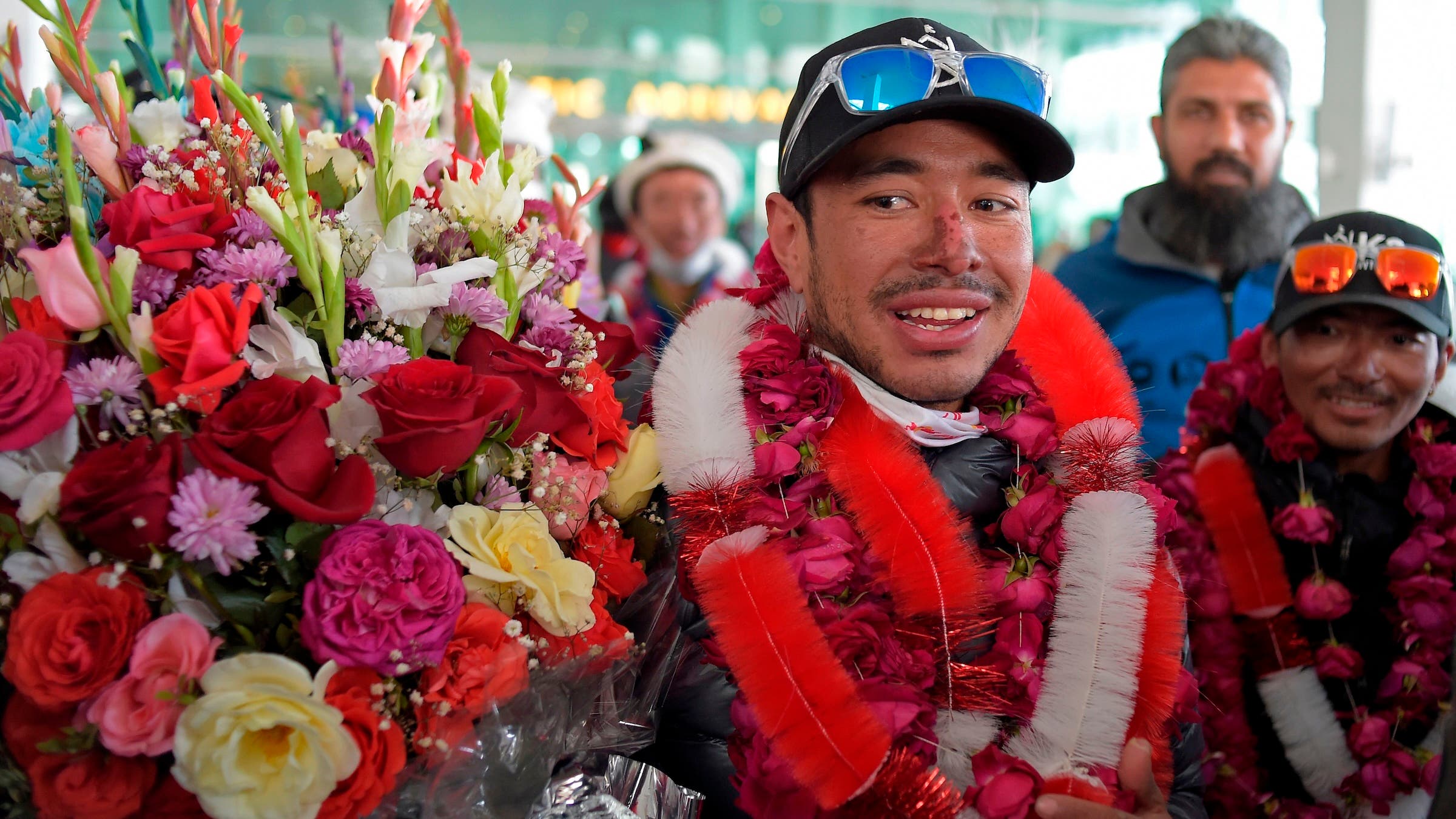
The other missing climbers include Pakistani guide Sohail Sakhi and his American client Hillary Geis, an Omani climber named Nathira and a Chinese client known as Wang. There are a number of Nepali and Pakistani high-altitude workers also missing, but their names have not yet been released.
While interest in expeditions on Pakistan’s five 8,000-meter peaks has grown in recent years, the range remains extremely isolated with limited facilities for communication or helicopter rescue. The climbing season in Pakistan occurs during the summer months to take advantage of relative stability in the weather patterns and the longer daylight hours. The roles of fixing ropes and guiding clients in the Karakoram are typically shared between Pakistani and Nepali outfitters.
The Alpine Club of Pakistan press release further states that “every possible effort is being made to ensure that helicopter support and all available rescue resources are mobilized at the earliest opportunity, subject to weather and operational conditions.”
This is a developing story. We will continue to update this post as new information becomes available.
