

The Trump administration’s plan to open up national monuments to industry is about more than lines on a map. Former Interior Secretary Deb Haaland explains the lasting human cost of prioritizing resource extraction over heritage.
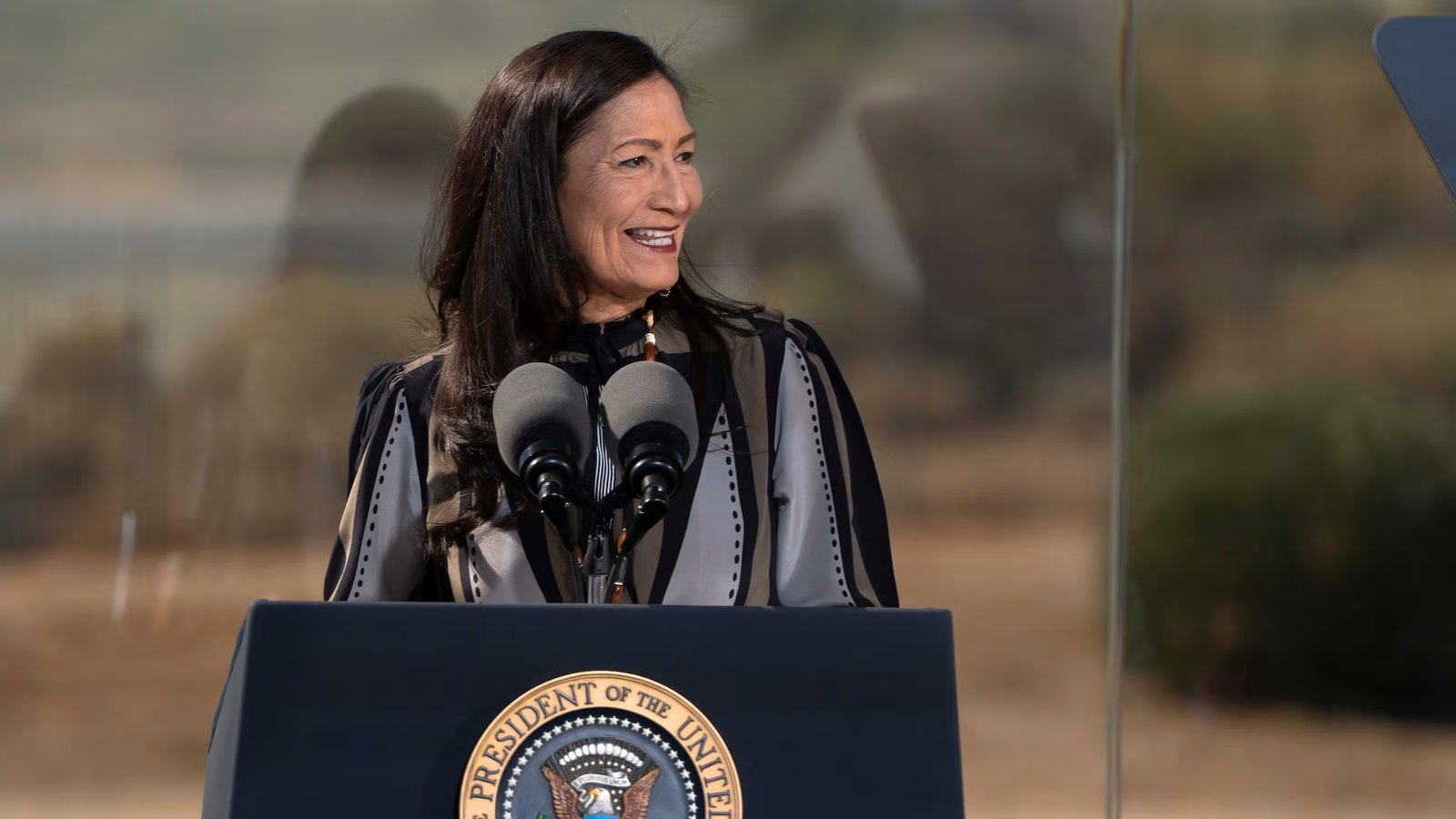
Deb Haaland in October 2024 in Laveen, Arizona. (Photo: Rebecca Noble / Stringer / Getty)
Published August 5, 2026 03:27PM
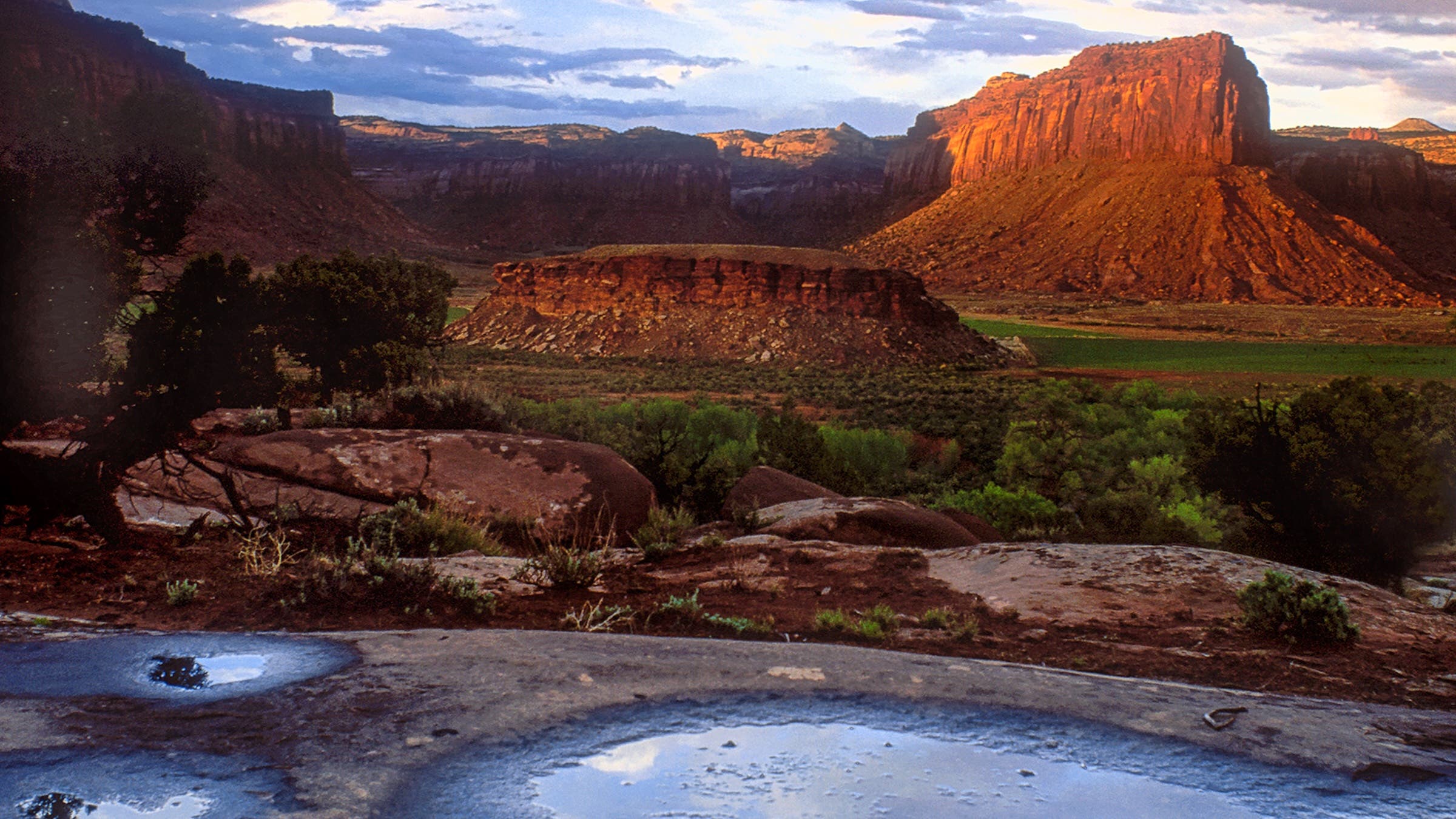
The first time I stood beneath the sandstone cliffs of Bears Ears as Secretary of the Interior, Tribal leaders guided me through places their ancestors have known for generations. We stopped before ancient cliff dwellings and pictographs—reminders that history isn’t confined to museums. It lives in the landscape.
As we walked, I was struck by how small one lifetime feels against the weight of centuries and how great our responsibility is to those who will walk these places after us. The same profound feeling sweeps over me every time I visit Chaco Canyon in New Mexico’s northwest corner and picture ancestors placing each of the millions of stones with care and purpose. Tragically, that landscape is also at risk.
These places reaffirm something I have long believed: America’s public lands tell the story of who we all are. Some places are remarkable because of their beauty. Others because of the structures they preserve or the wildlife they sustain. Bears Ears and Grand Staircase-Escalante National Monuments are all of those things. But they are also living cultural landscapes, where Tribal Nations maintain enduring relationships with lands that have shaped their histories, traditions, and identities for millennia.
The Trump administration’s decision to eliminate these monuments is heartbreaking. Their attempt to rewrite history and erase our national monuments isn’t about lines on a map; it’s about the irreplaceable value these lands hold.
It’s not just in Utah that special places are at risk. It remains a question of how this decision will impact national monuments across our country in the future, such as the Organ Mountains-Desert Peaks in southern New Mexico or Petroglyph National Monument outside of Albuquerque.
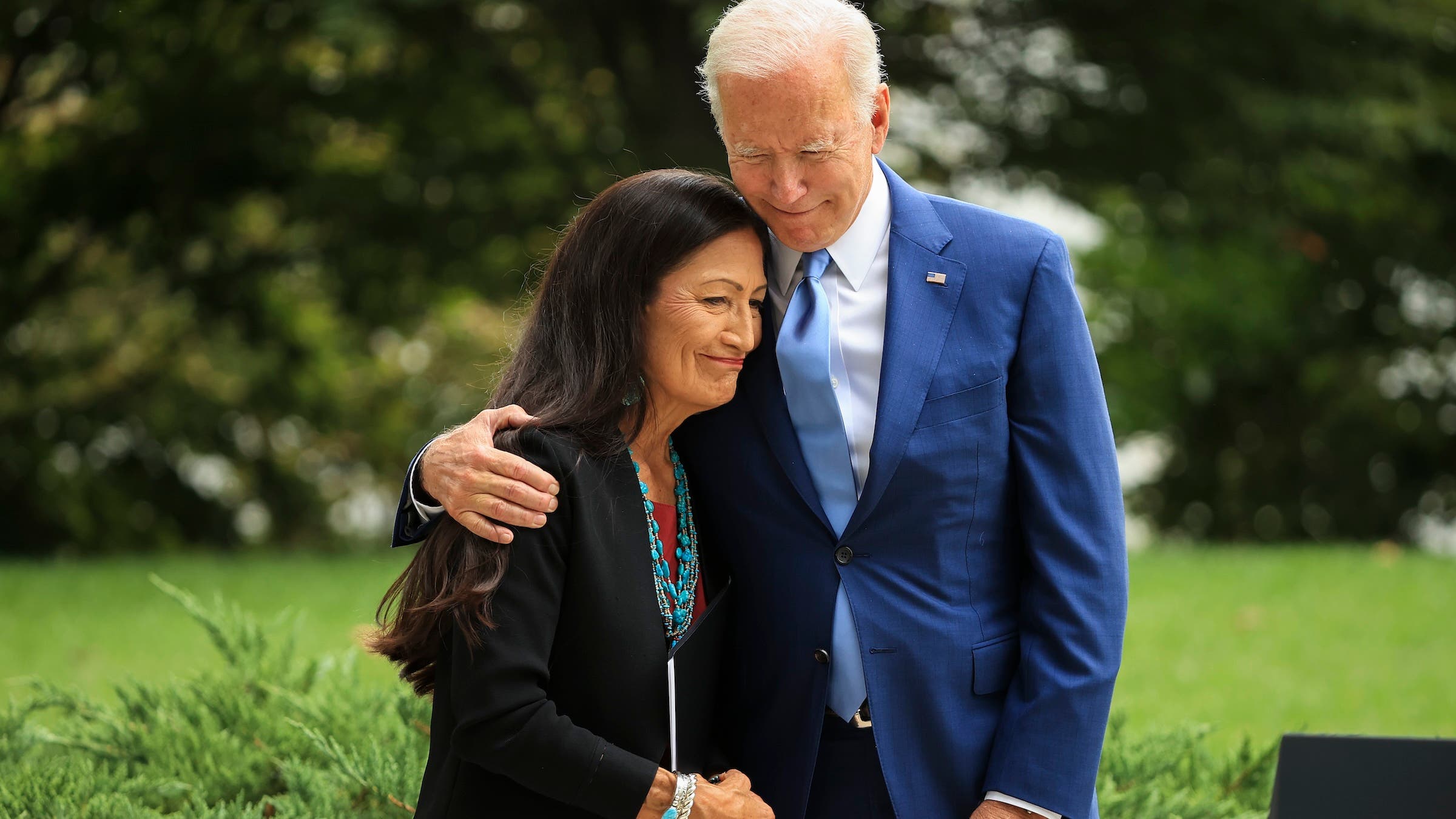
When we reinstated protections for Bears Ears and Grand Staircase-Escalante in 2021, it followed many in-person meetings, consultation with Tribal Nations, and extensive feedback from the American public who believe these places must endure. That decision was about recognizing that some places are so significant that they demand thoughtful stewardship by caring and experienced people.
When I arrived at the Department of the Interior, I was acutely aware of the agency’s complicated history with Indigenous peoples. My grandparents were survivors of the assimilation policies of the day—taken away to boarding school and eventually relocated to a town in Arizona to work on the railroad. That history helped me to make listening a true priority. For generations, Indigenous peoples watched decisions about our ancestral homelands made without us. For the re-protection of Bears Ears, Tribal Nations helped chart a different path—one rooted in consultation, respect, and shared stewardship. It was an example of what our democracy can look like when we choose to listen instead of dictate.
After Trump’s announcement, hundreds gathered in Utah to stand with Tribal Nations in defense of Bears Ears and Grand Staircase-Escalante. They came from different communities, but they shared a simple belief: some places are too important not to protect.
Public lands belong to every American. As I’ve often traveled across my home state, people have shared stories of camping beneath dark skies, veterans finding solace in nature after service, young people discovering a love of the outdoors, scientists unlocking chapters of our Earth’s history, and traditions continuing that cannot be separated from the land itself. Communities deserve every opportunity to be on our public lands, and to have responsible and transparent conversations about what “multi-use purpose” really means. Not every acre should serve the same purpose, and not every landscape should bear every burden. Our responsibility is to know the difference.
That is what stewardship requires. It asks us to think beyond the next election, the next quarterly report, or the next news cycle. It asks us to consider what our children and grandchildren will inherit and whether they will know these places as our ancestors did.
Americans with very different political beliefs share a common conviction: there are some places that define us as a nation. They remind us that our story is larger than any one administration, lifetime, or even multiple generations. Our greatest legacy should not be what we lose, but what we preserve.
The decisions we make about Bears Ears and Grand Staircase-Escalante will echo for decades. They will shape whether future generations inherit landscapes that inspire wonder, reveal our shared history, and honor the cultures that have called them home since time immemorial.
The Antiquities Act was put in place to grant the president the authority to establish national monuments, not the authority to eliminate them or minimize the size of them in an effort to extract their natural resources. The Antiquities Act was meant to protect our heritage, yet the Trump administration has used it as an opportunity to attack our public lands and national monuments. Despite continued objection from millions of Americans, Donald Trump has made it clear that he will continue to make attempts to strip protections from our public lands to benefit industry’s bottom line.
Bears Ears, Grand Staircase-Escalante, and Chaco Canyon are connected through the lives of my ancestors. Their stories are yet to be revealed as humans stand on the land traversed by North America’s earliest inhabitants. We cannot recreate these places once they are lost. These landscapes have existed for thousands of years because generations before us understood their obligation to future generations. We must not be the generation that loses sight of what is important. We must protect these national monuments so that our children and grandchildren inherit not just stories, but the emotions that surface in realizing that they too are part of that rich and beautiful landscape.
