Published August 26, 2026 04:00AM
In late June, Hoka sent one of its employees to the Western States Endurance Run, one of the most competitive ultra marathons in the world, wearing its latest trail super shoe prototype. He won the race, breaking the course record by over 15 minutes. The shoe he was testing was the Tecton X 4. You might say it proved itself capable.
Ok, there’s actually a bit more to that story. The employee in question is Vincent Bouillard, one of the best trail runners in the world and the 2024 UTMB champion. Bouillard is a Hoka footwear engineer, and he helped develop the Tecton X 4.
The Tecton X 4 isn’t a complete rebuild of its predecessor; it takes the best of the Tecton X 3 and refines it, resulting in a lighter, grippier, more propulsive shoe made to win races. I’ve been putting the shoe to the test to see how it fares for those of us who won’t be on the WSER podium anytime soon.
Hoka Tecton X 4
Weight: 9.7 oz. (M10), 8.3 oz. (W8)
Stack Height: 40-35 mm (M10), 39-34 mm (W8)
Heel-to-toe Drop: 5 mm
Lug Depth: 4 mm
Pros and Cons
+ Comfortable and capable right out of the box
+ Smooth, efficient midsole is both peppy and stable
+ Ghillie lacing system and marathon loops allow for a versatile fit
+ Grippy Vibram Litebase sole inspires confidence across all surfaces
– A lack of padding in the tongue may cause discomfort for runners who tie their shoes tight
– The built-in gaiter can feel restrictive on hot days
Hoka Tecton X 4: What’s New
Let’s go over a few of the new features Hoka has implemented this time around. The brand uses the phrase “freshly finessed” to describe the Tecton X 4, and I think that’s an apt description. The shoe has taken the best of the previous version and tuned it up with direct feedback from athletes like Bouillard and other members of the Hoka team.
The shoe is now 5 oz. lighter—a men’s 10 is 9.7 oz., compared to the Tecton X 3’s 10.2 oz.— and the Matryx® Micro upper fabric is more breathable than the previous version. They also added what they call the “marathon lace” option, which is the extra eyelet that allows for a runner’s loop or heel lock (or whatever you choose to call it).
Hoka also refined the midsole without making any wholesale changes. The foam is still a dual-density PEBA, and minor adjustments were made to the parallel carbon plate structure, intended to deliver a more efficient ride. The shoe still utilizes the brand’s Metarocker shape that puts an emphasis on speed and efficiency at the toe-of.
Hoka Tecton X 4: First Impressions
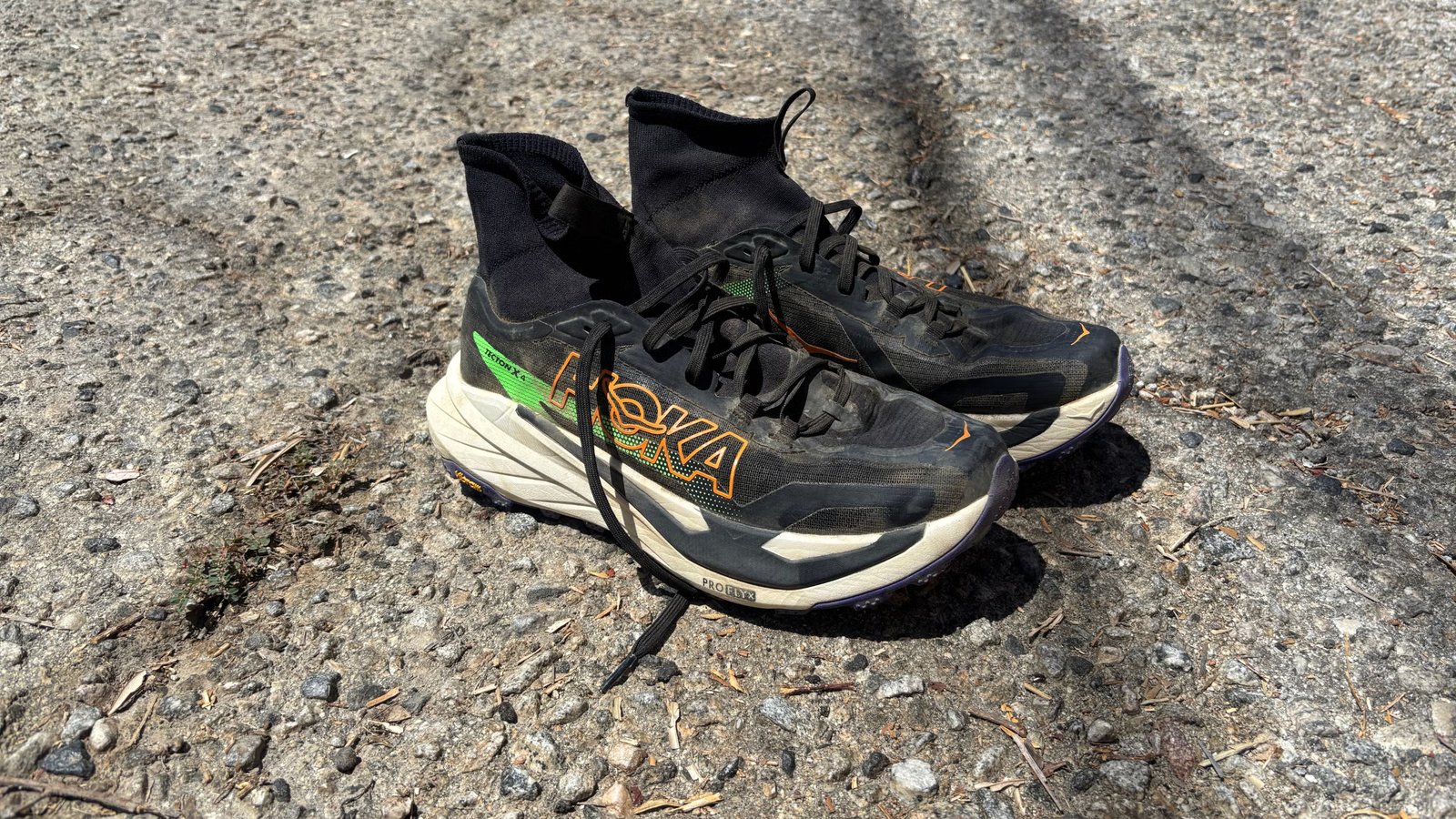
Normally when I receive a new trail running shoe for testing, it takes a couple of runs to really get a feel for it. I work out where the hot spots are, try to avoid blisters, and retie the laces umpteen times to get the fit dialed in. With the Tecton X 4, I didn’t have any of these issues. They were comfortable from the first moment I pulled them on—and the built-in gaiter means you really do pull them on. There was a satisfying *snap* when my heel passed the padding in the heel counter and into place, and my toes had room to wiggle and splay without any fussing with the tension of the laces.
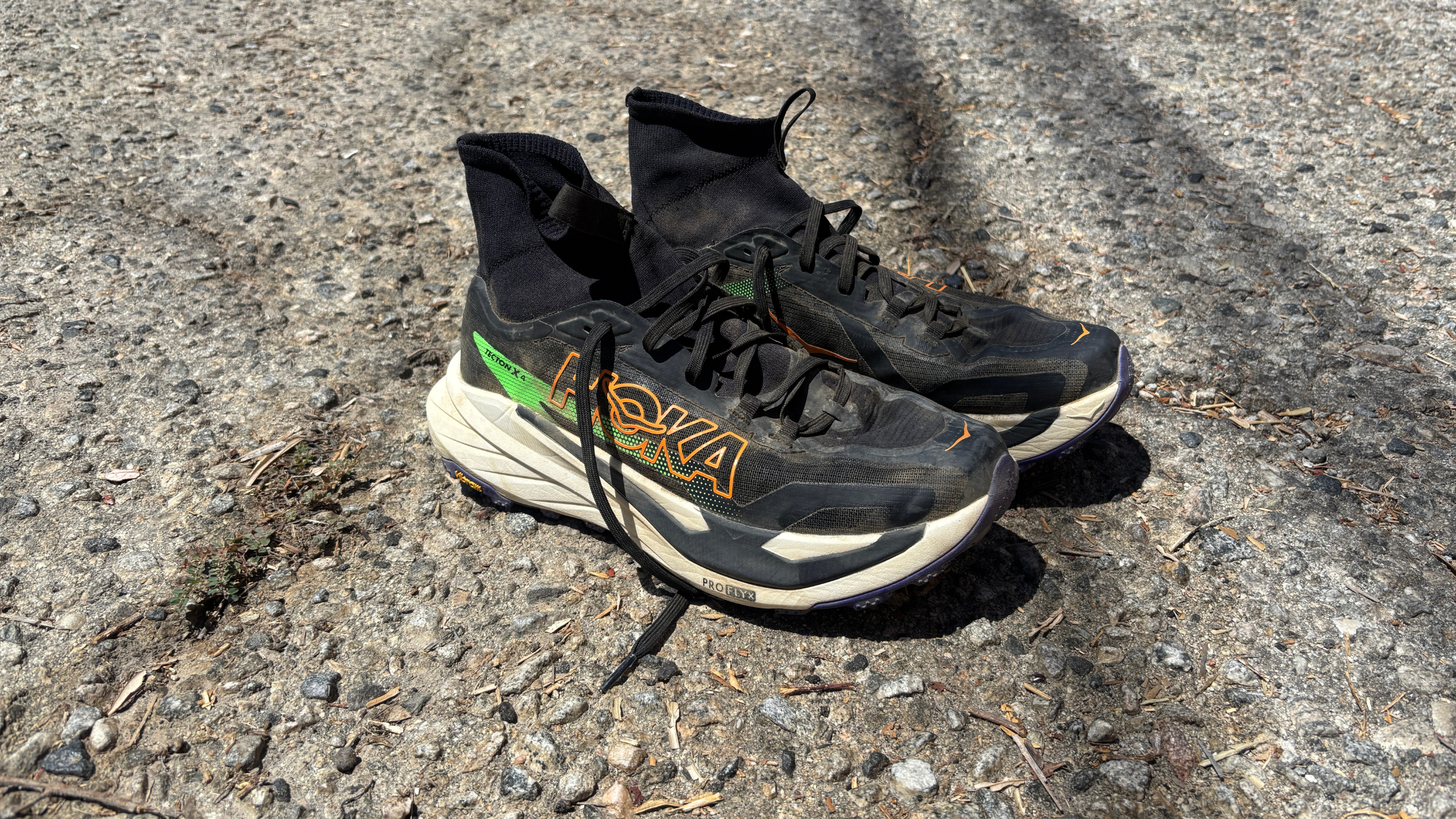
I normally use a runner’s loop to lock my heel down, but with the Tecton X 4, that wasn’t required; and even after running in these for a few weeks, I still haven’t used the extra eyelet for any funky lacing system, I just tie the laces in a bow and hit the trails. I should note here, though, that I did size up half a size from my normal trail runners—even compared to other Hokas I’ve worn. I am traditionally a 9.5, but the 10 is perfect for me.
Once I actually started running, the shoe got even better. My first outing was a 14-mile long run meandering through Griffith Park in Los Angeles. The park has a variety of trails, from singletrack and off-camber fire roads to decades-old tarmac that has been beaten down into gravel over the years. It’s the perfect testing ground for a shoe designed to crush any type of trail, and the Tecton X 4 adeptly took on every surface I could throw at it. I even hit the road sections that connected the trails on my route and enjoyed the way the shoe flew across the pavement.
In addition to the variety of surfaces, the park is full of steep climbs and descents, where I put the shoe to the test at a variety of speeds. I charged uphill (which subsequently led to me walking uphill), then I hit the downhills at both higher paces and cruising speeds. In all instances, the smooth propulsion and well-considered cushioning of the Profly X midsole kept me focused on the run, and not on my feet. The best shoes are the ones that allow you to think of everything except your footwear, and the Tecton X 4 gave me the confidence to push the pace when the ground got sketchy and focus on my speed and breathing when I felt like ramping things up a bit.
One of the standouts for me is the Matryx® Micro upper, a tough, light, abrasion-resistant, and hydrophobic woven material that I found to be extremely comfortable on some of the hottest runs I’ve been on in a while. My feet tend to sweat a lot, but I never noticed any sweat buildup in or around the upper, and after splashing through a water crossing or two, I never felt bogged down. These shoes dry lightning fast, which is always a plus, especially on long runs or in a race. I also appreciate Hoka’s dynamic vamp, a bit of stretchy fabric at the forefoot that allows tired, swollen feet to splay and wiggle deep into a long run. Even with the stretch of the vamp and the sock-like tongue, the upper holds the foot in place without being restrictive—I could confidently take on technical, twisty, rock-laden trails or steep, slippery descents without feeling like I needed to tighten the laces beyond what was comfortable at my usual cruising pace on flat ground.
As someone who doesn’t run that fast but likes to run far, I’ve been a bit wary of running in trail shoes with carbon plates. I wasn’t convinced that the stiffness that comes with a carbon plate was worth the potential lack of stability and unpredictability on varied terrain. This is probably the first shoe I’ve worn that has made me consider switching to carbon-plated shoes for at least all of my long runs and trail races. Hoka utilizes parallel carbon plates that they say aid in stability and propulsion on the trail, and after putting some miles on the Tecton X 4, I can say that they quickly assuaged me of my concerns.
The best way to describe the ride is smooth. Propulsion is a strong word; I would say the shoe compels me forward, rather than launching me into orbit at every toe off. I didn’t feel any of the awkwardness or instability I expected from the carbon plates, and I think the fact that the shoe uses two parallel plates instead of one larger plate makes all the difference. The plates move independently of one another, lowering the risk of going off camber when the trail gets tricky. The shoe adapts to its environment and doesn’t sacrifice stability for the sake of propulsion.
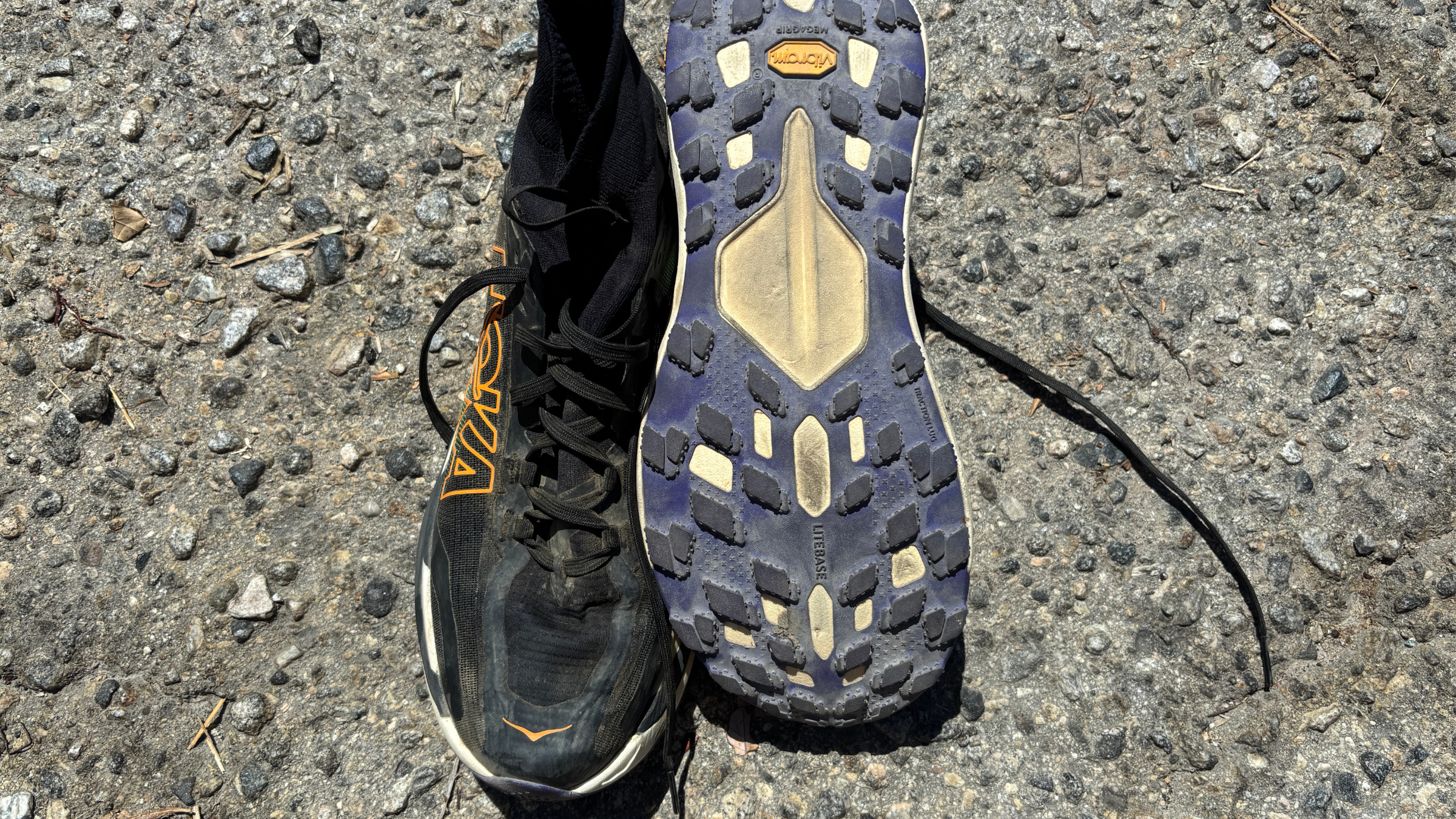
The combination of the carbon plates, high-rebound PEBA, and rocker shape lose their lustre at slower paces, though, so if I’m heading out on a slow recovery run or a calm day on the trail where I’ll be doing a lot of hiking or walking, I would probably leave this shoe at home in favor of something less performance-focused. And while I love the built-in gaiter 75% of the time, I did catch myself starting to notice it the longer a run went on; when I was running on smooth trails without a lot of rocks or other debris, I found myself fantasizing how the shoe would feel if the gaiter were an inch shorter, especially on hot days—the stretchy fabric used for the tongue and gaiter is much less breathable than the Matryx Micro upper that wraps around the foot.
I can’t wait to put more and more miles on this shoe, and it truly feels like it will last a long time, which I would hope and expect from a $275 trail runner. It’ll be a mainstay for my long runs, it works well on lively shorter runs, and I am sure it will be a trusty companion on race day.
Hoka Tecton X 4: Who It’s For
The Tecton X 4 is perfect for anyone who needs a performance shoe designed to tackle tough terrain. The shoe is tailored for long runs and race day, and after testing, I can say that’s where the shoe shines the most. However, I also think it’s a great option for runners who want an all-around shoe that can take on any training run, from hill repeats to tempo sessions. It’s smooth, comfortable, and instills confidence on any surface.
Similar Shoes
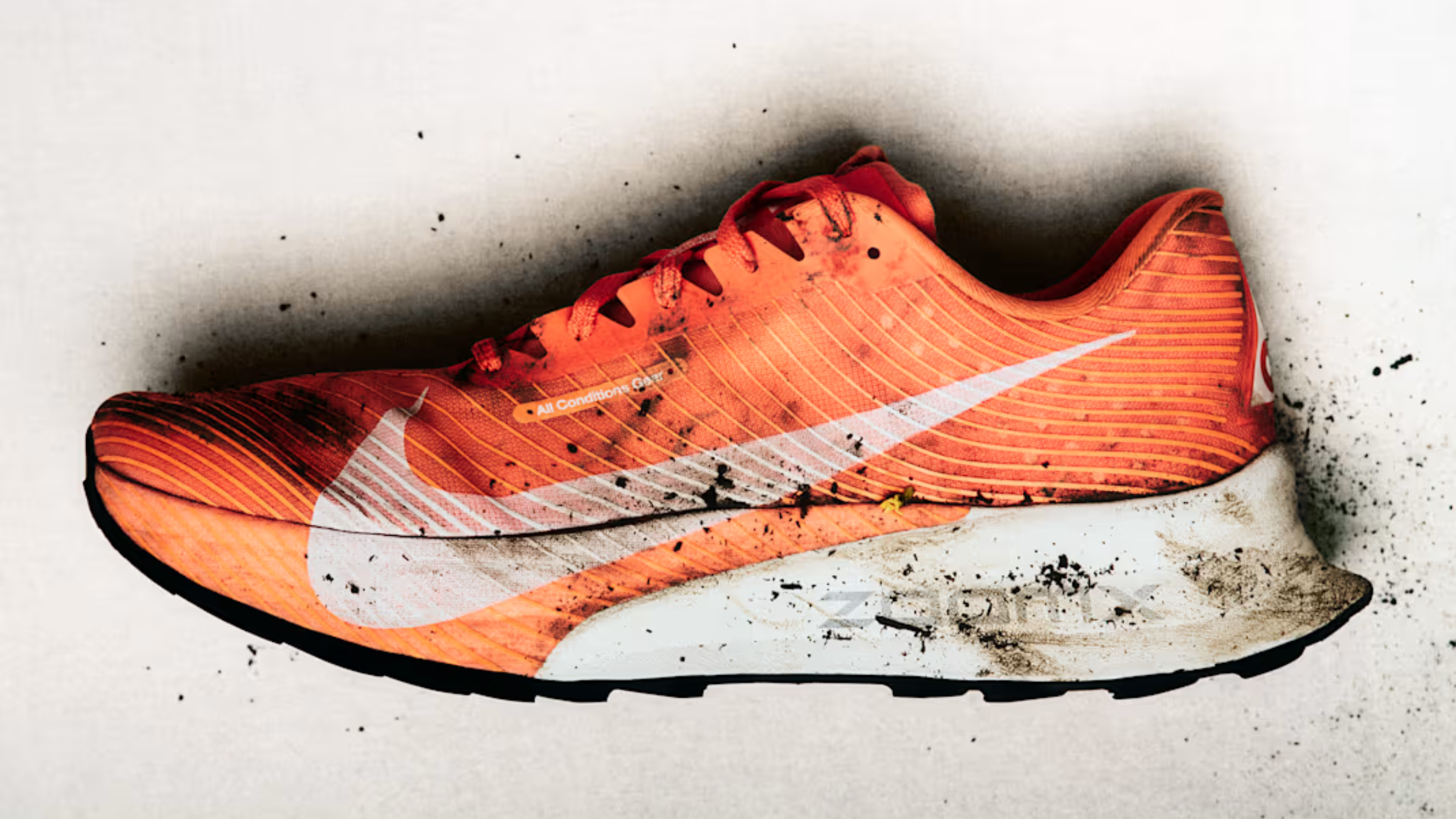
Nike ACG Ultrafly
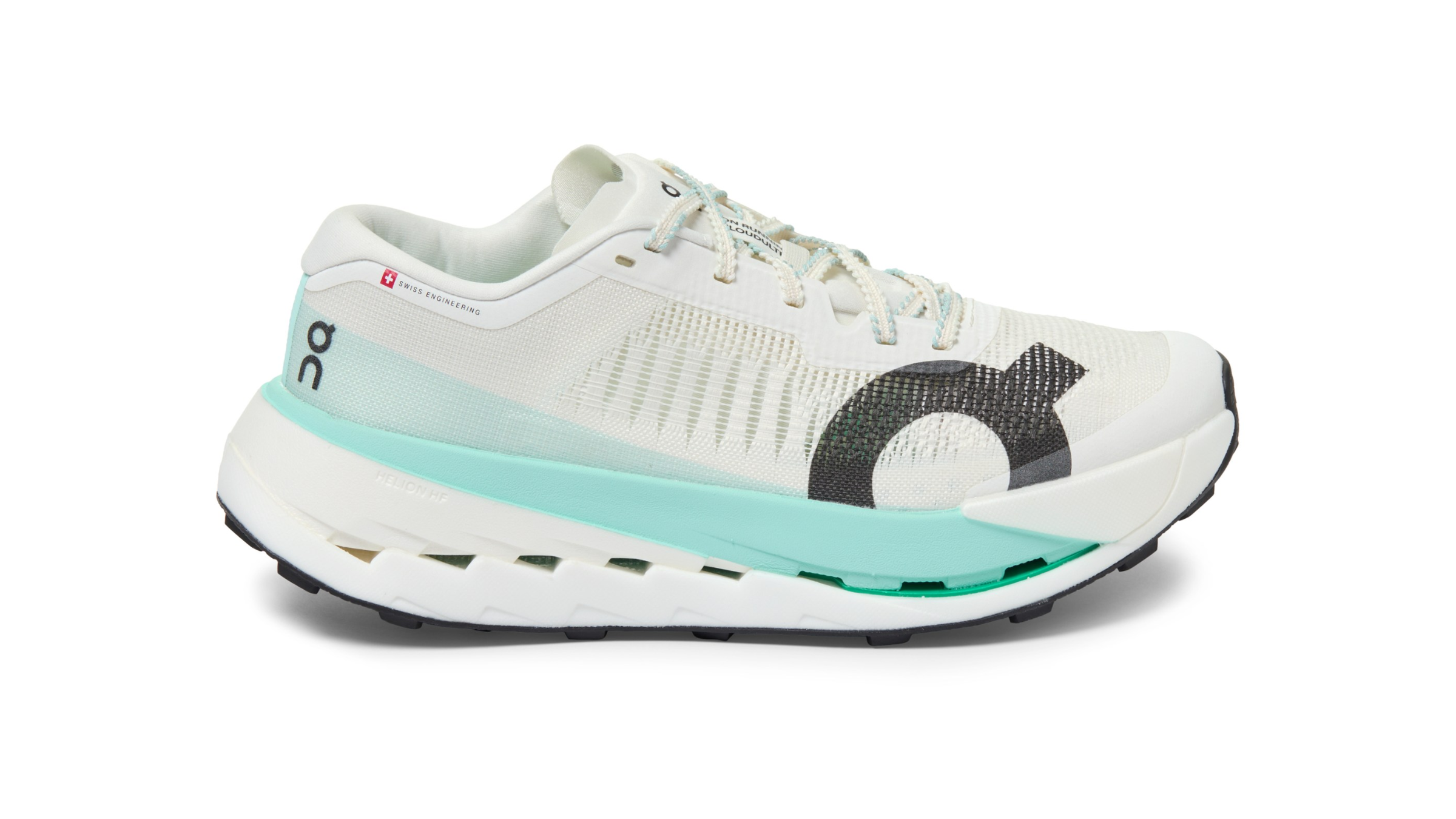
On Cloudultra Pro
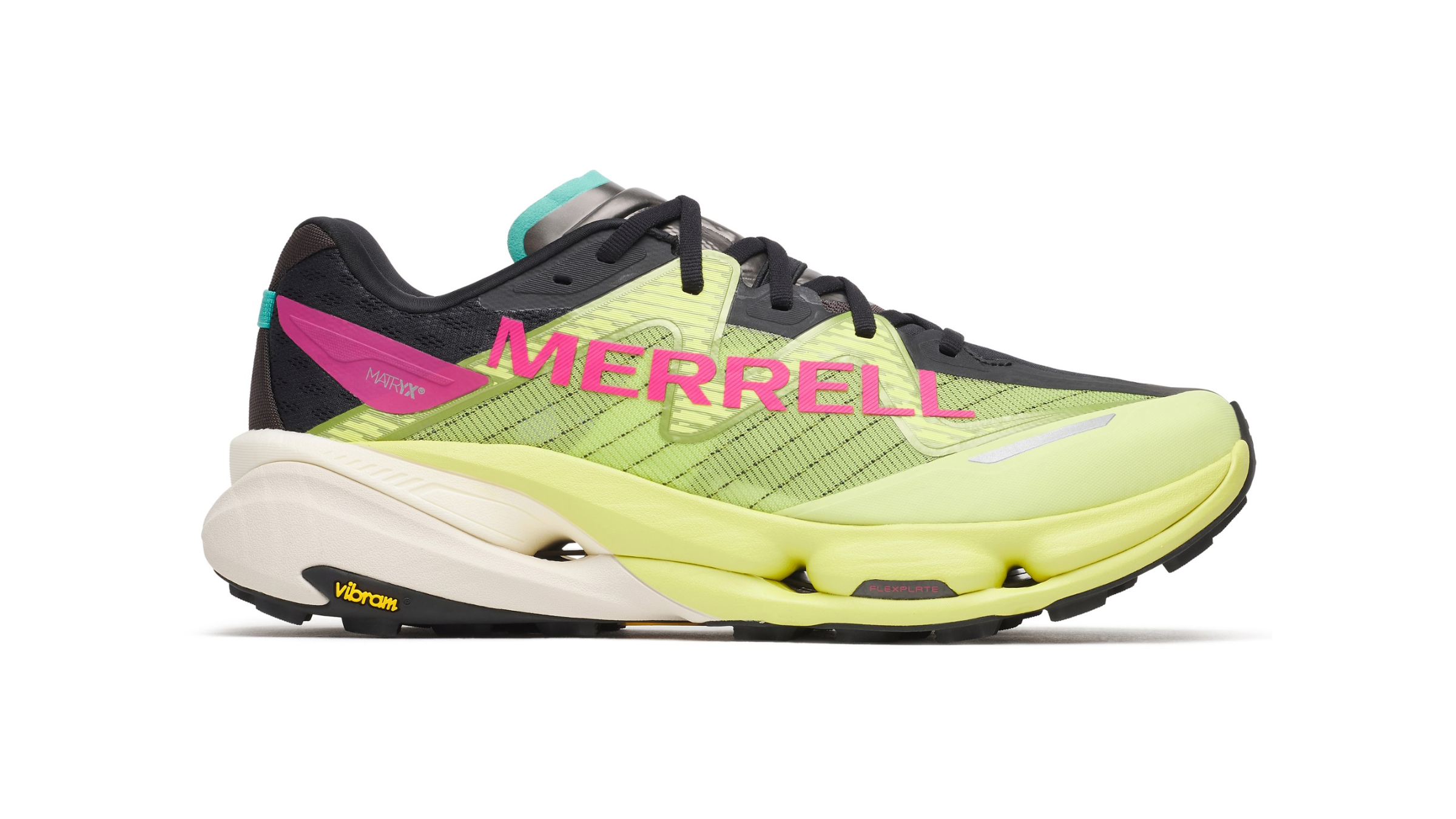
Merrell MTL SpeedArc Peak
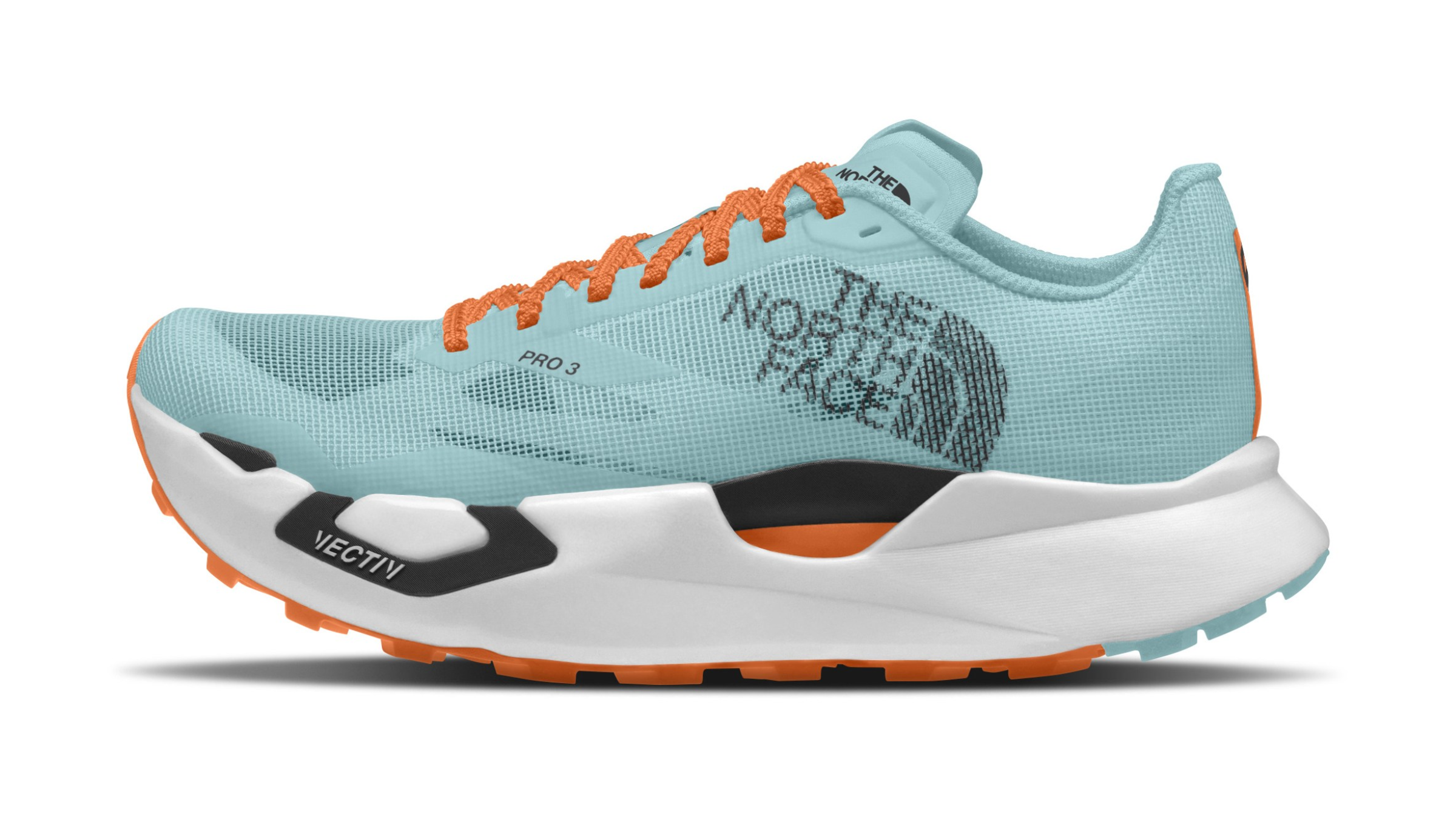
The North Face Summit Series Vectiv Pro 3
Adidas Terrex Agravic Speed Ultra 2