


Trail running is booming. Before you follow the crowd into the woods, you need new gear. Here’s what’s most important.
(Photo: Cory Smith)
Published August 29, 2026 06:23AM
Trail Running Gear for Beginners
However you found running—a doctor’s warning, a divorce, a friend dragged you to your first race—odds are you started on the roads: you joined a local run club on a paved park route, toured town streets in a 5K with friends, or headed out the door on your neighborhood loop.
But running can be so much more than pounding the pavement—as many are finding out. The 2026 Running Report from the Outdoor Industry Association found that trail running was one of the fastest-growing segments—not only in running, but in the entire outdoor industry. It grew 6.6% to 17.2 million participants and is up 57% since 2019.
While road and trail running may seem like the same activity, they’re quite different when it comes to equipment. The best trail running gear makes the trails safer and more enjoyable. As a runner who has identified as a road runner most of my life, here’s the gear that made my transition to the trails more enjoyable.
1. Trail Running Shoes
The very first thing you need to invest in is a quality pair of trail running shoes. This isn’t just for comfort, but also for safety. Road running shoes are downright treacherous on most trails because they lack the grip and support to prevent slipping, falling, or rolling an ankle. A good trail shoe will increase your confidence and agility, making trail running much more enjoyable.
Trail running shoes differ from road running shoes in three main areas: grip/traction, support, and protection. Road shoes have a smooth outsole designed for pavement. That smooth bottom becomes slippery on loose dirt or mud. Trail running shoes come with lugged soles that bite into soft surfaces and stick to rock. The uppers are usually made of a tighter engineered mesh for durability, with additional support built in to better secure the foot and reduce sliding over the undulating terrain.
Best For Smooth Trails: The North Face Altamesa 500 v2 ($170)
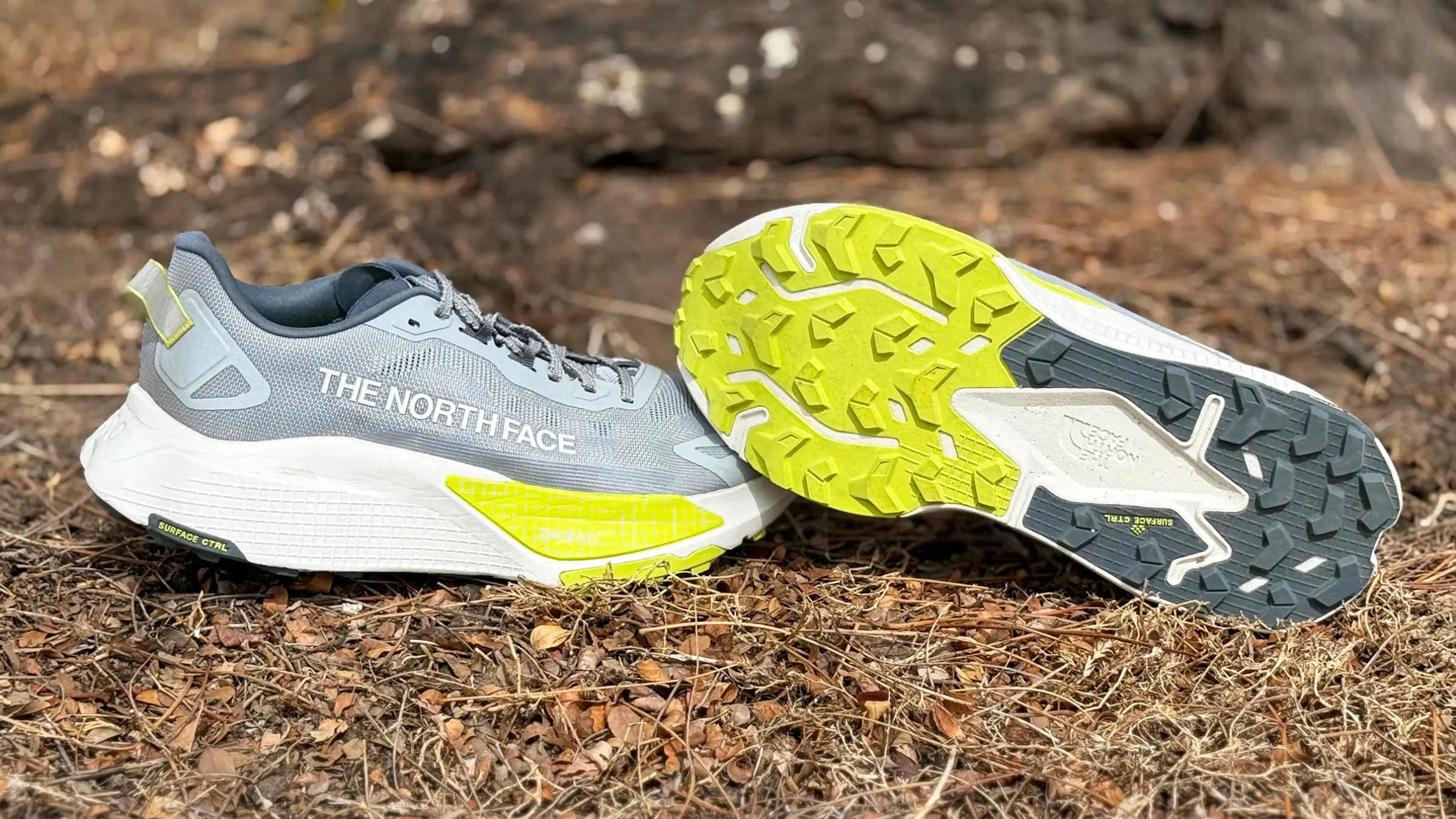
If you’re coming from roads, it’s best to start off on smooth trails with little or no rocks or roots. The North Face Altamesa 500 v2 is one of the best for this type of terrain. With 36 millimeters of foam under the heel, it provides just the right amount of cushioning without becoming tipsy. Four-millimeter lugs grip loose dirt and gravel without getting too bumpy on roads.
Best For Rocky Trails: Saucony Peregrine 16 ($150)
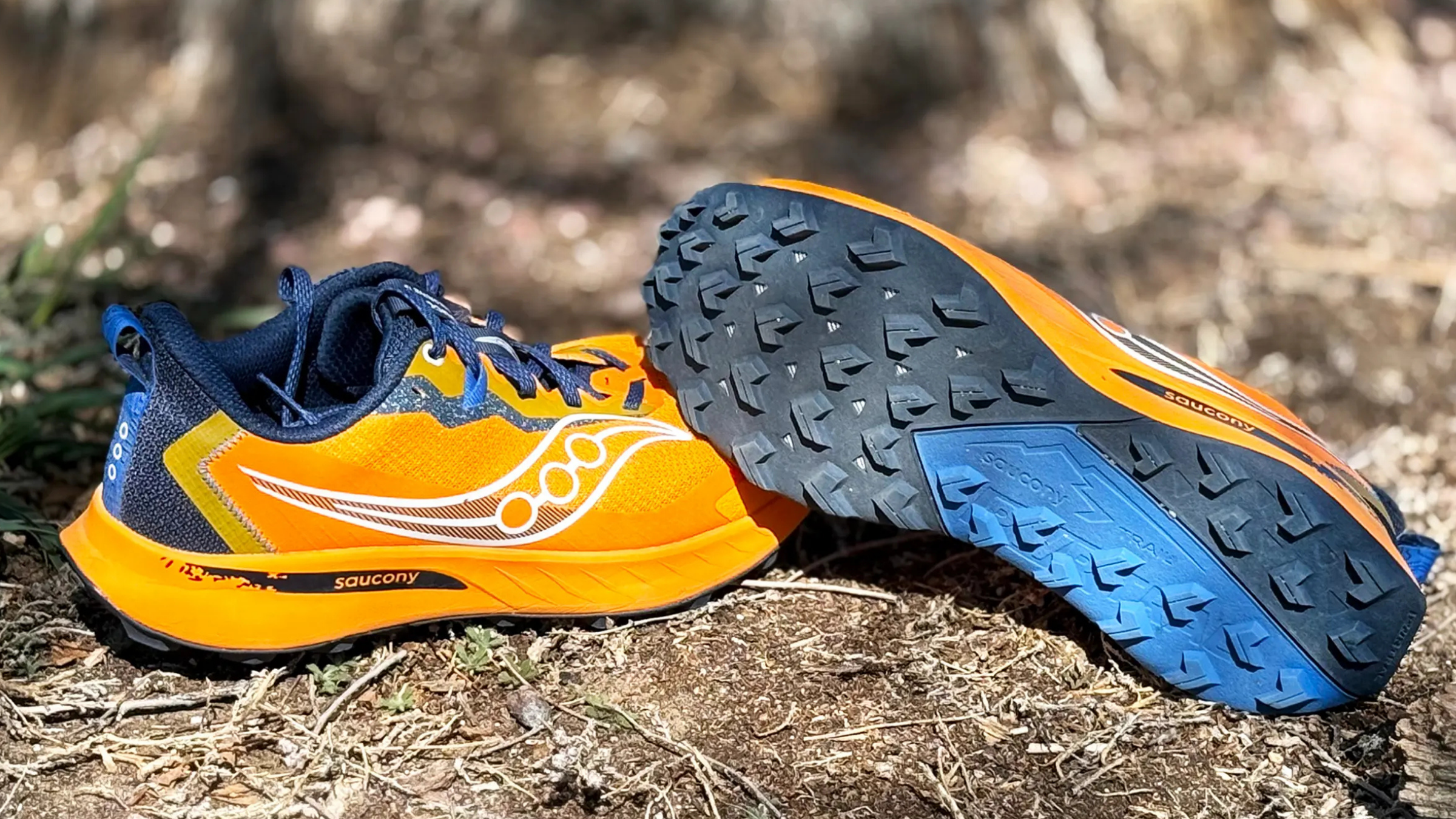
For those brave enough to tackle rockier, more technical trails, the Saucony Peregrine 16 sits lower to the ground for better control and feel. The outsole uses Vibram rubber, the best in the business. It’s less cushioned than the TNF Altamesa 500 v2, but manages rocks and roots much better, and its light weight lets you dance nimbly over obstacles.
2. Hydration Vest or Belt
No matter how far you plan to run out in the woods, especially in the mountains, it always ends up taking longer than road running because hills, iffy footing, and obstacles slow you down. Having enough fuel and water to handle the extra time on your feet makes the difficulties a lot more tolerable, and the best way to carry it all is in a hydration vest or belt.
Salomon Advanced Skin 8 Vest ($115)
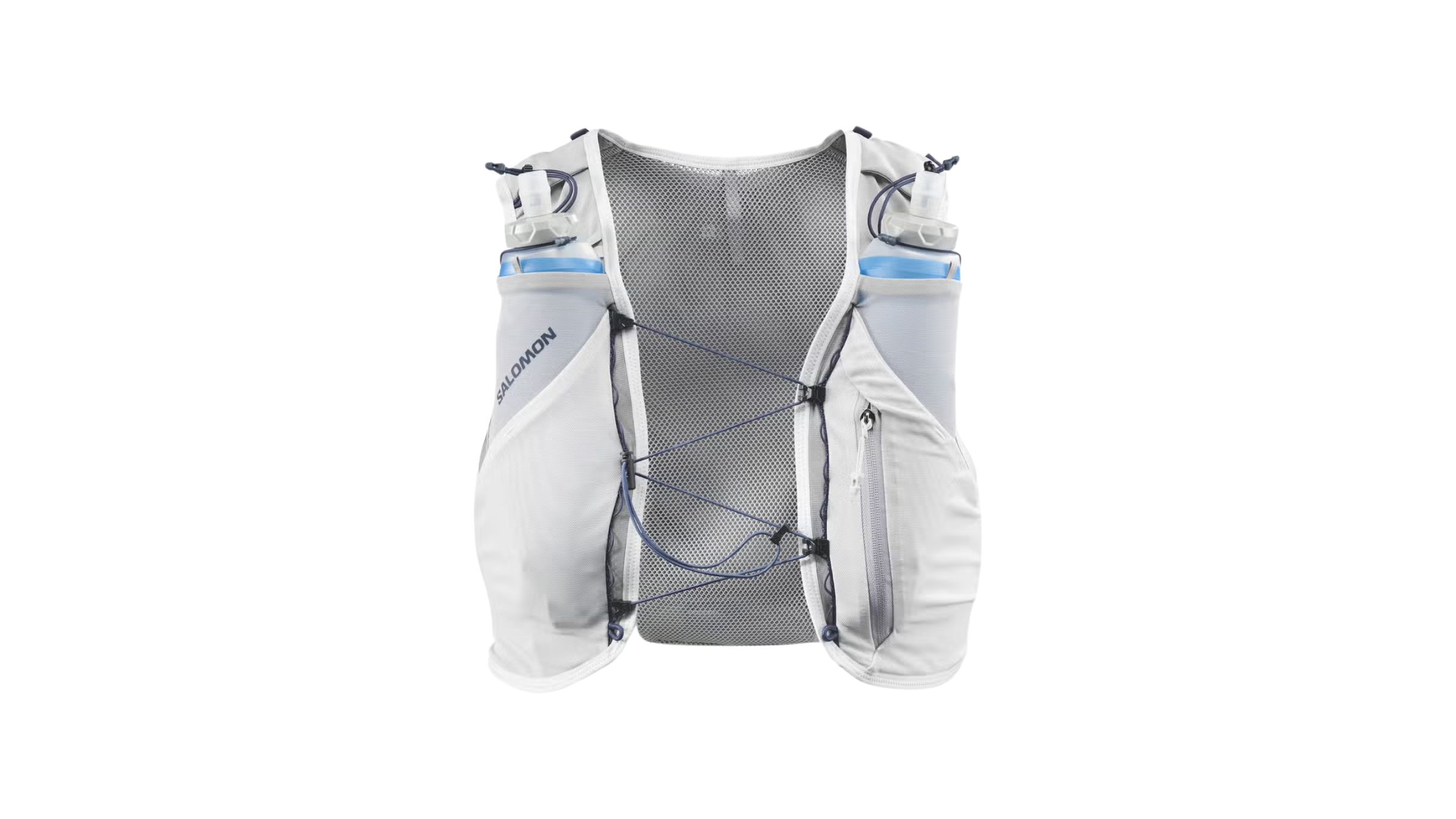
For runners just venturing into the trails, investing in a quality vest is a must. There are tons of options out there, but vests made specifically for trail running by trail running companies are typically the best. They fit better, reduce or eliminate bouncing, and lay out pockets and storage intuitively. Salomon’s Advanced Skin vest is one of the gold standards for a hydration vest because it sits close to the body and just works.
Naked Running Band Belt ($55)
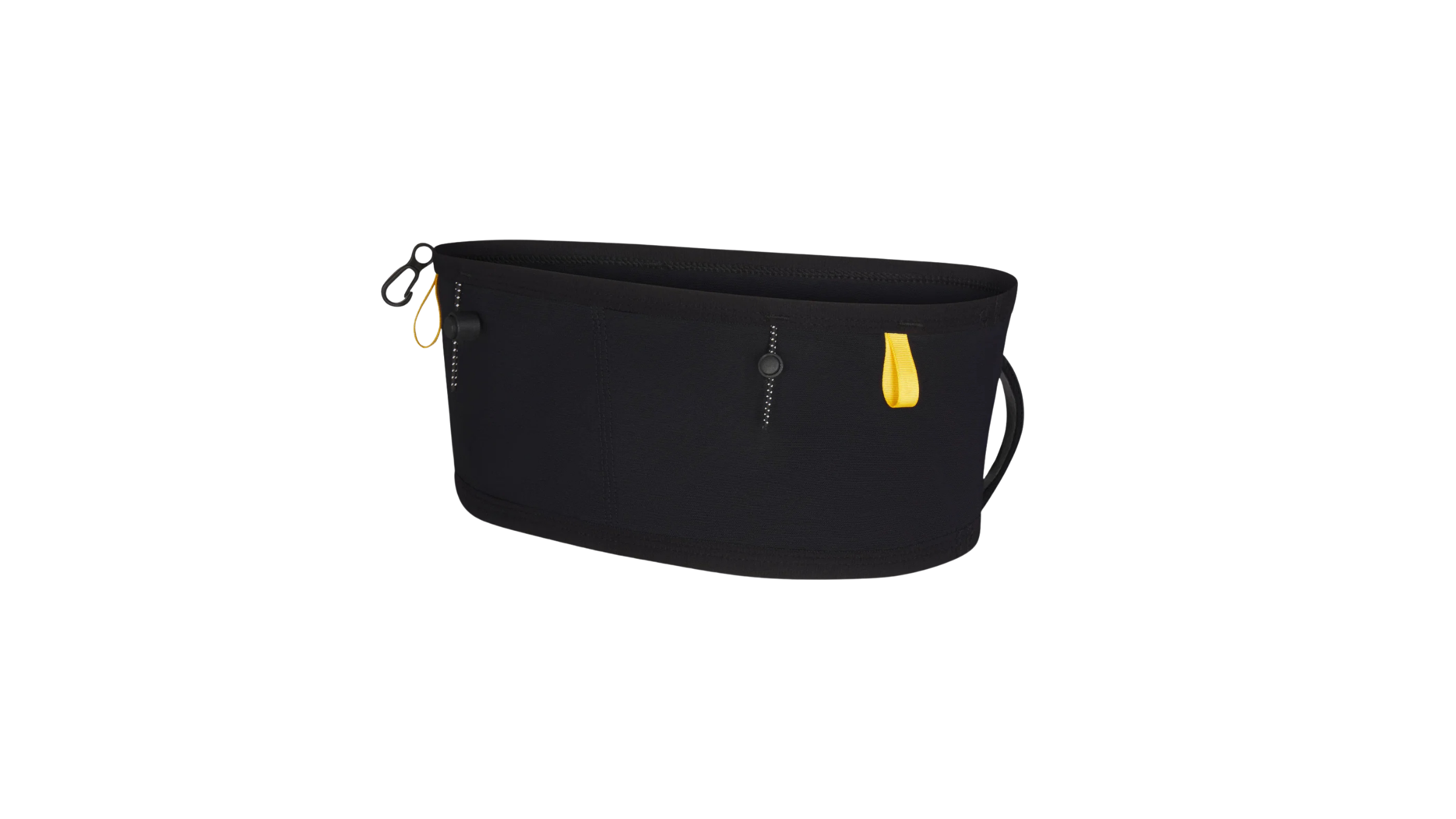
If I can carry little enough that I don’t need a vest, I will wear a belt every time. Naked is a relatively new company that makes high-quality, well-fitting running belts and vests. The Naked Running Band holds just over 2 liters of gear and can accommodate up to three 500ml soft flasks. It comes in 12 different waist sizes so you can find the perfect fit.
3. Watch with Navigation
I promise you one thing: if you start trail running, you will eventually get lost. I’ve never encountered a trail runner who hasn’t. It’s a rite of passage. Often it results in just a short detour or backtrack, but a one-hour trail run can easily turn into a three- or four-hour frantic scramble. This does not have to be your destiny if you’re wearing a GPS watch with maps and navigation. These watches tend to be in the $500 to $1000 range. Note, however, that they also have all the features you use for the roads, so if you’re in need of an upgrade, it’s worth considering purchasing a watch with navigation as your everyday GPS watch. Pretty much all higher-end models come with some sort of navigation, so you should check if you already have it built in.
Suunto Race 2 ($499)
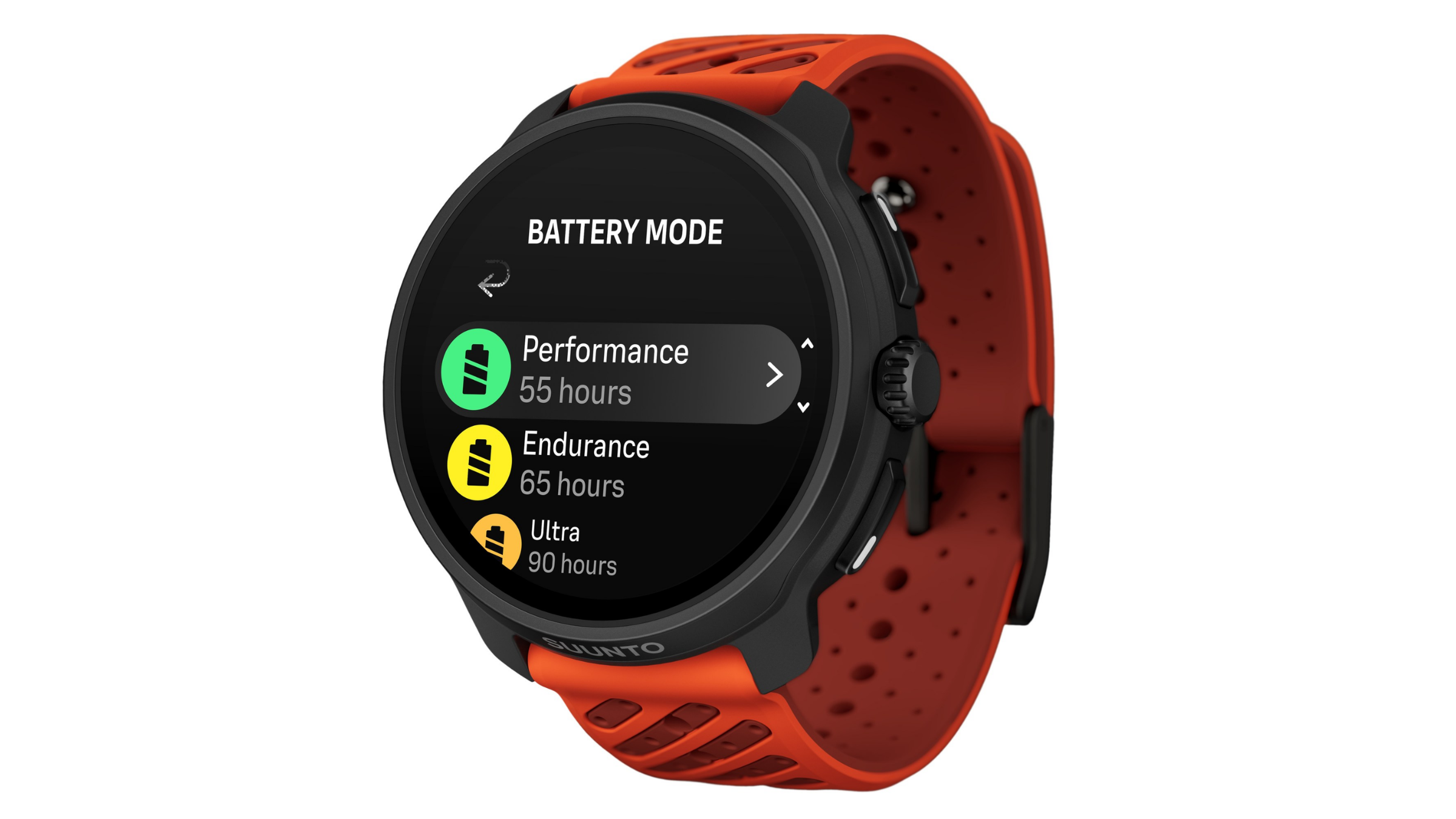
Suunto started in the early 1930’s as the first wrist-based compass, so navigation is in their DNA. I’ve been a Garmin user my entire life, but I recently switched to the Race 2, and it’s impressive. It’s got all the bells and whistles as my old Garmin (minus the ability to store music), but the navigation on the app and watch is much better.
Garmin fenix 8/9 or Forerunner 970 (From $750)
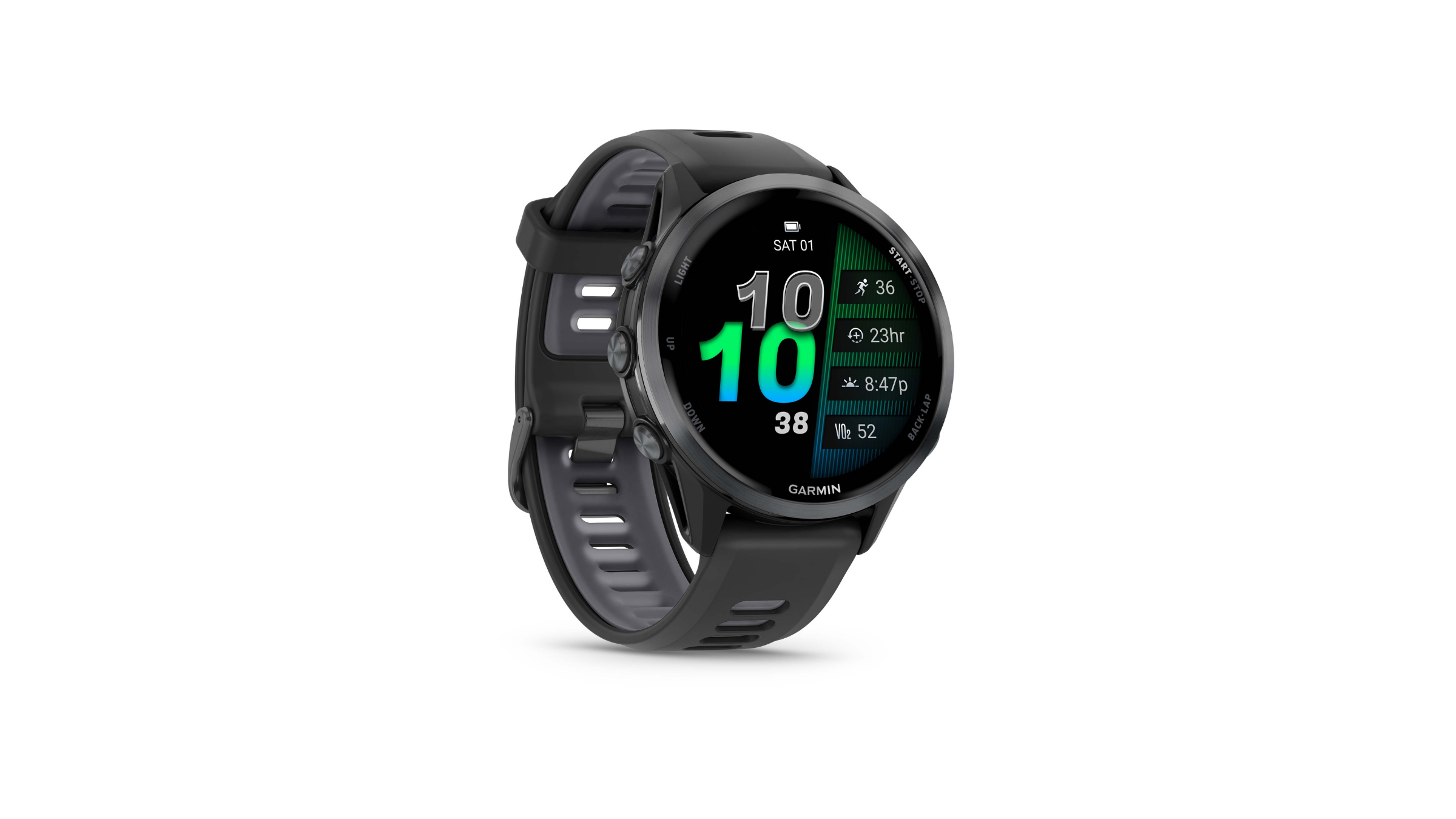
If you want to stay in the Garmin ecosystem, the fenix 8/9, fenix 8/9 Pro, and Forerunner 970 all come with maps and navigation, on top of their extensive, intuitive fitness tracking features. You can upload a GPX file to the watch and map routes manually in the app, but it’s not as easy as the Suunto app.
4. Headphones
If you plan to wear headphones while trail running, you should wear open-ear ones. Hearing your surroundings while on the trail is not only one of the joys, but also a safety priority. It’s crucial, not to mention courteous, to move over when a faster party passes you. Whether it’s a mountain biker with a bell or another runner yelling “on your left,” you need to be able to hear them, and depending on where you are in the country, you want to hear if there is any wildlife lurking in the woods around you.
Bose Open Earbuds ($199)
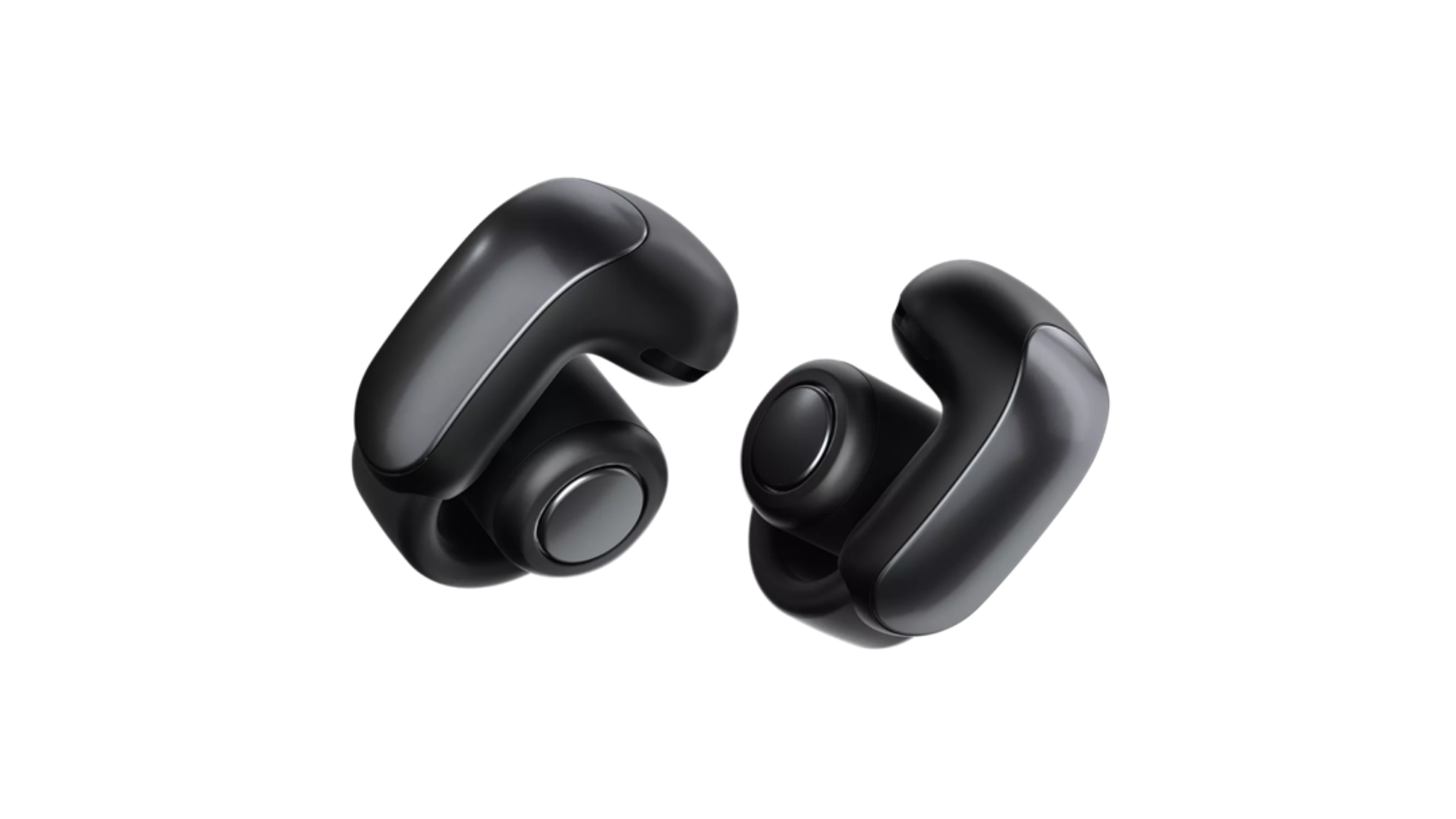
I’ve had the Bose Open Earbuds for a little over two years now, and I can’t imagine running the trails without them. They hook on the sides of your ears, and I’ve never had issues with them falling off while running. You can get seven hours of battery life with a fully charged case. The best part is that the earbuds deliver amazing sound, and you can still hear your surroundings.
Shokz OpenRun Pro 2 ($180)
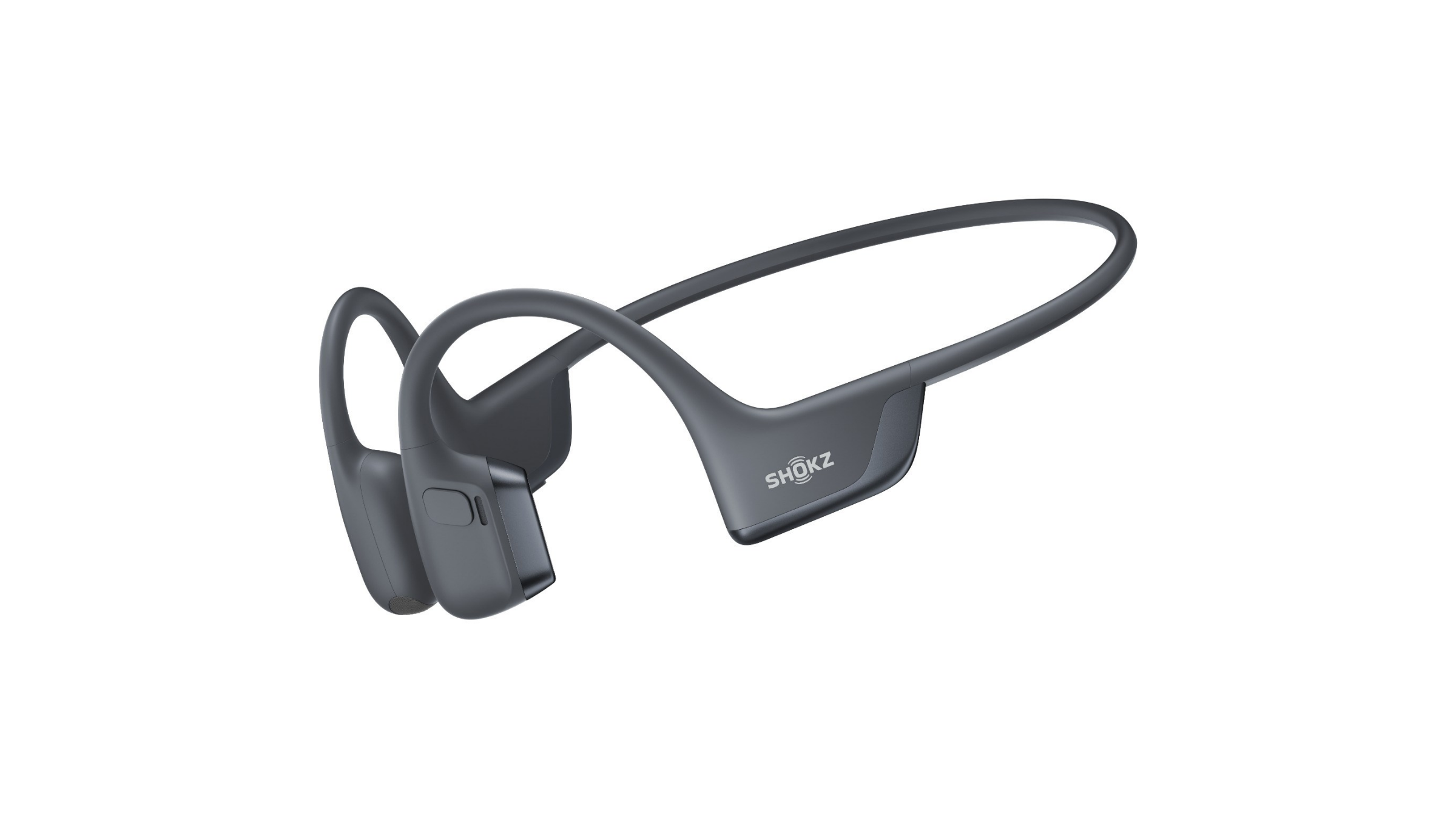
I prefer the fit and style of the Bose, but if you’re looking to spend a little less, the next best option is the Shokz OpenRun Pro 2. These hook around the back of your head and rest inside your ears while keeping the ear canal open. The battery life is 12 hours, but you have to plug them in to charge. With the Bose, you can listen to one bud while the other charges in the case.
5. Sense of Adventure
Trail running has a completely different vibe than road running. It’s a journey where you immerse yourself in nature, friends, and running. Time seems to go by faster; you look at your watch less and just be present. Even trail races are more about community and participation than finishing time and competition. Relax, look around, and have fun!
