

Published September 4, 2026 07:13AM
For an outdoor activewear brand that’s been around for almost 100 years and developed some of the most important gear in the category—from the invention of the tunnel tent to the outerwear worn by the first Norwegian expedition to summit Mt. Everest—Norrøna doesn’t make much noise about itself. So you’d be forgiven if you didn’t happen to notice the relatively quiet roll-out of its dedicated trail running collection almost three years ago.
Over the past 97 years, the fourth-generation, family-owned company has steadily been widening its scope to cater to new kinds of mountain athletes, from ice climbers to skiers to mountain bikers. (It even launched an adventure travel business that’ll let you book everything from a glamping-style trail running retreat to a whale safari under the northern lights.) And in 2023, Norrøna took its first steps into trail running.
The Senja collection—named after the mountainous island in northern Norway—launched with just a handful of pieces. A few more have since been added, and I recently had the opportunity to test it all. After several days spent running through all sorts of conditions in the mountains of Norway and Switzerland, here are the pieces of gear that have earned a permanent spot in my rotation.
Econyl 70 7L Pack
In retrospect, choosing a three-hour trail run through the Nordic wilderness to assess this pack’s comfort and integrity was probably an irresponsible gamble. However, in my defense, I knew there would be running water along the trail, and I personally witnessed one of my co-runners loading their pack with Snickers bars that I could likely barter for in the event that my pack came apart at the seams. (It didn’t.) In fact, not only did this seven-liter pack hold up brilliantly during its maiden voyage, but it’s been stuck to my torso for every trail run since.
At first, I wondered how Norrøna’s first swing at something like a running pack could be such a home run. And then I remembered that this brand has been crafting expedition-grade backpacks since the 1930s, which explains the ergonomic design and convenient pocket placement. Layered on top of the two removable 500ml soft flasks are two massive zippered pockets that cover the entire front of the vest—each easily big enough for a phone and then some—plus a third, slightly smaller pocket on the right side. Also within arm’s reach are two stretchy open pockets along the lateral sides of the vest and, depending on your shoulder mobility, two more just slightly further back. All prime gel real estate. And finally, there’s the zippered main compartment on the back—roomy enough to comfortably fit a jacket, headlamp, gloves, and at least three king-size Snickers bars, maybe more.
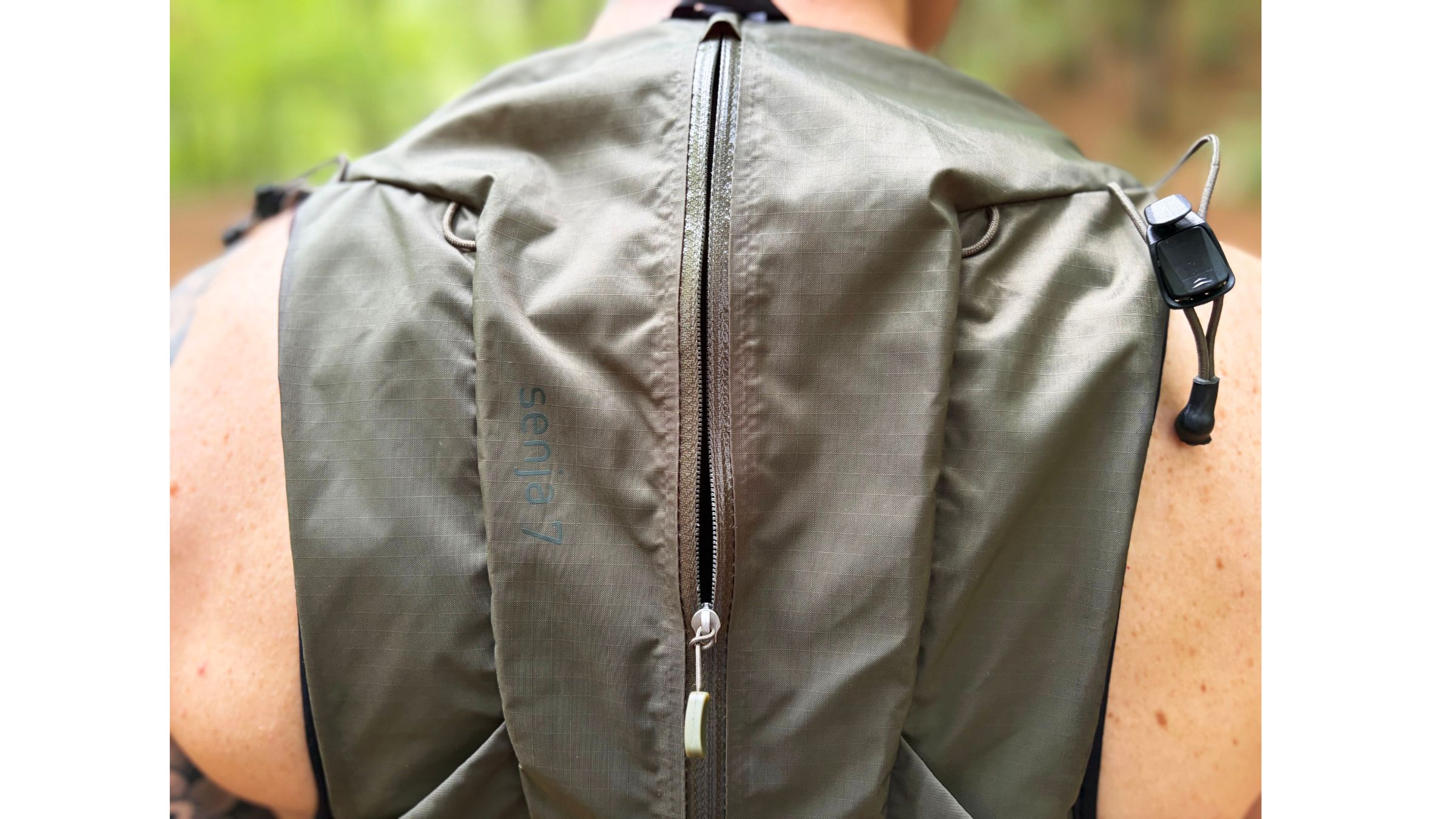
When it comes to trail packs, storage is obviously important, but you also have to be able to actually run in these things. In addition to the two adjustable chest straps that secure with a reassuring click, the vest’s waistband conceals two drawstrings that cinch to hug your torso tightly and reduce bounce. It’s also worth highlighting that the main compartment is made using waterproof ripstop (and is guarded by a waterproof zipper) to keep your stuff dry in the event of a downpour.
My only criticism of this pack is that the bungee cables tasked with holding the soft flasks up at sip level aren’t amazing at their job. That said, the issue is technically not with the vest, but rather the cap design of Norrøna’s soft flasks, which can easily be swapped out for another brand.
Flex 1 5″ Shorts
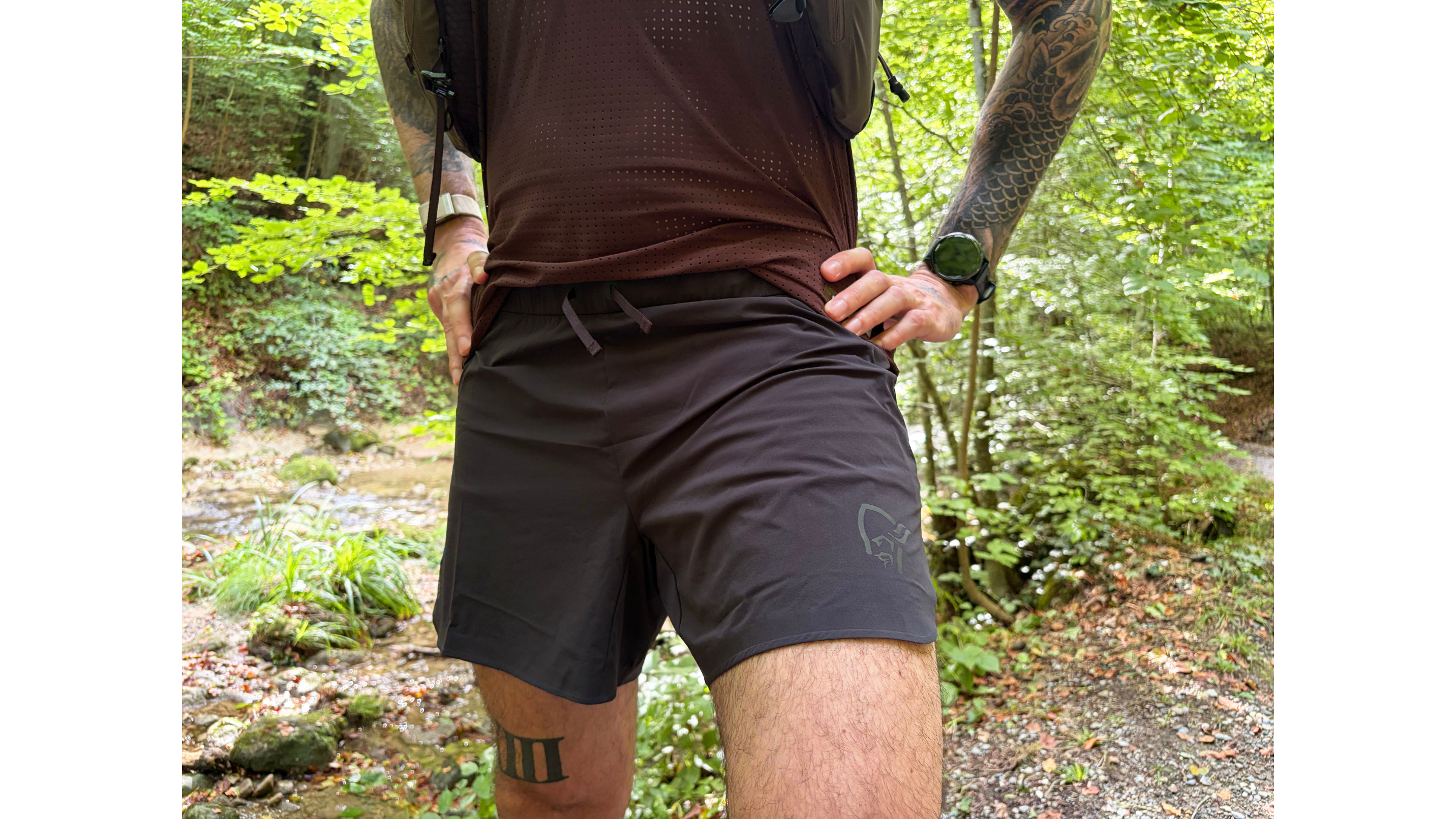
I’ve only met a small handful of people who know about Norrøna’s trail running collection, and the consensus among those people is that these shorts are a clear favorite. There are actually two versions—this 5” style and one with a 9” inseam. People seem to like both, but I personally prefer the shorter version, as I think less is more when it comes to running shorts. In any case, both pairs share all the same features.
Praise for these unlined trail running shorts centers mostly on their comfort. They’re made with a stretchy fabric that is simultaneously durable and soft to the touch. They’re also super lightweight. (The 5” pair in a size L weighs just 4.1 ounces.) I’ve been loving how light and airy—and frictionless—they feel to run in, and, in addition to the superior fabric, I think the bonded hems and generous side slits have something to do with that as well. These are small details on their own, but the cumulative effect is something I’ve been especially appreciative of on steeper grades that call for high knee drive.
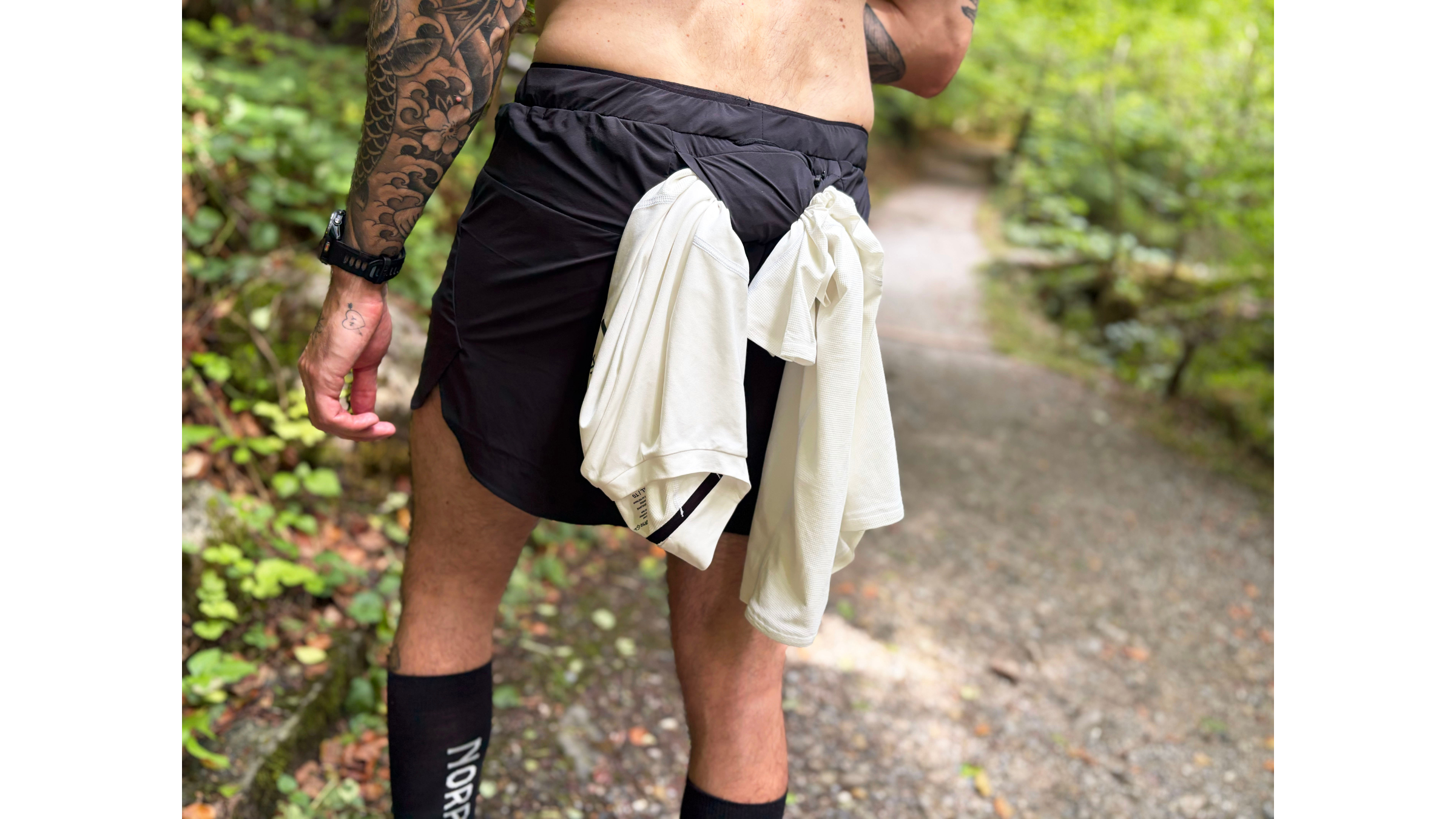
Comfort aside, the thing that I think many people will appreciate most about these shorts is that they also offer a bunch of other features that stay invisible until you need them. There’s a ton of pockets, pouches, and other useful places to stash a variety of items—all cleverly integrated into the silhouette of the shorts. In lieu of traditional side pockets, there’s a stealthy zippered pocket at the back that is precisely big enough for a standard-issue iPhone and nothing more. Look fast and you might miss the T-shirt loop that’s layered over it. And while two additional pouches on either side are presumably there for gels, one also contains a tethered clip that’s perfect for stowing a set of keys.
Gore-Tex Jacket
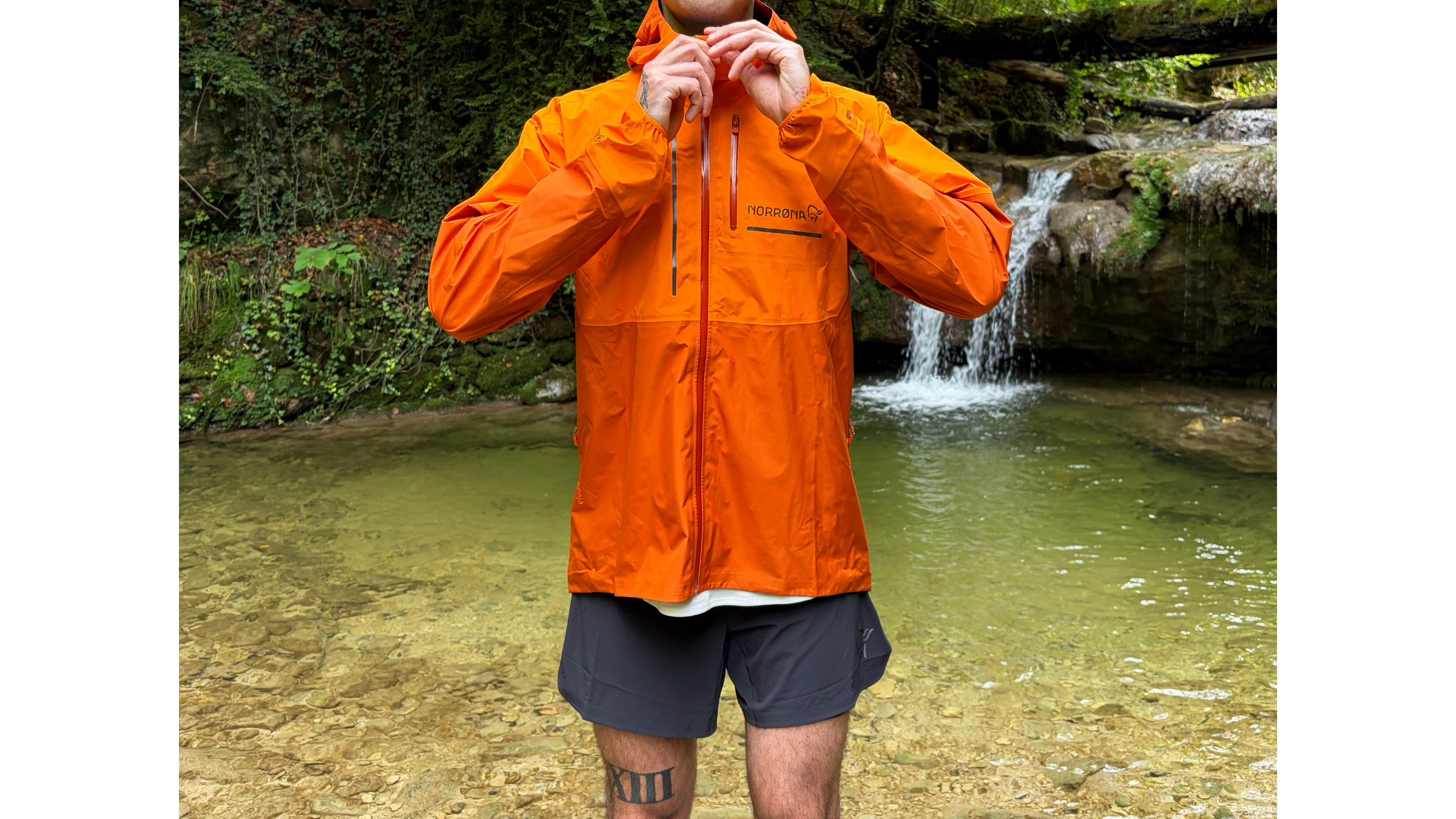
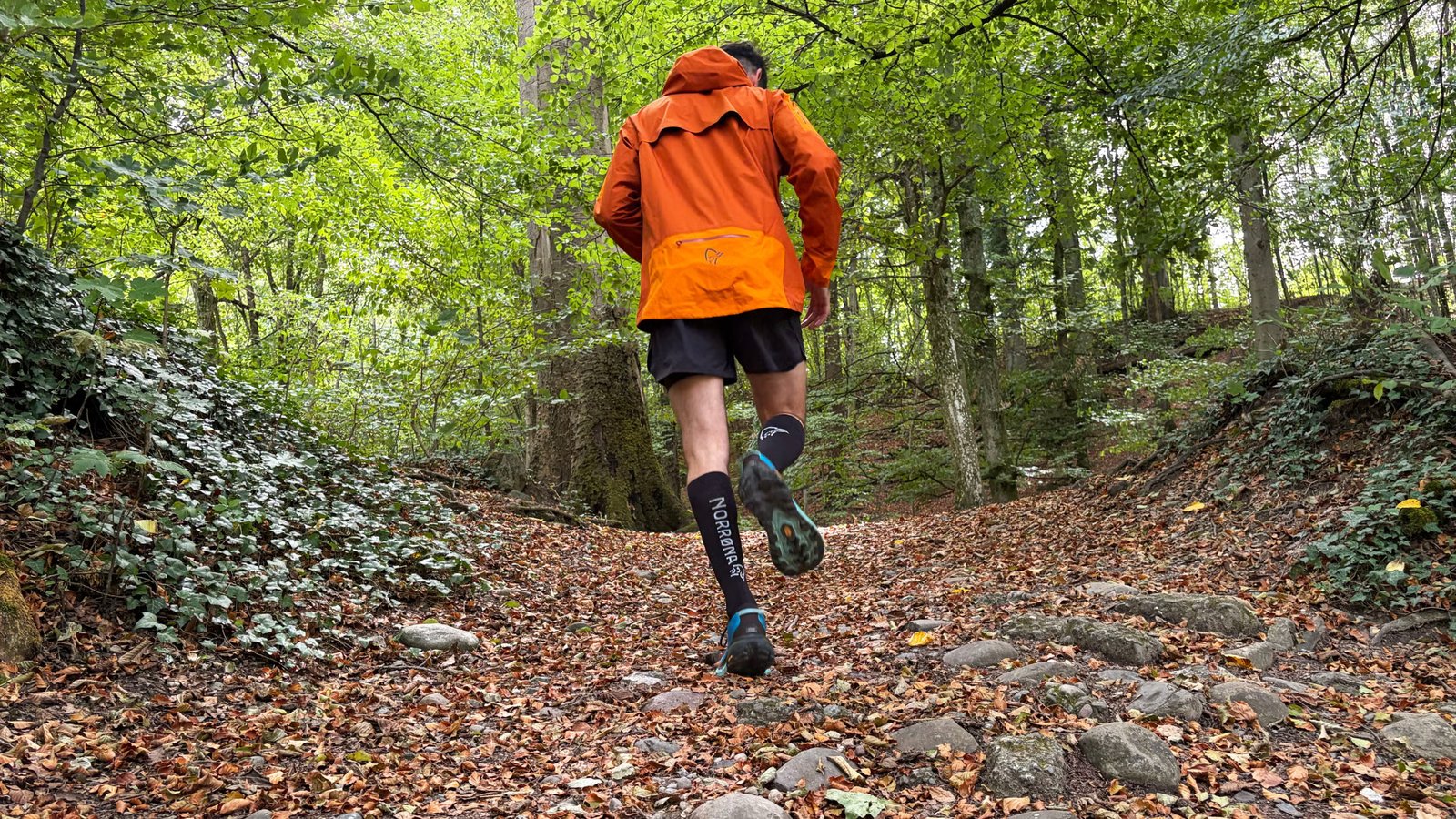
This might be Norrøna’s first waterproof shell for trail runners, but the brand has been manufacturing Gore-Tex jackets since 1977. Actually, fun fact: Norrøna was the first company to use Gore-Tex in Europe. Needless to say, this jacket has been holding up just fine against the recent tropical-style downpours we’ve been getting here in Switzerland (and, having aced that audition, will be accompanying me on a hiking trip to Scotland next week).
My only gripe with this jacket is the weight. It’s not heavy, but at 282 grams it’s just substantial enough to feel slightly more like a jacket you’d grab for a hike than for a run. One runner that I recently met who’s familiar with the brand and this specific jacket told me that they personally view this as a plus, saying that it’s in line with Norrøna’s broader outerwear catalogue, which prioritizes durability and longevity. Fair enough. Either way, I should mention that while the jacket is slightly heavier than I’d prefer, it is by no means chunky. In fact, the entire jacket packs down into a small exterior pocket the size of a sandwich.
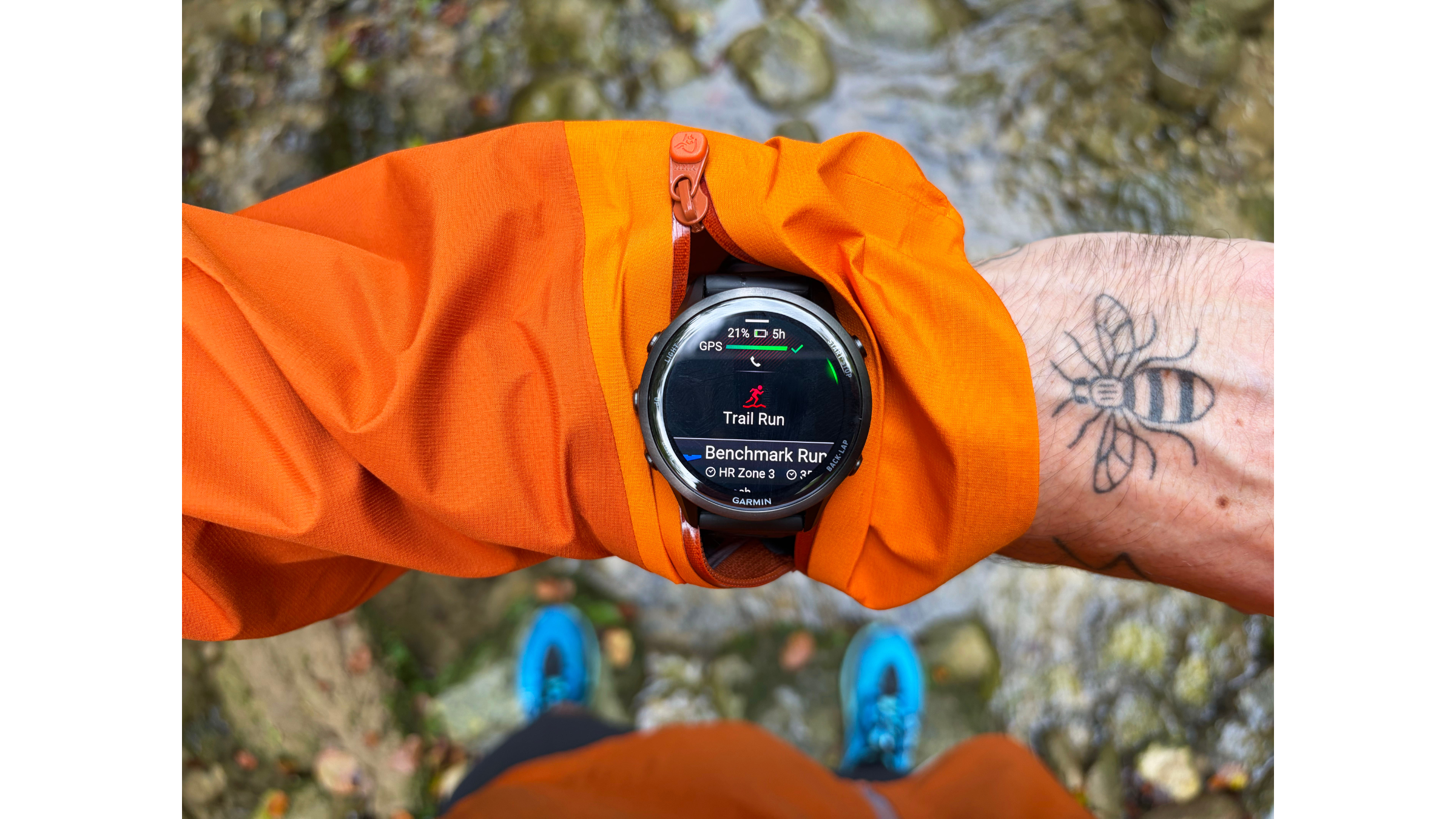
You can tell that this jacket was designed by people who actually run. As someone who tends to run hot, I’m always in favor of extra ventilation. Not only does this jacket have two zippered ventilation slits along the sides, but the genius addition of a simple buttoned strap across the chest allows you to wear the jacket fully unzipped without it flapping behind you like a cape. Speaking of things flapping behind you, the hood can also be rolled up and clipped into the collar when not in use. But perhaps my favorite feature is the zippered opening above the left wrist that lets me peek at my Garmin without fussing with my sleeve—a joy that, sadly, will not be experienced by anyone who wears their watch on the right.
Equalizer Lightweight Long Sleeve
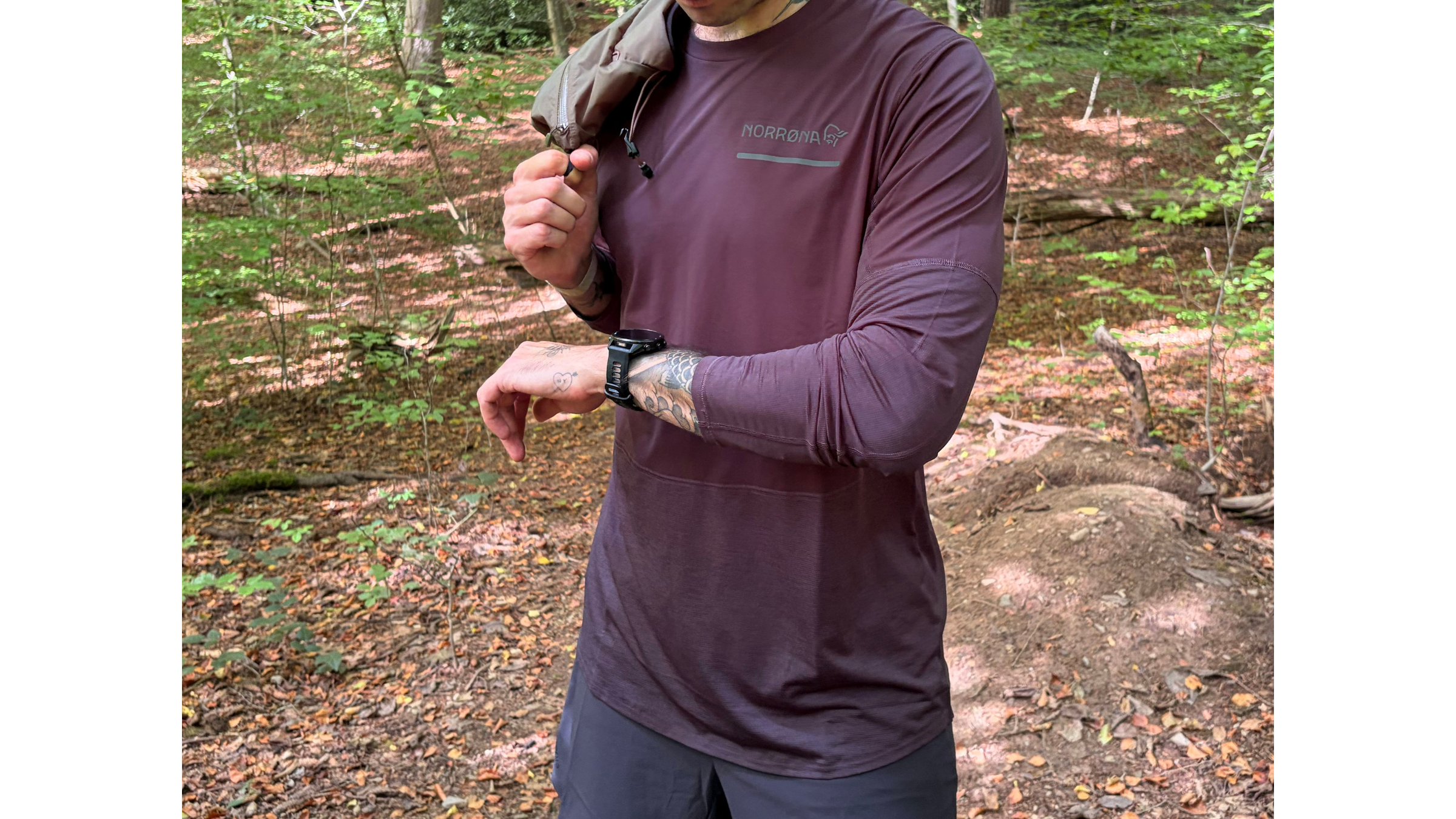
I’m partial to a long-sleeve running shirt, despite the fact that I’m 6’3” and most mainstream options never seem to be quite long enough in the arms. (I tend to run with my sleeves pushed up, anyway.) But pulling this shirt on for the first time was like a breath of fresh Nordic air. I’m not sure if I have Norrøna to thank or, presumably, Scandinavia’s taller-than-average fit models. Either way, this shirt fits like it was made for my gangly runner body. Not only do the sleeves hit at the perfect spot—about an inch past my wrist—but the overall fit is satisfyingly slim yet unrestrictive.
The shirt has a unique panelled construction that gives it the look and feel (and, consequently, pricetag) of a premium product. The front of the garment is made up of two pieces instead of just one, with the lower panel wrapping all the way around the obliques. The sleeves are even further segmented, with three separate pieces of fabric coming together to cover each arm. This works wonders for range of motion, while also providing an opportunity to incorporate some specialty fabrics. A yarn with UPF 45 is used for the area around the shoulders, where you’re likely to get the most sun exposure, while the back and underarm panels are treated with an anti-odor polymer that, according to Norrøna, extracts the fat and protein from sweat, preventing bacteria from growing. Nice.
Something else that I appreciate about this shirt is the collar, which is more than twice as wide in the back as it is in the front. Aesthetically, I think it’s a cool detail, but it also adds some extra comfort at the back of the neck. Incidentally, that’s also where you’ll find another handy detail: a small slit that’s been stitched into the base of the collar to facilitate hanging on pretty much anything with a point: bathroom hook, rusty nail—that’s your call.
Light MerinoUll Long Socks
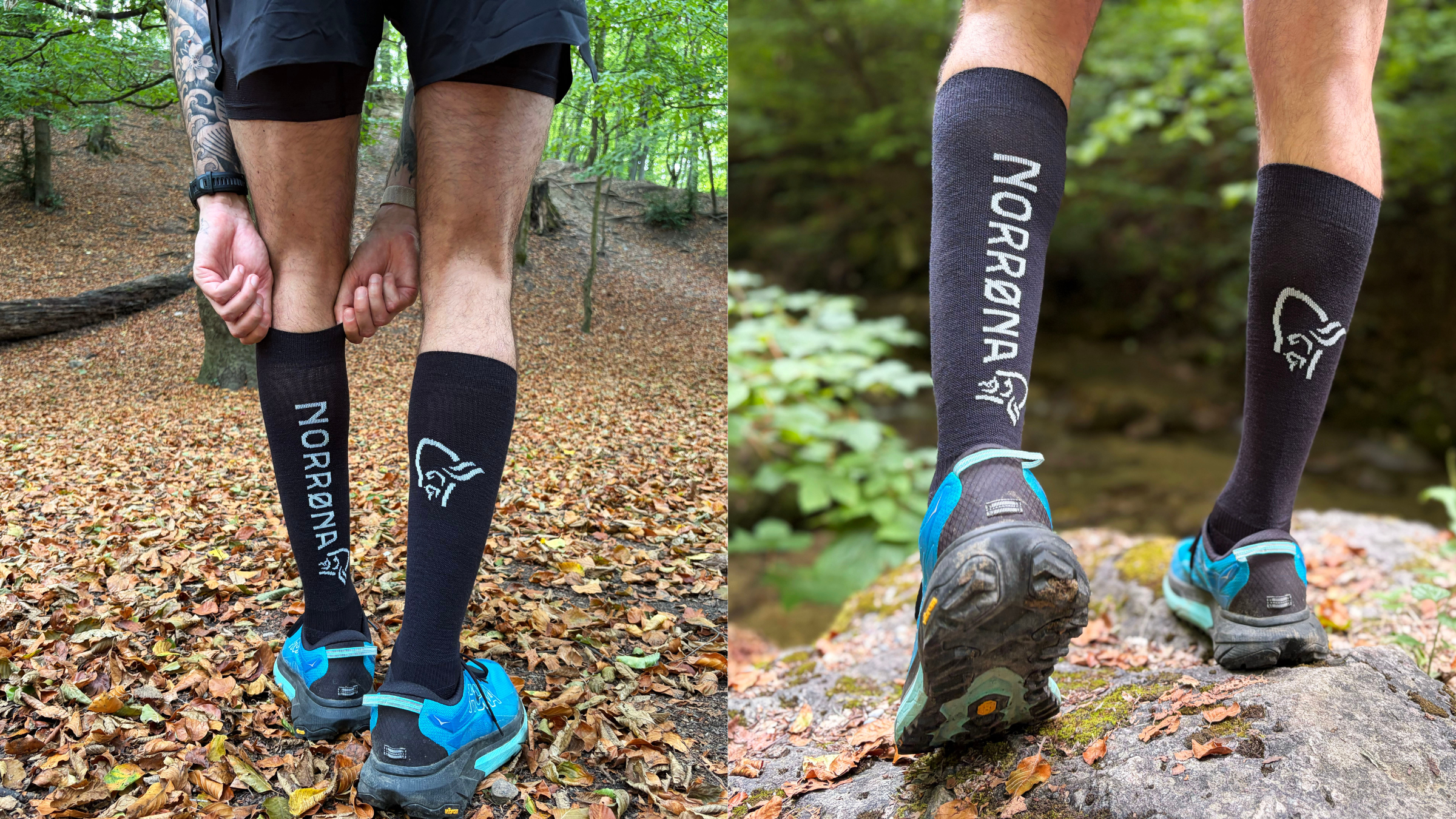
As I laid out all the pieces of the Senja collection on the floor to map out my testing, I admittedly wasn’t expecting a pair of socks to make it into the highlight reel ahead of items like a running hoodie or pair of joggers. I mean, they look nice, but they’re just socks. And yet, here you are, about to read two paragraphs about these socks.
As I put Norrøna’s trail running socks through their paces—all the while trying to pinpoint what it was exactly that made me enjoy them so much—it occurred to me that the best running socks might be defined not by what you notice, but rather what you don’t. Whether I was bouncing along grassy singletracks in a pair of HOKA Mafate Xs or ripping through gravel straights in Adidas Terrex Agravic SLs, my feet remained secure, dry, and generally unproblematic. They’re about 40 percent merino wool, which explains the sweat wicking and odor control. And it seems that Norrøna has layered in just enough elastane to add stretch and avoid slippage without holding onto excess moisture. The blend also includes polyamide, which gives the socks their frictionless feel and quick-drying properties.
There’s a bit of structure to them, too—nothing crazy, but enough for it to matter which sock goes on which foot. Most notably, a stretchy band hugs your midfoot, while increased thickness under the heel and forefoot provides a touch of extra padding. Look, there really is only so much you can say about a pair of socks. The point here is that, as a trail runner, you need socks—ideally, good socks. And these are good socks.
