

Published September 7, 2026 03:06AM
On my very first trip to Moab at age 10, I stayed at a very memorable hotel called the Gonzo Inn. I formed indelible memories of the hotel sign adorned with a clothed lizard straight out of the 1998 film (and 1972 novel) Fear and Loathing in Las Vegas, and of a sunlit glorious pool—a reprieve from the hot, dry days of Southeastern Utah. This little lodge had just opened in 1998; the town was rather quiet back then. Nearly three decades later, the Gonzo Inn is still there every time I return to Moab, which is approximately twice a year when I can get away from my home in northern Utah a few hours away.
In my dozens of pilgrimages to the desert, I’ve stayed just about everywhere you can imagine in the adventure capital of Utah (and arguably the Southwest). I’ve pulled over on the side of BLM roads at dusk, set up my tent in sandy dispersed campsites, started campfires that cast shadows against stone, settled for budget hotel rooms in tighter times, booked Airbnbs and VRBOs for large crews, and splurged on lodges right on the Colorado River.
If you’re headed to Moab, I’ve put together my personal guide to where to bed down between adventures. From Free 99 to $1,200, here’s the best places to stay in Moab for every budget, the pros and cons of each spot, and some insider tips. My favorite Moab trips often include a mix of camping with a splurge night or two at a hotel.
Keep in mind that availability and rates fluctuate dramatically depending on the season. Though these days, winter (December through February) is just about the only time Moab isn’t busy. During the rest of the year, make reservations well in advance. In winter, rates typically drop 40 percent, and during spring break season, prices tend to rise.
The Best Places to Stay in Moab, Ranked by Price
Camping on BLM Land, $0
Best for: True dirtbags
If you know where to look, you can find free dispersed camping on BLM land to park your van or pitch your tent around Moab. A popular spot where I used to camp was once along U.S. 191 heading into town. But the new Utahraptor State Park has turned some of the dispersed camping into two campgrounds. You can still access dispersed camping beyond the Dalton Wells Dinosaur Quarry to the east, or further south near the Klonzo and Sovereign trailheads, but you’ll need to enter the state park to get there. If you want to avoid a fee, you can try sweet talking the state park ranger, or entering at odd hours when the entrance is unmanned.
You can also find some dispersed camping along La Sal Mountain Loop Road. This is an especially great option in late spring through early fall, when the mountains are the place to escape the heat. Check out this map to see where the BLM land that allows dispersed camping exists—and where camping is explicitly banned.
Location: Across the Moab area
Pros: Free peace and quiet
Cons: May require some questing
Local tip: Buy some wag bags at a local gear shop (like Gearheads Outdoor Store) to responsibly dispose of your human waste. It can take 10 or more years to break down in the desert, so digging a deep hole ain’t cutting it. You can dispose of those wag bags in trash receptacles marked accordingly in downtown Moab.
Lazy Lizard Hostel – $18
Best for: Social travelers in search of adventure partners
If you’re on a dirtbag budget but need a roof over your head—maybe you don’t have camping gear or maybe it’s cold and rainy—head to Moab’s only hostel.
In full transparency, I have not stayed at Lazy Lizard Hostel. But I have stayed at many hostels and I included this one in my Moon travel guide to Utah because I’ve heard great things (it also has 4.5 stars on Google with over 700 reviews). This locally owned hostel has been around since 1987 and 40 years later, it’s still a great place to rent a room in Moab for as cheap as possible.
If you’d rather not bunk down with strangers, you can pay a bit more ($48) for a two-person guest room, or a log cabin ($53-70; sleeps up to six).
Location: 1 mile south of town
Pros: Dirt cheap
Cons: Not walking distance to town
Local tip: Bring coins. If you’re dirtbagging it, chances are your clothes stink as much as you do! Use the coin-operated laundry machines onsite.
Devils Garden Campground – $25
Best for: Stargazers and hikers
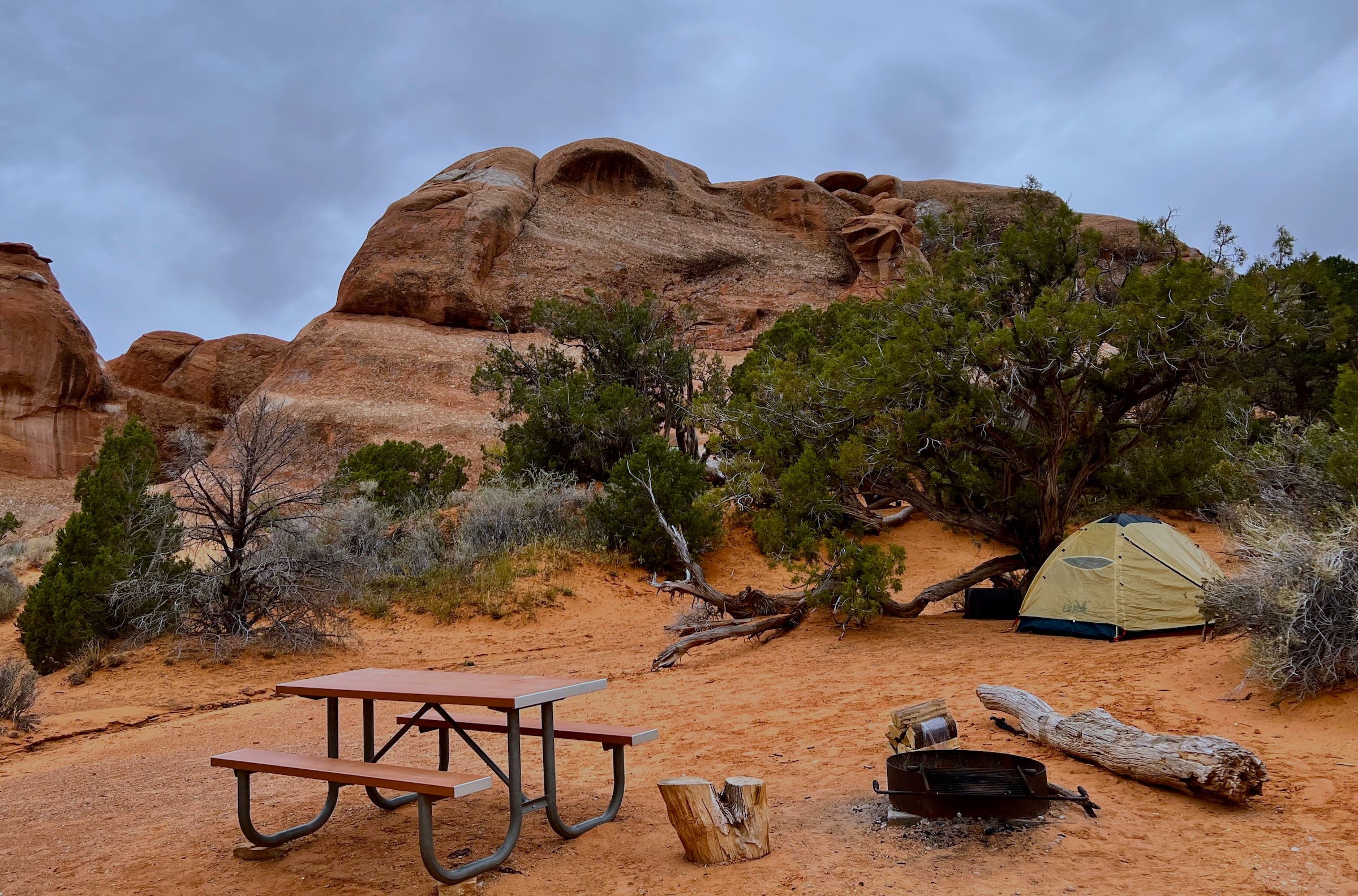
Devils Garden Campground in Arches National Park is one of my favorite spots to camp anywhere. For one, it positions you to catch sunrises, sunsets, and stars amid the arches—and without the crowds. Humps and hills of slickrock roll upward right from the campsites. And a lovely trail to Broken Arch starts right from the campground.
Reserve as far in advance as you can, or come during the first-come, first-served off season (Nov.-Feb.)—and bring a lot of layers. Plan a sunrise or sunset hike to Delicate Arch while you’re sleeping in the area. Bathrooms and potable water are available, but there are no hook-ups and you can’t buy firewood here.
Also if you’d rather not cook at camp, it’s easy to pick up takeout or pre-made food at Moonflower Co-op in town and bring it up to your campsite.
Location: In the Devils Garden area of Arches National Park, about 22 miles north of Moab
Pros: Arches within spitting distance of your tent
Cons: Hard to get a reservation
Local tip: Reservations may be difficult to come by in peak season, but this campground is first come, first served from November through February. Roll up in the morning and snag a site. If you can’t find a site, Sand Flats Recreation Area on a hill just east of Moab offers similarly scenic campsites—and dinosaur tracks.
The Gonzo Inn – $140-$420
Best for: Road bikers and mountain bikers who want to ride right from town—and Hunter S. Thompson fans
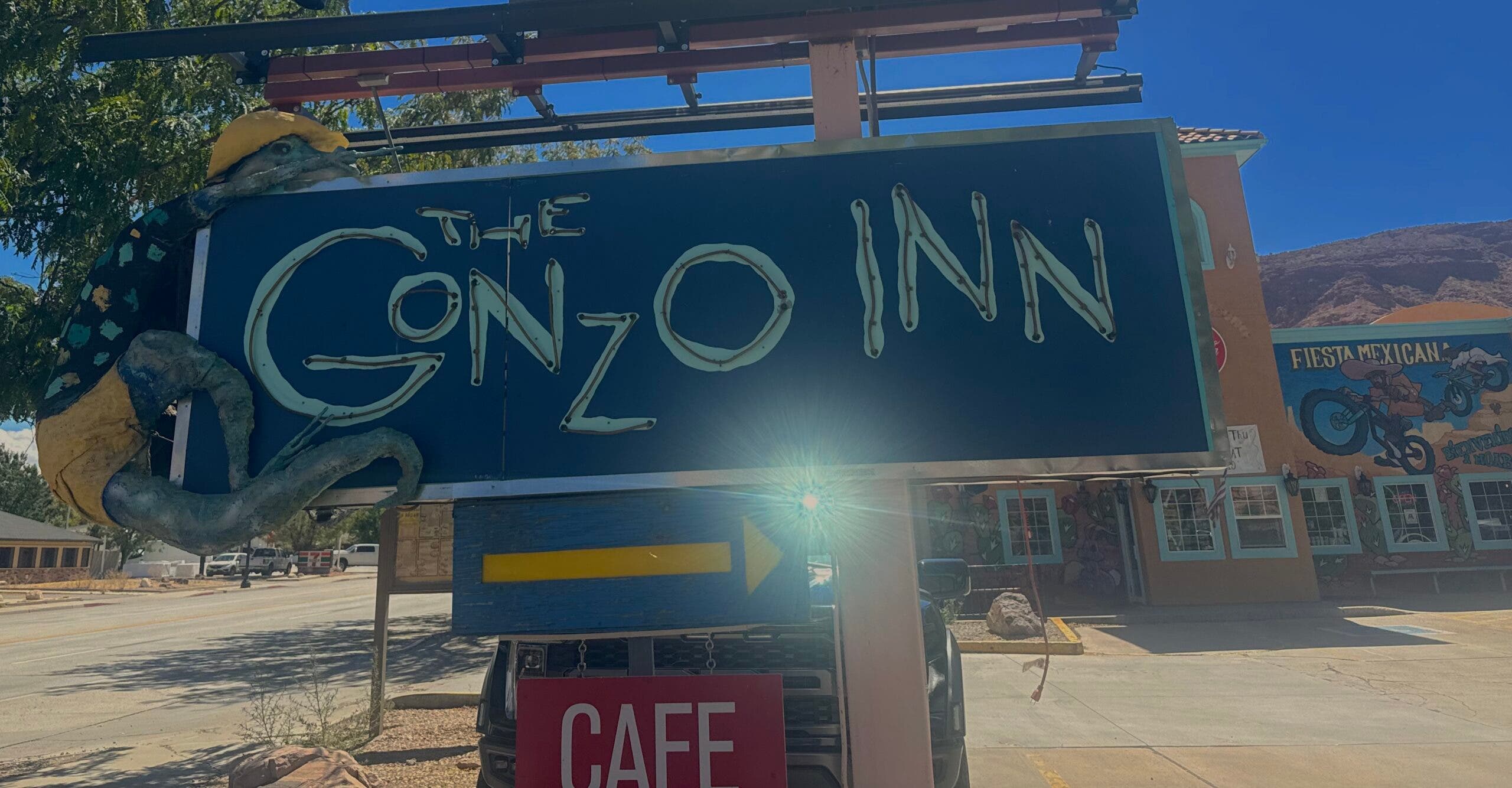
Aside from camping, hostels, and chain motels, the most reasonable rates and best stay in Moab can be found at The Gonzo Inn, where I first stayed in 1999. This locally owned hotel just a block from Main Street offers standard rooms and condo-style suites, plus a lovely outdoor pool and firepit area. Inspired by the hallucinatory lizards of Fear and Loathing, the vibe is colorful, convivial, and “desert chic,” as Gonzo describes itself. Hunter S. Thompson would surely approve.
Location: One block west of Main St.
Pros: Rooms include a $14 breakfast voucher per person per day.
Cons: The onsite cafe where you can use that voucher was very crowded with long lines the last time I stayed here.
Local tip: The hotel offers secure gear storage for your dirty bike; ask at the front desk.
Red Cliffs Lodge, $225-1,200
Best for: River rats who want to SUP or raft right from their door and Western cinemaphiles
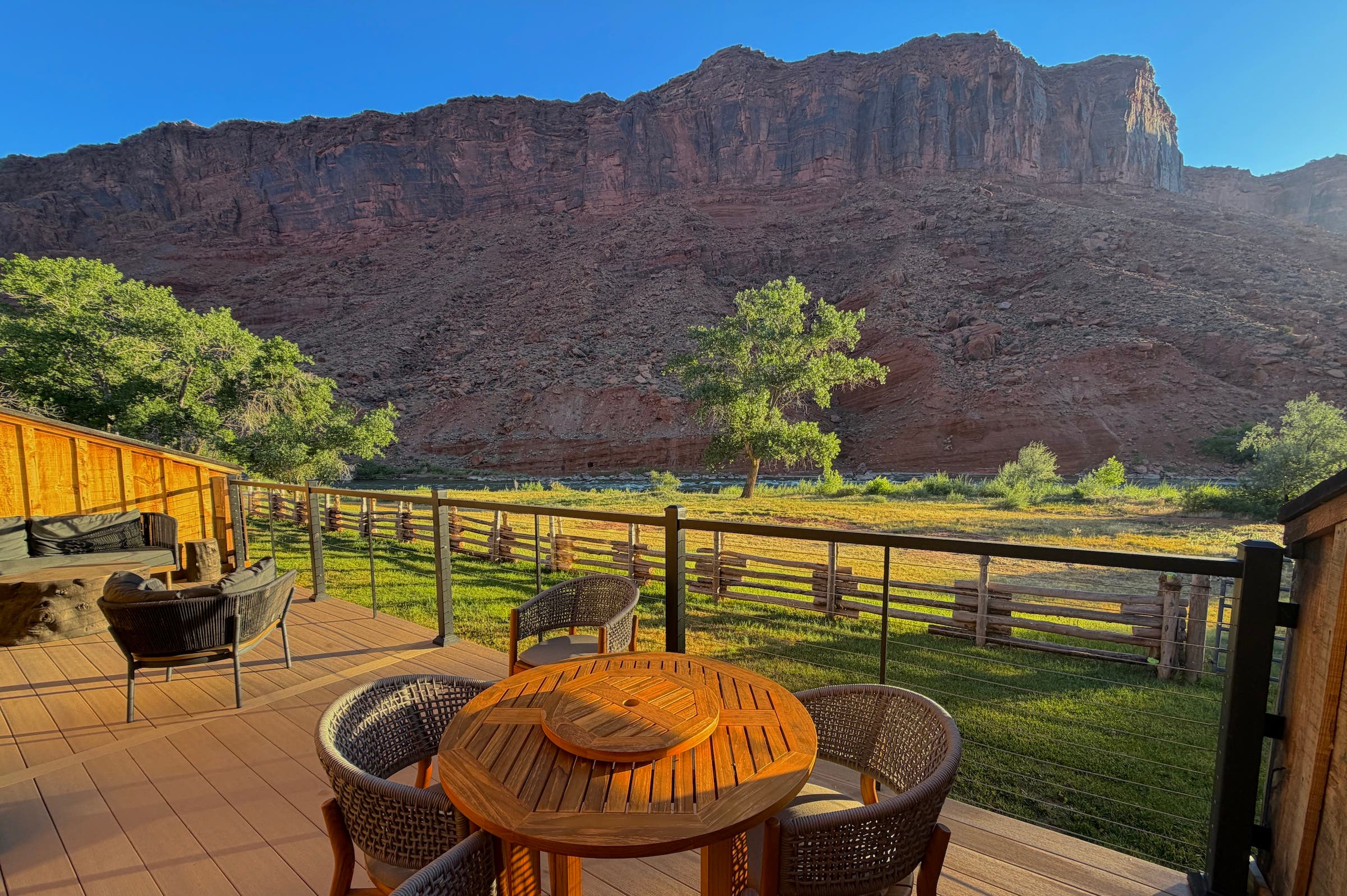
Just a few miles drive down the road from Sorrel River Ranch, Red Cliffs Lodge has hosted guests along the Colorado River since the 1980s, but the ranch of the same name has been here since the 19th century. The lodge has changed hands many times; most recently, it was acquired by Marriott and dramatically renovated. In the basement of the lodge, you’ll find the Moab Museum of Film & Western Heritage, which has long housed a collection of memorabilia from Westerns filmed in Moab. In fact, many films have been shot right at Red Cliffs, including Wagon Master, Son of Cochise, Warlock, and the John Wayne film Rio Grande.
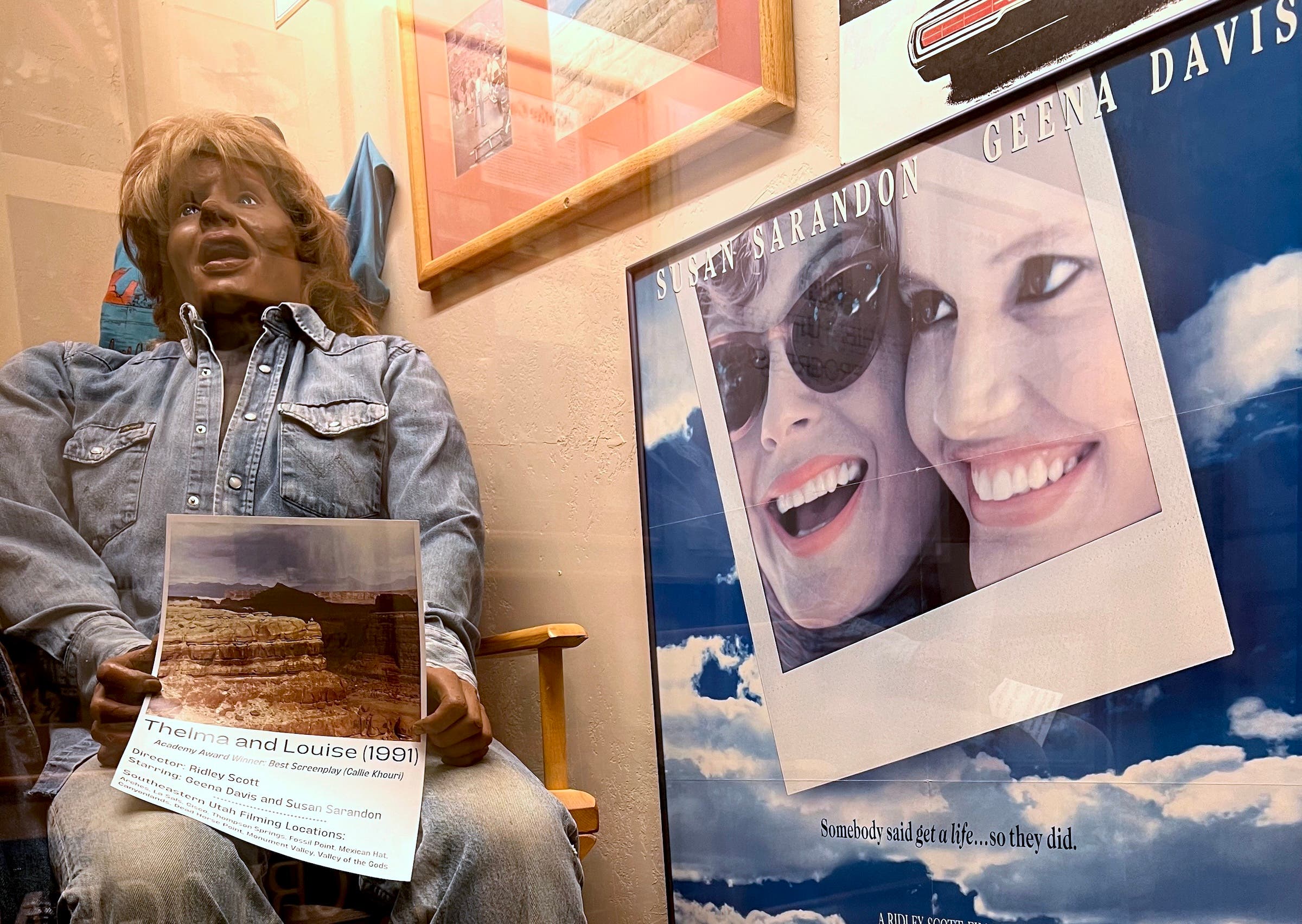
With its can’t-beat-it location right on the Colorado, one of the best perks about Red Cliffs is that you can book a rafting or SUPing trip through the property. Many of the accommodations are in well-sized and well-appointed cabins, and many come with river views. The decor feels more modern than what you’ll find at Sorrel River Ranch. There is also a New American restaurant onsite called Ember with a swanky (for Moab) lounge and a patio overlooking the Colorado.
Red Cliffs is pricey, but if you want to balance a long day of roughing it on the trails or river with a luxury stay, this is my favorite place to do it. It’s cheaper to stay in the main lodge ($225-600), then to get a cabin ($1,000-$1,200 per night).
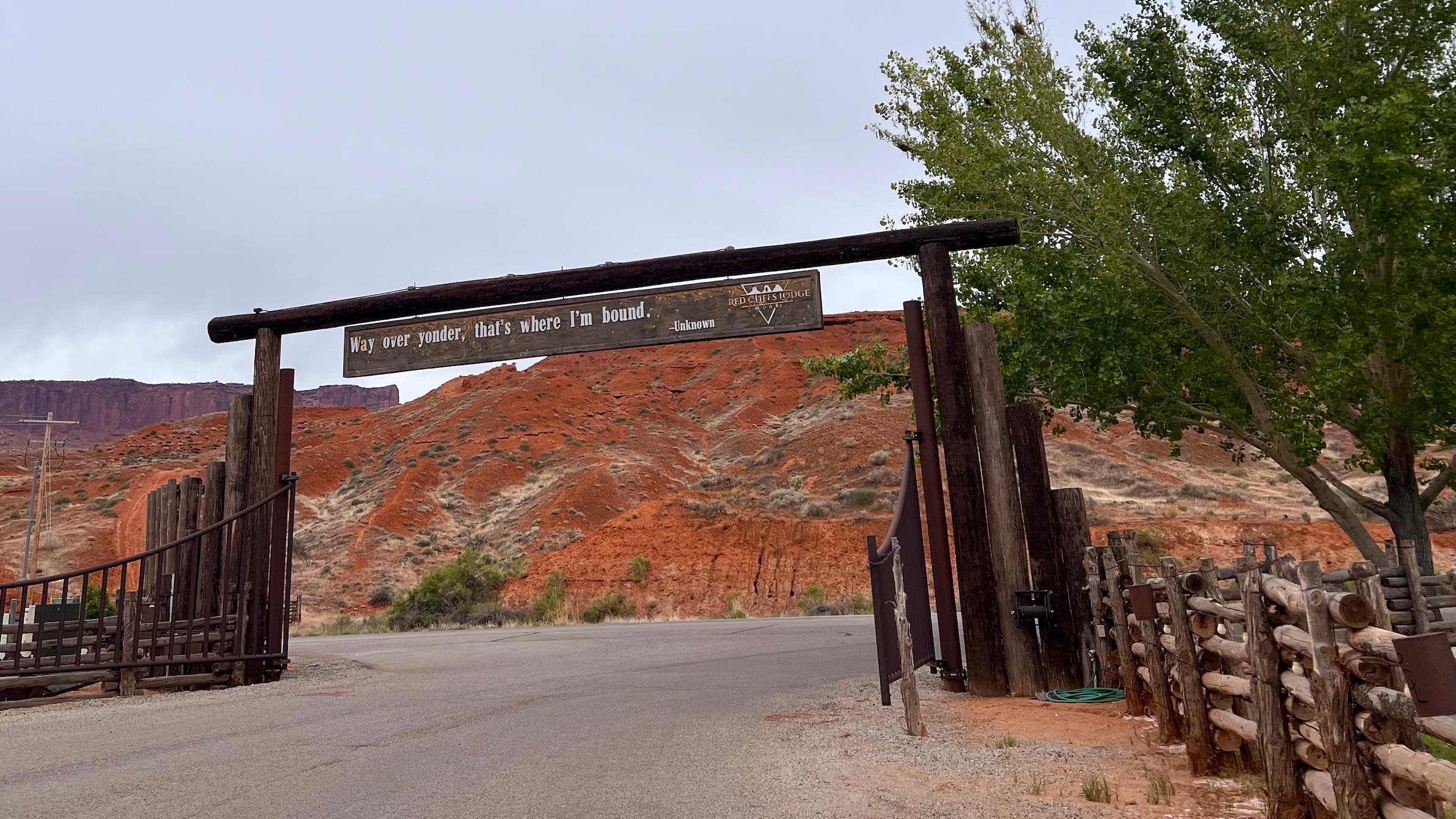
Location: In Grandstaff Canyon along Highway 191, 17 miles northeast of Moab
Pros: The sights and sound of the Colorado River right outside your room.
Cons: If you want to be in town, it’s a 30-minute drive to Moab.
Local tip: Red Cliffs is just a stone’s throw away from Castle Valley. Cool off and take a scenic drive up into the La Sal Mountains, where you can hike, bike, climb, or just bask in the big views.
ULUM Moab, $550-$850
Best for: Climbers (who aren’t on a tight budget) and stargazers
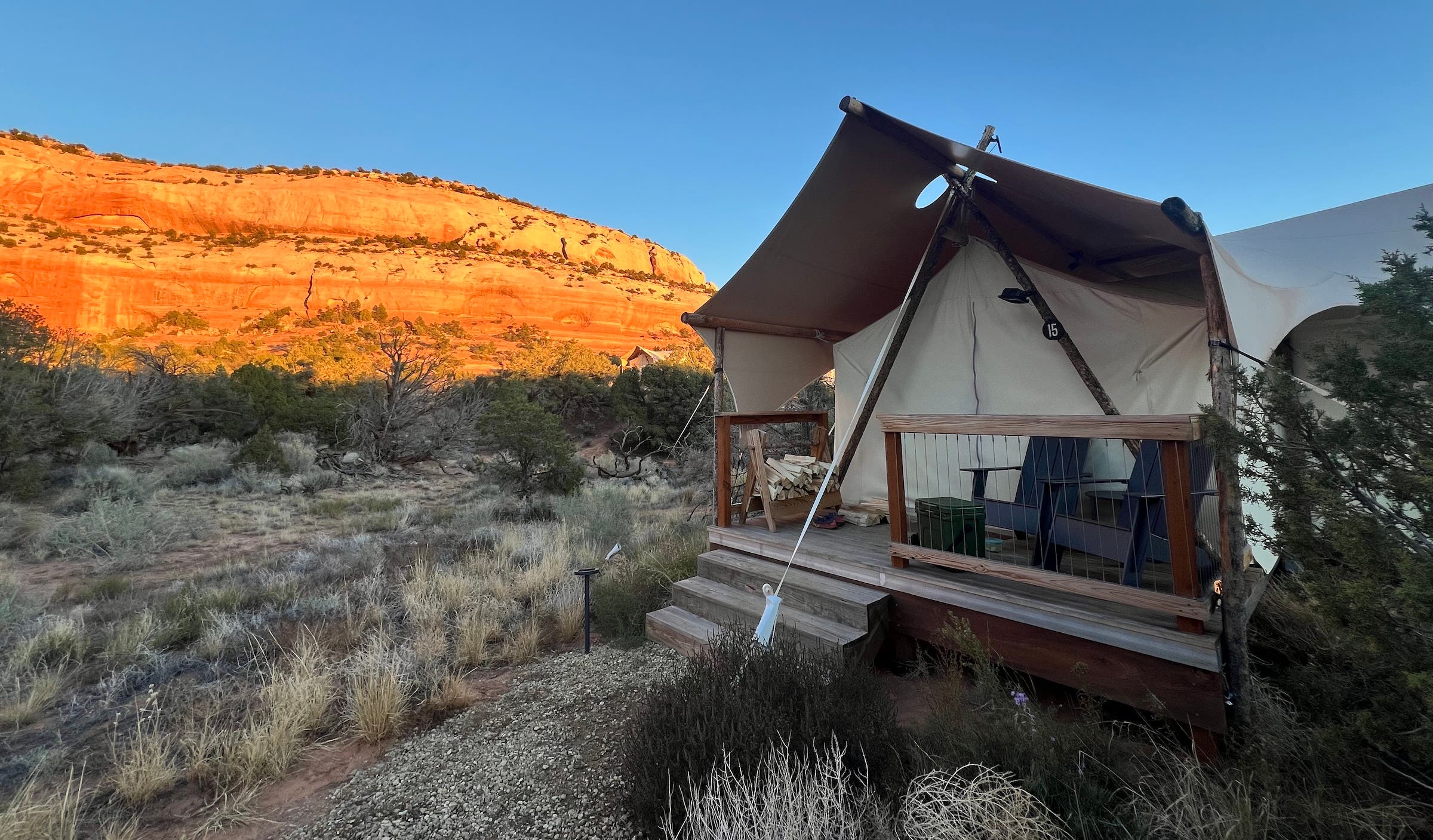
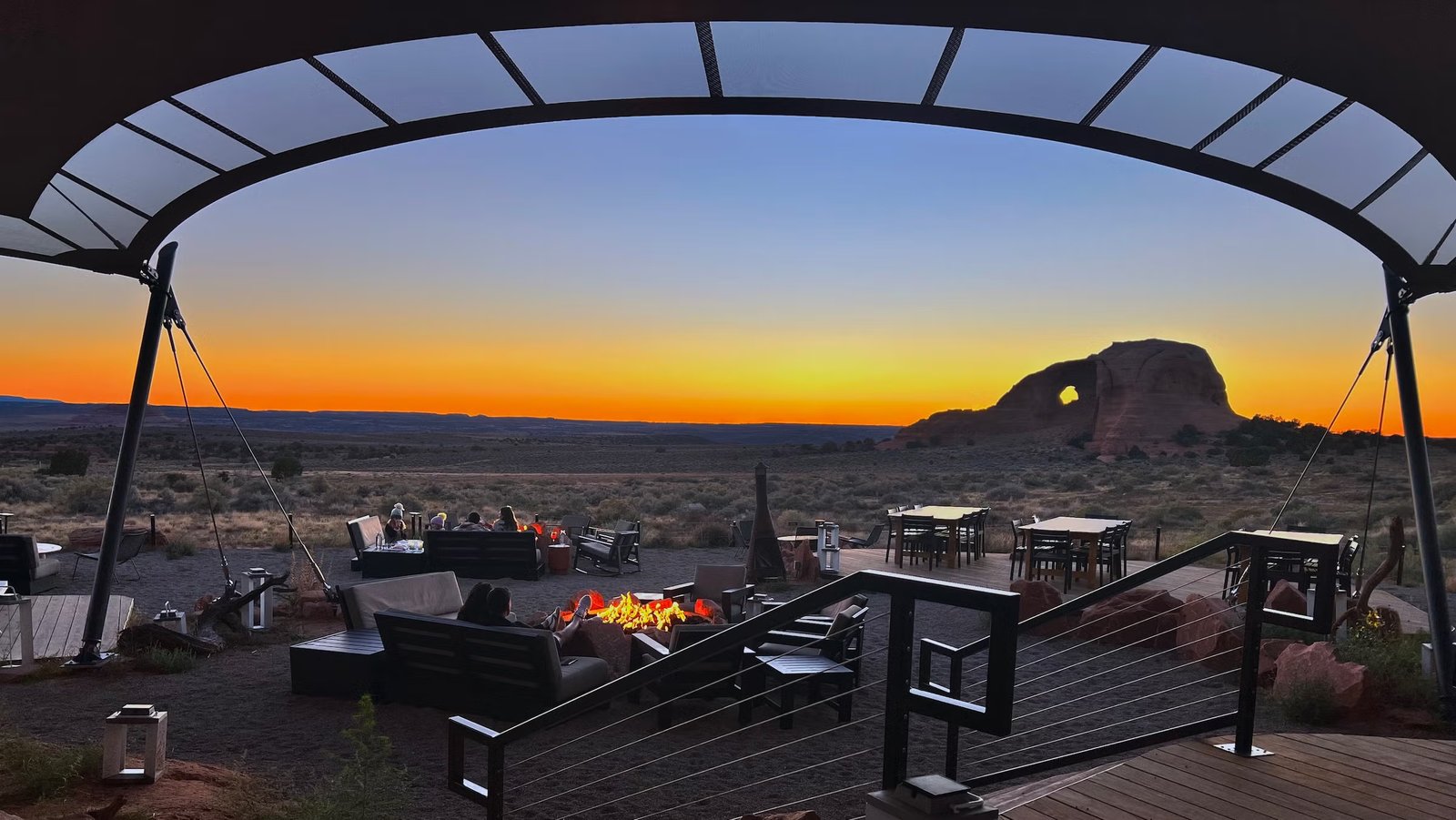
You’ve probably heard of Under Canvas, the network of stargazing-focused glamping across the country, often adjacent to national parks. But you may not have heard of the slightly more luxury-oriented ULUM, which opened in 2023 by the same folks behind Under Canvas.
At ULUM Moab, every tent is a “suite” with its own bathroom. But more importantly, the ULUM Moab location is approximately 10 times more lovely than the Under Canvas Moab location, which sits right off Highway 191 amid wind-blown sagebrush lands. By comparison, ULUM Moab is about a 30-minute drive south of Moab, tucked in a wind-protected ring of stunning sandstone cliffs. It’s also within spitting distance of the Looking Glass rock feature—a magnificent arch that offers hiking, scrambling, rock climbing, and rappelling.
I’ve stayed at Under Canvas Moab and luckily, had a tent with a bathroom. But as far as I’m concerned, if I’m going to dish out a few hundred dollars to glamp, the setting better be spectacular (rather than windy and shade-less) and I want my own bathroom. Otherwise, I’d rather pitch my own tent. And I don’t want to pay $200-$500 with the sound of said wind rattling the metal bones of the canvas tent, keeping me up all night.
ULUM also offers some noteworthy amenities like a literal massage cave, a pretty decent onsite restaurant, and warm/cold plunge pools. ULUM Moab is open late-March through late-October.
Location: 25 miles south of Moab, off Highway 191
Pros: In a remote location, the stars here are absolutely next-level. Especially against the backdrop of Looking Glass Rock.
Cons: It’s a 30-minute drive from Arches and Moab, with no restaurants or shops nearby.
Local tip: ULUM Moab makes for a great basecamp to climb, hike, and explore nearby Indian Creek, the Newspaper Rock Petroglyph Panel, and the Needles District of Canyonlands. It’s also a good spot to stop for a night en route to destinations further south like Bears Ears National Monument or Monument Valley.
Sorrel River Ranch, $820-$1,200
Best for: Horseback riders—the onsite ranch has been here since 1903.
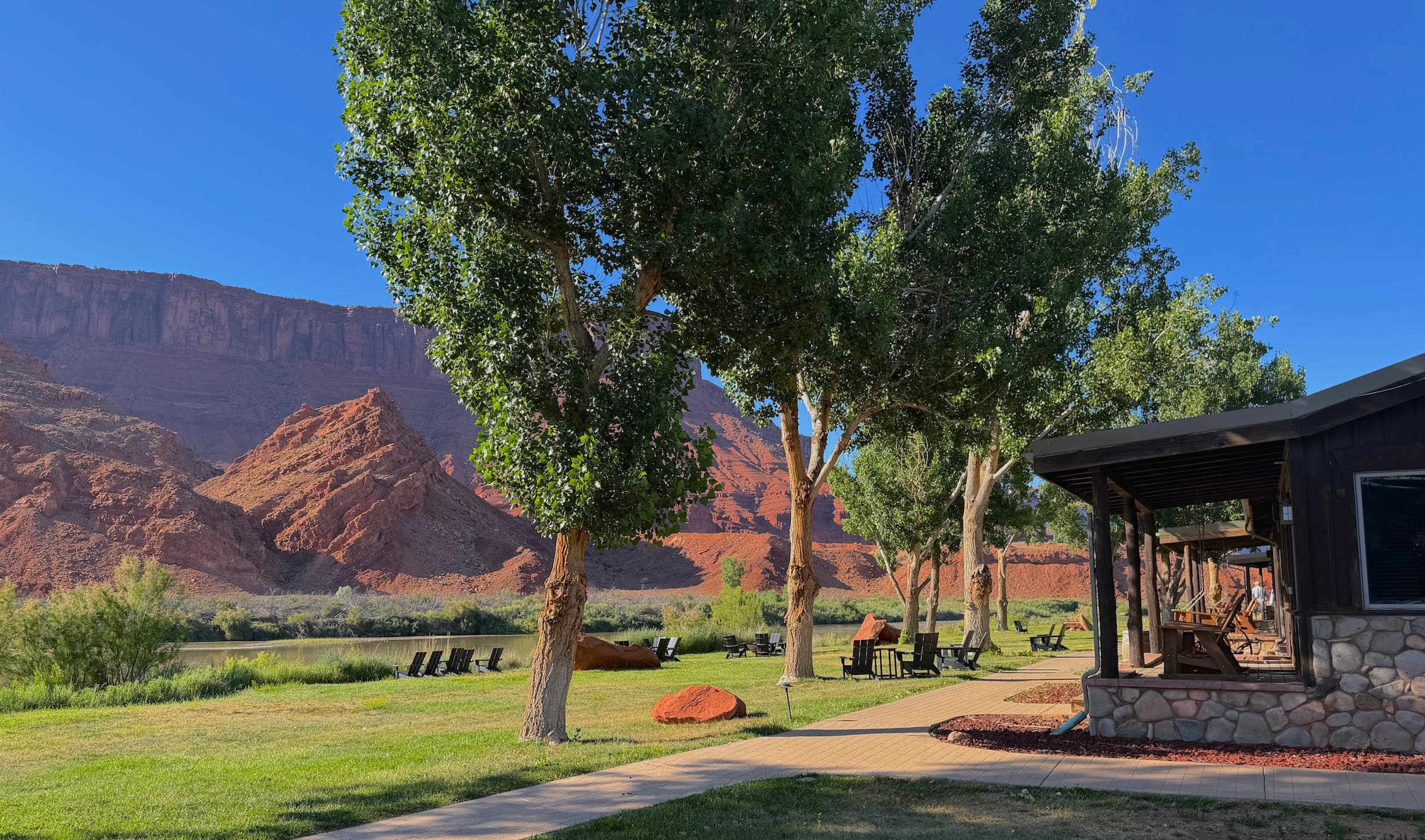
You can’t beat the setting: Sorrel River Ranch sits right on the Colorado River. I should add that this lodge did have a little drama in the news recently, when the state temporarily shut it down over violations in its onsite water treatment system. The lodge has since reopened and vehemently denied some concerning allegations that restaurant workers were asked to use pool water to wash dishes(!). I stayed at Sorrel River Ranch—a couple months before the water issues bubbled up—for my son’s birthday and thankfully, all of our digestive systems during our stay were fine.
All of the rooms here are in big log cabins, some with two floors. The decor is Westerncore with touches like a rodeo lasso passing as art, bull’s horns hanging on the walls, a bed made of logs, and housemade red, white, and blue chips with salsa as a welcome offering. Book a horseback ride, enroll your kids in the junior wrangler program, or just feed the boisterous goats.
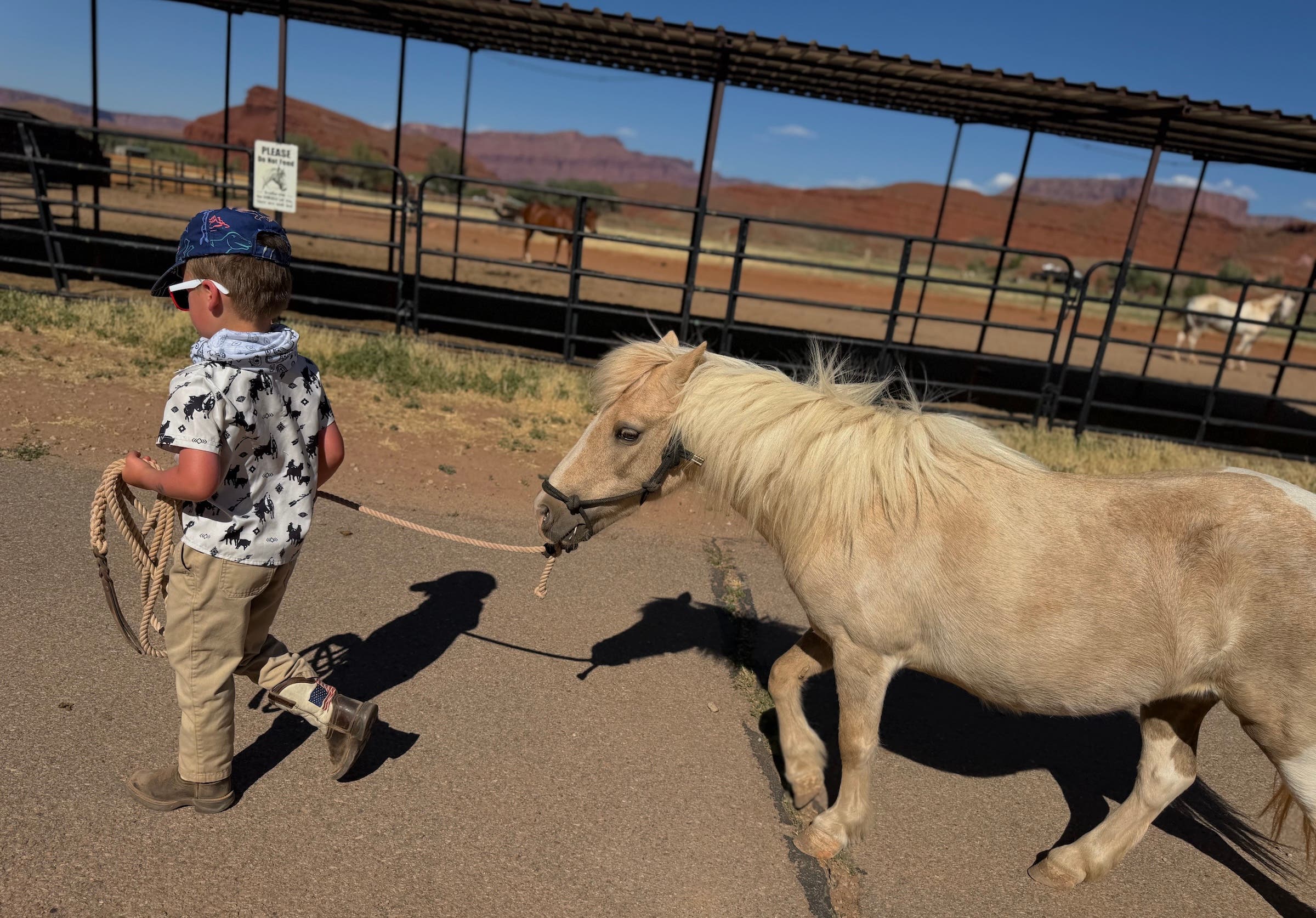
Location: In Grandstaff Canyon along Highway 191, 20 miles northeast of Moab
Pros: Serene location close to trails, climbing, and the Colorado River
Cons: If you want to be in town, it’s a 30-minute drive to Moab.
Local tip: Sorrel Ranch sits 10 minutes away from the trailhead to Fisher Towers. This rollicking hike meanders over rock ledges and through gullies as it takes in stunning rock formations—peep the iconic Ancient Art tower, a classic climbing testpiece.
About the author: Maya Silver has been traveling to Moab since 1999. These are only a handful of the places she’s stayed in Moab, but they are her favorites. Even though Moab has become almost unbearably busy at times in the 27 years since she’s been visiting, she still loves this bustling adventure town of Southeastern Utah. When she isn’t acting as editor-in-chief of Climbing Magazine, she also writes Moon travel guides to Utah, including a just-updated edition of her guide to Southern Utah.
