

Published September 8, 2026 04:20PM
The U.S. Forest Service temporarily closed all climbing access to Colorado’s Maroon Peak on September 8, 2026, to recover the body of a climber who had fallen off the mountain.
The death marked the first of two fatal mountaineering accidents on Colorado’s famed 14er summits in less than a week.
Officials have not released the names, sex, or ages of either person.
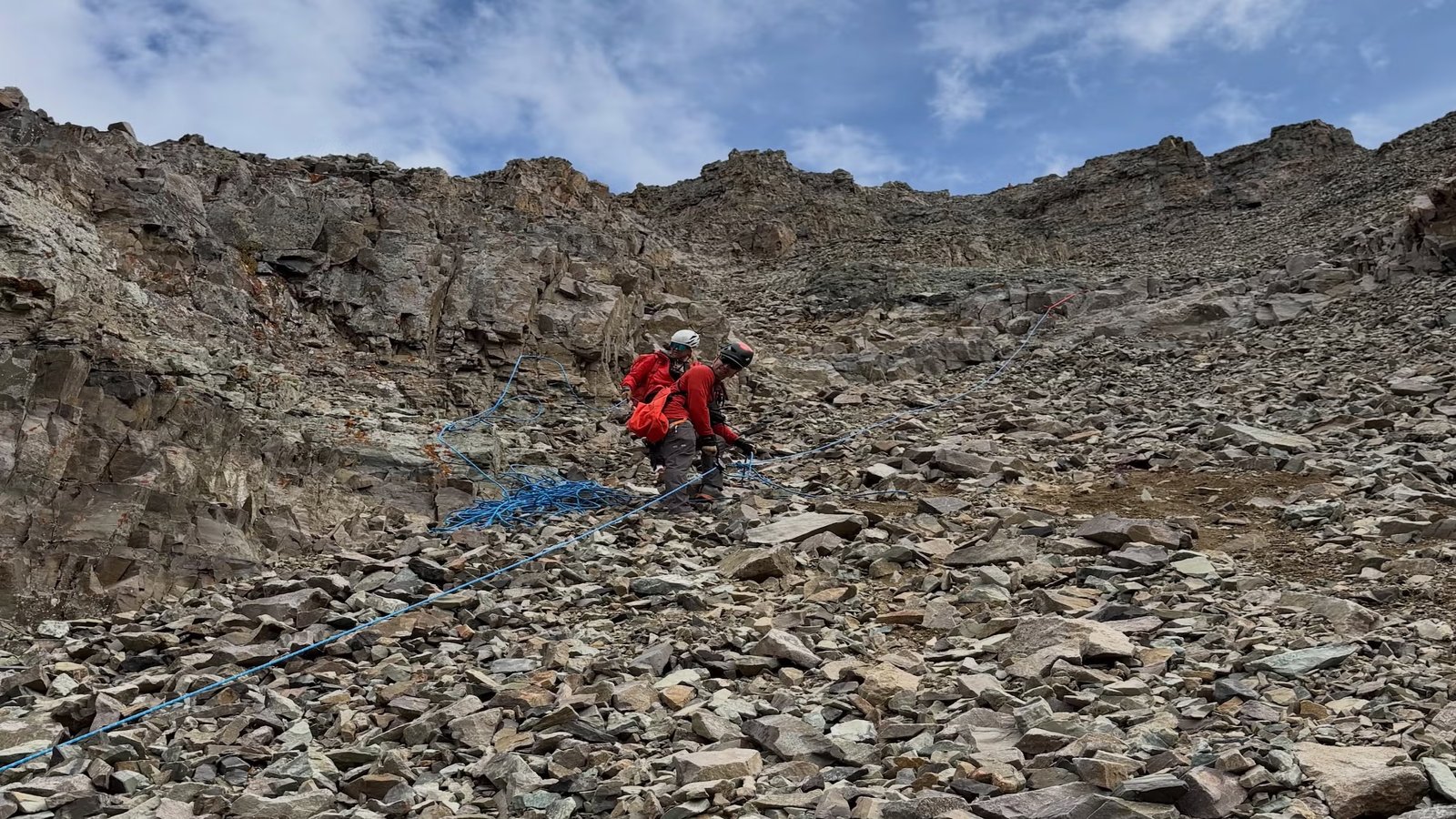
On September 8, authorities embarked on a recovery mission for the body of a climber who went missing six days earlier, on September 2, according to the responding agency, Mountain Rescue Aspen (MRA). To aid the recovery, the U.S. Forest Service closed climbing access to Maroon Peak, including the standard route from West Maroon Creek and the traverse from North Maroon Peak.
After the climber was reported missing on September 2, rescuers found notes in their vehicle parked at the trailhead. Based on these notes, responders conducted aerial searches in the Maroon Bells-Snowmass Wilderness, a remote alpine area that contains six peaks over 14,000 feet, including the iconic maroon-colored twin peaks known as the Maroon Bells and Snowmass Mountain.
“During the aerial search, the climber was located deceased and tentatively identified in very technical and difficult terrain to access,” MRA wrote in a statement.
An Eyewitness Account
In an unrelated incident on September 6, a second climber died after falling from the north face of Castle Peak, located about 12 miles south of Aspen. An all-volunteer team of 21 members responded on the ground and by helicopter.
Rebecca Rees, a dental anesthesiologist, witnessed the September 6 fall while hiking with a group between Castle and Conundrum Peaks. Rees, 44, lives in a suburb of Denver and has been climbing Colorado 14ers since 2017. She said she had been on this specific climb around five times.
“There had been a rockfall all day from Conundrum going into the lake, so we were used to hearing these rocks fall into the lake,” she said. “At 12:25 P.M., we heard the rocks again but it was a different sound. I looked over and I saw this gentleman tumbling down the mountain. It was horrifying because it was not a fall that would be survivable.”
Rees estimated that the man initially fell about 30 feet, and then continued to tumble hundreds more down the mountain. It’s not clear how or why he fell, she said. Her group called emergency services, and yelled at the man, but he was unresponsive. Looking up-slope, she said they saw his sunglasses and water bottles in a debris field.
“Mountain Rescue Aspen personnel reached the climber at approximately 3:58 P.M. and determined the individual had sustained injuries that were not survivable,” MRA wrote. “Team members then carefully evacuated the climber from the mountain using a technical lowering system.”
Colorado’s Most Photographed Peaks Are Also Among Its Deadliest
Located in Colorado’s Elk Range, the Maroon Bells are one of the most photographed destinations in the state, and encompass Maroon Peak and North Maroon Peak. The peaks have earned their nickname “Deadly Bells“—the mountains are highly technical, dangerous, and extremely difficult, according to the nonprofit that does service work on the state’s highest peaks, Colorado Fourteeners Initiative.
“These mountains are known for having a lot of loose rock and being fairly dangerous,” Rees told Outside. “Up close, the rock is very loose and unforgiving. Route-finding is difficult, and it’s very easy to take a wrong step or have the wrong handhold and fall,” she said.
Incredibly steep terrain also means seemingly innocuous mishaps can quickly become deadly. In May, a hiker slid 200 feet down the Maroon Bells after slipping at an elevation of around 11,300 feet. In August, Colorado hiker Brandon Hinkle was completing the Maroon Bells Traverse when he tumbled 500 feet down a sheer rock face and suffered multiple serious injuries.
Mountaineering Through High-Alpine Dangers
Rees reiterated the importance of traveling with a buddy, especially in dangerous terrain.
“Without even realizing it in the moment, you’re constantly checking in with each other when you’re hiking up,” she said. “Having that constant feedback and another opinion is helpful checks and balances.”
And if you’re not feeling it, Rees said known when to turn around can save lives.
“The mountain will be there forever, and it’s okay to get to a certain point and realize today is not the day,” she said.
MRA also reminds backcountry travelers to leave a detailed itinerary with a trusted person before departing, including the intended route, expected return time, and contingency plans. Anyone traveling in the backcountry should also carry appropriate equipment, be prepared for rapidly changing mountain conditions, and always bring a reliable two-way satellite communication device when traveling in areas without cell service.
“We’re not going to stop hiking these peaks,” Rees added. “It’s traumatizing but, just be safe and be prepared. Know when to stop, and know your limits.”
