

Updated October 23, 2026 06:50AM
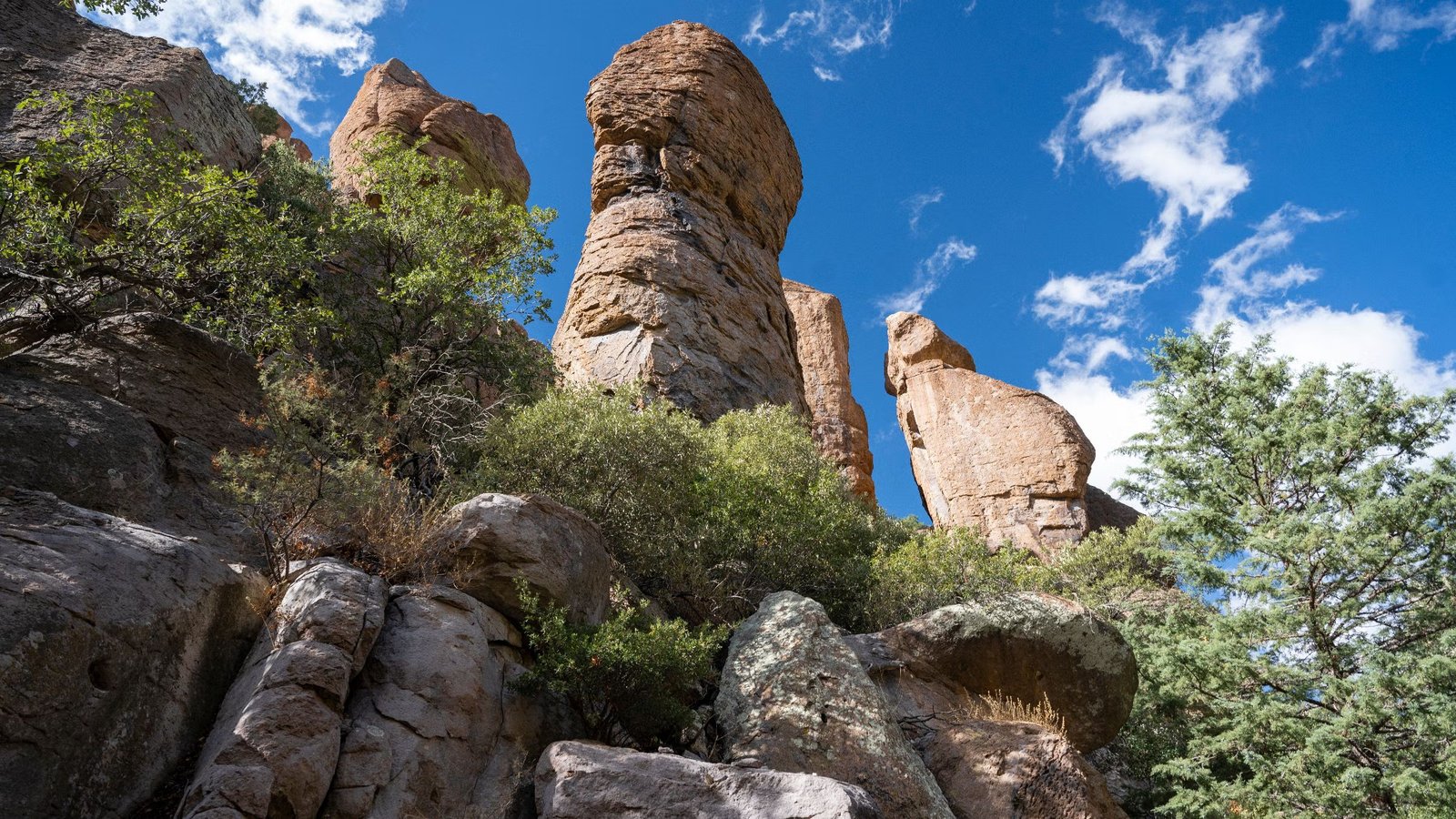
President Trump recently designated America’s newest national park, the Chiricahua National Park in southeast Arizona. By all accounts, it’s a stunning place known for its vertical rock spires, but like most things that happen today, Chiricahua’s new designation has been divisive. Some of us are excited about its protections and curious about what areas might be our next full-fledged national park, while others are wondering if we should establish new parks at all.
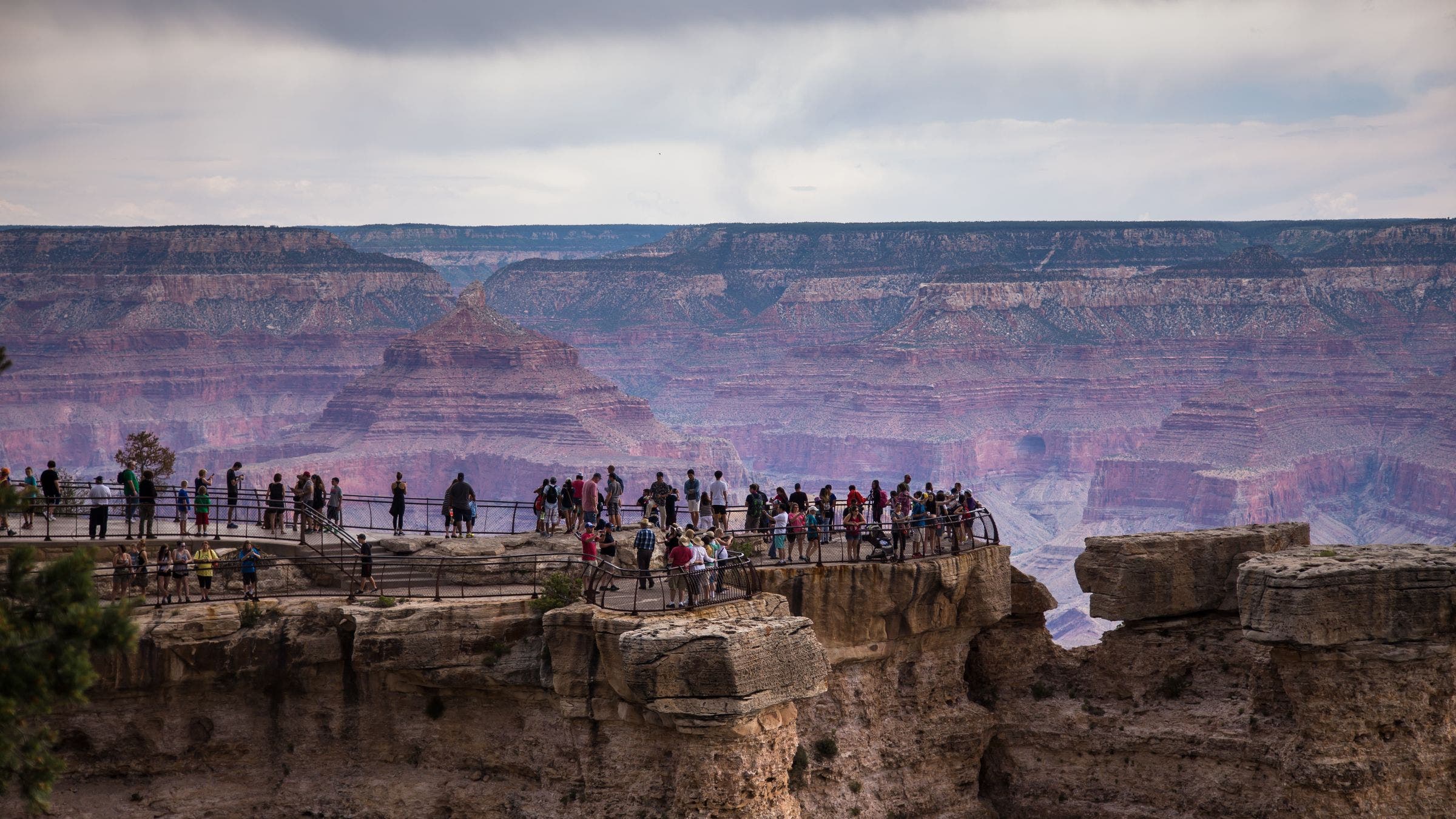
On one hand, the national park designation represents one of America’s most comprehensive forms of land protection, while also serving as an economic boon to the communities surrounding these parks. On the other, the National Park Service is suffering from a budgetary crisis, so why add another unit to the problem? Another argument against adding it: the best landscapes are already protected as national parks, and these recent additions don’t deserve the same status as awe-inspiring parks like Yosemite or the Grand Canyon.
I can see the logic on both sides, so let’s step back and examine the bigger picture behind the national park expansion debate.
What Is the Purpose of the National Park System?
We all know the parks are “America’s best idea,” but what’s the purpose behind that idea?
The first national park, Yellowstone, was established in 1872, before the concept of a national park system was even in place. The National Park Service wasn’t established to manage Yellowstone and the other parks until 1916, with the signing of the Organic Act by President Woodrow Wilson. This document outlined the purpose of our national park system, stating that the park service was meant to “conserve the scenery and the natural and historic objects and the wildlife therein and provide for the enjoyment of the same in such manner and by such means as will leave them unimpaired of the enjoyment of future generations.”
So, conservation and public enjoyment. But how does a landscape actually achieve national park status?
I’m glad you asked.
How a National Park Is Born
Today, there are 433 units within the national park system, ranging from small national historic parks to large-scale national monuments and recreation areas. Of those different areas, only 64 have full national park status.
There is only one pathway to full national park status: an act of Congress. While presidents can establish national monuments on existing public lands using the Antiquities Act of 1906, the only way any parcel of land gets that top-tier designation to a national park requires both the House and the Senate to pass enabling legislation, and then for the President to sign it. It ain’t easy.
There have been a number of bills introduced trying to create new national parks that have gone nowhere, while others took years to get legislative footing. It took two different bills introduced at different times to get Mesa Verde in Colorado established. The legislative hoops are designed to make the process difficult, to ensure we’re not handing out national park designations like Oprah Winfrey hands out cars to her audience.
Now, let’s address the various questions at the heart of the debate over adding new national parks.
Is a National Park Designation the Ultimate Way to Protect Land?
Not quite. Federally designated Wilderness areas carry the highest form of land protection with the strictest rules for land use. National parks allow for more types of recreation as well as the creation and management of infrastructure such as roads and visitor centers. There are even ski slopes and spas in some national parks.
The idea that these parks will be preserved for the foreseeable future is what gets advocates excited. The distinct rock outcroppings of Chiricahua will be there for my grandkids to experience. That’s freaking awesome. But Chiricahua had largely the same level of protection when it was a national monument.
“There are some misconceptions out there about the national park system,” says Ed Stierli, the government affairs lead for the National Parks Conservation Association, a non-profit that advocates for our parks. “The national park system has 433 units. The 64 national parks are one designation, but there are also national monuments, national historic parks, national rivers and lakeshores. A lot of people don’t know about these other units.”
And Stierli and other park advocates argue that all 433 units within the national park system should enjoy equal levels of protection. The Trump administration disagrees, asserting that the management and size of national monuments can be altered by the sitting president. Just look at Bears Ears National Monument, which was established by Obama, but had its borders trimmed by President Trump, redrawn by Biden, and trimmed again by Trump.
“We would argue that what the Trump administration is doing is illegal, and the protections of national monuments should be just as permanent as a national park,” Stierli says.
He might be right, but the national park designation carries a weight and level of permanence that can’t be denied from an environmental standpoint. The full park status also carries a certain level of cache and recognition, which brings us to…
Does National Park Status Boost the Local Economy?
The economic impacts of national parks is well documented, and local communities will often see a bump in visitation after a piece of land gets promoted to full park status.
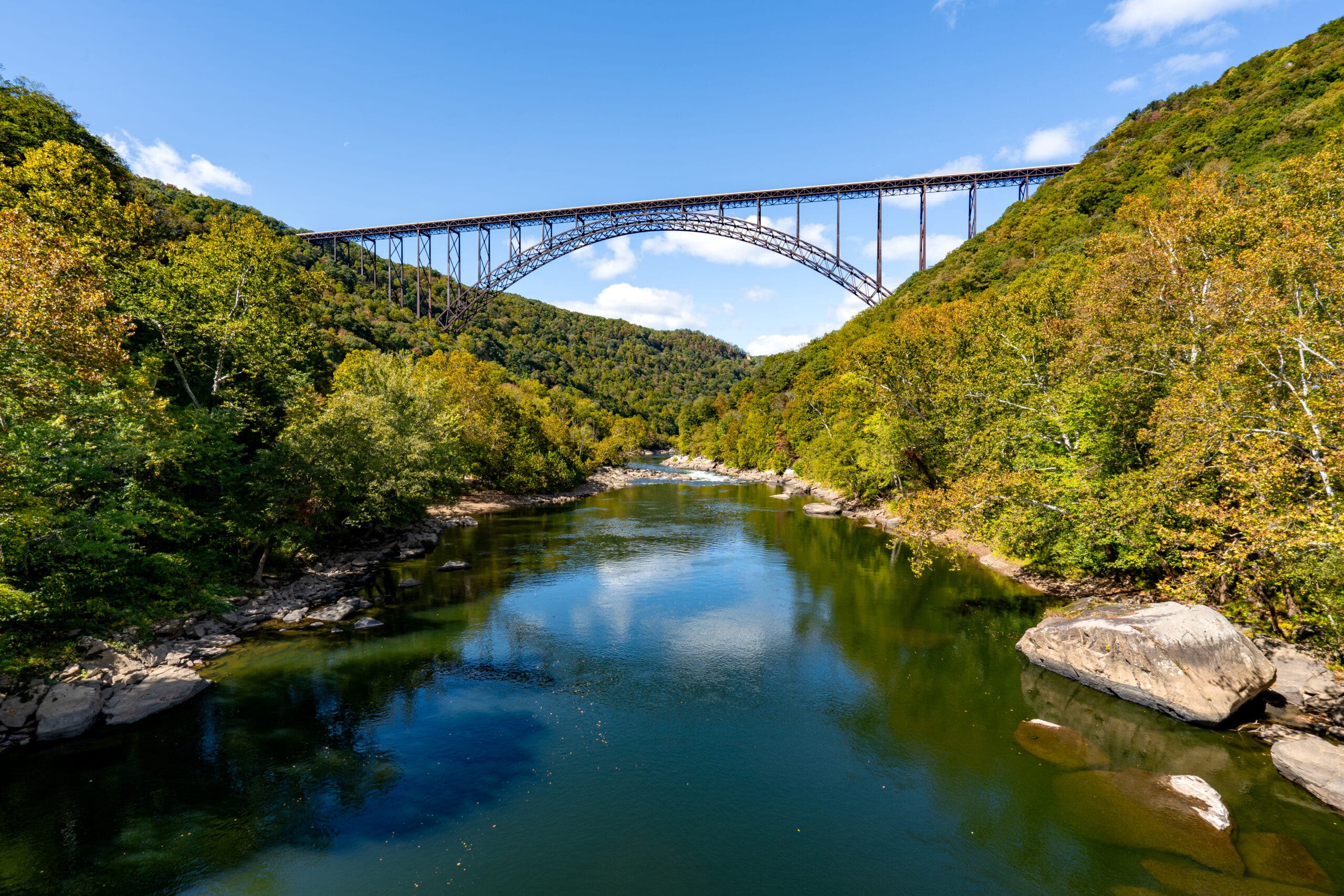
We saw that recently in West Virginia with the New River Gorge National Park and Recreation Area, which had more than 2 million visits in 2025, which is more than 64 percent higher than visitation in 2019 before it was “just” a national river.
But not all communities are interested in their public lands becoming national parks.
Local communities surrounding New York’s Adirondack Park, for instance, have repeatedly resisted proposals to convert state forest preserve land into a federal national park, citing concerns over local control, land-use restrictions, and traffic.
Should the NPS Budget Crisis Prevent a New National Park?
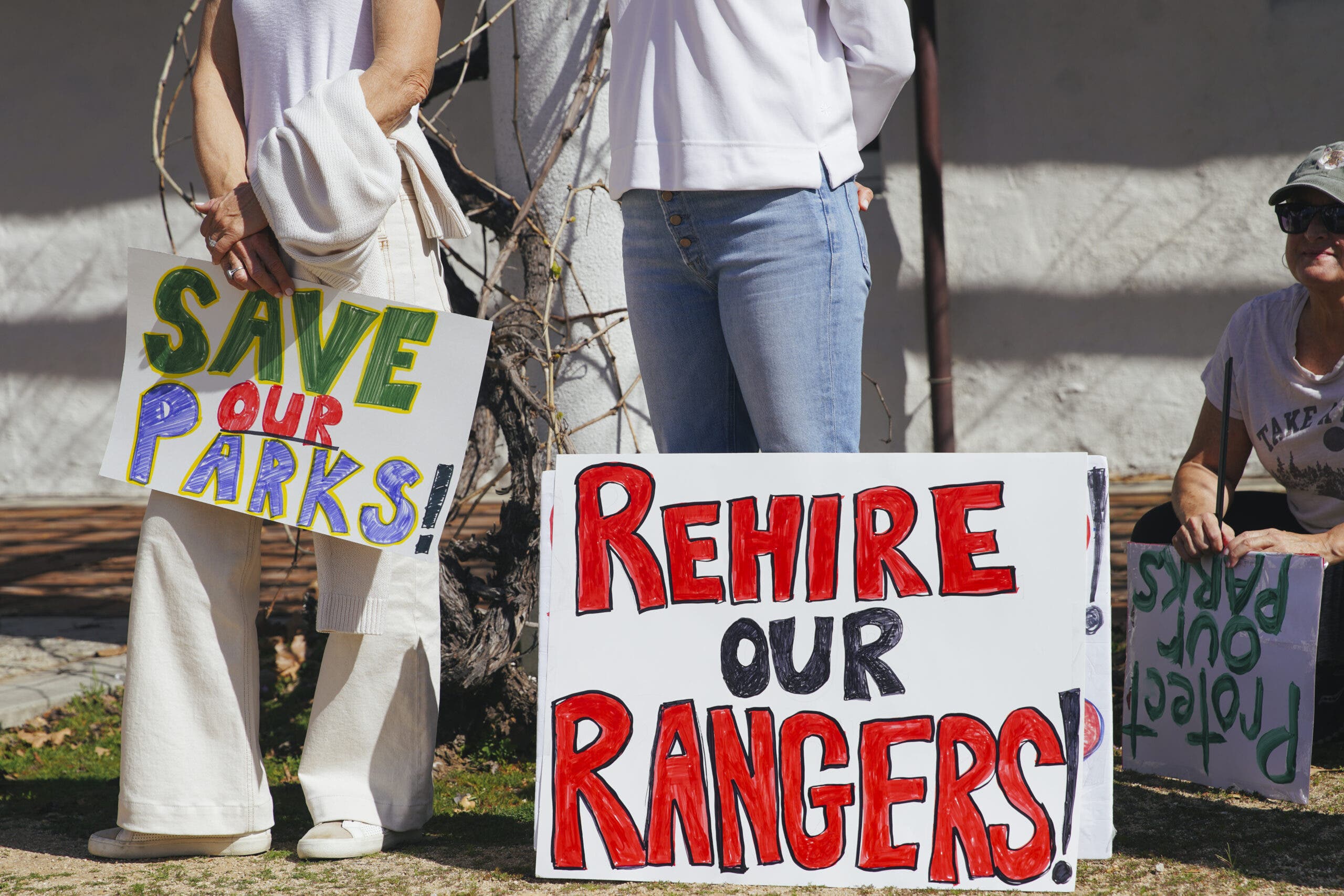
The National Park Service currently faces a deferred maintenance backlog exceeding $22 billion. Critics question whether the agency should expand its footprint while struggling to maintain existing infrastructure.
That’s a staggering figure, but that deficit encompasses all units of the national park system, including national monuments. All of the modern parks honored with full park status in recent years have been part of the National Park System’s existing budget. It’s not like we’re adding another kid to the family and have to figure out how to pay for her college tuition. The management of these units is already factored into the existing budget.
“There is zero difference in how a monument and park are managed,” Stierli says. “The budget is the same regardless of the name.”
Stierli points to the New River Gorge National Park and Preserve as an example. It was re-designated from a national river to a national park and preserve in 2020 but got no increase in budget. If anything, they have fewer staff now because of the DOGE cuts.
Will a New National Park Dilute the NPS Brand?
OK, this is the argument that seems to hold the most weight in my personal opinion. In the last ten years, there have been five new national park designations: Gateway Arch, Indiana Dunes, White Sands, New River Gorge, and Chiricahua, all of which were promoted from within the national park system. Indiana Dunes was a national lakeshore, Gateway Arch was a national memorial, and White Sands and Chiricahua were both national monuments.
Personally, I love West Virginia’s New River—it’s one of my favorite adventure destinations on the East Coast. But it’s hard to look at this last batch of national park designations and say that they are on par with the majority of other national parks from a landscape and recreation standpoint. The New River is no Grand Canyon. White Sands is no Arches. If the national park designation is supposed to be reserved for our most outstanding natural resources, are we diluting that distinction by adding more, arguably lesser, landscapes to it?
I recognize that this is largely subjective, but there are some quantifiable factors we can look at based on the nuances between National Park System distinctions. For instance, the purpose of a national monument is to preserve at least one nationally significant resource, while a national park is designed to preserve a variety of nationally significant resources. Parks are also generally, but not always, intended to protect large-scale landscapes. So other National Park Service designations like monuments are smaller and lack a diversity of attractions and resources, while full-fledged national parks are larger and protect a broad swath of cultural and environmental resources.
If size matters, then we might be missing the point with the most recent batch of parks, most of which are significantly smaller than the majority of existing parks. Chiricahua is just 12,000 acres, the New River Gorge is 72,000 acres, while Indiana Dunes is just 15,000 acres. Oh, and at under 200 acres, Gateway Arch is the smallest national park in the system. The only outlier in the five most recent parks is White Sands, which is more than 145,000 acres, putting it on par with Zion and making it almost twice the size of Arches.
I think you could make the argument that each of these new parks meets the criteria of full park status by protecting a variety of resources, as opposed to just one resource, except for maybe Gateway Arch. Considering it protects a significant architectural resource and not much else, I’m not sure why it was elevated from national memorial status.
And it makes me cautious about pushing for more national park promotions. There’s a bill currently being considered that would elevate the Ocmulgee Mounds National Historical Park, in Georgia, to a full national park. It would be the state’s first full-fledged national park. I’ve been to Ocmulgee with my family. It’s certainly significant from a historic and cultural perspective, but it’s less than 2,000 acres. In my opinion, it lacks the recreation element that most people expect when they’re visiting a national park. It seems to me that the National Historical Park is the ideal designation for a resource like Ocmulgee.
But Stierli disagrees.
“I don’t think there’s such a thing as diluting our national parks. These other units aren’t any less significant, and these re-designations are a net positive for our national park system,” he says. “It’s really just a name change, but every time a new park is designated, it brings attention to the place and the national park system as a whole. And that’s a good thing.”
Graham Averill is Outsidemagazine’s national parks columnist. He gets really excited whenever a new park is created, whether it’s a national park or a city park in his hometown. He is a simple person who thinks more parks equals more good.
