


Published September 16, 2026 09:35AM
September upland and deer archery hunters are no stranger to summer-like conditions, while those who hunt into mid-season can expect a broader mix of weather. At the other end of the hunting season, spring turkey and light goose hunters may face a combination of blizzard conditions, rain showers, and balmy temperatures as winter gives way in fits and starts. The best hunting apparel and footwear for these temperamental times of year should breathe well, layer easily, regulate body heat, and resist wind and water.
For our fall 2026 update, we tested more than 40 pieces of hunting apparel and footwear at the bookends of the hunting season, when temperatures can swing from 90 degrees one day to downright cold the next. Four new pieces—a poncho, a lightweight jacket, liner gloves, and socks—joined this tried and tested list of hunting gear that continues to surpass expectations.
Best Hunting Apparel and Footwear: At a Glance
Best Packable Rain Protection
Forloh Allclima Waterproof Packable Rain Poncho
Sizes: 2XS/XS-2XL/3XL
Pros and Cons
+ Completely waterproof
+ Warm
+ Breathable
– Pricey
– Slightly bulky when packed
– Neck opening a bit snug for some
Testers wore the Forloh rain poncho while snow goose and spring turkey hunting, working construction outdoors, and doing yard work in the rain. Across all scenarios, the fully sealed three-layer waterproof membrane with taped seams proved to be completely waterproof and breathable, even in sustained showers. It doesn’t feel like you’re suffocating in a trash bag, and it’s far quieter than the typical cheap poncho. Plus, the military-spec, tear-resistant fabric felt durable even after repeated use.
Side slits start high on the hip and are secured at the bottom with snaps, which kept water out but still allowed easy access to pockets. At the shooting range, one tester got caught in a cold, early-spring downpour. He stayed comfortably dry and warm wearing just the poncho and a T-shirt, while folks wearing cheaper, less waterproof jackets were still shivering after taking shelter.
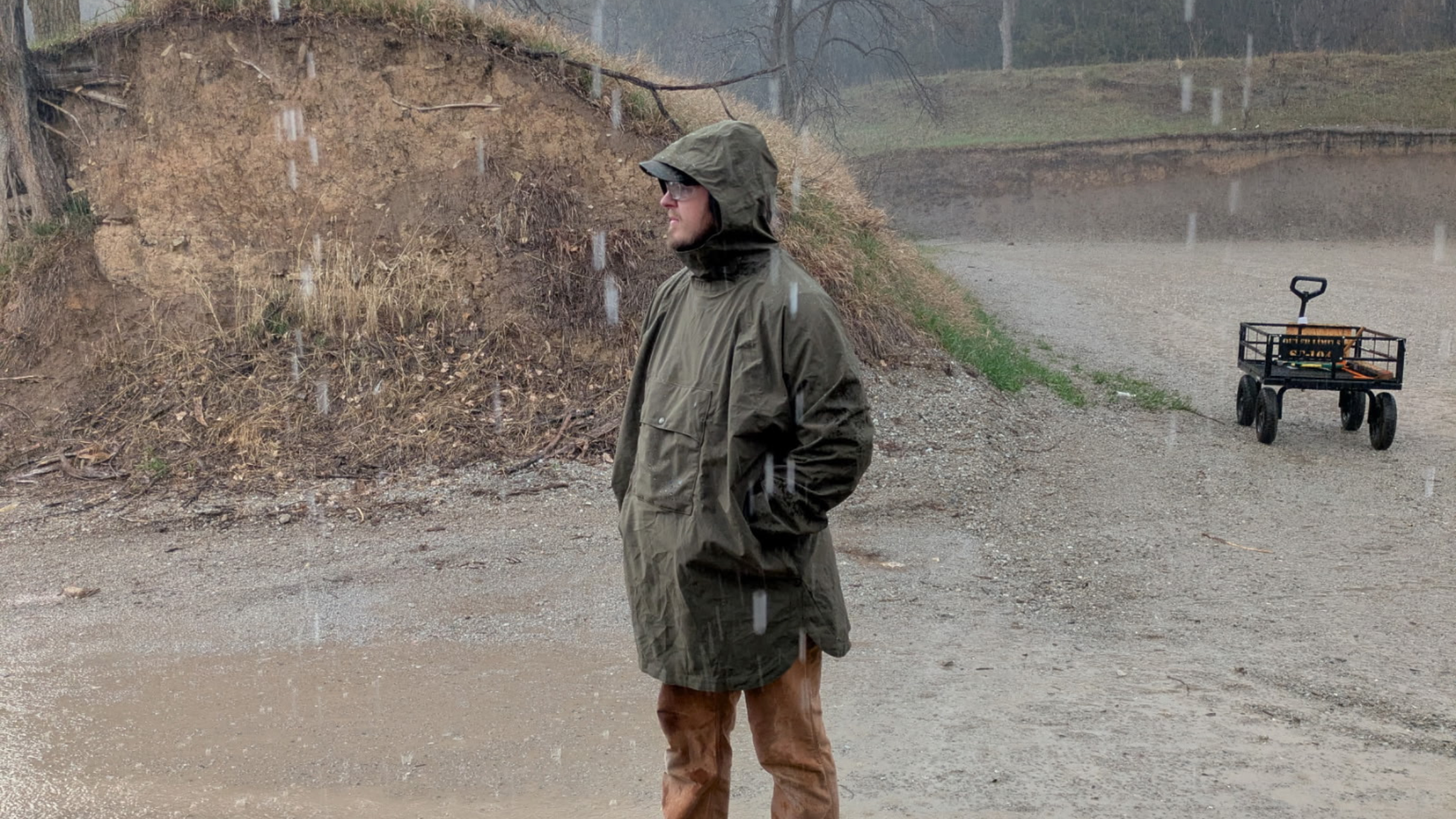
Out of all the ponchos we’ve tested, Forloh’s is the most comfortable, functional, and breathable. But hunters with larger heads may find the neck opening a bit tight, and the hood is snug over a cap or beanie. On its own, the hood’s built-in bill did a good job of keeping rain out of testers’ eyes. Packed down into its chest pocket, it’s about the size of a small pillow.
Best Men’s Lightweight Jacket
Sitka Jetstream LT Jacket
Sizes: M-XXL; LT-XLT
Pros and Cons
+ Quiet, windproof face fabric
+ Good ventilation
+ Layers well
– Bulky
– Subpar water-resistance
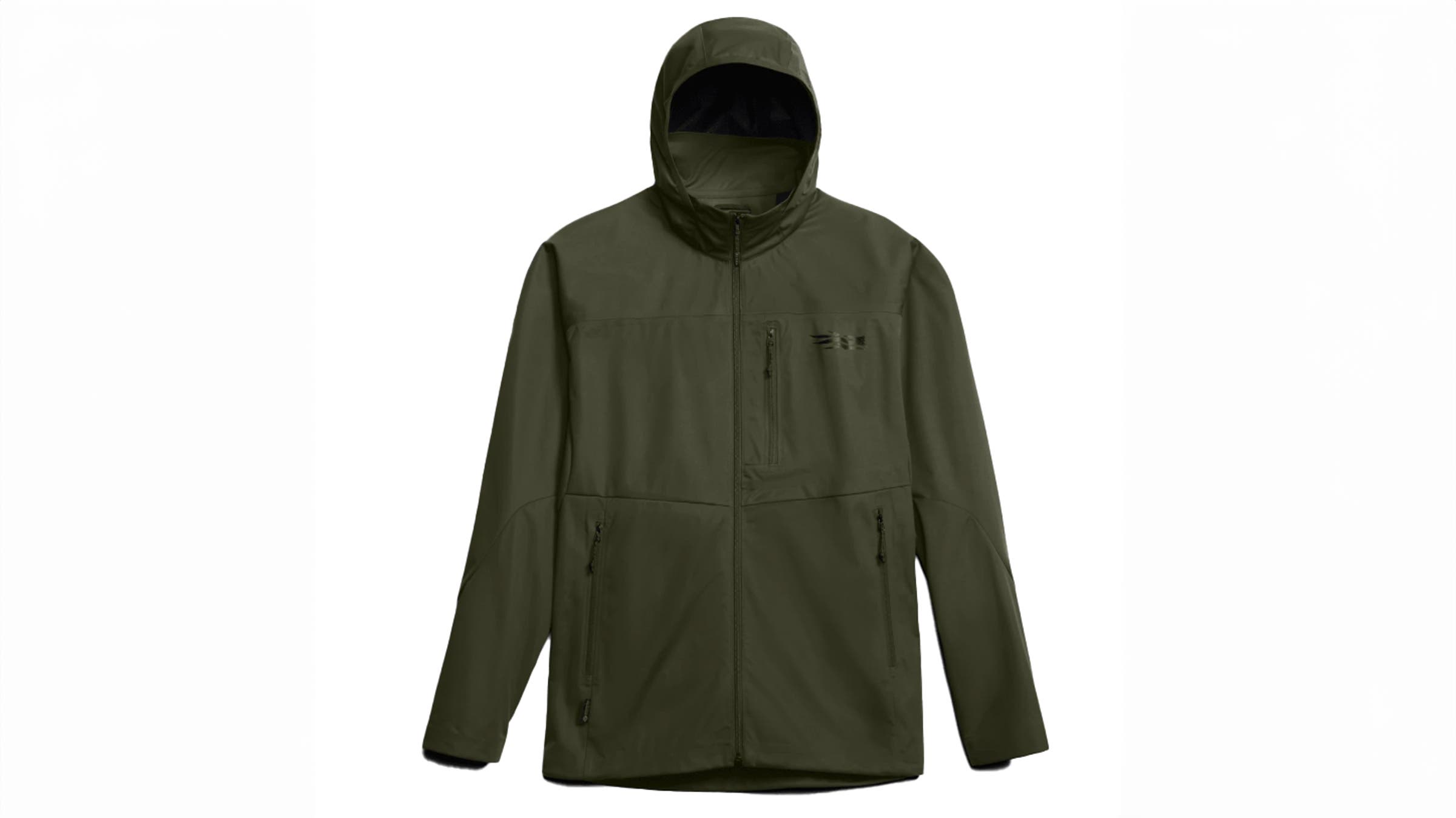
If you think the Jetstream LT is all looks, think again: Over six weeks during Alaska’s still-bitter spring weather, this softshell jacket blocked wind and retained heat in 25-mph winds thanks to its tightly-knit polyester face fabric—without the noisy, plasticky feel. When temps spiked, large zippered mesh pockets provided ventilation (plus ample, secure storage). With a shirt and thin wool layer underneath the slim jacket, testers stayed comfortable into the high teens and low 20s while scouting; with just a T-shirt underneath, it was best in roughly 45 to 60 degrees.
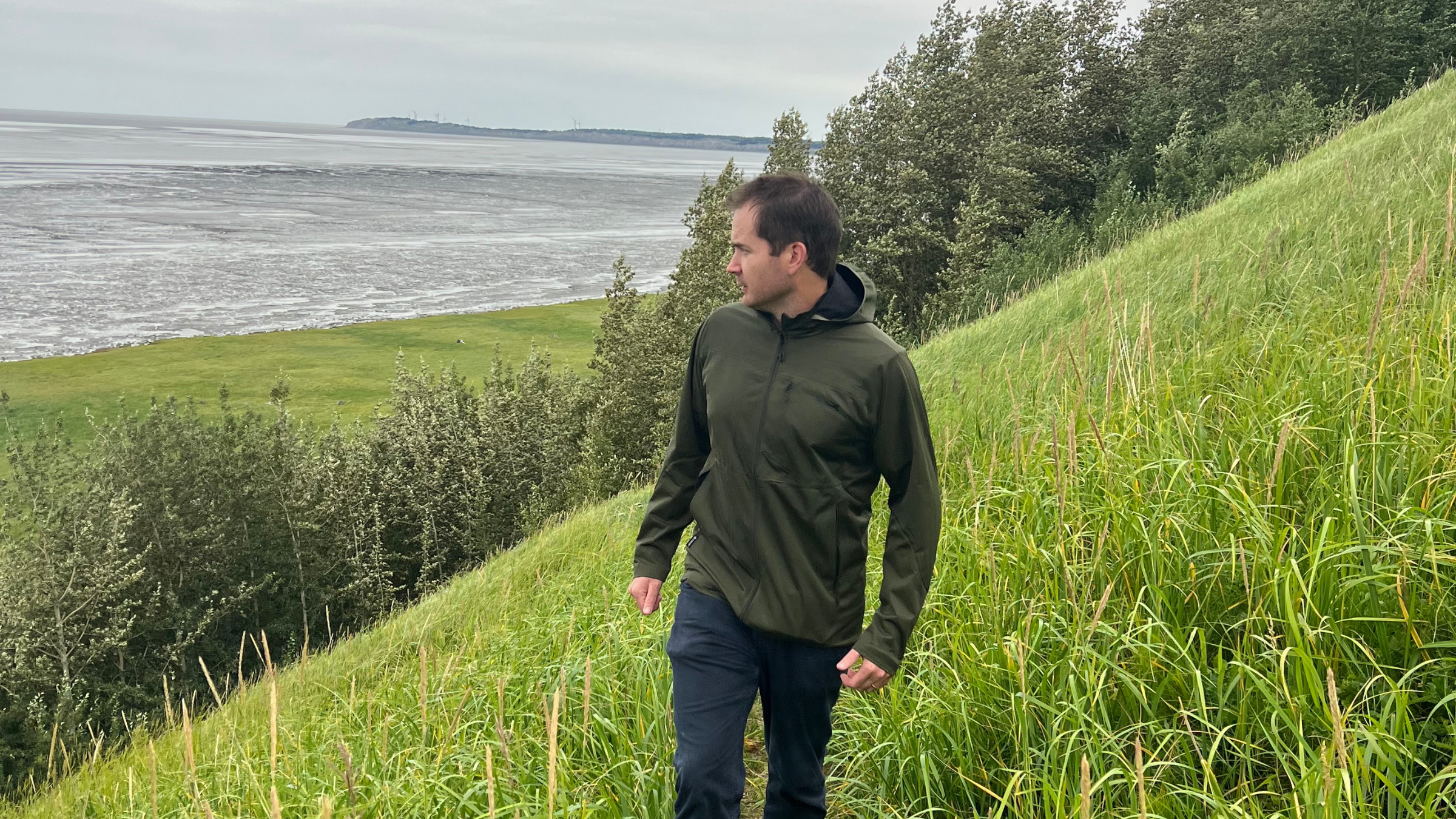
A few downsides to the Jetstream: Although it’s lighter than the original, the LT version is still 13.6 ounces and bulky when compressed. And while it’s water resistant to a point, one tester found that the water seeped through the fabric after 25 minutes while hiking in the rain.
Still, for windy 45- to 60-degree conditions—or colder weather with another layer underneath—it’s an excellent early- to mid-season option for the big game hunter sitting in a tree stand.
Best Liner Gloves
Chêne Izmbek Liner Glove
Sizes: M-XL
Pros and Cons
+ Durable and comfortable
+ Quick-drying, and warm when wet
+ Touchscreen compatible
– Slippery grip
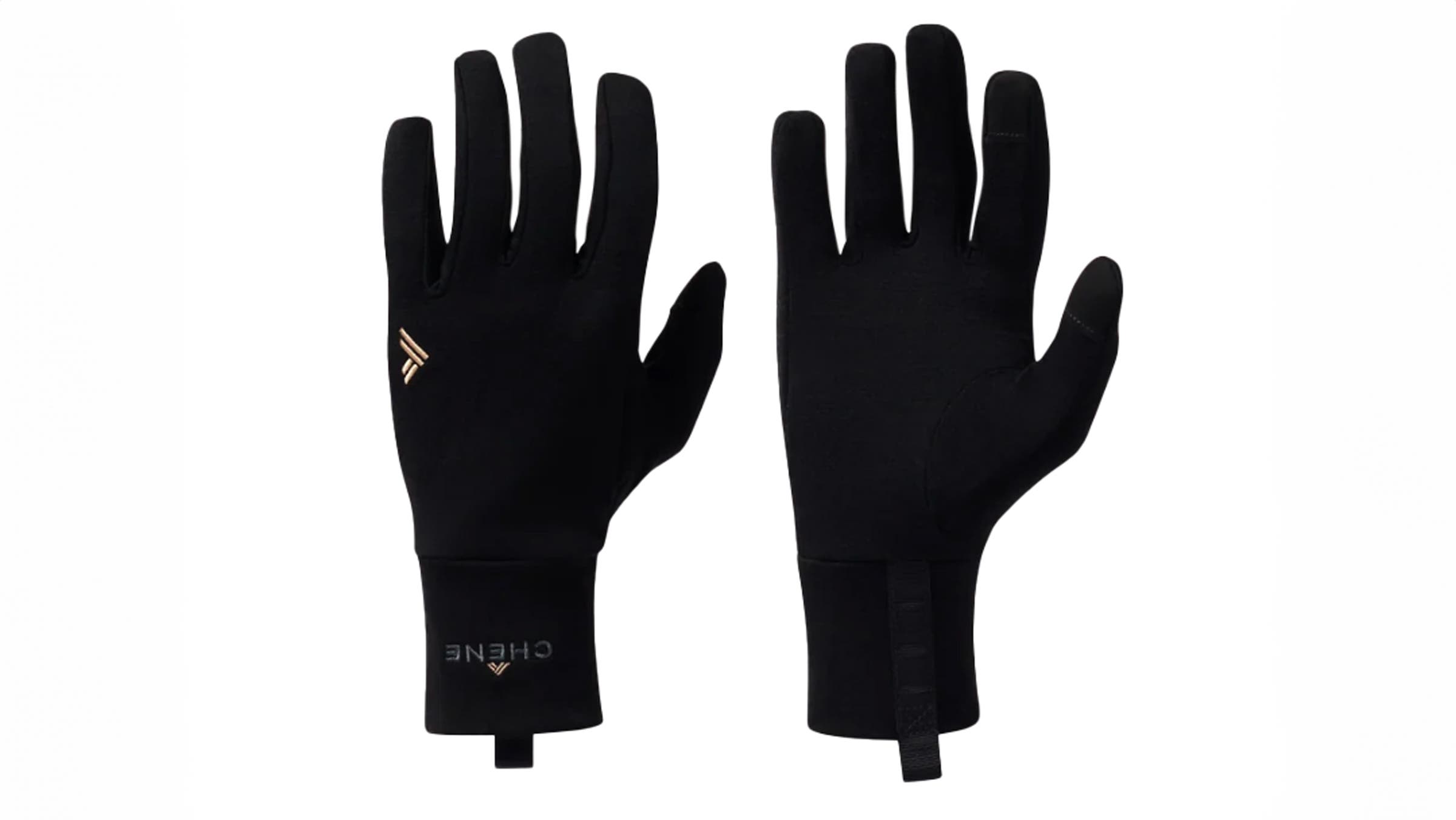
While wearing the Chêne Izembek Liner Glove on deer, Canada goose, snow goose, and spring turkey hunts in Nebraska, loading a rifle and shotgun remained dexterous and grippy. The liner was snug enough to be cozy—but not constricting—beneath insulated gloves, with flat seams that disappeared when worn.
Testers wore it as a liner in temperatures below 40 degrees, especially for waterfowl and deer hunting. But during the fall and spring, the Izembek worn on its own took the edge off on crisp days. The wool was soft, dried quickly, and was surprisingly resistant to picking up burs and stickers. The slickness of the material made pulling on and removing outer gloves easy. However, one tester found that the liner didn’t provide enough grip to confidently hold and shoot a gun; we hope a future version adds more texture to the palm.
The touchscreen portions on the index and thumb functioned reliably in all conditions, although we wished the thumb portion covered a wider area to make typing a text easier. After months of testing, the glove showed little signs of wear and did not lose its shape.
Best Men’s Hunting Pants
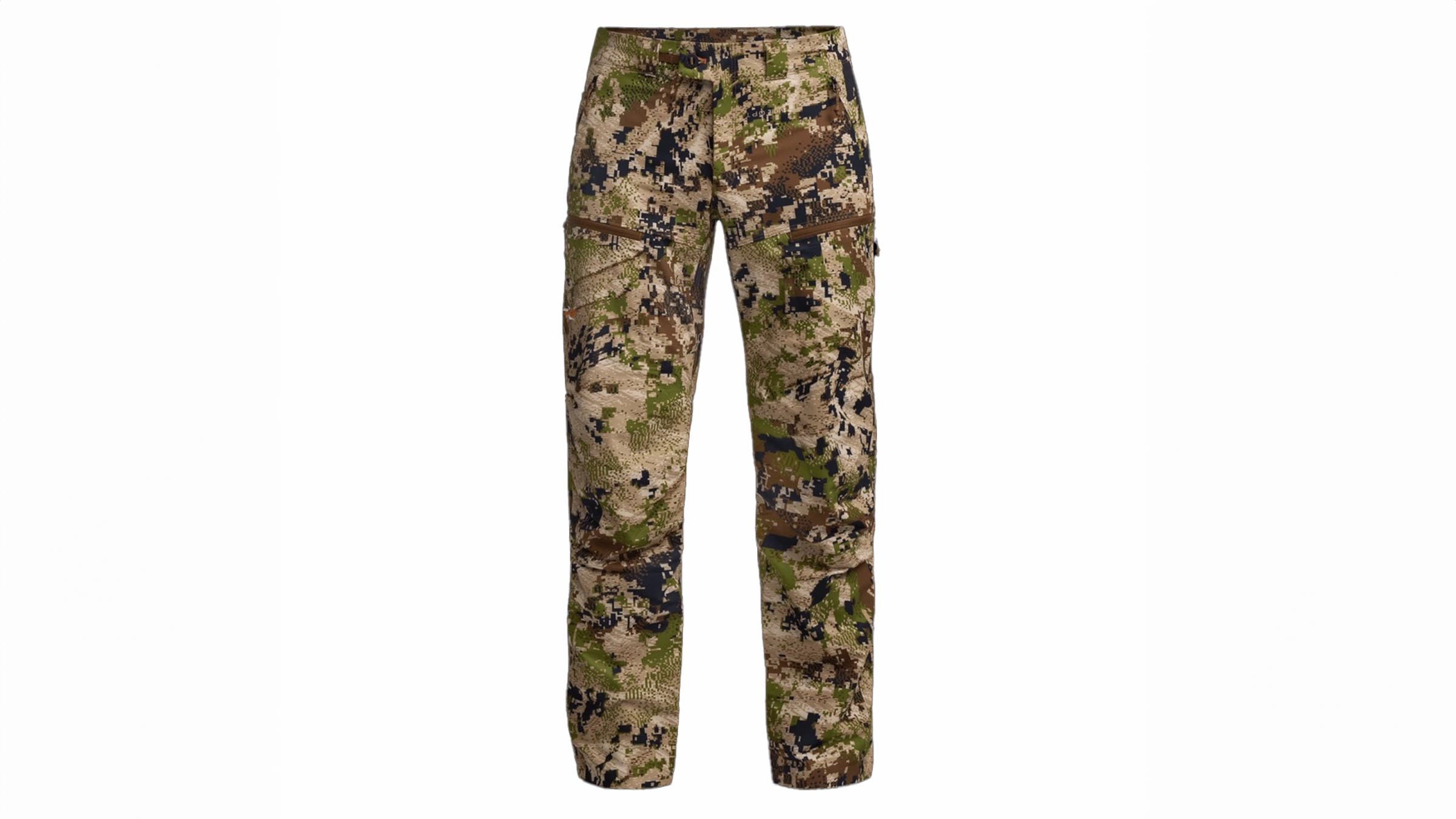
Sitka Men’s Endure Pant
Sizes: 30R-44R
Pros and Cons
+ Pockets for knee pads (sold separately)
+ Reinforced knife pocket
+ Zippered hip vents
– Expensive
We tested the Sitka Men’s Endure Pants while logging serious miles—chasing grouse through thick Wisconsin national forest cover full of prickers, blackberry canes, and sharp branches, then wearing them daily on Montana mule deer and antelope hunts in October. Over the course of the season, we put at least 50 miles on the pants in conditions that swung from warm afternoons to cold, snowy mornings.
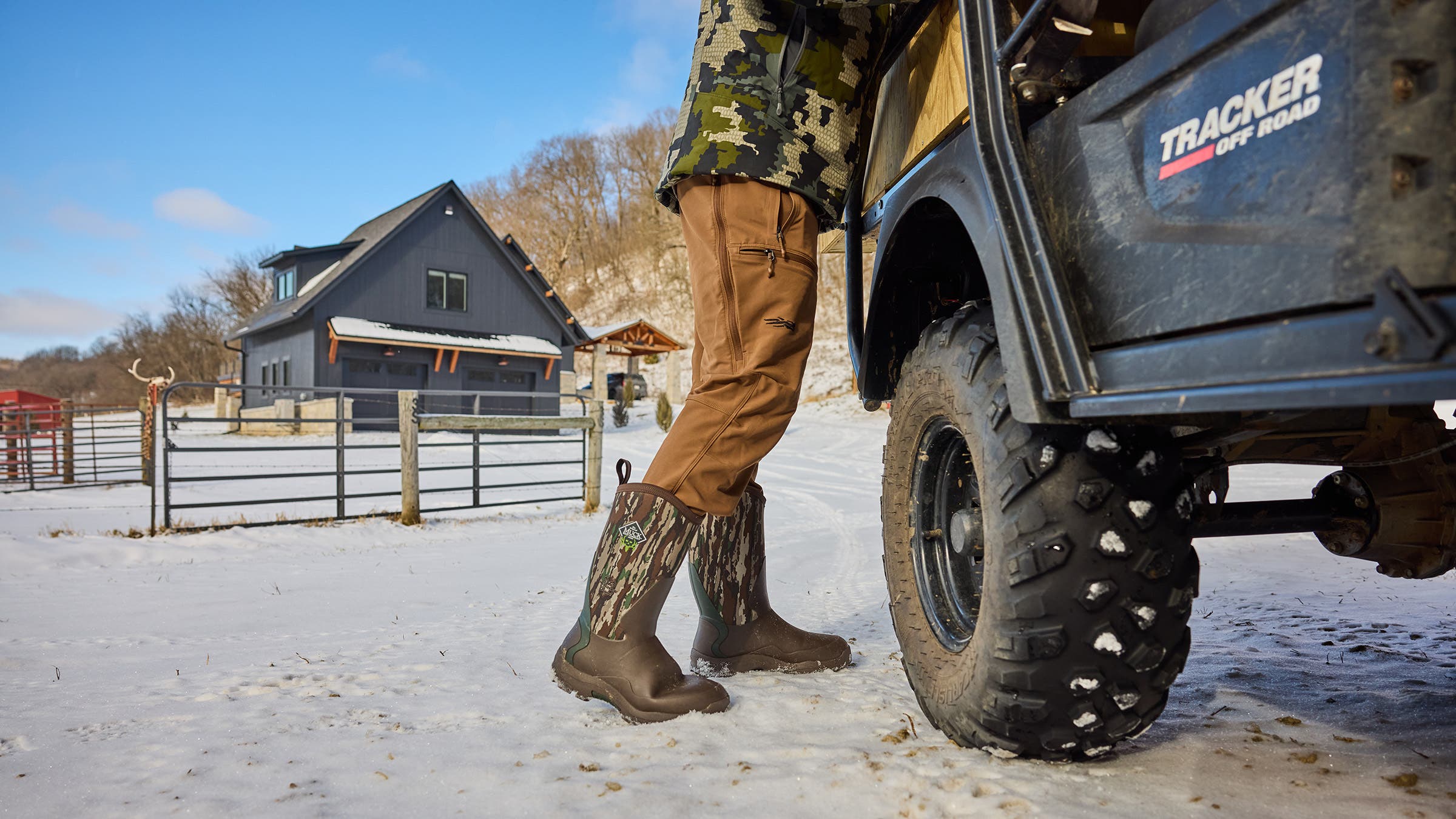
With proper layering, the Endure Pants kept us warm and protected on cold days. They blocked wind, repelled snow, and brushed off wet vegetation with ease. Built from a tough double-weave polyester, durability stands out immediately. These pants take abuse in a way most hunting pants don’t—briars, brush, and sharp edges barely leave a mark. After a full season of hard use, they still looked nearly new.
The fit feels athletic but not restrictive. The pants move naturally, even with layers underneath. Worn solo, the uninsulated build breathes well enough to prevent overheating on warmer, high-output days. Zippered hip vents make it easy to dump heat during long hikes. Despite their toughness, they don’t feel stiff or fatiguing like some brush pants can after several miles.
These are true four-season workhorses, ideal for hunters who cover ground in thick cover or out West on spot-and-stalk pursuits. Even after full days on foot, they never felt restrictive or uncomfortable.
Criticism was minimal. For certain close-range scenarios, we’d welcome slightly quieter fabric—but stealth isn’t the Endure Pant’s primary mission. For what Sitka designed them to do, they deliver. They’re expensive, but for hunters who put on real miles, the performance justifies the price.
Best Men’s Midlayer Hunting Jacket
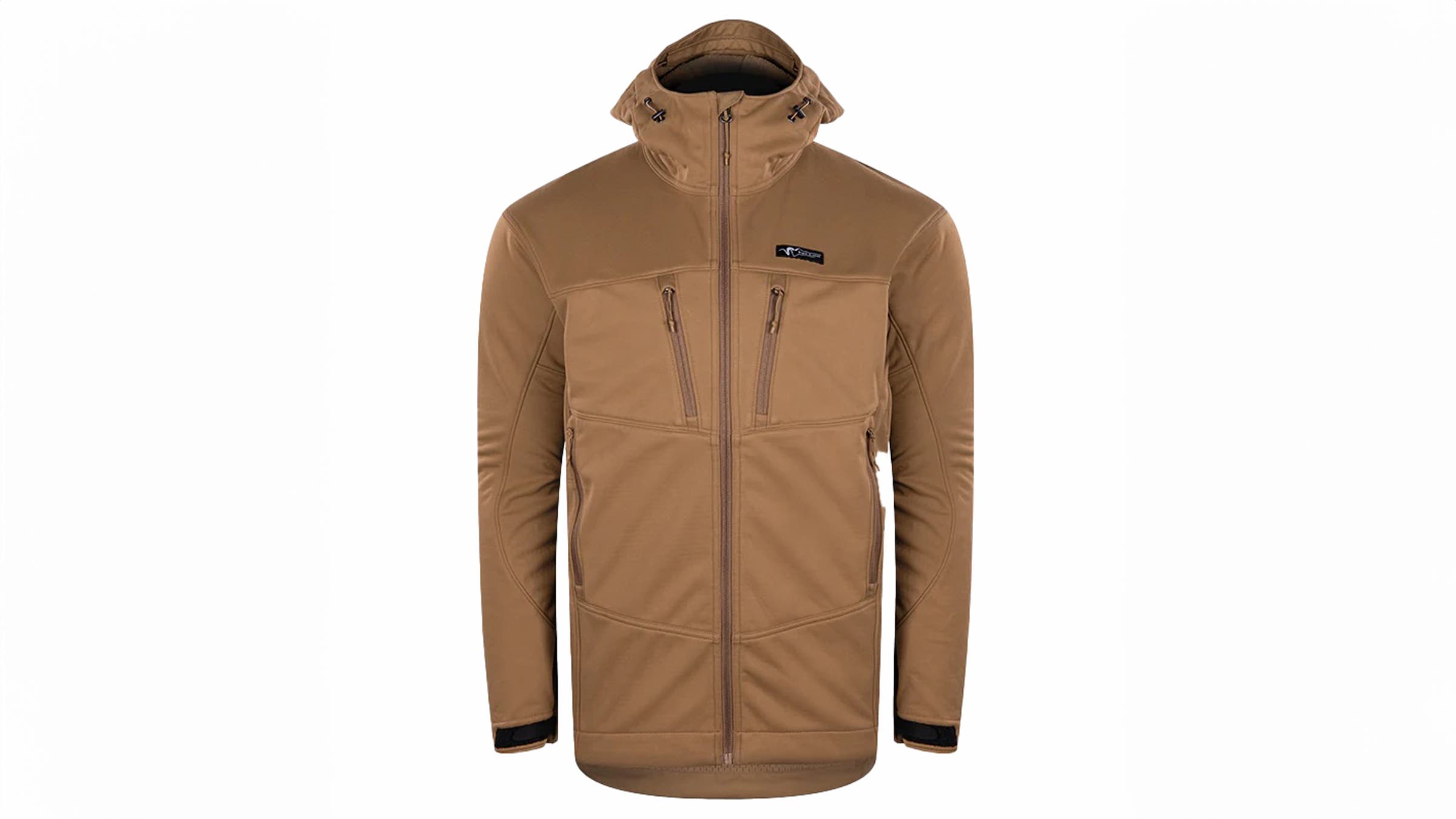
Stone Glacier Headwall Jacket
Sizes: S-3XL
Pros and Cons
+ Windproof and water resistent, yet quiet
+ Pit zips for ventilation
+ Extended tail for lower back coverage
– Expensive
– Bulky
The Headwall shines as a mid-layer. Worn alone, it offers the warmth and breathability needed for active early-season hunts in places like Alaska, where one tester lives and hunts. Layer it under a down puffy, and it keeps you toasty while sitting and glassing.
Testers wore the Stone Glacier Headwall Jacket while hiking the ponderosa pine forests of central New Mexico this winter. They traveled mostly off trail, cruising ridgelines in search of elk and deer. During a 1,500-foot push up a steep ridge, testers didn’t overheat. The breathable soft-shell fabric and armpit zip vents dumped heat efficiently on the climb. Later, while glassing on a windy ridgeline with the pit zips closed, one tester stayed warm while his hiking partner had to throw on another layer. A comfortable fleece lining adds insulation without compromising mobility.
A passing squall tested the jacket’s weather resistance, and water beaded nicely on the face fabric. Still, the Headwall isn’t a rain jacket. One tester pushed its limits under a running sink; it would handle a drizzle, but you’ll want a true rain shell in a downpour.
Despite its wind- and water-resistant build, the jacket remains exceptionally quiet. Testers slipped within range of a pair of bedded cow elk in a ponderosa stand without spooking them. The Fieldstone colorway blends seamlessly into western mountain terrain or an Alaskan river bottom in autumn. Pockets remain accessible under a backpack, and the longer cut keeps you covered when sitting to glass.
The tradeoff? Bulk. At 1 pound, 14 ounces (size large), the Headwall doesn’t compress like a down jacket. If you bring it, you’ll likely wear it. Fortunately, it’s comfortable enough that you won’t mind.
Paid Advertisement by KUIU
KUIU Attack Pant – $149
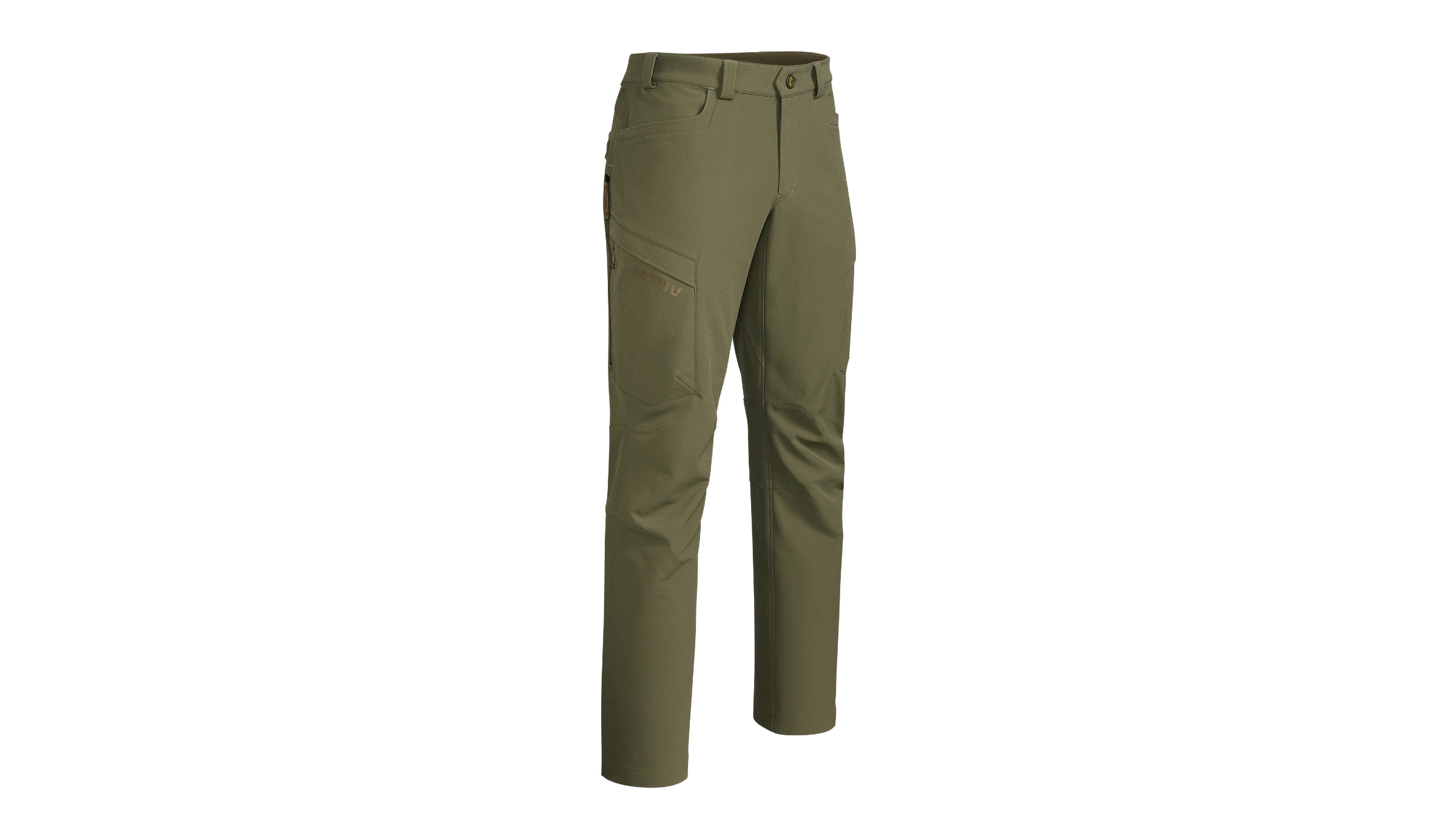
Whether you’re spending hours in the blind or hours following a trail, hunters need apparel that’s both technical and comfortable for long days, variable terrain, and changing conditions. The KUIU Attack Pant is just that. Lightweight and breathable, these mid-weight pants wick moisture, resist odor, and offer unrestricted mobility. Made with a four-way stretch fabric, the articulated knees and action gusset help you stay ready for anything. The low-profile cargo style pocketing give you storage without bulk, and the zippered hip vents help regulate your temperature when you go from chilly mornings to scorching afternoons. They’re also roomy enough to accept a base layer and streamlined enough to layer under rain gear or other insulated pants, making them even more versatile and wearable.
Best Women’s Hunting Pants
Sitka Women’s Ascent Pant
Sizes: 25R-36R
Pros and Cons
+ Comfortable four-way stretch
+ Breathable
+ Odor control technology
+ Lightweight
– Pricey
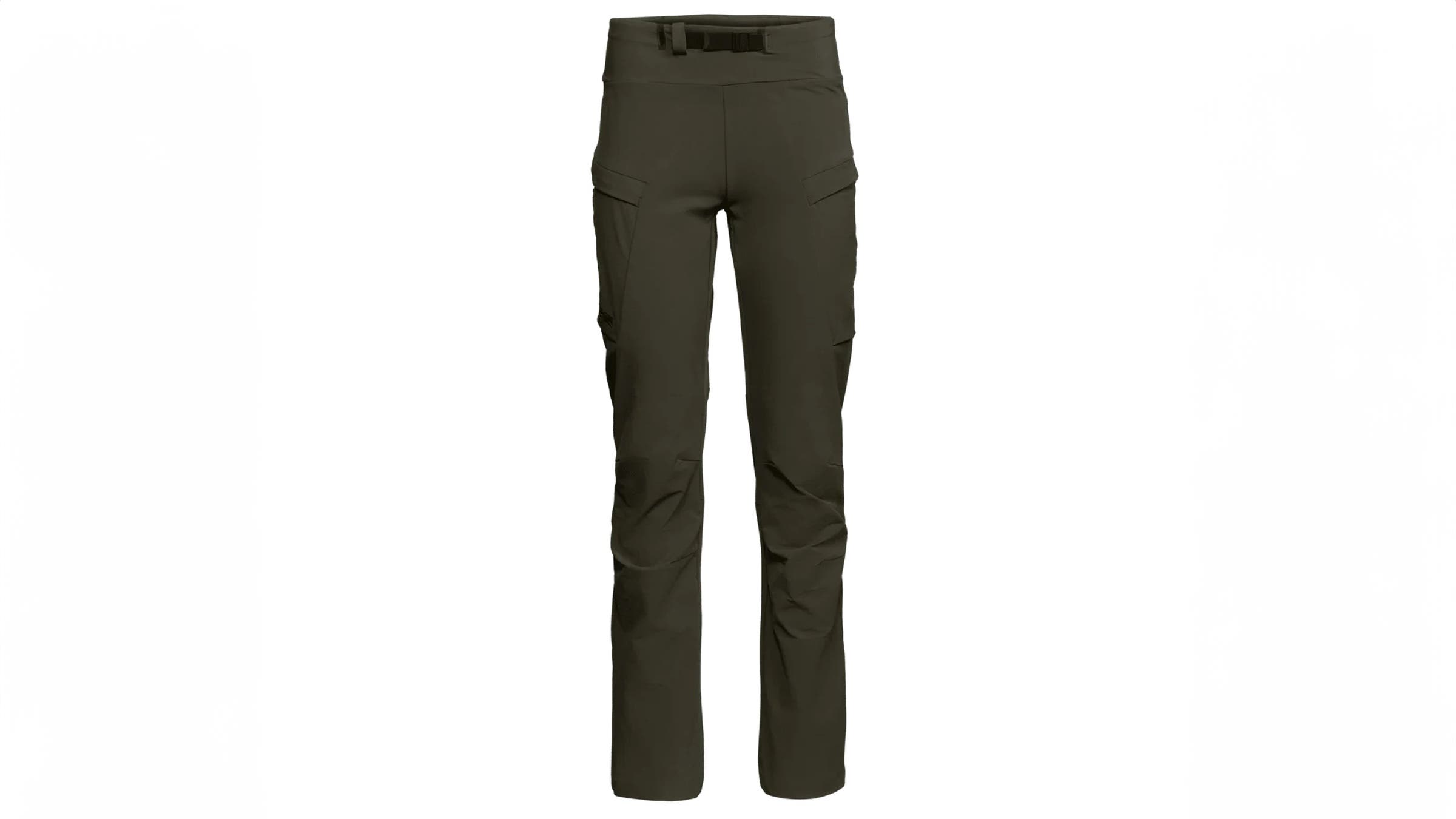
When she first pulled on the Ascent Pant, one tester’s reaction was simple: “yuck.” She’s not a fan of leggings outdoors—especially for hunting—and the Ascent’s lightweight fabric and close-fitting cut felt a little too much like a tight. But after committing to wear them for the sake of the test, she didn’t want to take them off.
She wore the Ascent while pheasant hunting in South Dakota, goose hunting from a layout blind in central Nebraska, and hiking to her deer box blind. She’s pushed through upland fields thick with stickers and cockleburs and waded through pokey cedar brush to check stands. Though the Cordura construction feels light, it’s far from flimsy. The pants have held up through two seasons of hard use. She liked them enough to buy two more pairs.
The Cordura nylon fabric feels lightweight and breathable, with four-way stretch that makes the pants exceptionally comfortable and easy to layer. They hold their shape and don’t sag after a full day of movement. Breathability proved especially valuable while setting decoys—strenuous work for anyone who’s done it. She stayed dry and comfortable, which meant she didn’t have to sit in an uninsulated layout blind feeling cold and clammy.
The Optifade Subalpine camo pattern also impressed. From a layout blind—where the slightest unnatural movement can send birds flaring—the pattern blended seamlessly. On her last goose hunt, she didn’t have time to fully conceal her blind. “Other camo patterns under the same circumstances would have alerted the geese, but the Optifade didn’t even faze them,” she said.
Room for improvement? More pockets and additional belt loops for clipping a knife or carrying concealed.
Best Women’s Midlayer Hunting Jacket
Kuiu Women’s Border Fleece Full Zip
Sizes: XS-XL
Pros and Cons
+ Wind- and water-resistant
+ Quiet
+ Reasonably priced
– Fleece material attracts stickers and cockleburs
– Sleeves run short for taller testers
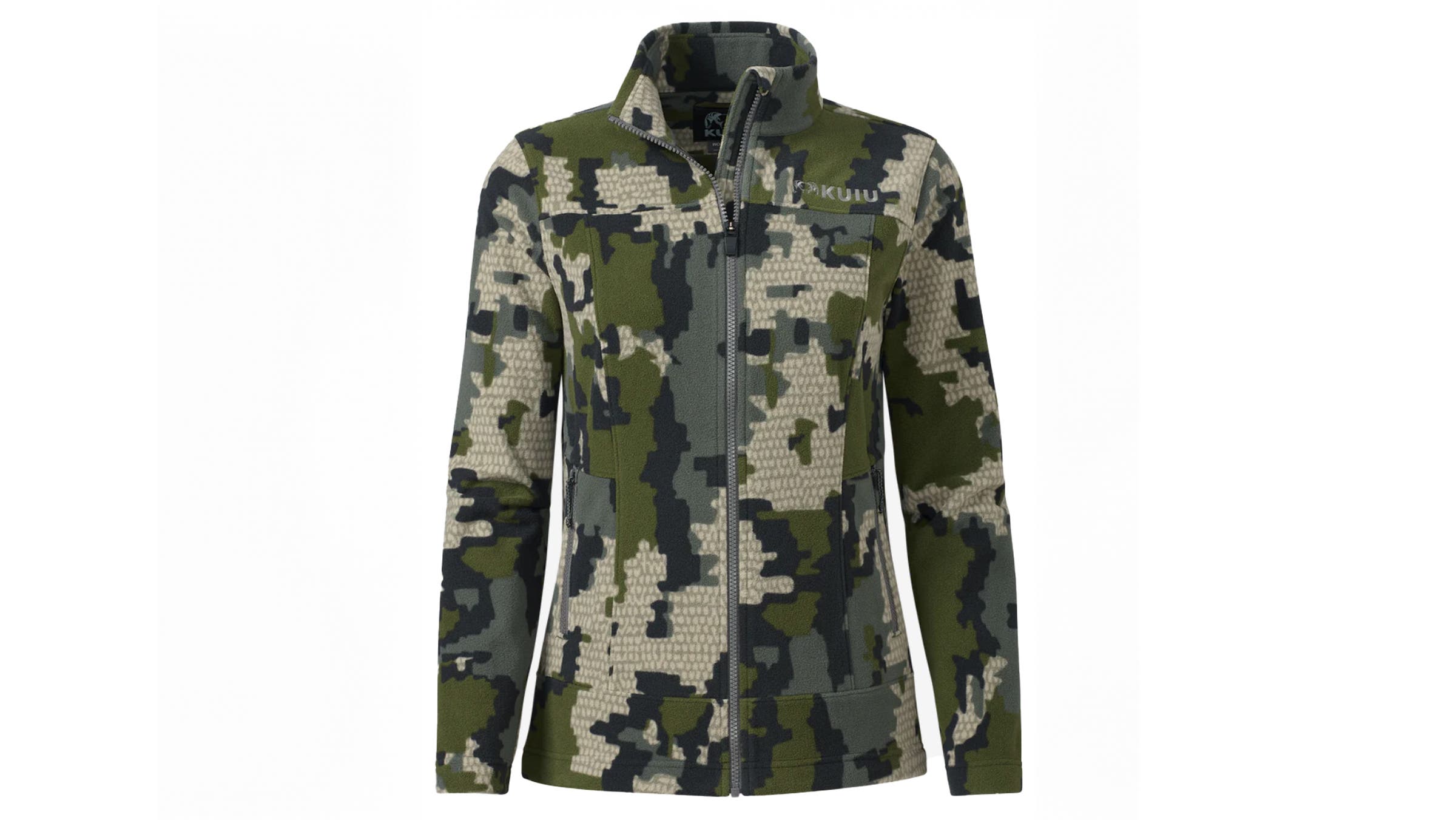
The Kuiu Border Fleece Full Zip quickly became a go-to this season for everything from hunting to farm chores to trips into town. One tester wore it while chasing pheasants through tallgrass prairies and hunting Canada geese over cut cornfields and meadows near her home in central Nebraska.
Fleece jackets are quiet, but they rarely block wind or moisture. Our tester appreciated how the Border Fleece Full Zip strikes that balance—quiet, warm, and surprisingly protective. To her surprise, the jacket effectively cut wind and shed light moisture when she wore it as a standalone piece during testing.
The Border Fleece proved versatile enough for fall upland, small game, and big game hunts, and it worked just as well as a mid-layer during late-season deer, predator, or waterfowl seasons. The fit also hits the mark—not too loose, not too tight—and the longer cut keeps the wind from sneaking up her back when she bends over. One note: Some taller testers found the sleeves run short.
Best Women’s Brush Pants
Forloh Women’s Brush to Mountain Pro Pant
Sizes: 00-14
Pros and Cons
+ Abrasion and thorn resistant
+ Machine washable despite waxing
+ Odor resistant
+ Pockets for knee pads (sold separately)
– Fit runs small
– Expensive
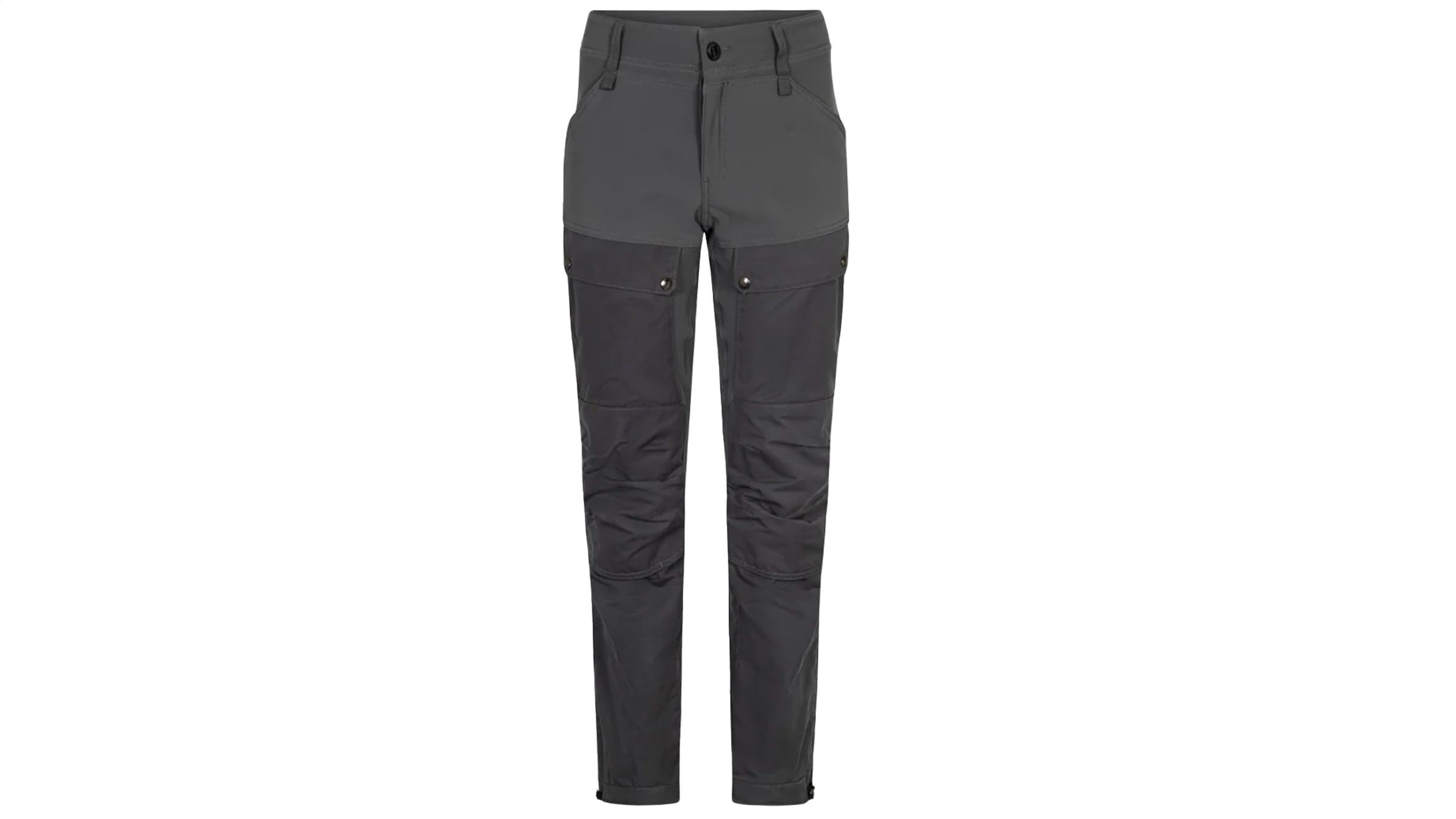
The BTM Pro Pants do exactly what they’re built to do: protect your legs and take a beating. Forloh’s waxed ripstop nylon/cotton panels that extend from the hem to mid-thigh on the front of the pants provide protection from water, abrasion, and thorns. In back, those panels extend to the knee, with an additional layer across the seat for protection while sitting.
We wore the BTM Pro Pants while pheasant hunting in central Nebraska, crossing marshy ground thick with tall reeds and willows and pushing through tallgrass prairie in the Sandhills. After long days in the field, we picked off only a few cockleburs and sandburs, while others in the group came out covered.
These pants shine in “brush to mountain” terrain. Even after heavy sweating, they resisted odor thanks to built-in antimicrobial treatment. When grime finally builds up, you can toss them in the wash—then reapply wax as needed.
We appreciated the heavy-duty snaps, durable stitching, and deep, well-constructed pockets. Two zippered side vents dump heat quickly, and snap-adjustable cuffs accommodate different boot sizes. The BTM Pro Pants also include internal knee pad pockets for optional molded pads (sold separately). In the field, they performed flawlessly and feel tough enough to last for seasons.
Our one gripe: fit. The pants ran small—about two sizes too tight in the waist—while feeling loose through the hips. We also found the rise higher than preferred.
Best Men’s Waterfowl Hunting Jacket
Chêne Men’s Hydro-Lok Shell Jacket
Sizes: S-4XL
Pros and Cons
+ Waterproof and windproof
+ Comfortable, flexible soft-shell-like face material
+ Roomy pockets
+ Built to last
– Pricey
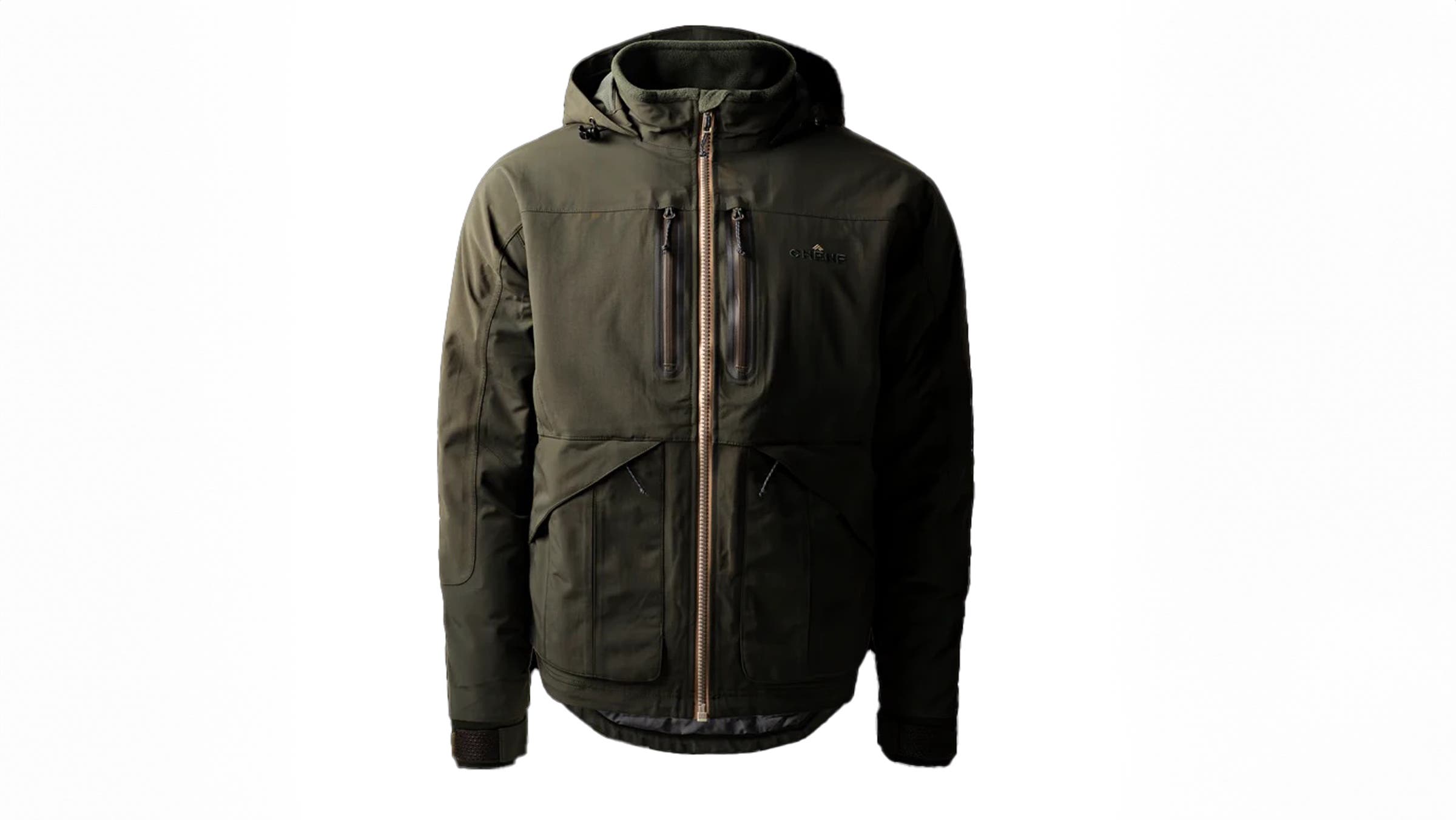
We tested the Hydro-Lok Shell Jacket over several waterfowl hunts in Nebraska and Iowa. The field hunts, in particular, brought some of the most frigid conditions the Midwest can deliver, with wind chills plunging below zero. Our tester waited for birds hunkered down in coffin and frame blinds, which offered little protection from the harsh cold, wind, and snow. The Hydro-Lok Shell proved up to the task, keeping our tester warm and dry in those bitter conditions.
The jacket is made of the same fully waterproof, windproof nylon face material as Chêne’s flagship waders, which repels snow, rain and the gnarliest wind. Our tester wore the Hydro-Lok with a base layer and polyester pullover underneath throughout his testing and stayed comfortable across a wide range of temperatures, from freezing conditions to 50 degrees.
Despite the jacket’s protective quality, the face fabric resembles more of a soft shell. The Hydro-Lok doesn’t feel like a traditional waterfowl jacket, which can be stiff, heavy and crinkly. You can stuff the Chêne jacket inside waders without compromising comfort and mobility.
The hood easily fits over a stocking cap, adjustable neoprene wrist cuffs seal out moisture, and a fleece-lined neck feels soft and cozy against the skin. Two breast pockets and two handwarmer pockets offer ample storage for essentials and comfortably fit gloved hands.
What’s missing? Reinforcement at the elbows to handle the leaning and crawling hunters often do while stalking ducks and geese.
Best Hunting Boots
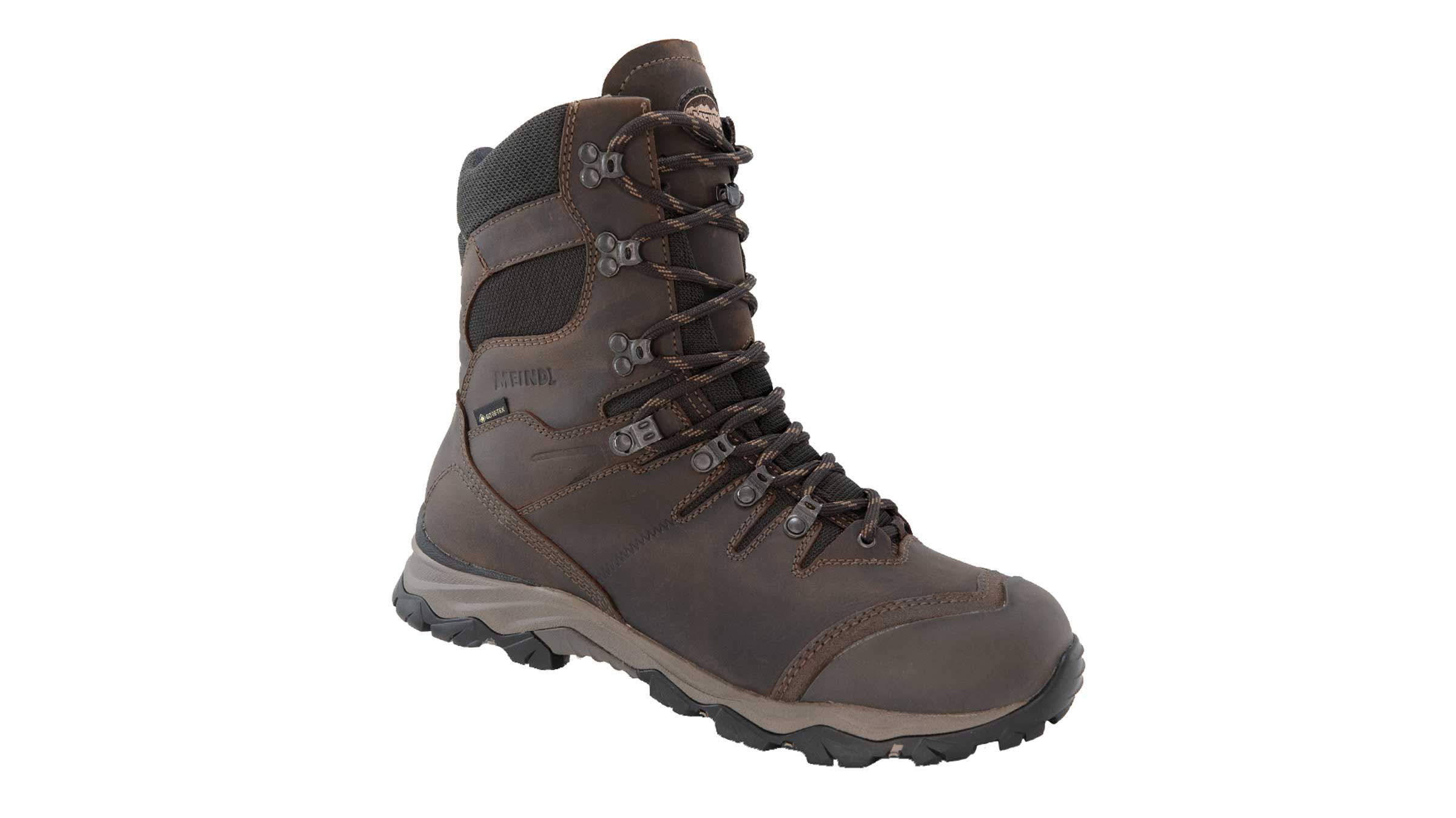
Meindl EuroLight Hunter 300
Sizes: 7-14 (men’s); 6-10 (women’s)
Pros and Cons
+ Reasonably priced
+ Lightweight
+ Warm but not overheating
+ Supportive
– Leather takes a while to dry
One of our testers has searched for the perfect hunting boot for more than a decade, and he says the Meindl Eurolight Hunter 300 finally fits the bill. He wore them while hunting barbary sheep in New Mexico and while hiking and spring bear hunting in his home state of Alaska during late winter and early spring, when snow still covered the ground and occasionally required snowshoes. True to their name, the boots feel lightweight but offer a wide sole and supportive leather upper that create a stable platform in heavy timber, brush, and uneven, wet terrain.
They felt comfortable right out of the box—a trait that can sometimes signal softer leather—but the Meindls held up over 25 days of punishing miles without showing signs of failure. After his bear hunt, our tester packed hundreds of pounds of meat over soggy, uneven ground and post-holed through pockets of snow without worrying about foot or ankle stability, thanks to the nine-inch height and ample support. The 300 grams of synthetic insulation struck the right balance for winter and early spring, keeping his feet warm without overheating.
“My boot needs vary, but for most of the year and most of my hunts, I want a lightweight leather boot with solid ankle support and exceptional traction. The EuroLight Hunter provided all of that,” he said. Compared to his longtime favorite Kenetrek Mountain Guide boots, the Meindl feels lighter, more nimble, and less clunky underfoot—though not quite as burly.
One drawback: after getting soaked, the boots took a full day to dry, even stuffed with newspaper. With extra wax treatment and gaiters, however, they stayed mostly dry on hunts.
After more than a year of use, our tester still calls them “excellent.”
Best Hunting Socks
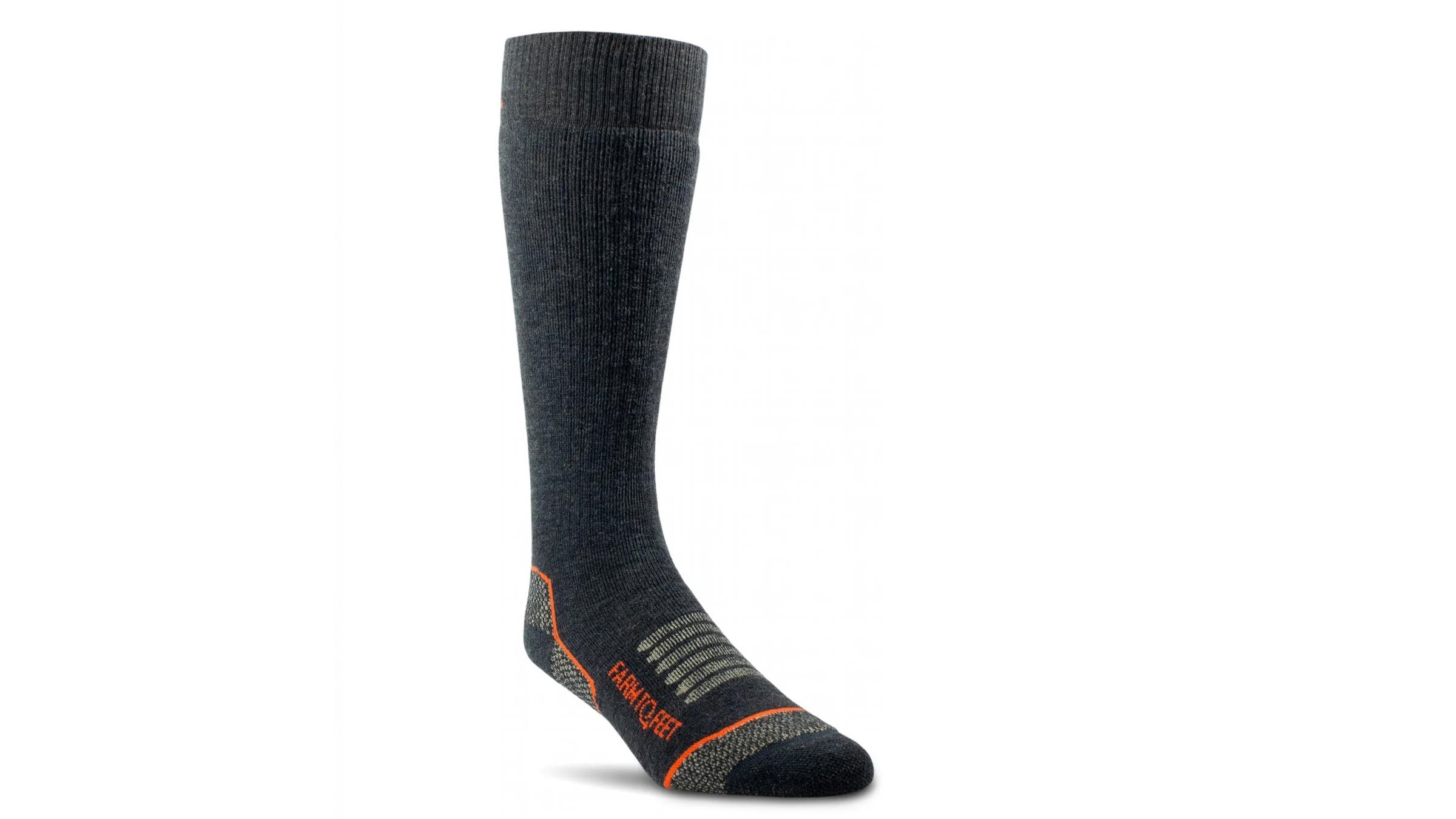
Farm To Feet Ely Sock
Size: M-XL
Pros and Cons
+ Reduced foot fatigue
+ Seamless toe
+ Thermoregulating
+ Moisture-wicking
– Pricey
One lesson hunters, hikers, and backpackers quickly learn: You don’t skimp on socks. The high-density cushioning built into critical areas throughout the Farm to Feet Ely style kept one tester’s feet from feeling fatigued—even after long days of walking when hunting, trapping, and working around the farm.
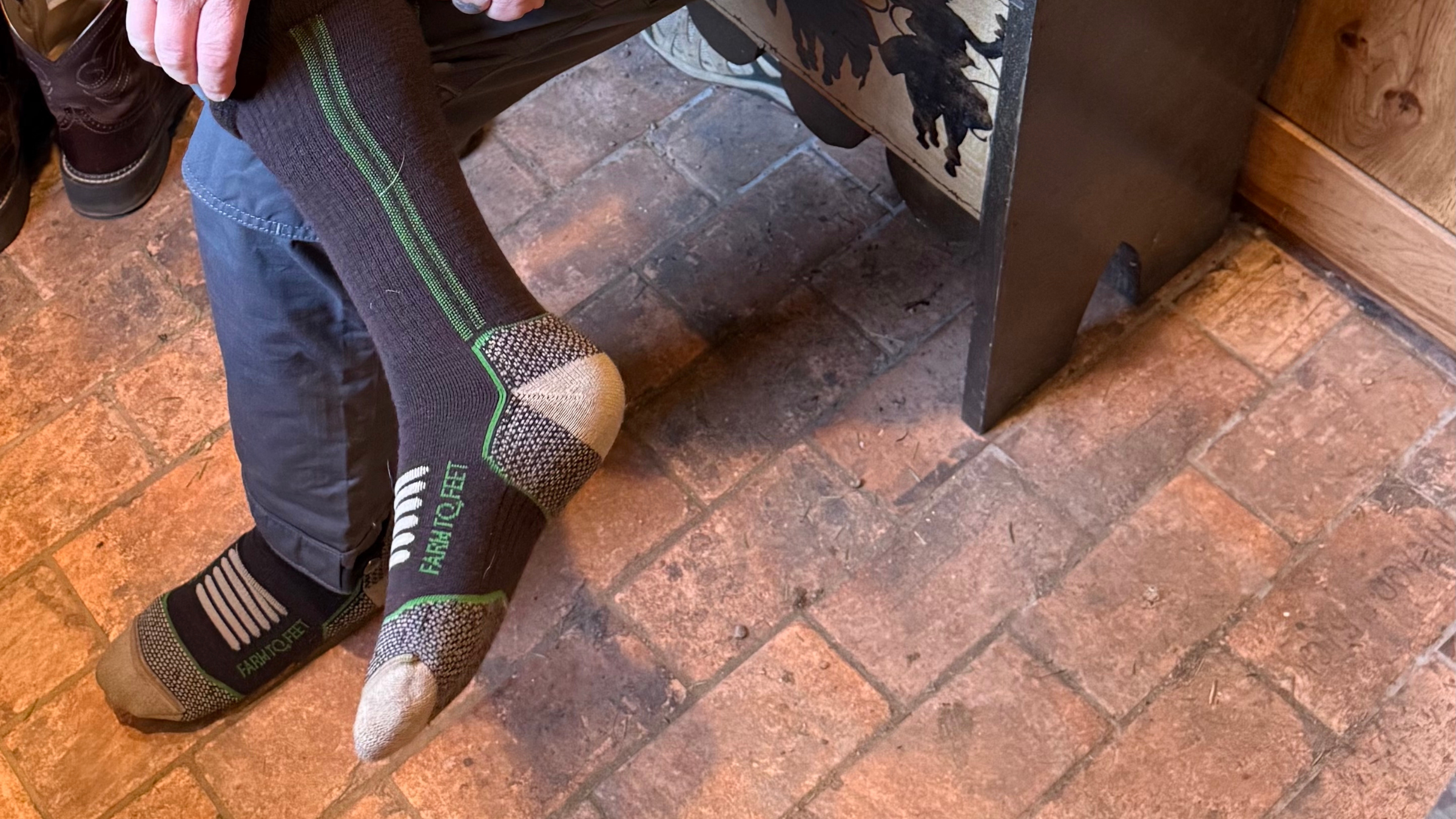
The itch-free merino wool blend also excelled at regulating temperature and moisture, and our feet stayed stink-free after hours of farm chores and hunting in hot weather. During summer and early fall dove hunting, the Ely Socks kept our feet dry in sweltering conditions. In winter, they stayed cozy under insulated boots. A seamless toe closure further reduced bulk and helped prevent blisters. Best of all, the wool comes from sheep raised by American farmers.
More Hunting Apparel We Recommend
- Sitka Men’s Duck Oven Jacket ($385): A durable, extremely warm jacket that would pair well underneath waders. Testers wished it was hooded though.
- Kings Men’s XKG Pivot Pant ($160): A cheaper alternative to more expensive brands, King’s Pivot Pant is just as comfortable and dependable in the field. The pant could be worn by itself during warmer weather, and it layered comfortably when temperatures dropped. Testers were also impressed with the XK7 camo pattern that was suitable for a variety of hunting situations.
- Muck x Bone Collector Men’s 15″ Pathfinder Boot ($145): The Pathfinder shines in slick, muddy and snowy conditions. The boots were comfortable right out of the box—the rubber and neoprene construction provided excellent flex. Testers found them suitable for still hunting whitetails early through mid-season, and they’re surprisingly well‑suited for western spot‑and‑stalk hunts because they are so comfortable.
How to Choose the Right Hunting Clothes
Hunting clothes are an investment. If you’re a beginner looking to get into the sport, don’t rush out and buy the most expensive and technical gear possible. While top-rated hunting gear certainly helps with comfort, it won’t make game animals appear nor will it improve your shooting.
Big-box stores such as Cabela’s and Bass Pro Shops generally offer decent mid-tier products. In some parts of the country, even Walmart carries cheap hunting gear that will get the job done, albeit with less comfort and durability than more expensive options. Once you’re committed to the sport, that’s when it’s time to look at the top-tier products that will last a long time and ultimately save you money.
If you’re already a backpacker or hiker, you can wear the clothing you already own—lightweight and moisture-wicking are features that are also desirable in hunting. Choose pieces in muted, natural colors, or black when hunting in a ground blind, as it will help you blend in with the dark interior. Unless you’re hunting in open country and doing a lot of spotting and stalking, expensive camouflage is not required—staying comfortable and warm is more important.
For guided hunts, reach out to your guide with any questions about layering and insulation. For example, what you might wear for a drop hunt in Alaska will be drastically different than hunting deer in a tree blind in the Midwest. Also, areas that see drastic changes in temperature and precipitation from early to late season will require you to pay close attention to the forecast when choosing what to bring and wear.
Lastly, don’t forget to check state regulations for hunter orange requirements, a safety precaution that makes you more visible to other hunters. Although it’s not required in every state, wearing hunter orange is strongly recommended. Learn more here.
How We Test
- Number of testers: 8
- Number of products tested: 40+ (in addition to 106 products last season)
- Number of miles/vertical feet: 1,115 miles
To find the best hunting gear, eight testers put more than 40 pieces of new gear (not counting the 106 products from last season) up against the elements this season: from warm early-season archery deer in the Midwest to the extreme limits of winter in Interior Alaska. Testers encountered subzero temps, ice, mud, and extreme wind. They hunted across a variety of terrain, including the rolling sandhills and steep canyons of central Nebraska, in the dramatic wilderness of Alaska, mule-deer habitat in New Mexico, and in turkey country in the rocky hillsides and prairies of Wisconsin and Illinois.
Meet Our Testers
Category manager and lead tester Jenny Nguyen-Wheatley spent her teenage years camping and backpacking in California. She began hunting in her early 20s and currently resides in Nebraska as an outdoor writer, photographer and wild game cook.
Nolan Dahlberg runs Dahlberg Digital out of Wisconsin, where he spends a considerable amount of time hunting white-tailed deer on his family farm. He also travels to hunt grouse, elk and mule deer.
Angie Kokes shot her first shotgun at 3 years old and grew up hunting with her dad to pursue upland birds in Nebraska. After teaching herself how to rifle and archery hunt for deer, Kokes learned how to spear hunt. She also has hunted big game with her spear in Africa and New Zealand.
