

Published September 21, 2026 04:57AM
How we tested the Salomon Aero Blaze 4 GRVL Shoes for this review: Writer and tester Dean Stattmann put the Aero Blaze 4 GRVL through a 14K gravel race in the Swiss Alps and a week-long, 22K slog through the Scottish Highlands, testing the shoe across pavement, gravel, mud, and technical trail before writing this review.
Salomon Aero Blaze 4 GRVL
Weight: 8.74 oz
Stack height: 35–27 mm
Drop: 8 mm
I’ve recently become obsessed with gravel shoes—a category of running shoe that, if I’m being honest, I always thought was kind of pointless, neither here nor there. As a pavement-pounding New Yorker with only occasional access to trails, I couldn’t imagine a scenario in which I’d run in a pair of watered-down trail shoes when I could just as easily lace up a dedicated road or trail option that would be inherently better suited to either terrain.
That all changed earlier this year, when I moved to Switzerland and signed up for a race that sent me into an existential footwear crisis. The race, part of Zurich’s ZKB Zürilauf Cup series, was a seemingly unassuming 11-kilometer trail course with just 150 meters of elevation gain. I signed up and basked in the high that you get after keying in your credit card details for a race. But then I saw the course detail: “80% trail.” I’m sorry, what? I could feel the endorphins frantically retreating as the excitement that had filled my body was quickly displaced by panic. What shoe should I wear for a race that blended trail and road running? I’d battled road marathons and monster trails, but never a Frankenstein.
Looking back, that challenge was exactly what I needed to give gravel shoes a chance—although it didn’t happen right away. As it turns out, they’re pretty damn useful in the right conditions—something I’m now willing to admit, having since completed several of these multi-terrain races and dozens of runs on similarly mixed surfaces and tame trails.
Incidentally, my gravel shoe enlightenment was perfectly timed. The relatively young category is booming right now as more and more runners look to take their runs off-road without going full UTMB. To meet the moment, brands like Nike, Adidas, and HOKA have started adding gravel language into the descriptions of existing trail and road-to-trail shoes. But a handful of smaller companies, notably Salomon and Craft, have been developing purpose-built gravel models from the ground up. And, if you ask me, that’s where you should be looking if you’re considering a gravel running shoe.
Which brings us to the Aero Blaze 4 GRVL—Salomon’s latest and greatest gravel grinder that launched earlier this month along with an all-weather counterpart, the Aero Blaze 4 GRVL Gore-Tex. Over the past few weeks, I’ve had the opportunity to put these shoes through everything from a 14-kilometer gravel race in the Swiss Alps to a muddy, week-long trail adventure through the Scottish Highlands. After long days of testing and, in some cases, exceeding their limits, here’s everything I learned about these shoes.
Every Adventurous Runner Needs This Shoe (Or One Like It)
I didn’t give in to gravel shoes until I had exhausted all other options. For that first mixed-terrain race, I actually ran in a trail shoe—a decision that I regretted the moment the trail gave way to asphalt. I felt like a tractor on the highway.
For the next race, I stubbornly tried a trail shoe again, this time one with a carbon fiber plate. That made me feel like a slightly faster tractor, but still farm equipment. The third time around, I went the other way and laced up a carbon-plated road racing shoe. The supershoe gave me an edge on the roads, of course, but scared the shit out of me on loose rock descents, and the exposed foam was trashed by the end of the race—neither safe nor sustainable.
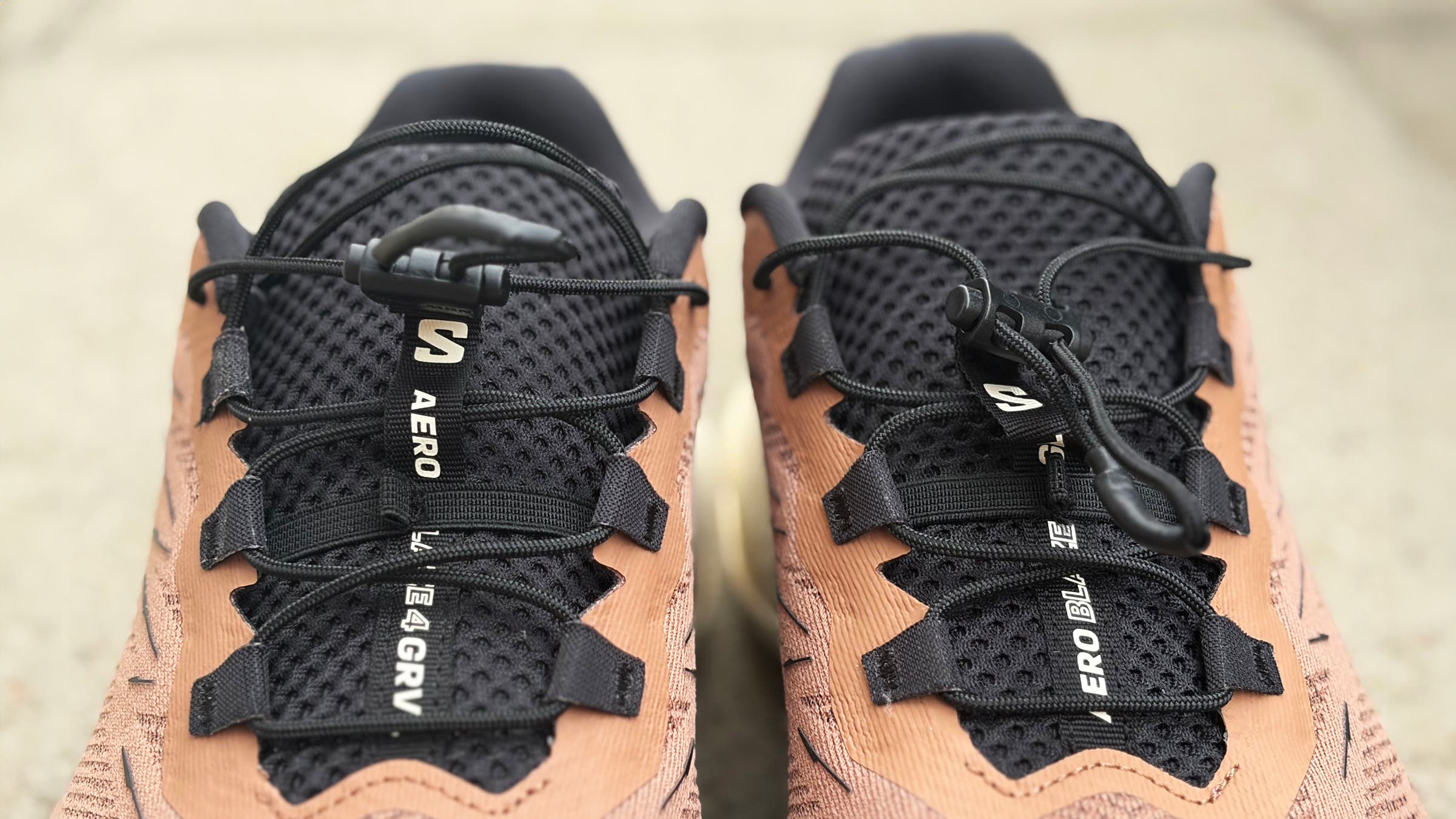
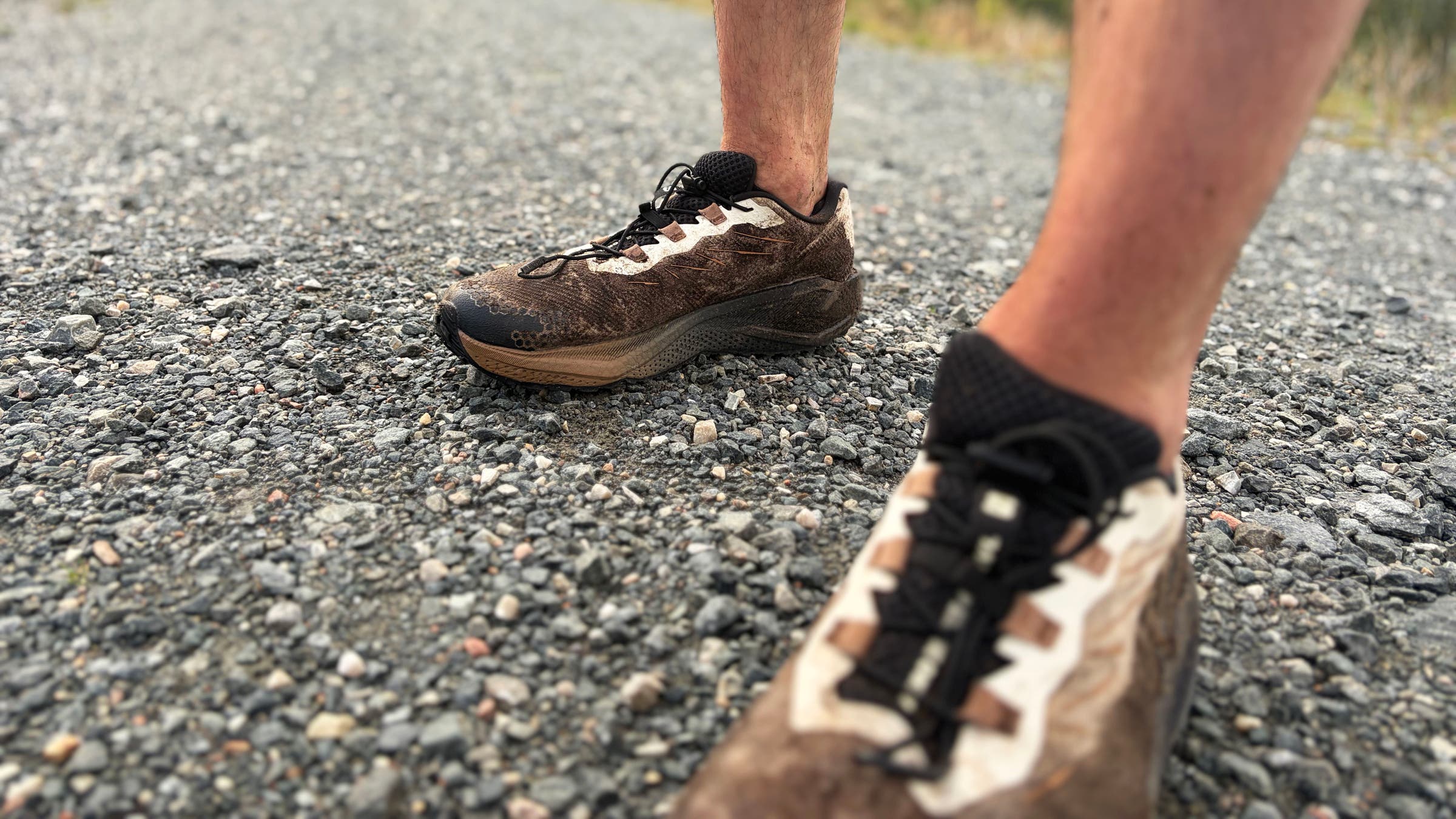
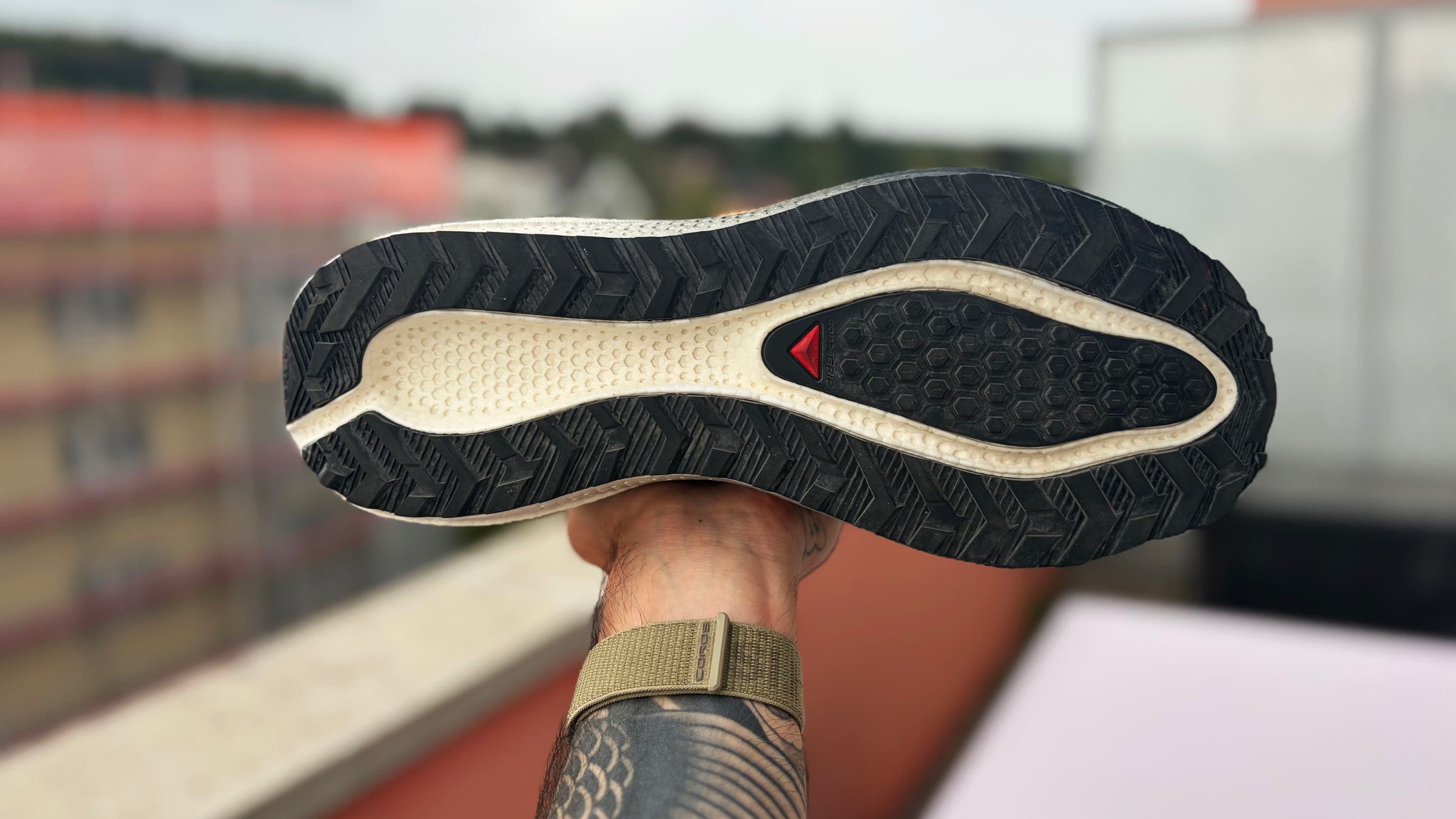
Three days out from my next race, like some kind of sign from the running gods, samples of Salomon’s new gravel shoes arrived in the mail. I put them on right away and headed out for a 5K shake-out run. Right out the gate, I was impressed by how un-tractorlike they felt on paved roads. The lugs are clearly there, but at 2.5 millimeters they’re shallow enough that I felt like I was running in a road shoe. Every chance I got, I veered off onto gravel, dirt, and grass, and never once felt like I might slip out.
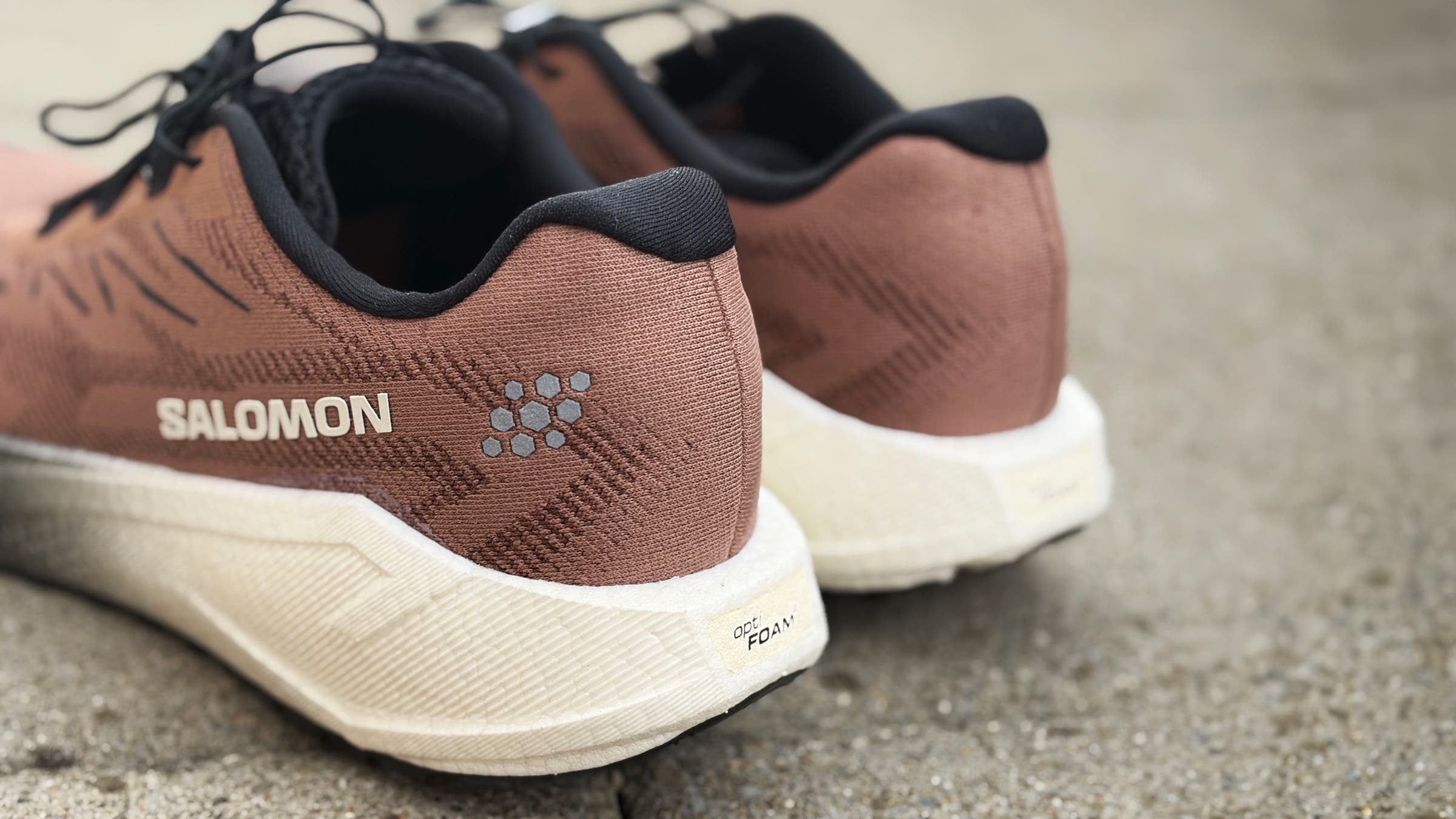
With race day fast approaching, the shoe’s consistency across surfaces was a promising sign, but the thing that got me really excited was the foam. Just like Adidas’ deservedly iconic Boost foam, the Aero Blaze 4 GRVL’s midsole is made of supercritical eTPU pellets. I’m happy to report that it feels just as lightweight, responsive, and bouncy as the original Boost, only lighter. And the shoe’s minimalist upper—a single piece of breathable, abrasion-resistant textile—does well to let the midsole shine.
Needless to say, the shoe did not disappoint on race day. On a 14-kilometer Swiss course that alternated fairly evenly between asphalt and loose-but-level gravel roads, I took the off-road portions in stride, and eventually found myself transitioning between paved and dirt roads without even really noticing. The shoe felt fast and nimble on the road sections, and I didn’t have to pull my punches on the gravel portions—even while attacking downhills at speed. While these aren’t racing shoes—according to Salomon’s site, they’re for everyday runs, and I’d agree with that—they allowed me to confidently unleash maximum effort on a mixed-terrain course in a way that dedicated road and trail shoes never could.
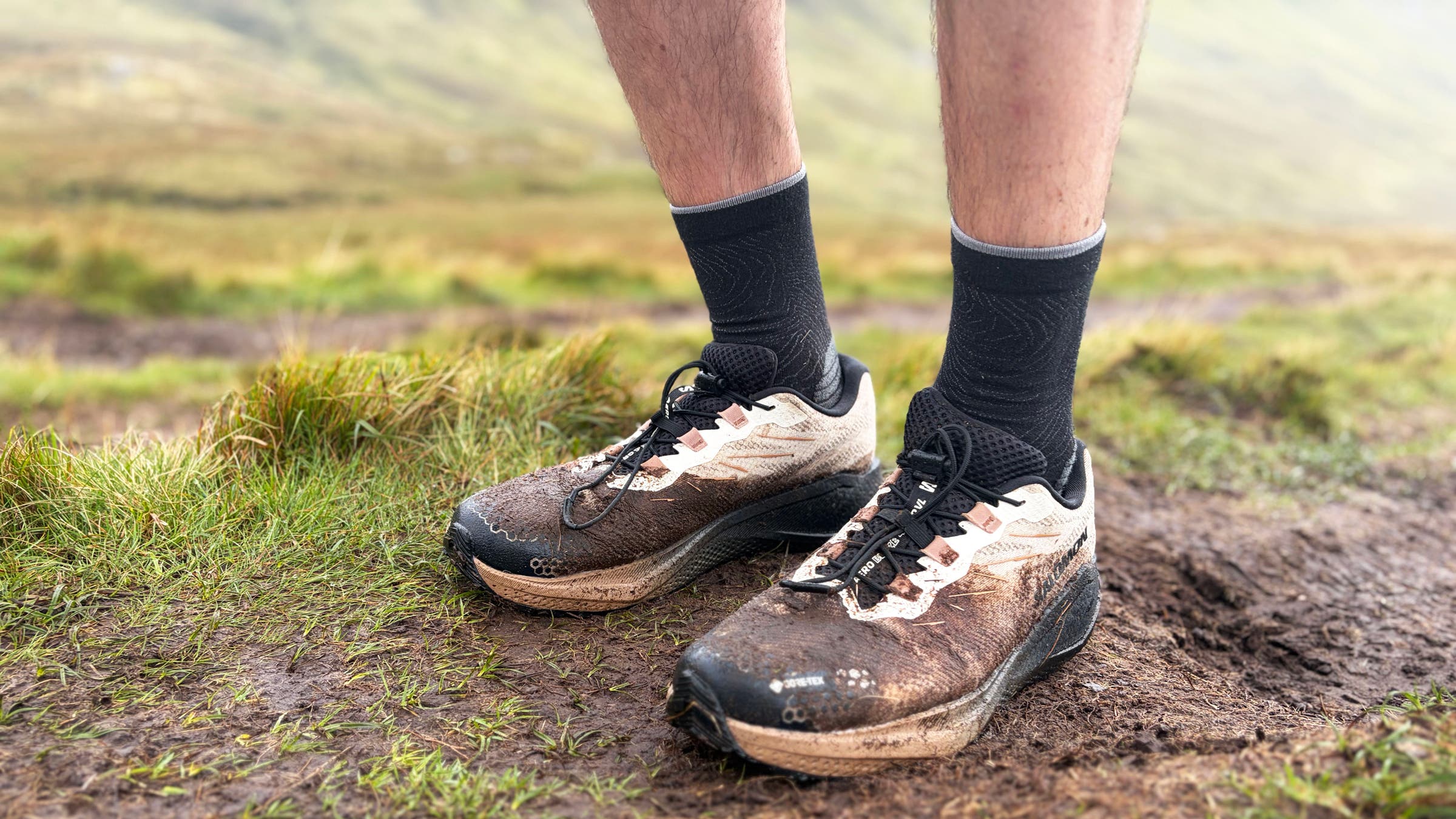
A Shoe That Ventures Confidently—And Stylishly—Into The Unknown
The day after the race, I headed to the airport for a week-long trip to Scotland that would include stops in cities like Edinburgh and Glasgow, the untamed wilderness of Isle of Skye, and hiker’s haven Fort William—the final stop of the West Highland Way. There would be hiking, of course, as well as a fair amount of time exploring the cities, but I also knew I’d want to squeeze in a few runs. (I’d been dying to take my new Satisfy Coros Apex 4 for a spin in the mountains.) Given that I knew almost nothing about the terrain I’d encounter on my runs, and considering you actually can hike in trail shoes, I decided to bring the Gore-Tex version of the Aero Blaze 4 GRVL as my default shoe for outdoor activities. (I figured it would rain a lot. And it did.)
If multi-surface running is the primary reason to buy a pair of gravel shoes, travel is a close second. Most people, even diehard runners, aren’t traveling with both road and trail shoes. Gravel shoes, while by design not up to the task of tackling the gnarlier, muddier trails (a bit more on that below), are generally capable of handling whatever route your running app generates for you while you’re on the road. Whether you’re packing your bags for a vacation or a business trip, a gravel shoe offers the peace of mind of knowing that you will be able to get your runs in, no matter what.
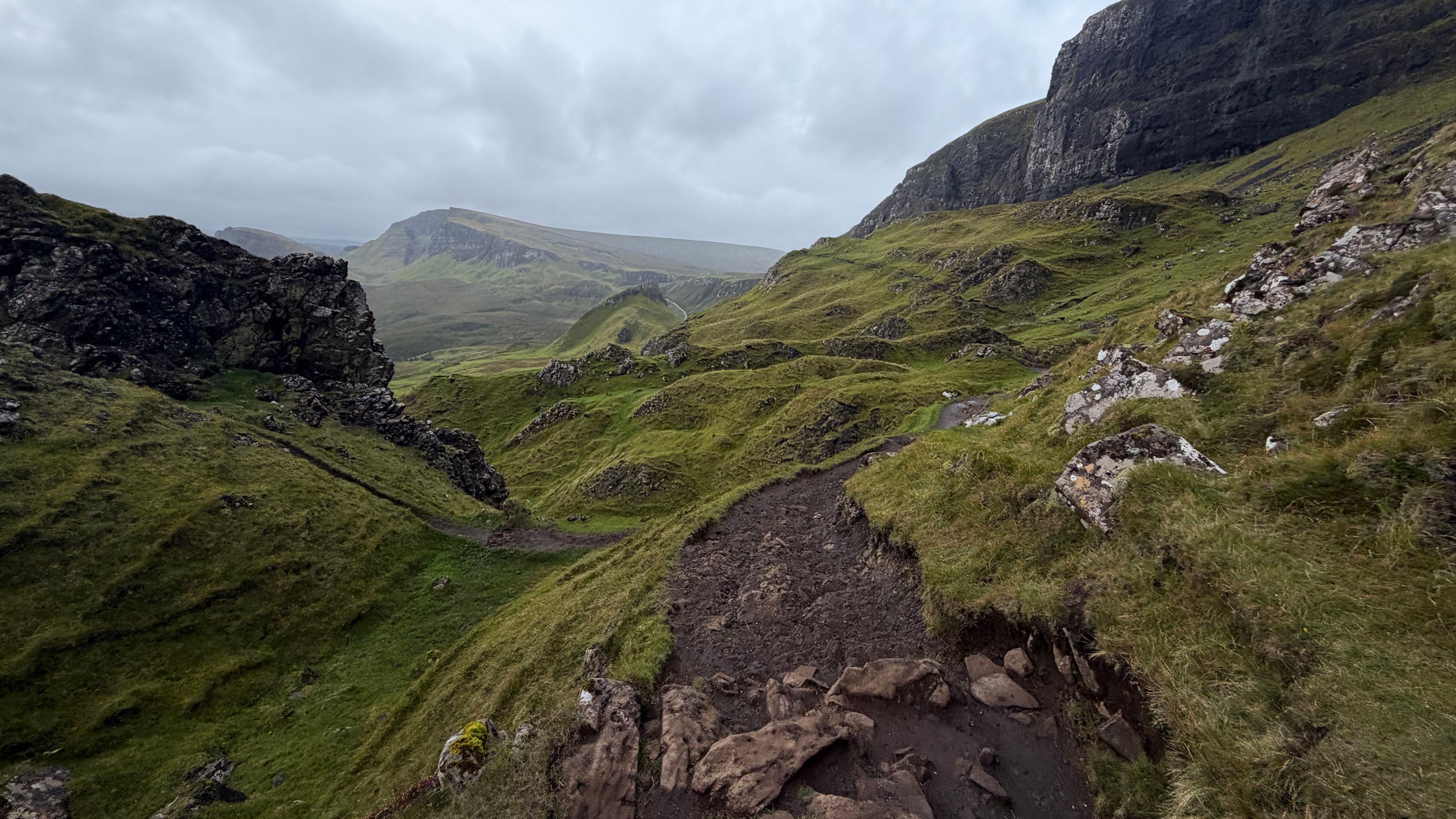
The Aero Blaze 4 GRVL in particular is an especially good travel companion. In addition to its ability to handle a wide spectrum of surfaces during runs, it also looks and feels like a street-ready lifestyle shoe. From glossy airport floors to the cobblestoned streets of Edinburgh, the cushy midsole provided me with all-day comfort. And with the cinched lacing system loosened up all the way, they’re basically slip-ons. They also look dope as hell—especially the Vanilla Ice colorway.
Verdict: The Good, the Bad, and the Muddy
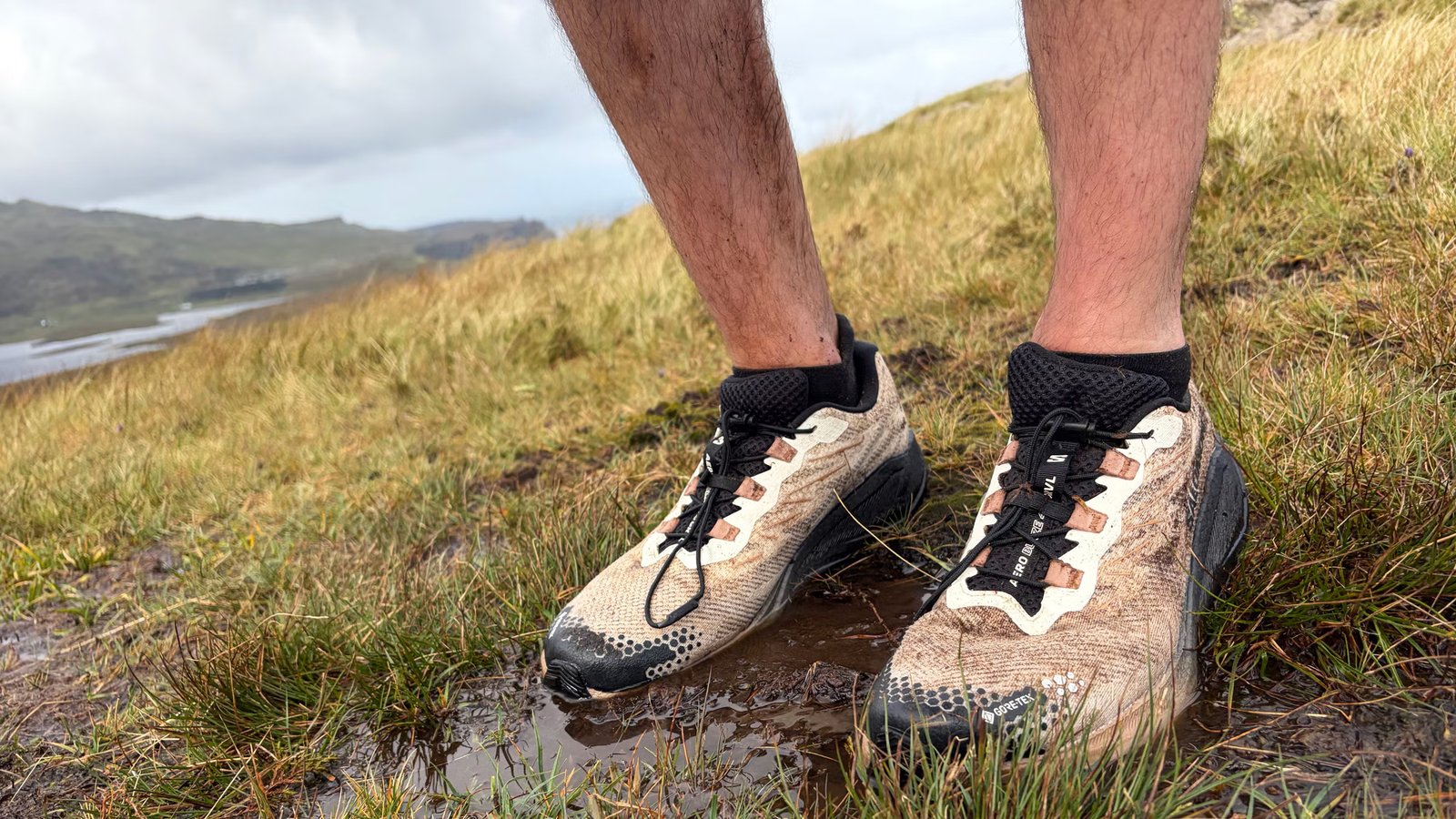
Despite the claim on Salomon’s website that this is the shoe to “conquer any surface,” the Aero Blaze 4 GRVL is definitely not a shoe for technical trails, and if you push it beyond its comfort zone you will be disappointed—and probably get covered in mud. I learned this the hard way during a particularly unforgiving run that had me slogging through 950 meters of elevation gain stretched across 22 hilly Highland kilometers. As I negotiated the unrelenting minefield of mud, marsh, and slick, grassy gradients, the shoe’s flat, shallow lugs consistently struggled to find traction, sending me onto my ass more than a few times.
I also felt that while the shoe’s lacing system is sturdy enough for mild terrain, it didn’t give me enough lockdown to confidently navigate the nuances of some of the more awkward obstacles I encountered. To be fair, this isn’t a knock on the Aero Blaze 4 GRVL, as gravel shoes are generally optimized for groomed off-road surfaces. If you need the foothold and traction necessary to tackle technical terrain, while still being runnable on roads (even if in a farm equipment way), look for a shoe on the toothier side of the legacy road-to-trail category.
My only other criticism relates specifically to the Gore-Tex model, although this is really an issue with waterproof running shoes in general. Simply put, once water gets into the shoe, you’re screwed. The same Gore-Tex membrane that is designed to keep water from seeping in through the shoe’s upper is just as adept at keeping it from getting out, despite breathability claims. My left foot hit a shin-deep puddle just three kilometers into a run, essentially turning my shoe into a fishbowl, and then that was my life for the next two-plus hours. (At least my right foot met the same fate about an hour later, so things evened out.) I also learned that rain can be just as consequential, albeit more insidious, gradually sending water into the shoes as my socks got wetter. In either case, I’d probably opt for the non-Gore-Tex model, which would at least provide some drainage.
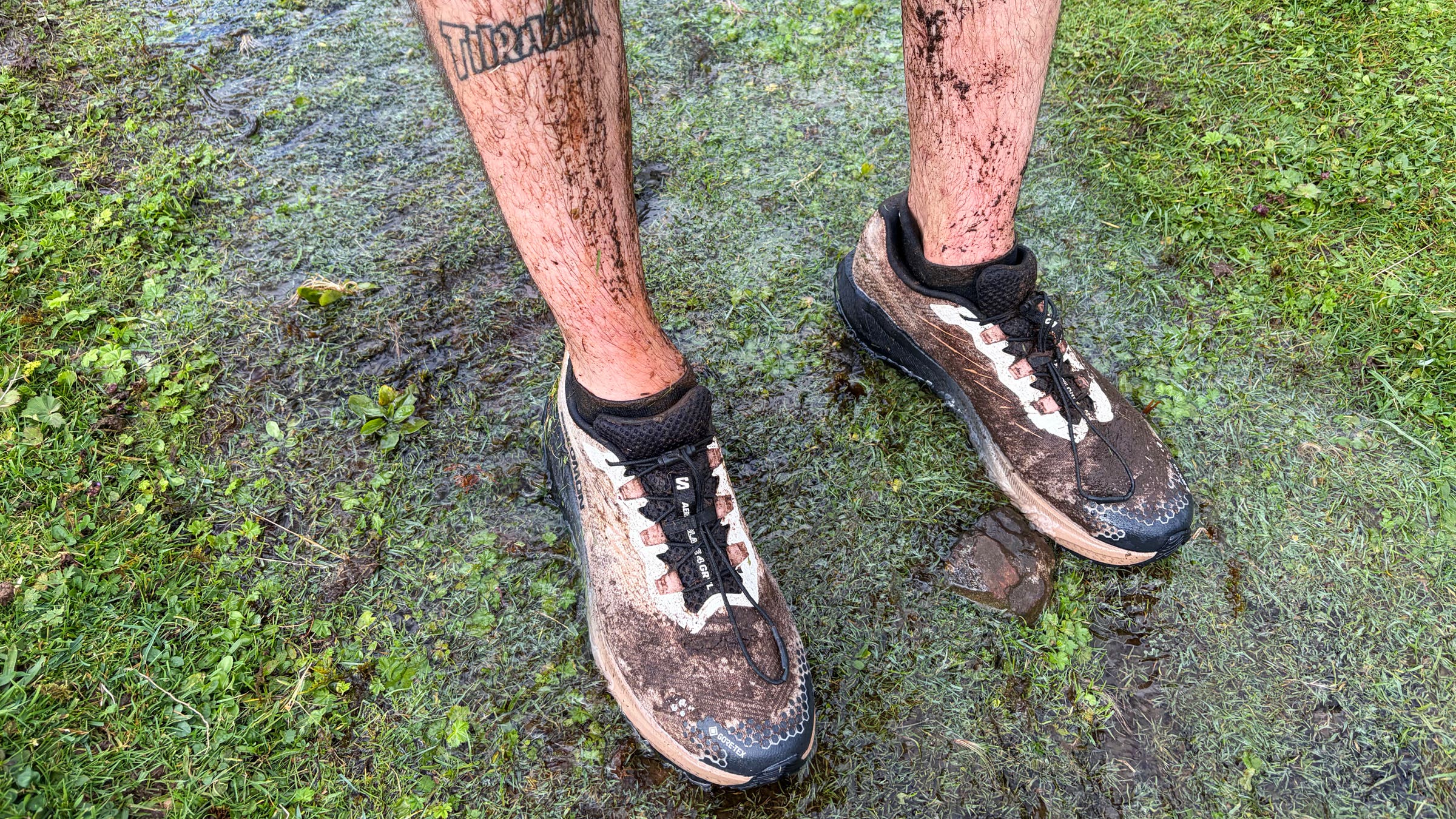
Overall, the Aero Blaze 4 GRVL possesses all the qualities of a top-shelf daily runner that’ll suit anyone looking to traverse a spectrum of surfaces, centering mostly on light trails (emphasis on light). It’s comfortable, lightweight, responsive, and reasonably resilient. It’s also a running shoe that, like the Adidas EVO SL, you can wear while doing non-running activities without looking like a dork—provided that you avoid slick, grassy hills.
3 More Gravel Shoes We Love
Craft Nordlite Ultra 2.0
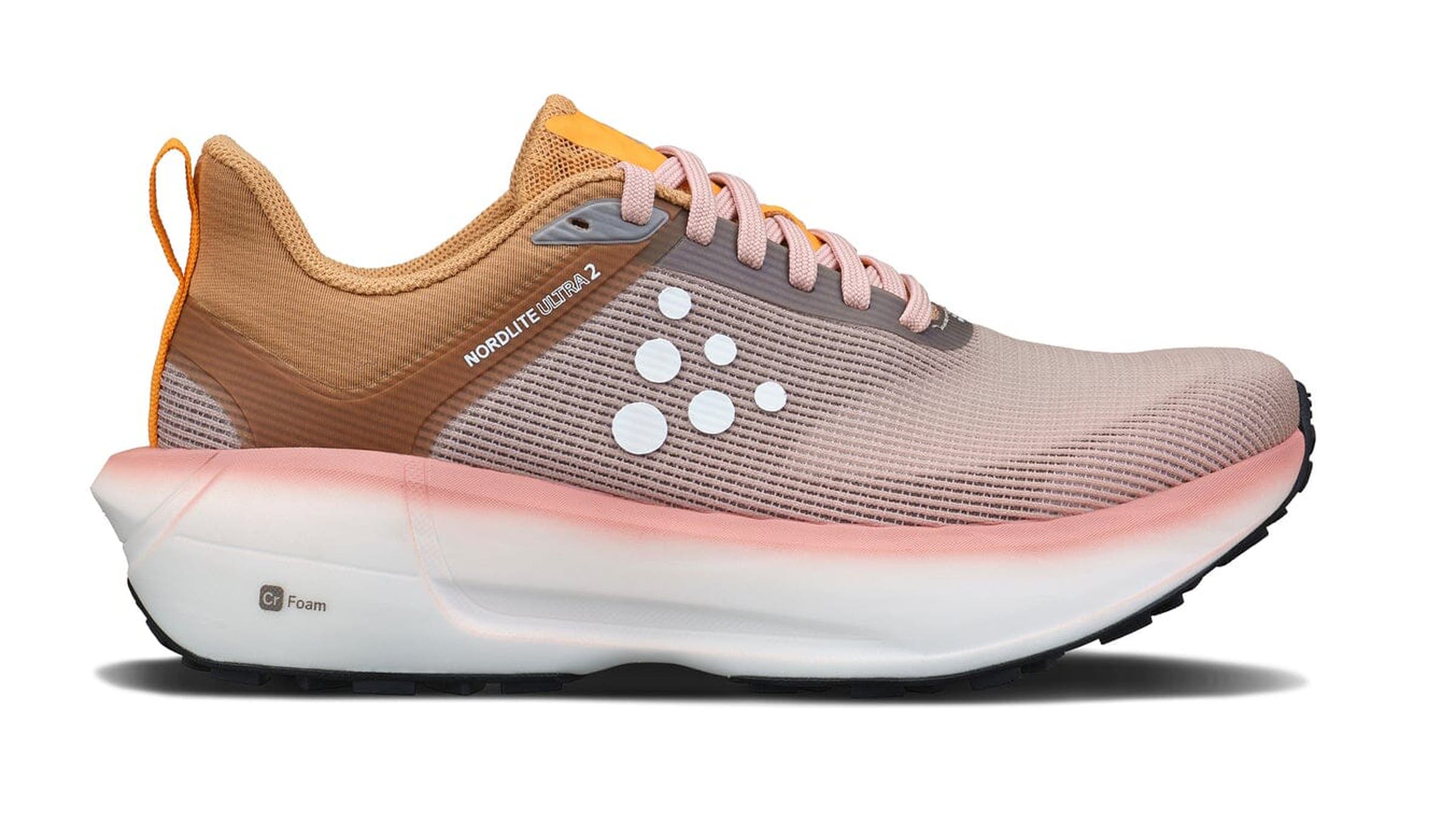
Weight: 10.6 oz (men’s), 8.9 oz (women’s)
Stack Height: 40–34 mm
Drop: 6 mm
Salomon AeroGlide 4 GRVL
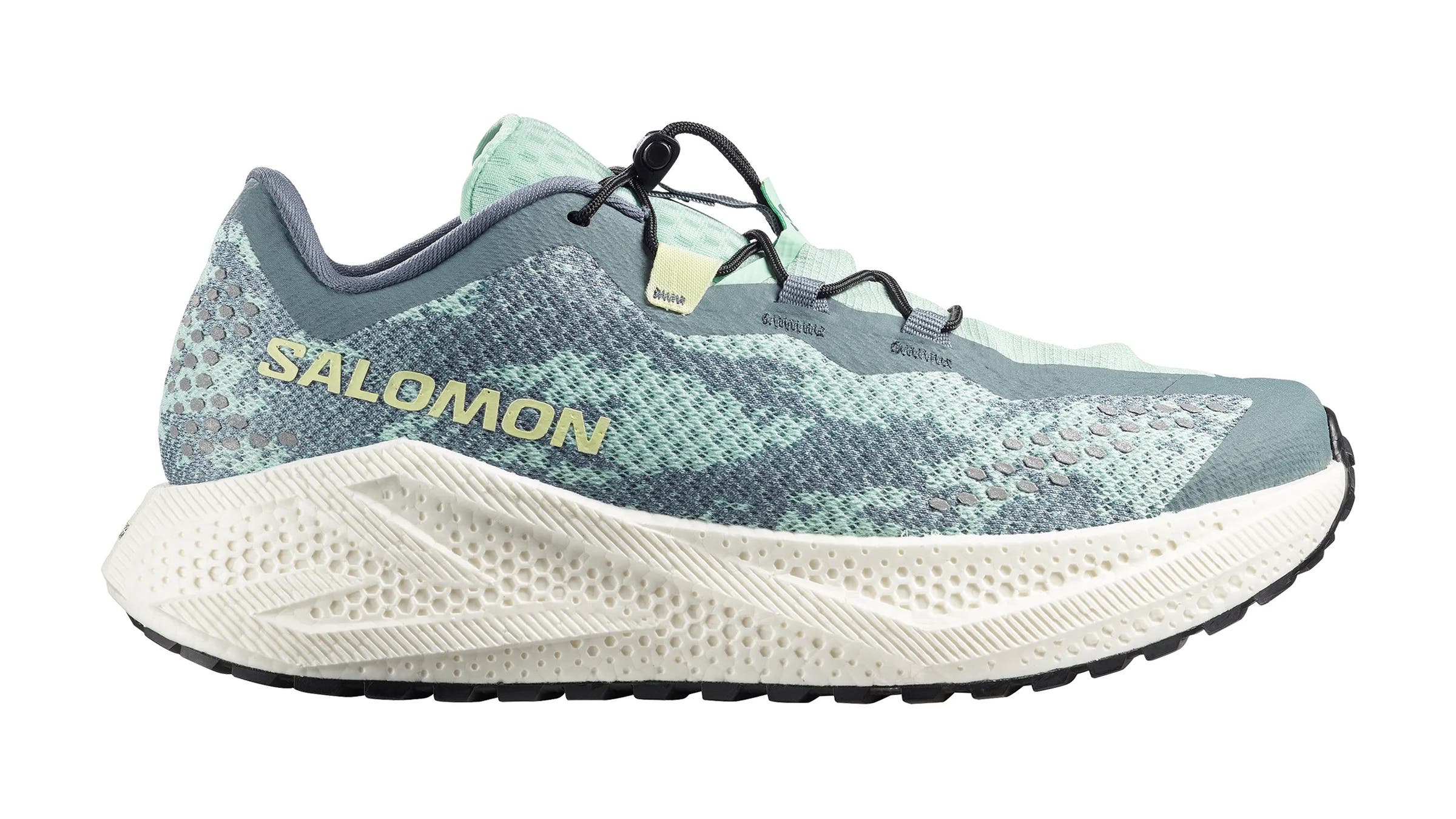
Weight: 9.6 oz (men’s), 8.1 oz (women’s)
Stack Height: 41-33mm
Drop: 8 mm
Hoka Challenger 8
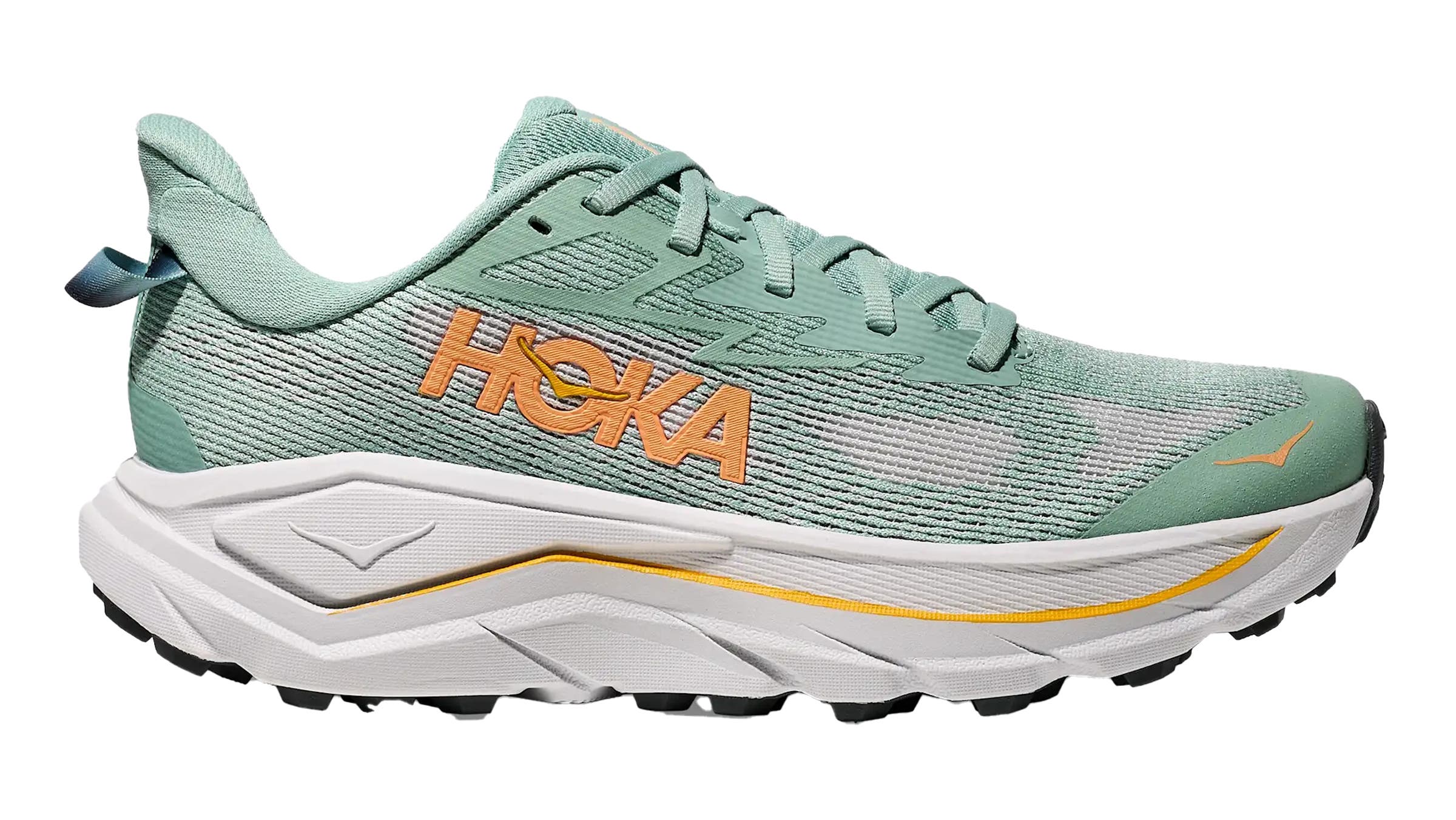
Weight: 9.7 oz (men’s), 8.7 oz (women’s)
Stack Height: 42–34 mm (men’s), 39–31 (women’s)
Drop: 8 mm
