

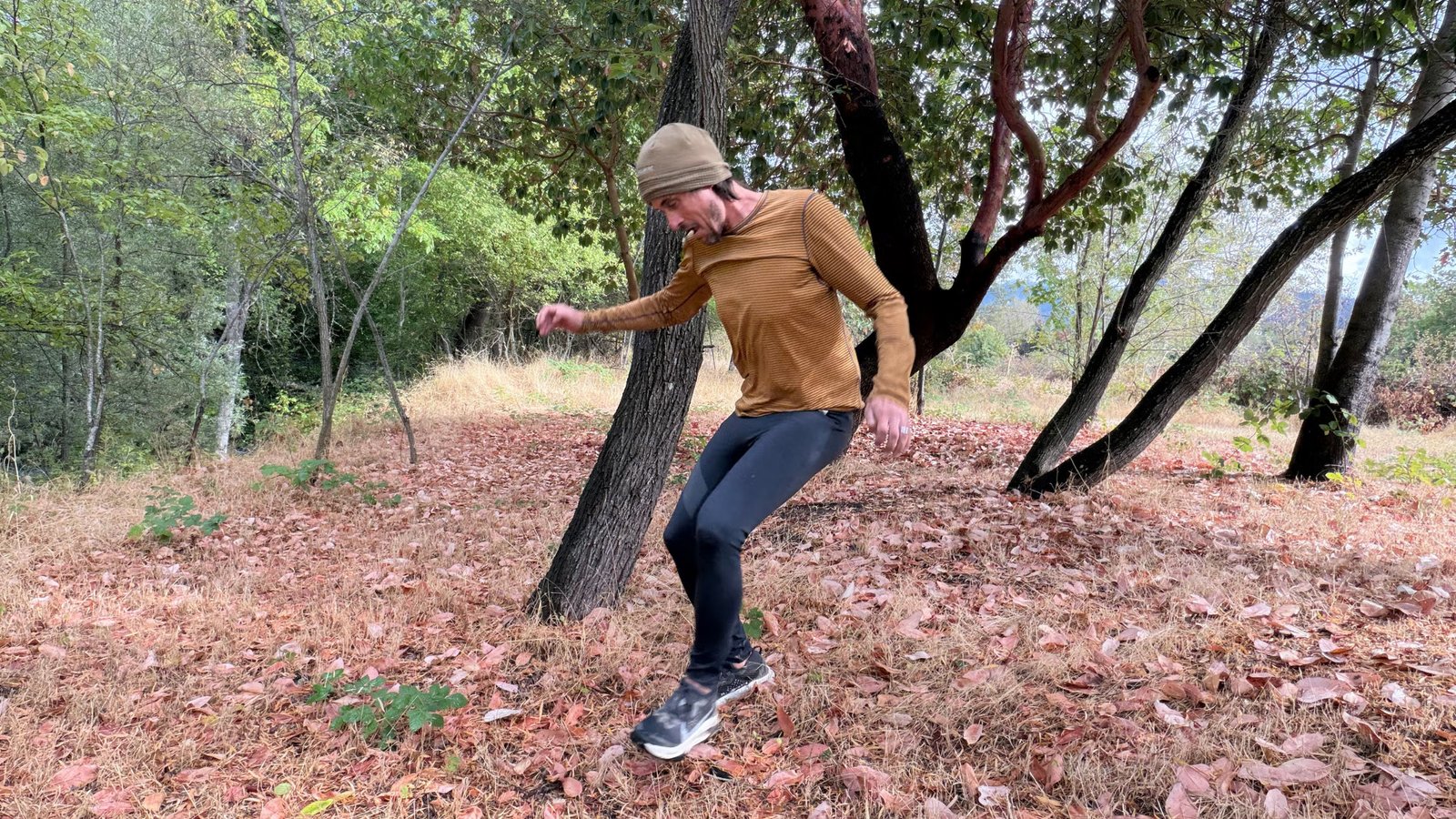
Published November 5, 2026 07:17AM
What to know: Our team of expert testers wore 46 bottoms and tops made of natural and synthetic materials for skiing, running, and other winter activities. Their months of evaluation resulted in naming the Stellar Merino Base Top and Tights as the best overall base layer for men for its comfort and moisture management. Most versatile is the Flylow Hanmer Wool Baselayer Top for under $100.
The base layer (aka long underwear or thermals) is both the literal and metaphorical foundation of a proper layering system. A wrong choice makes the whole system fall apart. If you pick a layer that chafes or gets sweaty, you’re going to be miserable no matter how perfect your insulation or shell performs.
Even after testing them for over a decade, however, I’m still hesitant to crown a few as the best because base layers are highly personal. Someone skinning uphill in the damp Pacific Northwest needs something very different from a resort skier sitting on frozen chairlifts in Colorado. Your ideal fabric feel, insulating weight, shoulder fit, and myriad other variables may vary greatly from mine.
This year’s rough snow season in the western U.S. only reinforced how important versatility is in our gear. Due to inconsistent winter conditions, we found ourselves wearing these base layers not only while skiing and touring, but also during mountain bike rides, cold morning runs, gym workouts, and shoulder-season adventures where moisture management and mobility mattered just as much as warmth. After months of testing 46 bottoms and tops—because it is our job, after all—these are the best base layers that we believe will appeal to a variety of preferences.
Best Base Layers for Men: At a Glance
Base Layers Comparison Chart
The Reviews: Best Base Layers for Men
Best Overall Base Layer
Stellar Merino Base Top and Tights
Sizes: S-XXL
Key Material: Merino wool
Pros and Cons
+ Most comfortable wool layer in test
+ Best-in-class moisture management
+ Remarkable odor mitigation
– No hood
Out of the 46 base layers we tested, the strongest pool we have ever drawn from, the Stellar Merino Base Top and Tights were the best base layering set in the widest variety of conditions. From 15-degree full-day ski tours in Colorado’s San Juan backcountry to 45-degree high-output mountain bike rides in Durango, the layers scored best in comfort, moisture management, fit, and odor mitigation. One tester put it simply: “Clear best in test.”
Sourced from Uruguay and produced in a family-owned factory in Portugal, the Stellar kit uses premium fine 19.5-micron merino wool fibers, which deliver both softness and stretch. The fit earned praise from our tester, who is 5’10” and 170 pounds, and extremely picky about how his base layers hug his body while he moves in the snow. “Both the top and bottoms were snug but never bunchy, with an ideal sleeve and leg length for unhindered movement,” he said.
Each layer features flatlock seams to reduce bulk, gusseted underarms for full range of motion, and an elongated back panel to block cold drafts. It moved moisture efficiently and transitioned from sweaty to completely dry in under 30 minutes. After a season’s worth of wear, odor buildup was minimal. “Still haven’t washed it!” said our tester, who cohabitates with his fiancée and hasn’t heard her complain. The only knock? No hood, which would’ve been nice to help the top transition to a standalone spring skiing piece.
Best Multisport Base Layer
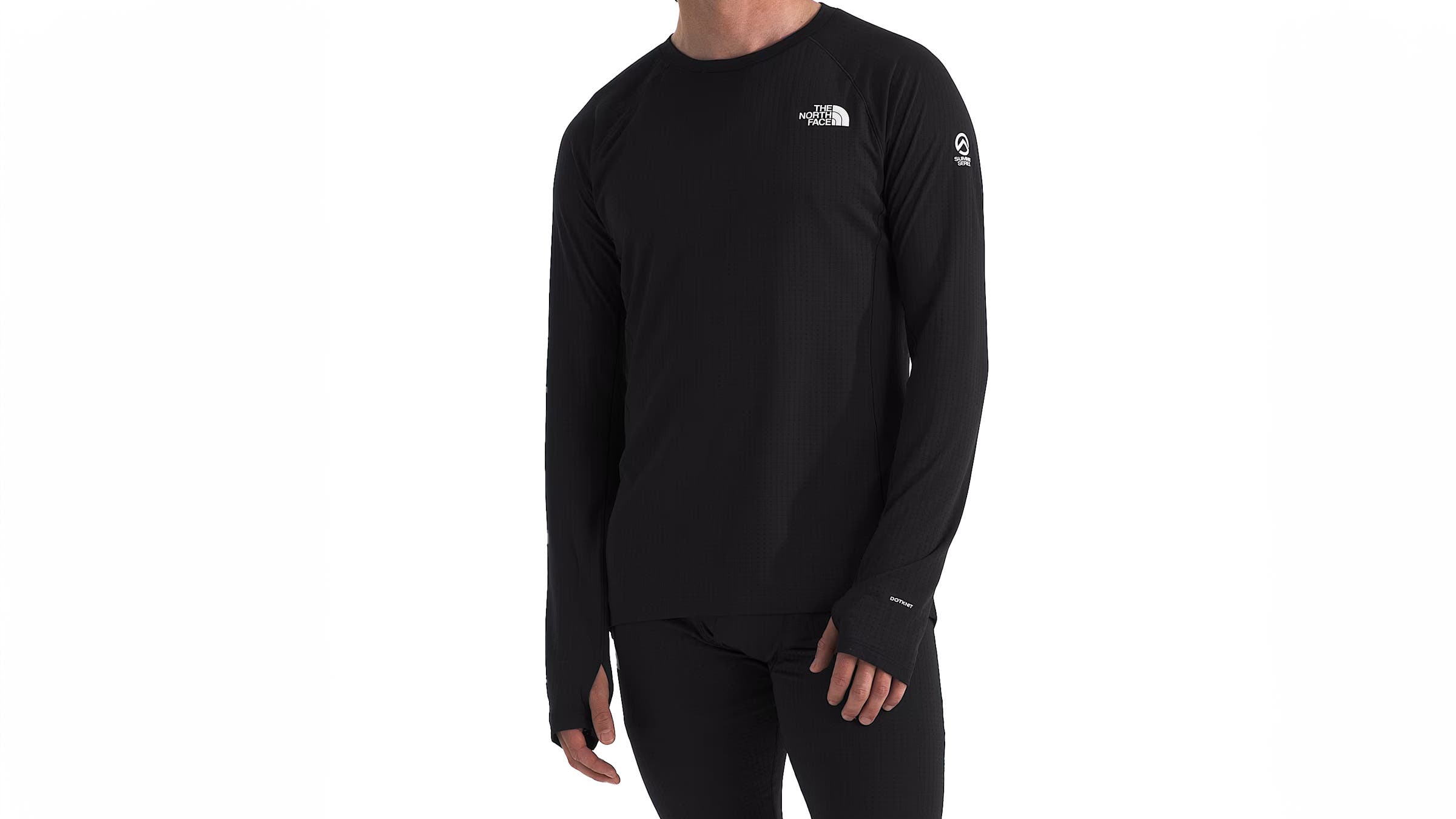
The North Face Summit Series Pro 120 Crew
Sizes: S-XXL
Key Material: 100 percent recycled polyester
Pros and Cons
+ Silky smooth
+ Friction-free seams
+ Excellent mobility across multiple sports
– Too lightweight for chronically cold skiers
Built with The North Face’s lightweight double-knit DOTKNIT polyester fabric, this shirt combines engineered holes in the face fabric and targeted yarn construction with a wider knit in high-heat areas like armpits. The marriage accelerates moisture transfer during movement, which testers appreciated during sweaty mountain bike rides, icy bump skiing in 45-degree weather, and early-morning runs in Ashland and Bend, Oregon. Despite weighing just 6.67 ounces, the double knit still delivered enough warmth for winter weather while drying quickly and remaining exceptionally breathable. No clamminess here.
Its standout feature was the construction. The low-profile merrow stitching (an overlock stitch that wraps the edges of fabric panels as it joins them) and slim athletic fit made the base layer almost completely disappear during repetitive movements like pedaling, skinning, and gym workouts. Thumb loops also prevented sleeves from bunching underneath outer layers during cold ski days and made transitions between activities seamless. While it kept us warm while we were moving, this is definitely not the thickest or toastiest layer in the test. Skiers who routinely run cold on frozen chairlifts will likely want a heavier option (read on for our recommendation).
Best Lightweight Base Layer
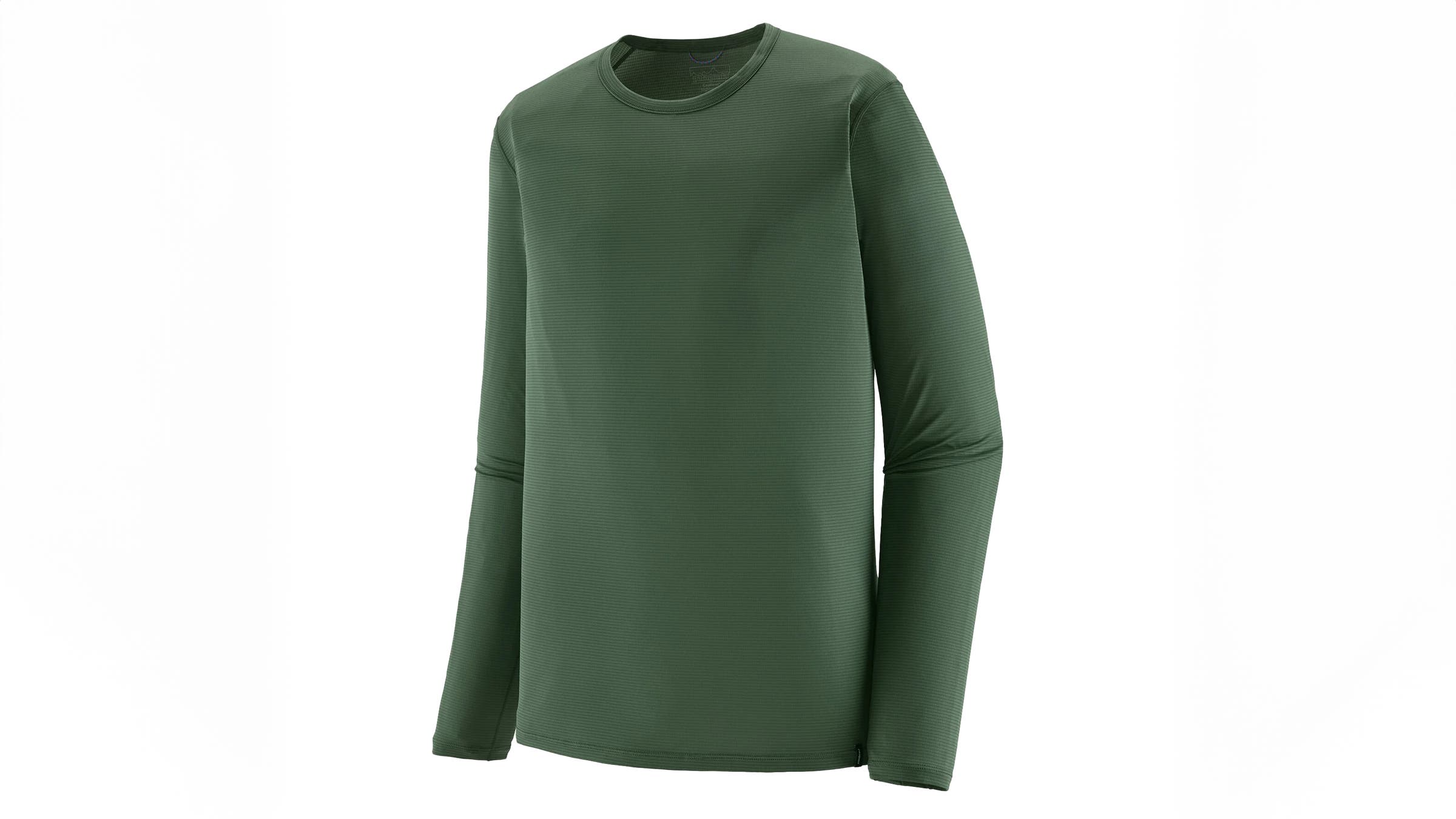
Patagonia Capilene Lightweight Crew
Sizes: XS-3XL
Key Material: 100 percent recycled polyester
Pros and Cons
+ Extremely breathable
+ Casual enough to wear anywhere
– Minimal insulation in truly cold weather
– Must be coupled with outer layer in wind
Patagonia has been making Capilene layers for over 40 years, and the new Capilene Lightweight Crew is proof that this signature fabric just keeps getting better. Made of 100 percent double-knit, recycled polyester, with HeiQ Mint odor control and a wicking finish, it weighs a scant 3.3 ounces. Those technical details translated directly into real-world performance during mountain bike rides, gym workouts, and early-morning runs where the layer consistently dumped heat and dried almost immediately. The odor mitigation worked so well that this top once went three full weeks of heavy use between trips to the washing machine.
Unlike heavier synthetic layers that can start to feel swampy once soaked, this one retained a dry, barely-there sensation even after sweaty intervals and long climbs. The fitted cut also helped the top transition comfortably between sports and life, and the stripes made it look more like a casual long-sleeve tee than a dedicated technical layer. We ended up wearing it so often that it became part mountain-bike layer, part workout shirt, and part accidental Zoom call uniform. Disclaimer: this is not a deep winter insulation monster. On truly cold days, it worked best underneath a shell and insulating layers, or alone only during high-output activities.
Best Wool Bottoms
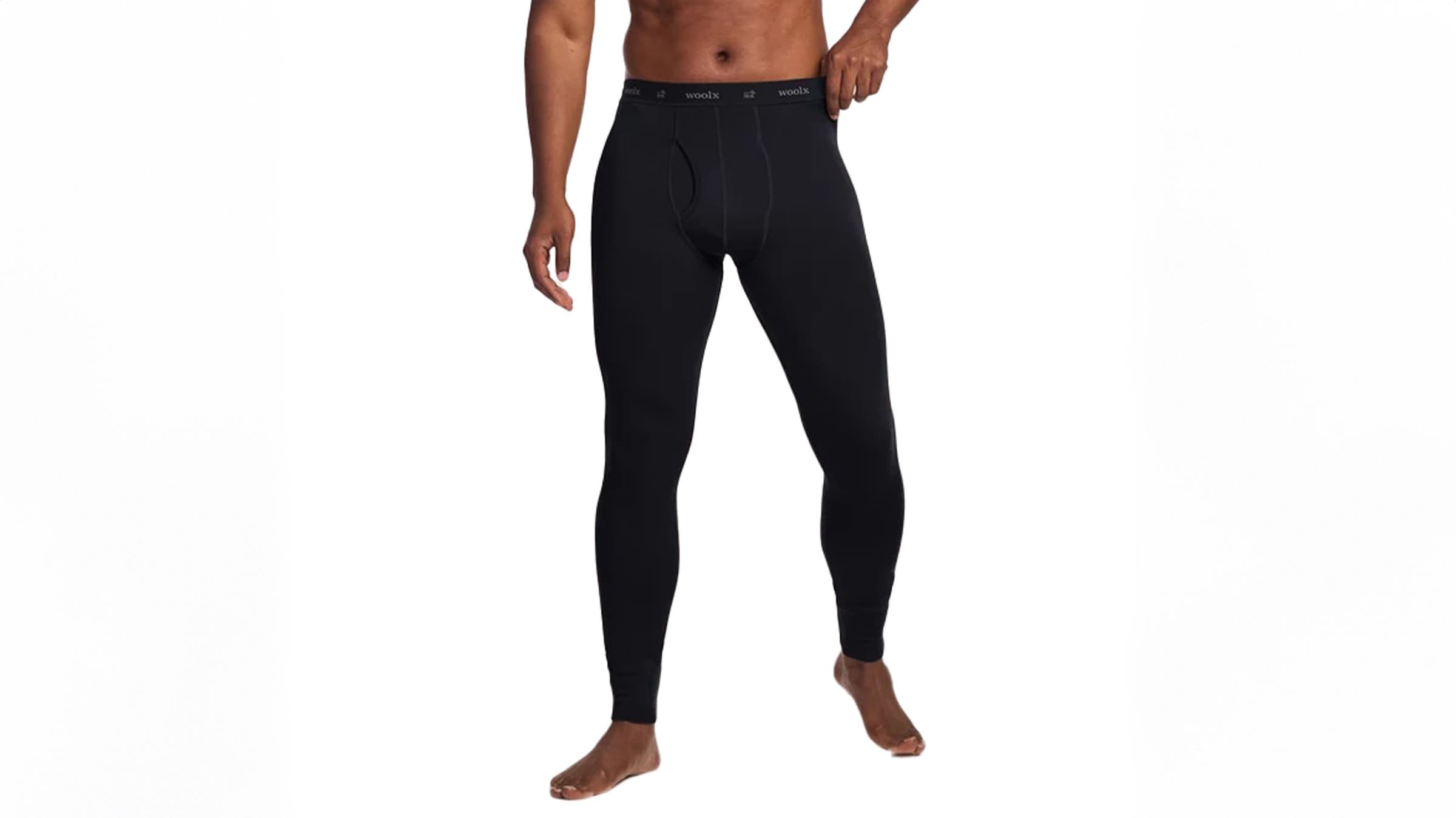
Woolx Backcountry Leggings
Sizes: S-XXL
Key Material: 100 percent merino wool
Pros and Cons
+ Soft and comfortable
+ Fantastic warmth-to-breathability balance
+ Excellent mobility despite heavyweight feel
– Too warm for spring touring
The Woolx Backcountry Leggings delivered some of the best next-to-skin comfort and thermoregulation this season. Built with heavyweight merino wool, they struck an impressive balance between warmth, stretch, and breathability that made them equally enjoyable during cold ski mornings, frigid dawn-patrol jogs, and recovery hangs at home.
Despite their thickness, the leggings moved exceptionally well during mountain bike rides and gym workouts. The fabric stretched naturally through deep squats, pedaling, and mobility work without ever feeling restrictive or bunchy under outer layers. While they didn’t dry as quickly as lightweight synthetics, they retained warmth even when damp. The fabric also resisted odor buildup during repeated workouts and back-to-back days of use—another advantage of merino wool in multisport layering systems. We’d recommend reserving these for the most frigid temps: during sunny spring ski days and warmer trail rides, testers overheated in them.
Paid Advertisement by KUIU
Men’s Vital S3 Zip-T Hoodie – $129
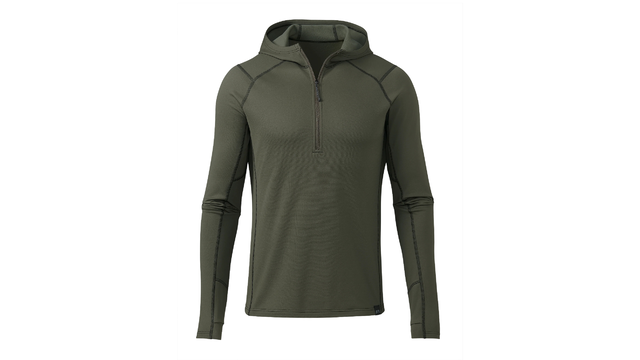
KUIU’s most advanced fleece to date, the Vital S3 Zip-T Hoodie is the base layer that can do it all. The soft-brushed fleece interior traps heat, wicks moisture, dries quickly, resists odors, and still gives you plenty of mobility on high-output cold weather hunts. Boosted by XLANCE®️ technology, the fleece is reinforced with an advanced polyolefin-based stretch yarn with built-in resistance to sweat, chemicals, heat, ozone, and UVA/UVB radiation. This means your hoodie retains elasticity and durability even across the most grueling treks—you’ll get the same fit and performance when you reach for it season after season.
Best Wool Top
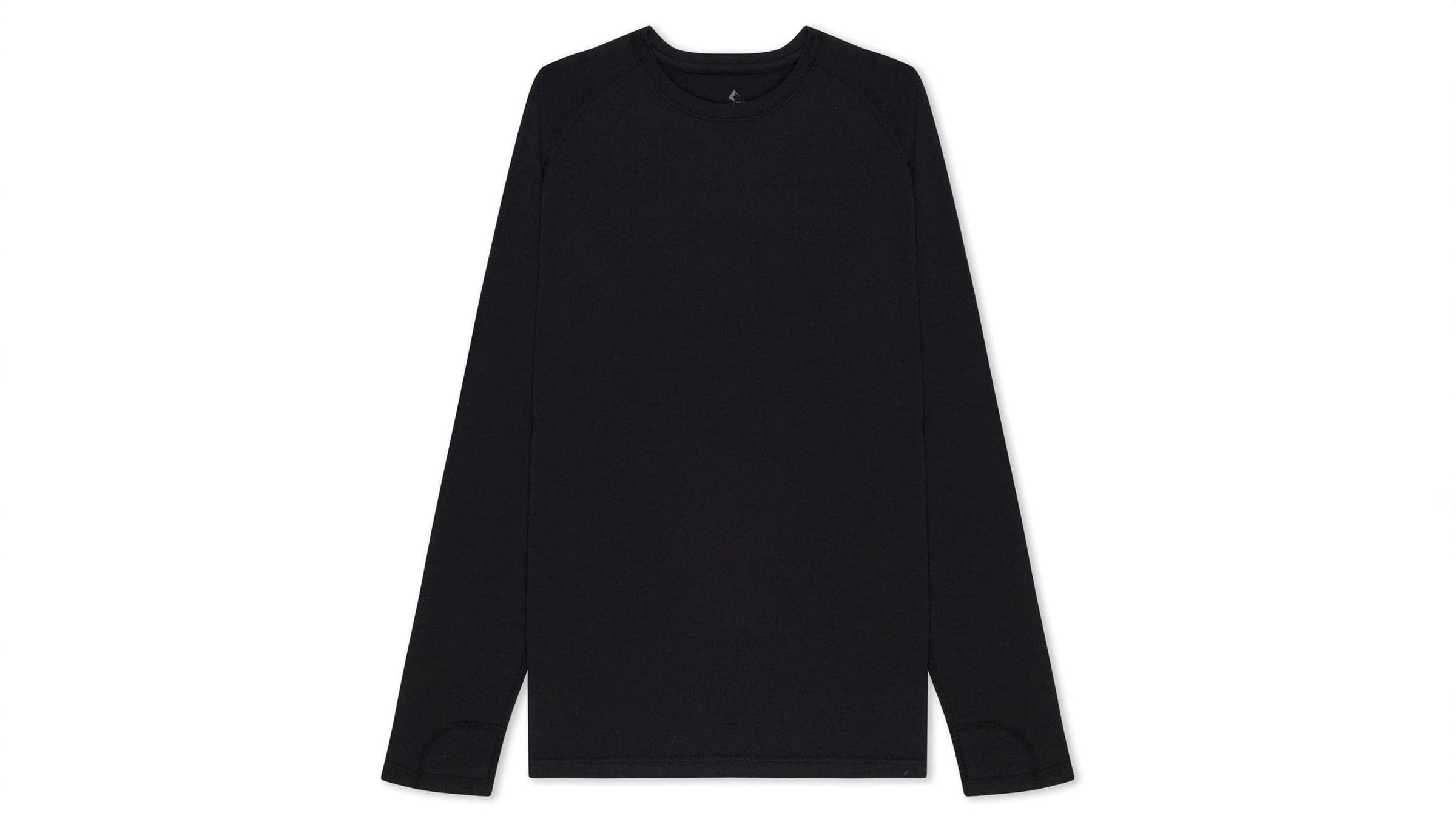
Ridge Merino Heavyweight Inversion Crew
Sizes: S-XXL
Key Material: 100 percent merino wool
Pros and Cons
+ Remarkably breathable for its weight
+ Soft next-to-skin feel
+ Immediate warmth during cold starts and transitions
– Too warm for sustained high-output efforts
– Slightly bulkier under trim shells
The Ridge Merino Inversion Crew managed one of the hardest balancing acts: delivering substantial warmth without feeling stifling the second testers started moving. Made of 100 percent merino wool, it became a favorite during freezing dawn starts, snowy driveway shoveling, and post-ride recovery hangs. Superfine 18.5-micron fibers were impressively soft against the skin for such a warm piece—one tester wore it to sleep even after sweating in it during the day. Low-profile flatlock seams, raglan sleeves, thumb loops, and an extra-long cut minimized friction points underneath packs and outerwear, making it all the more cozy.
What surprised us most was how flexible and breathable the top remained despite its warmth. Heavyweight base layers often feel amazing when you’re standing still and miserable once your heart rate spikes, but the Inversion regulated temperature better than expected during moderate-output movement. This is still, however, fundamentally a cold-weather specialist. During hard uphill efforts and warmer spring conditions, it quickly became too much of a layer. It also felt a tad bulky when coupled with a very trim Rab shell—worth noting if you like tighter outer layers.

Best Top for Backcountry Touring
Rab Syncrino Base LS Tee
Sizes: S-XXL
Key Material: Polyester/wool blend
Pros and Cons
+ Packs down to the size of a tangerine
+ Fast drying
+ Silky next to skin
– Doesn’t work as a standalone layer in cold
Over ten days of skiing in the Japanese Alps, spinning lifts at Mount Ashland, and ski touring at Crater Lake, the Rab Syncrino Base LS Tee became one tester’s default when he knew he was going to get hot and sweat hard. Built with Rab’s lightweight Syncrino 125 fabric, it combines merino wool for insulation and moisture-wicking with polyester for strength, durability, and fast drying. We found this triad of attributes ideal for high-output touring, hut trips, and traveling in temps 40 degrees and below.
It packed down to the size of a tangerine, which one tester squeezed into his pack as a safety layer on hut trips and a two-week trip to Nozawa, Japan. He praised the next-to-skin comfort, saying it “felt like you didn’t even have it on,” and rated its mobility and sweat management highly. The single-jersey construction, low-bulk seams, drop tail, and set-in sleeves made it especially comfortable under other layers.
Even after sweaty skimo sessions and back-to-back cold days, it stayed fresh. “No matter how much I sweat, it [shone] in many environments,” our tester said. However, it was too lightweight to be a standalone layer during the winter months.

Most Versatile Top
Flylow Hanmer Wool Baselayer Top
Sizes: S-XL
Key Material: Merino wool/nylon blend
Pros and Cons
+ Wide temperature range
+ Highly breathable
+ Minimal friction during exercise
– Fit is long for shorter users
The Flylow Hanmer Wool Baselayer Top was winter MVP for one tester after five big days of testing on his local ski hill, Mount Ashland. He not only appreciated the Hanmer’s incredible versatility in the mountains but also felt like he was wearing a normal, non-technical top around town thanks to its two-toned sleeves and casual style. “You could literally wear this every day in winter,” he said. Tested from zero to 40 degrees while skiing, running, and during three full-on nighttime skimo training sessions, the Hanmer consistently stood out for its ability to keep him warm and efficiently move his sweat at the same time—two attributes that often conflict with each other. “I would finish a skimo workout and rip off all of my other sweaty layers and keep the Hanmer top on and throw on my down jacket over it. It was amazing that it wasn’t soggy,” he said.
The Hanmer is woven from a blend of merino wool and nylon that Flylow claims is 50 percent stronger than comparable merino fabrics. While we weren’t able to confirm that number, we can confirm that it did not experience pilling after a full winter’s worth of testing. It proved warm, breathable, sweat-wicking, and also impressively odor-resistant even after days of heavy use. “It was noticeable how odorless it was; most of my other layers would carry a little stink after the same amount of use,” he said. Flatlock seams eliminate chafing, while a long cut makes layering easy. Thumb loops and a backpack-friendly raglan construction enhance usability during high-output movement. “The thumb holes are ingenious,” our tester said. With cozy skin feel and all-conditions reliability, the Hanmer is a layer that disappears in a good way.
How to Choose the Best Base Layers
Everybody is different, so dialing in the materials that feel the best against your skin is the most important part of the base-layer buying journey. In general, the best base layers are constructed of either polyester or merino wool, with spandex, elastane, or nylon spun into the fabric to increase stretch or durability. Polyester layers are usually cheaper and quicker to dry, while merino is more expensive, dries slower (but retains heat while wet), and is more odor-resistant.
Which is better comes down to personal preference: some love the soft hand of natural fibers, but even the most advanced, small-micron merino wool material can make someone with a wool intolerance miserable. If you can, try on any layer you want to buy. How it feels against your skin is paramount and differs per person. If something feels itchy in a dressing room, run from it, as it is only going to get more uncomfortable with prolonged use.
Once you land on a material that works for your skin, start looking into moisture management. If you sweat a ton, as many of the testers for this category do, look into lightweight synthetic base layers, as they have an excellent track record for moving moisture efficiently. If you don’t sweat much, then you can get away with thicker next-to-skin layers that will also be warmer when you’re not in motion.
In terms of design, base layers are pretty straightforward. To maximize comfort, look for upgrades like flatlock seams and raglan sleeves. These can prevent chafing, especially when wearing a pack.
Materials to Avoid
When deciding what to avoid, we would suggest starting by looking at the label. Staying away from certain materials is a great way to minimize your chances of getting a bum base layer. Cotton is an obvious material to avoid for winter-specific base layers because it holds onto moisture and can become dangerously cold. Synthetics without some type of odor-mitigating technology might also not be your best bet for hut trips, winter backpacking, or high-output skinning because they can become unsavably stinky in one trip. If something is wool, check the micron number. A lower micron count (finer fibers) will be softer and more comfortable next to skin than a higher one.
We also suggest looking a little deeper at the wording of wool/synthetic blends. Purpose-built blends (which intentionally place wool and synthetics in different parts of the blend) can utilize the hydrophilic and hydrophobic natures of the fabrics to its advantage. An example of this is a material that has a hydrophilic synthetic next to your skin to grab moisture with a layer of a hydrophobic wool that will move that moisture away from you. If the blend is described as “intimate,” that means it weaves them together in a way that will deliver the worst of both worlds. An intimate blend creates a tug-of-war over that moisture that can leave you super clammy, so we recommend steering clear.
How We Test Base Layers
- Number of products: 46
- Number of testers: 6
- States tested in: 6
- Temperature range: Zero to 65 degrees Fahrenheit
- Number of vinegar soaks needed to reset odor: 1
Due to the abysmal snowpack in the Pacific Northwest, category manager Joe Jackson had the most varied testing conditions for base layers he has experienced in more than a decade of testing the category. In addition to the ski days he eked out at Mount Bachelor and in the backcountry, he used these layers during more than 60 mountain bike rides, early-morning runs, and high-output workouts in his home gym. That broad mix of activities allowed him to evaluate not only warmth and next-to-skin comfort, but also mobility, moisture management, odor mitigation, and versatility transitioning between sports.
Skiing, however, remained a critical part of testing, as always. Testers used these layers during resort skiing, uphill touring, cold transitions in parking lots, and long days spent sweating under packs. We paid close attention to how quickly layers dried after high-output efforts, whether fabrics became clammy during sustained sweating, and how well the materials retained warmth after becoming damp. We also stress-tested mobility across all sports because the best modern base layers should disappear while you move instead of restricting you.
But this year’s low snow totals also created a more realistic picture for how today’s base layers are actually used by many outdoor athletes, as multisport layering pieces that need to perform just as well on trail runs and shoulder-season bike rides as they do under a ski shell.
Meet Our Testers
Category manager Joe Jackson has been testing gear professionally as his main gig for over a decade. While he has tested everything from whitewater kayaks to sporks, base layers remain one of his all-time favorite categories. They can be absorbed into everyday life to get the type of testing reps needed to help tease out the nuance that makes a piece of gear truly special. They also don’t take up much space in his overburdened garage.
If you suffer from FOMO, do not follow Southern Oregon-based tester Yu Kuwabara on Strava—his output is absolutely bananas. He’s the kind of athlete who will climb and ski Mount Shasta (he has 37 summits) in the morning, then teaches a mountain biking clinic that afternoon on a casual day. The local race director and father of rippers logged hundreds upon hundreds of multisport miles and tens of thousands of vertical feet around Southern Oregon, as well as on a trip to Japan, to test the dickens out of these layers.
Durango, Colorado–based tester Ryan Pyles has enough energy to power a small city. He positively channeled said energy this winter with remote packrafting trips, dozens of days skiing in the backcountry around Durango and Red Mountain Pass, mountain biking, trail running, and skiing in his local resort of Purgatory. He worked as a science teacher while testing last winter and has also worked as an engineer. The two jobs arguably make him the perfect candidate to deliver solid feedback because of his ability to really get in the weeds with materials as well as distill that into understandable information.
