

As soon as federal protections lapsed, mining companies staked 16 new claims across thousands of acres excised from Bears Ears—targeting areas next to Canyonlands and popular backcountry routes.
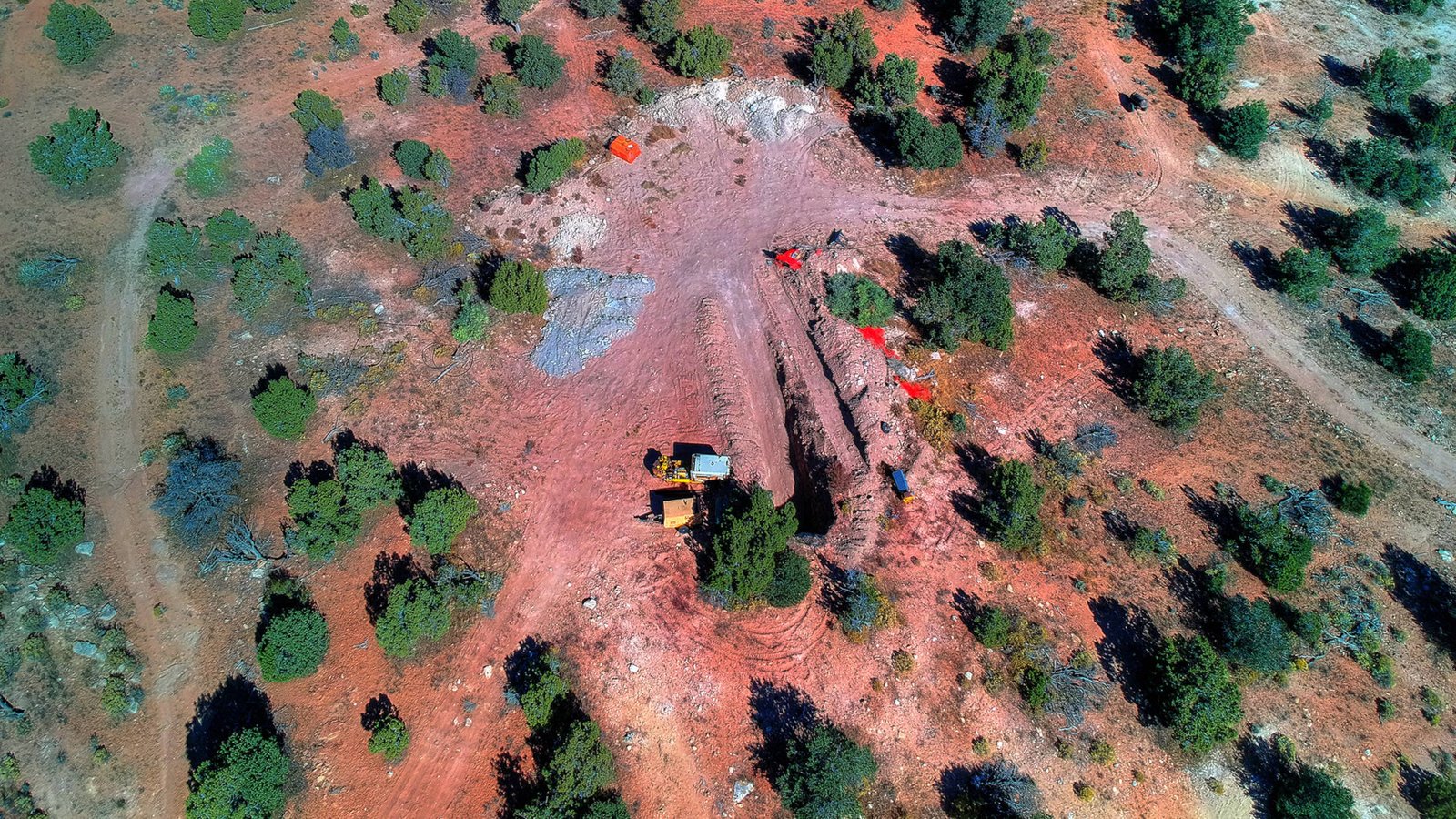
A shaft at the Easy Peasy Mine prior to its burial. A new claim seeks to revive the mine. (Photo: Tim Peterson via Southern Utah Wilderness Alliance)
Published September 22, 2026 04:47AM
Miners could start digging up Bears Ears National Monument within “months” after two companies filed new claims in the formerly protected area, advocates say.
Mapping data from the San Juan County Recorder’s office in Utah show that two mining interests filed a total of 16 claims on September 11, the day that the Trump Administration’s proclamation shrinking the Utah monument took effect. Three claims filed by George W. Schultz are located in the Lockhart Basin area, in the disputed monument’s northern reaches. Thirteen by Kimmerle Mining are located in the central-eastern portion of the monument. Two of those are adjustments to the Easy Peasy Mine, a claim that the company filed after the first Trump Administration shrank the monument in 2017. The mine was closed and reburied after the Biden administration reversed those changes in 2021.
All 16 claims lie on previously protected land stripped from the monument in July, when Trump signed an executive order shrinking both Bears Ears and Grand Staircase-Escalante by more than 90 percent.
Following the announcement, a coalition of environmental, archeological, and Indigenous nonprofits, along with outdoor industry giant Patagonia, sued the Trump administration, alleging that the president overstepped his authority under the Antiquities Act when he cut the monuments in size.
“These are areas that were in the national monuments, and these were areas that should still be protected. What Trump did was illegal,” Grant Stevens, communications director for the Southern Utah Wilderness Alliance (SUWA), one of the groups involved in the lawsuit, told Backpacker.
It’s not clear how much ground the newest claims would cover. According to SUWA, county data only identifies claims in 160-acre segments, but most are smaller, likely between one and 20 acres. However, Stevens noted that even those small claims may get bigger as miners continue to amend them.
“The fear here and in future mining claims is going to be the scale and the impact on the land, the ecosystems, the cultural sites,” Stevens said. “All of those are very real.”
The lawsuit that SUWA and its allies filed isn’t the only litigation around Bears Ears making its way through the court system. A group of monument opponents, including Kimmerle Mining managing member Kyle Kimmerle, sued former President Joe Biden in 2023. The plaintiffs argued that Biden’s restoration and expansion of Bears Ears violated the Antiquities Act, which specifies that monuments “shall be confined to the smallest area compatible with the proper care and management of the objects to be protected.” While the district court that heard the suit initially dismissed it on the ground that Biden’s decision wasn’t subject to judicial review, an appeals panel reversed that decision and sent the suit back this June.
Before the claimants can start mining in Bears Ears, they will need approval from the Bureau of Land Management, which is required to conduct an environmental assessment. Hanna Larsen, a staff attorney with SUWA, told Backpacker that, while SUWA and other advocates have few legal avenues to contest the claims directly, they could oppose the BLM’s approvals, and plan to “look into [their] options” once they know more.
Failing that, Larsen said mining could soon restart in the monument.
“I think seeing action on the ground like within a few months is certainly possible,” she said.
