

Opinions expressed by Entrepreneur contributors are their own.
Key Takeaways
- Technical expertise doesn’t automatically translate into leadership effectiveness. The strengths that made someone a star individual contributor can undermine them as a leader.
- The challenge is helping them recognize that this chapter in their career depends on something new — bringing out the best in others.
- Tolerating poor interpersonal behavior from high performers — especially while claiming to value collaboration and respect — sends a clear message that results matter more than how they’re achieved.
- These leaders need to see the true cost of the leadership gap, a compelling reason to change and specific feedback that contrasts their intent with their actual impact.
You’ll probably recognize this person. Technically exceptional, deeply knowledgeable and trusted with the company’s most important work. Whenever a difficult challenge arises, they’re the person everyone counts on to solve it.
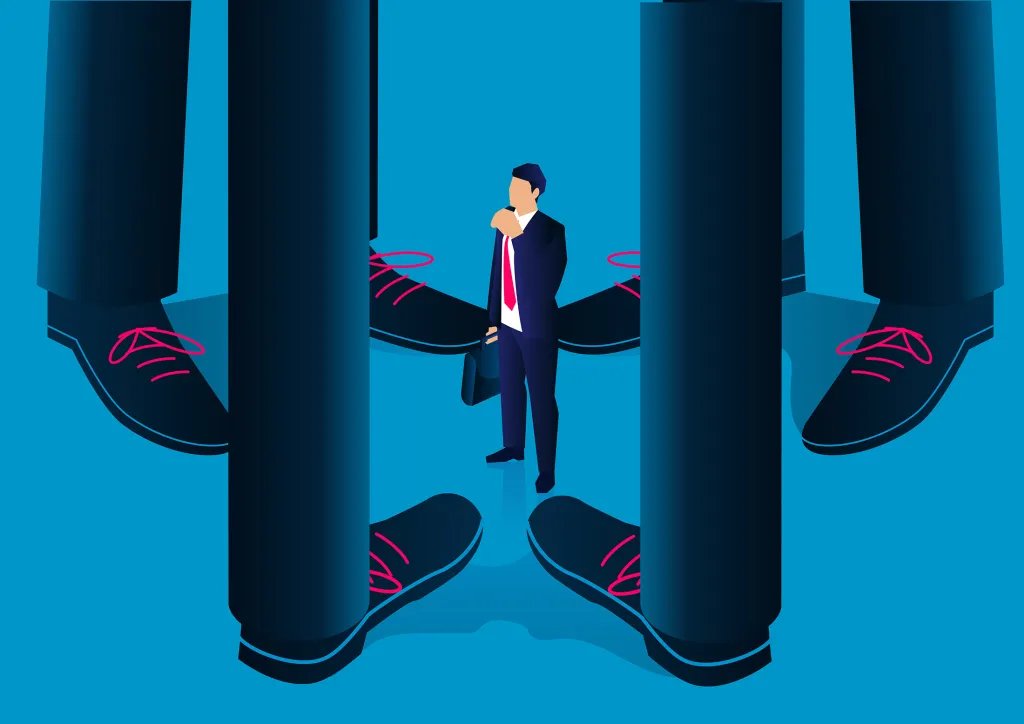
Then they’re promoted into a leadership role and something changes. They begin to create problems for the people around them. They might interrupt, overcorrect or take over. They may overlook others’ contributions or communicate in ways that leave team members feeling diminished. Eventually there’s fallout: Talented employees stop speaking up, avoid them or leave the team altogether.
This leader isn’t the bad guy. Most of them are relying on the same strengths that have served them throughout their careers, because that kind of clear right-or-wrong, black-or-white thinking was essential. Calculations are accurate, or they aren’t. A system works safely, or it doesn’t. After all, no one wants a building that only “kind of” stands up.
But people aren’t buildings. The skills that made this person so successful are not necessarily the ones they need to be an effective leader. The challenge is helping them recognize that this chapter in their career depends on something new — bringing out the best in others.
Understand the hidden cost of ineffective leadership
A technically strong leader may continue producing excellent results, but a person’s individual output is just part of the story.
What happens to the talent? Pay attention to how strong employees respond to the leader. Do they want to join the team and stay there? Or are they transferring, leaving or finding ways to work around the leader? When people stop raising concerns or contributing ideas, the team may still appear productive, but it is losing something important.
What happens to the team’s capability? Consider whether people are becoming more capable — or less capable — under this leader. If the leader always supplies the answer, corrects the work or steps in when the stakes rise, team members don’t get to develop their own judgment. That leads to a culture of dependence rather than confidence.
Stop treating high performance as an exception to leadership standards
While behavior belongs to the leader, tolerating it belongs to the organization. A company may spend years rewarding expertise, responsiveness and heroic problem-solving. Only when the interpersonal cost becomes impossible to ignore does it expect different behavior. The leader is responsible for changing, but the company also needs to own the pattern it reinforced.
This matters even more when the organization says it values collaboration, respect or developing people. If an influential high performer is repeatedly exempted from those expectations, employees understand the real message: Results matter more than how those results are achieved. Employees learn what the organization truly values by watching which behaviors it rewards, excuses and addresses.
Require a broader definition of performance
At higher levels, success can’t be measured by personal output alone. Do talented people want to work with this leader? Can the leader influence without controlling? Does the team become stronger because they lead it?
Technical expertise still matters, but readiness for a higher level also depends on whether the leader can strengthen the people around them. It’s up to the organization to help make this happen.
Build an honest diagnosis in 3 steps
That kind of change requires more than telling them to work on their people skills. It’s showing them where the gap is. There are three key steps to make a hard conversation as clear and productive as possible:
Step 1: Define the true cost of the leadership gap. Look at turnover, engagement, HR time, workarounds, succession risk and dependence on one person. Labels such as “This leader is difficult” or “This leader needs more emotional intelligence” don’t actually identify what needs to change.
Step 2: Provide a reason to change. High-performing experts often see themselves as protecting quality and keeping the work on track. Change becomes more compelling when it connects to something they want, such as greater influence, a larger role or a team that can perform without constant intervention.
Step 3: Show the gap between intention and impact. Give the leader specific feedback they can observe and practice.
- You intended to move the meeting forward; people stopped contributing.
- You intended to protect quality; the team became dependent on you.
- You intended to help; others experienced it as taking over.
We all know that change is hard. And it doesn’t happen all at once. Learning a new behavior is much like learning a dance: At first, the leader may not notice a misstep until they have stepped on someone’s toes. With practice, they catch themselves slipping back into familiar habits and adjusting in the moment. Eventually, the new steps feel natural, and the leader can pay attention to how others are responding. That’s when lasting change begins to take hold.
Help leaders become value multipliers
We’ve seen why technical expertise and individual performance aren’t a substitute for leadership. The opportunity lies in organizations expanding the definition of what value is. When leaders develop new skills and take greater responsibility for their impact on others, it becomes visible in the confidence and capability of their teams. Only then can a leader’s expertise become a value multiplier — for themselves, their people and their organization.
Key Takeaways
- Technical expertise doesn’t automatically translate into leadership effectiveness. The strengths that made someone a star individual contributor can undermine them as a leader.
- The challenge is helping them recognize that this chapter in their career depends on something new — bringing out the best in others.
- Tolerating poor interpersonal behavior from high performers — especially while claiming to value collaboration and respect — sends a clear message that results matter more than how they’re achieved.
- These leaders need to see the true cost of the leadership gap, a compelling reason to change and specific feedback that contrasts their intent with their actual impact.
You’ll probably recognize this person. Technically exceptional, deeply knowledgeable and trusted with the company’s most important work. Whenever a difficult challenge arises, they’re the person everyone counts on to solve it.
Then they’re promoted into a leadership role and something changes. They begin to create problems for the people around them. They might interrupt, overcorrect or take over. They may overlook others’ contributions or communicate in ways that leave team members feeling diminished. Eventually there’s fallout: Talented employees stop speaking up, avoid them or leave the team altogether.
This leader isn’t the bad guy. Most of them are relying on the same strengths that have served them throughout their careers, because that kind of clear right-or-wrong, black-or-white thinking was essential. Calculations are accurate, or they aren’t. A system works safely, or it doesn’t. After all, no one wants a building that only “kind of” stands up.
