

Opinions expressed by Entrepreneur contributors are their own.
Key Takeaways
- Gen Z grew up with a phone in their hand and a search bar at their fingertips. They don’t read your ad copy and take it at face value. They look into your business and whether you have the proof to back up your claims.
- To win customer trust today, startups need to rethink how they talk to people. Show the receipts, name the trade-offs and stop waiting to be perfect.
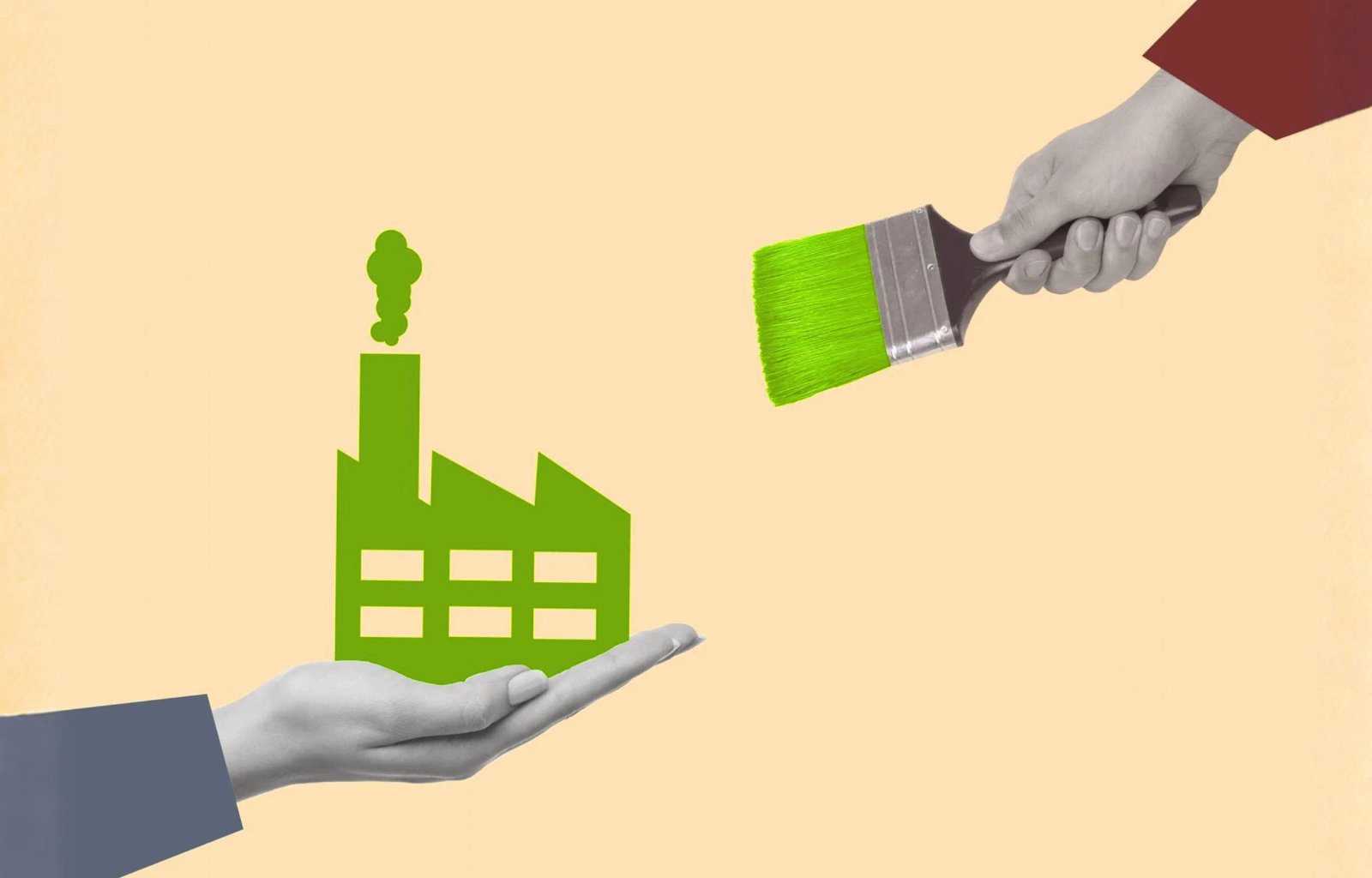
Walk into any corner store or scroll past a sponsored post, and you see it right away. Everything is suddenly “eco-friendly,” “sustainably sourced” or “carbon-neutral.” Companies slap a leaf icon on a plastic wrapper, paint the box olive green and call it a day.
They think this trick still works. It doesn’t.
If your marketing plan leans on empty claims to win over younger buyers, you’re playing a risky game. Greenwashing won’t save your startup. It might actually sink it faster than bad cash flow. Gen Z is rewriting the rules of brand honesty, and they have zero patience for corporate spin.
The death of the eco-icon
For two decades, big brands got away with soft marketing. Slap a vague promise about 2050 goals on a billboard, hire a PR agency to write a press release about planting trees and watch sales climb.
Gen Z grew up with a phone in their hand and a search bar at their fingertips. They don’t read your ad copy and take it at face value. They check your supply chain. They search your brand name on TikTok to see if employees are calling out bad workplace habits. They can even look up your parent company’s tax filings.
When a brand gets caught lying about its footprint, the backlash is fast, loud and it doesn’t go away. A fake green label doesn’t make you look responsible. It makes you look dishonest.
Why straight answers beat pretty packaging
Young shoppers don’t expect your startup to be perfect. They know running a business takes resources and that shipping physical goods creates carbon output. What actually bothers them is the theater.
Take a small digital-first startup that sells modular workspace gear. Instead of hiding behind vague terms like “100% Earth-Friendly,” they list the exact components: 80% recycled aluminum, 20% new ABS plastic because of structural limits, made in a factory that runs on a grid with a high coal mix.
That kind of honesty instantly sets them apart from competitors shouting about saving the planet.
Gen Z wants hard facts over soft poetry. They’d rather buy from a business that admits where it falls short than one that pretends to have no flaws at all.
Being upfront is a real market advantage
To win customer trust today, startups need to rethink how they talk to people. Here’s how honest brands are changing the story:
Show the receipts: Don’t just say your sourcing is ethical. Prove it. If you run a fast-casual food stall, put the actual invoices from local farm suppliers near your register or post them online every week.
Name the trade-offs: If recycled paper packaging doubles your unit cost and pushes up your retail price, just say so. Customers respect the honesty.
Stop waiting to be perfect: You don’t need a flawless environmental record to speak up. Share your current numbers today, set short-term goals for next month and report back when you fall short.
The flawless company myth is dead
Modern shoppers know every purchase involves some kind of trade-off. When you pretend your product has zero impact, you insult their intelligence.
Take a modern specialty tea brand as an example. Instead of claiming their tea bags are fully biodegradable, when most actually need industrial composting facilities that regular city systems don’t have, they put a warning label right on the front of the pouch:
“These tea bags need commercial high-heat composting. If you toss them in your garden, they’ll take years to break down. Here’s how to dispose of them the right way.”
That one blunt line builds more brand trust than a million-dollar ad campaign built on fluffy green claims. It shows respect for the buyer’s intelligence.
How startups can shift right now
If you want your business to survive this shift, you need to drop the corporate buzzwords and rebuild how you talk to people, starting now.
- Ditch the buzzword dictionary
Cut words like “green,” “pure,” “natural” and “conscious” from your site unless you back them up with a specific third-party certification or a real number. If a claim can’t be checked, delete it.
- Open up the backend
Use your social channels to show operational hiccups. If a supplier fails to meet your material standards, post about the delay. Explain why you turned down the shipment. Turn your operational struggles into proof of your standards.
- Keep it rough around the edges
Big-budget, super-polished video ads read as dishonest to an audience raised on user-generated content. A quick, unedited founder video shot on a phone explaining a packaging decision lands far deeper than a slick commercial.
The bottom line
Gen Z isn’t asking every business to solve global problems on its own. They’re asking businesses to stop using those problems as a sales tactic.
If your product is good, let it stand on its own. If your operations are still a work in progress, show the process. Drop the green paint, publish your real numbers and talk to your customers like actual people.
Trust is not something you buy with a clever campaign anymore. It’s something you earn by showing up, dropping the spin and telling the whole truth every single time.
Key Takeaways
- Gen Z grew up with a phone in their hand and a search bar at their fingertips. They don’t read your ad copy and take it at face value. They look into your business and whether you have the proof to back up your claims.
- To win customer trust today, startups need to rethink how they talk to people. Show the receipts, name the trade-offs and stop waiting to be perfect.
Walk into any corner store or scroll past a sponsored post, and you see it right away. Everything is suddenly “eco-friendly,” “sustainably sourced” or “carbon-neutral.” Companies slap a leaf icon on a plastic wrapper, paint the box olive green and call it a day.
They think this trick still works. It doesn’t.
If your marketing plan leans on empty claims to win over younger buyers, you’re playing a risky game. Greenwashing won’t save your startup. It might actually sink it faster than bad cash flow. Gen Z is rewriting the rules of brand honesty, and they have zero patience for corporate spin.
