

Updated September 28, 2026 02:28PM
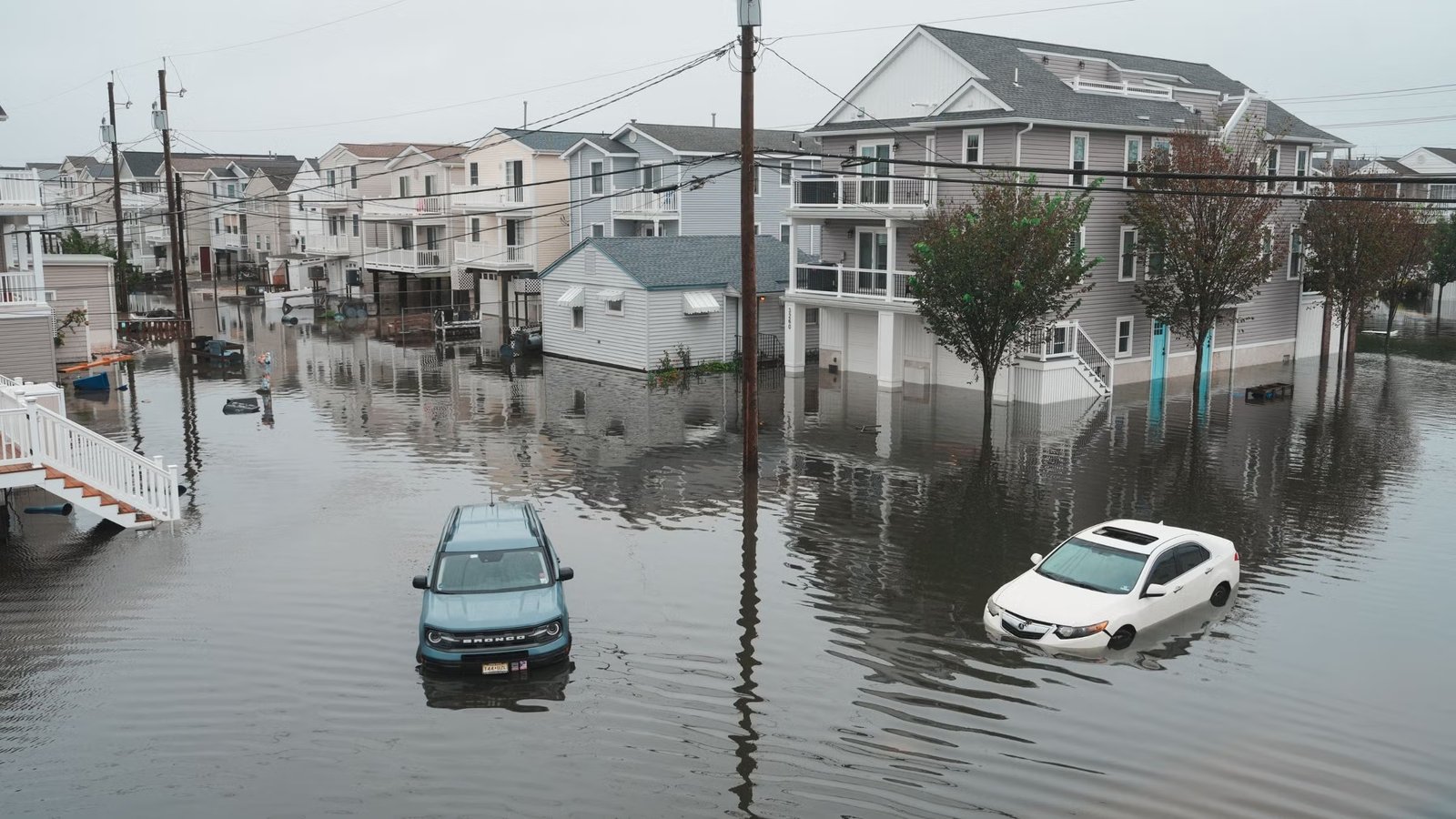
Key takeaways: A rare super El Niño could bring extreme weather, severe flooding, and altered snowpacks this winter. Outside contributor Jen Murphy talks to scientists and weather experts to find out how it will affect major travel destinations this year, and how travelers can prepare for extreme weather and protect their trips.
Bad weather has always created inconveniences during my travels. Bound to have some bad luck. But these days, weather-related disruptions have become a fixture of my trips. Two weeks ago, while on assignment in Bhutan, heavy rains derailed my trip. Late September is typically the tail end of monsoon season, but this year it felt like the apex. Internal flights were canceled on back-to-back days. The camp I was staying at in Haa Valley flooded. Landslides shut down roads across the kingdom. The storm left my guide and me stranded, and we had to hike by headlamp out of a valley.
My flight back to the U.S. connected through Tokyo the same day deadly Typhoon Dujuan was bearing down on Japan. Another canceled flight meant I got stuck in Bangkok for two extra days, leaving me with just 72 hours at home before I had to board a plane to Morocco for another assignment. This time, the early-season nor’easter that clobbered the United States on September 26 thwarted my flight.
According to experts, the weather is only going to get worse. Delayed travel seems minor in the larger scope of global warming coupled with the rare, record strong El Niño that is forecast for this fall and winter. A normal El Niño event tends to cause higher global temperatures and disrupt rainfall in large regions. A super El Niño can trigger severe weather chaos worldwide, including extreme droughts and severe floods, and its impact can disrupt crop production, wildlife migrations, and more. The World Meteorological Organization expects this super El Niño to reach peak intensity by early 2027, and the University of Chicago’s Climate Impact Lab estimates it could result in 451,000 excess deaths by February.
There is a 75 percent chance that the predicted Super El Niño will become the strongest since records began in 1950, according to the latest forecast from the National Oceanic and Atmospheric Administration. “El Niño is back with a vengeance with the potential to bring Godzilla-strength storms,” says Dr. Jonas Jägermeyr, an associate research scientist at Columbia Climate School and head of climate science for WeatherPromise, a travel protection app that uses AI to provide custom weather guarantees, offering refunds if bad weather ruins your trip.
“Rising temperatures due to climate change coupled with the cyclical pattern of El Niño could drive global temperatures and weather extremes to new highs in 2027,” says Dr. Jägermeyr.
Rains and flooding are predicted to be so extreme in California, where rising seas are destroying beachfront homes, that governor Gavin Newsom already declared a state of emergency to mobilize resources ahead of a potentially historic storm season this winter. As destructive as those West Coast storm systems can be, they also have the potential to bring epic conditions for outdoor enthusiasts, including massive surf to the California coast and big snow dumps in the Sierra Nevadas and southern Rockies. For snow lovers in the Northeast and Europe, unfortunately a strong El Niño winter can mean less snow than usual.
What Is El Niño and What Makes it Super?
El Niño and La Niña refer to the warm and cool phases of a natural climate cycle that takes place across the tropical Pacific. El Niño years are marked by warmer-than-average ocean temperatures in the central and eastern Pacific Ocean, while La Niña years are characterized by cooler-than-average temperatures. El Niño events typically occur every two to seven years and can last anywhere from nine to 12 months, up to a few years.
When sea-surface temperatures in the eastern equatorial Pacific jump 2 degrees Celsius (3.6 degrees Fahrenheit) above average, it’s considered a strong or “super” El Niño, says Marty Ralph, director of the Center for Western Weather and Water Extremes, and research meteorologist at UC San Diego Scripps Institution of Oceanography. There have been fewer than ten since 1950, with the last occurring between 2015 and 2016.
On September 21, the daily sea surface temperature in the central and eastern equatorial Pacific Ocean reached 3.08 degrees Celsius warmer than the 1991 to 2020 average. That’s more extreme than any other El Niño ever recorded, says Dr. Ralph. And as of mid-September, NOAA forecasted sea-surface temperatures in that region could increase by as much as 3.4 degrees Celsius warmer than average this winter.
What Impact Will a Super El Niño Have on the Weather?
A warming ocean is like a pot of boiling water, says Dr. Ralph. “When you boil water it turns into vapor and that vapor contains the latent energy of all of the heat in the pot,” he says. “When that water vapor condenses in the air, heat and energy are released.” The planet’s atmosphere held more water vapor in August than any other month on record. That evaporation can give extra energy to storms and bring unrelenting rain. And when that evaporation occurs over dry land, it can increase drought.
Historically, El Niño typically brings a warmer-than-usual winter to the northern U.S., and a wetter, cooler winter in the South, with a higher likelihood of rain and snow. Strong El Niño events do not happen often and can bring varied outcomes, says Dr. Ralph.
“Looking at the seven past years with strong El Niño—1958, 1966, 1973, 1983, 1992, 1998, and 2016—some years had very exceptional snowpacks in the Sierra Nevada but then others had a below-normal snowpack,” he says. “The dilemma is that the effects can go either way but when El Niño goes big, it tends to go extra big.”
Which Regions of the Globe Will be Impacted?
While El Niño is a global climate pattern, some of the most notable travel impacts this winter are expected across North America, the Caribbean and Pacific islands, South America and parts of Asia, says Nick Cavanaugh, founder of the weather prediction company Sensible Weather, which reimburses travelers for weather even if they don’t cancel their trip. Here’s his forecast:
Southern U.S. and the Gulf Coast
The South is expected to see wetter-than-normal conditions this winter, with the Gulf Coast and parts of the Southeast and Atlantic seaboard facing increased precipitation and heavy rain, flooding and winter storms. For travelers, that could mean more weather-related disruptions, like road closures,particularly for outdoor destinations and coastal resorts.
Northern U.S. and Canada
El Niño typically favors warmer and, in some areas, drier winter conditions across parts of the northern U.S. and Canada. That often means more sleet and ice and less snow in the Northeast of the U.S. as well as throughout Canada.
Western Ski Destinations
Not every ski destination will see the same effect. El Niño can produce a sharp north-south divide in winter precipitation across the West. While the broader El Niño pattern can create more favorable snow conditions in areas like the Sierra Nevadas and Utah’s Wasatch Range, it could mean lower than normal snow levels in the Northeast and Europe.
The Caribbean
El Niño is expected to suppress Atlantic hurricane activity by increasing vertical wind shear, which could reduce the likelihood of tropical cyclone development across the Atlantic and Caribbean during the latter part of the 2026 hurricane season. However, hurricane risk still exists.
Hawai’i and the Pacific islands
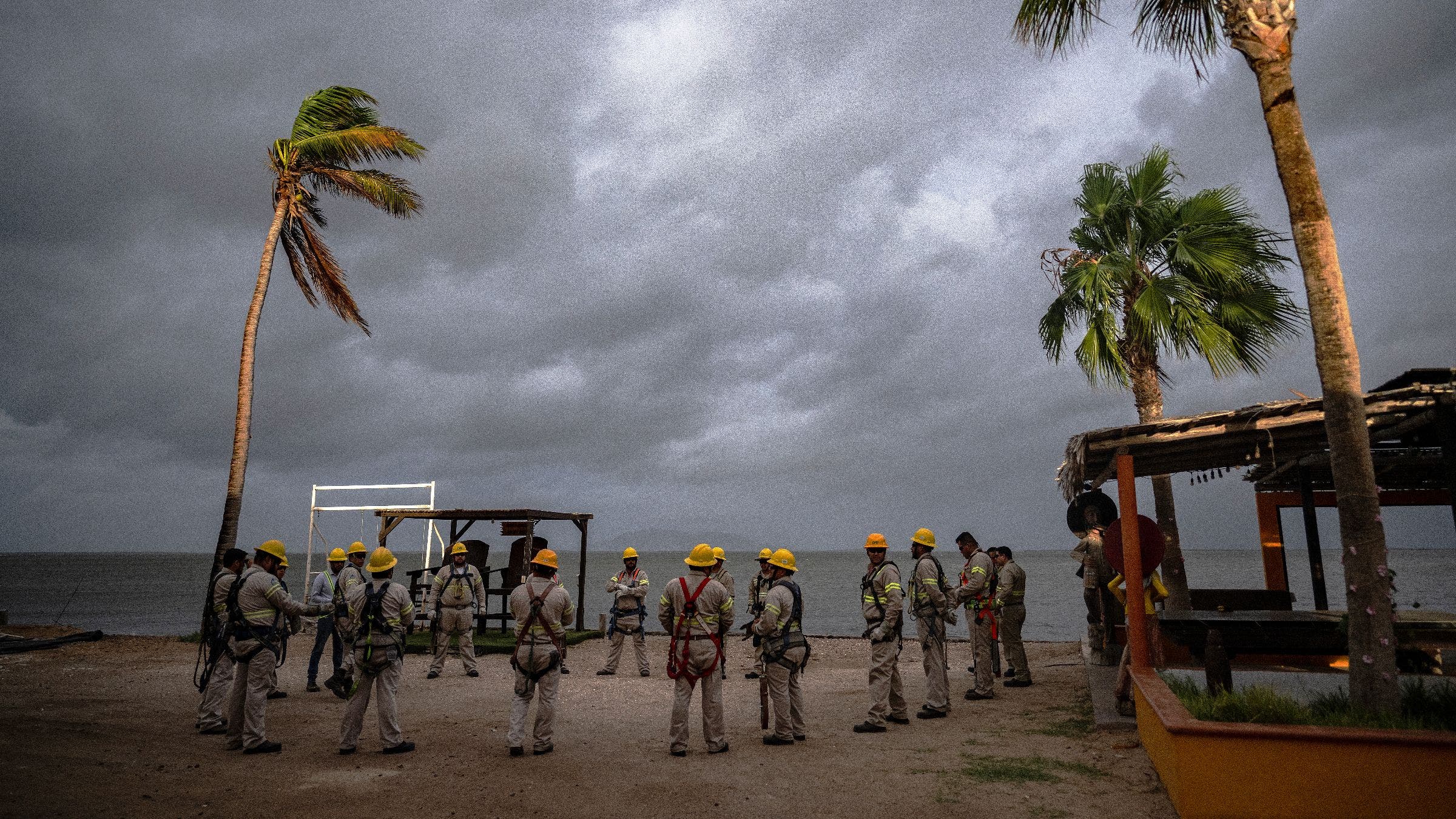
Tropical storm activity in the central and eastern Pacific can increase in El Niño years, making parts of the Pacific more weather-sensitive during hurricane season. Hawaii, for example, has had four major storms threaten the island chain since August, some bringing serious rain and flooding. NOAA also warns that El Niño could elevate the risk of wildfires.
South America
El Niño typically brings wetter-than-normal conditions during December through February to coastal Ecuador and northwestern Peru, increasing the potential for heavy rainfall and flooding. Travelers to these areas should be aware that heavy rain can affect roads and transportation, particularly in mountainous regions.
How Can Travelers Prepare for the Super El Niño?
Weather can no longer be an afterthought for travelers, my sources told me. It has to be factored into the planning of every trip. Last year, I reported a story for Outside on specialized weather guarantee services like Sensible Weather and WeatherPromise, which refund part of your trip costs if weather disrupts your vacation. Here are some other strategies to help salvage your travels when Mother Nature gets in the way:
Wiggle Room is Key
Dan Richards, founder and CEO of Global Rescue, encourages travelers to build flexibility into every stage of a trip. “Book changeable flights and accommodations, avoid tight connections, and know your alternatives before you leave,” he says. “If you absolutely need to be somewhere—for a cruise departure, expedition, or international connection—build extra time into the itinerary. Arriving a day early can be a small price to pay compared with missing an entire trip because severe weather disrupted the transportation system.”
Have a Plan B and C
Cavanaugh, of Sensible Weather, says travelers should identify the parts of a trip that are truly weather-sensitive, such as ski days, beach days, golf tee times, camping or other outdoor activities, and then make sure there is a backup plan. “For ski trips, be prepared for varied weather conditions, and plan activities that may not hinge on a perfect powder day at the slopes,” he says. “For beach, golf, and resort travel, prioritize properties that offer flexible policies, plenty of indoor amenities, or weather-related reimbursement options.”
Act on the Warning, Not the Weather
With today’s technology, most major weather events come with advance warning. “The mistake is waiting until the storm arrives to react,” says Richards. “If forecasts indicate conditions are deteriorating, make changes early—before flights are canceled, hotels fill, roads become congested or evacuation orders are issued.” And severe weather does not have to strike your destination to disrupt your trip, he cautions. “A storm hundreds or thousands of miles away can affect aircraft, connecting airports, rail service and transportation networks. Travelers need to monitor the places they are traveling through as closely as the place they are traveling to.”
Prepare for the Systems Around You to Fail
Electricity, cellular networks, electronic payments, fuel supplies, and local transportation can all get knocked out due to severe weather. Richards suggests travelers keep devices charged, carry backup power, maintain access to emergency cash, and keep passports and important documents immediately accessible.
I will definitely be monitoring the weather and preparing more diligently ahead of trips this fall and winter. As Global Rescue’s Richards says, “preparation gives travelers something extremely valuable during a disruption: options.”
The severity of this Super El Niño intensified with the effects of global warming has me thinking a lot about the options and choices we all have to tread more lightly on the planet. For me, that means buying used gear, using public transportation in Colorado, such as the Amtrak Winter Park Express train from Denver to Winter Park Resort, to get to the mountains. And when I do fly, choosing resorts that are closer to home and/or resorts with admirable sustainability efforts like Taos Ski Valley, which is both B Corp and CarbonNeutral certified. But the biggest opportunity to make an impact is coming up this November, when elections give me the opportunity to use my vote to help influence policies that can do some good for our planet.
Jen Murphy is a regular contributor to Outside. She hopes the Super El Niño brings snow to the Rockies and surf to Hawaii.
