

Published September 29, 2026 03:27PM
Outside contributor Ben Ayers spoke with officials in Nepal about the deadly avalanche on Himlung Himal, and the search for survivors and bodies in the aftermath. Ayers has lived in Nepal for more than 20 years and oversees Outside‘s coverage of Mount Everest.
There’s been another deadly avalanche on a Himalayan peak in Nepal, and the most recent disaster has killed multiple workers within the country’s mountaineering industry.
On September 26, an avalanche hit the Base Camp at 23,379-foot Himlung Himal near Nepal’s Annapurna region. The slide enveloped sleeping tents and communal areas, burying them under multiple feet of snow.
Searchers dug through more than 14 feet of deposited snow to try and find survivors. They located the bodies of four mountain workers, but 12 more people are still missing as of this story’s publishing date.
Volunteer rescue workers organized by the Nepal National Mountain Guides Association (NNMGA) confirmed on September 29 that they were calling off the search for the remaining 12.
“With only eight people on scene, our manpower wasn’t enough to continue the search,” Tul Singh Gurung, NNMGA’s president told Outside. “The snow was 14 or 15 feet deep, which made the search extremely difficult.”
Gurung cited dangerous conditions at the foot of the peak for ending the search.
“Finding four bodies confirmed that we wouldn’t find any survivors,” he added. “So we decided to postpone the search until later.”
A death toll of 16 people would make the avalanche one of the deadliest Himalayan climbing disasters in recent years. In 2022, a slab avalanche on Draupadi Ka Danda II in India’s Himalayas killed 29 people, and in 2014, an ice avalanche left 16 Nepali workers dead on Mount Everest.
The search on Himlung Himal was led by veteran guide Mingma G, whose company, Imagine Nepal, had two employees go missing in the avalanche. The other 14 were working for outfitter Himalayan Holidays.
“We had rushed up in the hope of finding survivors, but we had no luck,” Mingma G wrote on Instagram on September 28. “The avalanche was enormous—no one had believed that Himlung Base Camp could experience something of that scale.”
Where Is Himlung Himal?
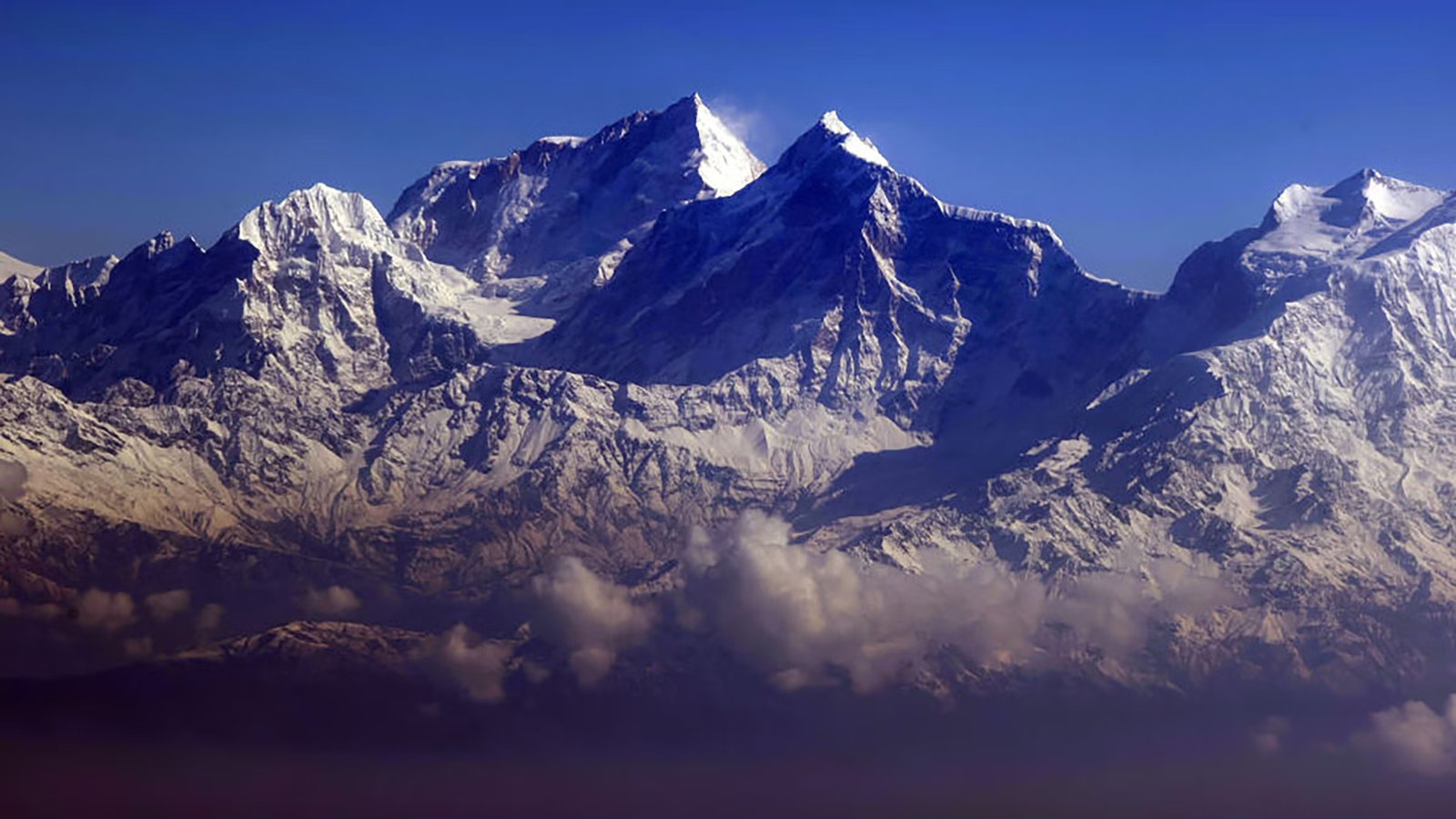
Within Nepal’s mountaineering industry, Himlung Himal is one of the country’s more popular 7,000-meter peaks. Guiding companies organize expeditions to the peak in October and November, and aspiring climbers often use the peak as a stepping stone ascent prior to Mount Everest or another mountain above 8,000 meters (26,000 feet).
Guiding companies describe the climb as a “moderate to difficult” ascent that takes in glacier travel, steep slopes of snow, and climbing with fixed ropes.
“This isolated tranquil peak is a perfect blend of beauty, adventure, and learning experience for aspiring mountaineers,” writes Nepali guiding firm 8K Expeditions on its website.
“Climbers will need climbing boots and crampons from Camp II and above,” guiding firm Imagine Nepal writes on its website. “Climbing from Camp II to the summit is suitable for anyone who wishes to experience the 7000-meter altitude range and is suitable for climbers of all grades.”
The Base Camp sits at 16,000 feet on the peak’s eastern side.
A Cyclone Blankets the Himalayas in Deadly Snowfall
The avalanche struck after a tropical cyclone brought heavy rain and snowfall across Nepal for three consecutive days. Climbers who waited out the storm at the Base Camp on 26,795-foot Dhaulagiri, about 50 miles west of Himlung, told Outside that the storm dropped nearly seven feet of snow, with much more falling higher on the mountain.
In anticipation of the storm, expedition operators called off the record-setting climbing season on 26,781-foot Manaslu, evacuating over 490 paying clients and hundreds of mountain workers from the mountain before the snowfall began.
Gurung told Outside several mountain workers tried to leave the Himlung Base Camp during the storm, before the avalanche occurred. But they were unable to evacuate due to the heavy snow, and turned back.
The Latest Deadly Avalanche of 2026
This is the latest event in a uniquely dangerous three months for the mountaineering community. Ten climbers, including celebrity guide Nirmal “Nims” Purja, died in an avalanche on Broad Peak in Pakistan in late July.
Then, in August, catastrophic flash flooding along Nepal’s Bhote Khosi and Trishuli Rivers killed 1,400 people and left 6,000 more missing. Many of the people impacted by the flood are workers in the country’s tourism industry. In mid-September, four people died on Manaslu—two were killed by an avalanche.
Gurung told Outside he is worried that the various disasters will have a negative impact on Nepal’s struggling tourism industry. To prevent future incidents, he advises tourists to hire veteran guides.
“Mountaineering is inherently high risk at every step. The most important thing climbers can do is to hire experienced, qualified manpower, even if it costs more,” he said. “This is very important. The mountains will always be there, but if we make poor decisions, our lives won’t.”
