


Recent reports of a fatal plague case in Siberia are making headlines, but outdoors enthusiasts don’t need to look across the globe—Yersinia pestis is active in the American West. Here’s what hikers, campers, and dog owners actually need to know.
(Photo: Oscar Wong/Getty Images)
Published October 7, 2026 04:13PM
What to Know: Although rare, Yersinia pestis remains active in the western U.S., infecting an average of five to seven people each year primarily through flea bites or contact with infected rodents and pets. Hikers can stay safe by keeping pets leashed and up-to-date on flea treatments, avoiding wildlife carcasses, and applying DEET or Picaridin repellent.
After a laboratory worker in Russia died from a suspected pneumonic plague infection while handling a test tube containing the pathogen, international authorities say they are closely tracking the situation. The tragedy is a reminder that Yersinia pestis, the pathogen responsible for bubonic and pneumonic plague, is still very much alive on public lands across the American West. Here’s what hikers need to know to stay safe.
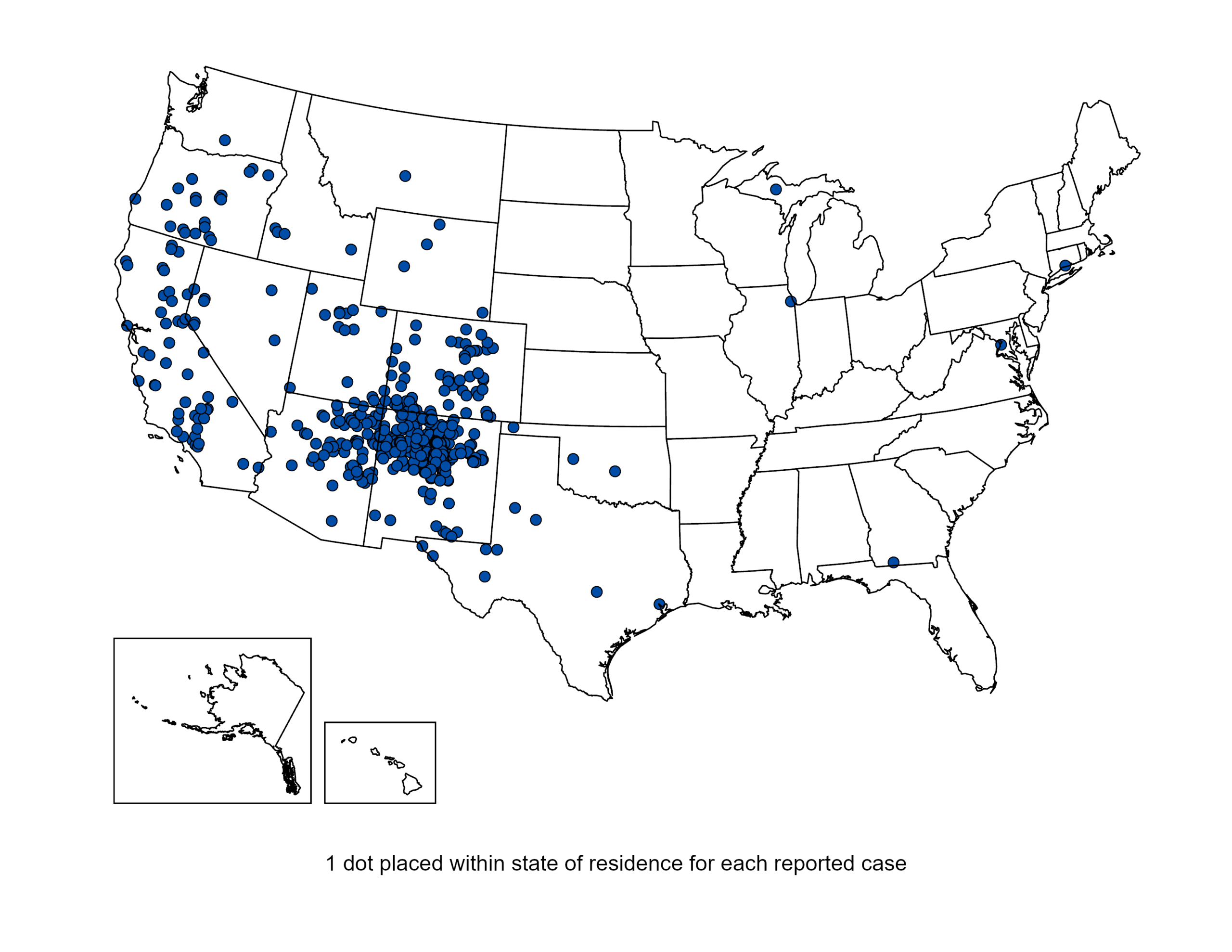
Y. pestis lives in North American wilderness systems, and according to the Centers for Disease Control and Prevention (CDC), an average of five to seven people will become infected with the plague every year in the U.S. Most cases are in New Mexico, Arizona, Colorado, California, Oregon, and Nevada. Most of these cases are the bubonic plague—both infections are caused by the same bacteria, but differ in how they attack the body, spread, and progress.
What Is the Plague?
During the 14th century, the Black Death killed between 75 and 200 million people around the world, marking one of the most fatal pandemics in human history. Although rare, the plague is still a modern disease. In June 2026, a woman in her fifties from New Mexico died of the plague, according to the New Mexico Department of Public Health. An Arizona man died of pneumonic plague in July 2025, while two other people from New Mexico were infected that same year. The list goes on—in January 2024, a 73-year-old man was diagnosed with the bubonic plague after coming into contact with an infected cat, and a Colorado man was infected through a flea bite. A New Mexico man also died of the plague that same year.
In 2013, Outside profiled the story of Paul Gaylord, an Oregon man who survived the plague after he was infected by his sick cat.
How Do Hikers Encounter the Plague?
Hikers can become infected by the plague when they are bitten by an infected flea, which can jump from rodents to people or their pets. Dogs and cats who carry fleas can become a vector for disease, bringing the pathogen back to tents or vehicles.
Sylvatic plague is a flea-borne bacterial disease that regularly kills up to 100 percent of infected prairie dog colonies during outbreaks in the American West, according to Morris Animal Foundation. These die-offs impact local ecosystems, and infections can spread to other animals, rodents, pets, and people who come across their carcasses.
Early Symptoms and Risk
Both bubonic and pneumonic plagues are caused by the same bacterium, but differ in how and where they infect the body. Pneumonic plague is primarily transmitted through breathing in respiratory droplets, including between people. Bubonic plague spreads mainly through flea bites.
According to the Colorado Department of Public Health and Environment, the plague can incubate for up to a week with symptoms that include fever, headache, abdominal pain, pneumonia, and shock.
Bubonic is the most common form of the plague and is associated with the development of painful inflammations of the lymph nodes called buboes within 24 to 48 hours of infection.
Plague infection can be fatal and requires rigorous treatment as soon as possible.
How to Stay Safe on the Trail
Hikers can take practical steps to avoid coming across animals infected with the plague. The National Park Service says to keep a safe distance from wildlife, have pets leashed, and keep them up-to-date on flea and tick prevention. This will reduce the likelihood of coming across an infected rodent or insect.
Insect repellent can also help keep infected fleas and ticks away, like putting DEET or Picaridin on lower legs, skin, and clothing.
