

Updated October 20, 2026 02:07PM
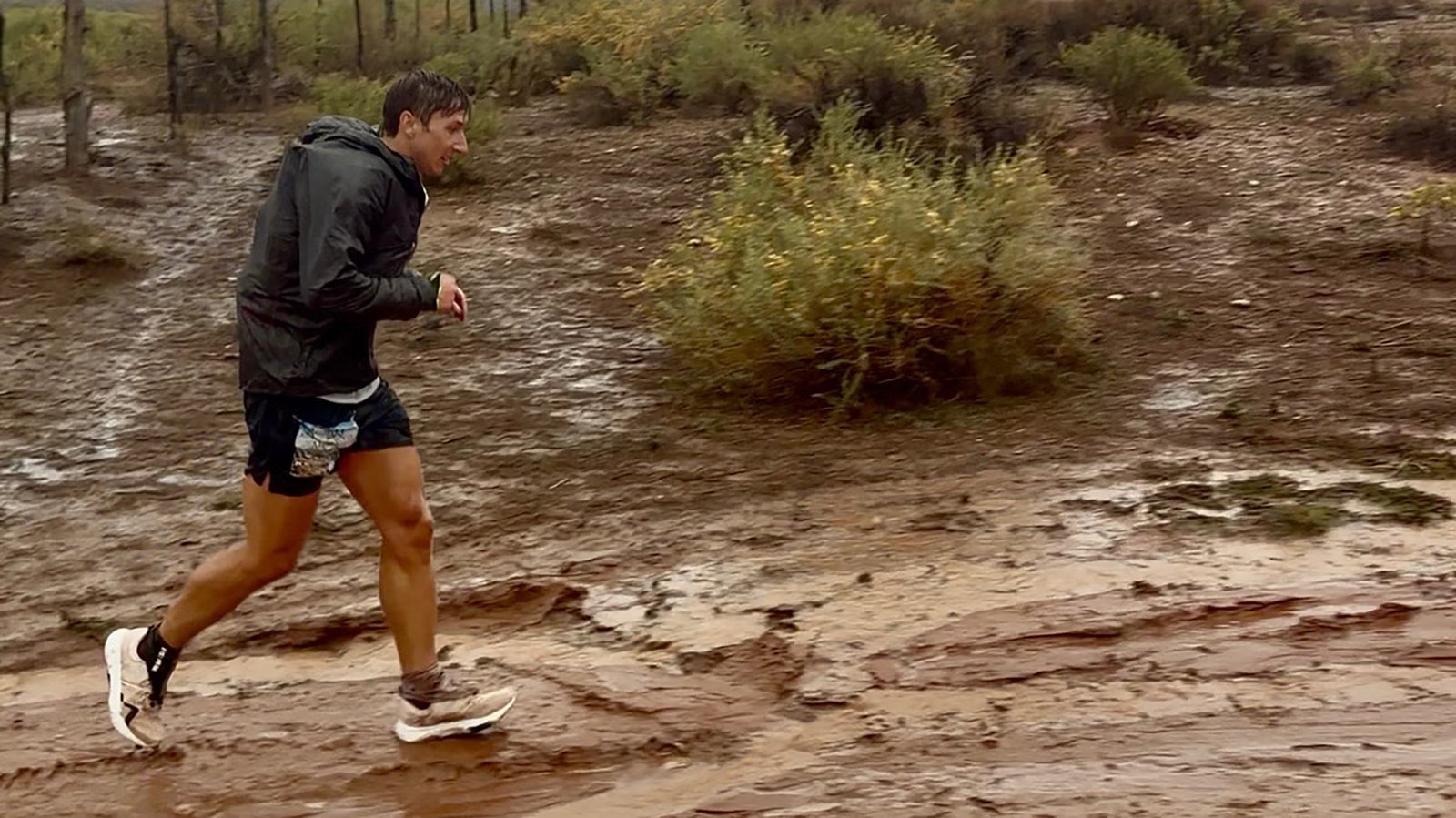
Ultramarathon runner Aaron Kubala was leading the Moab 240 trail race in Utah on October 11 when severe weather caused flash flooding and deadly winds. Race organizer Destination Trail eventually called off the event, prompting a flurry of reactions from runners and crew on social media. After that setback, Kubala, 31, was hospitalized with Rhabdomyolysis. He told Outside what it was like to endure the ordeal.
It was day two, and I had been running in pouring rain for 12 hours, from Road 46 through Pole Canyon and to the long climb up Geyser Pass. Once I got above 10,500 feet elevation, the rain stopped and it got extremely cold. I was soaked to the bone. I couldn’t stop shivering.
Then the wind started gusting at 50 miles per hour.
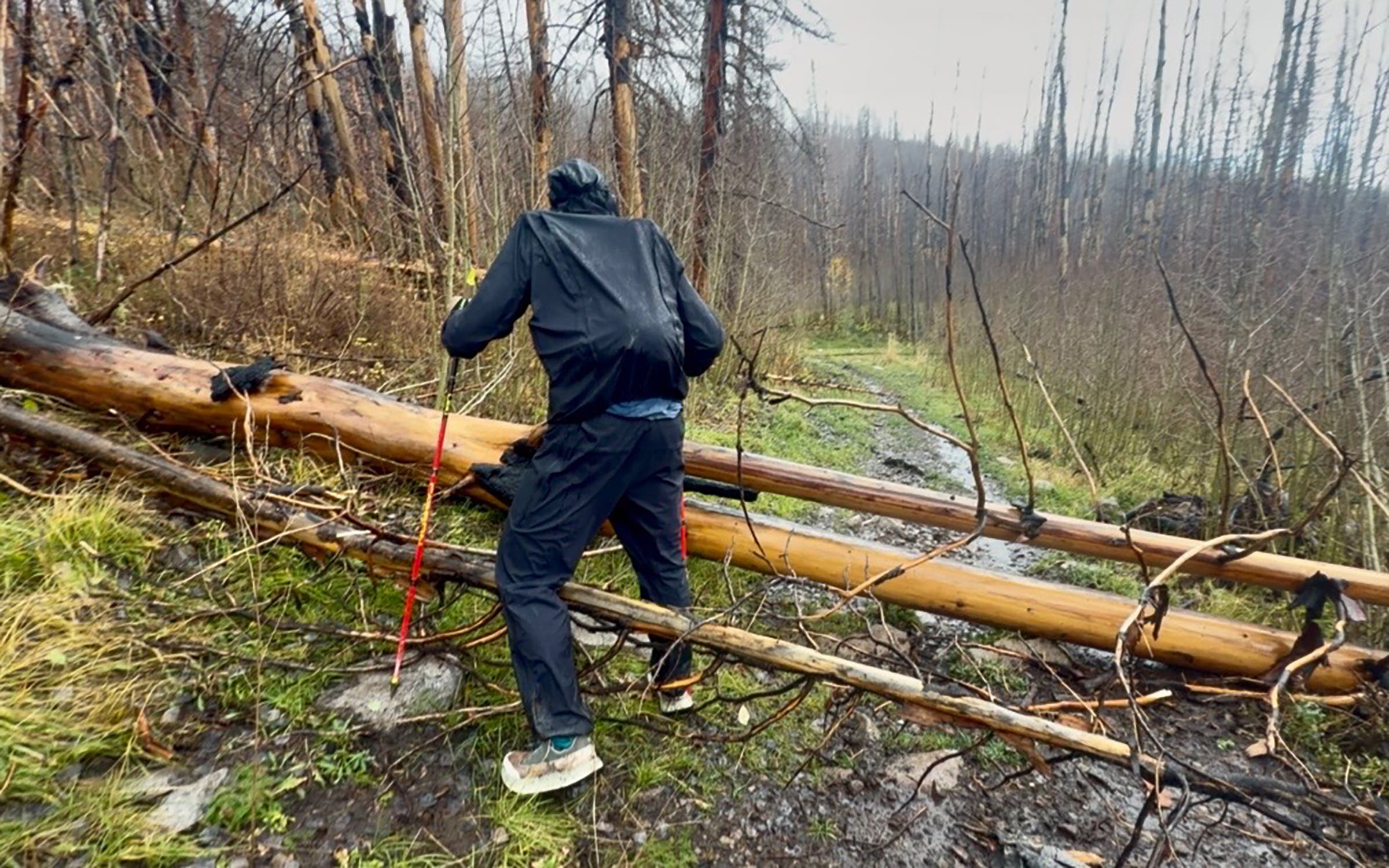
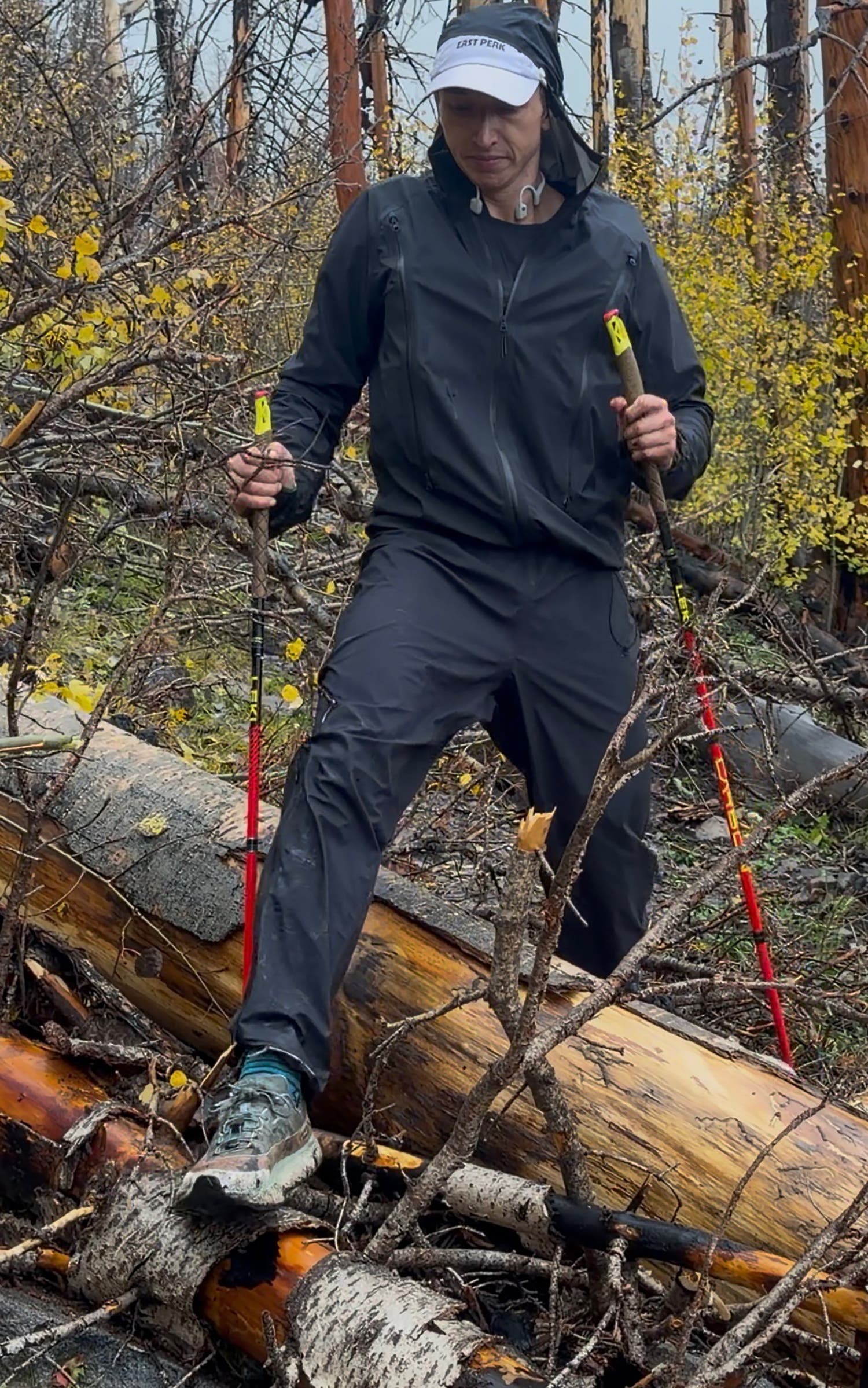
This was mile 180, and I entered a section that goes over ridges and canyons filled with dead trees, thousands of them. The wind would blow and I’d hear hundreds of trees crack and fall over. The whole forest echoed with the sound of cracking trees. And then the trees started getting blown over very close to me. One fell ten feet behind me, and then another landed five feet in front. It was nighttime and it was a pretty scary experience. You’d hear a tree crack nearby and have no idea where it would land. At times it felt like I was in the middle of a death trap.
My pace slowed. In the past, for this section, I might have been running a 12-minute mile. Now it took me 40 minutes to cover a mile because I’d have to go over or under downed trees. At some point, my mind switched from race mode to sheer survival mode.
Chasing the 200-Miler Triple Crown
My motivation couldn’t have been higher coming into the Moab 240. I was chasing the 200-miler Triple Crown record (combined time for the Tahoe 200, Bigfoot 200, and Moab 240). I knew I was faster at Moab 240 than the time I’d needed to beat it. I wanted to get the Triple Crown record and also the course record for Moab 240 (55 hours, 49 minutes, 48 seconds).
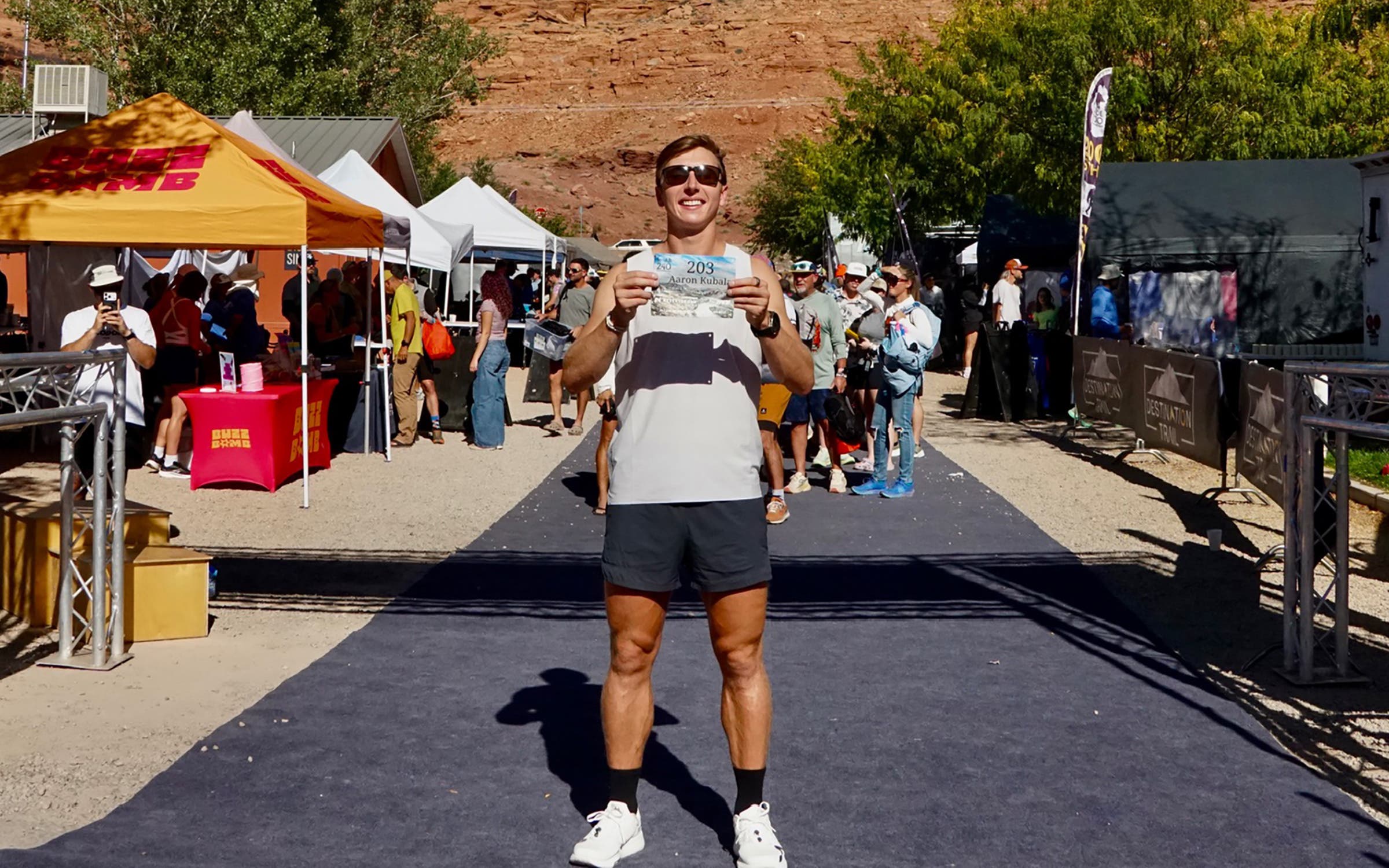
I lost my mother several weeks before the Tahoe 200 in June, and I’ve turned my racing campaign into a fundraising effort for Breast Cancer research. Having this extra mission alongside my own personal goals has given me a ton of motivation during the season.
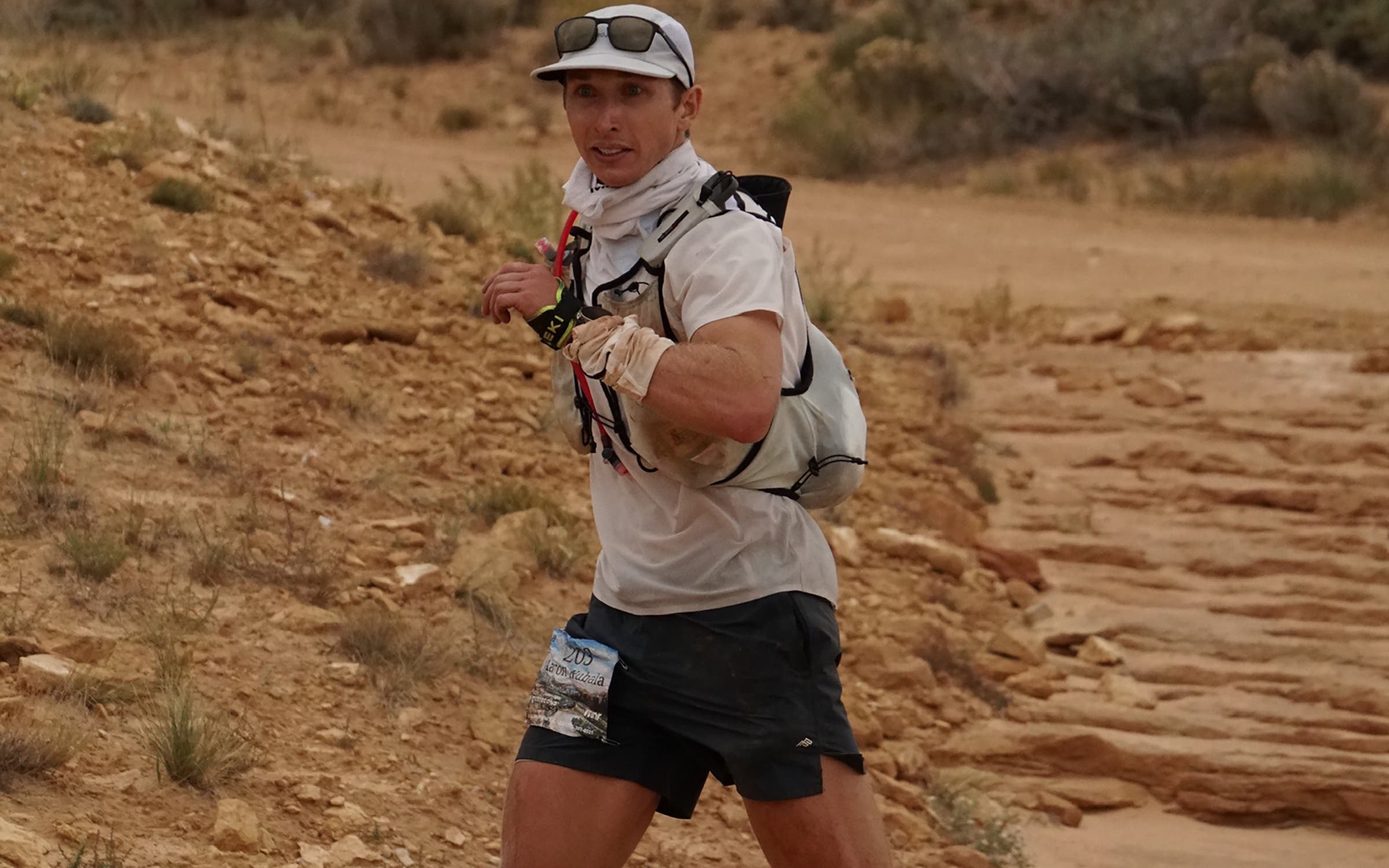
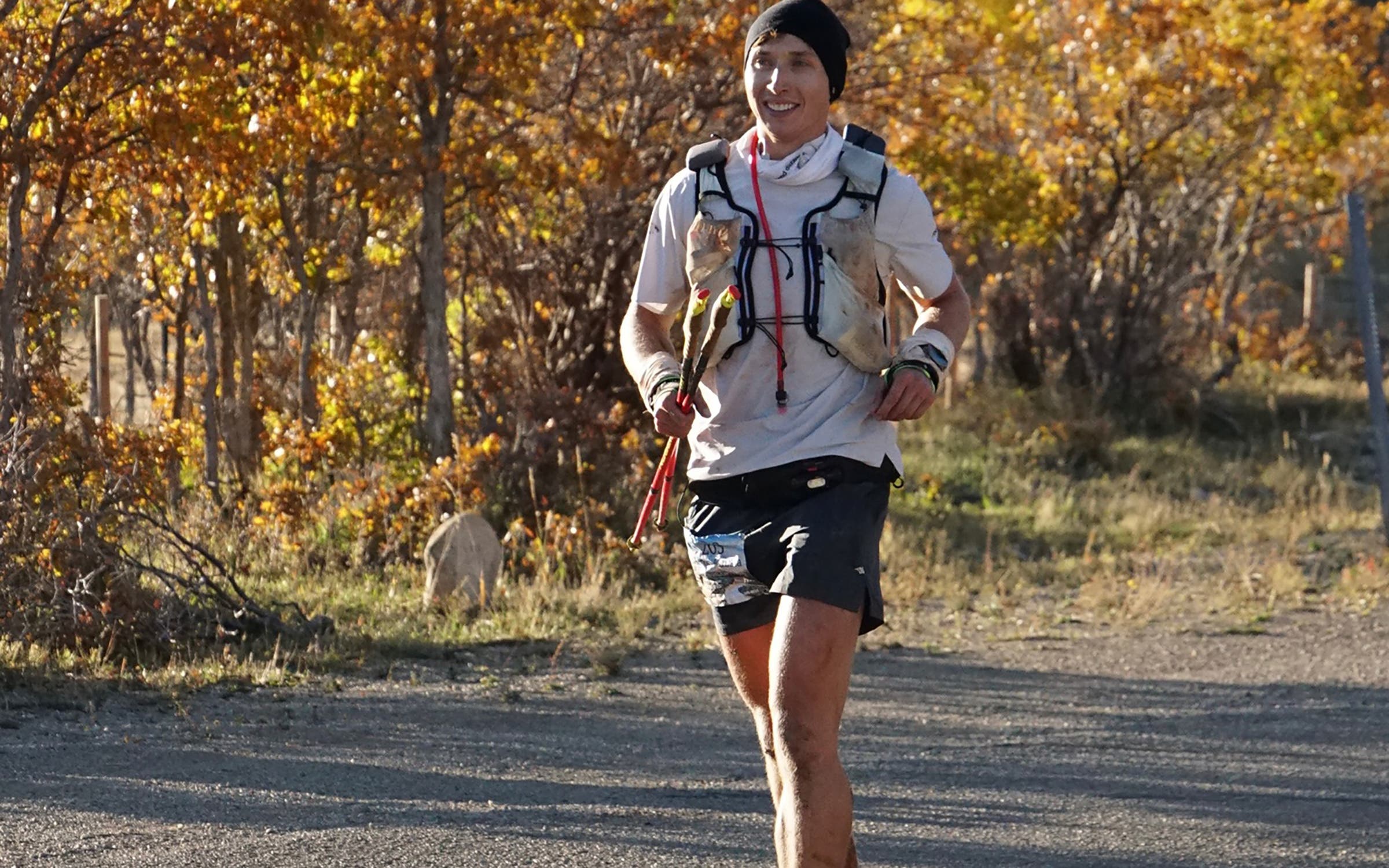
I led the Moab 240 from the start, and I had my pacing plan extremely dialed. I was ahead of the course record. The first two days were phenomenal, and I shared the trail with my pacers. We ran through the beautiful Moab terrain. It’s one of my favorite places in the USA to run because of the scenic views you get of the desert.
Honestly, it was almost a perfect race until the end of day two, which is when we start climbing into the La Sal Mountains east of Moab around mile 180.
Mixed Feelings When the Race Is Canceled
The bad weather wasn’t a total surprise. I could hear my race crews’ phones beeping with weather alerts, even though they didn’t want to tell me about it. Also, you can see the La Sal Mountains from 50 miles away, and as I approached them, could see that they were covered in thunderstorms.
Because I was ahead of the other racers, I didn’t get caught in any of the flash flooding or river crossings that were documented on social media. I got caught in pouring rain and had to deal with the trail being washed out, but I never had to cross a river with water up to my chest.
I trusted the race organizers that if the situation became too dangerous, they would do something about it. I actually got in touch with them at the Pole Canyon aid station and told them the trail was completely impassable with downed trees and mud, and that the runners behind me would have a really hard time with the terrain.
I was about six miles from the Geyser Pass aid station in a section with a lot of downed trees when my pacer got word that they were canceling the race. I wasn’t surprised—I was almost surprised they hadn’t called it sooner. It made sense, and I didn’t question the decision. But then I thought about what it meant for my record-breaking season, and I was pretty devastated. To have this historic season of mine end in such an anticlimactic way felt empty.
I still think the race organizers made the right decision. I didn’t want any other runner to experience that section of falling trees like I did.
A Desire to Finish the Race
When the race was called off, I did have a brief thought: I should just finish the route. We were less than 30 miles from the finish line, and it was mostly downhill. We just had to enter a wide dirt road section of bike trail and dirt roads, and it would be smooth sailing.
But I knew that the race organization needed to account for everyone, and they wanted me safe at an aid station. It felt better to be compliant.
Afterward, I saw some participants saying they wished the race would allow them to finish on their own, despite the danger. I just think some racers didn’t really understand the gravity of the situation. Most people never made it to the La Sal Mountains where they could have seen just how dangerous it was. It wasn’t safe for anyone to be out there. They would have been jeopardizing search and rescue resources if someone had been hit by a downed tree.
An Unplanned Trip to the Hospital
When I was running on day two I was having back spasms, and at some point I had a lot of trouble picking up my legs to climb over the blown down trees. I’d never had that before. I still felt strong enough to have finished the race, but looking back on it, something was wrong.
After the race, I was having hematuria, or blood in my urine. And the next day I was still peeing blood, so my partner and I checked into the emergency room in Moab. Eventually, I was airlifted to the University of Utah Hospital in Salt Lake City.
I was diagnosed with rhabdomyolysis. I’ve never had it before, so I didn’t know the symptoms. The doctors don’t have a sense of what caused it. They think the hypothermic shivering for 12 hours may have contributed negatively to it.
It’s been a week since the race endee, and I’m still in the hospital. I wish the race would have awarded positioning finishes to the athletes, because it was pretty clear where we were on the course, and I’d love for it to count for something. I don’t know if that will happen. But having something to acknowledge our accomplishments, despite the conditions, would be great.
As told to Frederick Dreier. Edited for length and clarity.
