

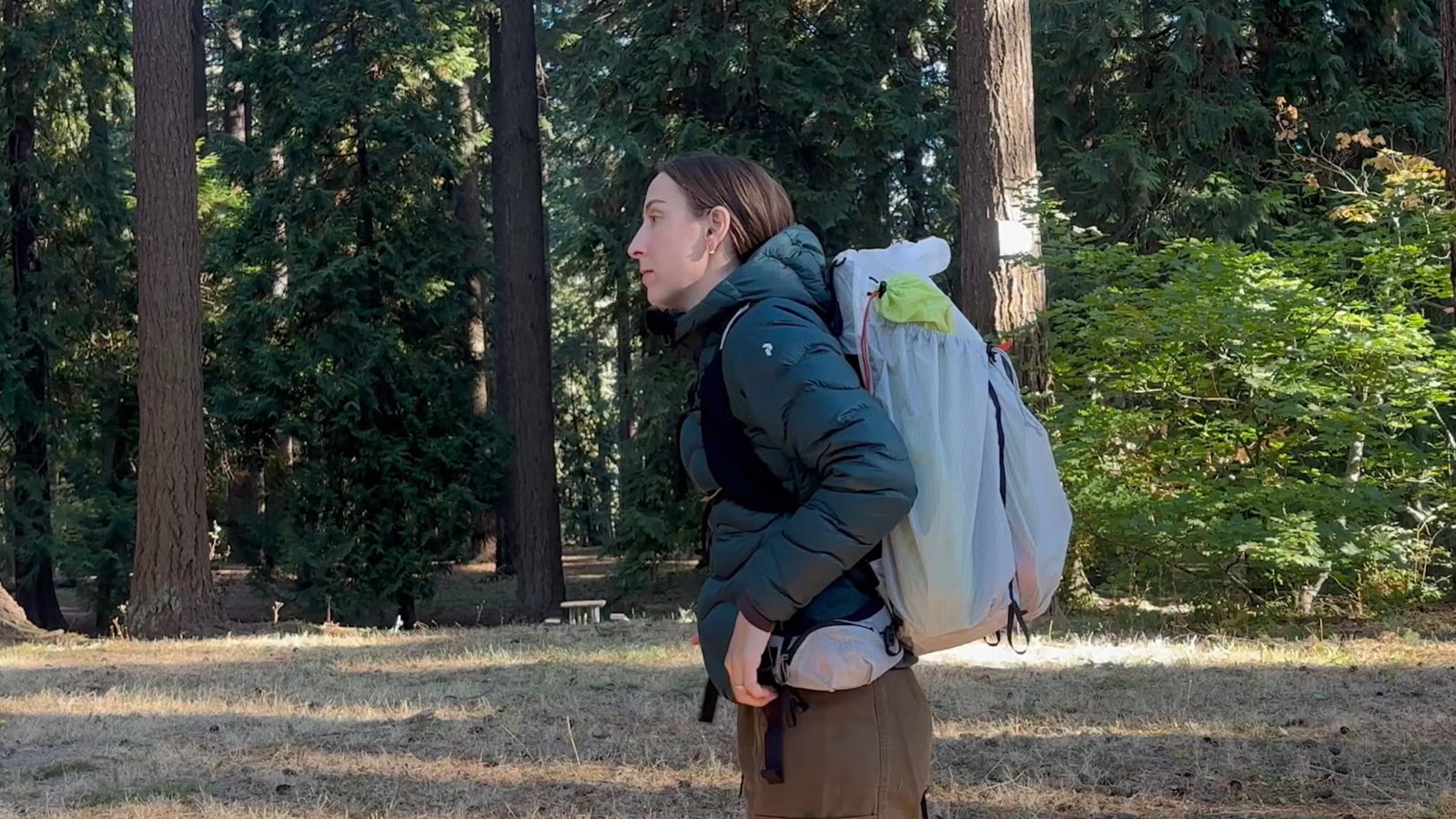
Carrying a heavy pack flares up my neck, shoulder, and upper back problems. I’m lightening my load—and bringing recovery tools—to make life on the trail more manageable.
Published October 23, 2026 03:03AM
How We Reported This: The author has chronic back pain, but she’s not ready to give up backpacking. Instead, she’s editing her kit to include lightweight backpacking gear, from her Mountain Hardwear Alakazam 45L pack to her Exped Ultra 6.5R sleeping pad, to make overnight trips more manageable and comfortable.
A combination of old injuries, a couple car accidents, working most days at a desk, and stress I tend to carry in my body has left me with chronic upper back, neck, and shoulder pain. On my worst days, I can hardly turn my head from side to side, and a sharpness radiates from my shoulder blades to the base of my skull. Flare-ups like these can make the idea of shouldering a heavy backpack over many miles and sleeping on the ground sound like the death of me.
Despite it all, I’ve never considered giving up backpacking (or my other outdoor hobbies) because of my back. Instead, as I’ve gotten older, more prone to injury, and less tolerant of pain, I’m paying closer attention to how much weight I’m carrying (and my posture). The ultralight lifestyle isn’t entirely for me—what do you mean my 500-page novel is discouraged?—but I’m taking a page out of the UL book and looking for lightweight backpacking gear that reduces backpacking’s impact on my body to make time on the trail more comfortable.
As I’ve whittled down my backpacking kit, I’m aiming to drop my base weight from about 22 pounds to 15 without sacrificing support or comfort. That means swapping in lighter gear where I can and making room for a recovery tool to ease back pain after long days on the trail.
Mountain Hardwear Alakazam 45L Ultralight Backpack
My previous backpacking pack weighed close to 4 pounds. The Mountain Hardwear Alakazam 45L weighs just under 2 pounds but still has all the features I want in a backpacking pack, such as a sturdy and supportive aluminum frame. The frame attaches to the hip belt at the center back for even weight distribution, and the load lifters and GiddyUp Compression System help cinch the load.
Weight savings come from the zipperless design—the roll-top opening is wide and easy to pack and unpack—and the waterproof ALUULA Graflyte V78 shell fabric. Unlike Dyneema, ALUULA bonds ultra-high-molecular-weight polyethylene fibers to a polymer film without adhesives, making it more resistant to delamination, abrasion, and tearing.
A large front stash pocket and two oversized, dual-entry water bottle side pockets offer plenty of storage (though reaching behind my back for a bottle is awkward without taking off the pack or asking for help). For backpacking with back pain, I’ve found that the running vest-style straps keep the load close to my body and help distribute weight across my chest, rather than concentrating pressure on my shoulders.
NEMO Hornet OSMO Ultralight Tent
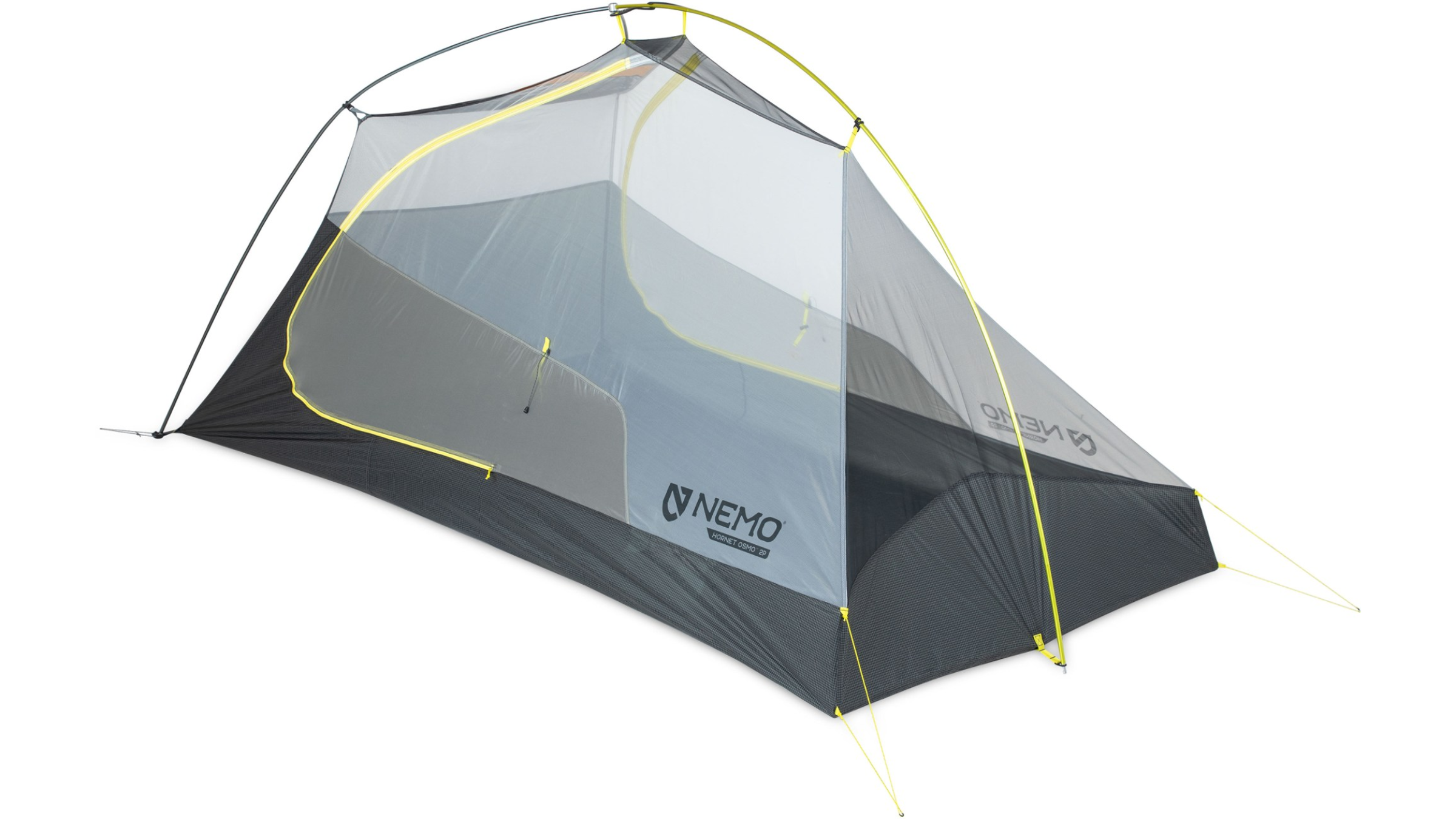
Because I usually backpack with a partner, I can split the weight of our shared gear between us. That means I don’t need the absolute lightest tent, cook set, or stove. Still, with a packed weight of 2 pounds 8 ounces, the semi-freestanding NEMO Hornet OSMO is impressively light even if I carried it solo. Split between two people, the tent’s weight comes to a little over a pound per person. The single hub makes for a quick setup, and the 27.7 square feet leaves just a little extra room for gear or a dog compared to roomier tents. The vestibule adds 7.1 square feet on each side, though. Peak height is 39 inches, which, for shorter people like myself, is plenty. My favorite feature is the overhead nightlight pockets for reading before bed. With a tent so light and compact, perhaps I have space for that 500-page novel after all.
Exped Ultra 6.5R Lightweight Sleeping Pad
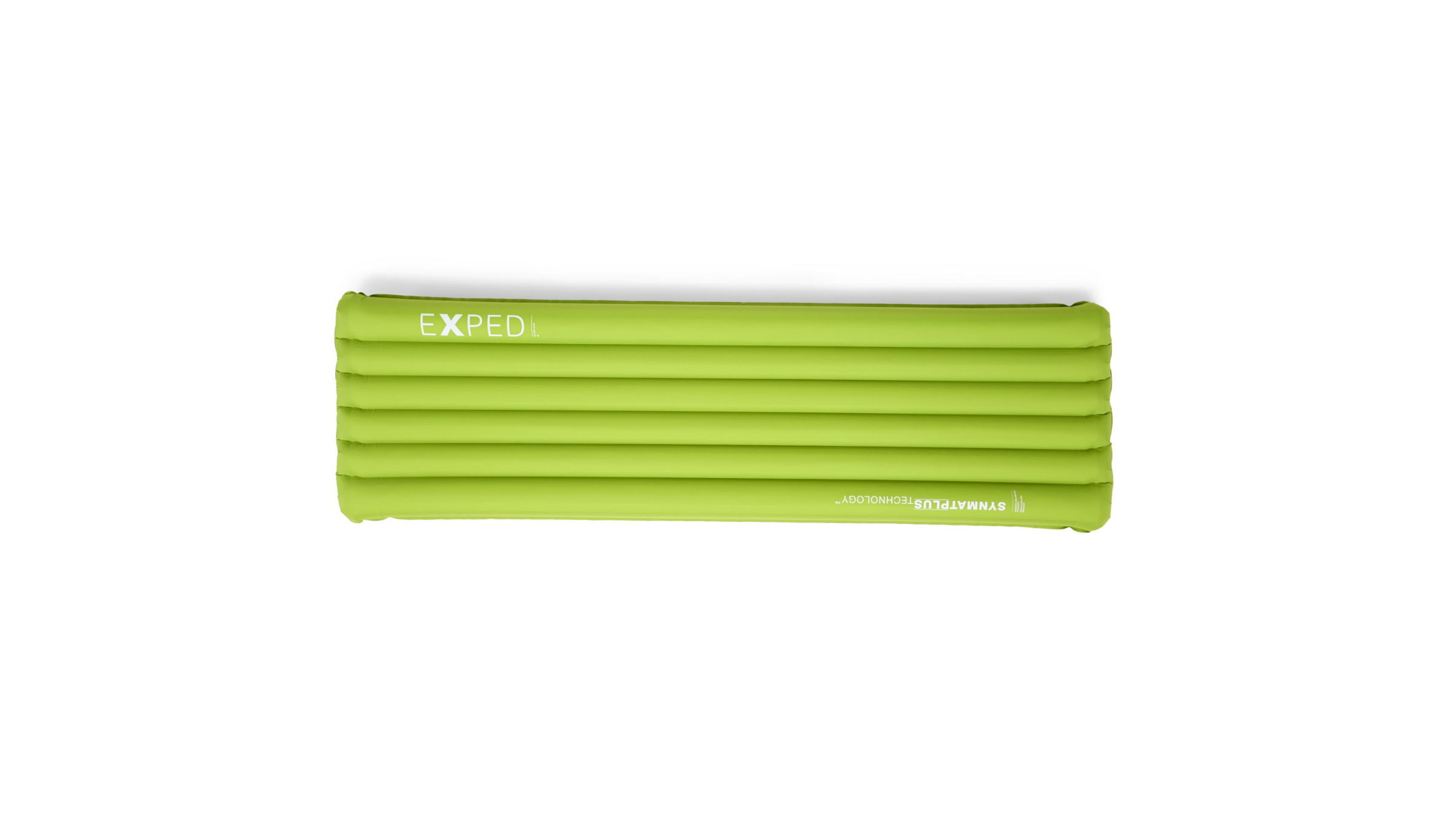
As if hiking with a loaded pack isn’t enough to aggravate my back, add in spending the night on the hard ground. But if you’re looking for the best sleeping pad for back pain, the Exped Ultra 6.5R is a standout contender. Earlier this year, Exped launched its lightest and warmest sleeping pad to date: the Ultra 6.5R. After a summer of testing it on backpacking and camping trips, I was surprised by how much cushioning it provided between my spine and the forest floor. Its 3.5 inches of loft help keep rocks and roots from becoming pressure points, while its 6.9 R-value makes it suitable for year-round use, even when temperatures dip below freezing.
Despite all that padding and insulation, the regular rectangular version weighs just over a pound and packs down small. Raised side rails help keep me centered on the mat, too, so I’m less likely to roll off in the middle of the night. It won’t eliminate my back pain, but having a more supportive place to lie down makes waking up ready to hike again that much easier.
Exped Down Pillow
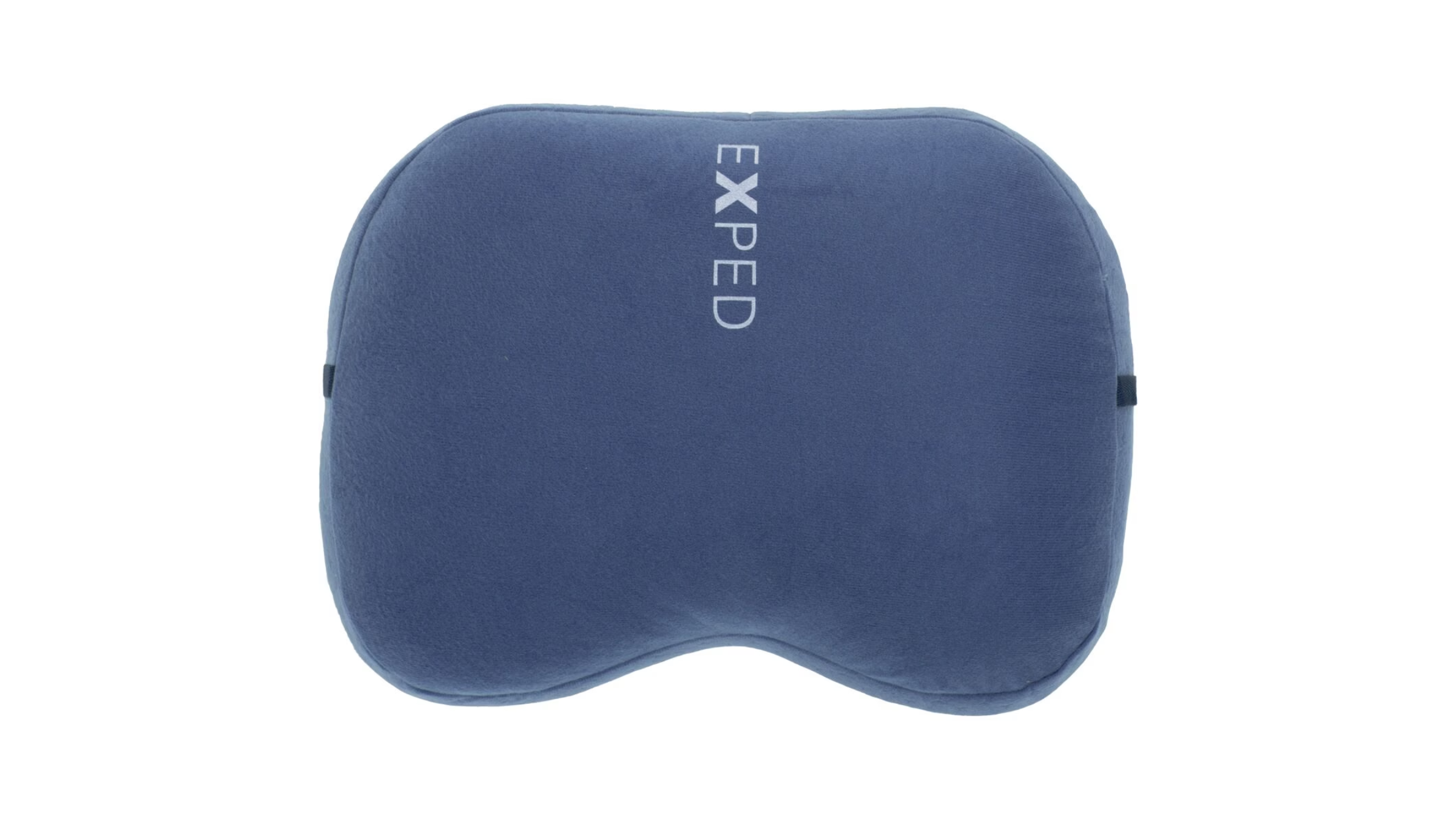
I have friends who use their extra clothes in a stuff sack as a pillow, and I’ve tried it too. But I always wake up with a crick in my neck that derails the day and regret not bringing a real pillow. These days, lightweight backpacking pillows weigh so little that saving a few ounces hardly seems worth the trade-off. I like a pillow with a microfiber exterior that doesn’t stick to my face, and the Exped Down Pillow is small and light enough at 5.3 ounces (size medium) to feel negligible in my pack. Filled with air, it’s easy to adjust the firmness to tuck between my shoulder and chin, and perfectly cradle my head. No headaches to start the day with this companion.
Recovery Tools: Wave Tools Therapy Cupping Set
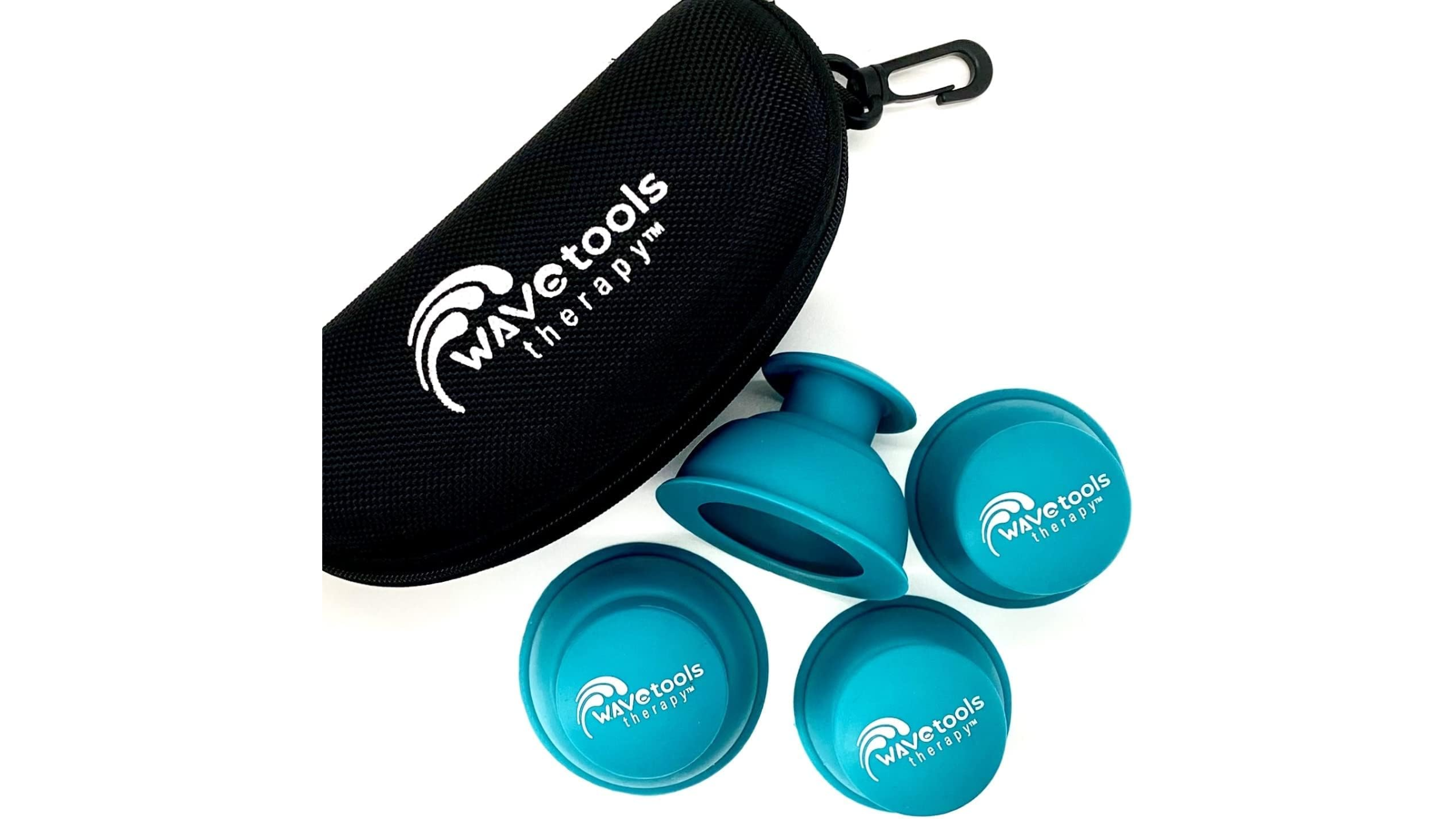
On a hut-to-hut run in New Hampshire’s White Mountains several years ago, a fellow runner packed a lacrosse ball to roll out tight muscles. I thought he was ridiculous for carrying the extra weight—until the last evening, when I borrowed it for my tight IT bands and knotty back. Now, I rarely head into the backcountry without some kind of recovery tool. I’ve used these silicone cups weekly since 2019, and I’ve even packed one single cup along on backpacking trips. At 1.3 ounces, it’s 4 ounces lighter than a lacrosse ball. Sport cups use suction to lift the skin and underlying superficial tissue, potentially increasing local blood flow and temporarily relieving pain. Evidence for cupping’s effectiveness is limited, but I’ve found it provides short-term relief at the end of a long day. Once I get to my campsite, I apply a CBD balm or oil to the sore area and suction one of these cups to the spot for 5 to 15 minutes. I can feel my knots fade in real time.
