

Published October 24, 2026 03:06AM
A flurry of rescues on California’s Mount Shasta this year has prompted officials to remind hikers that the popular 14,179-foot peak is also dangerous and potentially deadly.
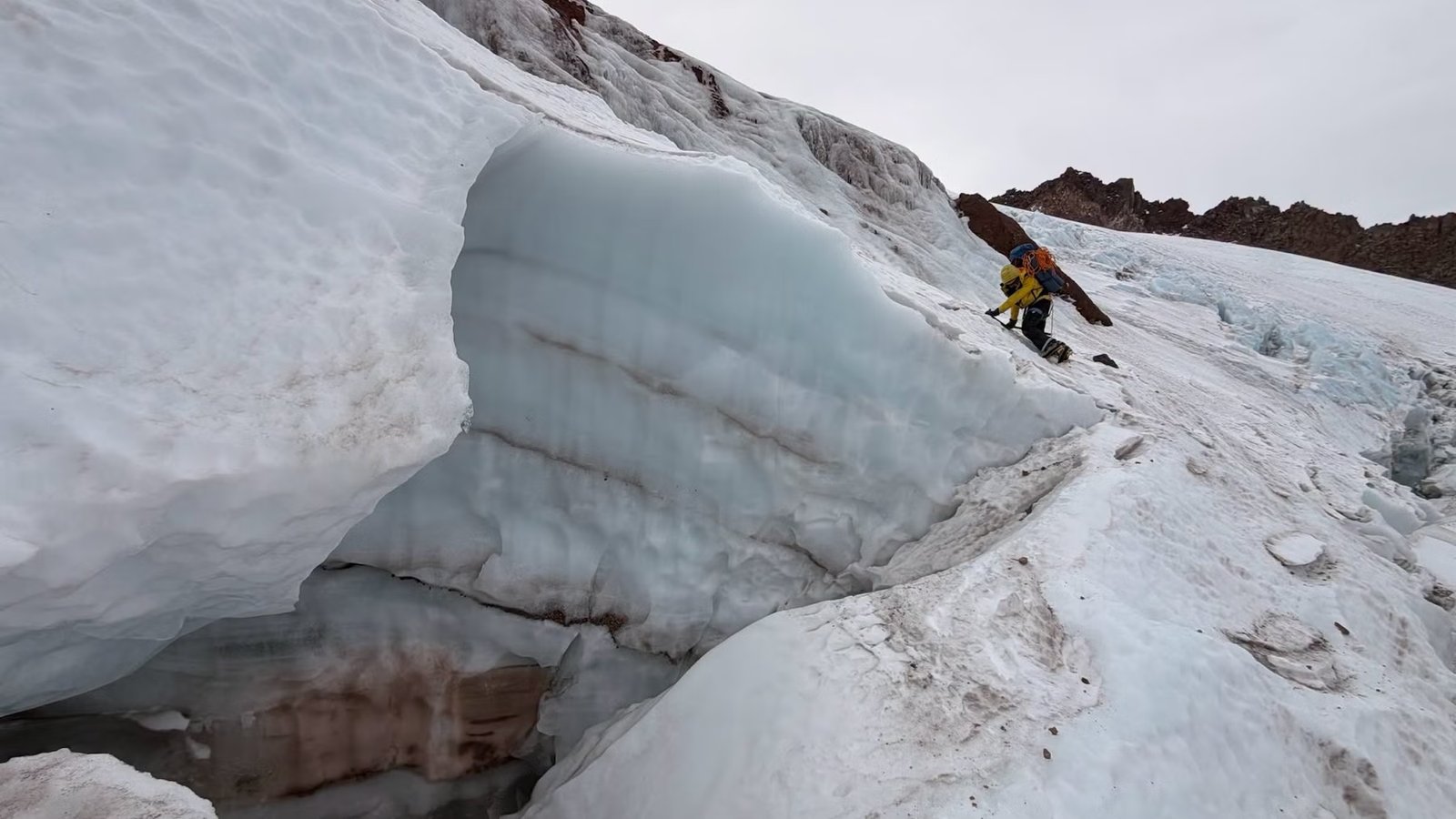
On October 18, a 39-year-old Florida man summited Whitney Glacier, a technical alpine climb accessible via Mount Shasta’s popular Avalanche Gulch route. During his downclimb, a snowbridge collapsed under his weight. He injured his leg, fell into a crevasse, and spent two days waiting for rescuers.
The climber did not bring snow and ice equipment and wore sweatpants and a hoodie, according to the Mount Shasta Avalanche Center. Eventually, rescuers airlifted him to safety after he spent two nights at 12,000 feet.
Siskiyou County Sheriff’s Office (SCSO) told Outside that it’s the 19th rescue on the mountain this year. Most of those rescued in 2026 had several things in common: they were young, underprepared, left the trailhead too late, and underestimated the challenge, according to SCSO spokesperson Sage Milestone.
“We have seen this year that nearly every SAR incident began with someone failing to adhere to the noon turnaround rule,” Milestone told Outside.
The rule Milestone is referring to is simple: climbers should turn around if they haven’t reached the Shasta summit by noon.
A Long List of Unprepared Climbers
On October 12, two hikers, 19 and 20, were lost on the mountain for 36 hours before officials located and rescued them. In September, a San Jose climber summited around 7:30 P.M.—seven hours past the recommended turn-around time—then slid 500 feet and crawled through the night on injured feet. A 71-year-old woman spent nearly a week lost in the Mount Shasta wilderness in late September, and in August, three men summited at 7 P.M., wandered off route in the dark, and spent the night stranded on the mountain. One later told sheriffs the duo used AI to plan their route, and the advice turned out to be drastically incorrect.
There’s no cap on how many people can climb Mount Shasta each year. According to the U.S. Forest Service (USFS), between 5,000 and 6,000 people attempt the summit, and only about half reach the top.
Mount Shasta Is Not a Beginner 14er
Mount Shasta’s reputation as an easier peak for mountaineering may be part of the problem, Milestone said. It sits about a 20-minute drive from the nearest highway, making it one of California’s more geographically accessible mountains over 14,000 feet. The Avalanche Gulch trailhead is just 12 miles from the town of Mount Shasta.
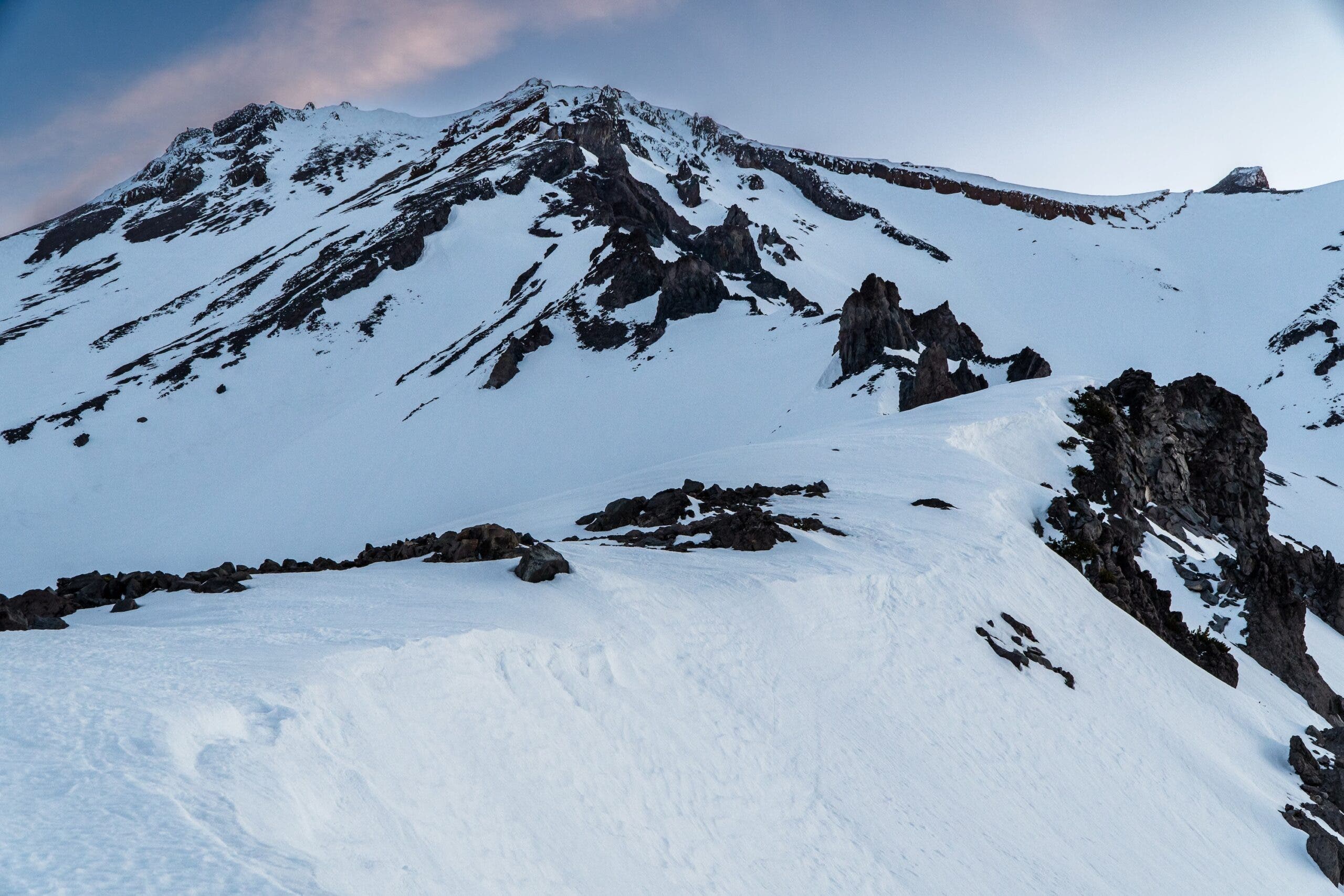
It’s a non-technical route, though it gains approximately 7,000 feet of elevation. Novice mountaineers often flock to the peak because the route to the top includes ice, snow, and rock for much of the year.
“Our theory at Siskiyou County Search and Rescue is that folks are becoming more aware of the mountain through social media and hear it described as a ‘beginner 14er,’ which is a misconception that we are trying to correct through public outreach and education,” Milestone said.
You need specialty mountaineering gear to ascend the peak. The Forest Service advises climbers on the Avalanche Gulch route to bring crampons, ice axes, and a safety helmet, plus flashlights, extra food, and warm clothing.
She also points to a growing trend in backcountry planning: relying on AI to plan and research routes without fact-checking or verifying against official sources.
“I do know that the Forest Service climbing rangers have heard from more climbers that they are increasingly using AI to plan trips, or in some cases generate unique (and incorrect) maps of routes up Mount Shasta,” Milestone said.
When Outside asked Google Gemini AI whether Mount Shasta is considered a beginner mountain, for example, it responded: “Mount Shasta is widely considered one of the best beginner mountaineering peaks in North America, but it is not a simple walkup or beginner hike.”
However, the difficulty depends greatly on the time of year.
When to Climb Mount Shasta
Avalanche Gulch is a great option for reliable conditions in late spring and early summer, Milestone said, but conditions deteriorate by July, and informed climbers generally use other routes. Most climbers attempting a late-season summit are unfamiliar with the mountain or new to climbing. As snow melts, footing gets less reliable, and rockfall becomes a bigger risk, according to the Mount Shasta Avalanche Center.
Guides follow the snow rather than a fixed calendar, Logan Talbott, a Shasta guide at Alpenglow Expeditions, told Outside. His company stops guiding once the snow melts and trails lose decent snow coverage, usually around August.
“Conditions are rough right now: very little snowpack, and we’re at the very end of the season before the winter snow starts falling,” Talbott said. These conditions add risk as “things get dustier and looser,” increasing the chance of rockfalls.
But in 2026, climbers were still heading up in October, more than three months after guides stopped operating. So many rescues in such a short time that the Mount Shasta Avalanche Center advised visitors to avoid parts of Avalanche Gulch.
Milestone said that pleasant weather may be tempting people.
“One unique attribute about this late summer-fall season is that the warmer, milder weather has persisted late into October, which could be encouraging more folks to climb later in the season than they normally could,” she said. That’s a stark contrast from 2025, when two climbers died in what she called “navigation issues due to the earlier onset of winter storms.”
Lack of Preparation Is Driving Rescues
USFS data shows 11 search-and-rescue incidents on Mount Shasta in 2022, 10 in 2023, 9 in 2024, and 12 in 2025, including two fatalities. According to Milestone, it’s not just the sheer number of rescues that’s unusual, but also their timing.
“We don’t usually have so many rescues this late in the year,” she said. Milestone’s theory is that climbers arrive at trailheads less prepared. “Most often folks think they can treat Mount Shasta—and Avalanche Gulch in particular—as a day hike.”
In 2025, for example, USFS said most rescued were men between 30 and 50 with intermediate experience.
Michael St. John leads the Marin County Sheriff’s Search and Rescue Team and responds to SAR calls across California, including multiple times in Shasta. Serious rescues on Shasta usually occur once or twice a year.
“I haven’t seen Shasta be this busy,” he told Outside.
Technology Can Be a Lifeline in the Backcountry
Climbers increasingly rely on technology to navigate and call for help, but in several recent rescues, that technology proved unreliable. The San Jose climber’s phone died at the summit, and the two hikers stranded on October 12 lost theirs after calling for help. Milestone said that’s a pattern: rescuers often find people who became lost because their phones died.
“Rarely are folks in these situations equipped with a physical map or alternate GPS device,” Milestone told Outside, “which again, speaks to their level of overall preparedness.”
St. John says that technology works, but only when someone knows how to use it properly.
“Overall, technology is more of an asset,” he said. But a phone can give people “extra confidence,” and many “just have a societal expectation that you can get 911 anywhere today.”
Experts agree that these rescues shouldn’t deter people from getting into the backcountry; instead, they should remind climbers that a little preparedness can go a long way.
