

Published October 26, 2026 02:59PM
What to Know
- Hot and cold hydrotherapy (often called contrast therapy) is a wellness practice that involves alternating between hot and cold water, usually in repeated cycles.
- Outside Run contributor Jean Chen Smith subjected herself to cold plunges—water less than 59 degrees Fahrenheit—and hot tubs—water more than 100 degrees Fahrenheit—all in the name of running recovery.
- Four doctors weigh in on whether it is good for runners, the risks, and benefits.
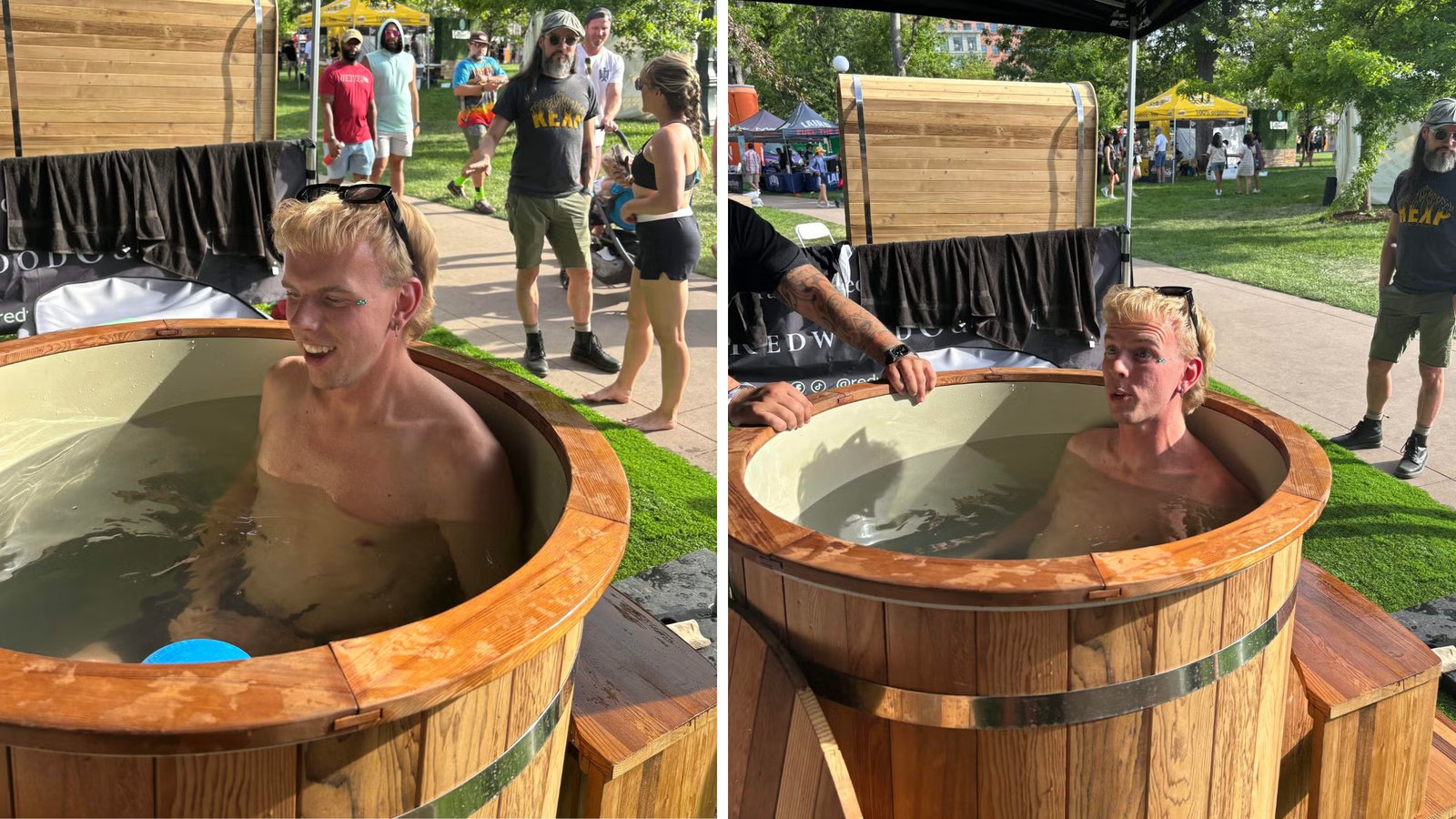
The first 30 seconds are always the worst. My entire body is telling me to get out. My breathing speeds up, my shoulders creep toward my ears, and suddenly all I can think about is how unnecessary it seems to be immersed in very cold water.
Is this supposed to help my running?
Cold plunges are everywhere—alongside saunas at gyms, spas, hotels, and resorts built around moving between hot and cold. Spend enough time on social media, and you’ll see fitness influencers touting contrast hydrotherapy. It can seem like a few minutes in icy water followed by a few minutes in a hot tub is all that stands between a tough long run and better recovery.
As a longtime runner, I’m interested in recovery, but skeptical of wellness trends that promise to make it faster or better. I’ve tried plenty of things that made me feel better without necessarily making me run better.
So I decided to test contrast therapy more consistently.
What I Did for a Month
I kept my running relatively normal rather than designing my training around the experiment. Since I wasn’t training for a race, I averaged about 35 miles a week.
I used contrast therapy primarily after harder efforts—long runs, speed workouts, and runs that left my legs particularly fatigued. Two to three times a week, I did three rounds of ten to 15 minutes of heat followed by two minutes in cold water, keeping the protocol consistent throughout the month.
I tracked how sore and fatigued my legs felt immediately afterward, the following morning, and on my next run. On comparable runs, I also watched my pace and heart rate. I wasn’t expecting those numbers to prove whether contrast therapy worked, but they gave me something to compare with how recovered I felt.
Hot, Cold, Repeat: What Does Contrast Therapy Actually Do?
The research on contrast therapy is less definitive than its popularity might suggest. Evidence suggests contrast therapy can reduce muscle soreness and perceived fatigue after strenuous exercise, but whether feeling better translates to improved performance the next day is less clear.
“The benefit is real, but most of it shows up in how recovered a runner feels,” says Raj Desai, MD, a board-certified physical medicine and rehabilitation and pain medicine physician at DISC Sports and Spine Center based in California.
That distinction became central to my experiment. Feeling great afterward didn’t necessarily mean my body had recovered faster. But if I was less sore, slept better, and felt more ready to run, I wanted to know whether that counted for something—even if it never showed up on my watch.
What I Noticed? I Felt Euphoric.
The biggest difference after contrast therapy? I consistently felt less sore and more relaxed—sometimes almost euphoric—after moving between heat and cold. I felt calmer for the rest of the day, often into the next, and slept better, particularly on nights when I did a session. Those benefits were enough that I started looking forward to the ritual itself.
What I didn’t see was the same payoff in my running. My pace and heart rate didn’t noticeably change, nor did I consistently feel more energized on my next run. On a few occasions, I actually felt more tired the following day. In the end, contrast therapy didn’t make my legs feel faster or consistently fresher—it simply made me feel better between workouts.
What the Experts Say
Whether contrast therapy makes sense may depend largely on when—and why—you use it. Feeling less sore before another race is different from maximizing long-term training adaptations.
“Cold makes the most sense to me when recovery right now is more important than adaptation later,” says Tom Ingegno, DACM, an integrative health practitioner at Charm City Integrative Health. That might mean back-to-back events, heavy training blocks, or racing in significant heat—not automatically plunging after every workout.
That’s partly because cold comes with a potential tradeoff. Regular cold-water immersion immediately after resistance training may blunt some muscle and strength gains, although the evidence for endurance adaptations is less clear. “Feeling recovered and actually being adapted are two different things,” says Adam Nessim, MD, an interventional spine and pain medicine doctor.
Neither side of contrast therapy needs to be extreme. Orthopedic surgeon Nolan Horner, MD, notes that 50 to 59°F is a well-studied range for cold-water immersion, with no clear evidence that painfully colder water works better. Excessive cold can cause hypothermia and cardiovascular strain, while too much heat can lead to dehydration and hyperthermia. He recommends that runners who are pregnant or have heart disease, uncontrolled hypertension, or arrhythmias consult their physician before deliberate hot or cold exposure.
So, Is Hot-and-Cold Therapy Worth It for Runners?
After a month, I wouldn’t put contrast therapy ahead of sleep, smart training, hydration, or healthy eating. And I certainly wouldn’t buy a cold plunge because the internet told me I needed one.
But I would do it again. It didn’t make me faster or consistently more energized on my next run, but I felt less sore, more relaxed, and slept better on the nights I did it. For me, the biggest benefit wasn’t performance; it was how I felt between runs.
I also enjoyed the ritual. Moving from heat into cold forced me to stop. I couldn’t answer emails from inside a plunge or think about my pace. For a few minutes, I was simply paying attention to my breathing. Contrast therapy didn’t erase a hard workout, but it gave me a genuine mental reset.
Destination-Worthy Places to Take the Plunge
If you’re curious enough to try it yourself, I’ve found that some of the best hot-and-cold experiences are worth traveling for.
1. Dry Creek Cabin—White Salmon, Washington
At Dry Creek Cabin, contrast therapy feels less like a spa visit and more like having a private recovery retreat in the woods.
Set above the Columbia River Gorge near Coyote Wall, the cabin has a wood-burning sauna, steam shower, hot tub, and cedar soaking tub, or ofuro, along with a cold-plunge bathtub. The location is part of the appeal, especially for runners: trails and outdoor recreation are close by, but once you’re back at the cabin, everything you need to warm up, cool down, and recover is right there. Unlike a communal spa or bathhouse, the entire experience is private, so you can move between heat and cold at your own pace.
My favorite part was heating up in the sauna, then stepping outside and climbing into the tub I’d filled with cold water. The contrast between the hot sauna, cold water, and quiet wooded setting made this one of the most memorable sessions I tried. No timers or prescribed circuit—just heat, cold, and as much time between rounds as I wanted.
Runner Appeal: A private, DIY contrast setup near some of the Gorge’s best-known trails.
2. WorldSprings—The Colony, Texas
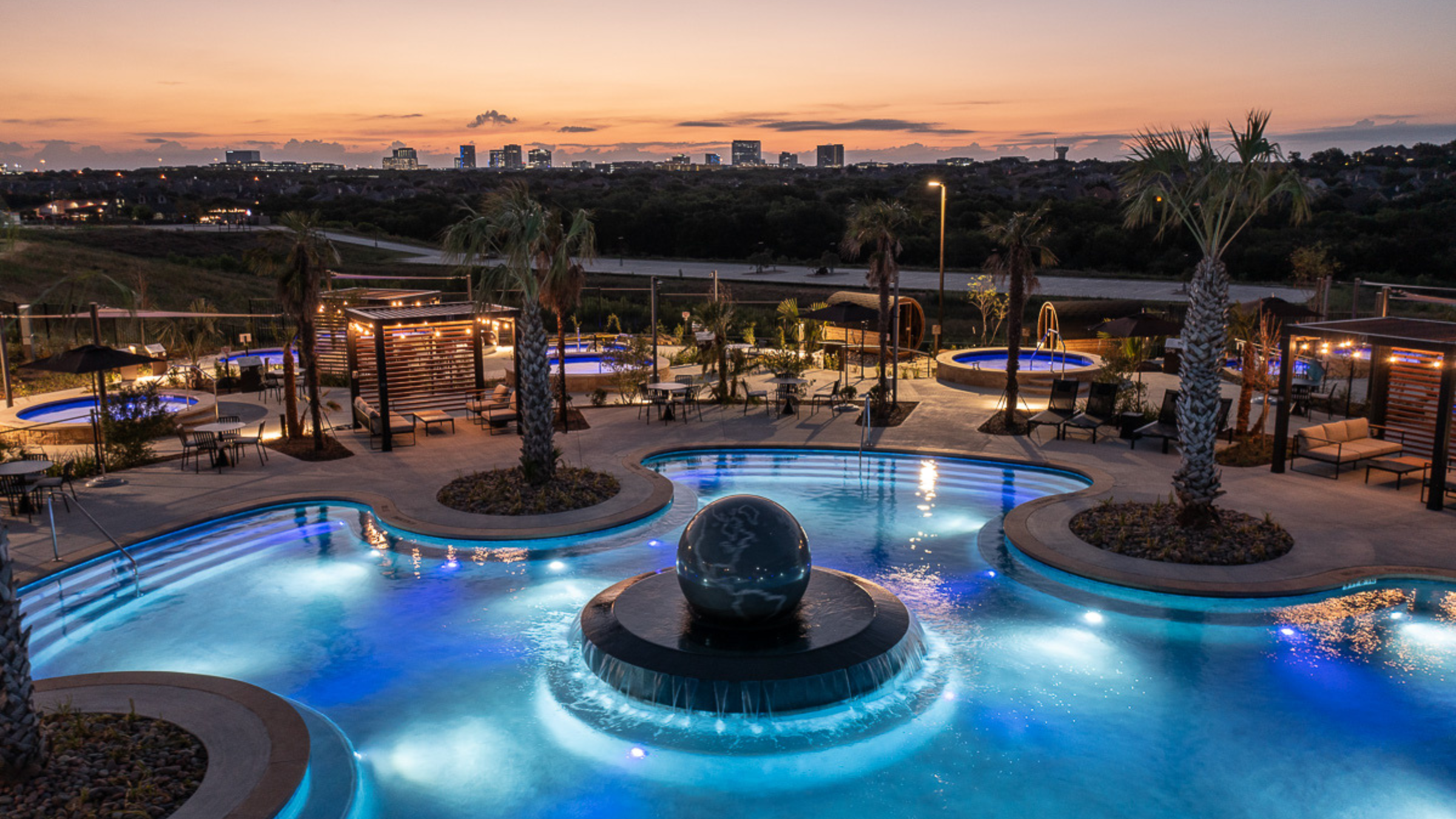
WorldSprings Dallas, in The Colony outside Dallas, is an enormous property featuring more than 40 globally inspired mineral pools, with waters modeled after bathing traditions and mineral profiles from destinations including Iceland, Italy, Japan, Korea, Guatemala, Mexico, and the Dead Sea.
Temperatures range from the mid-80s to around 104 degrees for the hot tubs, while cold plunges drop to roughly 55 degrees. Seven saunas add another way to heat up, including Finnish, Himalayan salt, aromatherapy, chromotherapy, and red-light options, plus an immersive Aufguss sauna experience.
Runner Appeal: Enough temperature and sauna choices to experiment rather than repeat the exact same circuit all afternoon.
3. Circle Wellness—Vancouver, British Columbia, and Seattle, Washington
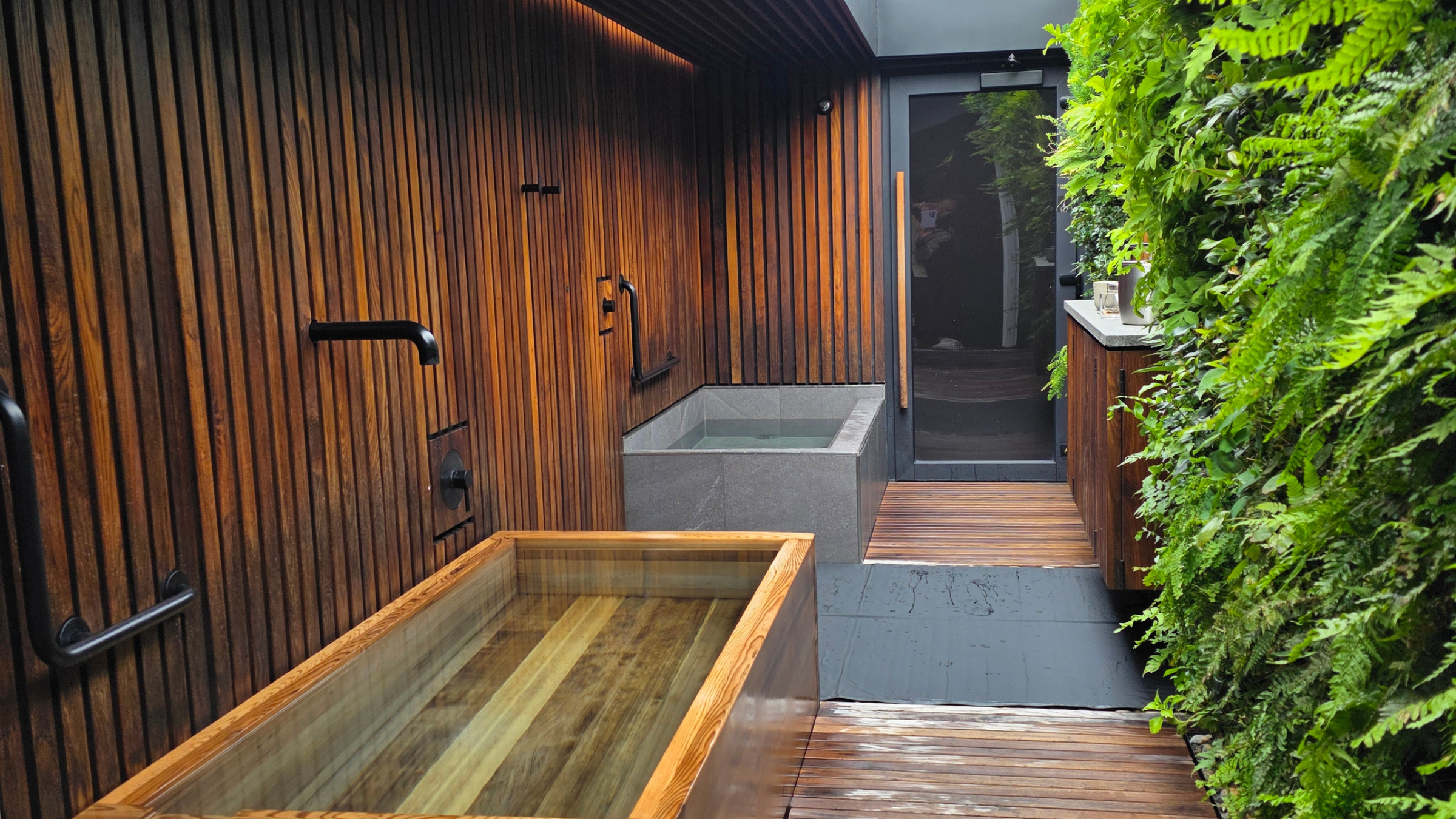
Circle Wellness is where I’d go for the opposite of a communal bathhouse. Its private circuit for one or two moves from a cedar soaking tub and WellPod sauna to a cold plunge, ending on a heated riverstone bed—a built-in invitation to simply stop and rest. Locations on Vancouver’s Granville Island and in Seattle’s Fremont neighborhood offer the same private, self-guided experience.
Runner Appeal: Complete privacy for runners who’d rather not share their recovery session—or an ice bath—with strangers.
4. CASCADA—Portland, Oregon
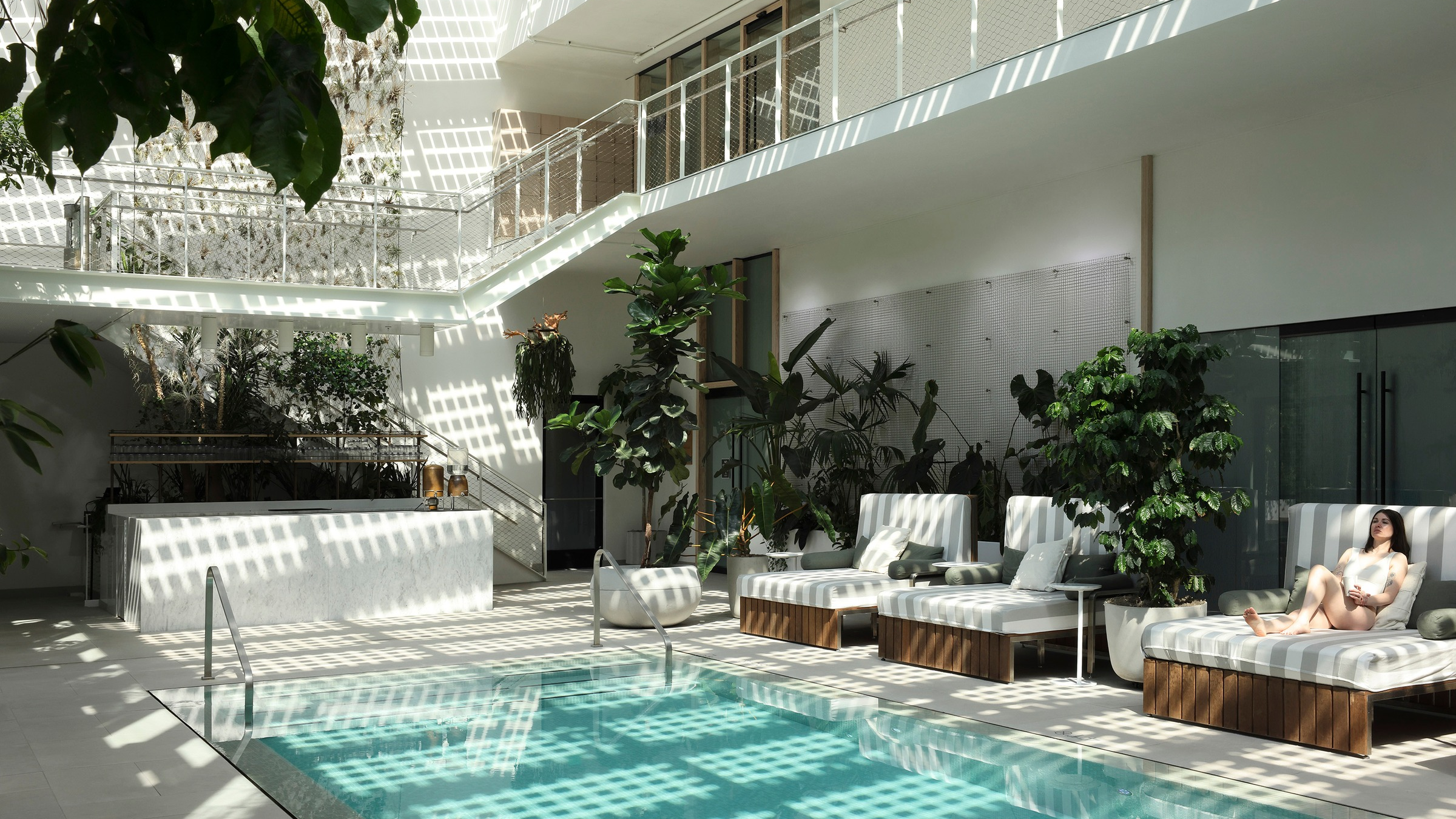
CASCADA stands out because there isn’t one prescribed way to move through its HydroThermal Circuit. Across three environments, you can alternate between saunas, steam and hot pools, and a cold plunge, chilled rainfall, cold showers, or even crushed ice. Its location in Portland’s Alberta Arts District also makes it easy to work into a weekend of running, eating, and exploring the city.
Runner Appeal: Several levels of cold exposure instead of an all-or-nothing plunge.
Want more Outside health stories? Sign up for the Bodywork newsletter. And for tips on how to train, fuel, and recover better, sign up for the Sweat Science 101 newsletter.
