

Published October 28, 2026 09:59AM
What to know: With yet another season of testing under their belts, our expert team replaced several older snowboard binding models with new favorites for 2027, including the Union Neo, Bataleon Ghost FASE, and Ride Circuit Carbon. We also updated links and prices for the previous-season bindings that we still highly recommend.
Snowboard bindings are the necessary link between your boots and board. Subpar bindings generate a sluggish, staticky connection, making progression tough, crashes likely, and mechanical issues a matter of time. The best snowboard bindings, on the other hand, provide a responsive, reliable bridge between boots and board, intuitively translating a rider’s micro movements into turns, tweaks, and technique. In short, the best bindings let you ride your way—no questions asked.
Different types of riders, however, have different demands. Hard-charging freeriders often appreciate the stout, burly, big-mountain-ready stiffness of a carbon highback, like the one found on the Ride Circuit Carbon. Playful jibbers dig the softer, tweakable, butter-friendly flex of a more park-oriented binding, like the Union Ultra. In between, a variety of all-mountain bindings, including the Editors’ Choice-winning Union Atlas, speak to indiscriminate rippers who aim to shred the resort front to back.
Our top picks are vetted and reviewed below, along with budget-friendly options, splitboard bindings, Step On alternatives, and FASE “fast-entry” bindings. In total, you’ll find 14 of the best bindings, a list we’ve put together over several seasons after testing 40+ snowboard and splitboard bindings from a variety of brands.
Best Snowboard Bindings: At a Glance
FASE and Step On Bindings
Splitboard Bindings
Snowboard Bindings Comparison Chart
| Specs | Price | Flex | Sizes | Best For / Category |
| Editors’ Choice: Union Atlas | $400 | Stiff | S, M, L (unisex) | All-Mountain / Freeride |
| Best Budget: Nitro Talent | $200 | Mid-Soft | S, M, L (unisex) | Budget / All-Mountain Freestyle |
| Best Women’s: Union Trilogy | $350 | Medium | S, M, L (women’s) | All-Mountain |
| Best All-Mountain/Freeride: Union Neo | $380 | Mid-Stiff | S, M, L (unisex) | All-Mountain / Freeride |
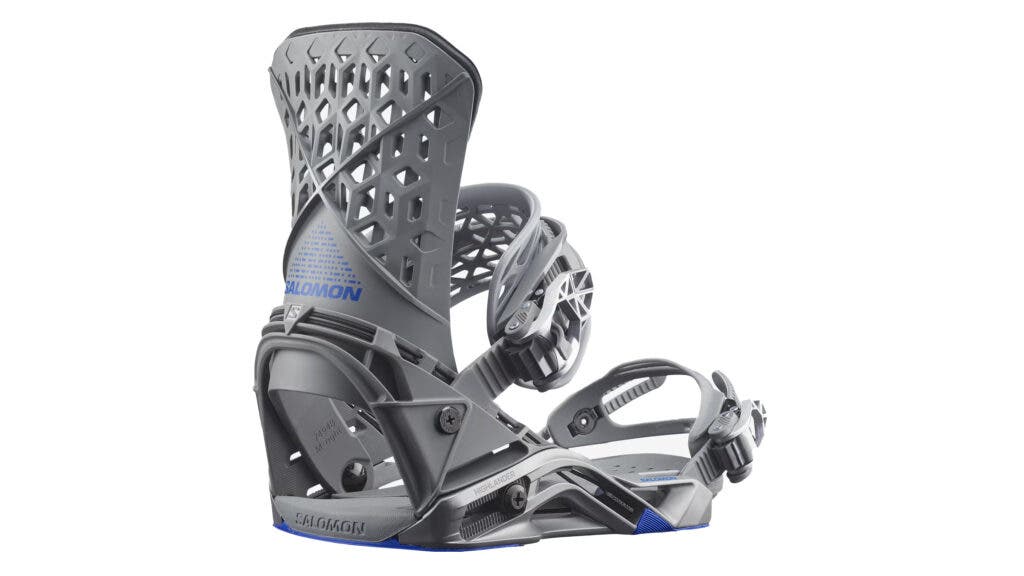
| Best Men’s All-Mountain: Salomon Highlander | $380 | Medium-Stiff (Lateral Flex) | M, L (men’s) | All-Mountain |
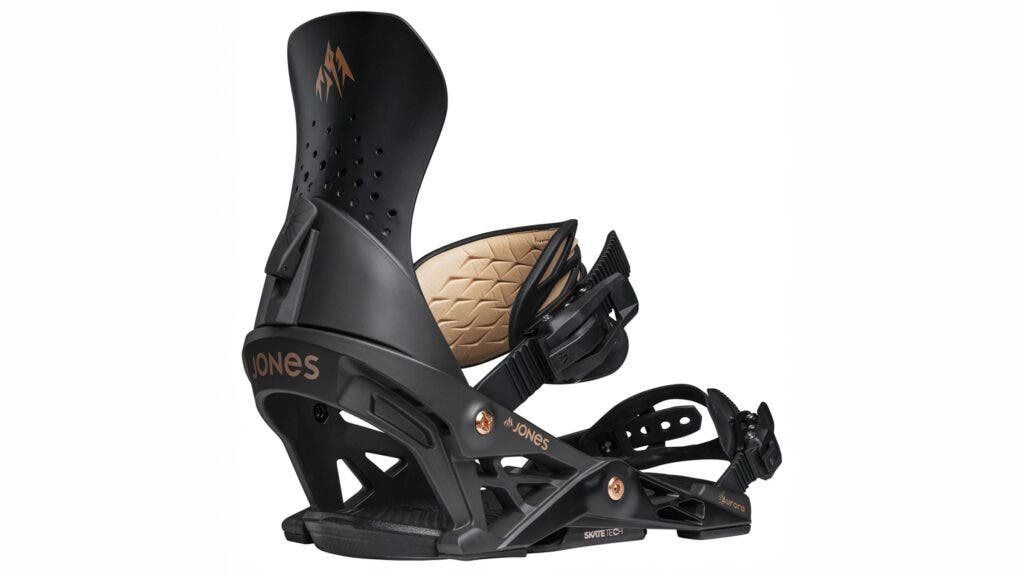
| Best Women’s All-Mountain: Jones Aurora | $320–$330 | Medium (Progressive) | S, M (women’s); M, L (men’s) | All-Mountain |
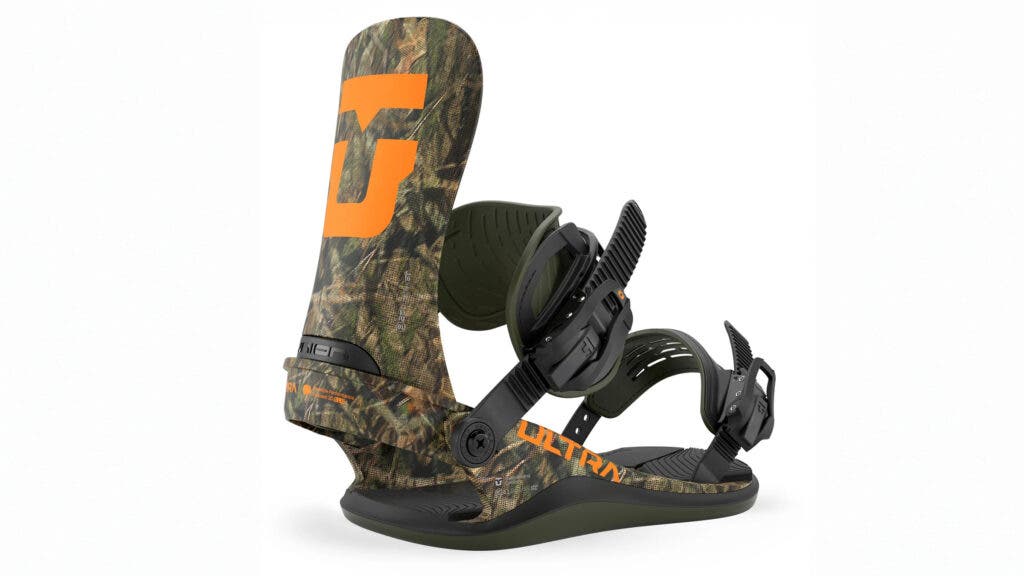
| Best Freestyle: Union Ultra Men’s and Ultra Women’s | $330 | Mid-Soft | S, M, L (men’s & women’s) | Freestyle / Park |
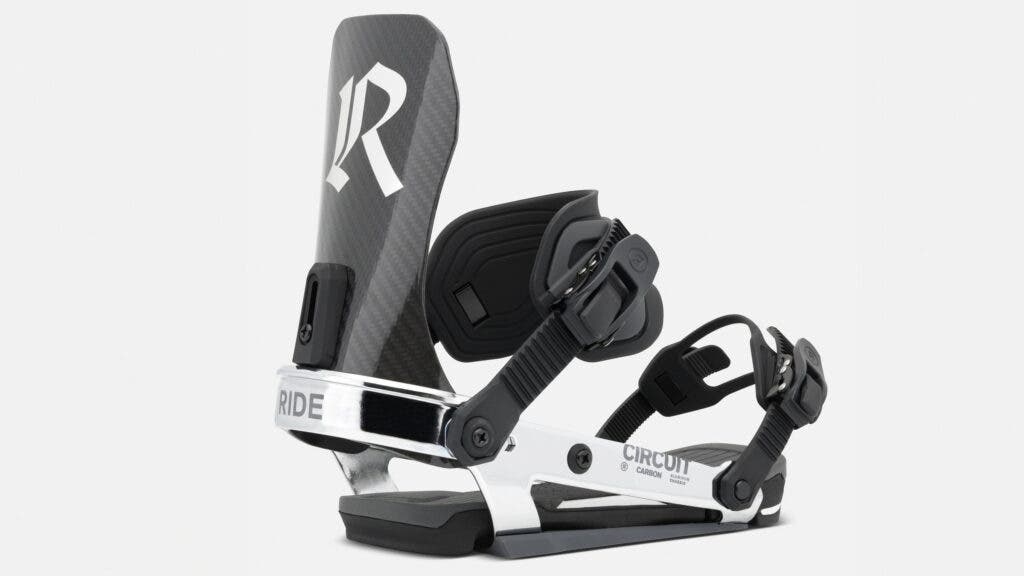
| Best Freeride: Ride Circuit Carbon | $600 | Ultra-Stiff | M, L (men’s) | Aggressive Freeride / Carving |
| Most Customizable: Rome Katana AW and Katana AW Women’s | $400 | Medium | S, M/L, L/XL (men’s); S, M/L (women’s) | All-Mountain / Freestyle-Freeride |
| Most Durable: Ride Drone Men’s and Drone Women’s | $360 | Medium | M, L (men’s); S, M (women’s) | All-Mountain / Freeride |
| Best All-Mountain Freeride FASE: Jones Mercury FASE | $370 | Mid-Stiff | S, M, L | Fast-Entry Freeride |
| Best All-Mountain Freestyle FASE: Bataleon Ghost FASE Men’s and Ghost FASE Women’s | $300 | Medium | XS, S, M, L (men’s); XS, S, M (women’s); Kids | Fast-Entry Freestyle / Park |
| Best Step On Alternative: Burton Men’s Cartel Step On X EST and Women’s Step On Lexa X EST | $350 | Medium-Stiff | S, M, L, XL (men’s); S, M, L (women’s) | Step On All-Mountain |
| Best Overall Splitboard Binding: Spark R&D Arc ST | $499 | Medium | XS–L (unisex) | Splitboarding |
The Reviews: Best Snowboard Bindings
Editors’ Choice
Union Atlas
Sizes: S, M, L (unisex)
Pros and Cons
+ Excellent all-mountain and freeride performance
+ Reliability at speed
+ Durable
– Not the most shock-absorbing binding
– Softer highback than previous model
For the third year in a row, testers crowned the unisex Union Atlas with the Editors’ Choice award. This all-mountain workhorse can handle everything from hellish straight lines to heavy cliff drops. A stiff, carbon-injected nylon baseplate and highback keeps it lively and responsive to going big and fast.
For dampening, Union deploys high-density, vibration-reducing Vaporlite bushings between the board and baseplate. The firm bushings, made of a lacrosse ball-type rubber, didn’t absorb bigger impacts as well as a softer rubber or foam, but they provide moderate dampening and, more importantly for charging riders, immediate response.
The Atlas’s removable disc cover—what the Italian binding maker’s marketing department calls “gas pedals”—features a mix of firm, non-stick EVA foam and hard plastic, a combo that results in excellent energy transfer and decent dampening. An extra insert of softer foam sits beneath the toe of the gas pedal, which testers reported offers welcome suspension on chundery traverses and flat landings.
The Atlas highback was redesigned a couple of years back with a slanted slot down the gut. The current iteration still offers edge-to-edge stiffness, but it’s noticeably more pliable laterally than its predecessor, making it more suited for all-mountain freestyle applications and more approachable for intermediate riders. A more aggressive tester was disheartened by the change, having fallen in love with the reliability at speed and reactivity of the stiffer, unslotted highback. If that sounds like you, take a peek at the Atlas Pro: It features the same tester-beloved design and Union build but with an upgraded ultra-reactive, forged carbon footbed and a slightly stiffer, more aggressive highback that makes it better suited for freeriding.
Of the standard Atlas, a European snowboard instructor liked the adjustability of the highback, which has a pull-tab forward lean adjustor. “You tilt the highback a few degrees, and it impacts the edge pressure insanely well,” he said. That instructor also loved the highly responsive, comfortable, bulk-free ankle straps. His one complaint? The toe strap can shift positions while unstrapped. Union designed the toe strap housing in the baseplate for easy adjustments, allowing it to pop into a forward or back position based on rider boot size and preference, but unfortunately, it doesn’t lock.
That didn’t detract from our love for the Atlas, though. “It fits so many riding styles and terrain types—super versatile,” a tester concluded.
Best Budget Snowboard Binding
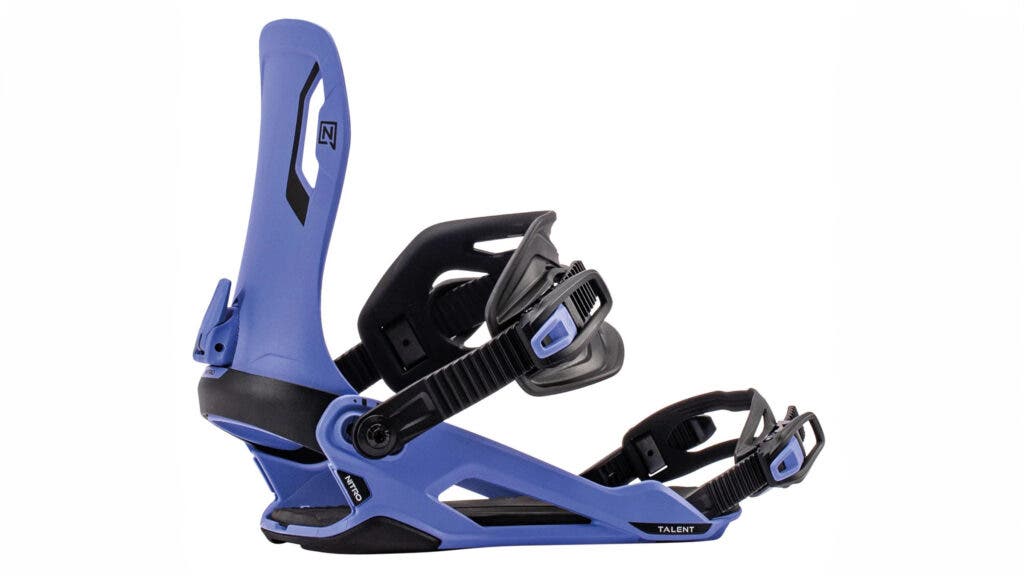
Nitro Talent
Sizes: S, M, L (unisex)
Pros and Cons
+ Inexpensive
+ Simple
+ Solid performance
+ Speaks to a range of riders
– Not as cush or adjustable as pricier models
Spending about 200 bucks on a binding these days usually means you’re copping it off Craigslist or scoring a discount deeper than the best pow day of the year. Nitro’s mid-soft-flexing, unisex Talent is as affordable as it gets. The European outfitter kept things purposefully simple here, with an aluminum heel cup for responsiveness and durability, a minimalist EVA-topped baseplate for dampening, and a thin, torsionally flexible highback. Even before he clocked the price tag, one Tahoe all-mountain freestyler was impressed. “Just enough cushion to blend dampening and response,” he reported of the lightweight construction.
Our testers dug the three-dimensionally contoured, cable-reinforced straps as well—similar tech you’ll see on Nitro’s highest-end gear. “Straps were very responsive and very easy to get tight. Constructed simply, but durable,” approved that Tahoe tester. A Wasatch binding purist agreed: “I loved them. They’re thin, logical, and chill to strap in.”
The Talent is on the softer side, making it suitable for freestylers, beginners, and intermediates, but the highback provides enough toe-to-heel support to satisfy more advanced riders who are shopping on a budget. “I charged with confidence,” commented our Tahoe tester. However, more aggressive riders—and those who value top-tier bells and whistles—won’t mind spending more to get more. “I missed the dampening and ergonomics you get from a canted top-tier, or even mid-range, binding,” voiced a more critical tester.
Best Women’s Snowboard Binding
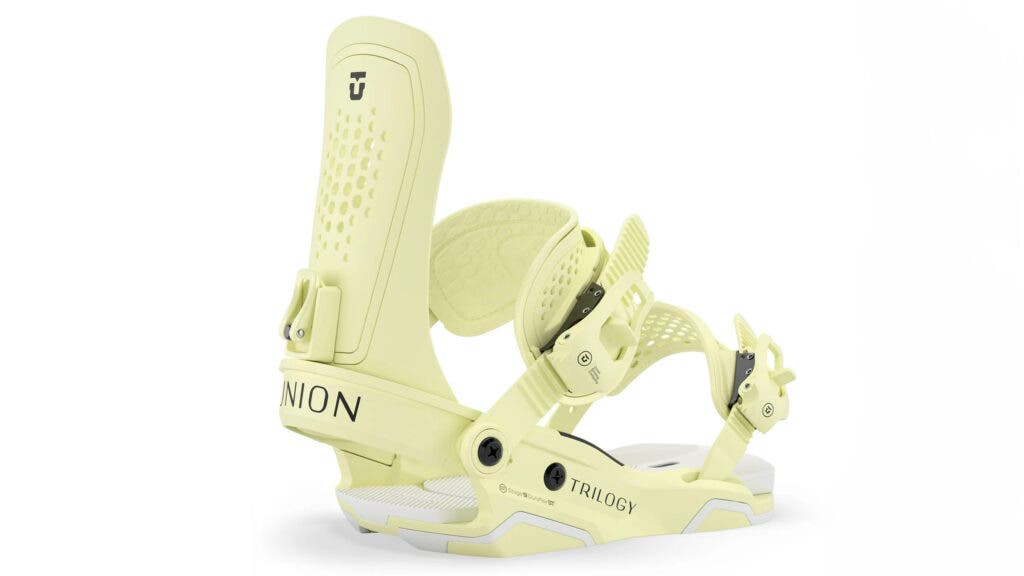
Union Trilogy
Sizes: S, M, L (women’s)
Pros and Cons
+ Excellent all-mountain performance
+ Extremely comfortable
+ Easily adjustable
– Middle-of-the-road stiffness and flex
If this binding is good enough for the G.O.A.T. (aka Olympic gold medalist and powder powerhouse Jamie Anderson), it’s good enough for you. The Union Trilogy tops our list of the best women’s snowboard bindings for the second year in a row, offering all-mountain riders the perfect balance of comfort and performance.
“Any rider looking for a bread-and-butter binding for everyday riding should look no further than the Trilogy,” said a Tahoe snowboard instructor. After testing the Trilogy while carving groomers, navigating tight trees, jumping off windlips, and sending steeps, she appreciated the balance of cushioning and response thanks to the padded straps. “Very ergonomic, and, like a good hug, hold the feet snugly,” she reported.
Comfort and dampening, testers noted, also stems from canting and EVA padding, the latter of which graces the baseplate and highback. “The Trilogy has a cush-yet-solid feel underfoot,” commented the snowboard instructor. Another Tahoe tester also appreciated the middle-of-the-park flex, calling it “not too soft, not too stiff,” although she did crave more backbone during full-throttle freeride runs.
Highback, ankle strap, and toe ramp positioning can be tweaked with a driver at home, and toe and ankle strap lengths are easily adjusted in the liftline sans tools.
Best All-Mountain/Freeride
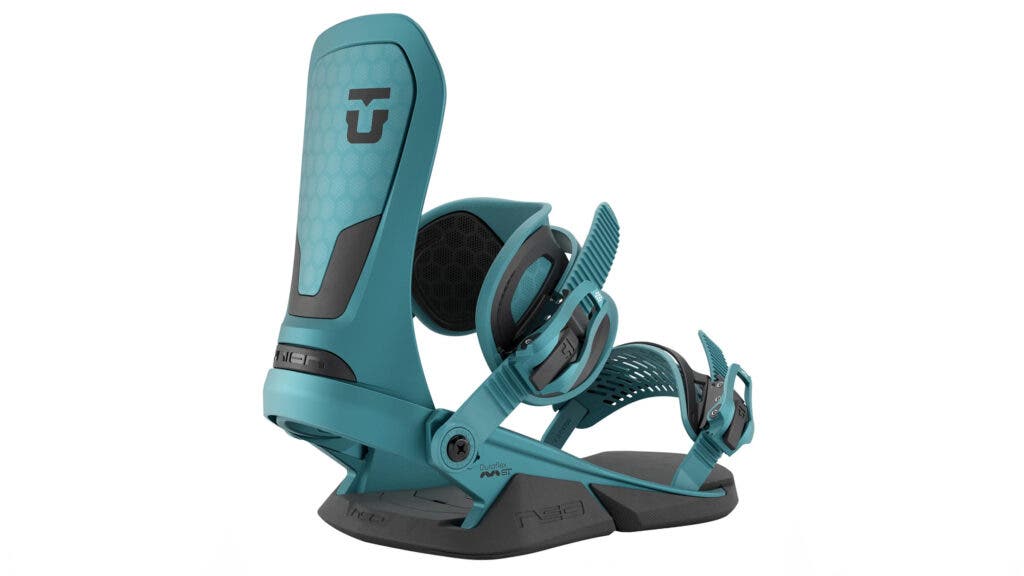
Union Neo
Sizes: S, M, L (unisex)
Pros and Cons
+ Tweakable for freestyle, technical for freeride
+ Comfortable straps
+ Great connection between board and boots
+ Damp suspension
– Minimal forward lean adjustments; requires screwdriver
This new Union binding sits slightly below the Editors’ Choice Atlas both in terms of stiffness and price. A novel three-piece baseplate design sandwiches two blended nylon sidewalls around a mini-disc housing, injecting more lateral flex while still offering plenty of heel-to-toe stability. On hill, that tech translates to a binding that’s well suited for all-mountain rippers and creative freeriders who like to ride hard and tweak harder.
“Good in any aggressive terrain,” said one tester. “Responsive and strong.” He loved the adjustability of the baseplate design, as well as the comfort and shock absorption of the dual-density bushings that sit beneath the baseplate, especially after overshooting jumps in the Palisades park and straight-lining spring mank. The front bushing is softer EVA foam for all-day comfort and cushioning, while thermoplastic rubber in the rear handles more heavy-duty reverberations. The combo yielded “no chatter underfoot,” he reported.
Bell-to-bell riders and airtime addicts alike appreciated the lightweight build, highback height, versatile mid-stiff highback flex, and EVA-padded ankle and grippy rubber toe straps that provide a cozy, anchored feel without any hot spots or heel lift. Some testers were stoked on the forward lean positioning right out of the box, but another rider noted that the low-profile forward lean adjustor only has two stages and requires a screwdriver—not ideal for folks who regularly adjust to terrain, conditions, or weapon of choice.
Best Men’s All-Mountain
Salomon Highlander
Sizes: M, L (men’s)
Pros and Cons
+ Unique combo of lateral flex and toe-to-heel stiffness
+ Comfortable for all-day riding
+ Versatile
+ Playful and trustworthy
– Some durability concerns compared to metal heel cups
The most notable aspect of the all-mountain Highlander is Salomon’s Shadowfit tech: a multipiece baseplate with a flexible heel cup forged from a pliable nylon composite. The far-out design gives the Highlander a noticeable amount of lateral tweakability, but it’s still responsive from edge to edge, thanks in part to a parallel pair of Kevlar cables that run through the heel loop.
“It’s reliable on rail, and trustworthy in gnarly terrain,” reported a tester who’s been primarily riding the Highlanders for the last two seasons. He loved the lateral flex of the heel cup, too, especially compared to the immovable metal options found on so many of the Highlander’s competitors. “That heel cup makes it so fun to butter and jib, press and spin. From backcountry booters to cat track side hits to powder day surfing, this is my go-to binding.”
Salomon earned additional points from our test crew for a cushy footbed that “gobbles up chatter and sucks up impacts.” The footbed is canted, too, and the highbacks are slightly rotated, encouraging an ergonomic stance and fostering bell-to-bell comfort. Factor in the boot-hugging toe and ankle straps and an overall lightweight build, and he reported that the Highlander is unnoticeable, in the best way possible, while shredding.
As for durability, our tester confirmed that he’s had zero mechanical issues after approximately 80 days of testing. However, he weighs 155 pounds; heavier or more aggressive all-mountain chargers might overpower the heel cup and benefit from a more classic, bombproof construction with less flexibility and moving parts.
Best Women’s All-Mountain
Jones Women’s Aurora
Sizes: M, L (men’s); S, M (women’s)
Pros and Cons
+ Reliable progressive-flexing highback
+ Intermediate friendly
+ Efficient power transfer
+ Comfy padding and construction for all-day riding
– Soft for some freeride applications
The Aurora is a surfy, intermediate-friendly all-mountain binding that continues to be one of our favorite women’s snowboard bindings. (It’s also available in a men’s version, the Orion, that we love as well.) Its highback is stiffer at the heel cup and softer toward the calf, offering balance between performance and play that all-mountain riders who take on the entire resort will appreciate.
“When transitioning from edge to edge, the highback gives you all the support you need,” reported a Tahoe tester. When you start playing with other directions—off-axis tweaks, contorted carves, nose or tail presses—the softness toward the top lets you twist like a yogi.
Turning prowess also comes courtesy of SkateTech, which is at the core of most Jones bindings. The baseplate pivots around the disc housing like a fulcrum, efficiently leveraging rider weight and transferring energy to four bushings at the corners of each binding. Not only does this system yield what our tester called “instantaneous response,” but the rubbery, dampening bushings also “absorb more chatter than the NSA.” Between the bushings and a thick EVA foam footbed, the Aurora is comfy from first to last chair.
If you like to customize your setup, swap out the bushings for a stiffer (best for freeriding) or softer ride (best for more freestyle/surfy riding). What’s more, the flexy-yet-supportive ankle straps are also customizable for bouncing between freeride and surf modes. Freeride mode locks in the ankle for straight-lining steeps and tackling technical faces, while surf mode frees up range of motion for slaying side hits and flowy pow days.
Best Freestyle
Union Ultra
Sizes: S, M, L (men’s); S, M, L (women’s)
Pros and Cons
+ Damp, freestyle-friendly ride
+ No unnecessary bells and whistles
+ Added forward lean for 2027
+ Top-tier torsional tweakability
– Minimal forward lean adjustment; requires screwdriver
Available in both men’s and women’s versions and built to comfortably crush freestyle features, Union’s Ultra is the best snowboard binding for park riders and playful, creative all-mountain freestylers. A mid-soft flex and asymmetrical, bare-bones baseplate adds significant torsional range of motion for a pliable, pressable ride. “The tweakability makes it a great binding for freestyle,” said a snowboard instructor.
Testers appreciated the simple design and clean, comfy, smooth straps and ratchets that keep boots locked in place. Dampening comes courtesy of a lightweight bushing and a vibration-canceling, thermoplastic polyurethane outsole that sits on the board. Testers say the cushioning inspired confidence to stomp when stepping to bigger jumps. “Durable, plush, no pinch points,” said a Sierra tester.
In years past, our crew has lamented the Ultra’s lack of forward lean adjustment. The highback’s comfortable but non-aggressive calf positioning historically did the trick for most freestyle testers out of the box. New for 2027, Union added a two-stage forward lean adjustment to the base of the highback. The new adjustor, which is the same as that found on the Union Neo, is low-profile and better than no forward lean adjustor at all. But having only two forward lean positions doesn’t enable fine-tuning, and a screwdriver is necessary, making on-hill adjustments less than ideal.
Best Freeride
Ride Circuit Carbon
Sizes: M, L (men’s)
Pros and Cons
+ Ultra-stiff and responsive for fast and aggressive riders
+ Damper and more comfortable than you’d expect for the flex and materials
+ Durable and adjustable
– Not as light as expected for carbon
– Overkill for most skill levels
Ricky Bobby in binding form, the Ride Circuit Carbon pisses excellence. It’s a binding for aggressive all-mountain riders, boardercross hardos, pedal-to-the-metal freeriders, and expert riders who subscribe to an “if you ain’t first, you’re last” mentality. Our most ripping Tahoe tester put it under the microscope this past spring, pushing through horizontal carves on cord, inverted improv in the Palisades park, and the storied freeride terrain of KT-22. “Ideal for aggressive freeride or carving, these are for people who like high speeds and a locked-in feel,” he reported. “NASCAR level, for sure.”
The carbon highback is ultra-responsive, while integrated urethane adds a welcome touch of dampening. “Very stiff highback, but never gave me any pain,” said another tester. EVA and rubber padding along the highback and more rubber and EVA-wrapped plastic in the low-profile, overhang-mitigating baseplate provide suspension in chunder. “Handled big-mountain terrain impeccably,” he added.
Snowboarders are conditioned to expect carbon products to be lightweight and breakable, but the Circuit Carbon is neither. A beefy, aluminum baseplate adds heft, but our testers loved the toughness of the full-metal jacket. The straps and ratchets are similarly stalwart. And both baseplate and straps are extremely adjustable, which made tweaking foot positioning and forward lean easy.
The steep price should, but won’t always, keep away the uncertain and unprepared. If you’re on the fence, allow us to suggest the damper, more approachable, and significantly more affordable Circuit ($400).
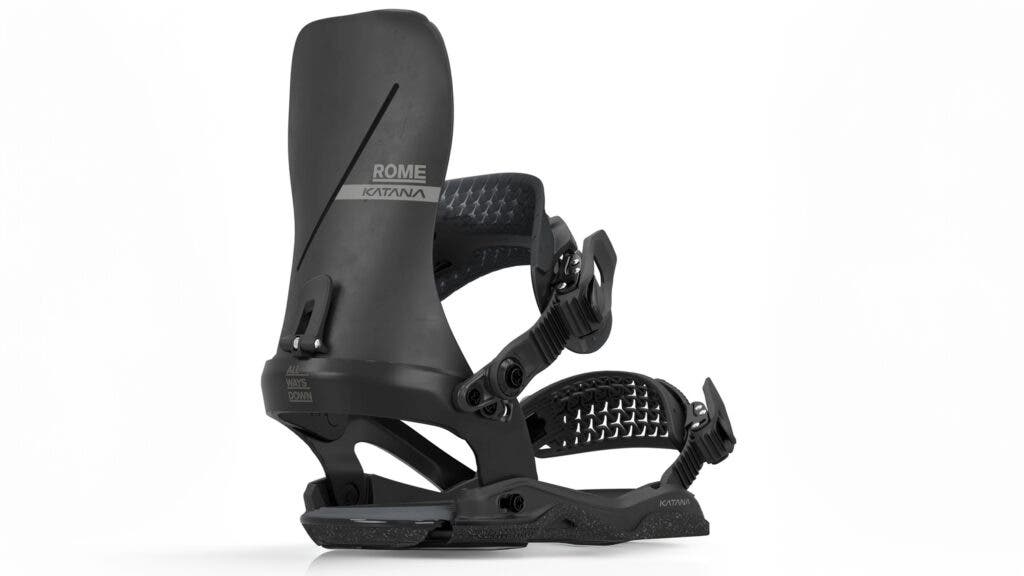
Most Customizable
Rome Katana AW and Rome Women’s Katana AW
Sizes: S, M/L, L/XL (men’s); S, M/L (women’s)
Pros and Cons
+ Incredibly customizable
+ Best-in-class dampening
+ All-mountain, freestyle-meets-freeride flex
– Durability concerns around AuxTech binding straps
If you like to tweak your bindings as much as you tweak your grabs, peep the Rome Katana. This high-performance binding is ultra-adjustable thanks to Rome’s PivotMounts: modifiable ankle strap mounting hardware that enables riders to swap between eight ankle strap positions per side, yielding an industry-best total of 64 possible configurations. Raising the ankle strap provides more rapid-fire responsiveness, while lowering the strap position translates to increased range of motion and a surfier ride.
Additional adjustability comes courtesy of composite (glass and nylon) highbacks that pivot and cant for a more ergonomic, fine-tuned fit. Experimenting with different strap and highback configurations will enable you to find what works best for your riding style. And if you’re swapping one pair of bindings between multiple boards in your quiver, or you like to cruise one day and bomb everything in sight the next, the Katana allows you to make the most of your setup.
Adjustability wasn’t the only reason the Katana sliced through the competition. All-mountain riders appreciated its versatility—its mid-flexing highback and asymmetrical chassis proved responsive in technical lines yet playful in the air. The cold-resistant, closed-cell foam padding also offers unreal shock absorption. “Great dampening,” reported a snowboard guide.
Testers also loved the geometric-patterned toe and ankle straps, which expand as you tighten the binding, providing a fit one Katana convert called “damn-near vacuum-sealed.” One ding we should mention: While long-term testing a pair, one tester ripped through the patterned ankle strap on a cold day in the Alps, causing some durability concerns.
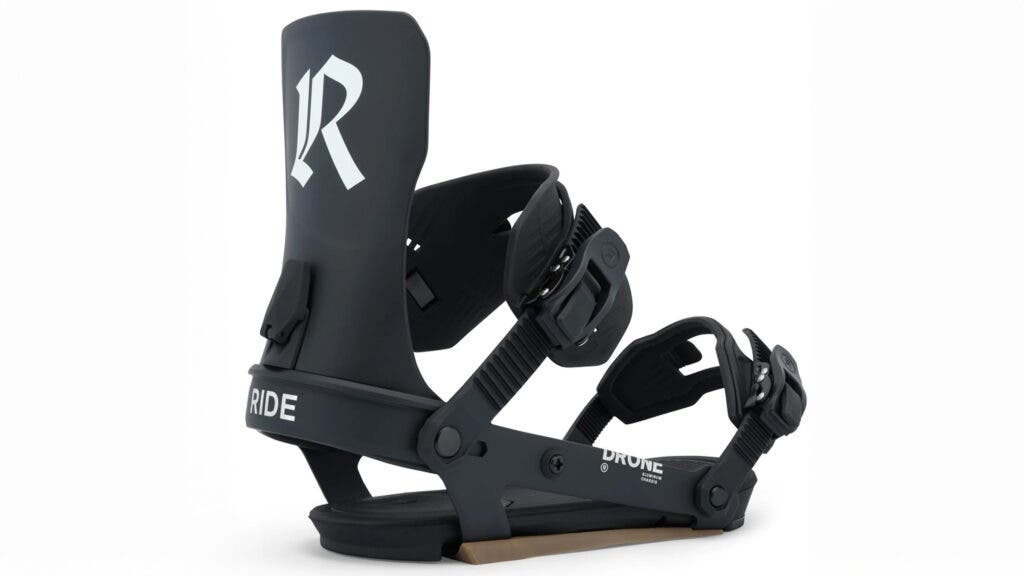
Most Durable
Ride Drone
Sizes: M, L (men’s); S, M (women’s)
Pros and Cons
+ Bombproof chassis
+ Comfortable
+ Dependable all-mountain crusher
– Some riders found them overbuilt
– Male testers liked them more than female testers did
The new all-mountain Drone is a beefcake—and we mean that as a compliment. Much of the Drone’s durability and drive comes from the adjustable aluminum chassis. “The word ‘bombproof’ is overused in snowboarding, but I’m pretty sure you could drop dynamite on the Drone and that thick chassis would survive,” joked a Tahoe rider. A Wasatch rider agreed after testing in off-piste chop, technical chutes, and the Kirkwood terrain park, calling the build “strong and dependable.”
Asymmetrical, medium-flexing, nylon highbacks also earned praise from our test team. “Perfectly shaped—it lines up with your edge to give you more edge-to-edge power and lateral tweakage!” raved another Wasatch tester, who loved the asymmetrical, two-piece ankle strap, finding them responsive, comfortable, and secure.
The Drone is available in men’s and women’s sizes, but one Tahoe all-mountain tester found the women’s small chassis a touch too narrow for her boots, the toe strap too bulky, and the flex overpowering, recommending the Drone for freeriders. Lighter or less aggressive gents voiced some concerns, too. “Construction is more solid than most, but that makes them feel a bit like a bear trap for me,” recounted one Tahoe rider, though he gave Ride props on the canted footbed and urethane padding in the baseplate. “The big, fat cushioning is still responsive, but absorbs shock well.”
Best FASE and Step On Bindings
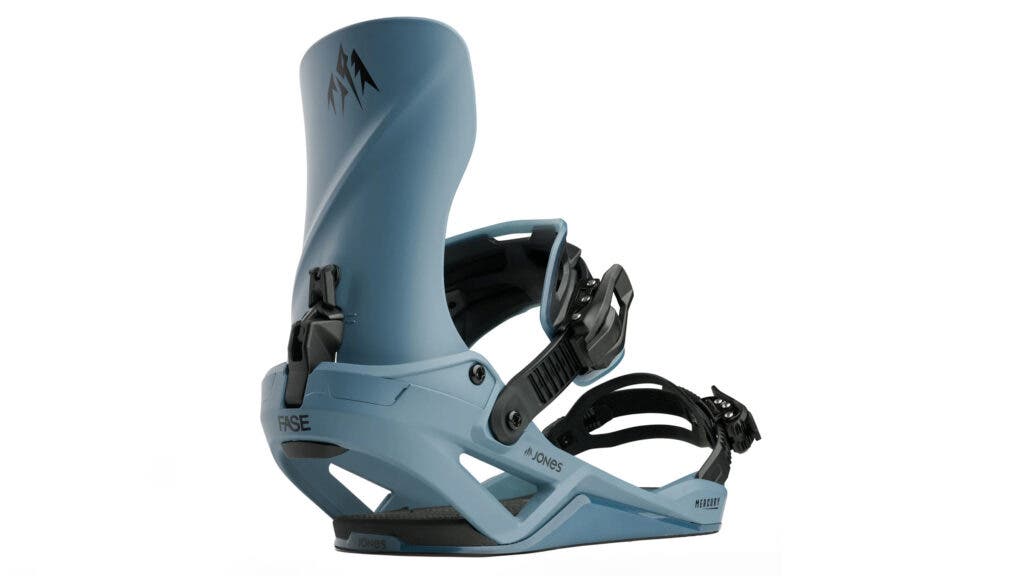
Best All-Mountain Freeride FASE
Jones Mercury FASE
Sizes: S, M, L
Pros and Cons
+ Great feel
+ Faster than normal bindings
+ We love straps!
– Not as fast as Step Ons
– Highback in the way while skating or strapping in in steep terrain
While the FASE system is certainly a draw, our favorite aspect of the Jones Mercury is no doubt its proficiency on the descent. The energy transfer from the mid-stiff flex of the asymmetrical highbacks combined with the dampening of the baseplate is “firm enough to blast, soft enough to jump park kickers,” according to a Tahoe charger.
Dual-flexing ankle straps and boot-gripping toe straps provide a secure, familiar, battened-down feeling. The build is robust, durable, and responsive, with three degrees of canting and ample suspension from a shock-absorbing footbed and a foam interface between bindings and board keep you comfortable all day. The Tahoe powderhound summed it up: “The downhill performance is as good as it gets for the fast-entry niche.”
The downsides of the Mercury are the downsides of the FASE system in general: The highback juts out behind you when disengaged and gets in the way while pushing flats. Additionally, we found ourselves occasionally ratcheting the toe strap for a snug fit. And kicking into the binding in powder is a quick way to accumulate clumps of snow underfoot, and makes strapping and unstrapping in steep, technical terrain more challenging. As long as you’re willing to deal with those inconveniences, which inevitably become more manageable over time, riders will find this system faster than traditional bindings and appreciate the streamlined transitions, especially when riding with skiers or racing the masses to the goods on a powder day.
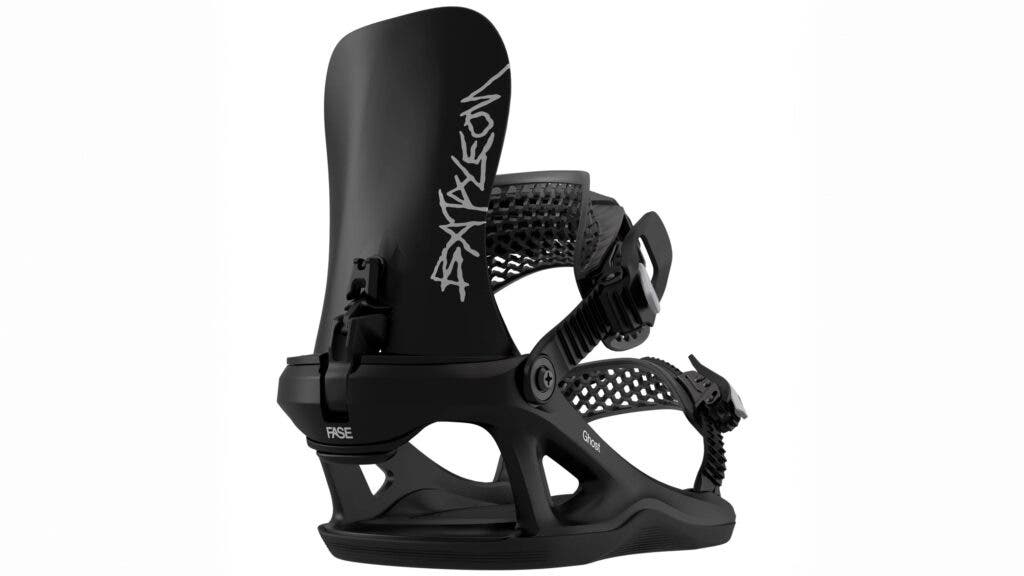
Best All-Mountain Freestyle FASE
Bataleon Ghost FASE
Sizes: XS, S, M, L (men’s); XS, S, M (women’s); and kids
Pros and Cons
+ Quickness of FASE system, feel of traditional straps
+ Playful, easy-to-ride, all-mountain freestyle vibe
+ Cushy shock absorption
– Heavy; tall
– FASE isn’t for everyone
The Bataleon Ghost FASE is an affordable all-mountain binding that’s as cushy as a beanbag chair and as easy to kick into as a pair of saloon doors. “I spent a day riding with skier friends and was able to step in, ratchet quickly, and keep riding without stopping—convenient,” reported one tester.
Dampening and comfort also impressed our team. A smooth, medium-flexing baseplate floats upon a cushion of EVA foam for zero chatter. And the geometrically patterned rubber toe and ankle straps suck the boot down into the cushy chassis: “Like a spa day for my boots,” offered that binding reviewer.
We recommend the Ghost mostly for all-mountain applications, especially for intermediate riders or freestylers who frequent jumps and jibs. “A ton of fun in the park with maximum tweakability, comfort, and playfulness,” one said. “They handled big mountain fine but not the most responsive bindings for someone trying to ride big lines at full speed.”
Best Step On Alternative
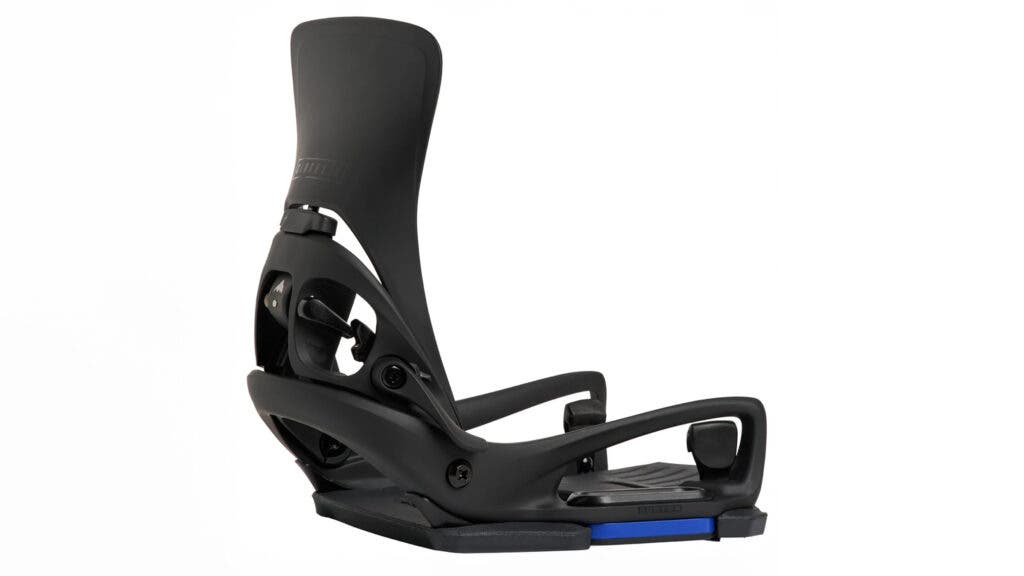
Burton Men’s Cartel Step On X EST and Burton Women’s Step On Lexa X EST
Sizes: S, M, L, XL (men’s Cartel X); S, M, L (women’s Lexa X)
Pros and Cons
+ Easy and fast in flatter terrain
+ Lightweight and responsive
+ Good dampening
– Can be difficult to step on and off in sketchy terrain
– Some testers miss the feeling of straps
Of the Step Ons we tested, the Cartel X (men’s) and Lexa X (women’s) EST are hard to beat. The price is reasonable, and the bindings’ medium-stiff nylon highback give it all-mountain chops. “Great support,” applauded a Tahoe snowboard coach, who scored the Cartel X highly for dampening, too, and called the Burton binding “super versatile, super light, and super responsive.”
The Step On system features three points of contact between boot and binding: two on the toe box, one on the heel. Once the boot is locked in place, those low-positioned connection points facilitate immediate responsiveness—one of the system’s biggest advantages. “As soon as I wanted to tilt or twist the board, it happened,” reported the coach. And a lack of straps sheds weight, too, he said.
Most complaints centered around the simple fact that Step Ons are solving a problem that, for most of our testers, doesn’t exist. “If you can’t take the extra 20 seconds to strap into a more comfortable, better performing setup, your priorities are backwards,” wrote another Tahoe tester. That coach reported that the bindings work well and save time on mellow pitches, but they can be a nuisance, or worse, on steeper terrain. “I was not able to take the board off after getting cliffed out because I was heelside in steep terrain,” he grumbled. What’s more, he took issue with the notion that Step Ons are always great for learners. “I often have athletes who have been training for years that still struggle to put their snowboard on/off because of this system,” he opined.
Best Splitboard Bindings
Best Overall Splitboard Binding
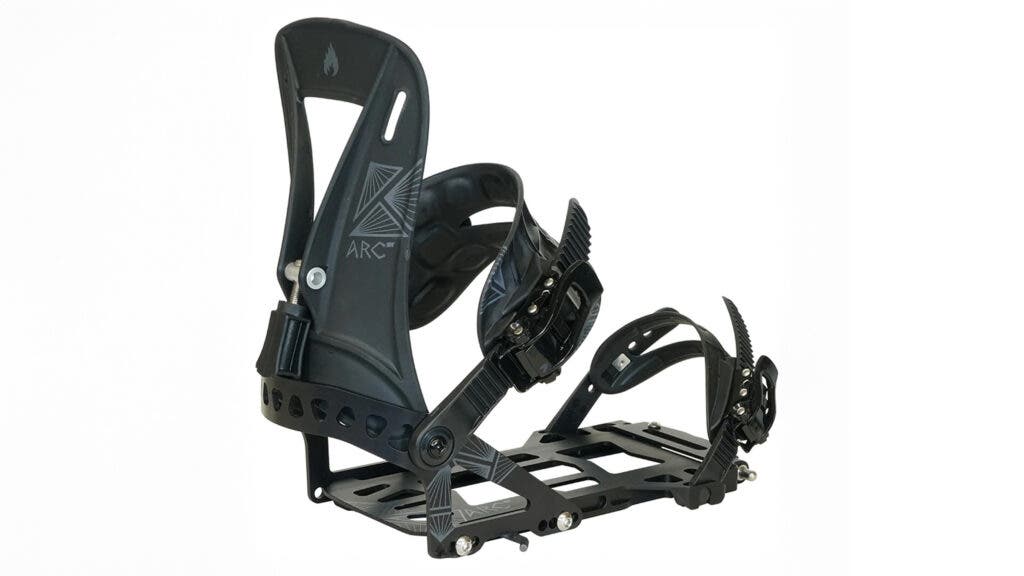
Spark R&D Arc ST
Sizes: XS-L (unisex)
Weight: 1.4 lbs. per binding (medium)
Pros and Cons
+ Smooth uphill action
+ Tester-favorite interface is easy to set up, adjust, and maintain
+ Surfy yet dependable downhill performance
– Soft for no-fall-zone riding or heavier splitboarders
– Metal baseplate isn’t damp
Thanks to its relatively affordable price tag, practical interface, and surfy all-mountain ride, the Arc ST continues to be our top recommendation for greenhorn splitboarders and veterans alike. A couple of years back, Spark revamped its uphill feature set by over-molding touring brackets and risers with cold-resistant, self-lubricating thermoplastic. The tech minimizes friction between the binding and toe piece, and “makes it much easier to engage the touring risers with the quick flick of a pole,” according to a Tahoe splitter.
The Spark interface is simple and straightforward to operate in the field, making transitions quick. “Mechanical issues are rare, and when they do occur, they’re usually easy to fix,” added that Tahoe tester. And when it’s time to drop, a mid-flexing, asymmetrical highback and lightweight, contoured straps foster an ergonomic, natural stance and a surfy, flowy feel.
One of our only complaints is that Spark’s bare metal baseplates aren’t damp. If you’re hoping to drop cliffs and chase hangtime, it’s worth adding the aftermarket baseplate padding kit ($30) for more cushioning. Additionally, the Arc ST is on the softer side for heavier riders or freeriders who frequent steep, exposed, no-fall-zone terrain. If that sounds like you, consider stepping up to Spark’s stiffer Surge ST.
How to Choose the Best Snowboard Bindings
Given the endless options and tech jargon at play, shopping for snowboard bindings can be a harrowing endeavor. However, it gets a little easier when you follow these simple tips.
Buy Your Boots First
Your boot size determines your binding size—not the other way around. Boots also determine what boards you should ride, so don’t jump the gun.
Consider Your Riding Style
Are you a park rat? An indiscriminate all-mountain rider? A pedal-to-the-metal freerider? Snowboard bindings are designed and marketed toward specific snowboarding styles. Once you figure out what kind of rider you are, you can easily narrow your search. And if you’re not sure what kind of rider you are, no worries—stick with all-mountain options, as they’re meant to handle anything and everything terrain-wise.
Consider Your Preferred Flex
Do you like stiff bindings or soft ones? Somewhere in the middle? Usually, brands list flex as a numeric rating, typically out of ten, with ten being stiff as steel and one being soft as a wet noodle. Anything under a five is considered quite soft—that’ll be best for park riders, beginners and intermediates, or cruisy powderhounds. Five to eight tends to be all-mountain bindings that are meant to handle any terrain you can throw at ’em. Eight and up are generally more freeride specific—stout, stiff bindings you can trust at high speeds in gnarly terrain.
Now, these numbers are subjective and vary from brand to brand. There’s no governing body doing a universal flex test (although that would be sincerely appreciated). Also, riders will inevitably stray from the stereotypes listed above—a freestyle rider who’s hitting the pipe may want a super stiff binding, while a freerider who has a surfy approach may want a softer flex. But they’re a good place to start.
Demo Religiously
If you’re having a hard time figuring out what bindings to buy, the single best thing you can do is demo. Be on the lookout for demo days and events at your local hill. Swap with shred buddies if they’re game. Branch out, trying bindings from different brands. Experiment with different flexes. The more bindings you ride, the more you’ll be able to pinpoint what works for you.
FASE vs. Step On Bindings
Most of the bindings in this guide are traditional strap bindings, but there are two other popular alternatives, FASE vs. Step On bindings, that are designed to ease transitions. Both are worth considering for certain subsets of riders.
The Pros and Cons of FASE Bindings
The FASE system is designed to be quicker than traditional strap bindings while still giving purists the unmatched feel of traditional straps. Here’s how it works: You kick your boot into the toe strap, the highback pops up, then you ratchet the ankle strap and, boom, you’re good to go. Essentially, it’s Nidecker’s answer to Step Ons.
Unlike Step Ons, which offer a much different feel on the descent, FASE bindings feel much like our favorite strap snowboard bindings while riding. However, they are a little heavier than traditional strap bindings. “For older, still-ripping clientele looking for convenience, this is the best solution,” opined a longtime tester and snowboard shop buyer.
That said, testers have had additional complaints regarding FASE, namely a high stack height, the toe strap often requiring a click or two, and strapping in on steep slopes or in deep powder being finicky. They’re also slower in transition than Step Ons.
The Pros and Cons of Step Ons
Step On bindings, originated by the heavyweights at Burton, must be used with Step On boots. Step On boots feature two cleats on either side of the toe box, and a third attachment point at the heel. When you press a Step On boot onto a Step On binding, those three points snap into place and secure the boot in place.
Step Ons are the fastest option on the market, making them a decent alternative for boarders battling injuries or old age that makes bending over to ratchet straps a burden, or perhaps grom-wrangling parents or instructors. The connection between boot and binding is also cohesive at both the toe and heel, reducing the wiggle room of a strap binding and translating to instantaneous response.
But Step Ons have their own set of issues. They can be challenging to lock or release in steep or sketchy terrain, so if you’re a steep-chasing freerider who loves powder and doesn’t mind hiking for turns, steer clear. Also, buying a new pair of boots because you’re changing your binding system is expensive. But most of all, our testers just find themselves missing the downhill feel of traditional strap bindings.
What System Is Right for You?
Don’t get us wrong: We love to see innovation in snowboarding. We have no doubt both of these systems will continue to improve, and other options will hit the market as the years roll on. But we also just love traditional strap bindings.
For what it’s worth, the vast majority of our testers moderately prefer traditional strap bindings over FASE. While most wouldn’t voluntarily make the move to a FASE setup, they don’t mind testing the system, as the downhill quality is comparable. On the other hand, most of our testers strongly prefer FASE vs. Step On bindings due to the difference in downhill feel.
That said, it’s worth taking these perspectives with a grain of salt, as most of our testers live and breathe snowboarding. Most are healthy and between the ages of 20 and 45, and have built their lives around living in the mountains and riding as much as possible. They don’t ride five days a year—they ride five days a week. While that provides them with a great deal of experience and expertise to draw from as they review gear, they admittedly aren’t the target audience, particularly for Step Ons.
TL;DR: Whether these systems work for you is simply a matter of personal preference and your priorities on the hill.
How We Test the Best Snowboard Bindings
- Number of bindings tested: 40+
- Number of testers: 31
- Locations tested: California, Nevada, Utah, Wyoming, Colorado, Canada, Japan, the Alps
- Broken bindings: 2
- Biggest spin of the test: 900
This year, we sent a crop of 2027 snowboard bindings out to testers from the Rockies to the Sierra for long-term testing. Long-term testing is especially critical for snowboard bindings, as testers need time to adjust bindings to their boots, tweak forward lean, fine-tune highback rotation, and so on. Most importantly, extended testing allows our team to thrash bindings over weeks and months to put durability under the microscope. We’ve fallen in love with many a pair of bindings on day one, only to snap a highback or bust a strap weeks into testing. Better our testers than you!
Once the chairlifts stopped cranking at the end of last season, and splitboarders relegated their touring setups to gear closets and garages, we asked those long-term testers to fill out review forms. Those forms are detailed, and our crew of gear nerds doesn’t pull punches. Testers score bindings quantitatively on categories like overall performance, responsiveness, tweakability, dampening, and durability. They also dive deeper on qualitative questions, among them: What terrain or conditions are these bindings best for? How’s the overall build, construction, and durability? How do you like the highbacks? Is the forward lean adjustment easy or a hassle?
After collecting those review forms and analyzing feedback, I (Drew Zieff, test director) compare this year’s top performers to unchanged favorites from previous years. Finally, I compile the reviews you’ll find in this guide.
Meet Our Testers
Drew Zieff is a Tahoe-based freelance writer and a lifelong snowboarder who’s no stranger to breaking bindings. In addition to directing Outside’s snowboard test, a role he’s handled since 2016, he directs Backcountry Magazine’s splitboard coverage and nerds out on snowboard gear and travel for REI, Gear Junkie, and Whitelines Snowboarding, among others. He spends his winters testing gear in his backyard backcountry zones or up at Palisades when he’s not chasing stories and storms around the globe.
The only thing more eclectic than Chris Cloyd’s riding style is his resume. A former touring musician, former personal trainer, and still-holding-on endurance athlete who lives in June Lake, CA, Chris Cloyd spends his winters splitboard guiding, teaching AIARE courses, and handling administrative duties for Blackbird Mountain Guides. In his free time, you can find him crushing couloirs deep in the Eastern Sierras or putting solid boards through their paces at June Mountain. A fan of strong coffee and heavy metal who often combines the two on his way to shred, Cloyd is not remotely gentle on his gear—he lives to thrash.
Truckee’s own Jenna Shlachter is as brilliant on the hill as she is off it—which is saying something; she’s a doctor of psychology, after all. When she’s not on the clock, she’s usually on her snowboard, ripping everything from park to powder. Her trophy shelf needs regular reinforcement, as every year she seems to add banked slalom awards to her already impressive collection. Lucky for us, Shlachter is also an unabashed snowboard nerd, and she’s been a key contributor to our snowboard test for the last few seasons.
Anna Doucette is a lifelong snowboarder who’s been a member of the American Association of Snowboard Instructors for two decades. She’s spent so many years articulating difficult-to-grasp movements to aspiring riders and fellow instructors that she’s a natural and extremely articulate gear reviewer, and she’s been a key contributor to our Tahoe testing.
