

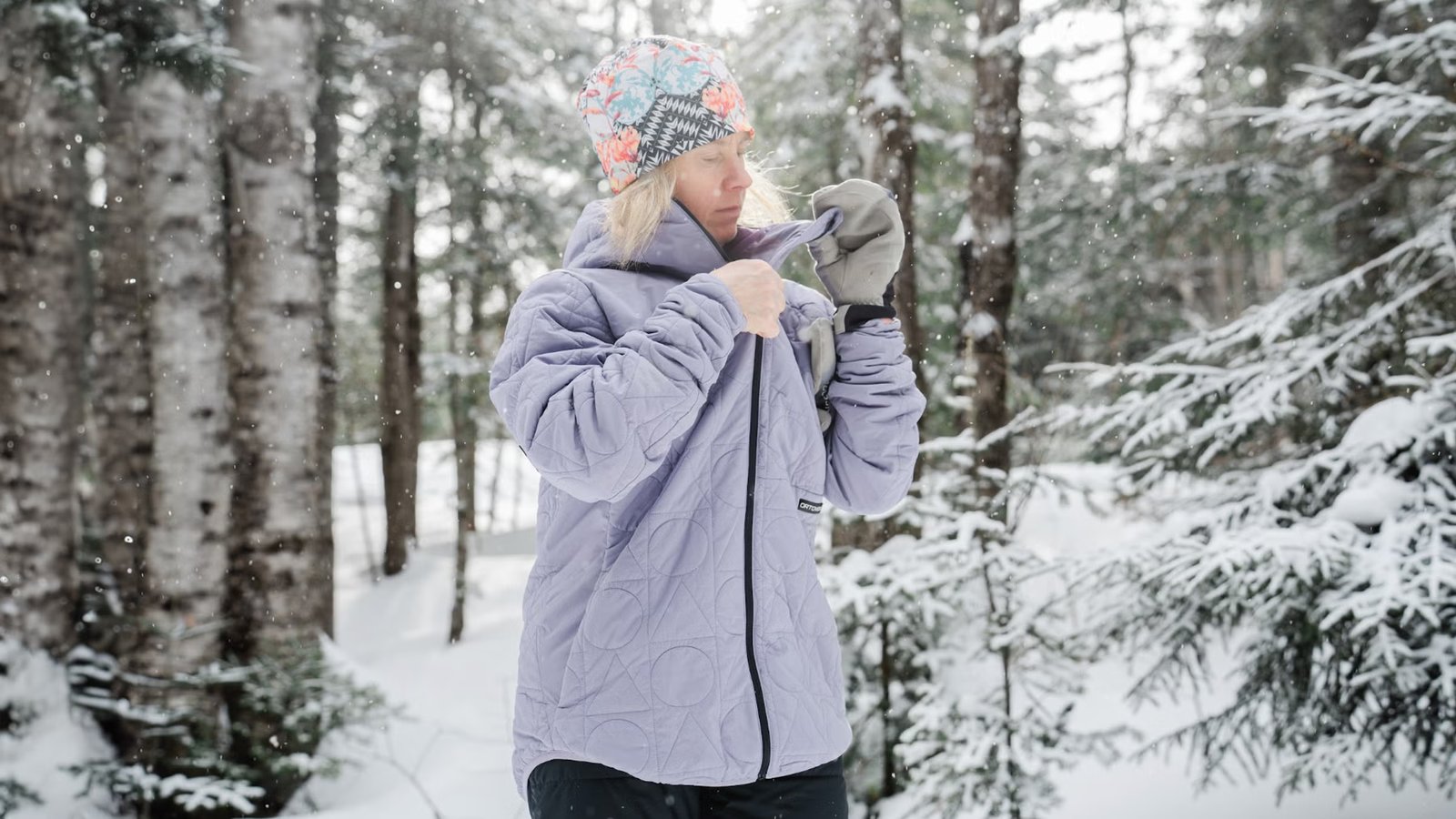
Updated November 2, 2026 09:09AM
November 2026: After testing 63 midlayers while hiking, skiing, fat-biking and climbing in wintry weather, we named the Arc’teryx Atom Hoody our Best Overall pick for its do-it-all balance of warmth, breathability, and weather protection. The most durable option is Mountain Hardwear’s Kor Alloy Jacket. The best for ultra-cold conditions is the Marmot WarmCube Active Novus Hoody.
Midlayers have an outrageously demanding job description. Unlike the super-puffy parkas and belay jackets that we wear to stay warm while hunkering down, midlayers provide insulation during activity—a role that calls for a true multi-tasker. Its duties include keeping us warm while venting excess heat, whisking away sweat, and shielding us from the elements. It’s a tall order, yet our testing team found six insulated midlayer jackets that check all the boxes.
These breathable insulators successfully regulated testers’ temperatures while they skied, hiked, biked, and ran in winter weather conditions. Testers typically sandwiched these jackets between a base layer and a waterproof shell. On climbs, or in dry weather when they ditched the shell, testers also evaluated these toppers for their ability to shed precipitation and buffer gusts.
The Best Insulating Midlayers for Men and Women: At a Glance
Best Overall
Arc’teryx Atom Hoody
Sizes: XS-XXXL (men’s), XXS-XXL (women’s)
Weight: 12.5 oz. (men’s), 11.3 oz. (women’s)
Pros and Cons
+ Balanced performance
+ Extended sizes
+ Lots of pockets
– Lacks abrasion resistance
The Atom has been one of our favorite midlayers since its debut in 2009, and its design has hardly changed over the years except for sustainability upgrades. With stretchy fleece side and underarm panels bridging generous helpings of synthetic insulation in the torso, hood, and arms, it strikes the ideal balance of warmth and breathability for cold weather conditions. We found the Atom’s insulated panels—packed with 60 grams of polyester loft—plenty warm down to the teens without an outer layer while skinning and bootpacking in the Tetons. One tester, who wore his hoody ice climbing in Silverton, Colorado, called the Atom’s mix of insulation and breathable fleece “perfectly balanced.”
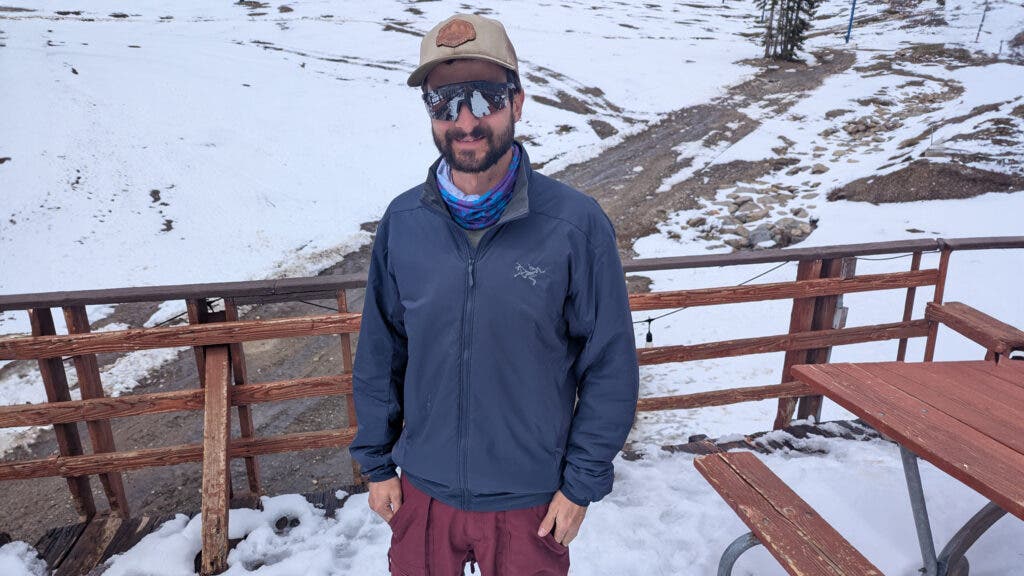
The unconfining cut fits most bodies, small or large, and two hand pockets and one internal chest pocket secure valuables. The cinchable hood is big enough for a helmet, which came in handy when temps plummeted during one Idaho-based tester’s fat-bike ride in the Tetons. The fabric’s fluorocarbon-free DWR finish repelled drizzle during late-November training runs. But the Atom delivers too much insulation for mild conditions and shoulder seasons (at 35 degrees and above, consider the Atom SL.) And although the breathable fabric feels soft next to skin, it gets pilly after repeated encounters with pack straps and other abrasive tools.
Best Wool
Ortovox Ravine Metawool 90
Sizes: S-XL (men’s), XS-XL (women’s)
Weight: 18 oz. (men’s), 15.6 oz. (women’s)
Pros and Cons
+ Attractive patterning
+ Warm
– Large packed size
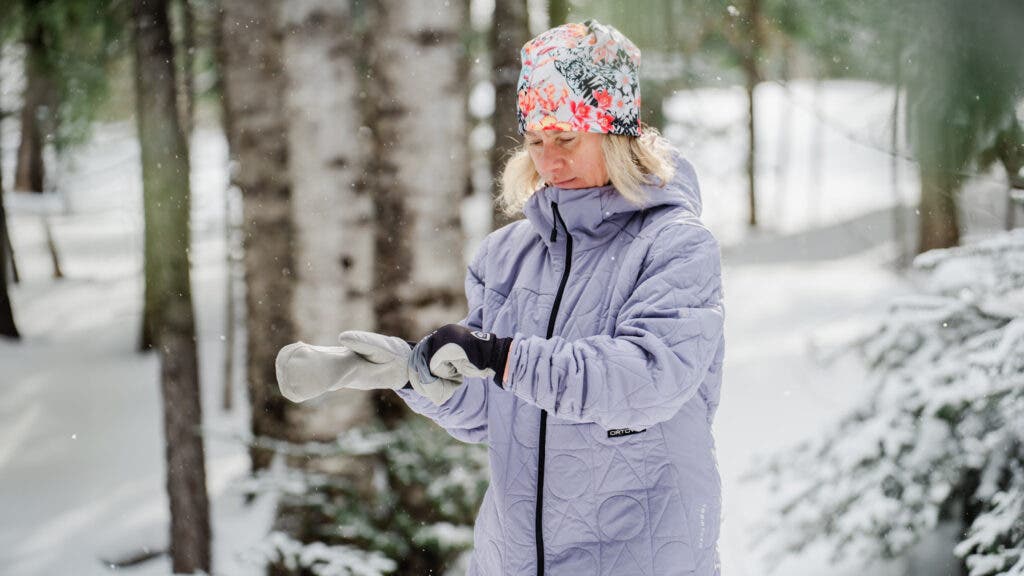
Proving that midlayers don’t have to be thick and bulky to provide significant warmth, this Merino-stuffed puffy goes relatively light on the filling (80-percent wool with biodegradable, bio-based polyester). But even on a 5-degree day in the Tetons, one tester comfortably wore this midlayer while yo-yo-ing backcountry slopes. That wool/synthetic blend stays warm when wet and doesn’t accumulate body odor after a season of sweat. It also scores high marks for sustainability: Ortovox sources wool from sheep living in the German Alps for a shorter supply chain, and the jacket’s shell and lining fabrics use 100-percent recycled polyamide.
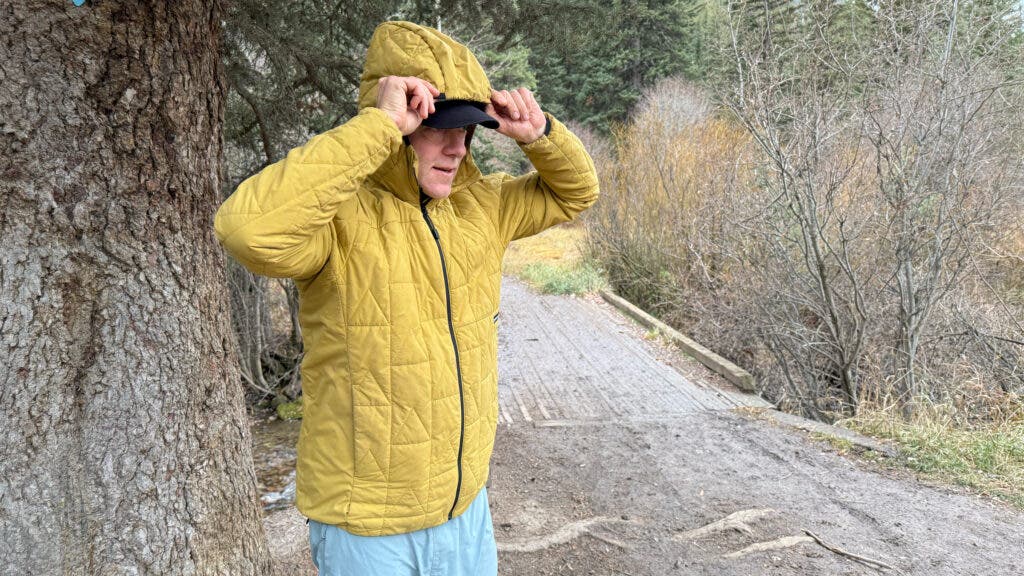
Veering from the sausage-casing cut of most Ortovox apparel, this boxy jacket easily accommodates underlayers and pairs best with a loose, freeride-style shell. The matte shell fabric proved plenty abrasion-resistant when worn beneath a pack, and the fabric ably buffered gusts. Testers also liked it at the resort, when the airy fit and naturally regulating insulation (wool breathes better than synthetic fills) kept them comfortable through hard efforts and chilling lift rides. But the teeny zipper pull is tricky to operate with or without gloves, and packability isn’t great, owing to the jacket’s generous cut and less-compressible wool fill.
Most Durable
Mountain Hardwear Kor Alloy Jacket
Sizes: S-XXL (men’s), XS-XL (women’s)
Weight: 11 oz. (men’s), 9.5 oz. (women’s)
Pros and Cons
+ Abrasion-resistant
+ Warm for the weight
– Expensive
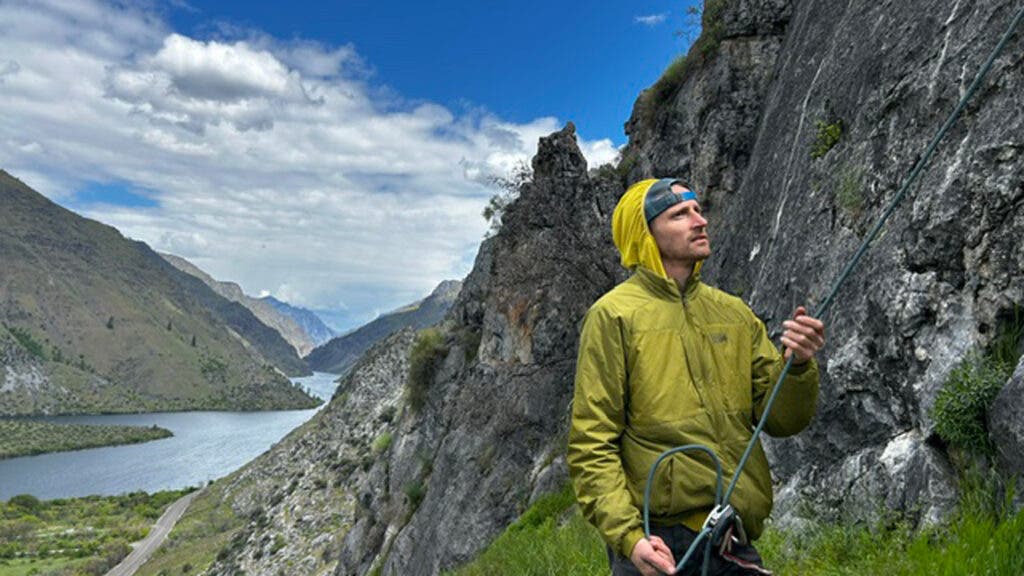
Here’s an armor-tough jacket that actually breathes—an uncommon combination that made it our Idaho tester’s new go-to. “I’m tired of tearing and patching midlayers,” he said. But this nylon ripstop is far more abrasion- and tear-resistant than anything else I’ve used.” That outer shell uses two versions of 20-denier Pertex Quantum Air: A coated variety on the front body and sleeves to repel precip, and an uncoated stretchy one for the underarms and back. Inside, a ventilating lining made of polyester Octa fibers (called AirMesh) and 40-gram PrimaLoft Gold Active insulation (60-percent recycled) deliver breathable warmth.
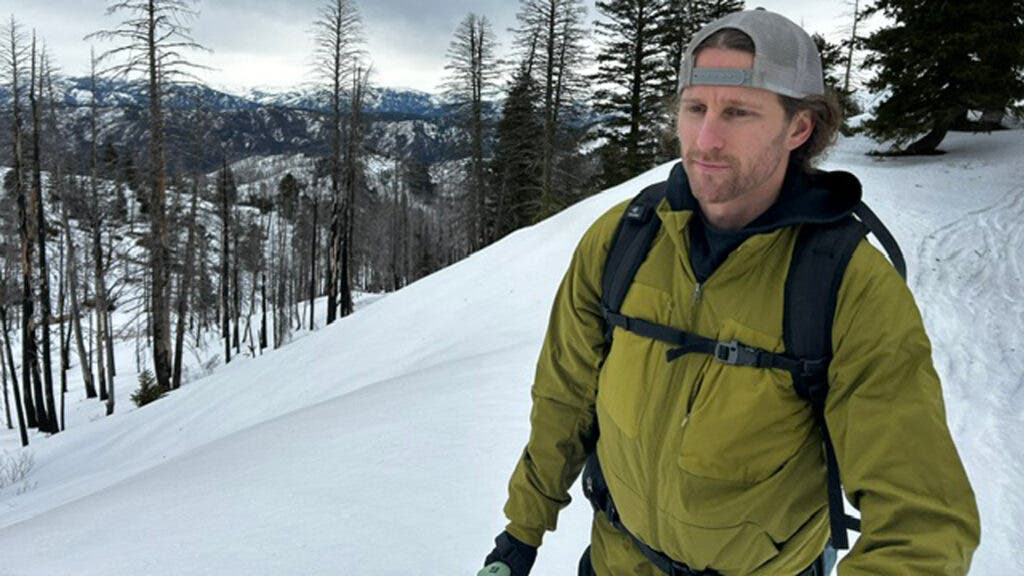
The combination creates a highly versatile layer. “From resort skiing at Bogus Basin, wearing it under my shell, to skinning the backcountry at Mores Creek Summit, to climbing at Leslie Gulch and The Fins, this midlayer kept me comfortable, and it didn’t tear while bushwacking or being brushed against rocks,” reported one tester.
Four front pockets hold a satellite communicator and other essentials, and are placed out of the way for belaying and active climbing. Fit is just right—accommodating underlayers without bagging—and the lack of a hood trims unnecessary bulk. But it’s not as warm as some other jackets in test; we found it best used in temperatures above 20 degrees.
Paid Advertisement by Backcountry
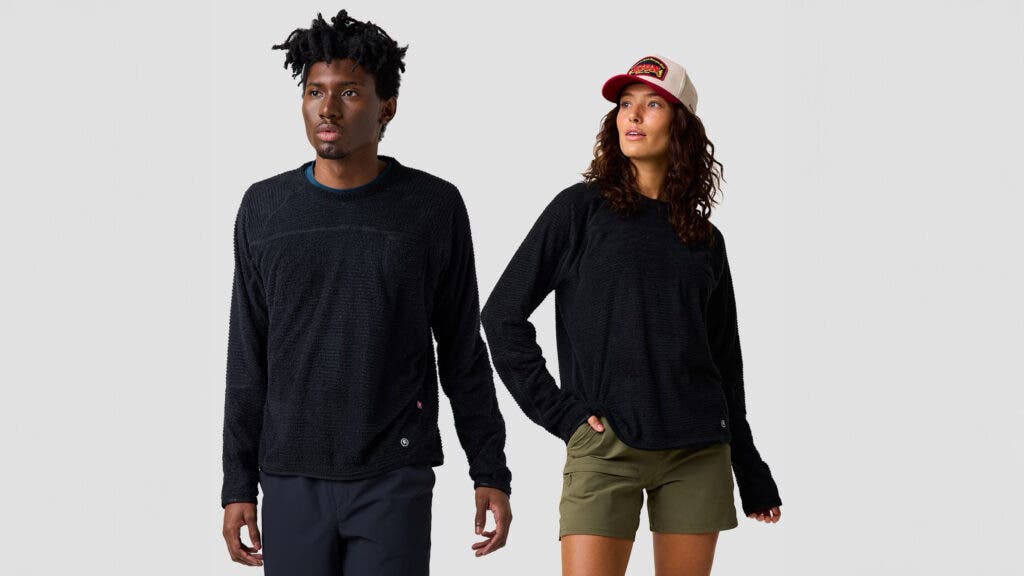
Backcountry Highliner PrimaLoft Air-Perm Fleece Crew
When effort and conditions change, this is the breathable, ultralight midlayer that will keep you free and regulated all day long. The PrimaLoft Active Evolve fleece manages your temperature and keeps you dry without trapping heat. The stretch knit has an athletic fit that doesn’t restrict mobility, so you can scramble, climb, and transition on the pitch with ease and comfort. It’s also compact, stowing away into a hidden neck pocket with an elastic cinch and carry tab, so you can stash it away whenever you need to drop a layer.
Most Packable
Stio Dawner Hooded Jacket
Sizes: S-XXXL (men’s), XS-XXL (women’s)
Weight: 12 oz. (men’s), 10.4 oz. (women’s)
Pros and Cons
+ Sweat-wicking
+ Very compressible
– Minimal insulation
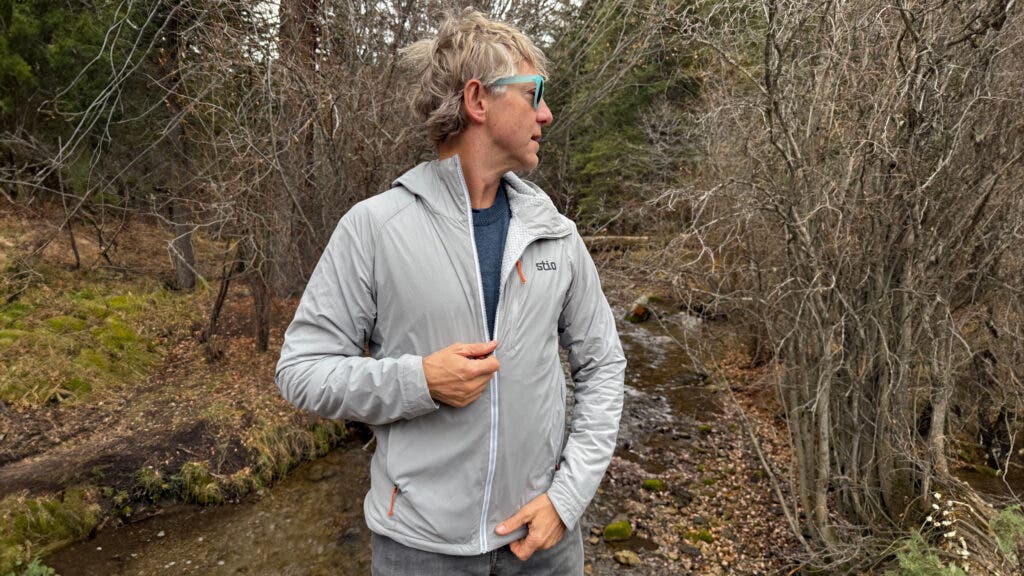
The Dawner is basically a stretchy windbreaker with a fleece liner, making it an all-season midlayer for high-energy activities like cross-country skiing, running, summit-bagging, fat-biking, and more; this was one of our testers’ most-worn pieces thanks to its versatility.
The supple, 20-denier stretch nylon shell (with nine percent Spandex) has a DWR finish that sheds light rain (but won’t hold up in a storm), while 100-gram Octaknit insulation—one of the lightest, most breathable polyester fleeces on the market—lines the interior. It’s exactly what testers wanted while moving fast: the fuzzy interior mopped up sweat as quickly as they produced it, and the lightweight insulation complemented high-output body heat.
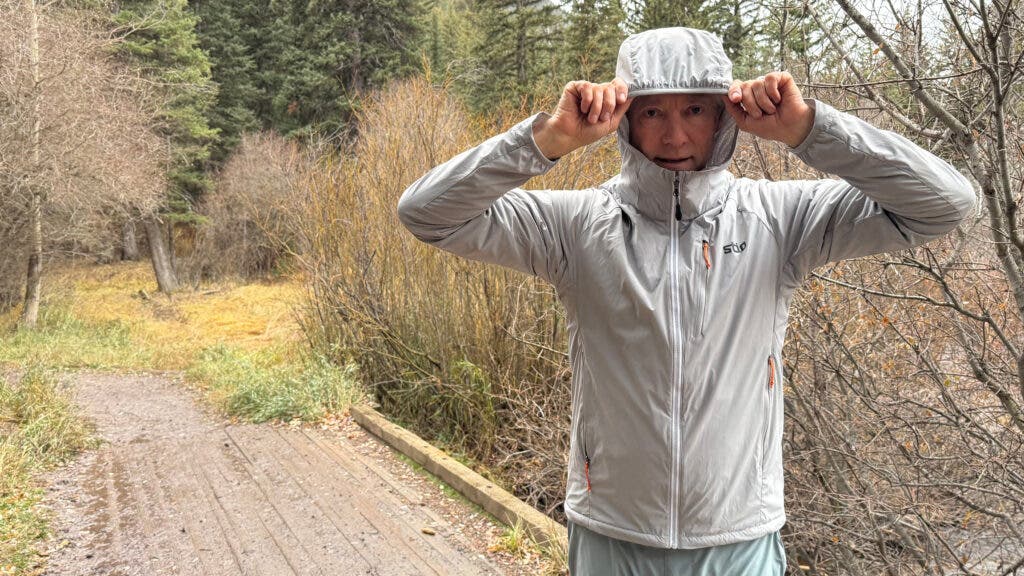
The jacket’s generous cut fits over thicker baselayers, yet it’s slick enough to slip under heavier shells. A cinchable helmet-compatible hood and hem made it easy to batten down the hatches during cold starts on pre-dawn backcountry missions. And because it packs down to the size of a grapefruit, it migrated into our Teton tester’s pack for summertime mountaineering adventures too. But this is no super-toaster: During light exertion or in cold temps below 15 degrees, testers wanted something warmer.
Most Breathable
Black Diamond First Light 1.0 Stretch Hoody
Sizes: S-XL (men’s), XS-XL (women’s)
Weight: 13 oz. (men’s), 11 oz. (women’s)
Pros and Cons
+ Excellent breathability
+ Stretchy and unconfining
– Not for large bodies
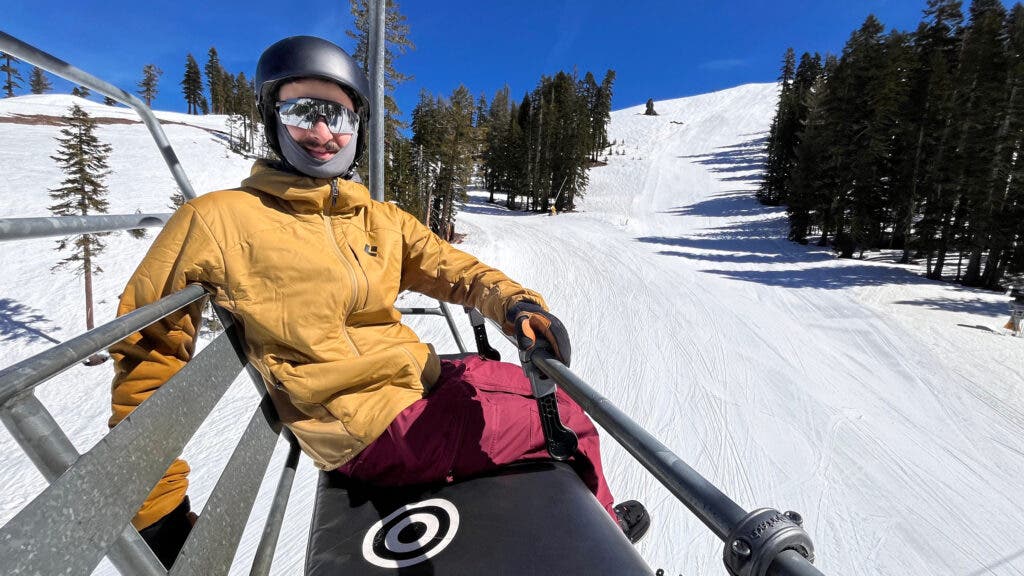
When breathability bests warmth in the Roshambo contest between jackets, this hybrid insulator wins. The First Light 1.0 Stretch Hoody is zoned for high-output activity, with most of its insulation (thin panels of PrimaLoft Gold Active) in the chest, hood and outer arms. The back and underarms are made of a Merino wool jersey (knit with 46 percent nylon) that’s supremely stretchy and breathable. The 20-denier stretch-nylon shell fabric has a DWR finish to repel light snow.
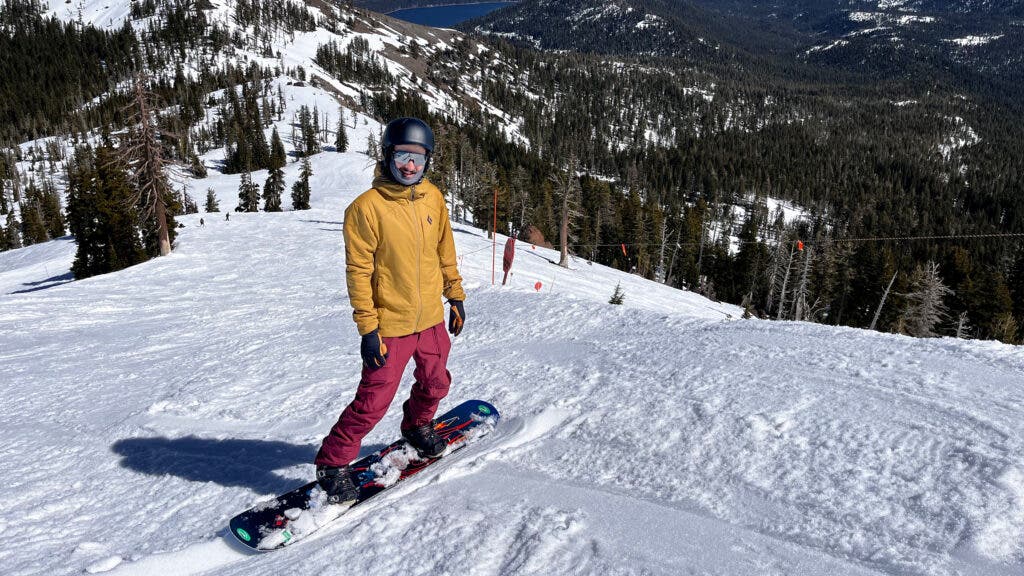
“It works perfectly with a pack—my back is where I usually get too hot and sweaty,” said our Tahoe area tester, who wore it for a season of cross-country skiing, touring, and resort snowboarding (when he topped it with a shell). Testers felt that this jacket worked best in cool to cold temps above 20 degrees.
Packability earned praise, with the whole jacket tucking into the zippered chest pocket around the size of a liter bottle. Two zippered hand pockets and a helmet-sized hood round out the features. The hood lacks adjustability, but our ski-touring tester deemed it functional during above-treeline deployment. Downsides? Sizing tops out at XL, and the jacket fits snug, even on slim builds.
Best for Cold Conditions
Marmot WarmCube Active Novus Hoody
Sizes: S-XXL (men’s), XS-XL (women’s)
Weight: 17 oz. (men’s), 15 oz. (women’s)
Pros and Cons
+ Highly insulating
+ Doesn’t feel bulky
– Not weather resistant
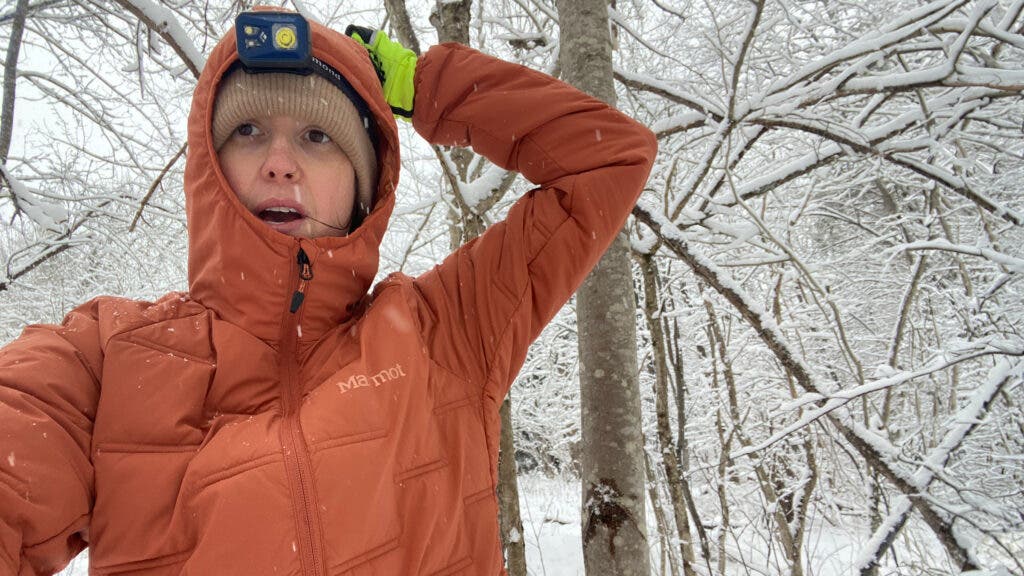
This jacket’s triumph is the way it pairs heavyweight insulation—testers wore it in temperatures from 10 below zero to 15 degrees—with outstanding breathability and mobility.
That’s achieved by surrounding plump squares of “featherless” synthetic insulation (polyester flakes that imitate the soft, body-conforming feel of down) with uninsulated strips that promote mobility and ventilation. “It let me move around a lot in cold weather without overheating,” reports our New Hampshire tester after wearing it while backcountry skiing near Zealand Falls Hut and hiking around Franconia Notch. “The gaps in the baffling allow for so much airflow, yet that maximized airflow somehow doesn’t compromise heat retention,” she explains.
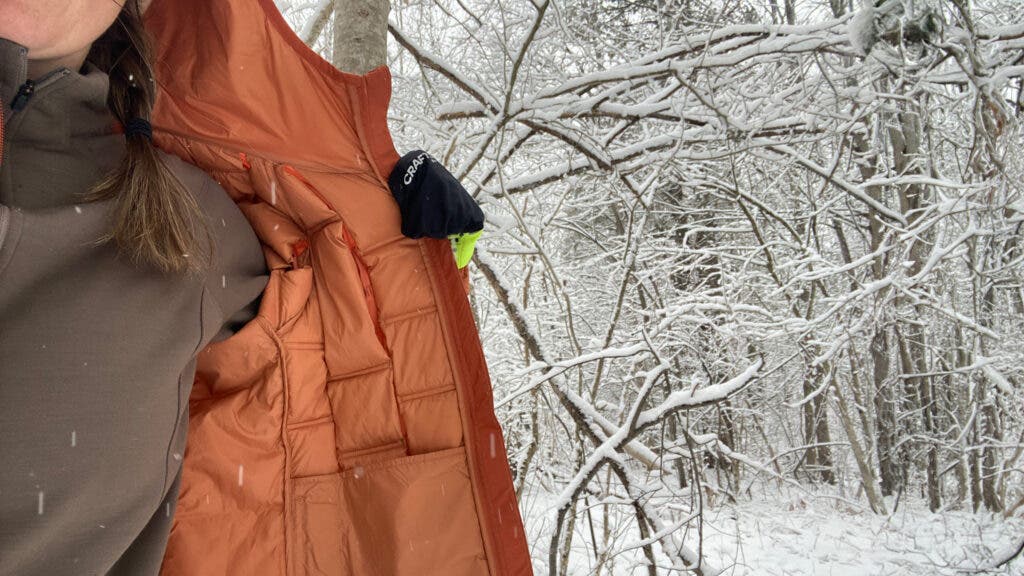
Those air channels are just as good at letting wind in, however, so our testers topped this jacket with a shell whenever conditions grew gusty or wet (the 100-percent preconsumer recycled nylon ripstop doesn’t offer much protection beyond drizzle). “This jacket is surprisingly sleek for a puffy, so it doesn’t feel bulky when I wear it under a shell,” said one tester who stayed cozy in it while skiing Sugarloaf in 10-degree temperatures.
Two zippered hand pockets and two internal drop pouches secure handwarmers or a collapsible flask (our fat-biking tester loved this storage for keeping water from freezing). The fit, however, is universally roomy: Some shoppers may want to size down.
How To Choose an Insulated Midlayer Jacket
Selecting a midlayer is all about finding the sweet spot for your activity and weather conditions. Unlike heavy down hoodies and parkas meant for sitting around camp or belaying ice climbers, midlayers need to keep you warm while also offering breathability.
The warmth-to-breathability ratio is key: In general, a great midlayer should keep you warm, but not so warm that you overheat and soak it with sweat. Protection from wind and precipitation is a bonus, but midlayers are often paired with a waterproof shell in bad weather, so finding that magic warmth-breathability balance should be your priority.
Synthetic fabric and insulation are key to almost all midlayers. Fleece-backed jackets, with their porous fibers, offer the best breathability, but can often be too thin and permeable for very cold or windy conditions. Hybrid or “body-mapped” designs that blend baffled panels with other fabrics are excellent when working up a sweat in colder conditions. Minimally vented synthetic insulated jackets provide the most warmth at the cost of breathability, although they are still a better choice than sweating it out in a down puffy.
Here’s how to decide which midlayer is right for you:
How Hard Are You Going to Hammer?
If you are planning to work up a lather, look for breathable layers that will keep you from getting clammy, which can make you hypothermic if you stop moving or encounter big winds. Fleece-backed jackets, like the Stio Dawner (which uses loosely knit Octa fibers), are king when it comes to breathability. If conditions are too windy or frigid, however, ramping up to a midlayer with some synthetic fill, like the Arc’teryx Atom, is a better choice.
How Wet Will It Get?
Down-filled layers have the best warmth-to-weight ratio when it comes to outdoor gear, but quickly lose that advantage if you’re sweating from the inside or getting soaked from the outside. Synthetic fill (used in most midlayers reviewed here) and fleece-backed jackets keep you warm when wet. So does wool (the Ortovox Ravine Metawool 90), though it does absorb water over time and becomes a soggier, heavier insulator.
How Cold Will It Be?
If you know it’s going to be frigid or you’ll be moving slow, by all means, go for a thicker puffy like the Marmot WarmCube Active Novus. But if you’re moving fast in typical winter temps, chances are that much insulation will be overkill. It’s not a bad idea to pack two midlayers, or at least include a fleece in your kit, to be prepared for changing temperatures and exertion levels.
How Much Weather Protection Do You Need?
If you plan to wear a wind- and waterproof shell over your midlayer, you won’t need to worry about the storm cutting right down to your base layers. If not, look for a piece that offers some wind and water resistance, like the Ortovox Ravine Metawool 90 or Arc’teryx Atom.
Frequently Asked Questions about Midlayers
Q: What’s the best type of insulation for midlayers?
A: Moisture-resistant synthetic or wool insulation does the best job at maintaining warmth when exposed to sweat and light precipitation. Synthetics come in a range of fibers and constructions, including carpet-like fleeces, sheets of batting, and loose fibers that get sewn into baffles to imitate the warmth and appearance of down (but with superior moisture resistance).
Q: Should I get a midlayer with a hood or without?
A: Depends on how many other hooded jackets you’ll layer with it. A hooded midlayer provides additional warmth and weather protection, but heavy snow can soak it unless you cover it with a shell—which can add up to surplus headwear. A hoodless midlayer under a hooded shell is generally a better choice for stormy conditions.
Q: Why are there no down puffies among the midlayers in this review?
A: Down loses its insulating qualities when it gets damp (as it will when worn as a midlayer for sweaty pursuits). Looking for a technical down jacket? Read on.
Q: Why are midlayer jackets so expensive?
A: Making materials that are simultaneously warm, breathable, and protective is a technological feat that doesn’t come cheap. These multi-tasking materials cost more than ones that do just one job well.
How We Test
- Number of testers: 21
- Number of products tested: 63
- Testers’ age range: 15-71
- States represented: 8 (California, Colorado, Wyoming, Idaho, Minnesota, New Hampshire, Alaska, Maine)
Our testers spend a lot of time outdoors—they qualify as obsessive skiers, mountaineers, ultrarunners, climbers, hikers, and view-admirers. But they also possess the gift of gab. Our testers must be able to say much more about a piece of gear than “it’s awesome” or “it sucks.” They sweat details about, well, sweat, and how apparel responds to their sweat or contributes to its production. They note what makes a jacket feel unconfining, how much wind protection it delivers, and whether it plays nice with a backpack.
For this test, we evaluated 46 of the most breathable midlayers on the market, including full-zip and pullover styles. We asked testers to consider the fit, the breathability, the warmth they enjoyed from each midlayer, and its best application: Is the jacket best for ski-race spectating? Nordic skiing? Après at the resort? All of the above? Only the items that earned raves on performance and livability won coverage among these reviews.
Meet Our Lead Tester
Kelly Bastone moved to the Colorado Rockies in 1998 and has pursued outdoor sports ever since. A freelancer who writes about gear and other outdoor topics for publications such as Backpacker, AFAR, and The Red Bulletin, Bastone has contributed many gear reviews to Outside over the years. An avid skier (resort, Nordic and backcountry), fly-fisher, mountain biker and mushroom forager, she gets the news she needs from the weather report.
