

Published November 3, 2026 06:00AM
Overview: Wide feet often need a high-volume ski boot, meaning a last of 102 millimeters or wider, though some wide-footed skiers do fine in medium-volume boots with lasts of 100- to 101 millimeters. We highlighted seven boots with lasts from 100 millimeters to 103.5 millimeters, including men’s and women’s options and one backcountry touring boot.
Wide feet are a problem for skiers. Take it from someone whose bootfitter once called hers “platypus feet.” My forefoot is wide, I have basically no arch, and my heel, ankle, and calf are skinny. That wide forefoot points me toward a wider last and “high volume” boots, but my flat foot swims in them, with way too much room between my instep and the boot ceiling and around my ankle and calf. So what do I do? I stuff my platypus feet into low-volume boots that keep them snug, then work with a bootfitter to stretch and grind out the toebox.
For skiers with more typical wide feet (a wide forefoot, a higher instep, and proportionally bigger ankles and calves), the fix is usually far simpler: try on a few boots with a last of 100 millimeters or more, either a generous mid-volume or a high-volume model, and see what fits.
Why do so many of these boots all have BOA dials, you ask? Because whether you like them or not, you can’t argue that BOA makes it easier to fine-tune the fit and wrap above the instep. Here are our testers’ favorite boots for skiers with wide feet, high insteps, and thicker calves, all available in multiple flexes for men and women. And remember: boot fit is highly specific to your foot shape. To find the best boot for you, visit your local ski shop and work with a professional bootfitter.
Best Ski Boots for Wide Feet: At a Glance
| Ski Boot | Last Width | Price | Pros | Cons |
| Rossignol Hi-Speed HV BOA | 102 mm | $600 | Convenient entry and BOA lower closure; Performance on par with stiffer boots | Fit out-of-box was more snug than expected |
| Fischer Premio BOA | 102 mm | from $550 | Lots of room, everywhere; Very square toebox shape | Potential for quickness requires high volume foot and leg |
| Nordica Speedmachine 3 BOA DD | 100 mm | from $850 | Extra room in toebox, forefoot, instep and calf; Performance snug in heel and ankles | Testers said DD might stand for “difficult donning” |
| Dalbello Veloce Space Dual | 101 mm | from $730 | Particularly good shin and toebox fit; Skied as strongly and accurately as 130-flex models | A bit difficult to get on |
| Atomic Nexus BOA | 101 mm | from $600 | Easy on, easy off; Extra room over top of foot and through instep | Might be too high-volume for skiers with low insteps |
| Salomon S/Pro Delta BOA | 102 mm | from $750 | Comfortable; Skis more powerfully than expected | Might not be high-volume enough for some |
| Dynafit Radical Pro | 103.5mm | $900 | Roomy backcountry boot with great range of motion and progressive flex | Exceptionally wide last will be too cavernous for some |
Rossignol Hi-Speed HV BOA
Sizes: 24.5-29.5
Last: 102 mm
Flexes: 120, 100
Pros and Cons
+ Convenient entry and BOA lower closure
+ Performance on par with stiffer boots
+ 100-flex version offers big value
– Fit out-of-box was more snug than expected
One tester called it the best 102-millimeter-lasted boot ever made, and the fit balance explains why: secure and pinch-free through the rearfoot, roomy up front without going bucket-wide. A new lower-shell BOA dial lets you fine-tune the wrap across your forefoot and instep, and entry is among the easiest around. The reworked R-Go Fit liner grips just enough to hold your heel, snug at first but relaxing after a couple of runs. The 120 flex skied like several 130s, so if you like a softer boot, look at the Rossignol Hi-Speed HV BOA 100.
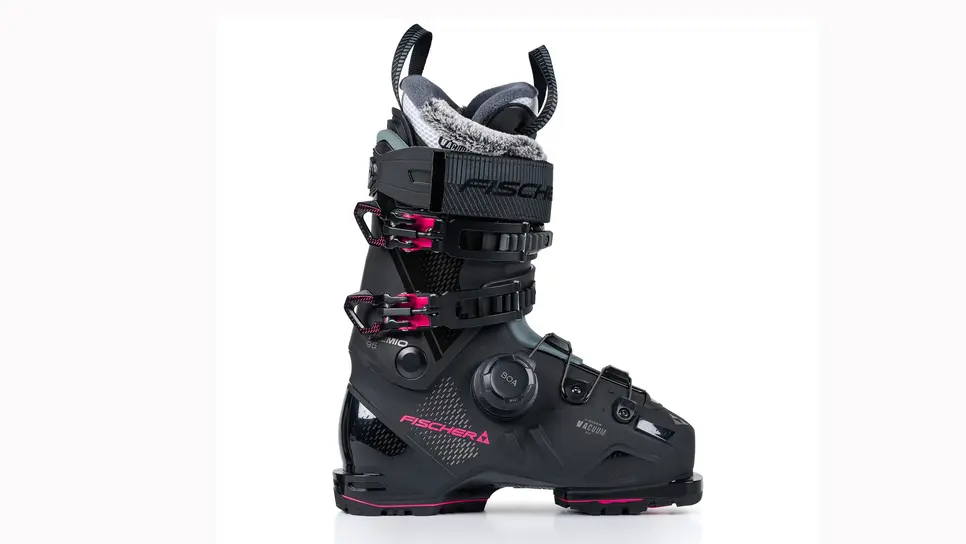
Fischer Premio BOA
Sizes: 23.5-30.5
Last: 102 mm
Flexes: 85-130
Pros and Cons
+ Lots of room, everywhere
+ Very square toebox shape
+ Foot feels planted for good edge control
– Potential for quickness requires high volume foot and leg
Plenty of wide boots drift toward medium width or ski like the box they came in. The Premio BOA doesn’t. It averaged a 5 (roomiest) across all eight fit zones testers scored, and its toebox is the most noticeably angled they’ve tested, letting toes spread out for comfort, warmth, and grip. Stance angles and shell construction keep the foot planted flat through every edge angle, even on lower-volume feet. The only knock was quickness, which a thicker, higher-volume foot should close by filling the boot out. Available in flex options ranging from 85 to 130.
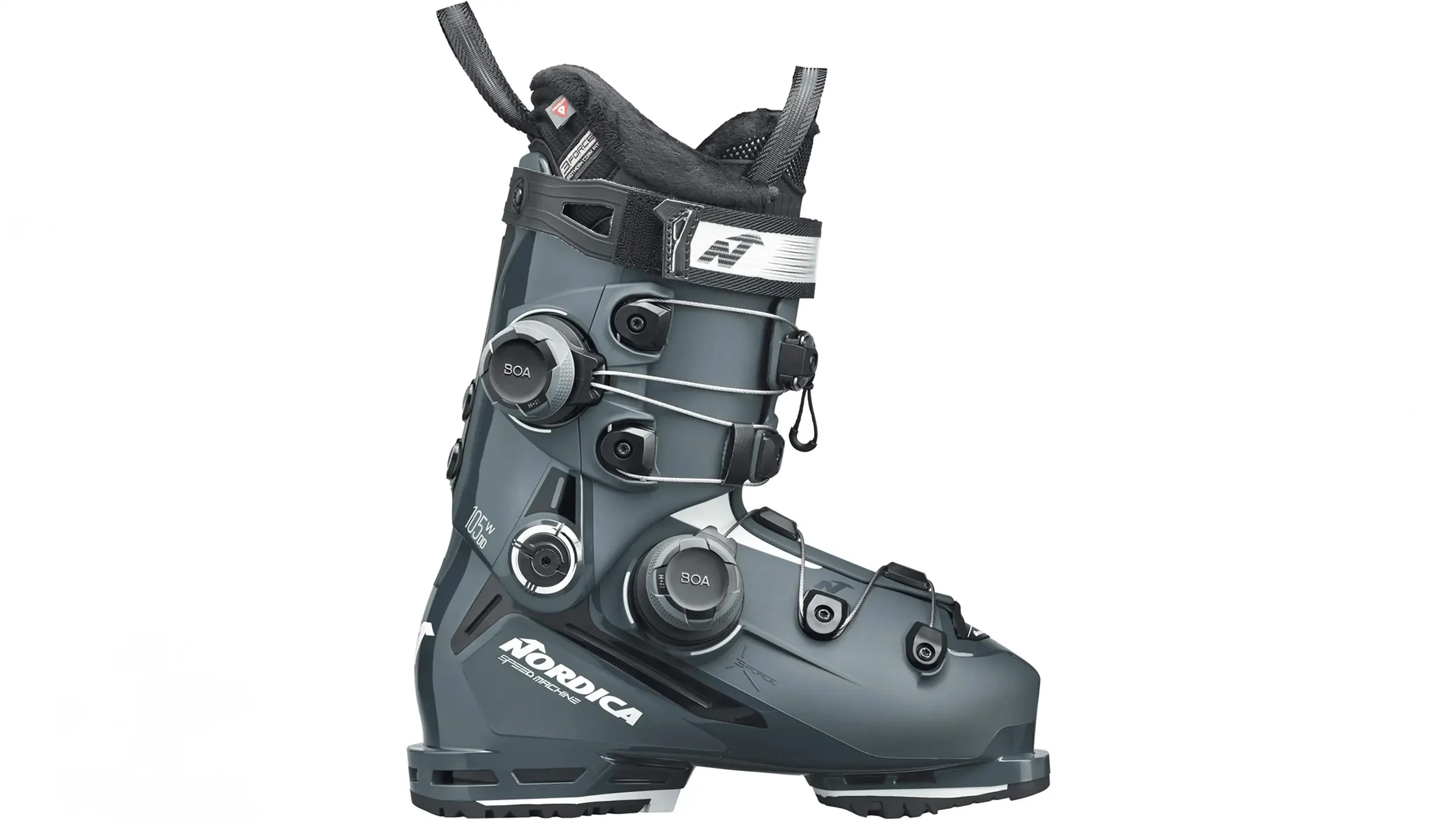
Nordica Speedmachine 3 BOA DD
Sizes: 22.5-30.5
Last: 100 mm
Flexes: 130, 120; 115, 105 (women’s)
Pros and Cons
+ Extra room in toebox, forefoot, instep and calf
+ Performance snug in heel and ankles
+ Double BOA offers fine adjustment to an already good fit
– Testers said DD might stand for difficult donning
A true medium, the 100-millimeter-last Speedmachine 3 still has room for higher-volume feet to pack in and feel secure, with the performance payoff of a snug fit. The shell follows the foot’s natural shape while the liner cushions the wider, bony spots. Once your foot settles in, it’s held firmly, with just enough breathing room left in the toebox, forefoot, instep, and calf. A strong rearfoot hold keeps narrower, pressure-sensitive feet happy too. Entry takes more effort in the tested 115-flex DD (dual dial) than in the 105-flex model with buckles up top and BOA below.
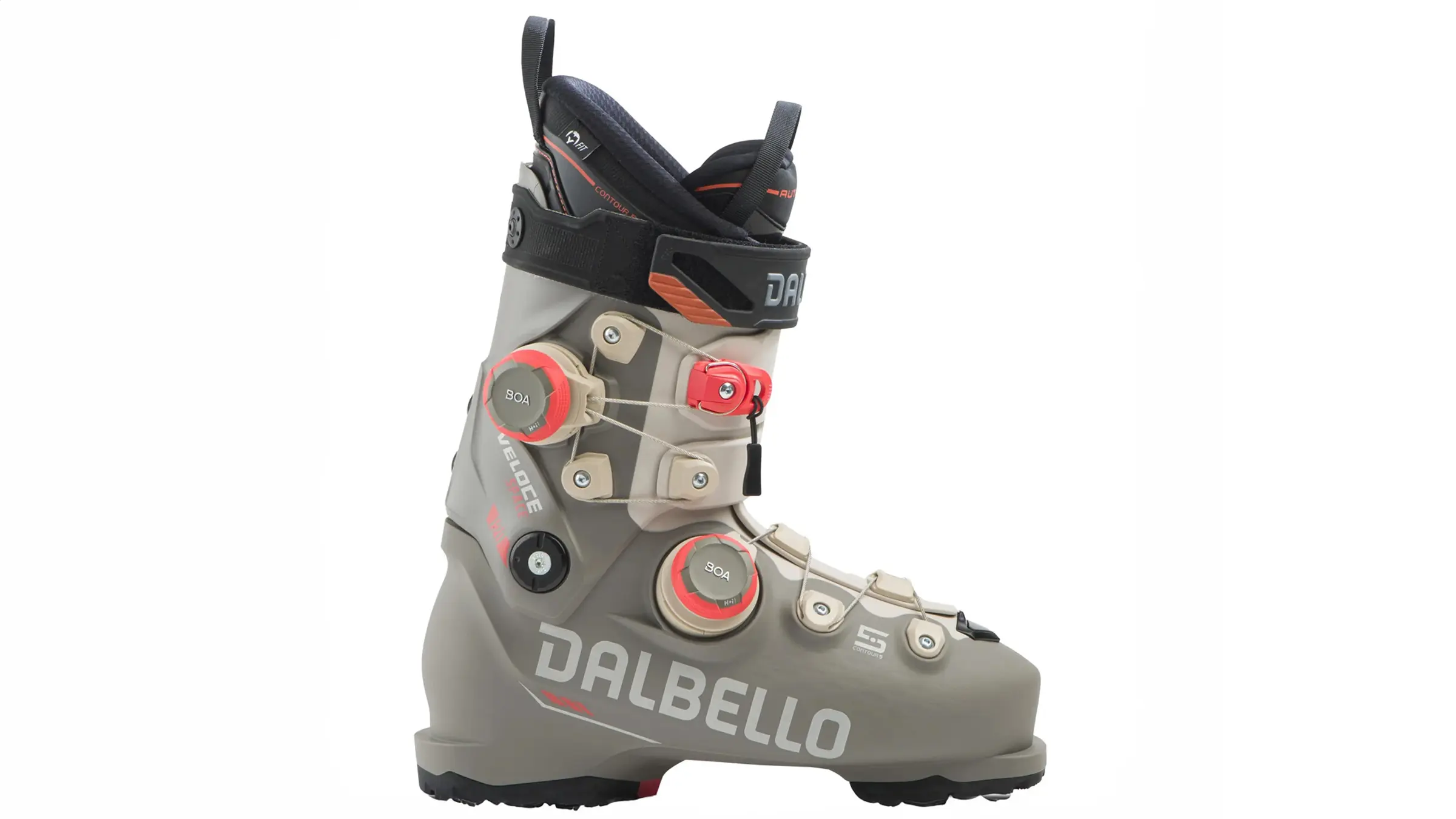
Dalbello Veloce Space Dual
Sizes: 23.5-30.5
Last: 101 mm
Flexes: 120, 110; 105 (women’s)
Pros and Cons
+ Flawless medium fit for average feet and legs
+ Particularly good shin and toebox fit
+ Skied as strongly and accurately as 130-flex models
– A bit difficult to get on
The Veloce Space Dual’s 101-millimeter last runs a smidge wider than true medium boots but fits just as snug for average and wider feet alike. Its cabrio design keeps things friendly for higher insteps, and testers praised the snug shin fit and just-right toebox. Dual BOA entry can be a cable-tangled hassle, but testers called it worth the cover charge. On snow, it handled icy groomers to crud with ease, even outperforming stiffer boots. Available in two flex models for men, one for women.
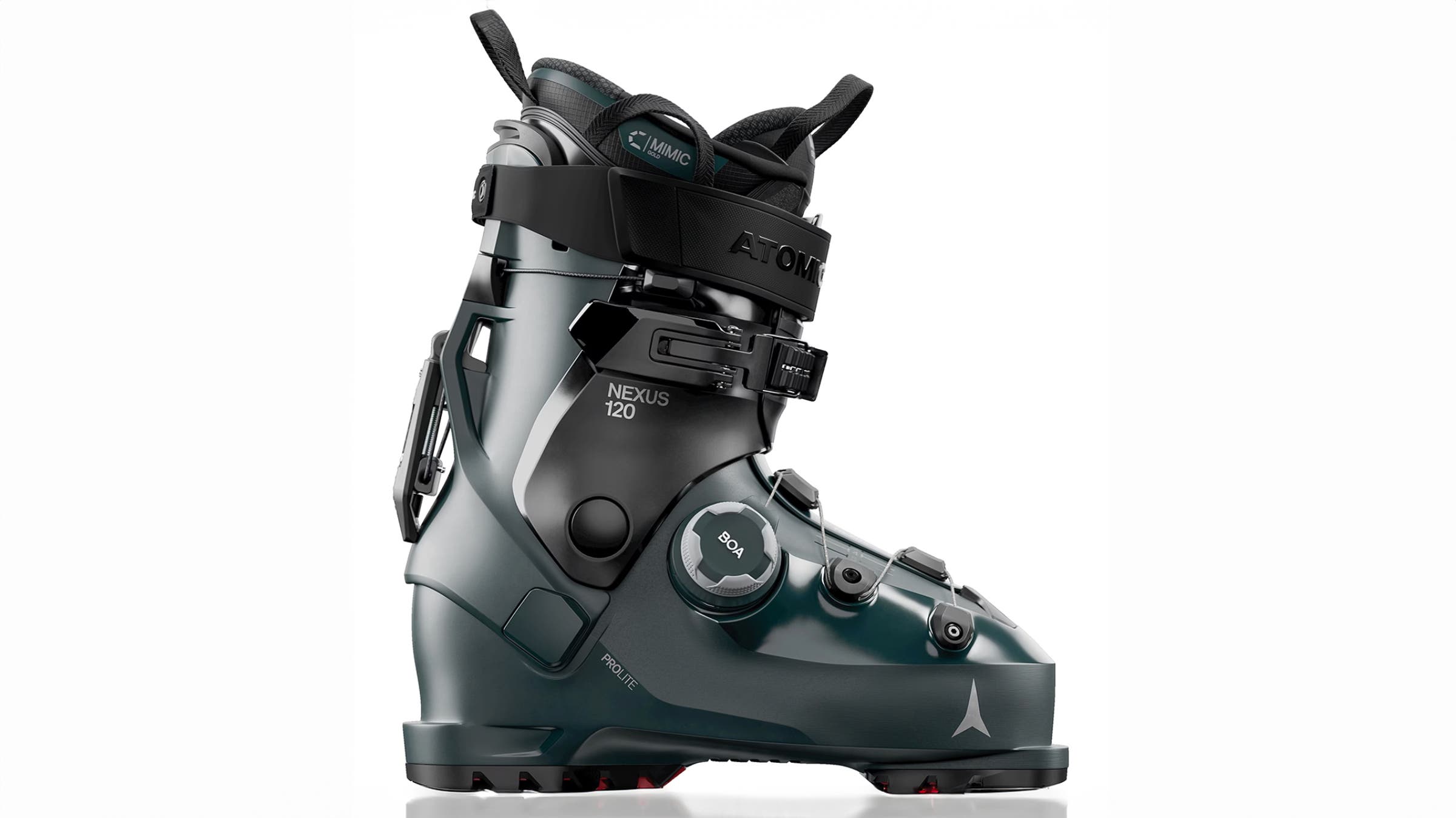
Atomic Nexus BOA
Sizes: 24-31.5
Last: 101 mm
Flexes: 130, 120, 110; 105, 95 (women’s)
Pros and Cons
+ Easy on, easy off
+ Extra room over top of foot and through instep
+ Skis predictably with good stability
– Might be too high-volume for skiers with low insteps
A 101-millimeter last makes the Nexus 130 BOA a higher-volume boot that balances comfort with performance, and the shape works for wider feet and higher insteps alike. The ankle break sits high and slightly forward, which accommodates higher insteps, and heel hold is excellent on genuinely high-volume feet. Even a low-volume skier barely noticed slop once the heel was driven into the pocket. Mid-entry means you lift the spine lever and step in hands-free, yet it skied like a true 130 flex, with a lively, springy rebound.
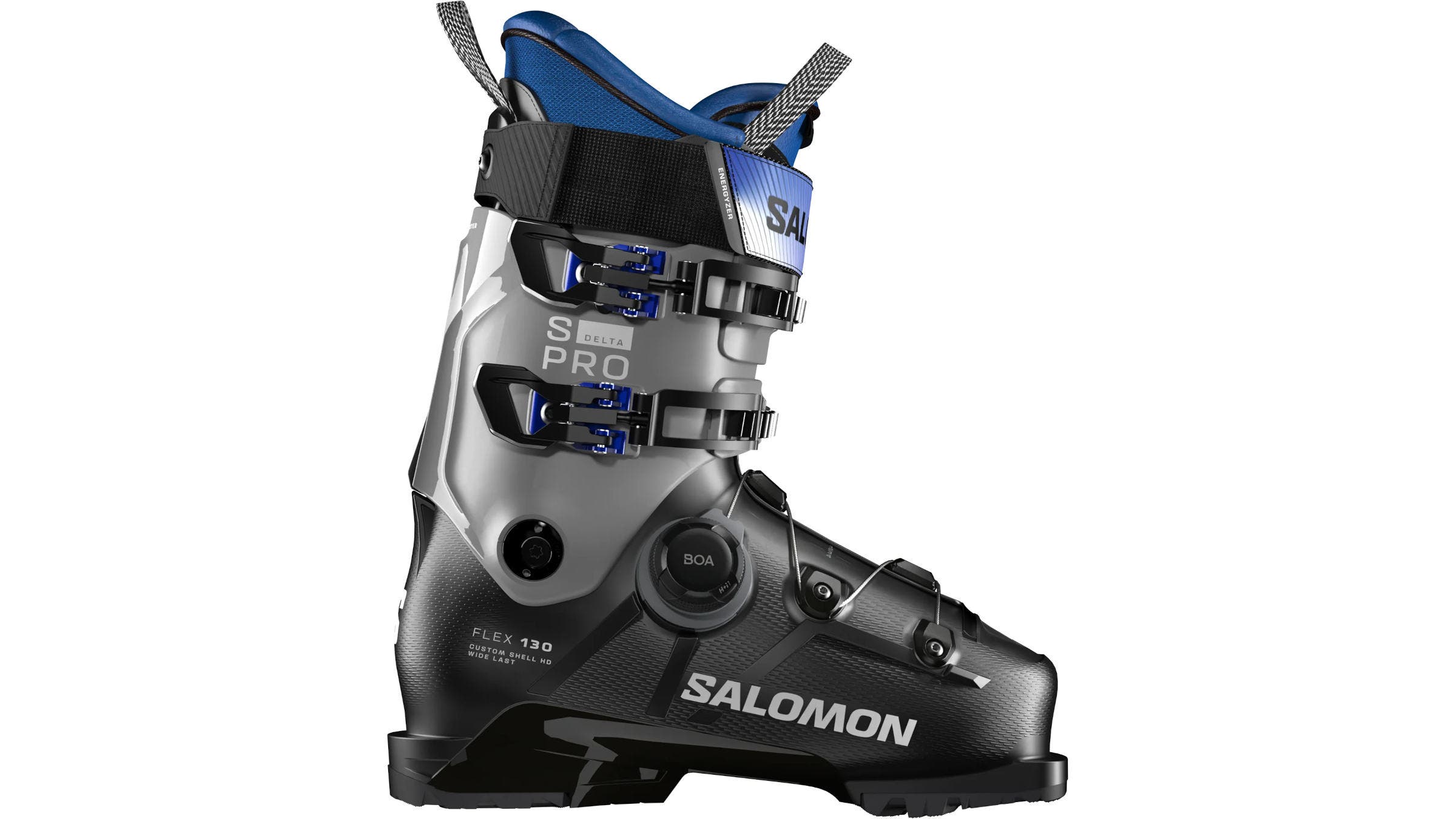
Salomon S/Pro Delta BOA
Sizes: 22.5-31.5
Last: 102 mm
Flexes: 130, 120, 100 (men’s); 105, 95 (women’s)
Pros and Cons
+ Accommodating fit
+ Comfortable
+ Skis more powerfully than expected
– Might not be high-volume enough for some
Salomon’s wide-fit answer isn’t a soft, cavernous compromise: it skis like a performance boot. A 102-millimeter last gives wide-footed skiers plenty of space through the forefoot and instep, with ample cuff room for thicker calves. Once the BOA is dialed in, tension feels smooth and even from shin to toe, and even mid-volume testers felt locked in rather than sloppy. It’s plush inside yet quick, lively, and efficient edge to edge, scoring on par with narrower, more technical boots. Truly wide feet may need a bootfitter to tune the heat-moldable Custom Shell.
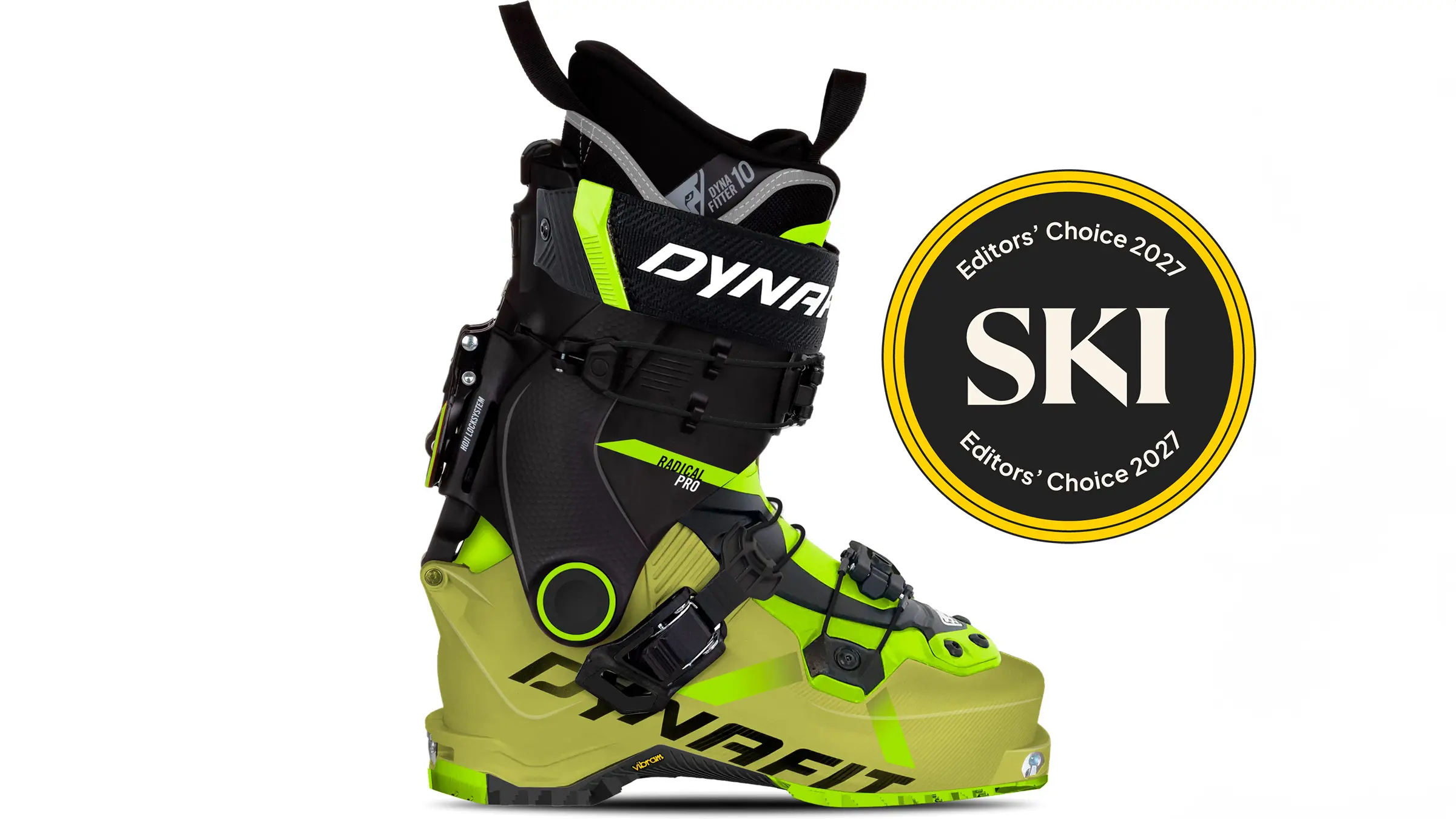
Dynafit Radical Pro
Sizes: 22.5-31.5
Last: 103.5 mm
Flexes: 120 (men’s); 120 (women’s)
Pros and Cons
+ Flex is progressive, you never feel the “brick wall”
+ 60° range of motion has almost no friction
+ New Vibram sole extremely grippy on rocky terrain
– Wide last will be too cavernous for some
A touring boot for wide-footed skiers who want one boot for big missions, the mid-weight Radical Pro walks well and skis hard. The forefoot and heel pocket run wide, and our tester kept the scaffo clamped a bit to snug them up, so narrow feet should beware. The instep sits low enough to hold the heel even on a skinny-footed skier, leaving toes cozy and the descent locked in. On multi-day tours and a three-day Eastern Sierra traverse, the progressive flex muted vibrations in wet, manky snow, and the walk mode pivoted freely.
Ski Boot Buying Guide
Fit makes or breaks a ski boot, and wide feet make it harder to get right. Expert skiers vetted and tested every boot here, but the best one for you depends on your own feet. A professional bootfitter is still the fastest way to narrow the field. Until you get there, here’s what to know.
What counts as a wide ski boot?
Boot width is listed as the last: the internal width at the forefoot, in millimeters, measured on a size 26/26.5 shell. The number also hints at overall volume—the height over your instep and the room around your lower leg in the cuff. Narrower boots generally have a lower instep and a snugger cuff, while wider boots have a higher instep and a roomier cuff. Boots sort into three groups:
- Low-volume (LV): 96-98 mm
- Medium-volume (MV): 99-101 mm
- High-volume (HV): 102 mm and up
Do I need a high-volume boot?
Not always. Some skiers with wider feet are comfortable in a medium-volume boot. Everyone’s tolerance for a snug fit differs, so try several widths at a ski shop and go with what your feet tell you.
How We Test Ski Boots
Feet and legs come in too many shapes for one tester to speak for everyone. A boot that feels custom-made on one skier can feel punishing on another. That’s why we partner with professional bootfitter Mark Elling, who leads the Masterfit/America’s Best Bootfitters annual ski boot test. Every brand, large or small, is invited to submit models. Over two weeks, 10 expert testers—evenly split between men and women—skied 50 boots, averaging three runs per boot across a range of conditions.
Meet the Ski Boot Expert
Mark Elling has worked full-time in the ski industry for more than 35 years as a writer, a level 3 PSIA-certified instructor, a snowcat skiing guide and a professional bootfitter. He runs a year-round specialty bootfitting lab in Bend, Oregon (BootRX.com), and is a former board-certified pedorthist. Elling coordinates Masterfit’s annual boot test, and he’s the author of The All-Mountain Skier: The Way to Expert Skiing.
