

Published November 4, 2026 03:05AM
When I was a child, visits with my Korean grandmother always began with the same ritual. She would place my left hand on her lap and trace the lines in my palm with her index finger, before delivering a prophetic verdict about my future. She’d tell me that when I became an adult, I would be a cheapskate. Apparently, the so-called “money lines” on my left palm were unbroken. “Your pockets won’t spill money, unlike your grandfather,” she would say.
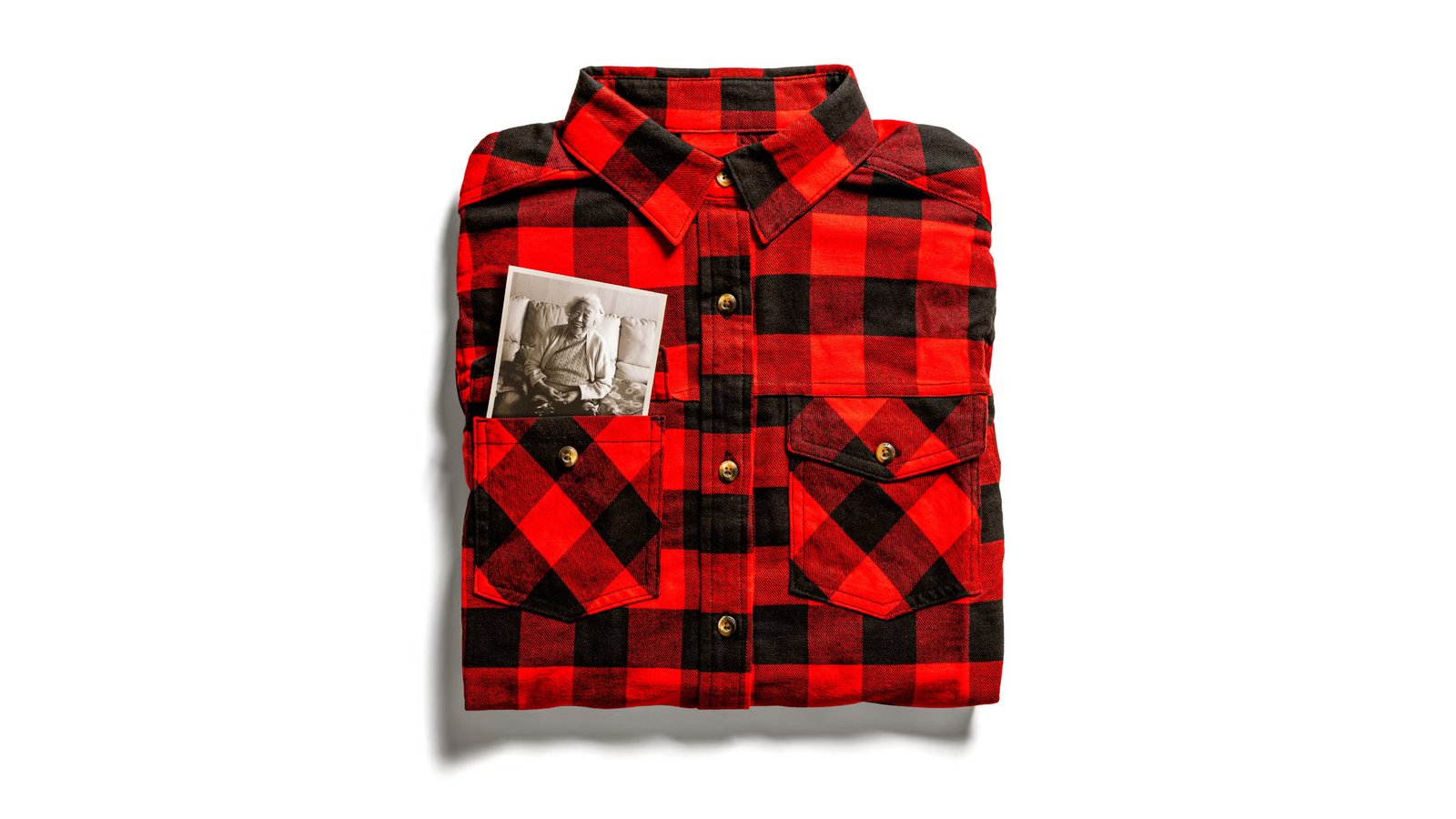
After reading my palm, my grandmother would turn her attention to my shirt. Starting with the threads, she’d run her fingers along the seams and the stitches, analyzing the fabric for some soothsaying quality. Her hands would rub the material, and she would look at it closely. After pausing for a few seconds, my grandmother would announce her findings: “This shirt has good cotton!” or “I’ve never seen this weave!”
I lived with my family in Arkansas, worlds away from Seoul, which is where my parents had been born and my grandmother lived. Sometimes my grandmother would visit us in the United States, and sometimes we’d fly halfway across the globe to see her in Korea. I remember thinking that her fixation on fortune-telling and garment analysis was normal. I assumed that, across the U.S., grandmothers were greeting their grandchildren by gifting them candy and presents, before sitting down and studying the microfibers in their sweatshirts and blouses.
As I got older, I learned that my grandmother’s hyperfixation on fabric was the product of her younger adult life in Korea. According to my family’s fuzzy family lore, Grandma had once managed a textile factory. Well, no, maybe she had actually owned it. Did she simply work at the factory? Facts were hard to come by. Different family members visiting from Korea would tell pieces of Grandma’s life during their stays in Arkansas. And over the years, Grandma’s history in the garment industry became a source of my curiosity.
I’m now in my early forties, and my grandmother is 99. After years of hearing these mysterious stories, I set out to discover the truth of her connection to the garment industry. During one of my trips to Seoul, as we sat on her couch watching professional wrestling on TV—her favorite pastime—I asked my grandmother questions, in my second grade–level Korean, about her career in textiles.
More than half a century ago, she told me, she and my grandfather had owned a textile factory in Seoul that employed more than 50 people. They had helped pioneer the industrial production of a fabric that stills defines the style and culture of the outdoor industry: cotton flannel.
I wanted to know more, but my lack of Korean fluency kept me from truly interrogating this history. So, I enlisted my cousin, Spring, who speaks fluent Korean and English, as well as my sister, Mary, and my own mother to uncover the real story. Over the course of two years and a half dozen interviews, we interrogated Grandma, full name Sonia Shin, but whom we affectionately call “Hal-money” (grandmother in Korean). She told us stories, recounted memories, and helped us understand what her life was like more than half a century ago. We pieced together the tale of how she and my grandfather built a small empire of industrial flannel production in postwar Seoul. And then, how she lost it all.
Flannel is one of the most popular fabrics amongst outdoor enthusiasts—just try walking into an outdoors store without spotting a flannel shirt at any time of year. Over time, the soft, plaid, button-down shirt has become the unofficial uniform for those of us who work in the outdoor recreation industry. It’s the stuff of cozy pajamas and warm camping blankets, the foundation of the lumbercore fashion movement. Its cultural significance extends far beyond the campfire: flannel is synonymous with Kurt Cobain and grunge rock; with Snoop Dogg and nineties hip hop; with ranchers, tech bros, and city dwellers seeking blue-collar authenticity.
Despite its ubiquity, few wearers of the material ever stop to consider what flannel actually is. Most people associate it with colorful plaid designs woven into wool, but not all flannel is plaid, nor is it wool. The term “flannel” refers to any woven fabric, usually cotton or wool, that’s been brushed until it becomes fuzzy and extremely soft.
Imagine taking a metal brush and scrubbing down a spot on your khaki pants until a thin layer of fuzz forms on the surface. That layer is called a “nap,” which is made up of loosened fibers that, due to the brushing, now stand on end as a soft and warming tuft. The process of creating flannel makes garments warmer and softer.
Industrial textile factories use machines affixed with fine metal bristles to scratch fabric as it passes through the device, raising the nap evenly across thousands of yards of material. The technique used to make flannel is centuries old. Flannel’s origins have been traced to 17th-century Wales, where textile workers brushed fabric made from sheep’s wool into a material that was warm enough to survive the region’s wet, cold winters. Originally done by hand, the technique eventually became mechanized, and it spread across Europe during the industrial revolution. Cheap cotton from North America eventually flooded the European market in the 19th century. Mills quickly swapped out wool for cotton. Amid this evolution, cotton flannel became a fabric for working-class Europeans.
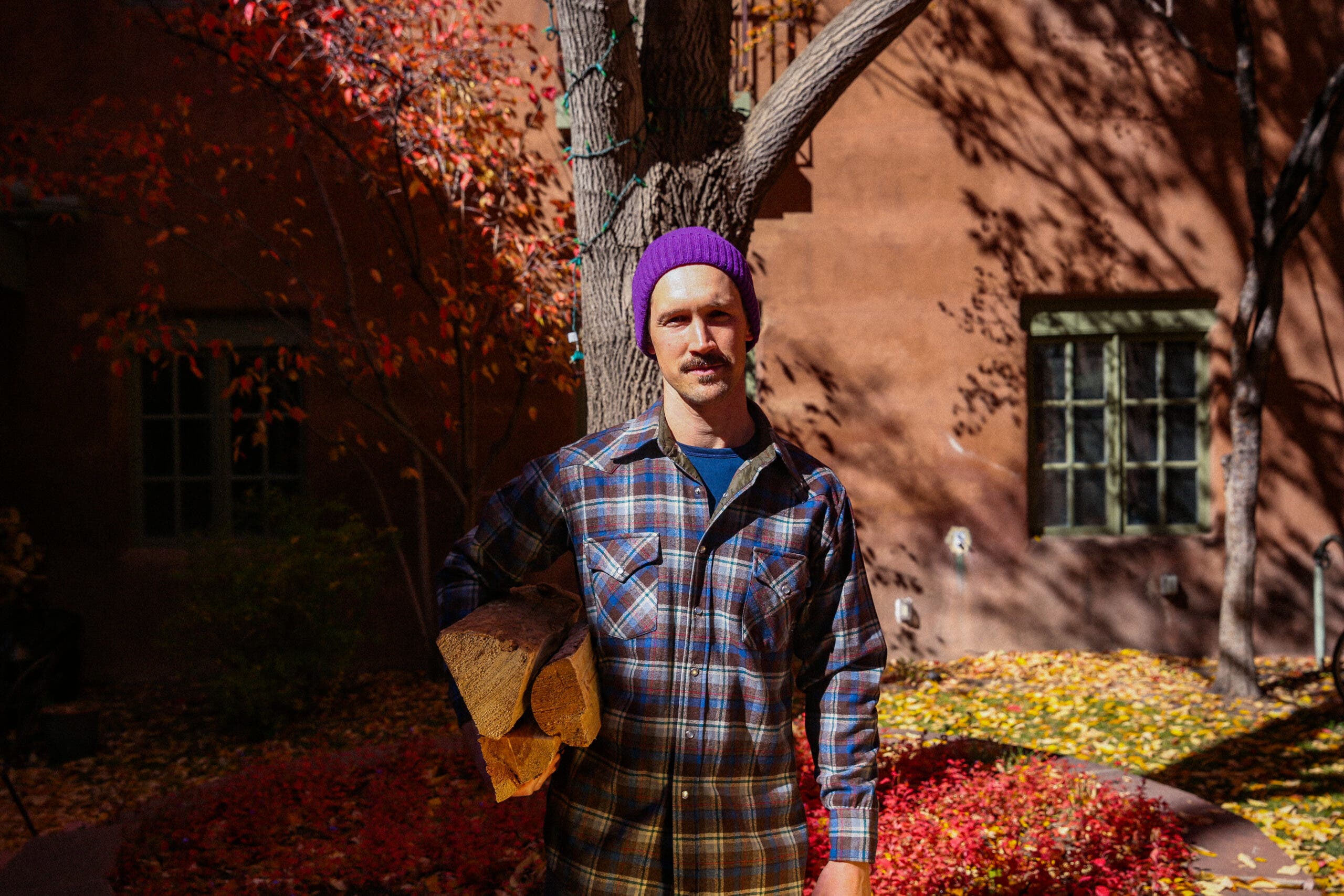
In the U.S., flannel’s connection to the rugged outdoor lifestyle came from Woolrich, the Pennsylvania-based company founded in 1830. The company introduced its red and black buffalo check shirt in 1850. The brand was a hit with hunters, loggers, and trappers, and the design became the official shirt of the lumberjack.
Steven Kurutz, author of American Flannel: How a Band of Entrepreneurs Are Bringing the Art and Business of Making Clothes Back Home, grew up 25 miles from Woolrich headquarters. Flannel was the uniform of the town, even on dressed-up days. His grandfather, a sheet metal worker and fisherman, owned a fancy flannel coat that Kurutz still wears today. “Everyone had one,” he told me.
Kurutz’s explanation for its popularity is that flannel lends a quiet humility and authenticity to those who wear it. The style, he says, has never belonged to any one kind of American. “Flannel cuts across races,” he reminded me. “It’s American, but not necessarily a white person’s garment.”
America’s production of flannel garments shrunk as the textile industry increasingly sought cheaper labor abroad. In 1980, approximately 70 percent of the clothing Americans wore was made in the U.S.; today, it’s about 2 percent, Kurutz wrote. The lion’s share of our garments is instead woven in massive factories in China, Vietnam, Bangladesh, or India.
The Woolrich mill, the oldest continuously operating one in the country, closed at the end of 2018 after the brand moved production overseas. Kurutz calls this a “quiet tragedy” in his 2024 book.
“It’s a deeply American brand, and now it’s not made here, not headquartered here,” he lamented. These days, the brand’s corporate headquarters are located in Italy.
As I spoke with Kurutz, my grandmother’s connection to flannel echoed in my mind. Her story seemed to become more compelling with every historical data point he explained. Decades before American textile manufacturers shipped their operations overseas, my grandparents built a flannel empire out of a half-burned factory in Seoul.
My grandmother is exhausted. Spring and I have just completed a two-hour-long interview session, and Hal-money is lying sideways on her favorite sofa in her apartment in the Apgujeong neighborhood of Seoul. She ignores us while we wrap up our camera gear for the day. I’ve turned on the TV to drown out the noise so she can sleep. WWE wrestling is, of course, playing on the screen.
“If I was just a little younger, I could do it again,” she mumbles before nodding off for a nap.
Spring and I have been aided by a sizable trove of documents, photos, and records from my grandmother’s career in the textile industry. While searching through her belongings, we found the incorporation documents for her business, as well as photographs of the factory, of the looms, of past employees.
These photographs and documents jog Grandma’s memory. She recites exact dates, locations, names of old friends, measurements of fabric. She describes scenes as clearly as if they’d just occurred.
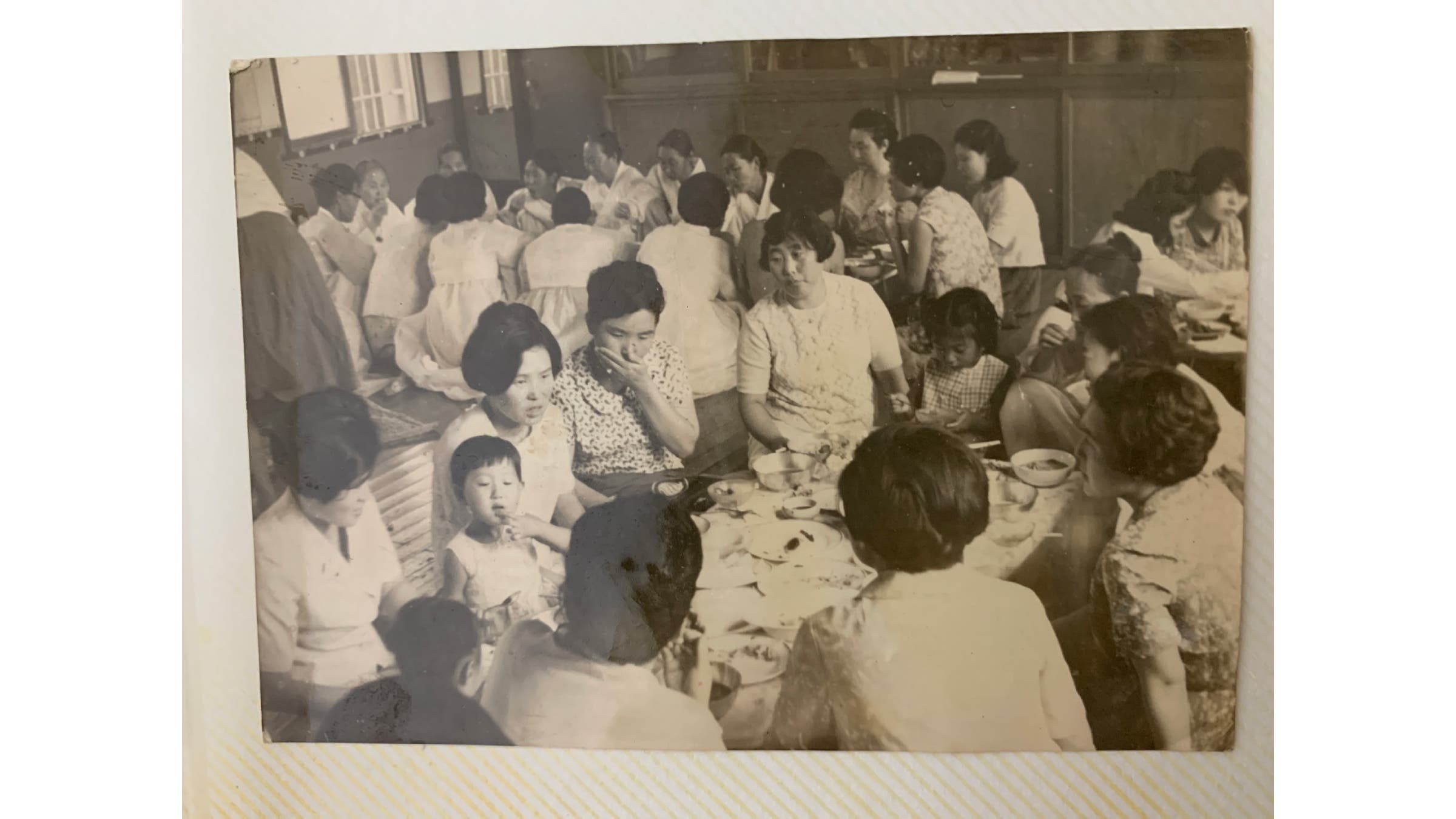
Sonia Shin was born in the northern city of Pyongyang in 1928, back when Korea was under the colonial rule of Japan. Her father worked as a court clerk for the Japanese colonial administration, while her mother was a homemaker. She had an older sister who was academically astute and would eventually marry into Pyongyang’s elite class. Sonia, however, was, in her own words, “naive and mediocre. Obedient.” She found a supporter in her own grandmother, who would say, “The little one has it better in the end,” when referring to her. Sonia has repeated this phrase under her breath for 90 years.
In 1947 Sonia was married off by her father—a traditional custom at that time—to my grandfather, KwangDal Suh. Kind and gentle, KwangDal was from the city of Incheon, in the south of Korea, and had traveled to Pyongyang to work on a railroad project connecting the two cities. They spent the first year of their marriage in Pyongyang so he could be closer to work, but eventually, they decided to move to Incheon in 1948 to be closer to his family.
The move came at a pressing time in Korea’s history. The Korean peninsula was politically fracturing in the post–World War II years, as communism and democracy tore the population in half. Armies from the Soviet Union occupied the north half of the country while American troops were in the south, and the 38th parallel created the de facto border. The dividing line was supposed to be temporary.
Sonia had one child and was visibly pregnant with her second at the start of her journey to Incheon. Before she left, her mother sewed cash into her clothing, should she need it. Her father also hired a travel broker, whose job was to help her complete the journey without being arrested or stopped. As she and KwangDal awaited a train to take them south, Sonia had just a few minutes to say goodbye to her mother and father. She told them she didn’t want to go, that she would miss them.
“I had no idea what was ahead of me,” she remembers.
Her father turned and gently pushed her back onto the train. She would never see her parents, or her home, again.
The journey to the south was treacherous. The first leg, from Pyongyang to Namchon, was by train. From there, Sonia, her husband, and a group of refugees, led by the broker, traveled by foot. She strapped her toddler son, JungDuk, to her back. They hiked along ridgelines and through dense forests to a ferry on the Ryesong River, which they caught after crossing quicksand-like mudflats. They had to complete the muddy crossing in the dark, and bullets from border guards whizzed by her head as they trudged through the muck. Sonia nearly drowned in the crossing.
“My foot got stuck in the mud and I thought my baby and I were going to die,” she says. “Someone in the group heard me crying and pulled me out by my shoulder. I still remember how painful it was.”
They evaded border guards who lined the roads, ready to shoot at anyone seen moving across the boundary. They completed the final leg to Kaesong, in modern day North Korea, on foot, and then traveled by train and car to Incheon. They were safe.
But they weren’t entirely happy. Sonia and KwangDal found work in his family’s herbal medicine shop. Sonia performed the daily manual tasks of grinding roots and other plants into medication. She did not like the work. After six months, she told KwangDal that she wanted a different life away from his family.
“My husband [had] told me his parents were pharmacists. This wasn’t a pharmacy, it was a traditional medicine shop where they wanted me to pound roots all day long,” she says. “I was not about to spend the rest of my life doing that kind of physically demanding work for my in-laws.”
After weeks of arguing, KwangDal relented. They moved into a boarding house where they rented one room to sleep in and another for work. Their first job was to repair sewing machines and other mechanical equipment. KwangDal was a natural tinkerer, and he loved disassembling machines, fixing their broken parts, and reassembling them. He even innovated with the leftover parts, building prototypes, including a makeshift loom and a cotton candy spinning machine.
Eventually, KwangDal and Sonia started a repair business. They added a secondary business selling cotton candy from the machine KwangDal built by hand.
But being business owners came with its own stresses. KwangDal was terrible with money, often donating his time to clients without charging them enough for his duties. Undercharging customers frustrated Sonia. But with the cotton candy machine, she got an opportunity to run her own business selling sweets to kids.
“That was the pivotal point,” Grandma says. “A young naive woman became a business-minded woman. As it turned out, I had a business mind that had been hibernating.”
It’s dinnertime in Seoul, and the three of us sit at a small table and attempt to finish off the fish my grandmother has made for us. In Korea, when an older person places food onto your plate, not only are you supposed to eat it, you also have to show immense gratitude that they gave it to you. In previous generations, when food was scarce, this is how the older family members treated their kin, by picking out the best pieces of meat, or the most symmetrical looking pieces of kimchi, and placing it on your plate—or even onto your spoon. But Spring and I are too full to finish the meal. Grandma spoons more fish onto my plate. “Yellow croaker is good for your brain,” she tells me.
“Hal-money, you didn’t eat enough, you should eat this last one,” I say as I move the fish to her plate. Eventually, Spring finishes off the meal. Throughout dinner, Spring has shown Grandma old photos on her iPad. Grandma had recited addresses of the old factory and names of people she hadn’t seen in decades. I wonder: maybe if I eat enough yellow croaker, I’ll have a memory like hers when I’m 99.
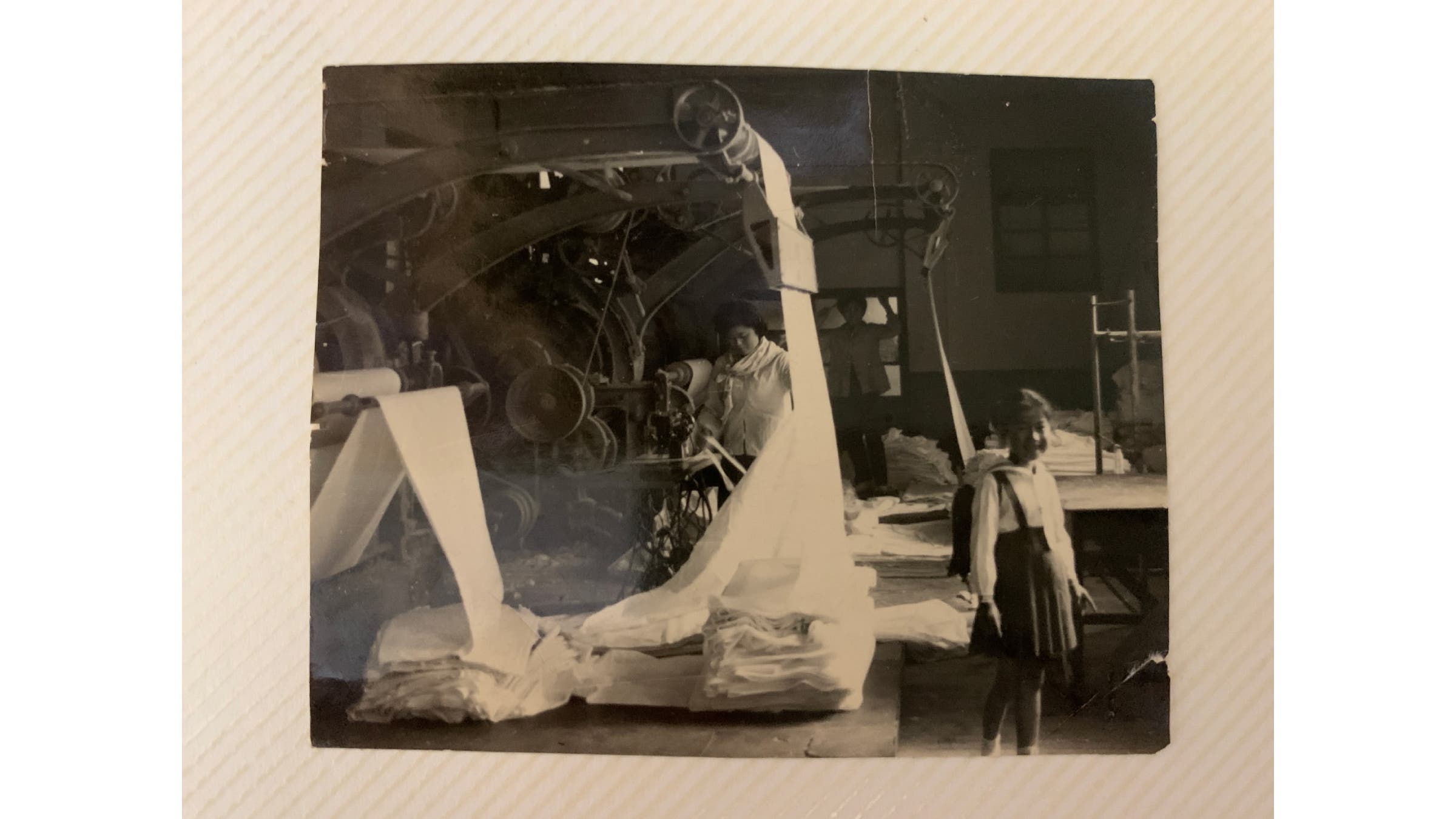
Sonia and KwangDal’s first factory was located in Seoul, which, in the early fifties, was a city of transition and turmoil. War between North Korea and South Korea officially broke out in 1950, and during three years of battles and bloodshed, Seoul changed hands four times and was decimated by bombs and shells.
Sonia and KwangDal departed Incheon for Seoul in 1951. Millions of Koreans had been displaced as the city tried to rebuild during and after the war. Using their earnings from selling cotton candy and repairing machinery, plus some of the cash that had been sewn into her clothing years before, my grandparents purchased a partially burned, two-story textile factory in the heart of Seoul.
“We saved enough from the cotton candy business to buy the property, all while supporting our fast-growing family,” Grandma said. By this time, they had four children.
Inside the burned-out factory sat several metal looms for weaving cotton. KwangDal set to work repairing them. Cotton had been the fabric of Korean society for centuries, ever since the Chinese had introduced it to the peninsula in the 14th century. Most garments were made of simple, loom-woven cotton.
Ever the tinkerer, KwangDal iterated on his original loom design from Incheon. He wanted a device that could make cotton garments have the softness of cotton candy. Instead of spinning sugar, he used metal bristles to scratch tightly woven cotton fabric. The cotton strands, when pulled apart, would stand on their ends, making the piece of fabric fuzzy, soft, and warm. This process is still used today to manufacture cotton flannel.
Building the machine took several months, but after KwangDal finalized his design, he took it to a metalworking shop and had three identical devices built. In 1958, he installed the four machines in his factory and set to work producing brushed cotton flannel fabric. The textile was a hit.
“We made so much money that the bank had to drive to our factory and load the cash into their vehicle and count it at the bank,” Grandma said.
Within a year, the looms were pumping out 4,800 yards of cotton flannel every 24 hours. They stored the fabric on massive rolls in the factory. And, as quickly as they could churn it out, it was purchased by clothing makers across the city.
Sonia and KwangDal named their company Baeekyang Gimo, which loosely translates to “White Lamb Flannel.” While KwangDal operated the machinery, Sonia ran the business. She became the bookkeeper and inventory clerk, the quality-control manager and logistics coordinator, as well as the HR department. Perhaps most important, however: Sonia was head of the company’s sales department. She processed every order, negotiated contracts with clients, and signed off on deals.
“I had to see things for myself,” she said.
As the company grew—by 1959 it employed 50 people—Sonia also took over the finances. While KwangDal was a brilliant engineer, he was terrible with money.
“He spilled money everywhere he went,” she said. “He couldn’t walk past a beggar without emptying whatever he had on him.”
Sonia, now 31 years old, blossomed as a business owner and entrepreneur. Most of Baeekyang Gimo’s customers were wholesalers and garment manufacturers throughout Korea. Sonia took orders from small businesses in Seoul’s Pyeonghwa Market in the Dongdaemun district and sold large orders to garment factories in Daegu. Even the Korean military was using their flannel in standard-issue uniforms. Baeekyang Gimo was profitable in its first year. By the societal standards of the time, Sonia’s work was almost unheard of. Women in postwar Korea worked hard, but they toiled in the background: in fields, markets, or family shops where a husband or father was the face and the owner. Confucian tradition places a woman at the bottom of a social pyramid: under her father, her husband, and even her son, for life.
Placing a woman at the head of an industrial operation violated social traditions. The only reason Sonia was tolerated in her position was that, on paper and in the public eye, the business belonged to KwangDal. Sonia could run everything as long as everyone agreed that Baeekyang Gimo belonged to him.
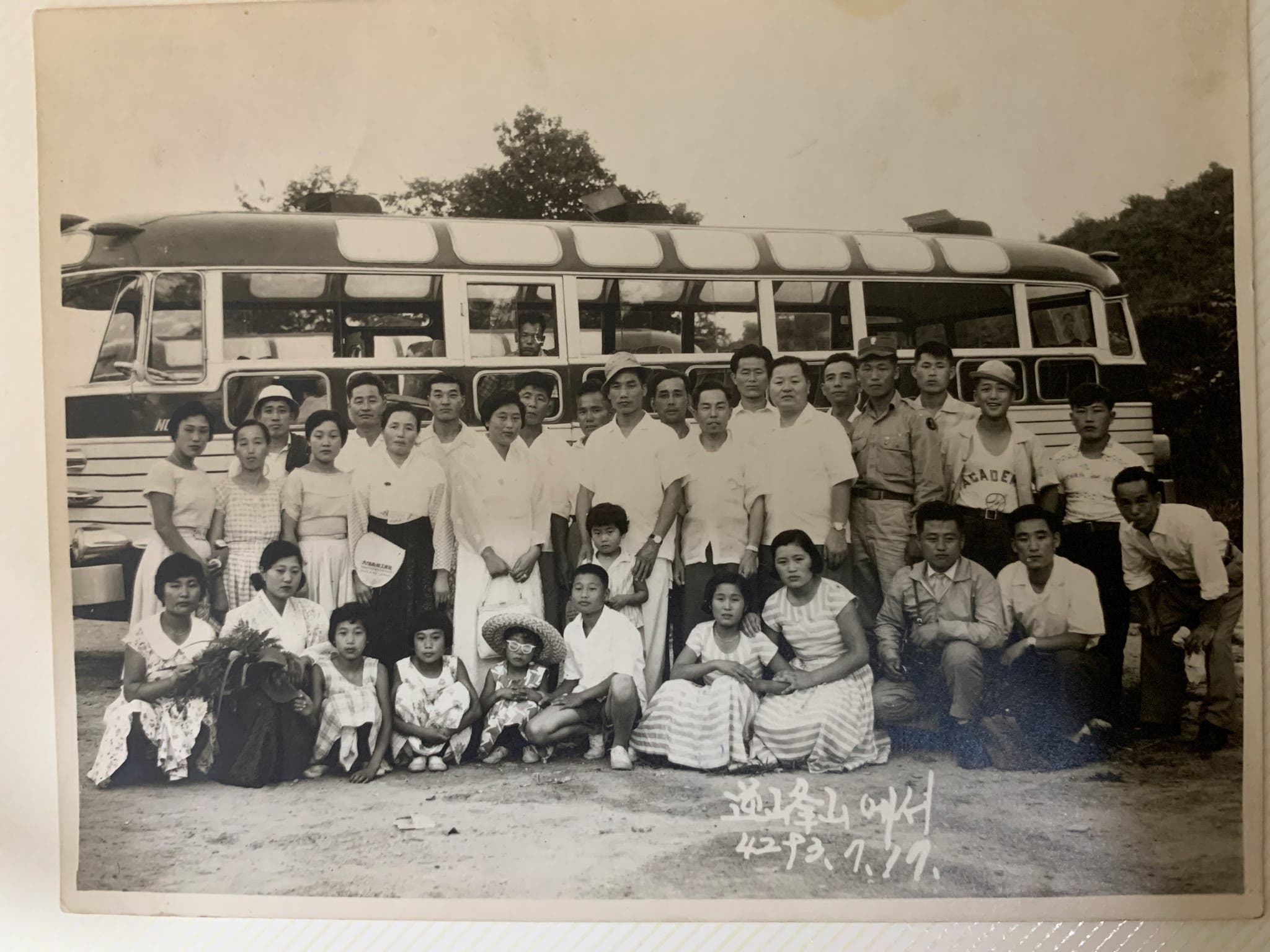
My grandmother’s story has had a tremendous impact on my own sense of identity in the outdoor industry, where I’ve spent most of my professional career. I first attended Outdoor Retailer (OR), the official industry meetup for outdoor industry professionals, in 2010 in Salt Lake City. I was employed by an e-commerce company in the outdoor space, and was eager to get to know an industry I had long been wanting to join. I wore a three-piece suit—attire that would have been fine at a normal trade show. But at OR, I stuck out. Nobody wore formalwear. Everyone was clad in flannel.
That wasn’t the only reason I stood out. As I walked the showroom floor, I saw very few people of color, aside from the show’s director, Kenji Haroutunian, who later became a mentor and, now, colleague in my current venture.
Over the years, I came to understand many truths about the industry. Industry leaders love to talk about diversity and inclusion, and in many cases, they do follow these guidelines. These days, the people who are featured in marketing campaigns are diverse. The entry-level ranks are finally starting to get more diverse. Even the crowds you see at trailheads are less white than they were decades ago.
But the leadership in the outdoor industry and the people owning these brands haven’t really changed. For 15 years, I’ve been asking myself if I’m crashing a party I wasn’t invited to. So in 2015, I launched my own event, an outdoor conference called Outdoor Media Summit (OMS). Since then, it’s become the largest gathering of media in the outdoor industry. It turns out my grandmother’s prophecy was spot-on: bootstrapping a business has required me to become extremely frugal. It’s been a grind, and I’ve only recently been able to pay myself a livable wage.
But money was never the hardest part. My face was. Once, at a fly-fishing industry trade show, someone made a highly offensive racist joke to a group of people, and everyone in the circle laughed at me. To this day, I still consider changing my public-facing name to “Ian” in hopes that my email response rates improve.
Not long ago, the industry’s leadership decided that OMS didn’t belong on its list of recommended trade events. We’ve earned the right to be on that calendar. Yet these are the kinds of things that make me wonder if I can survive in an environment that is so overwhelmingly white-run, if I can overcome the structural barriers ingrained in our industry.
My perspective changed after spending time with my grandmother and unpacking the details of her history. I learned how she spent nearly three decades building a business in a country that didn’t want women at the helm. My grandmother didn’t have the luxury of asking whether she belonged—she just worked, because stopping was never an option. Yes, my grandmother lived in a different time, in a different country, and faced deeper discrimination than anything I’ve encountered in the outdoor industry. But hearing her story instilled in me a sense of perseverance that, otherwise, I may not have developed on my own.
Learning my grandmother’s story also taught me that I indeed do belong in this industry. I no longer view myself as an outsider, the one guy in a suit in a sea of flannel shirts. You see, those shirts—worn by almost everyone walking the showroom floor—are made from a fabric woven into my own family history. My grandmother produced countless yards worth of brushed cotton flannel, which made its way into thousands of shirts across the globe.
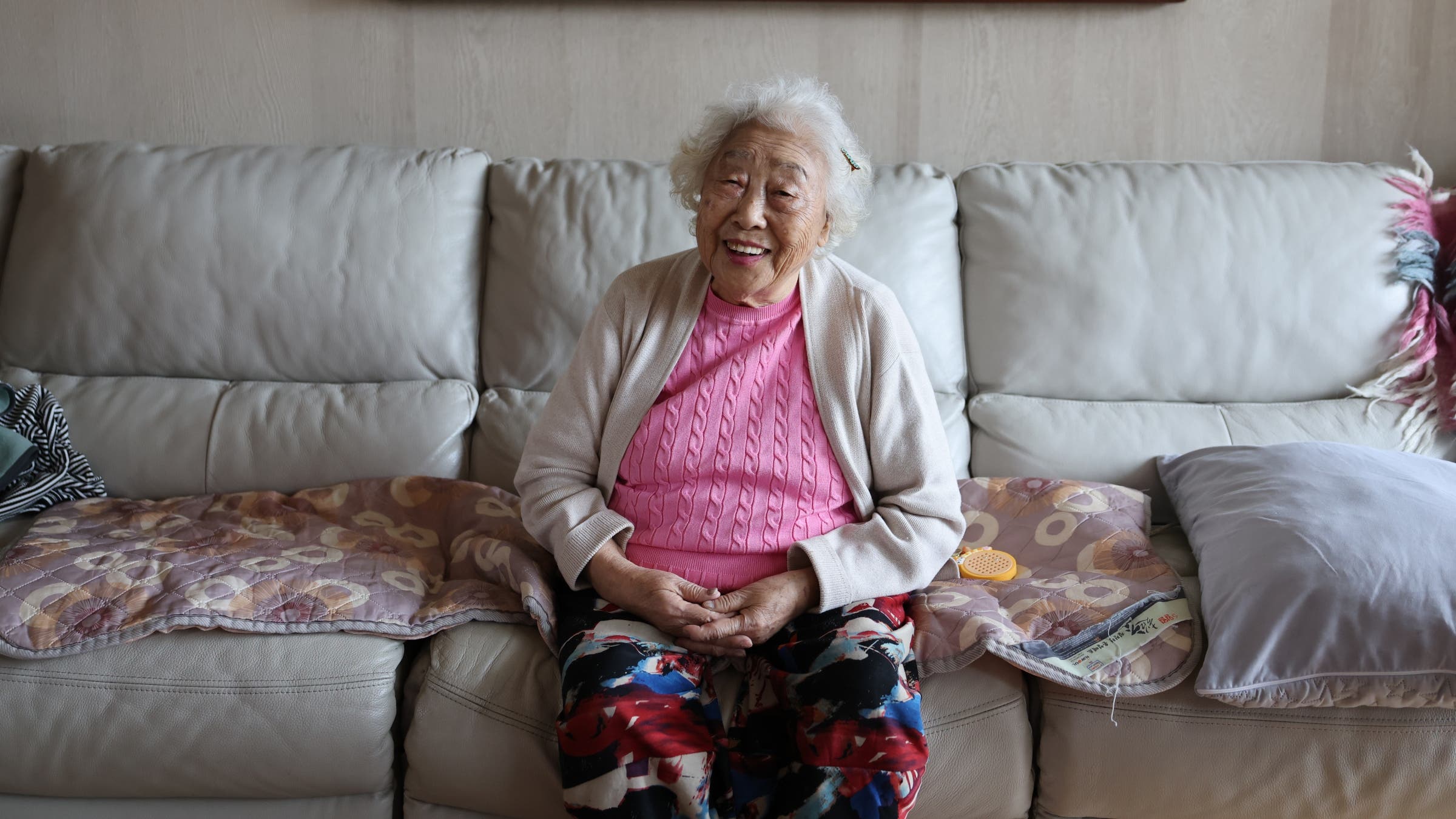
My grandmother’s sedan rolls through the streets of Seoul’s Sindang-dong neighborhood, past soaring apartment high-rises and modernized commercial buildings. Inside, I sit packed into the car next to my cousin, mother, sister, and grandmother. We’ve come to Singdang-dong to try and find the old factory that Hal-money and her husband operated. Our mission is to snap a photograph of the five of us in front of the building. But alas, we cannot find it.
We circle the crowded city blocks, driving past throngs of people and modern buildings. It’s been 30 years since my grandmother was last in Singdang-dong, and the neighborhood has completely changed. The factory has been enveloped by a city that no longer resembles the one that she and KwangDal helped rebuild from rubble 70 years ago.
“Just drive around,” Grandma keeps saying. “There’s an entrance somewhere. Circle the block.”
We park, look at the map, and then continue driving three different times. Each time, we get out of the car and wait for Grandma to follow us. But each time, she finds a reason to stay in her seat. No, this isn’t the correct block. Let’s check another street. She won’t get out of the car.
After a few stops, our situation becomes obvious: We’re not lost. My grandmother is simply stalling.
But we are persistent, and my grandmother realizes that we aren’t going to give up. Eventually we coax her out of the car and into her wheelchair. And as she settles into the chair, she looks deep into my eyes. “It’s because I’m embarrassed,” she says.
It takes me a few minutes to understand her emotion. Decades ago, these city streets had been the site of my grandmother’s lifelong triumph. She had been the boss. Everyone walking the sidewalks had known her, respected her, and worked with her. Now, she is an old woman in a wheelchair, pushed along by her grandchildren. To her, everyone was staring at her, and not in a good way.
The turning point in this transition had occurred in 1982. That year, KwangDal had turned 60 and decided he was ready to retire. Per Korean cultural norms, he handed Baeekyang Gimo to his eldest son, KwangDuk, and walked away to tinker with his next project, an electric car endeavor commissioned by the South Korean government.
There was no discussion about whether or not Sonia would simply take over the business from her husband. KwangDuk was the eldest male of the family and the only boy among nine children. By societal rules, he was the next in line.
Instead, Sonia retired the same day as KwangDal, but not because she was tired or ready to walk away from her position. She simply gave up the oversight, the management position, and her job inking contracts. This was despite the fact that she had financed the business in the early days with her money from selling cotton candy and with the money sewn into her own garments.
Baeekyang Gimo did not last long under KwangDuk’s direction. Eventually it shuttered amid tough financial times, and he sold the building.
I ask my grandmother how the business would have continued, had she stayed at the helm. She tells me that a woman approaching 60 deciding to run her husband’s business would have been considered “unsightly” by Korean society.
“I haven’t even thought about it,” she says. “What’s lost is lost.”
After some searching, we eventually locate the address of the old factory. The building was long ago transformed into residential real estate that blends seamlessly into the neighborhood. It’s just another apartment, housing some of the 10 million people who live in Seoul.
I stand behind my grandmother’s wheelchair in an effort to get a photo of us in front of the old factory. My sister and I are trying to get her to look at the camera, but she’s unable to hear anything we’re saying. The memories of this place are flooding her attention. Eventually my sister gives up and snaps a photo of just my grandmother. In it, she is reliving the years when all this was hers.
Spring B. Han, Mary Kim, and SangHyun Kim contributed to this story.
This article is from the Fall 2026 issue of Outside magazine. To receive the print magazine, become an Outside+ member here.
