

Published November 24, 2026 04:11AM
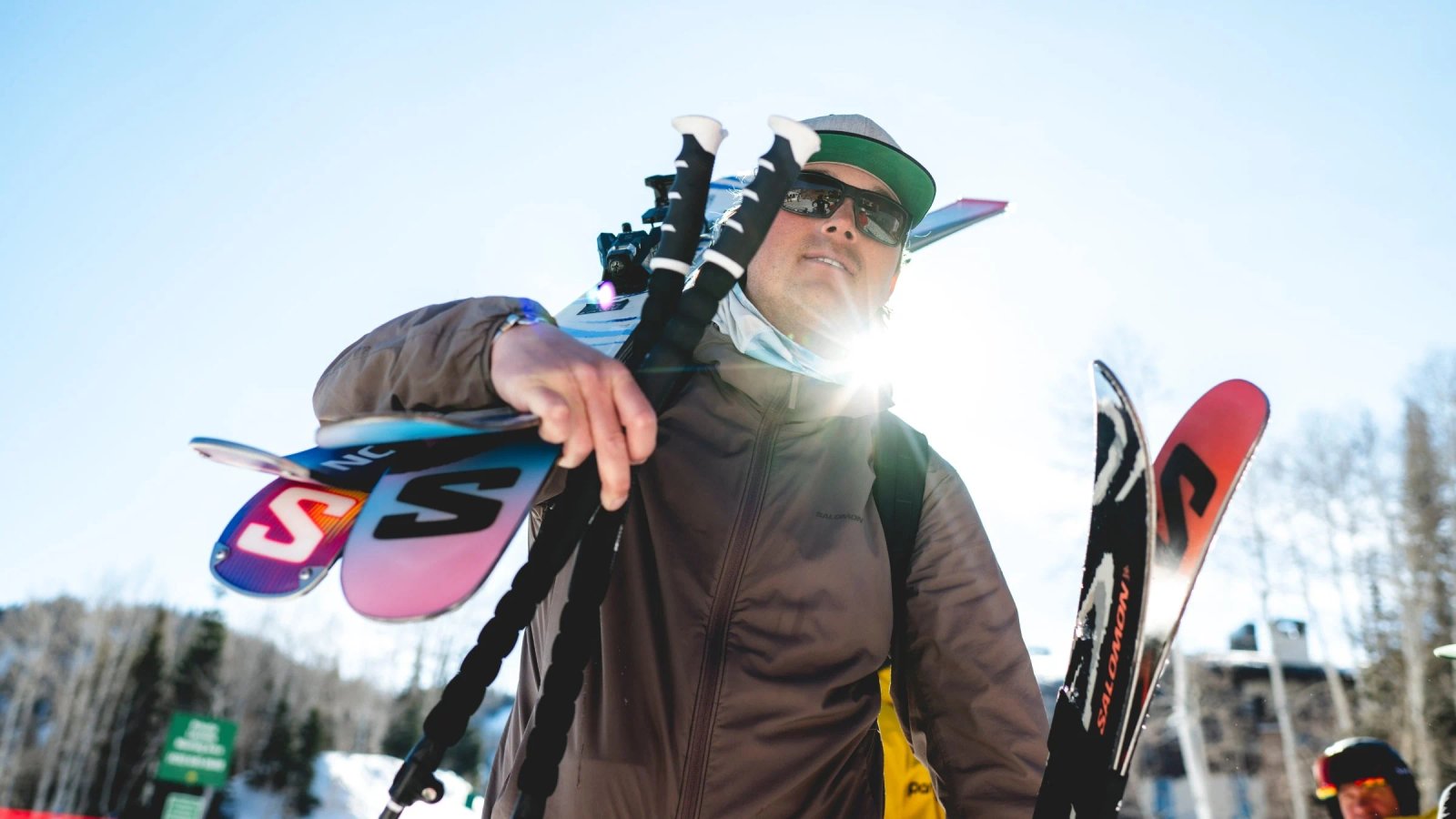
Our 75-plus testers put the winter 2026-27 season’s skis, boards, boots, and layers through their paces to find the gear that delivers no matter the condition, from carving skis that tempt you off the groomers to a heated glove worth the splurge.
These Skis Are Sharper Than They Look
Narrower, more fun, and better at handling whatever the mountain hands you.
Dynastar M-Cross 88 Frontside Ski

Not sure what the mountain has in store? Grab the M-Cross 88 and find out. This ski bridges carving and all-mountain categories and is designed for intermediates leveling up, as well as confident skiers looking to play. Its 14-meter turn radius is just a suggestion—we found it equally as game in moguls and tight trees as on wide-open groomers. Dynastar’s Hybrid Core 2.0 (wood plus polyurethane) delivers a damp, poppy feel no matter the terrain. “It’s a wicked fun carving ski that’s up for a little adventure off the beaten path,” one tester said. “It coaxes you into a turn and cradles you there so smoothly I was almost rocked to sleep.”
Salomon S/Pro Alpha C BOA Ski Boot

Some boots turn heads with new gizmos. The S/Pro Alpha C BOA draws attention with what’s missing: the traditional cuff pivot at the inner ankle. Instead, the cuff flows seamlessly into a low-mounted Powerlink plate—smooth, screw-free, almost Silver Surfer-esque. It’s a radical break from overlap construction, and it delivers two big wins: shockingly easy entry for a narrow boot, and an on-snow feel like nothing else in the category. That low Powerlink connection creates a direct line from leg to ski—sensitive and reactive enough that we pushed harder into edge angles, hips dropping closer to the snow than in any other boot we tested. This one’s for skiers who want a snug, locked-in fit and live for the high-performance turn.
Rossignol Arcade W 88 Women’s Ski

According to testers, this is the ski your instructor wants you to have. That’s because the Arcade series’ whole mission is high performance made accessible. The women’s Arcade W 88 pulls it off with a full Titanal layer, a power rail down the wood core, and an hourglass sidecut with a wide, rockered tip. The payoff: excellent edge hold and turn initiation so easy it barely takes pressure to roll onto edge and carve. Its flex spans skill differences too—soft enough for intermediates, strong enough for experts. Groomers are its home turf, but this 88-millimeter-waisted ski held its own in bumps and bashed through crud and chop. It’s a fun, effortless frontside ski that can rip or relax.
Mind Your Pistes and Queues
Five things every skier and rider should already know—but some need to be reminded.

By Jenny Wiegand
- Rack your skis. That’s it. That’s the whole ask. Skis left sprawled across the snow like a game of pick-up sticks outside the lodge tend to meet the business end of a crusty local’s snowplow—and for good reason.
- Alternate lift lanes. And do it all the way across, not just the first two rows. Yes, even without a liftie playing traffic cop. Think of it like a group project: when everyone contributes, everyone gets on the lift faster.
- Stop with some sense. The middle of a run or a narrow cat track is the perfect place for exactly nothing—not for regrouping, not for catching your breath, not for taking a picture. Pull over where uphill traffic can see you and you’re not blocking everyone else’s line—then you can take as many breaths and all the pictures you want.
- Call “bar!” Do pull the safety bar down. Don’t pull it down without giving fellow riders a heads up. Helmets are better than ever, but they still weren’t designed to protect heads from being bashed by a steel bar.
- Pocket the vape. Save the celebratory rip, the beer, the whatever-else for a chair without a kid on it. Nobody’s judging your style—just your timing.
Snowboard Confidence, By Design

Two boards and a binding engineered to make sketchy conditions feel like solid ground.
Salomon Highpath Snowboard

Revamped for 2027 with input from pro rider Nils Mindnich, the Highpath now features a rounded silhouette that floats better in powder and rides switch better, too. Testers loved the ollie power and reliability of its stiff yet lightweight wood core, reinforced with basalt for snap, and fiberglass to dampen a choppy ride. Responsive and powerful without feeling twitchy, it pairs hybrid camber with a raised flat section underfoot, rockered nose and tail, and a quadratic sidecut for toothy edgehold and fluid carves. One tester called it the “most stable board I’ve ridden.” The stiff flex favors experienced riders, and lighter riders may want to size down.
Capita Artemis Snowboard

Feeling tentative about the day’s snow or weather report? The Capita Artemis inspires confidence. Camber underfoot, a directional outline, and a medium-stiff wood core reinforced with flax and aramid strips deliver the edgehold and stability to charge through low-vis moguls, launch side hits, and stick solid landings. This deck prioritizes shooting down the fall line at full speed, making it best for advanced riders. Also available in a women’s model.
Union Neo Snowboard Binding

Bell-to-bell riders and airtime junkies agree: the Union Neo doesn’t make you choose just one riding style. Its lightweight, mid-stiff highback flex brings heel-to-toe stability without the bulk. EVA-padded ankle straps lock in a cozy, hot-spot-free fit. “Good in any aggressive terrain,” one tester said. “Responsive and strong.” The adjustable baseplate and dual-density bushings soak up everything from overshot park jumps to spring mank, with zero chatter underfoot.
Snow-Proof Your Trip
How to plan a ski vacation that survives a low-snow winter.

By Samantha Berman
- Choose a snow-sure resort. It’s always smart to stack the odds in your favor. Focus on resorts at higher altitudes with colder climates and historically reliable snowfall to improve your odds of good coverage even in a bad snow year.
- Look for diverse terrain. Home in on resorts with lots of varied aspects and terrain pods. More terrain means more options when snow quality varies.
- Keep lodging flexible. Whenever possible, book refundable lodging. If the forecast tanks, you’ll have the freedom to pivot at the last minute.
- Follow the snow. Wait as long as you can to book so you can see where the storms are headed, and follow their path.
- Pick a resort with a Plan B. Great restaurants, spas, hot springs, Nordic trails, tubing, and other fun activities can keep a low-snow trip from feeling like a bust.
- Insure the trip. Travel insurance can protect against some weather-related disruptions—if you splurge on a premium package and the “cancel for any reason” add-on. Make sure to read the fine print to understand if a disappointing snowpack is actually covered.
Dressed to Impress

These apparel and accessories don’t need sunshine to look—or perform—their best.
Oyuki Men’s Moiwa NetPlus 2L Jacket

The Moiwa is built for mountain mood swings and kept us riding through frigid mornings and stormy afternoons. A two-layer shell pairs nylon made from recycled fishing nets with a PFAS-free waterproof-breathable membrane, while chest and back fleece panels add warmth. The relaxed freeride fit leaves room for two puffies underneath, while pass pockets, pit vents, a powder skirt, and a helmet-friendly hood round it out. It might be overkill for spring skiing, but for resort days during the coldest months, $400 is a score.
Seniq Women’s Slopestar Ski Bibs

Bold style and serious skiing aren’t mutually exclusive. The Slopestar’s flattering barrel-leg design is built on a three-layer 20K waterproof, windproof membrane that handles everything from spring laps to storm cycles. Thigh vents dump heat, RECCO adds peace of mind, and a restroom-friendly side zip simplifies bathroom breaks. Adjustable suspenders dial in the fit, though shorter torsos may find them too long. Introverts be warned: expect lots of compliments in the lift line.
Strafe Men’s Summit Pant

Small upgrades over several seasons have perfected this pant. A fleece-gripped waistband keeps layers tucked, fleece-lined pockets feel heavenly for parking-lot après, and a thigh pocket opens wide enough for a gloved hand to grab a phone or beacon. PrimaLoft Silver insulation handles temps from negatives into the 40s, while ten-inch thigh vents dump heat fast when things warm up. The two-layer waterproof membrane shrugs off snow and sleet. Between the temp range and details, it’s a tough pant to beat for resort days.
Columbia Women’s Roffee Ridge Down Heat Seal Jacket

Don’t let the svelte look fool you—this cropped puffer earns its keep on the hill with 650-fill down and Columbia’s Omni-Heat Infinity lining that delivers serious warmth without the bulk. Pit zips let heat escape, and soft thumb loops, generous pockets, and a dedicated ski pass pocket round it out—all at a price that doesn’t punish you for wanting to look good.
Bollé Cerro Goggles

Milky, overcast skies play tricks on the eyes—unless you’re wearing the Bollé Cerro. Even with the sky spitting snow and rain, we could see 50 feet ahead, and the cylindrical lens delivered a field of view that rivaled goggles twice its size. Flow Tech venting kept things fog-free on the soggiest days. The lens is fixed, not swappable, but its category 1–3 photochromic tech covers most light conditions, so you don’t have to fuss with a second lens. And at $150, they’re a good value.
Mammut Nirvana 18 Backpack

Sleek is the name of the game for packs that stay out of your way—on the slopes and on the chairlift. The 18-liter Nirvana is slim enough to ride the lift without shrugging it off, yet roomy enough for extra layers, a thermos or water bottle, snacks, and avalanche safety tools in their own dedicated front pocket. Whether you’re lapping the frontside or strapping on skis to bootpack a ridgeline, the Nirvana has your back.
Swany Nexus Heated Gloves

Expensive? Terribly so. Worth every penny? Absolutely. Heating elements run all the way to the fingertips, powered by 22Wh rechargeable batteries for all-day warmth. Paired with a pre-curved leather shell, brushed liner, and low-bulk PrimaLoft insulation, they’re the warmest, most comfortable heated gloves we’ve tested. Haptic feedback makes adjusting heat levels easy, and a magnetic cuff charger simplifies recharging.
Carv 2 Ski Coach

Carv 2 won’t replace a real instructor, but it comes close for a fraction of the cost. Clip the sensors onto your boots and the paired smartphone app breaks down your turns—what you did well, what to fix next—pulling data from 1.5 billion tracked turns and real instructor technique tips. This season, the system gets a notable upgrade: an AI coach you can converse with in plain English. It’s not cheap, but compared to lesson prices, it’s a smart investment if you’re stuck in blue square land and ready to chase black diamonds.
After Hours
Night skiing is the sport’s best-kept secret.

By Jenny Wiegand
Night skiing gets filed under “kid stuff,” something you age out of, like ski school and hot cocoa bribes. That’s backward. True, night skiing will never hand you the best run of your life. The snow’s usually chalky or refrozen, the lift is a single slow chair, and the terrain is lit like a parking lot. But none of that matters.
There’s a specific, illicit thrill to skiing after dark that goes back to childhood: staying up past bedtime on a school night, bombing down a green or blue run in a full, devil-may-care pizza, feeling like you’ve gotten away with something—you’re outside after dark in the heart of winter, and that alone makes it great.
It also makes you better. Strip a resort down to one run, and you stop sightseeing and start skiing—really skiing. It’s no coincidence that some of the best alpine skiers in the world were built on hills with just one lift and 300 feet of vertical.
If nothing else, it’s the only time you don’t have to wait in a lift line. Call it kid stuff if you want. Clearly, kids know something the rest of us forgot.
This article is from the Winter 2026 issue of Outside magazine. To receive the print magazine, become an Outside+ member here.
