

Updated March 18, 2026 07:37AM
Alex Zhang
Chief creative officer at Powder Mountain
An open-air art museum you can ski and hike through? This is Alex Zhang’s vision: to bring world-class art to Powder Mountain, a 12,000-acre ski resort in northern Utah and one of the largest in North America. Having skied the mountain over the last decade, Zhang didn’t want it to lose its soul with overdevelopment, as other ski towns and ski resorts in the West have, he said. Inspired by the Japanese “art islands” where art breathed new life into depopulated and aging islands, Zhang thought a multi-season outdoor art experience could revitalize the place in a slow, thoughtful way while honoring the indie spirit of this ski sanctuary. Permanently installed works from artists James Turrell, Nancy Holt, and Jenny Holzer, are all free and accessible to the public via hiking and biking during summer and fall, and skiable with a lift ticket or season pass during the winter.
The ski industry hasn’t quite seen anything like this, Zhang told Outside. Powder Mountain is fusing contemporary art with sport and mountains in a way that’s pushing the envelope further than any pop-up art experiences can—these permanent artworks will live on the mountain for hopefully decades and decades, he added.
“There’s an intrinsic obsession with the wonder and the scale of the mountains. It’s very humbling,” Zhang said. “It makes you feel smaller. And to me, great art makes you feel the same.” —Kathleen Rellihan
Faith Dickey
Founder, Elevate Outdoors
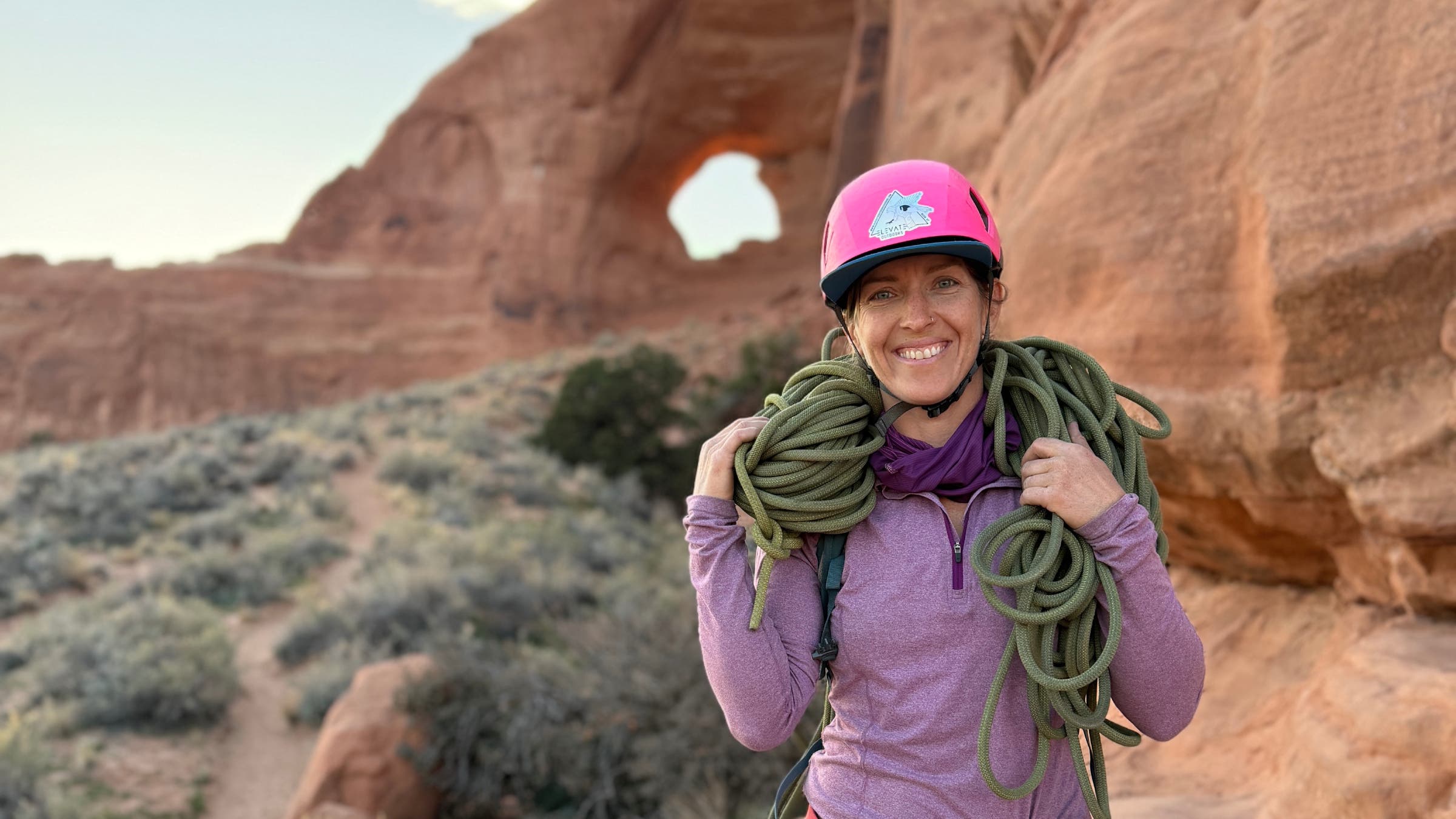
As a trailblazer, you can easily chill on your laurels for a lifetime. Faith Dickey certainly could have decided to ride the wave of her bold and groundbreaking feats. While Dickey is a well-rounded adventurer, with deep climbing and canyoneering experience, her niche is highlining, which involves walking a narrow line rigged high above the earth.
For over six years, she was undefeated as the female highlining world champion. She was the first woman to walk over 100 meters on a highline. She was also the first woman to free solo a highline, meaning no tether linked her harness to the line—and a fall could be deadly. And she is also the first person to walk a highline in heels.
After setting many records that won her appearances on National Geographic, a TEDx stage, and Outside TV, Dickey is currently focused on her Moab-based guiding business, Elevate Outdoors, where she’s pioneering a different stripe of adventure.
A couple years ago, she empowered a friend to become the first person with a spinal cord injury to walk a highline. Since then, she’s created adaptive guided adventures for people with many disabilities, from brittle bones disease to autism. She’s led two climbers with spinal cord injuries up the legendary desert tower Ancient Art, guided people with prosthetic limbs across the highline, and ensured kids with autism out on adventures are treated like anyone else.
Dickey is also the first to admit that she’s still learning how to make guided adventures more accessible, even as she breaks ground in the space, particularly with highlining. For example, she has yet to guide anyone with vision impairment. But she is eager to learn and invites anyone to reach out to her to find out what’s possible.
“My overarching goal is to make the outdoors more inclusive,” Dickey says. “It’s really important to use my privilege to share these experiences and help the world see that these spaces are for everybody.” —Maya Silver
Rue Mapp
Founder and CEO, Outdoor Afro
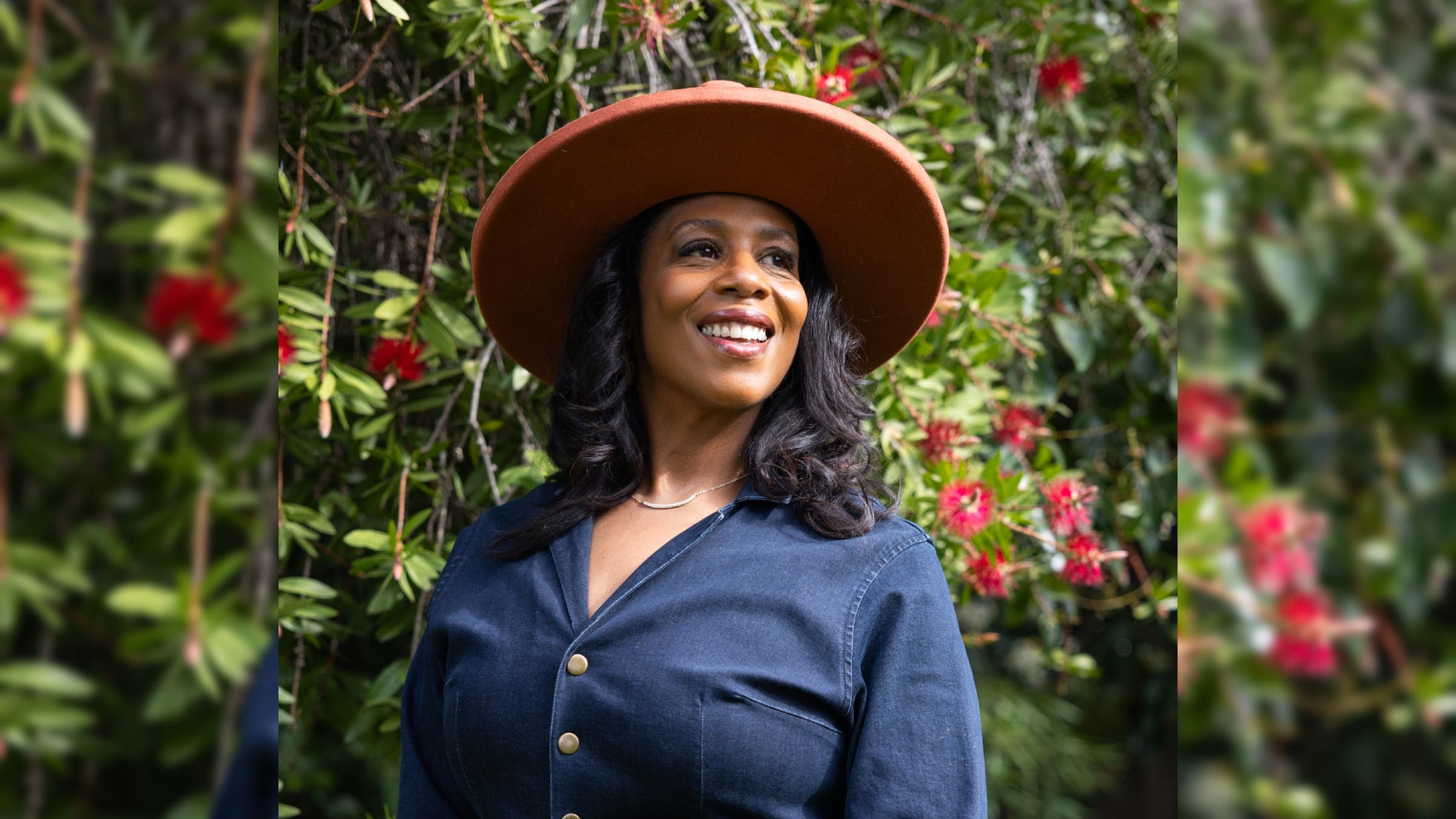
Perhaps the truest expression of a seasoned traveler is their ability to inspire a sense of adventure and exploration in others. As the founder and CEO of Outdoor Afro, Rue Mapp has prompted tens of thousands to not just visit new places, but to exceed the boundaries of their comfort zones.
An early adopter of social media, Mapp set out to help people in the Black community to find safety and kinship in the natural world through outdoor recreation. Since 2009, Outdoor Afro has grown into an expansive volunteer-led network, active in more than 60 cities nationwide. With over 100 trained leaders, her non-profit hosts thousands of nature-based events each year.
Recent programs outfitted guided trips in partnership with REI to sites of historical significance to the Black American community. Locations included Shenandoah and New River Gorge National Parks, as well as the National Monuments of Washington D.C. The organization also offered more than 3,000 swimming lesson scholarships — or “swimmships” — to children and their caregivers so that they can build a positive relationship with oceans and waterways anywhere in the world.
At its essence, Outdoor Afro reflects Mapp’s personal mission to redefine outdated notions of who spends time outside. As a lifelong outdoor enthusiast and traveler, Mapp demonstrates how to confidently venture into unfamiliar environments, where one might feel vulnerable or unwelcome.
“I move through the world grounded in who I am and where I come from. Confidence doesn’t require permission,” she said in an interview, “I recommend people travel prepared, not fearful.”
Mapp guides Outdoor Afro leaders to encourage each of their participants to find a connection with the sites they visit. She feels that part of belonging somewhere is knowing why you’re there. “Do your homework on the story of a place and you may be pleasantly surprised to find history and stories that resonate with you,” she said.
“Travel works best when you’re willing to be a beginner again,” she said. “Vulnerability sharpens my senses, slows me down, makes me listen more closely, and invites real exchange between myself and others instead of observation from a distance.” With a particular passion for the great outdoors, Mapp is most at home in the sweeping landscapes of the American West. In these places she recalls from her childhood, she hopes to motivate others through travel to find peace and solace in nature.
“I’m always drawn back to big natural or rural landscapes, from mountain ranges in Alaska to desert plains in Southern California.” Mapp said. “Places that feel ancient and ancestral, such as public lands and working ranches — places where people can live close to the earth. In those places, I always feel like I’m returning to something that feels essential.” —James Edward Mills
Kris Tompkins
President and co-founder, Tompkins Conservation
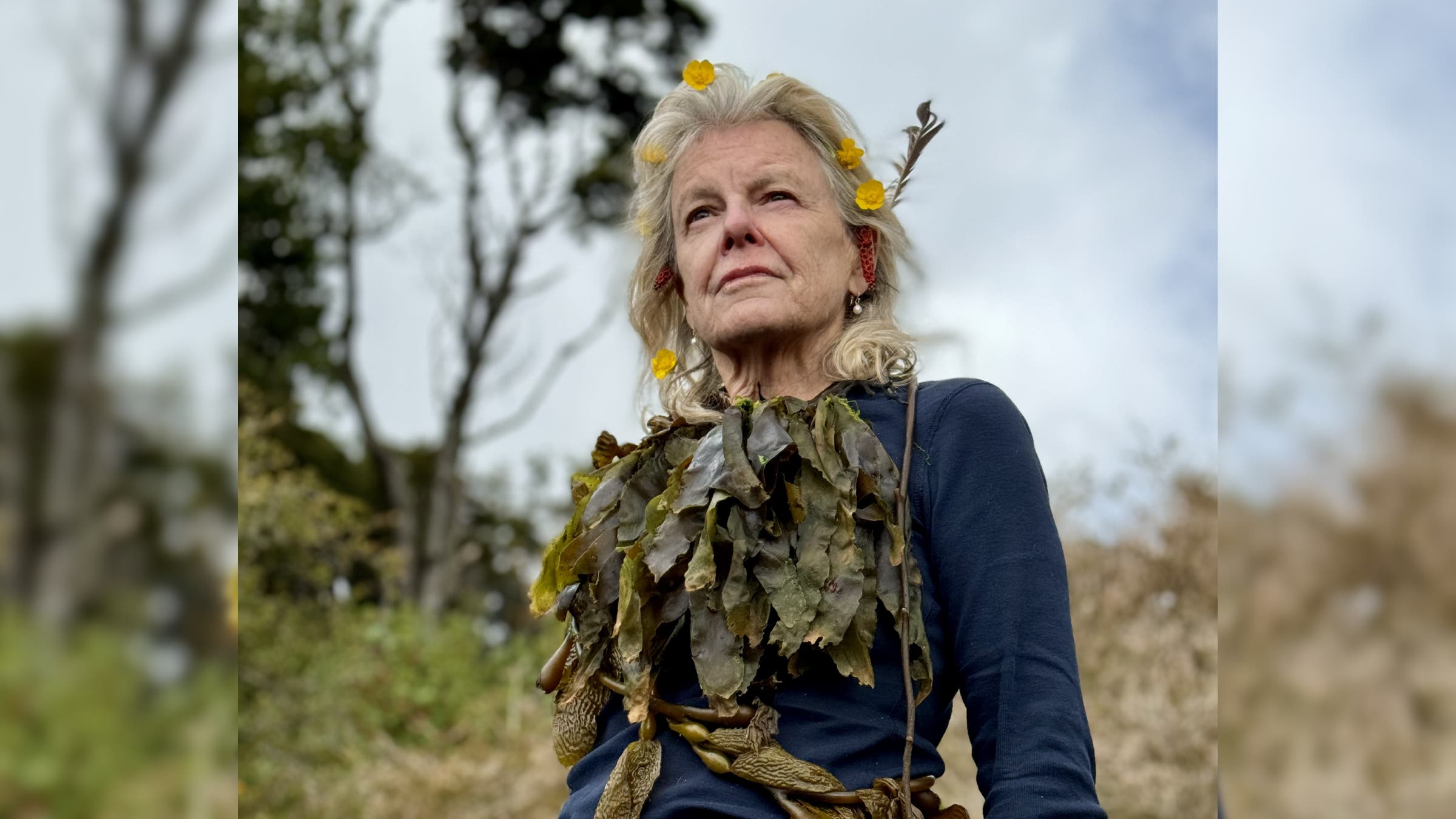
Kris Tompkins spent two decades as CEO of Patagonia, Inc., shaping the company into a leading outdoor apparel brand by the time she left in 1993. These days, the California native is backing an even bolder transformation: the restoration of wild landscapes in South America.
After co-founding Tompkins Conservation with her late husband Doug, the philanthropist helped create or expand 16 national and provincial parks across Chile and Argentina. She then fostered offspring organizations to carry on their legacy, Rewilding Chile and Rewilding Argentina. The latter has a new marine park, Patagonia Azul, that’s opened over the past two years with campgrounds and two lodges along Argentina’s South Atlantic coast. Rewilding Argentina has also, in recent years, crafted a network of fresh trails and rock-climbing routes in Parque Patagonia, and glamping outposts in El Impenetrable National Park, in Argentina’s semiarid Gran Chaco forests.
On the far side of the Andes, Tompkins developed the Route of Parks of Patagonia, a tourist circuit linking 17 national parks and 60 rural communities. She’s also worked with Rewilding Chile to build out the forthcoming Cape Froward National Park at the southernmost tip of South America.
After three decades, her formula for building parks has stayed remarkably consistent, except in one key way: “A lot of the cultural work and local community work has changed enormously,” she says. “It’s as big a part of the project as creating the park itself.” Teams dedicate years training folks in portal communities to protect their lands and gain practical skills in tourism, conservation, and hospitality. The goal is to create sustainable economies rooted in preservation.
Of course, another main focus is rewilding. Between Chile and Argentina, Tompkins has helped engineer one of the largest rewilding initiatives on Earth, restoring predators, grazers, and vital bird species — including pumas, huemuls, and macaws. Now, she’s expanding up the Andean Corridor with the repopulation of guanacos in the highlands above Santiago, and a tentative project to rewild condors in Colombia, where there are thought to be just 63 left.
The powerhouse conservationist is also a driving force behind South America’s first continental wildlife corridor: the newly announced Jaguar Rivers Initiative, which unites organizations in Argentina, Bolivia, Brazil and Paraguay to build connected ecosystems where big cats can thrive. As with her earlier work, ecotourism will be a crucial component of conserving these feral swamplands and dry tropical forests at the heart of South America.
So, what keeps the 75-year-old inspired to carry on? “I’m driven by pessimism rather than optimism,” she admits. “I don’t think we’re making decisions worldwide that tell me that this century is going to be fine — and I want to be on the team that’s trying to protect biodiversity, protect the beautiful, historic, cultural, and ecological places where I can be involved.”
Tomkins is optimistic for the long-term outlook: “I see our work as having the possibility to endure through this century, and really be a model for the century to come.” —Mark Johanson
Paras Loomba
Founder, Global Himalayan Expedition
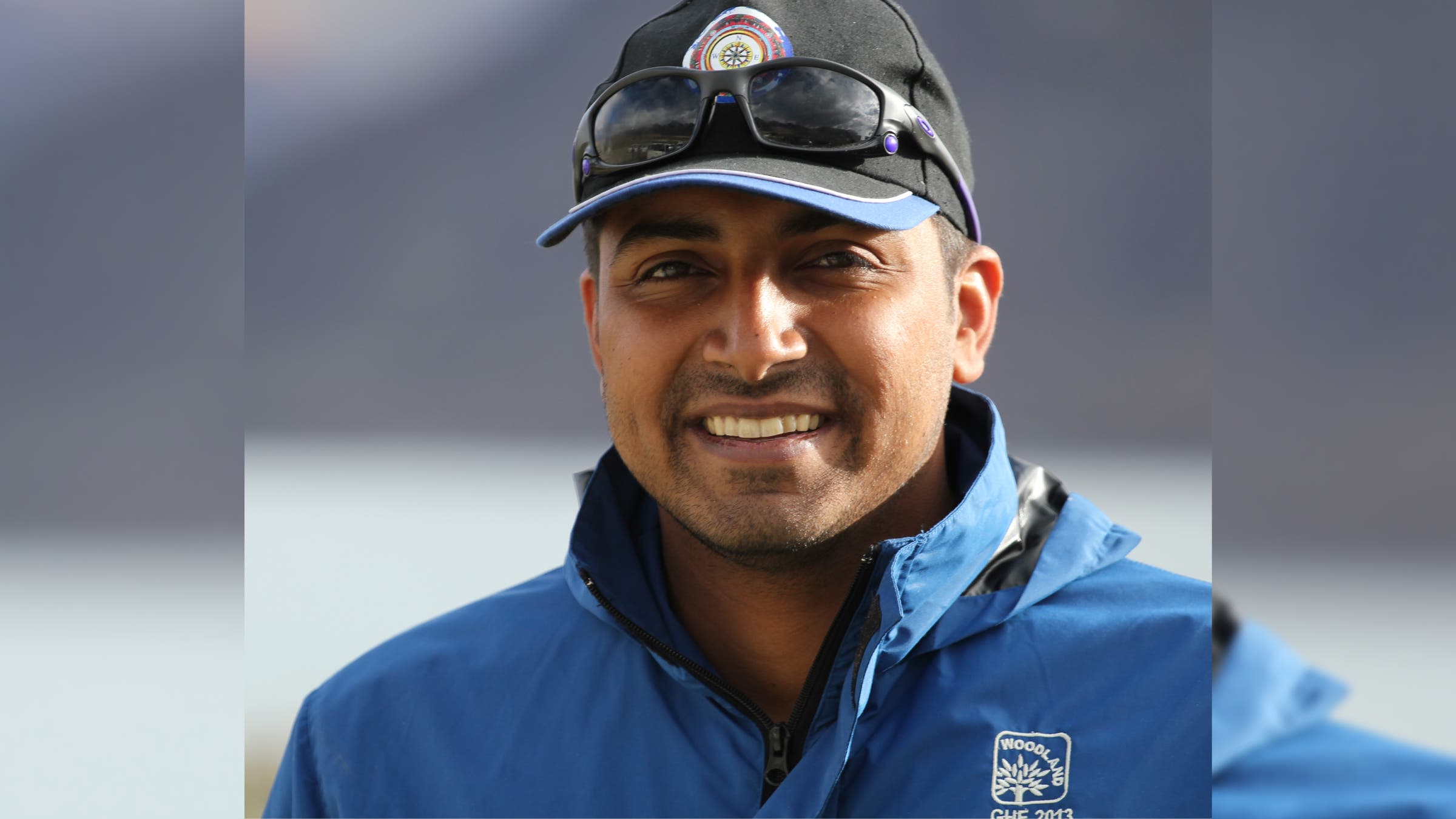
When you hear of Himalayan expeditions, summiting massive peaks probably comes to mind. After a life-changing trip to Antarctica with polar explorer Robert Swan, Paras Loomba was inspired to use his electrical engineering background to create impact expeditions back home in the Himalaya. Global Himalayan Expedition (GHE) isn’t set on scaling mountains like Everest; it’s focused on bringing clean energy access to isolated Himalaya communities while also providing meaningful experiences for travelers across the globe. Since 2014, GHE’s climate-positive expeditions have brought solar energy to more than 150 remote villages in India, and in 2020, the company won the UN’s Climate Action Award at COP26, the first tour operator to be recognized.
All GHE’s trips involve travelers creating a tangible benefit for the remote communities they visit. “All our trekking expeditions involve a community benefit project that consists of building a tangible infrastructure which is climate-friendly and clean energy-based,” said Paras Loomba. “When you directly work with a community that is Indigenous, they understand the true meaning of self sustainability and how to adapt to solutions that are simple and effective.”
Over the past year, GHE has developed more than 40 solar powered eco-homestays across Ladakh and northeastern India. “These homestays are powered by solar energy and supported by the implementation of clean and sustainable technologies, creating long-term livelihood opportunities for local communities while minimizing environmental impact,” Loomba said. GHE also is helping to set up women-led cafes in villages, training homestay owners, and developing new “Astrostays,” also women-led, for community-based astrotourism in villages with dark skies. —Kathleen Rellihan
