

Published March 20, 2026 09:07AM
I have a love/hate relationship with camping. On the one hand, sleeping outside is amazing. Eating dinner in the woods is absolutely sublime. Sitting by the fire at night borders on spiritual. Honestly, car camping is truly one of the great pleasures in life. It’s also a pain in the ass—mostly because of the packing.
My friends and I joke that it takes 48 hours to prep for an overnight camping trip, and then another 48 hours to unpack from that trip. We’re being hyperbolic, but not by much. Car camping is a logistical nightmare, but I love it. So instead of getting better at packing, I decided to stop packing altogether and build a truck camping setup that’s ready to go at all times.
During the pandemic, I converted our near-vintage Toyota 4Runner into a simple car-camping rig so I could take the family out on a whim. It worked—we camped our asses off during the modern plague. When I upgraded to a pickup, I added a topper for stealth camping. It was cramped, but lovely.
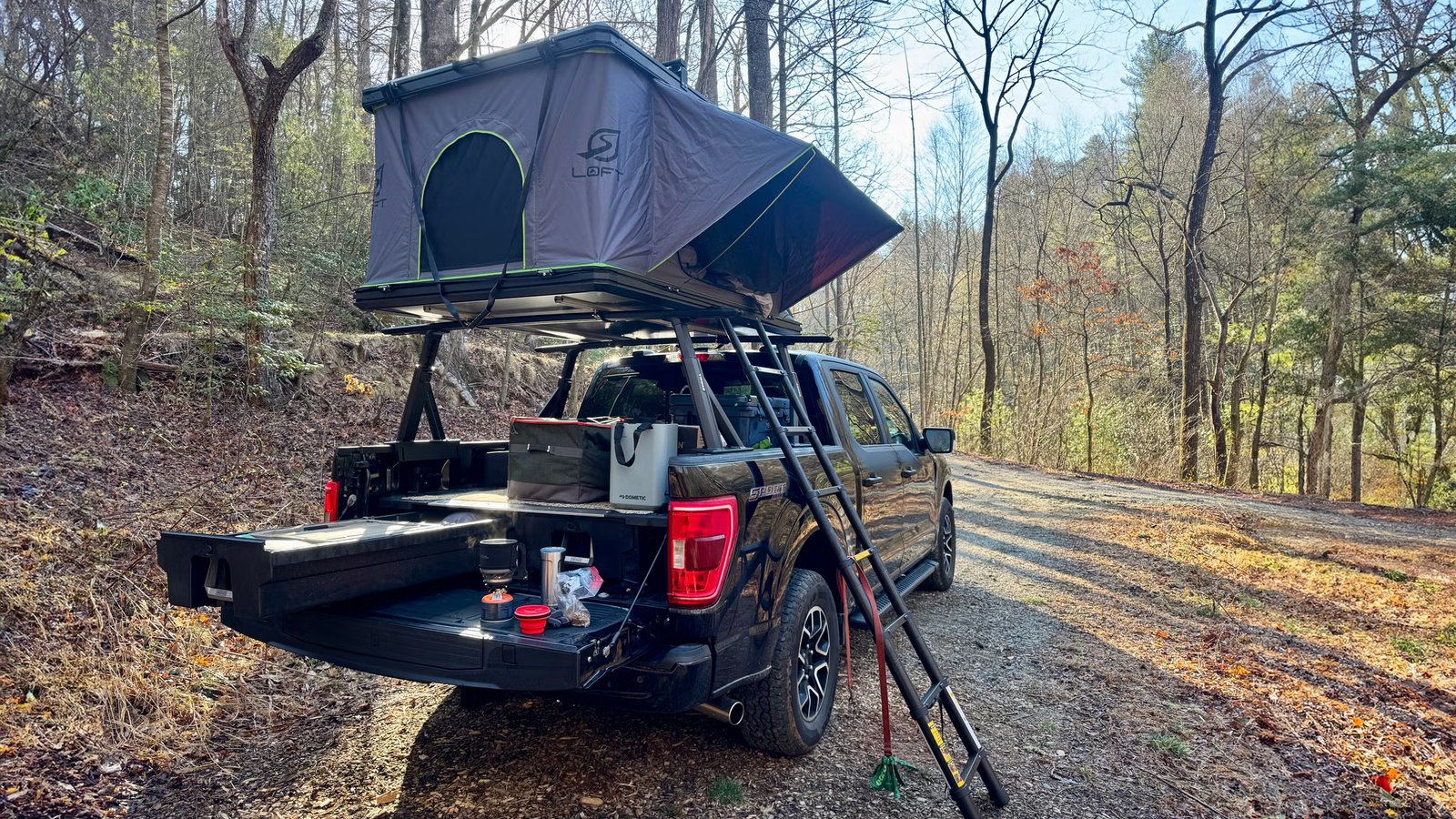
Now I’ve got a newer F150 and another chance to refine the system: a practical, no-nonsense truck camping build designed for overlanding.
And when I say “overlanding,” I really just mean car camping. I live on the East Coast and have no interest in rock crawling. This is my daily driver—I don’t want to roll the thing over into a ditch or have to replace a punctured oil pan. My 4WD F150 runs stock suspension and all-terrain tires, and that’s plenty for the unimproved gravel roads winding through Pisgah and Nantahala National Forest. My focus isn’t extreme mods—my goal is to make camping so streamlined, I only have to pack some food and beverages before heading into the woods..
Here’s the gear I’ve added to turn my truck into a ready-to-roll car-camping machine.
Decked Drawer System
I love driving a truck, but they’re not exactly known for their trunk space. Adding a Decked Drawer System to my bed is the single biggest upgrade I’ve made for truck camping. Now, most of my gear lives in these drawers full-time.
Cooking kit (stove, coffee, seasonings, plates, utensils), chairs, sleeping pads and bags, lights— even an extra tent when the kids come along—it all disappears into the system. Instead of assembling gear before every trip, I just add food and go.
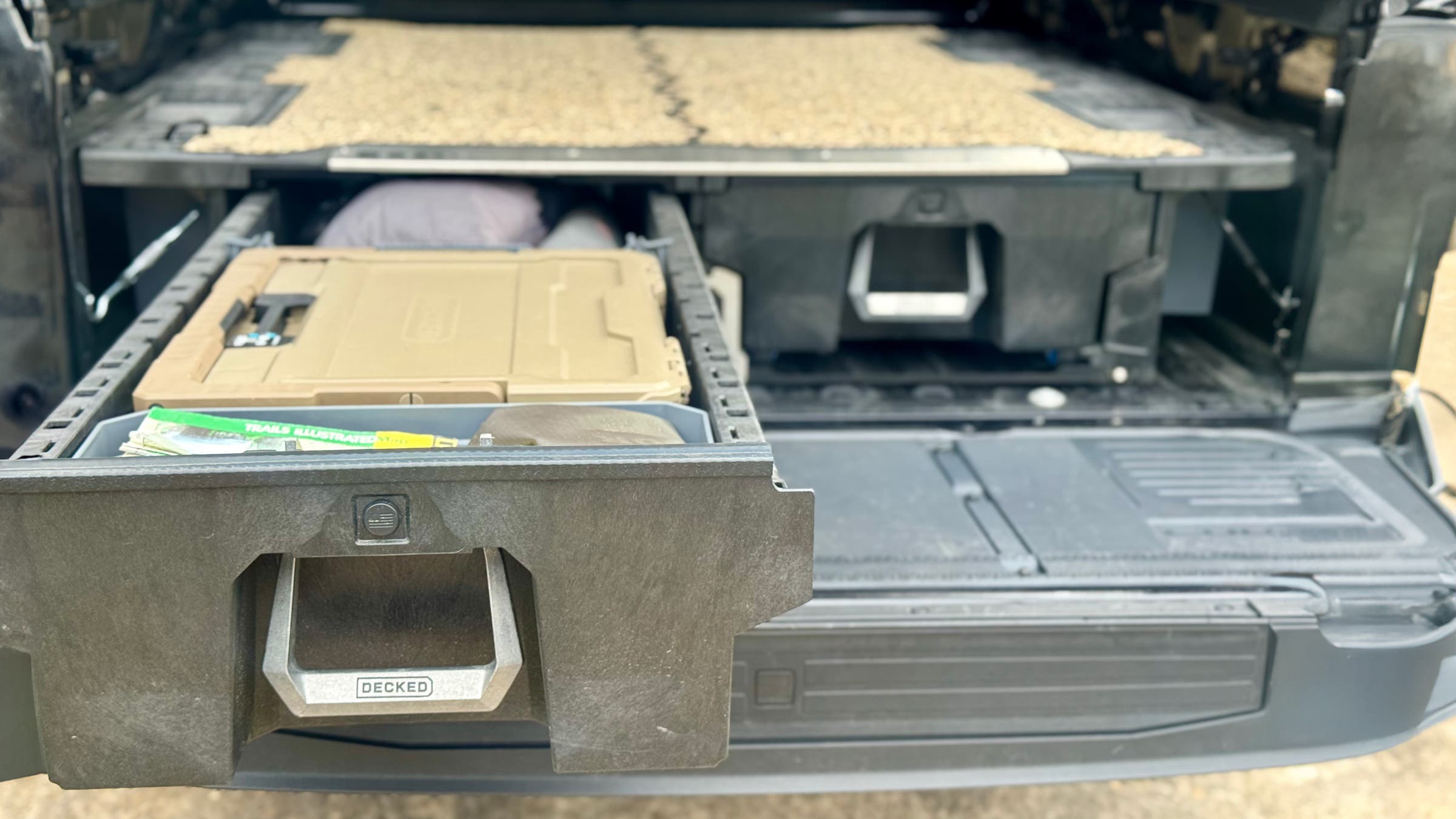
The Decked isn’t cheap, but it eliminates the pre-trip scramble through garage bins. Installation was easy too. I got my teenage son to help with some of the heavy lifting and got it done in an afternoon—no drilling into the bed, no emergency runs to the hardware store. I’ve built custom drawer systems before, and while that’s a satisfying DIY project, Decked is a turnkey solution that delivers secure, weatherproof gear storage.
It’s not for everyone. If your truck regularly hauls gravel, dirt, or furniture, the drawers eat up a lot of bed volume. For me, it’s a no-brainer—I can still haul lumber or toss surfboards and paddleboards on top, while keeping my camping setup permanently dialed.
Thule Xcape
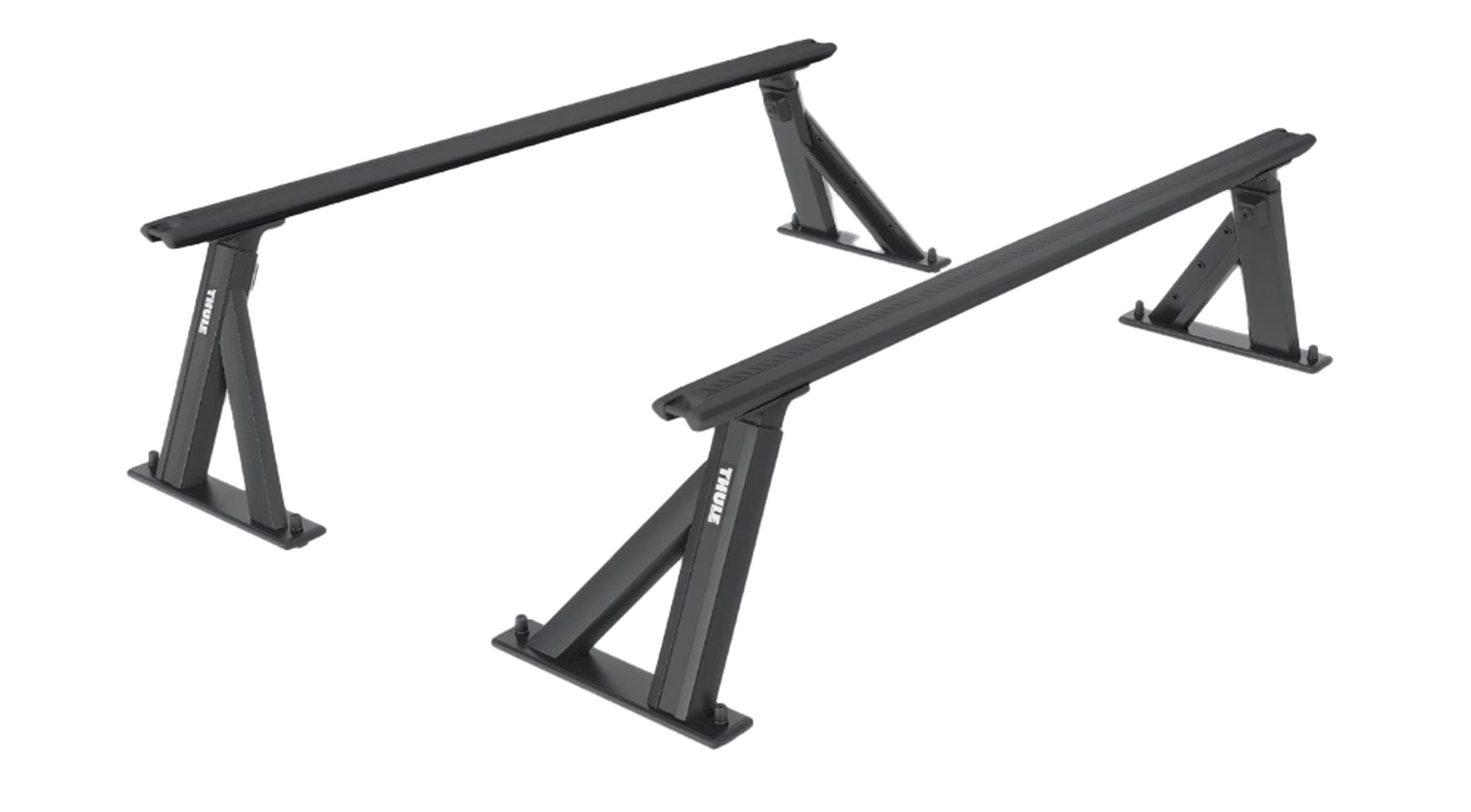
The Xcape is the true foundation of my build. The unsung hero that literally does all of the heavy lifting. At just 51 pounds, the all-aluminum build is light, but it holds up to 500 pounds of static weight.
I’ve always liked the clean look of Thule racks, but what sold me here is the Xcape’s telescoping design. With the press of a button, I can adjust the rack height depending on what I’m hauling. Low for bikes or a rooftop tent tucked below the roofline to cut drag; high when I need clearance for long paddleboards or a canoe.
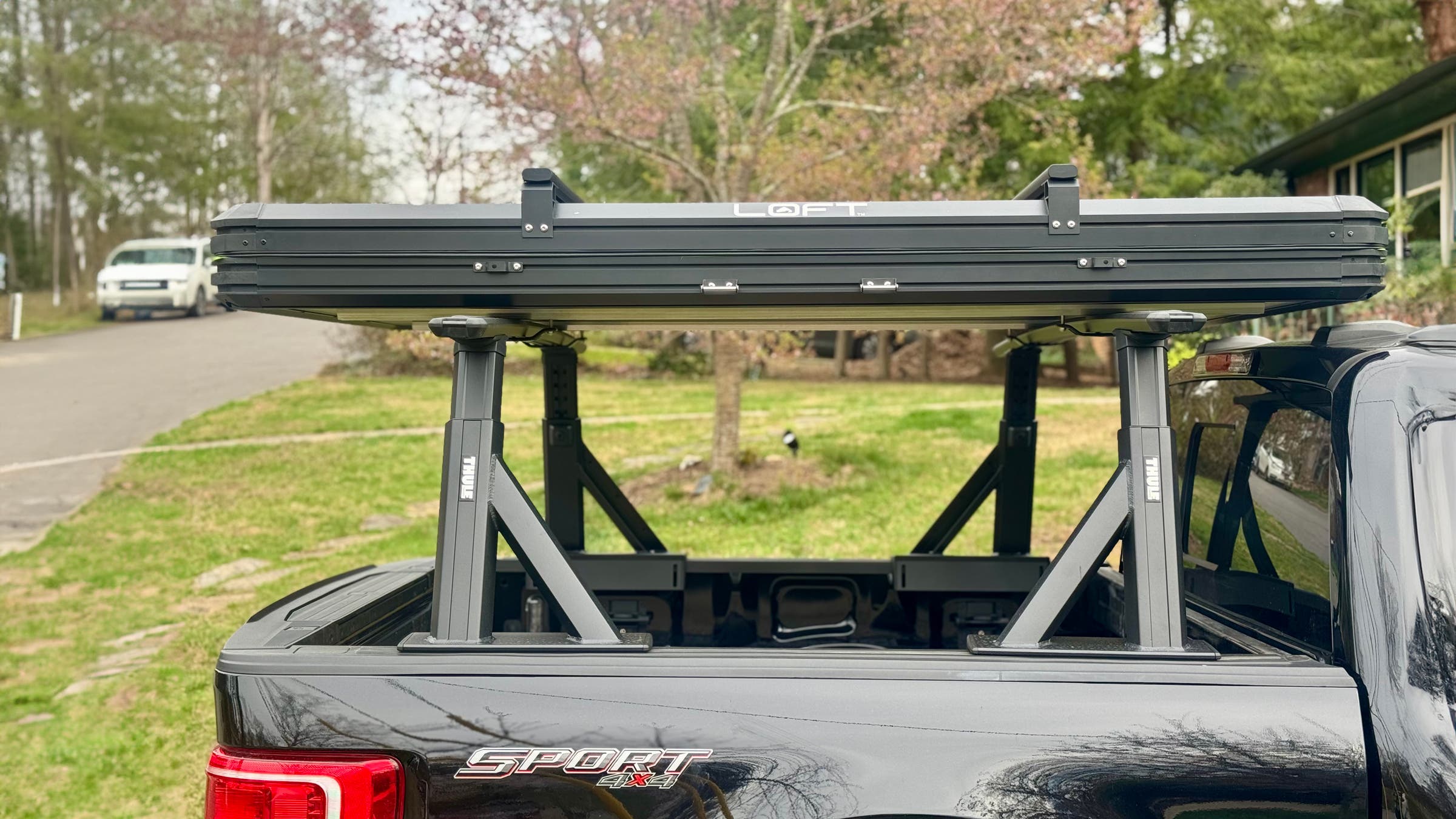
It’s hard to overstate how useful this rack has been. It creates the base for my rooftop tent (more on that below) and gives me the ability to haul absurdly long paddle boards in the summer. I’ll probably add side MOLLE panels for extra storage and maybe a side-mounted bike rack down the line—the possibilities are endless.
And much like the Decked, I didn’t have to drill any holes in my truck bed to install this rack. It clamped directly onto my bare bedrails. You can also get uprights that fit to a tonneau cover. I installed it by myself in just a couple of hours.
Sylvan Sport LOFT 2.0
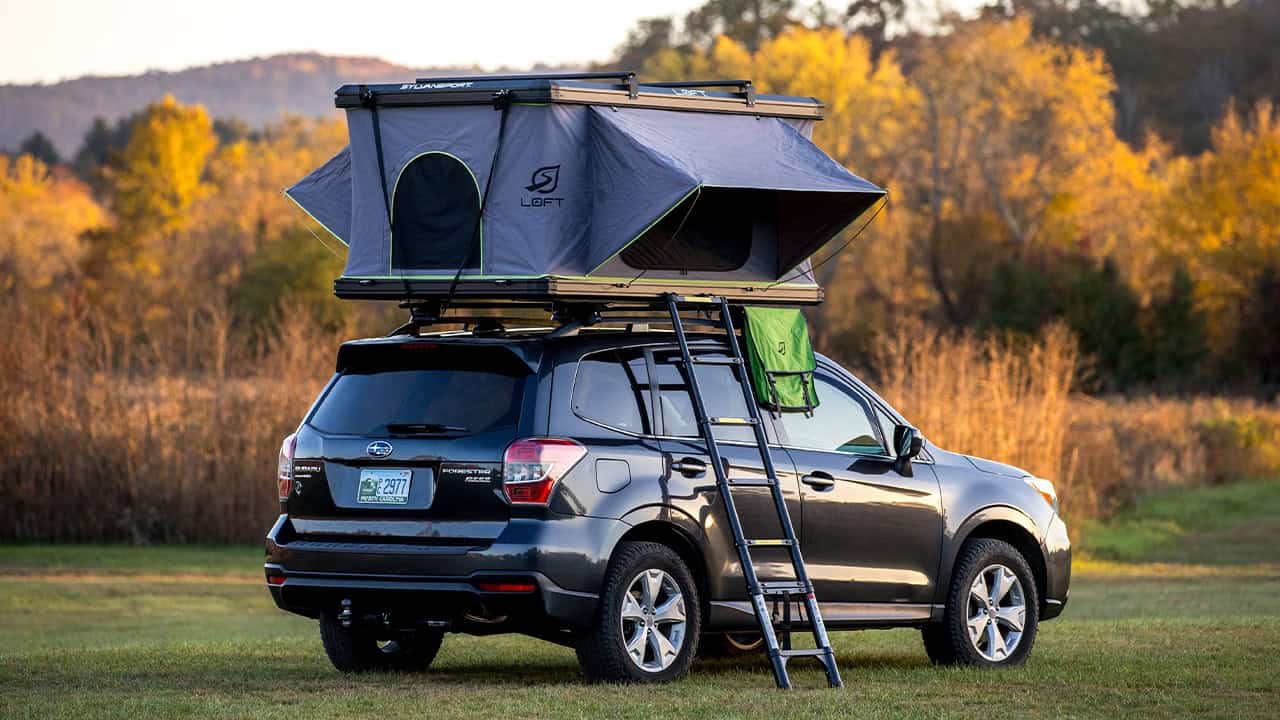
I used a topper on my last truck so I could sleep in the truck bed. It was simple and fuss-free, but both that truck and my current one have short beds (5’6”), which meant sleeping diagonally. Sleeping in the back of the truck also meant sacrificing storage space, and things got especially cramped when my wife joined me. For this build, I wanted a setup that separated our sleeping space from gear storage, so I switched to a rooftop tent—specifically the Sylvan Sport LOFT.
The LOFT is a hardshell, two person tent that sets up in less than a minute. Seriously, unclip four clamps, and the tent is ready to go. Packing it away takes a little more finesse—you have to tuck the fabric walls carefully—but after a couple of practice runs it’s still far easier than wrestling with a traditional tent.
It comes with a ridiculously comfortable 2.5-inch mattress and gear storage galore—two hanging organizer pockets, a shoe bag, and two net gear lofts attached to the ceiling where you can stuff layers, books, and other odds and ends.
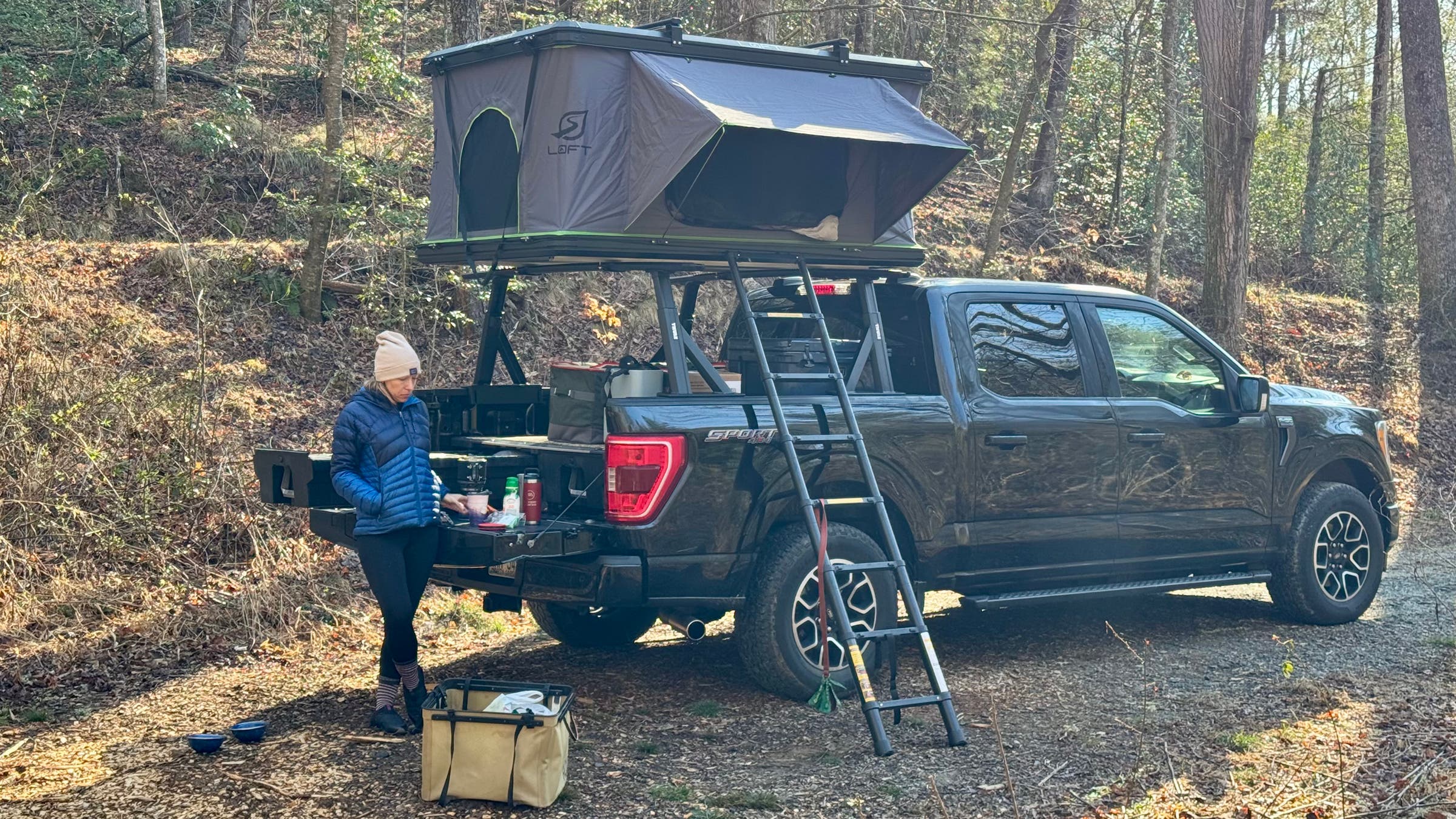
Closed, the tent is just eight inches thick, giving it a low profile that helps reduce drag even mounted above the roofline like mine. Two crossbars on the top platform hold up to 150 pounds, so you’re not sacrificing rack space—you can still carry boards, kayaks, or bikes.
It’s surprisingly roomy, too. My wife and our 50-pound dog sleep comfortably inside, and the large windows keep it from feeling like a coffin. Getting a 50-pound dog up the ladder is comical, though.
Zenbivy Overland Double Bed Kit
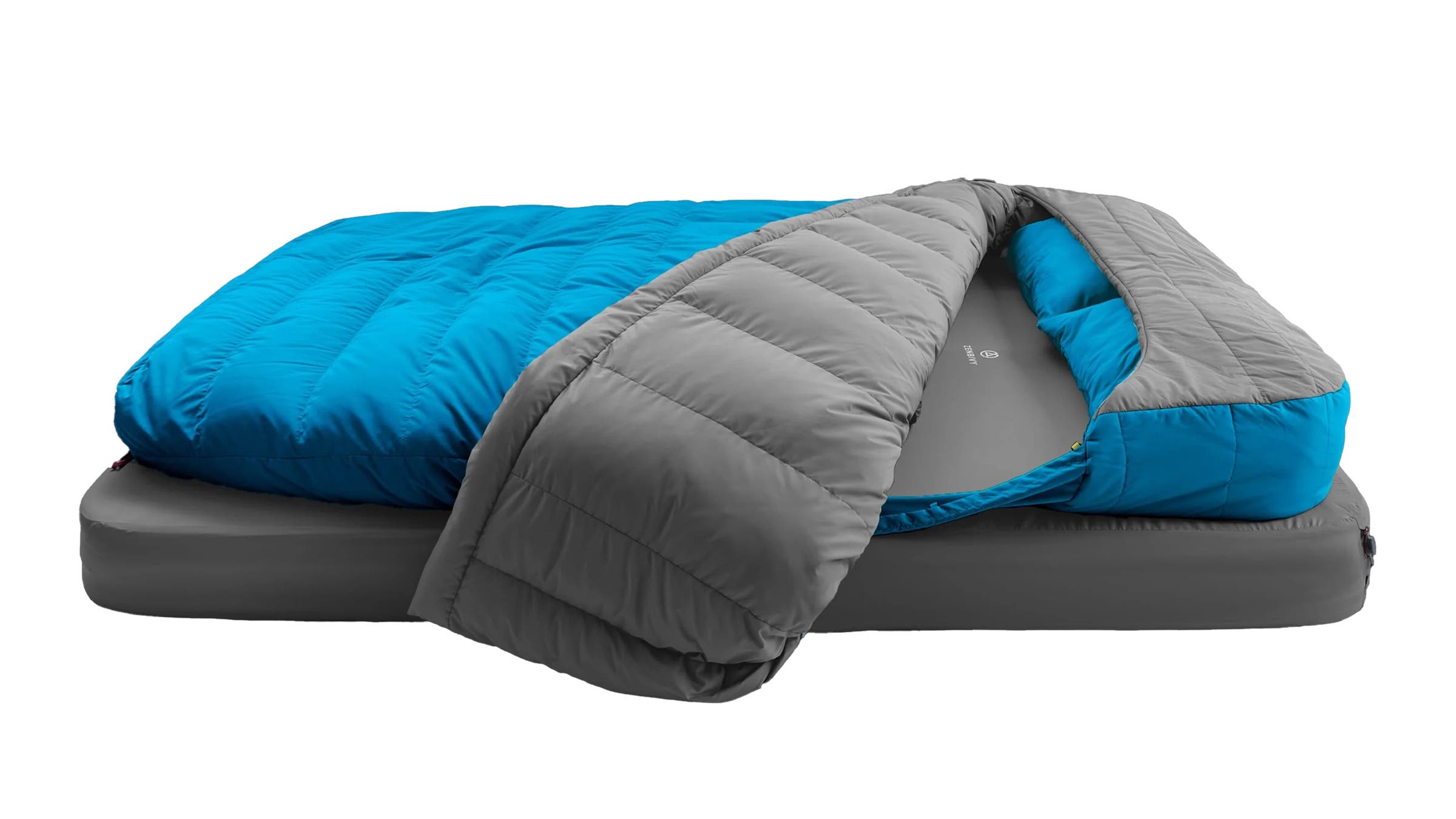
Speaking of my wife, this addition to my camping kit is for her. I’m happy to sleep in a mummy bag, but comfort is my wife’s number one priority while camping, and if I can make our sleeping situation more comfortable, she’ll camp with me more often. So I see the Zenviby Overland as an investment in our relationship.
The Overland isn’t just an oversized two-person sleeping bag; it’s a full bed system. A fitted double sheet stretches over a range of mattress sizes and includes a built-in head cover you can use like a pillow on warm nights or pull over your head when temperatures drop. On top, a double quilt filled with chemical-free 650+ down drapes over you like a comforter.
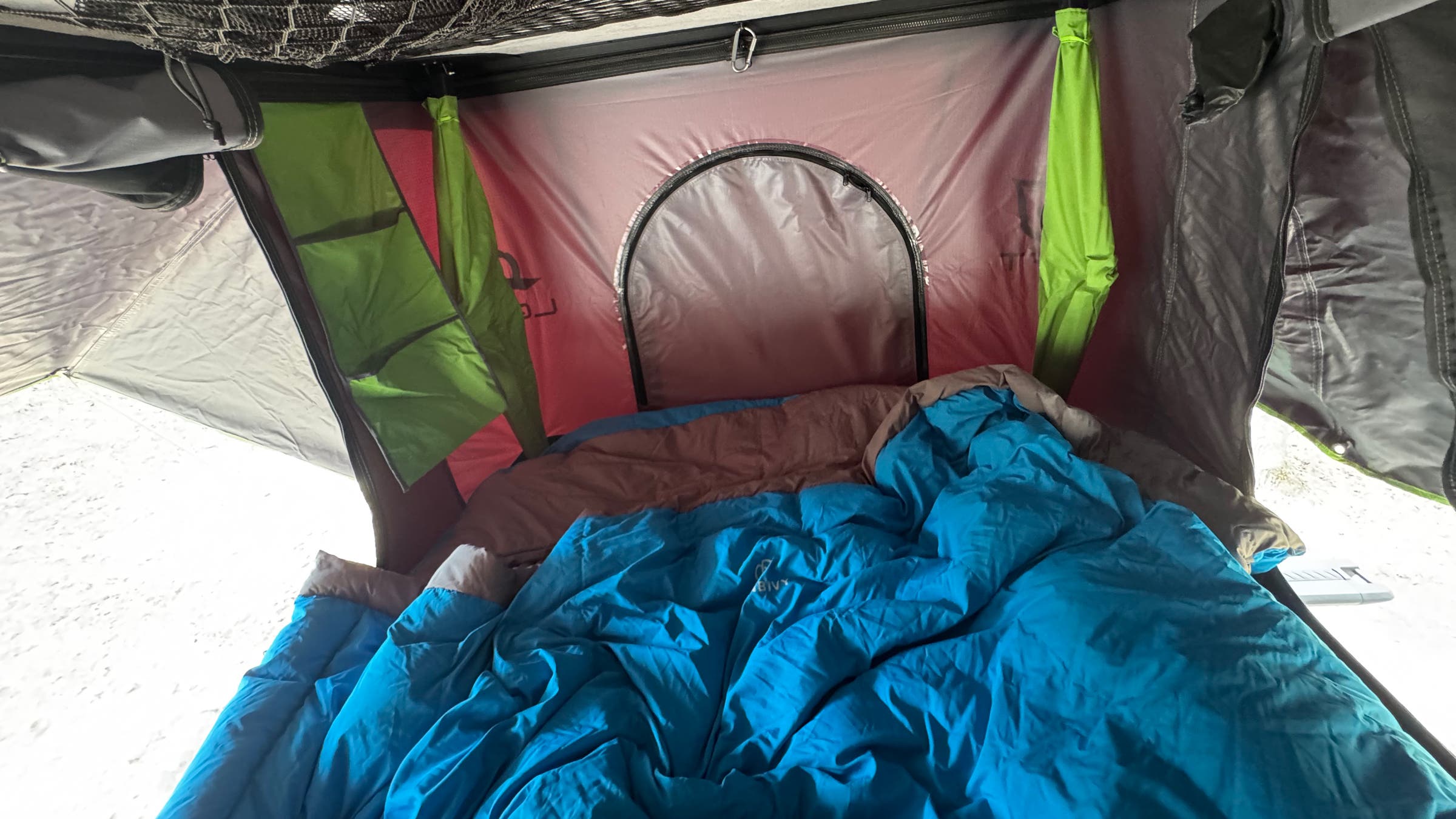
You can wrap the foot box of the top quilt around the bottom of your mattress for a tighter, warmer fit, or you can leave the bottom untucked for more freedom of movement. There’s even a built-in storage pocket in the hood that’s perfect for keeping a headlamp handy. This is easily the most comfortable two-person sleeping system that I’ve used.
Coast EAL35R and Coast CL10R
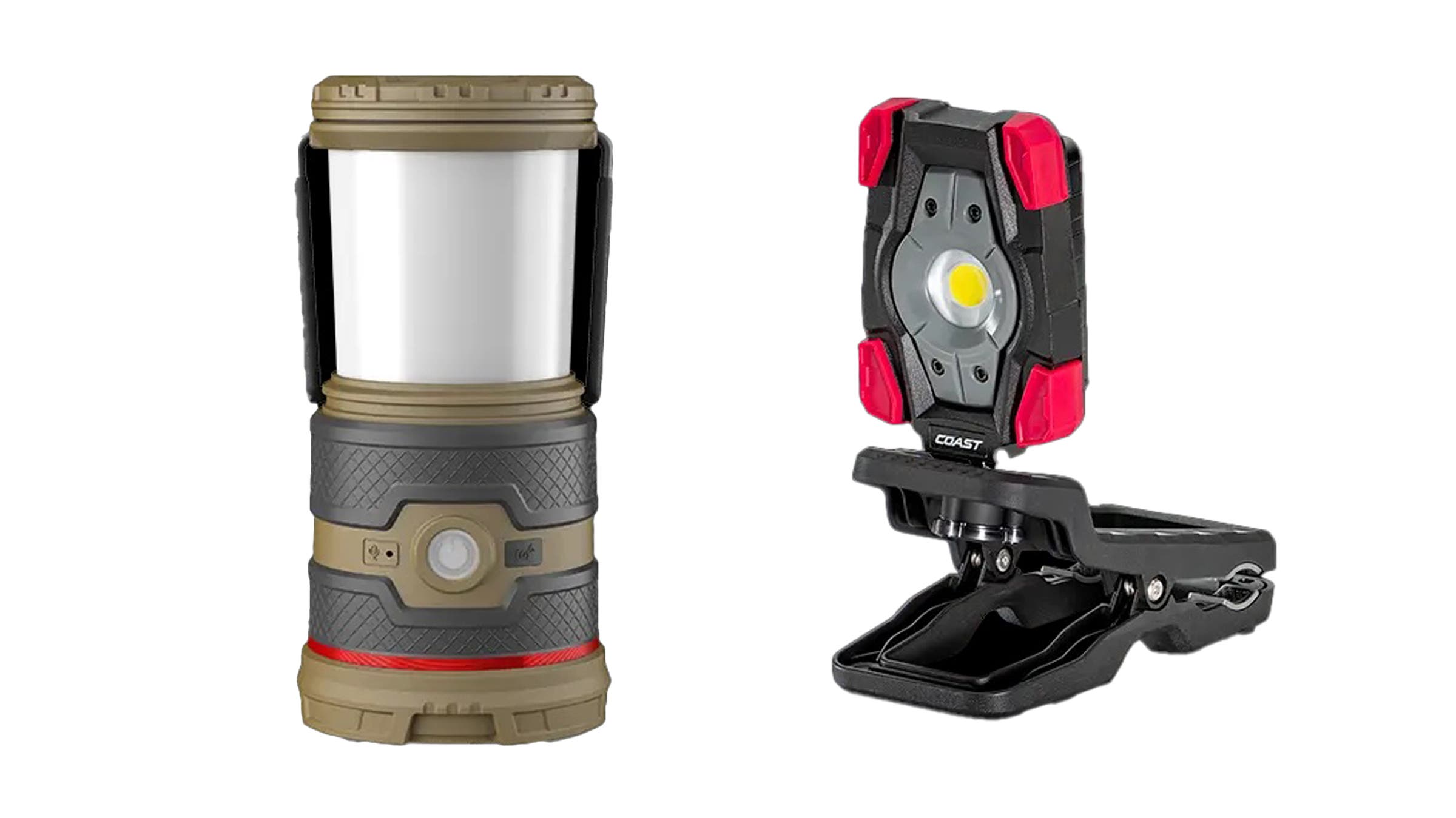
I wanted to upgrade my camp lighting situation with my new build, but I’m not a string light guy. I understand why people like those string lights—they look great on social media—but I’ve found most of them to be too much of a hassle. I wanted an old school lantern that I could easily carry with me, and a dedicated cook station light.
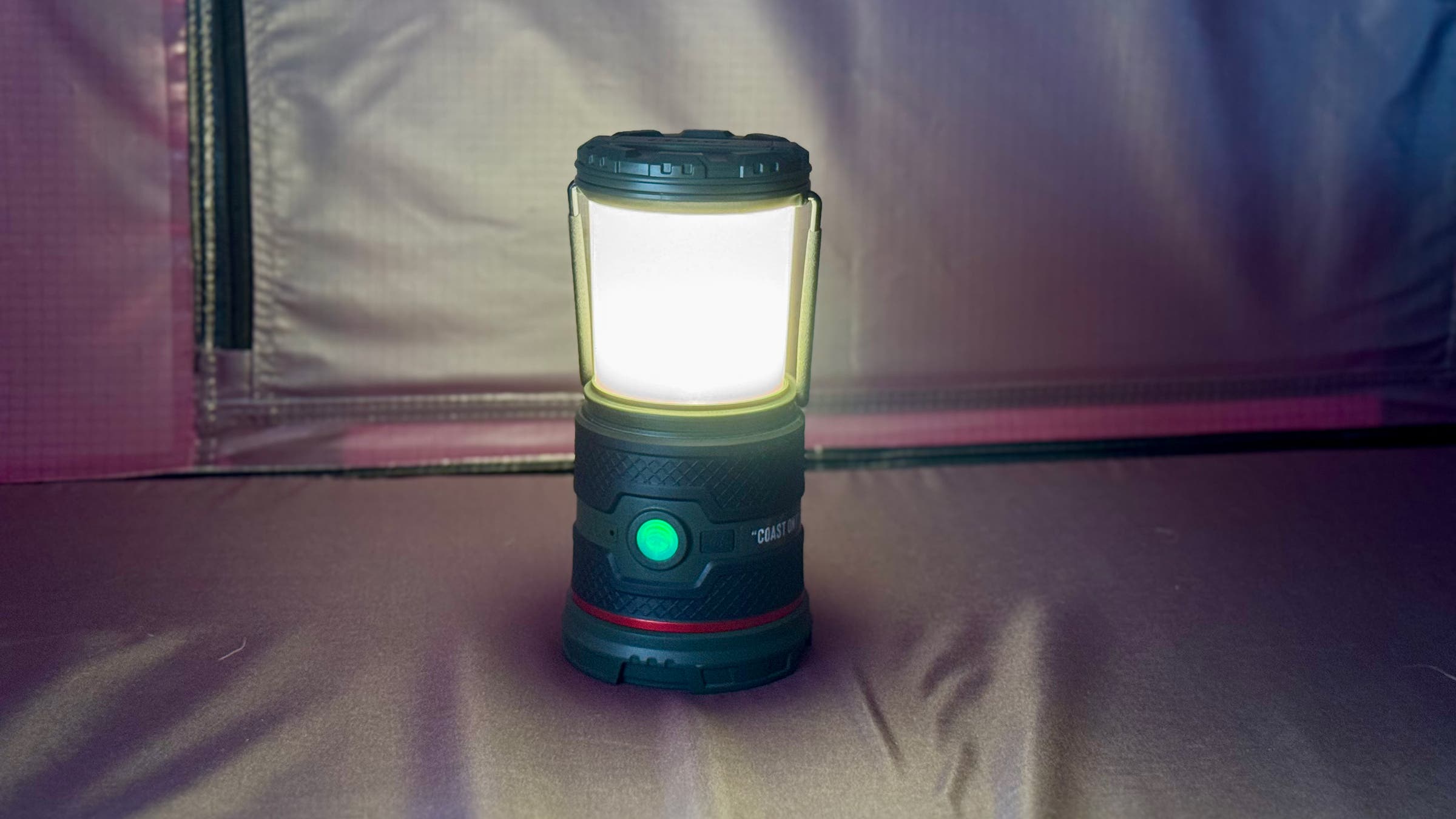
Coast delivered with the EAL35R, an old-school lantern with a few modern tricks, including voice control. Say “Coast, turn on,” and the lantern fires up. You can also dim the light or change colors with voice commands. It sounds ridiculous, but being able to turn on the light from the comfort of my sleeping bag without having to search for said light is very, very convenient.
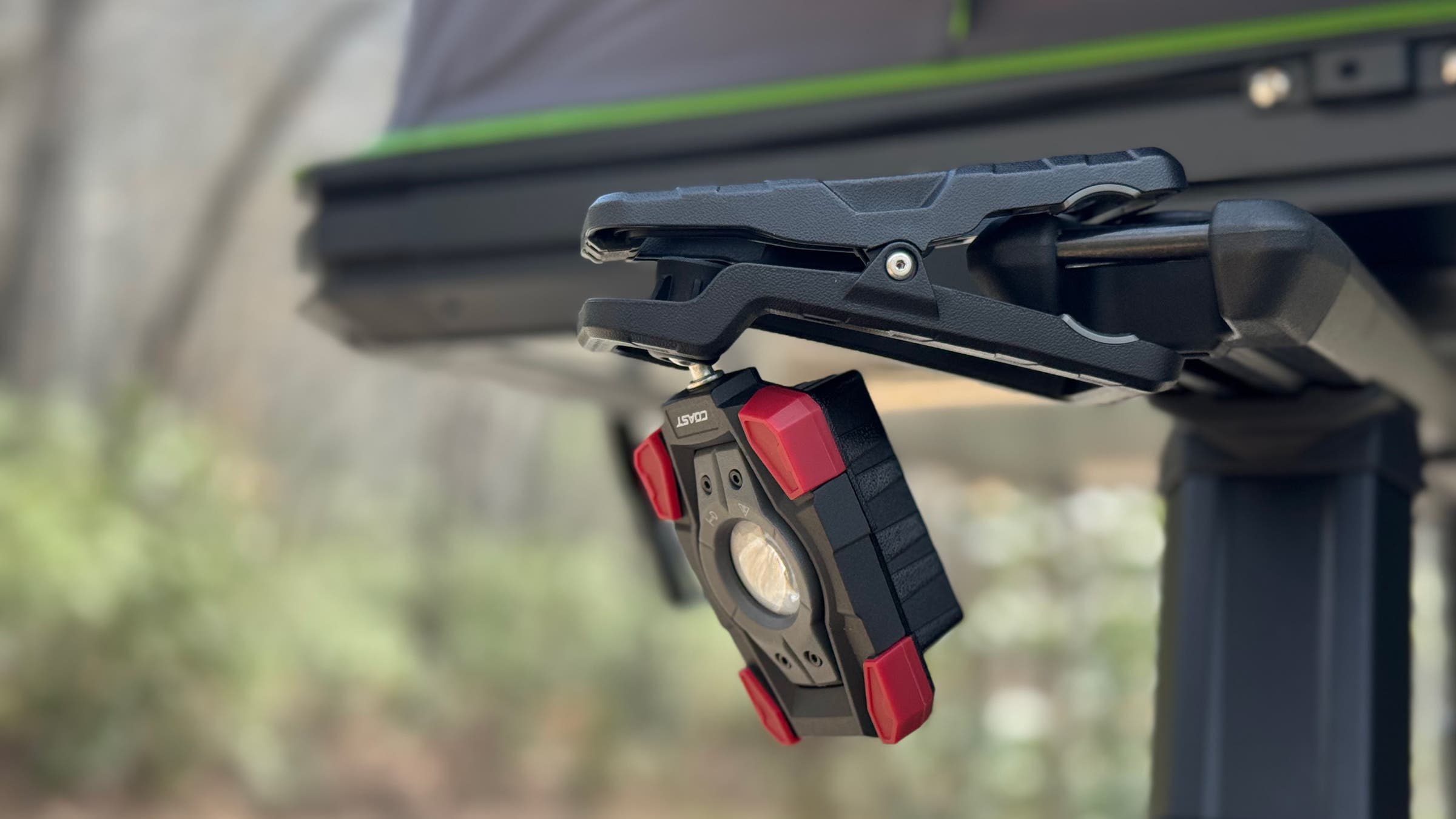
For task lighting, I added the CL10R, a compact spotlight that delivers 1,150 lumens on a swiveling base that attaches almost anywhere via clamp or strong magnet. That means I can slap this light onto my truck bed rack, point the light at my cook station (or cooler), and take care of business in the dark.
Packfire
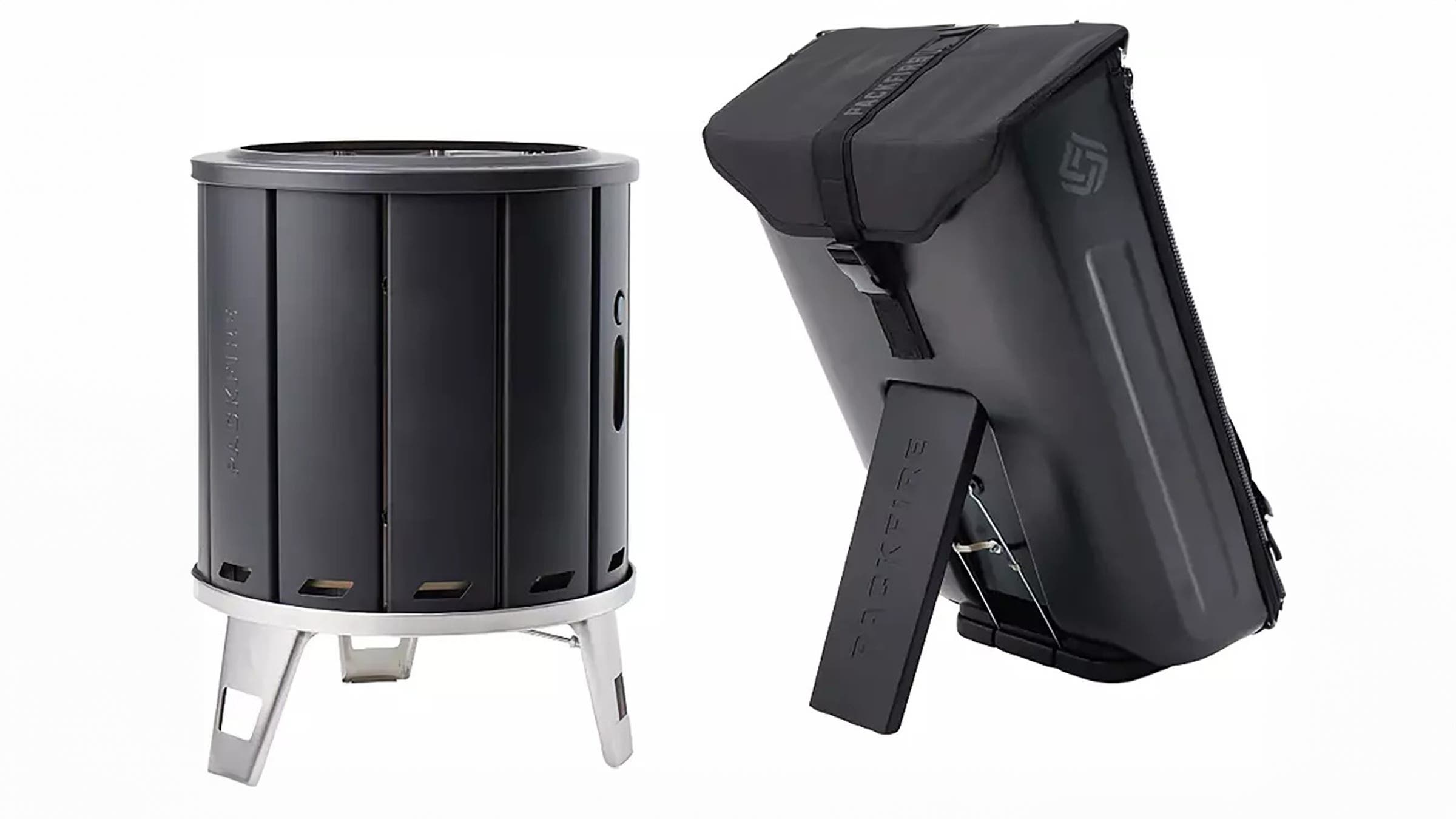
I’ve been a fan of self-contained fire pits like Solo Stove and Breeo for years, mostly using them in my backyard. My only complaint is that they’re too heavy and bulky to bring camping. Enter the Packfire, which takes the clean-burning, nearly smokeless system of high-end fire pits and builds it into a collapsible package designed for car camping.
The stainless steel and aluminum “can” looks similar to a Solo Stove when in use but folds flat and packs away easily and small enough to fit into a backpack. Setup takes less than a minute, and it burns either standard firewood or Packfire’s ClearBurn Firewood ($60)—super-compressed hardwood bricks that burn hot and long.
Wildfires are becoming an increasing concern, even in the moist Southern Appalachians where I live, so I appreciate having a contained fire that reduces the risk of an errant flame. And the less smoke, the better: the Packfire, paired with ClearBurn Firewood (or any dry wood, really), produces very little of it.
