

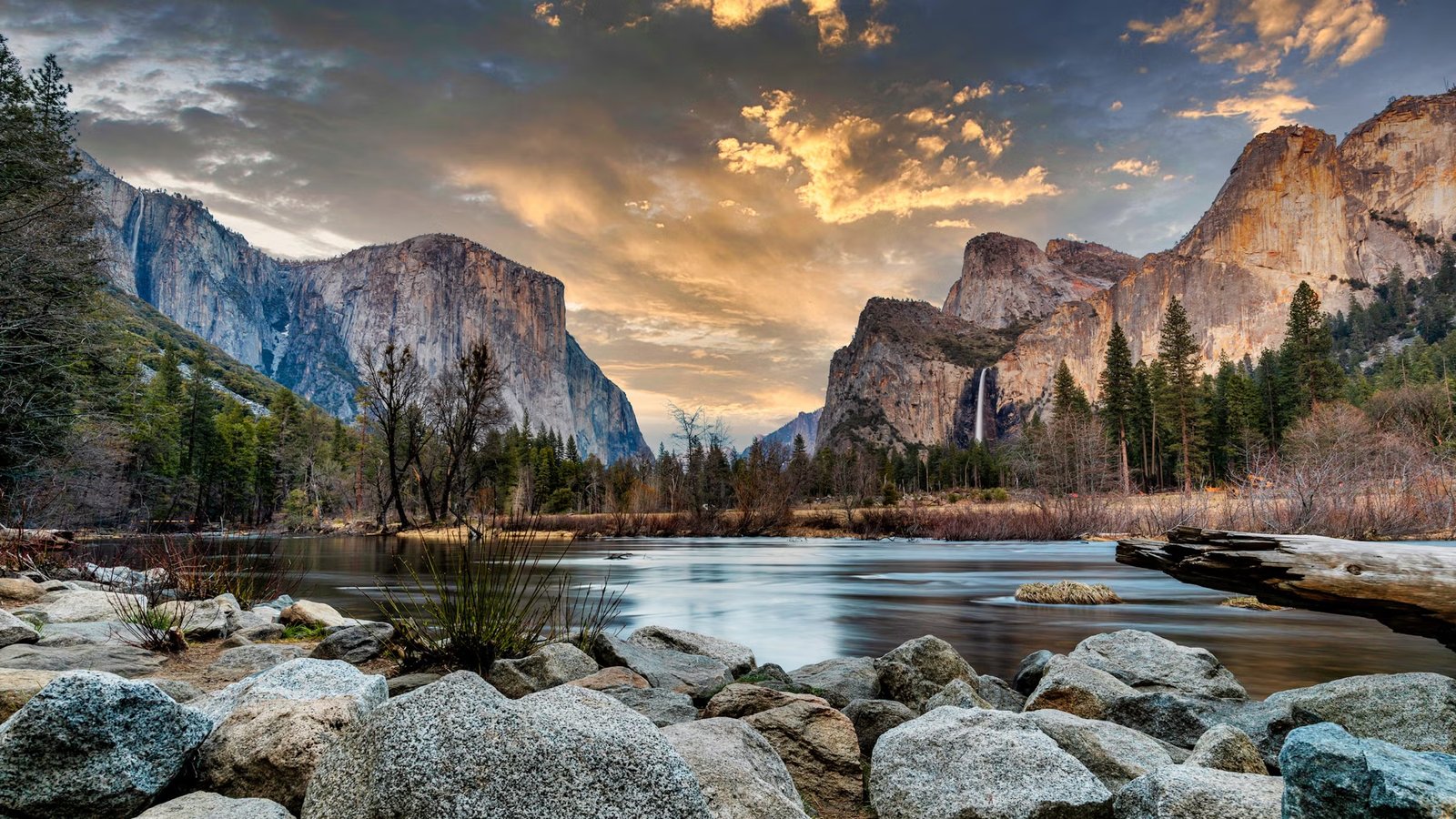
The Bureau of Land Management is pursuing a plan to allow drilling and fracking on public land across California, including those neighboring prominent national parks and monuments.
Proposed lands for drilling include those located ten miles from Yosemite National Park (Photo: John Dukes 500px/Getty Images)
Published March 20, 2026 02:45PM
From the Bay Area to Santa Barbara, the Trump administration is eying more than one million acres of public land in California for oil and gas drilling and fracking.
In January 2026, the Bureau of Land Management (BLM) released plans to open up parts of Southern California, including public land adjacent to national and state parks, protected coastlines, and waterways. By March, nearly 200,000 people from California submitted comments to the BLM in opposition to the two plans, according to the environmental advocacy group, Center for Biological Diversity (CBD).
Cooper Kass, a CBD attorney, told Outside that the plans would open lands right on the border of the Sierra National Forest and within ten miles of Yosemite National Park. It would also open lands on the borders of Sequoia and Pinnacles National Park, Carrizo Plain National Monument, and national forests including Sequoia, Los Padres, and Inyo.
Two plans, one from the BLM Bakersfield and another from the Central Coast Field offices, include public land at the surface, while others include what’s known as “split-estate.” The latter means the federal government owns the underground mineral rights, while another entity, such as a state government or a private landowner, owns the surface.
The first Trump administration unveiled the plans in 2019. After environmental groups sued, the plans were suspended pending new environmental analyses on how the drilling would affect natural ecosystems and the people around them. In 2026, the agencies published the new assessments, but environmental groups such as CBD and the Sierra Club said the new plans are still inadequate.
“The Trump Administration is once again prioritizing profit over the health of the planet. California’s public lands protect vital habitat and endemic species, bolster local economies, and provide numerous outdoor recreation opportunities for our employees and customers,” Ryan Gellert, CEO of Patagonia, said in a statement. “Our public lands and waters should be preserved for the use of the public, not offered up for sale to oil and gas companies.”
Environmental group Los Padres ForestWatch catalogued the proposals’ impacts in an interactive map showing which public lands lawmakers would affect if they pass the plan.
“People should know just how harmful oil and gas extraction is to people, wildlife, and the environment. These operations don’t belong on public lands where people hike, bike, and plants and animals thrive,” Kass said.
The BLM told Outside that the agency will review the comments received and develop a report summarizing them to be incorporated into an analysis later this year.
“The BLM welcomes public input and considers new or unique information as part of its decision-making. The BLM will review, consider, and respond to these comments in the final decision, ensuring public involvement in federal actions,” Kate Miyamoto, BLM public affairs specialist, told Outside.
As of this publication, the project websites indicate that the BLM expects to publish its final decisions by July 2026.
