

Updated March 24, 2026 12:27PM
When it comes to spring break destinations, Hawai’i is a perennial favorite. But over the past weeks, the islands have suffered historic flooding. Photos showing neighborhoods floating in dark brown waters and cars swallowed by sinkholes have left many travelers wondering if they should rethink their trips.
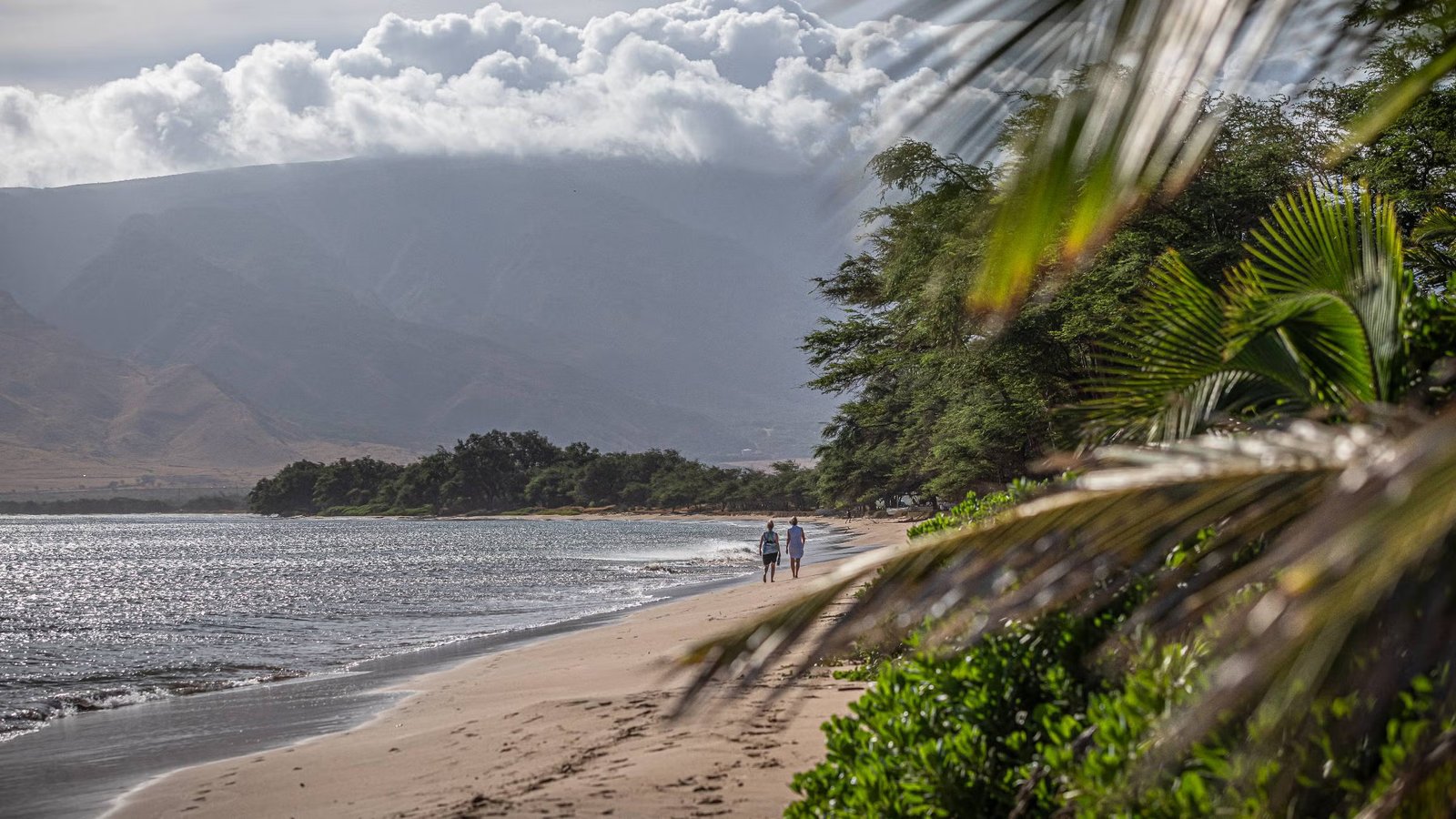
My partner had planned to take his twin teenagers to Maui to surf, scuba dive, and hike. When he told me he was thinking of rebooking to the Caribbean, I was devastated. I consider Maui a second home. I’ve seen firsthand—initially during Covid, then after the tragic Lahaina fires—how the islands suffer when tourists stop visiting.
Tourism accounts for more than 20 percent of Hawai’i ’s Gross Domestic Product (GDP) and supports more than 200,000 jobs. The number of visitors still hasn’t rebounded from the pandemic, and as a result, many islanders are leaving to seek jobs and more affordable housing on the mainland. The flooding is just one more devastating blow for Hawai’i, and underscores why in recent years many Hawaiians have urged the state to diversify its economy.
The storm that battered Hawaii is known as a Kona storm or Kona low. This is an area of low pressure that forms west to northwest of Hawai’i during the cool season (November through March) and often taps into subtropical moisture. The first Kona low swept through Hawai’i March 10th through the 16th, dropping at least a foot of rain on every major island and more than 50 inches in some areas. A second Kona low hit Hawai’i March 19 and is progressing down the island chain. The double whammy has wreaked havoc on many parts of the islands. Governor Josh Green estimates storm damage has already hit $1 billion.
Is It Safe to Visit Hawai’i Right Now?
My partner told me he was worried about the island’s infrastructure, and also whether he and his teenagers would even be able to swim in the ocean. Fair points. The Hawai’i Tourism Authority has been regularly posting updates on how the Kona low pressure system is impacting travel on its website. As of Monday, March 23, it advised, “There is no reason to cancel or postpone upcoming travel.” All airports remain open and the flash flood warnings that were previously in effect for Oahu and the Big Island have been lifted. Maui is still receiving heavy rainfall.
“Certain communities in Hawai’i are still recovering from the recent Kona Low storm, and we appreciate the care visitors have shown,” said Caroline Anderson, Hawai’i Tourism Authority’s interim president and CEO. “At the same time, much of the state remains open and welcomes visitors. By choosing to visit—staying in our hotels, dining in local restaurants, supporting small businesses, and hiring local guides—visitors help sustain jobs and help boost recovery. We simply ask that visitors travel with respect and stay aware of local conditions.”
What’s Closed on the Hawai’ian Islands
Weather conditions and closures vary by island and neighborhood. On Oahu, the North Shore and areas of Mānoa suffered extreme damage and should be avoided by visitors, according to the Hawaii Tourism Authority. Most of Honolulu and Waikiki remain open and are largely unaffected. A spokesperson for Jamie O’Brien Surf Experience, which offers surf lessons at Turtle Bay Resort on the North Shore and in Waikiki, said the company still held a few surf lessons for hotel guests this week, even though the water was brown, which is typically a sign of contamination after heavy rain. “We don’t want to discourage your experience with us and we do have a Waikiki location as well, where the water should be more clear this week,” said the spokesperson.
On the Big Island, Hawai’i Volcanoes National Park has been partially reopened, and access to the Kīlauea summit area and Chain of Craters Road restored. Conditions in Kauai have improved significantly, but authorities encourage people to exercise caution near streams and low-lying areas as grounds remain saturated.
Heavy rain continue to fall on Maui. Visitors are being asked to avoid Lahaina and East Maui, including the Road to Hāna, which is limited to local traffic. Both districts of Haleakalā National Park, Waiʻānapanapa State Park and ʻĪao Valley State Monument remain closed.
Precautions to Take
Brown water advisories are in effect for much of the state. Storm water can contain harmful pathogens and pollutants from overflowing sewage systems and animal feces flowing into storm drains. The Hawaii Department of Health advises people to avoid swimming, wading, or other water contact when the water looks brown, murky or cloudy. It’s typically advisable to wait 48 to 72 hours after rain stops before swimming in the ocean. Brett Sheerin, owner of Maui True North, which offers surf and kitesurfing lessons, encourages visitors to check water quality advisories before going into the ocean, noting many popular surf spots on Maui are registering high bacteria counts.
If you plan to hike, be extra cautious. Last year I reported a piece for Outside on why so many hikers get in trouble in Hawai’i. Chris Berquist, founder of Maui-based Search Tech Advisory Team, said flash floods pose one of the biggest dangers to hikers, likening the phenomena to an avalanche. and likened them to an avalanche. The recent rains mean the islands’ famed waterfalls are flowing full force. This isn’t the time to try to get that perfect selfie. Areas around the falls are likely slippery so observe from afar.
Should You Cancel Your Trip?
Charity organizations such as the Salvation Army, American Red Cross, and Stronger Hawai’i are accepting financial donations. But tourism dollars make the biggest impact. Spending money in the islands, particularly with local businesses, is invaluable. “This feels like the pandemic and the fires,” says Sheerin. “It’s truly a perfect storm. January and February are generally my slowest months. I count on March spring break. All my surf lessons and kiteboarding lessons just washed away.”
Cancelling a trip to Hawaii hurts Hawaiians. “This storm was significant, and I don’t want to downplay that,” says Riley Coon, director of sustainable tourism for Sail Trilogy on Maui. “At the same time, I think it’s important to add some perspective. The news tends to focus on the hardest-hit areas, which can make it seem like all of Hawaiʻi is impacted. The reality is, much of Maui is open, safe, and operating.”
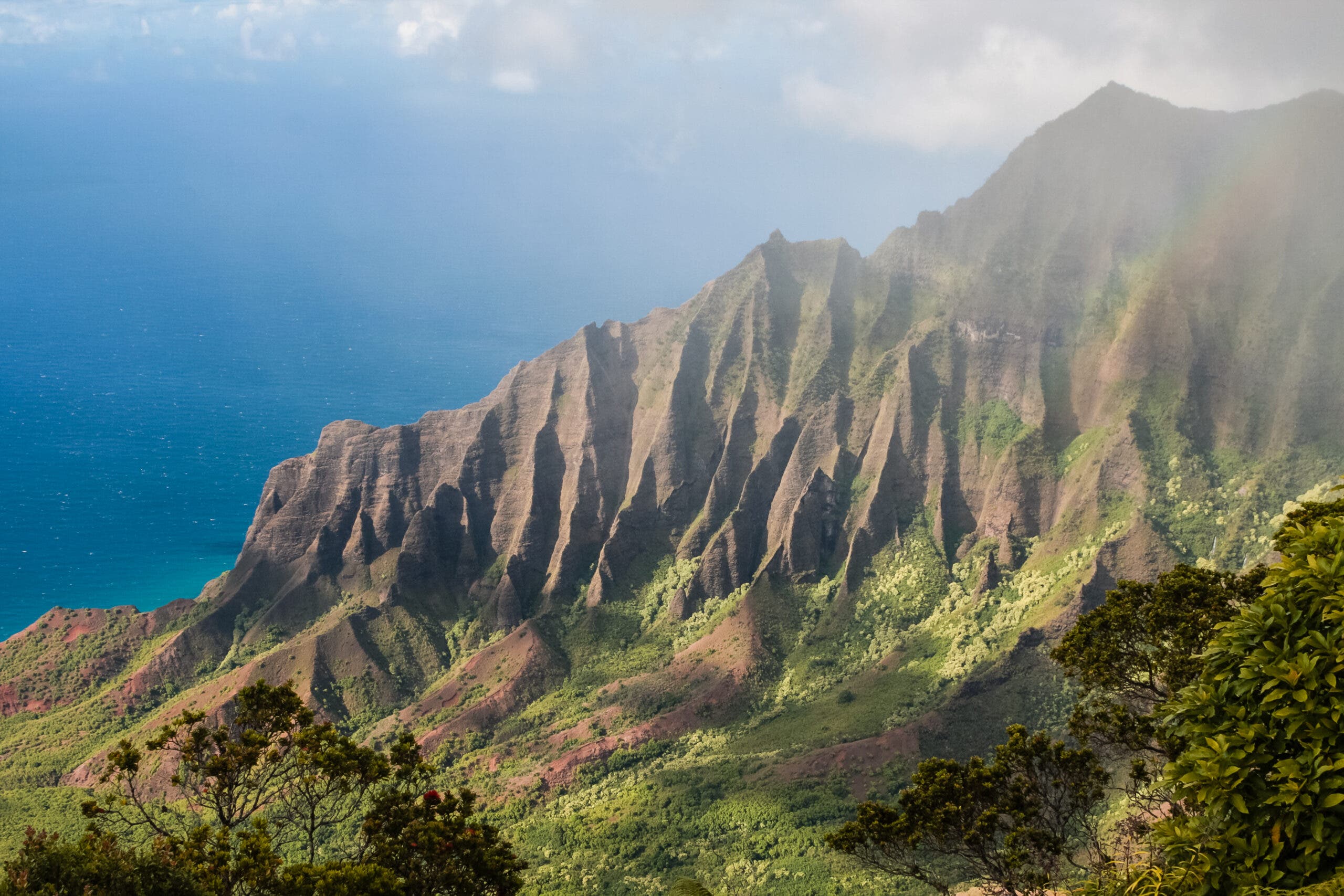
“What our community needs most is a steady, year-round visitor base,” Coon adds. “This rain event is clearing, but unfortunately many people will continue to think it’s 100 percent rain on Maui for the coming weeks ahead as these stories continue to circulate. The ocean has a way of healing faster than you’d expect, and we do everything in our power to mitigate negative impacts within our control.”
People have houses to clean and fix and bills to pay, and a significant dip in normal visitor spending will just add to many people’s financial hardship, shares Coon. “Our resilience depends on people continuing to visit, to show up, and to support local families and businesses,” he says. “If you’re considering coming, know that you’re not just welcome—you’re helping in a very real way.”
Rather than rebook to a different destination, reframe your current trip. Check advisories and call your hotel or Airbnb to access the current conditions in the area. You may need to shift where you’re headed. Be respectful and avoid areas that are closed due to damage, like Oahu’s North Shore and Hana, Maui. Take precautions when driving, hiking, and entering the ocean. And do your best to support local businesses. If you’re staying at a hotel or resort, ask to be directed to family-owned tour operators, shops, and restaurants. Most of all, return the spirit of aloha that Hawaii has always shown to its visitors.
As for my partner, I convinced him not to cancel his trip. He’s agreed to shift his expectations—more time in the swimming pool than the ocean, and maybe intro kite handling lessons on the beach. Next year they will hit the water.
Jen Murphy has lived on and off in Maui for more than two decades. She reports regularly on Hawai’i for Outside.
