

Key Takeaways
- DoorDash is introducing a program that pays gig workers to do short data-collection jobs.
- The company plans to use the data from these tasks to train AI models and provide information for retail partners.
- The move signals a broader shift in gig work from only deliveries and rides to ongoing AI and retail data collection.
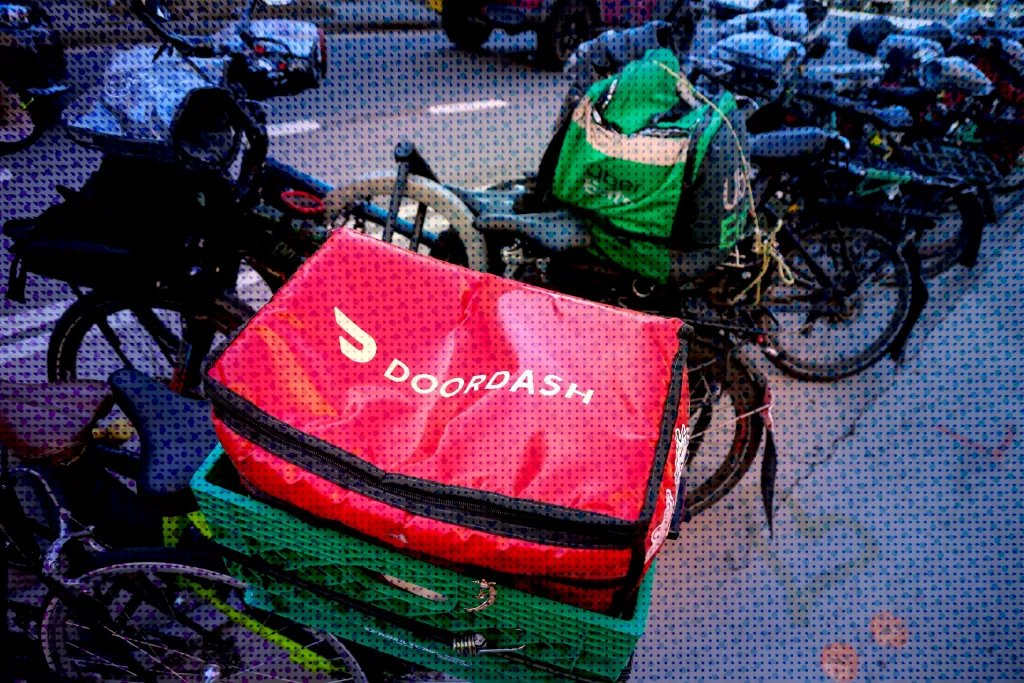
DoorDash is turning its ranks of delivery couriers into on-demand data collectors and AI helpers.
The food delivery service is now offering a new slate of short assignments that pay workers to photograph shelves, film chores and record conversations in exchange for cash, according to a press release. The new offering, called Tasks, lives both as a standalone app and as an option inside the main Dasher app in some U.S. markets, excluding California, New York City, Seattle and Colorado.
Instead of picking up food, workers can accept bite-sized assignments designed to generate real-world data for AI, robotics and retail clients. One example of a task is taking photos of restaurant dishes to populate digital menus. Another task is recording unscripted conversations in languages other than English to help train speech and translation models. Yet another is filming everyday household chores, like loading a dishwasher or folding laundry, to help train AI.
DoorDash pays workers upfront, and the total compensation varies based on effort and complexity. Pay is fixed per task, not per hour. The company pitches these tasks as activities workers can complete between deliveries or on their own time.
One DoorDash worker in Texas told Business Insider that she earned $36 for 30 minutes of work, taking 180 photos of specific sections of a grocery store. She found delivering food to provide more money.
“The goal of Tasks is to help more businesses understand what’s happening on the ground and gather new insights, all while giving Dashers a new way to earn on their own terms,” Ethan Beatty, general manager of DoorDash Tasks, said in the press release. He added that there are “more than eight million Dashers” who can go “almost anywhere in the U.S.”
Gig work is shifting
DoorDash’s move to tasks signals a broader shift in gig work, where apps increasingly use flexible labor not just to move food and people, but to feed AI systems and retail analytics.
DoorDash isn’t the only delivery service to pilot additional tasks for couriers. Last year, Instacart began running a program allowing gig workers to photograph store shelves and product displays. The move helped monitor inventory levels and provide food brands with visibility into in-store product placement.
Similarly, last year, Uber enlisted gig workers, ranging from drivers to contractors with advanced degrees, to assist in training its AI systems. The program, called Digital Tasks, offers Uber drivers the opportunity to earn extra money by completing tasks like uploading photos or recording audio clips.
For now, these roles serve primarily as a supplemental source of income for delivery and ride-hailing drivers. However, that dynamic could shift as self-driving vehicles become more widespread across both industries.
Uber CEO Dara Khosrowshahi said at an “All-In” podcast event last year that robotaxis and autonomous vehicles could take over the road within the next decade, putting drivers out of work.
“We are making investments in creating alternative methods of making money for our earner base,” Khosrowshahi said on the podcast. He added that he wasn’t sure which would get there first — Uber in terms of opportunity or autonomous vehicles in terms of job replacement.
More than seven million people drive or deliver with Uber alone every month.
Key Takeaways
- DoorDash is introducing a program that pays gig workers to do short data-collection jobs.
- The company plans to use the data from these tasks to train AI models and provide information for retail partners.
- The move signals a broader shift in gig work from only deliveries and rides to ongoing AI and retail data collection.
DoorDash is turning its ranks of delivery couriers into on-demand data collectors and AI helpers.
The food delivery service is now offering a new slate of short assignments that pay workers to photograph shelves, film chores and record conversations in exchange for cash, according to a press release. The new offering, called Tasks, lives both as a standalone app and as an option inside the main Dasher app in some U.S. markets, excluding California, New York City, Seattle and Colorado.
Instead of picking up food, workers can accept bite-sized assignments designed to generate real-world data for AI, robotics and retail clients. One example of a task is taking photos of restaurant dishes to populate digital menus. Another task is recording unscripted conversations in languages other than English to help train speech and translation models. Yet another is filming everyday household chores, like loading a dishwasher or folding laundry, to help train AI.
