

Published April 3, 2026 11:07AM
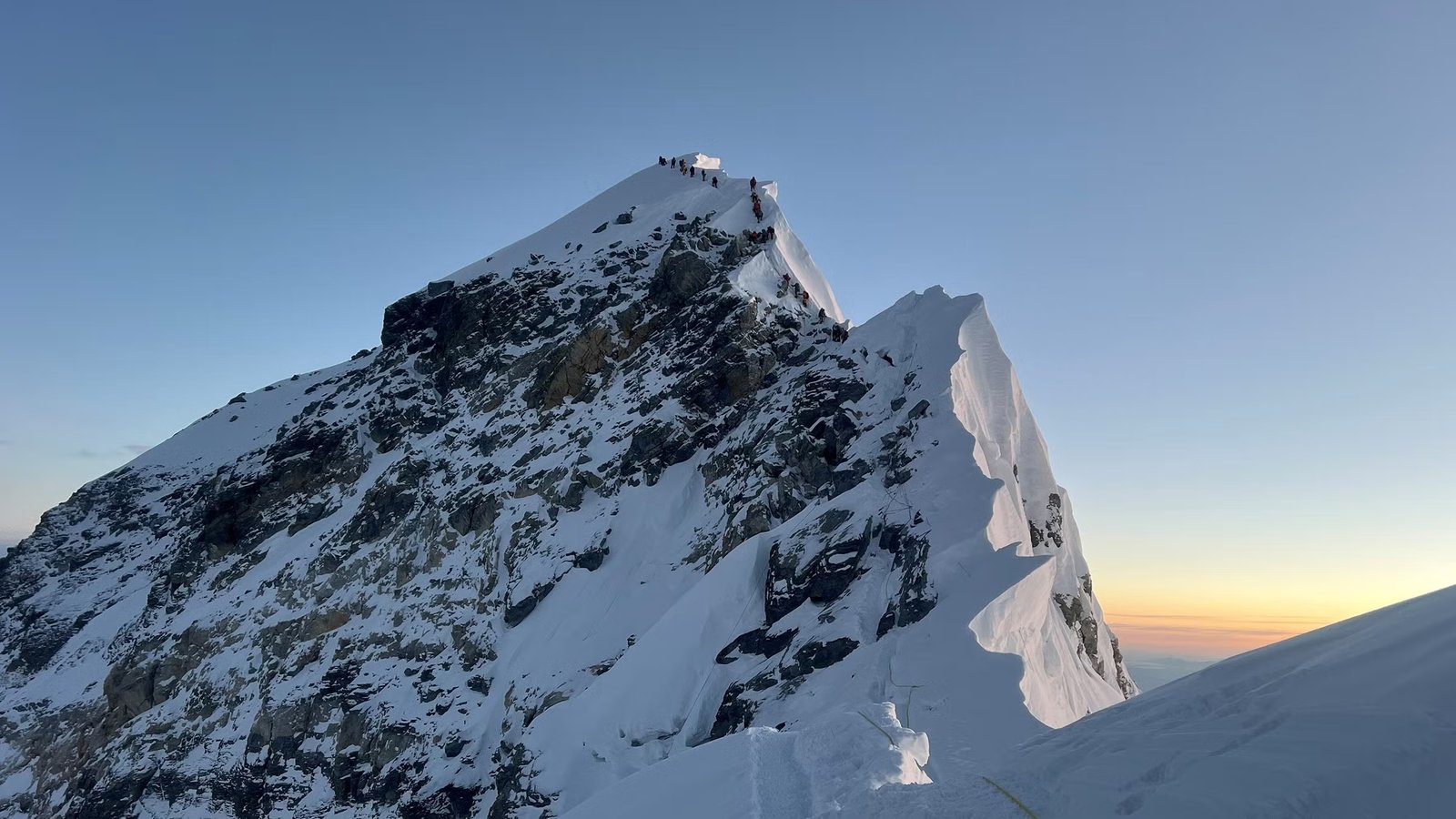
Hundreds of aspiring Mount Everest climbers are in Kathmandu this week, preparing for their acclimatization treks and the 40-mile long walk from Lukla to Base Camp. At the foot of Mount Everest, Nepal’s legendary Icefall Doctors are struggling through unseasonably deep snow to fix the route through the crevasses and ice pillars of the Khumbu Icefall leading to Camp I.
That’s right—Everest season is upon us. And it wouldn’t be right to kick off the annual pilgrimage to the world’s highest peak without some controversy and drama. Thus far, the biggest storyline in the Everest world concerns a Nepali government investigation into allegations of fraudulent helicopter rescues that total a whopping $19 million. That story, broken by the Kathmandu Post, has generated plenty of chatter on social media and in climbing circles.
Whether or not the scandal impacts the number of clients pushing for the summit is yet to be seen. Initial reports show a strong turnout of international climbers targeting Everest, despite extensive travel disruptions due to conflict in the Middle East. More than 400 climbers are expected to be on the mountain this year, according to an official document viewed by Outside. This is slightly down from 2025, when the Nepali government issued 517 permits.
Outside is back at Base Camp this year. I’ll be reporting on the Everest climbing season as it happens from the pulsing tent city on a glacier at 17,500 feet above sea level. Here are some of the stories that we’ll be following in detail this year.
A Scandal Involving Helicopters, Fraud, and Allegations of Poisoning
In a 1,200 page report, the Government of Nepal has spelled out the details of a complex insurance fraud scheme that cheated global insurers of over $19 million between 2022 and 2025. This alleged fraud focused primarily on the multi-million dollar trekking industry, not mountaineering. Every year, trekking companies lead thousands of tourists on the two-week hike from Lukla to Everest Base Camp or on other popular treks like the Annapurna Circuit. Some of these hikers get sick and require emergency helicopter transport from altitude back to lower elevations.
According to the government report, trekking guides, helicopter brokers, hospitals, and businessmen routinely overcharged for these lifesaving services, or filed falsified insurance claims. The report alleges that some unscrupulous guides even went so far as to “poison” their clients by placing baking soda in their food to make them sick. So far ten people have been arrested, but another 22 are named in the report and still at large.
Last year, helicopter pilots were the stars of the Everest season, providing crucial life-saving flights high on the mountain. Whether or not the scandal impacts their efforts in 2026 is a story Outside plans to pursue.
Drones Are Now Part of the Everest Workforce
Drones capable of carrying heavy loads are back at Everest in 2026. After a successful trial period in 2025, the technology is likely to be a permanent fixture on the peak for the foreseeable future. This spring, local operators will use drones to ferry supplies like oxygen and ropes from Base Camp at 17,500 feet up to Camp I at 20,000 feet. Then, the contraptions will bring bags of garbage and human waste back down.
Each flight takes about 12 minutes to complete as the drone soars over the most dangerous section of the Everest climb: the Khumbu Icefall. The technology has been lauded for eliminating the number of human trips through the Icefall, which could save lives.
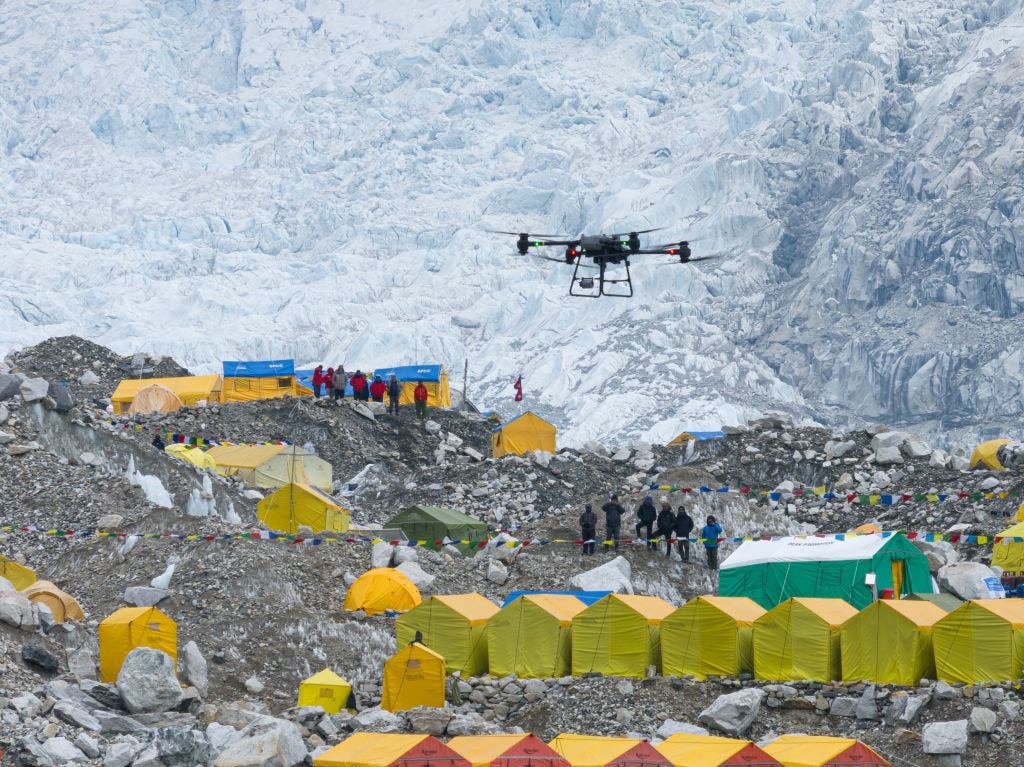
This spring, Outside will follow the heavy-lift drone operators as they pilot the newest devices, including a model from the Chinese company DJI that can reportedly lift upwards of 110 pounds in the thin air above Base Camp. According to initial reporting, American-made drones will also be tested on the peak. We plan to examine how the different technologies stack up against each other.
Nepal’s New Government Is Eyeing Everest Rules
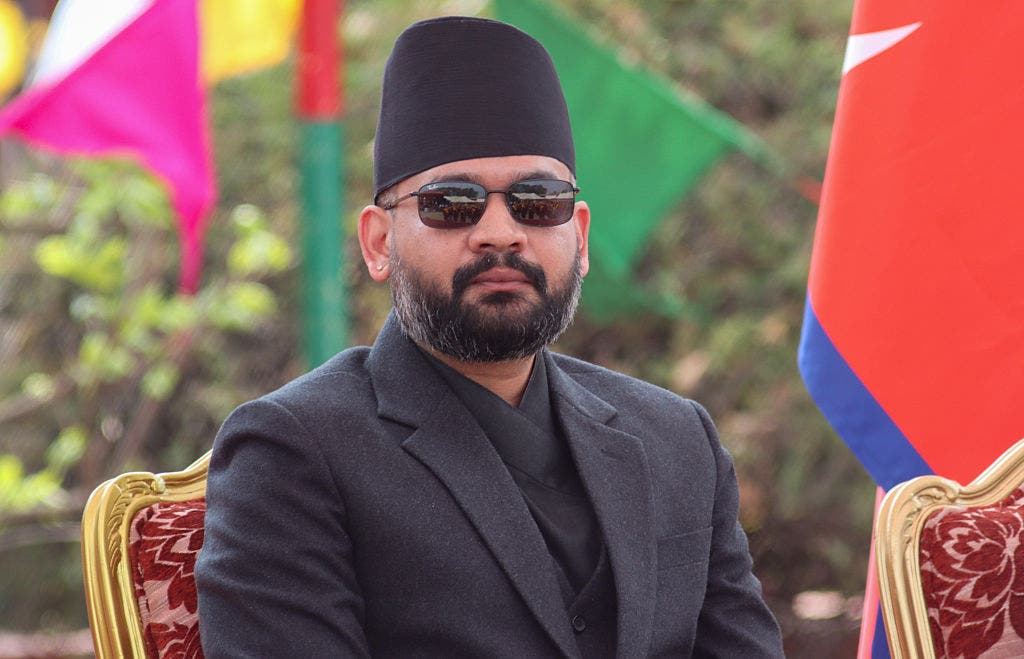
As democracy is under attack across the globe, Nepal has started a new political era. In March, a 35-year old ex-rapper and populist politician named Balendra Shah became Prime Minister. Balendra Shah represents the Rastriya Swatantra Party, which holds a near super-majority in Nepal’s parliament after recent elections. This surprise vote all but ended the political power of Nepal’s three biggest parties that have shared a hegemony over the government for nearly 20 years.
Shah’s rise to power has created a sense of hope and expectation amongst Nepal’s general public. In the Everest industry, guides and expedition operators are hoping that long-promised reforms will come to the peak. One of the proposed rules would require climbers to first ascend a 7,000-meter-tall mountain in Nepal before obtaining a permit to climb Everest. This legislation, some believe, would help prevent inexperienced client climbers from dying on the peak.
Everest now has a powerful representative in Nepal’s halls of power. Mingma David Sherpa, a record-holding Nepali climber and expedition outfitter with nine Everest ascents under his belt, was also made a Member of Parliament under the Rastriya Swatantra Party. Mingma David recently told Outside that he wants to see an 8,000 meter ascent requirement put in place. “We need to reduce the number of people dying,” he said.
Celebrity Climbers, Record Chasers, and Influencers Return
As always, a long list of celebrities, global influencers, Everest record-chasers, and elite athletes are back in Base Camp. Among them is Kristin Harila, the record holder for ascending the world’s 14 peaks above 8,000 meters. Harila is back seeking an ambitious no-oxygen ascent of the Everest triple crown: climbing Everest, 27,940-foot Lhotse, and 25,791-foot Nuptse in a continuous push. Harila’s return to Everest comes a year after she swore off climbing altogether.
Ultrarunner Tyler Andrews of the United States and Swiss-Equadorian Karl Egloff will yet again attempt to set a new FKT (fastest known time) ascent of Everest without oxygen. Their respective expeditions come a year after both attempted and failed on the peak multiple times. Andrews, 34, made four different attempts on Everest in the spring, and then returned in the fall to chase the record, only to be turned back by deep snowfall.

A 20-year old American named Ryan Mitchell returns to Everest a year after he made his first ascent. Mitchell is a global celebrity in the world of video games, and he hosts a popular YouTube channel for gamers. In 2025 he published a popular video titled How Climbing Mount Everest Ruined My Life. This year Mitchell is climbing alongside guide Justin Sackett to try an oxygen-free ascent.
Lhakpa Sherpa, whose story was captured in the Netflix documentary Mountain Queen, is back, too. Lhakpa is attempting to complete her 11th ascent of the peak, the most by any woman. Nepali guide Kami Rita Sherpa also returns to the mountain for his record 32nd ascent—the most of any human, ever.
A Few Climbers Ascending from Sea Level
In 2025, a group of climbers from the United Kingdom made international headlines for their rapid ascent of the peak. The group traveled from London, to Kathmandu, to Base Camp, to the summit, and all the way back to London in just one week. Another climber, from New York City, completed the round trip in five days.
In 2026, a few climbers are trying to make their ascents as long and slow as possible. A Romanian named Cris Cristea is trying to climb Everest by first starting at sea level and then walking to the mountain. He started in the village of Digha, India, and will walk nearly 1,300 miles to Everest.
Australian climber Oliver Foran is also starting his Everest journey from the Indian coast. He plans to ride his bicycle from the beach to the Himalayas, and then walk 100 miles to Base Camp. He hopes his human-powered expedition can be completed in 60 days, which would knock a week off of the previous record for the attempt.
And then there are Nepali climbers Chandra B Ale, Ang Tshering Lama, and Nishan Adhikari, who are planning an even more audacious adventure. The group plans to summit Everest and then travel by foot the foothills of the Himalayas, where they will then board kayaks and paddle to the Bay of Bengal. The total mileage for the adventure is more than 1,800 miles. The adventure, called Summit to Sea, is aimed at raising awareness for river health amid the changing climate.
Lama told Outside that climbing Everest won’t be the hardest part of their journey.
“The biggest challenge for us,” he said, “is going to be avoiding bandits along the river in India.” Sounds like an epic adventure—and one I’ll be happy to follow from afar.
