

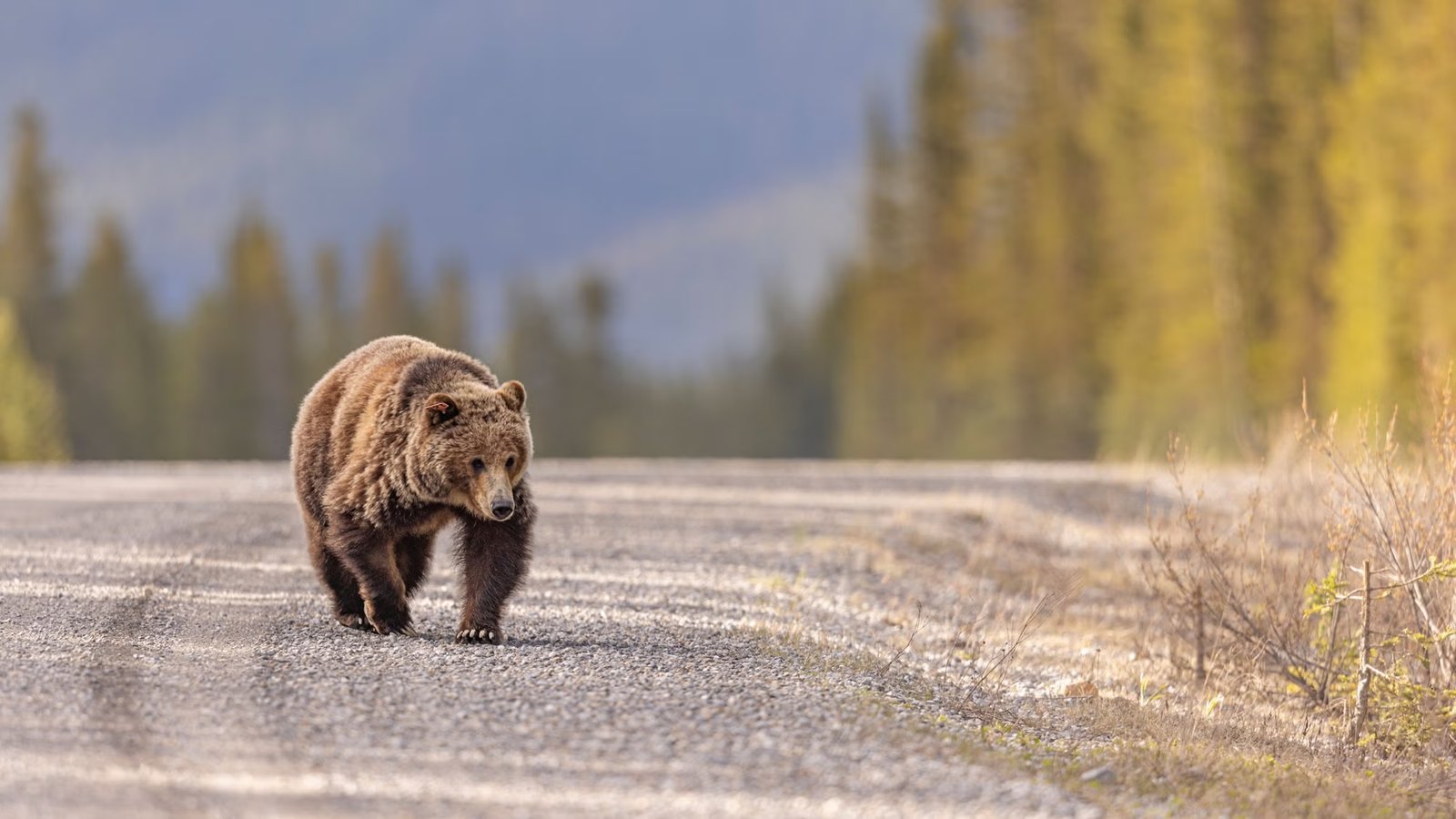
After recent grizzly encounters in Glacier and Yellowstone left one dead and two injured, Montana Rep. Ryan Zinke says it’s time for states to manage the predators. Top wildlife biologists call the political push misleading.
Grizzly bears have been protected under the Endangered Species Act since 1975 (Photo: Wirestock/Getty Images)
Published May 18, 2026 02:33PM
After two bear attacks in national parks left one hiker dead and two others injured, Montana Republican Representative Ryan Zinke is calling for the federal government to remove grizzly bears from the Endangered Species List. Some conservationists say the move is premature.
On May 3, a bear killed a 33-year-old hiker in Glacier National Park, the first fatal attack in the park since 1998. The following day, in Yellowstone National Park, another grizzly attacked two brothers, aged 14 and 28, hiking near the Old Faithful geyser. Both were left hospitalized in serious condition.
On May 12, Zinke, 64, responded to the attacks with a social media post that proposed the policy change.
“These tragedies are a sobering reminder that grizzly bear populations have recovered well beyond sustainable levels, and it is past time for the federal government to delist them and give states the management tools they need to protect both people and wildlife,” Zinke wrote on X. “Delist the grizzly.”
Outside contacted Zinke’s office for further comment, but did not receive a response in time for publication.
Chris Servheen, the former national grizzly bear recovery coordinator for the U.S. Fish and Wildlife Service (FWS), told Outside that Zinke’s comments were “misleading” and “do not contribute to public understanding of how and why human interactions with grizzly bears occur, and how they can be minimized in the future.”
“These interactions are chance events that would occur whether the grizzly was managed by state authorities or not,” Servheen told Outside.
Servheen served as the FWS grizzly bear recovery coordinator for 35 years, from 1981 to 2016, and helped write the government’s recovery plan for grizzlies. From the mid-seventies to today, the population of grizzlies in the contiguous U.S. grew from as few as 700 to nearly 2,000. Today, Servheen co-chairs the North American Bears Expert Team for the International Union for Conservation of Nature Bear Specialist Group, a global network of biologists promoting bear conservation.
“Grizzly bear attacks on humans are unfortunate events that usually result from a combination of factors, such as surprise encounters with grizzly bears along a trail, or defensive behavior of a mother grizzly concerning her cubs. None of these factors has any relationship to whether the grizzly bear is listed under the ESA or managed by state authorities.”
Both attacks in May occurred on federal land within national parks, where states have no authority to manage grizzlies under the Endangered Species Act (ESA), Servheen said.
Under the ESA, the decision to delist a species rests with the FWS. To remove protections, the agency must conduct a scientific review demonstrating that the grizzly bear population has recovered and that threats such as habitat loss have been resolved. However, Congress can also pass legislation to strip a species of its ESA protections, bypassing this scientific review.
Andrea Zaccardi, the legal director of the Center for Biological Diversity’s Carnivore Conservation program, pointed out that recent FWS research suggests that grizzlies should remain protected under the ESA.
“In 2025, the FWS said the best available science supports continued listing,” Zaccardi explained. “If they were to now come out and say grizzly bears should be delisted, they’d have to jump through some serious hoops to show why that science has changed in just over a year.”
Zaccardi noted that although fatalities and injuries grab headlines, grizzly bear attacks are still extremely rare.
“Saying delisting is necessary because there have been two attacks recently is extremely misleading and ignores basic science,” she said. “You’re more likely to die driving to the trailhead than you are to be attacked by a grizzly bear.”
Staying Safe in Bear Country
Zaccardi told Outside that although there’s no way to completely ensure you won’t be attacked by a bear in bear country, taking proper steps can significantly reduce your chances of being harmed if you do encounter one. She emphasized the following three steps to stay safe on the trail:
- Travel in groups of four or more.
- Make noise on the trail.
- Carry bear spray and keep it easily accessible.
“These safety recommendations won’t absolutely ensure your safety, but they really decrease your chances of being harmed by a grizzly bear,” Zaccardi said.
