

Published April 9, 2026 01:01PM
There are so many reasons to love trail running. The benefits for mind, body, and soul. The community. The thrill of races. The places it takes you. At its heart, trail running is a way to explore yourself and the world. What are you capable of? What will you discover around the bend, past the tree, beyond the pass, on the other side of the planet?
While any run can deliver that feeling of adventure, there are some routes that stand apart. Consider these the Wonders of the Trail Running World. Will there be arguments over which belong on the ultimate life list? Of course! We’re happy to start the debate with these seven picks.
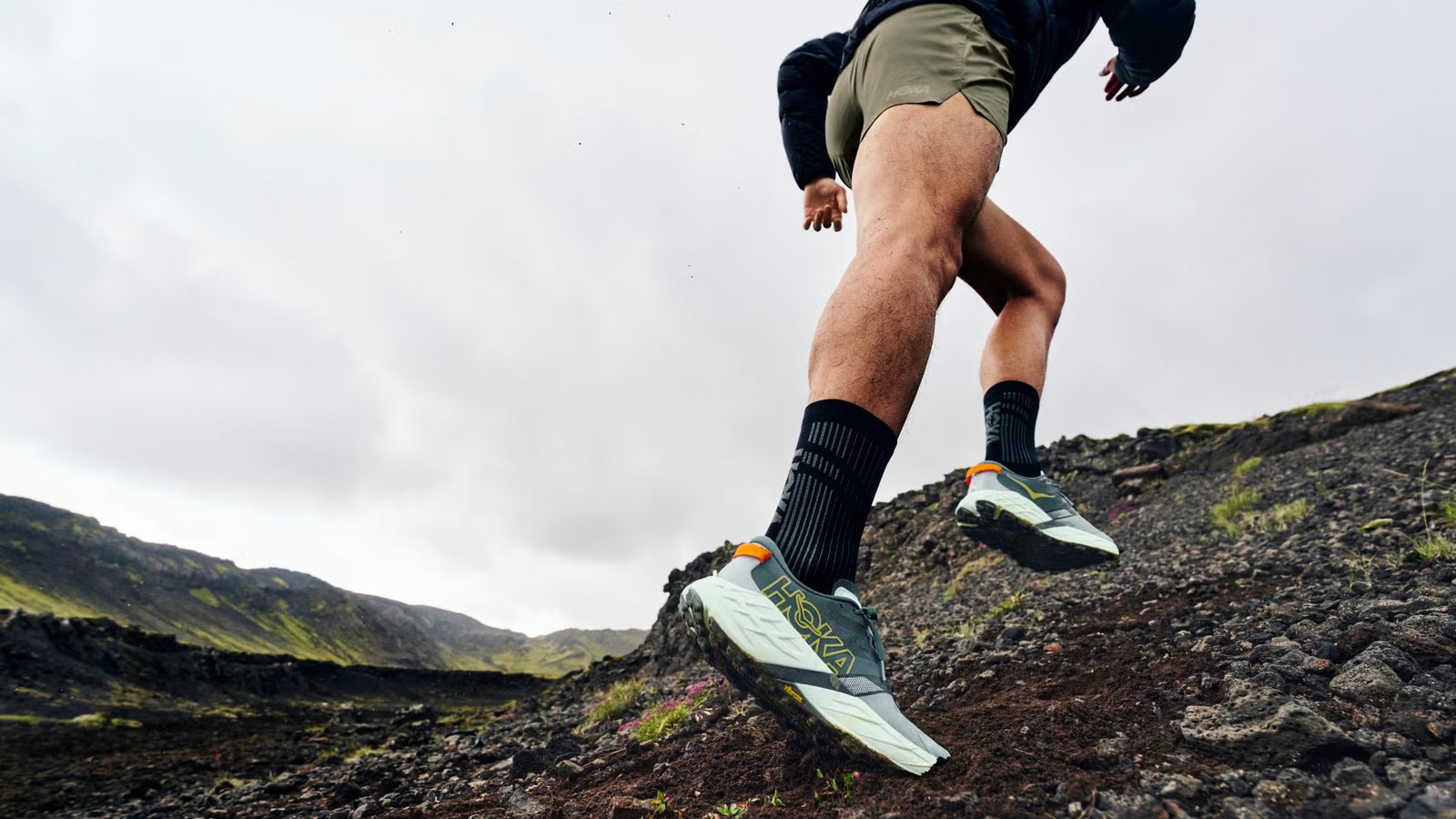
One thing there’s no argument over? When tackling these epic trails, you’ll want a shoe to match. Make it the HOKA Speedgoat 7, a shoe designed for the world’s most wild and rugged terrain. It’s so beloved by hard-charging runners that it might just be considered the eighth wonder of the trail running world. (See details at bottom).
Tour du Mont Blanc, France/Italy/Switzerland
If you’re going to do one run in the Alps, make it this one. Nothing compares to the legendary 106-mile circumnavigation of the Mont Blanc massif. Every August, thousands of the world’s best ultrarunners race the route in the Ultra Trail du Mont Blanc, but regular runners can split the run into more manageable days between 15 and 30 miles, staying in mountain refugios or hotels each night. (Services like RunTheAlps.com handle logistics and shuttle your stuff.) Only have time for one highlight section? Make it the 28-mile route between Courmayeur, Italy, and Champex Lac, Switzerland. But whether you do a sampler or the whole thing, rest assured the Tour de Mont Blanc comes with jaw-dropping alpine views and Euro-delicious food and drink.
Presidential Traverse, New Hampshire
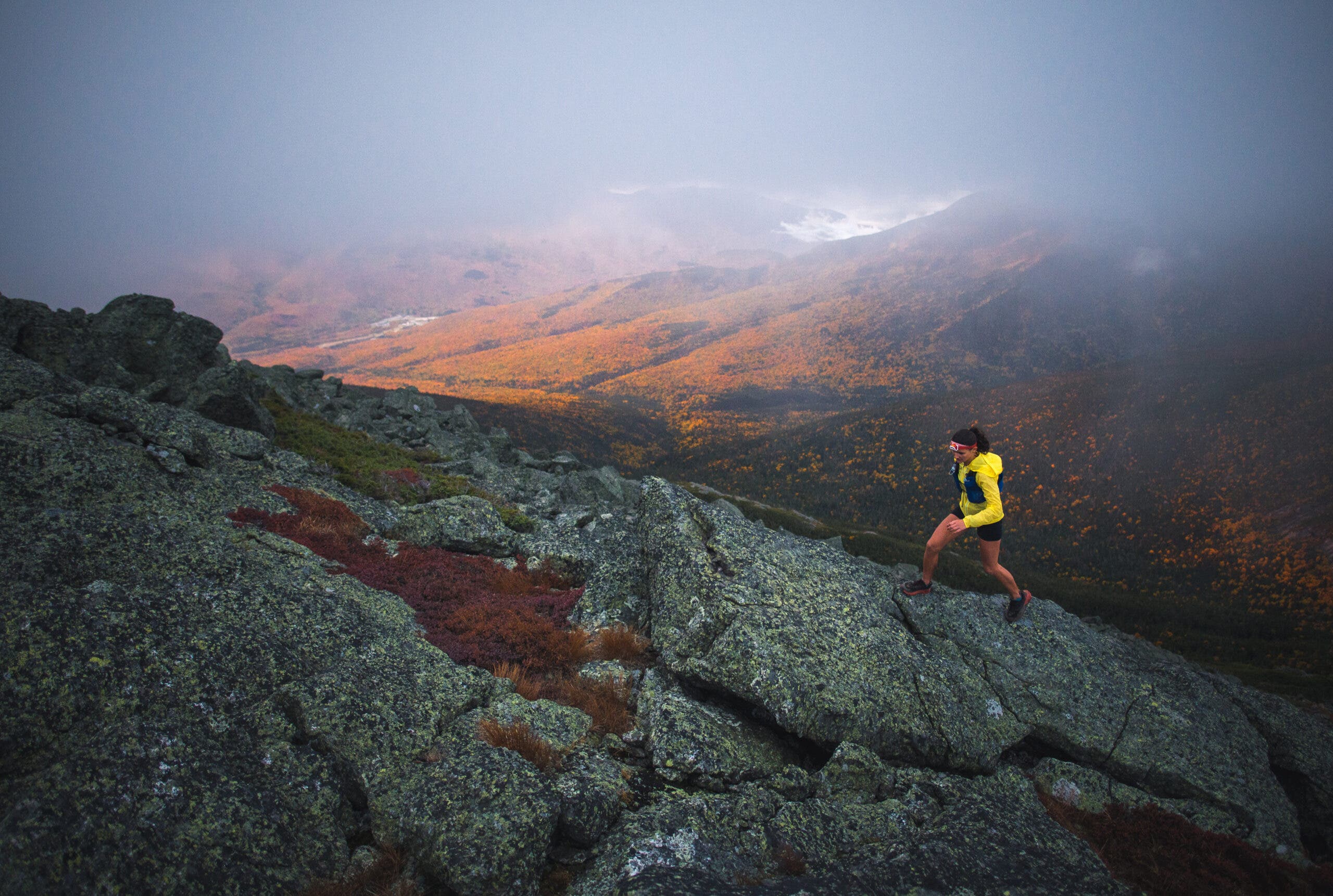
The 18-mile Presi Traverse runs along the spine of the Presidential Range in the White Mountains and summits nine peaks, all but one (Clay) named for U.S. presidents—Madison, Adams, Jefferson, Washington, Monroe, Little Monroe, Eisenhower, and Pierce. Don’t be fooled by the relatively “short” distance of this iconic point-to-point route. Between the ridiculously steep and rocky Appalachian Trail and side trips to tag the peaks, this route is as burly as it is beautiful. Two Appalachian Mountain Club huts—and a couple rivers—allow for water refills, but most of this run is above treeline (check the forecast and be cautious; White Mountains weather is famously fast-changing). Like measuring yourself against records? This test piece is a popular Fastest Known Time challenge.
Kalalau Trail, Hawaii
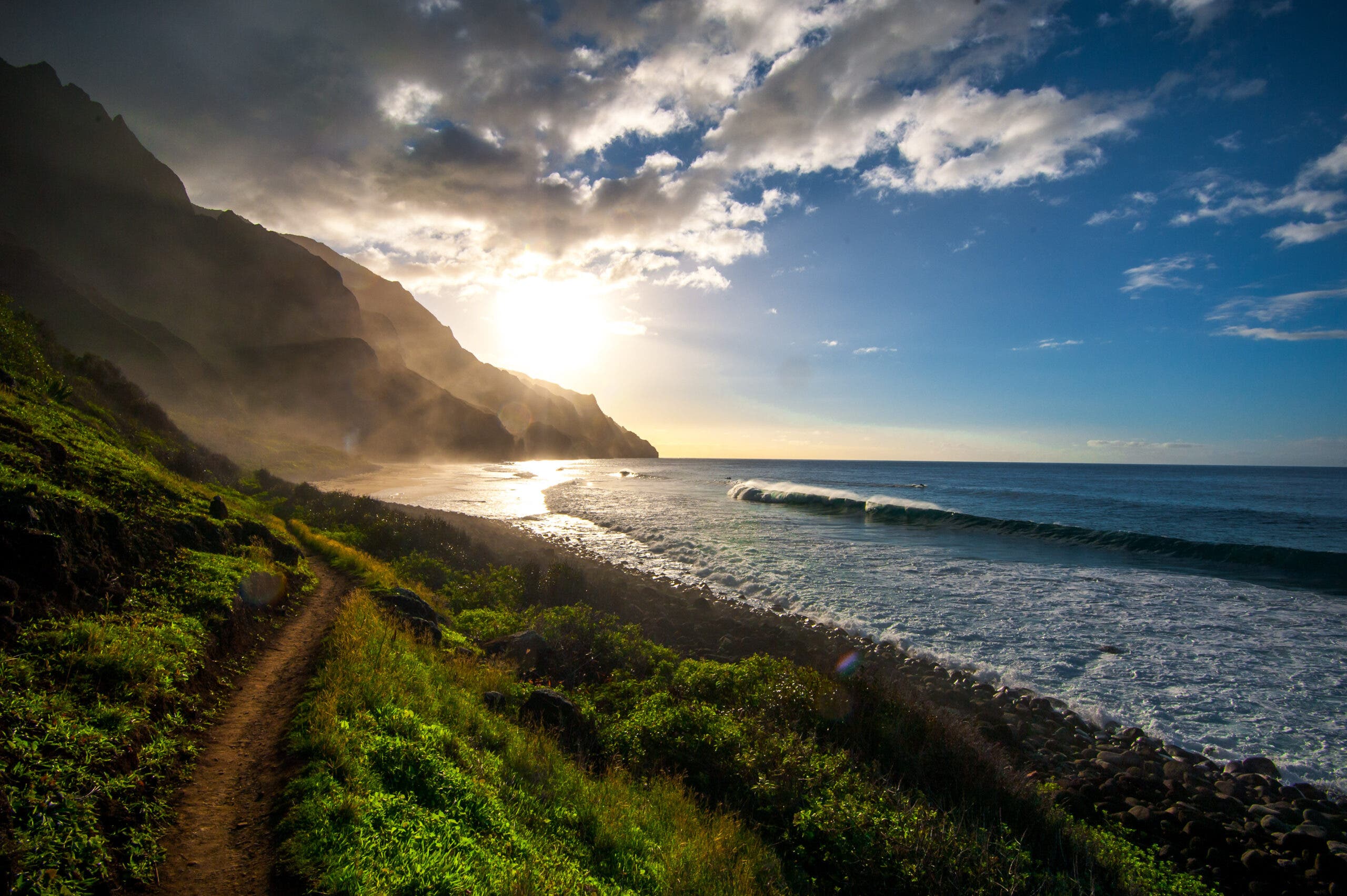
Feeling confident in your agility? You need sure footing on this 22-mile out-and-back. Portions of the trail cut across steep hillsides with drop-offs straight to the Pacific Ocean far below, and Kauai’s frequent rain can make the trail slick as ice. But if that doesn’t deter you, the rugged run from Haena State Park to the oh-so-remote Kalalau Beach and back is a world-class adventure. The red dirt and dark lava rock contrasting with lush, dark green foliage and the deep blue ocean is the definition of spectacular. Note: An overnight camping permit is necessary to run this route past the first two miles (Hanakāpī’ai Valley), even if you plan on running there and back in a day. A parking reservation at Haena State Park, or a shuttle ride from nearby Hanalei Bay, is also necessary.
Timberline Trail, Oregon
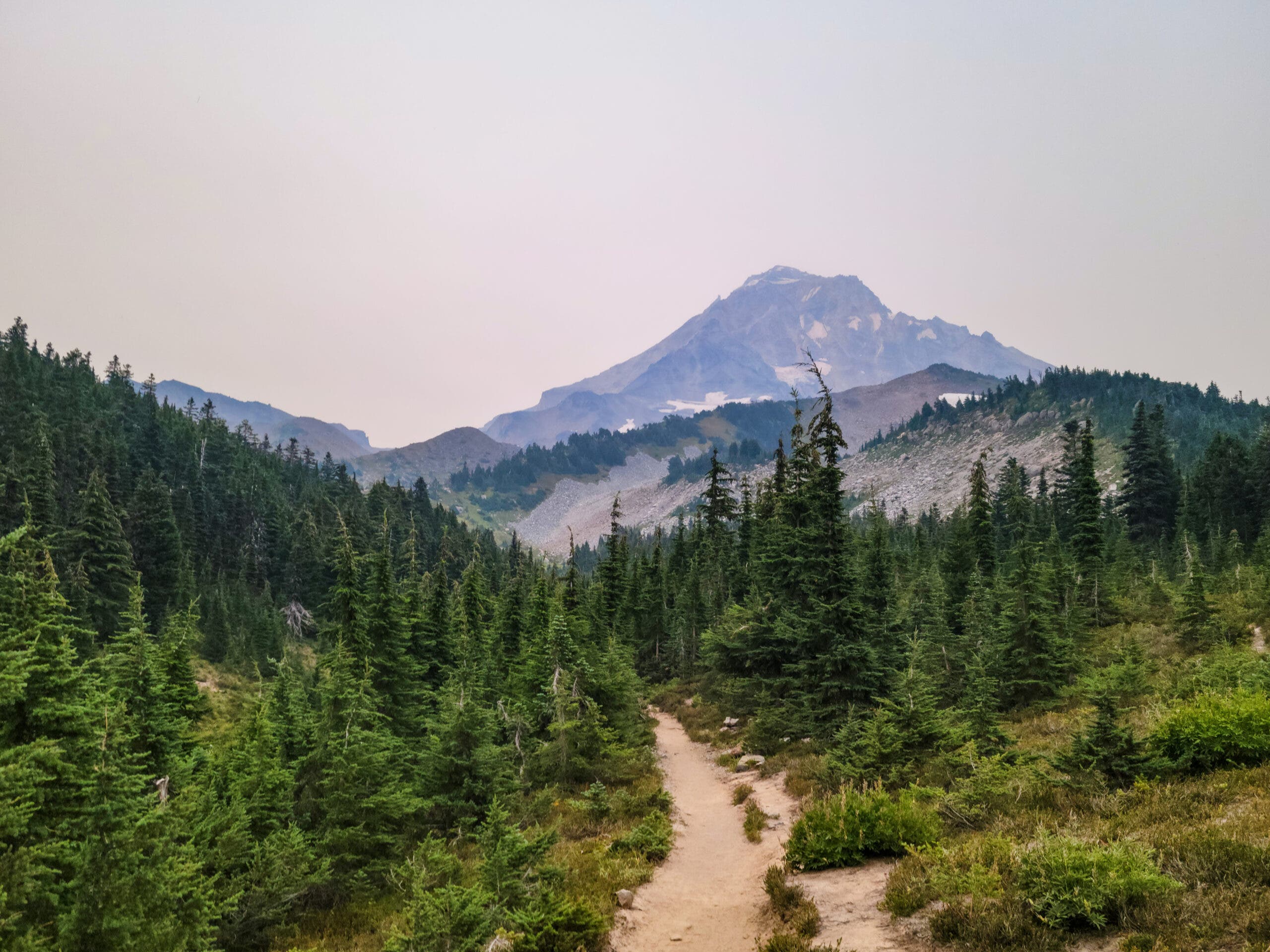
The perfect circle? This 41.5-mile loop circumnavigates Mount Hood and delivers a gorgeous mix of terrain as the trail snakes up and down through forest, across rivers, and past glaciers. Most full-loop runners start at the storied Timberline Lodge, a National Historic Landmark (the run can also be done in shorter sections). The trail crosses multiple rivers, runs through alpine meadows, and dips above and below treeline on the way around the 11,249-foot dormant volcano. Three developed campgrounds along the way provide pit toilets and one spigot (at the Cloud Cap Saddle Campground) to refill water. Permits are required, but obtainable at trailheads, with no cap on numbers.
Four Pass Loop, Colorado
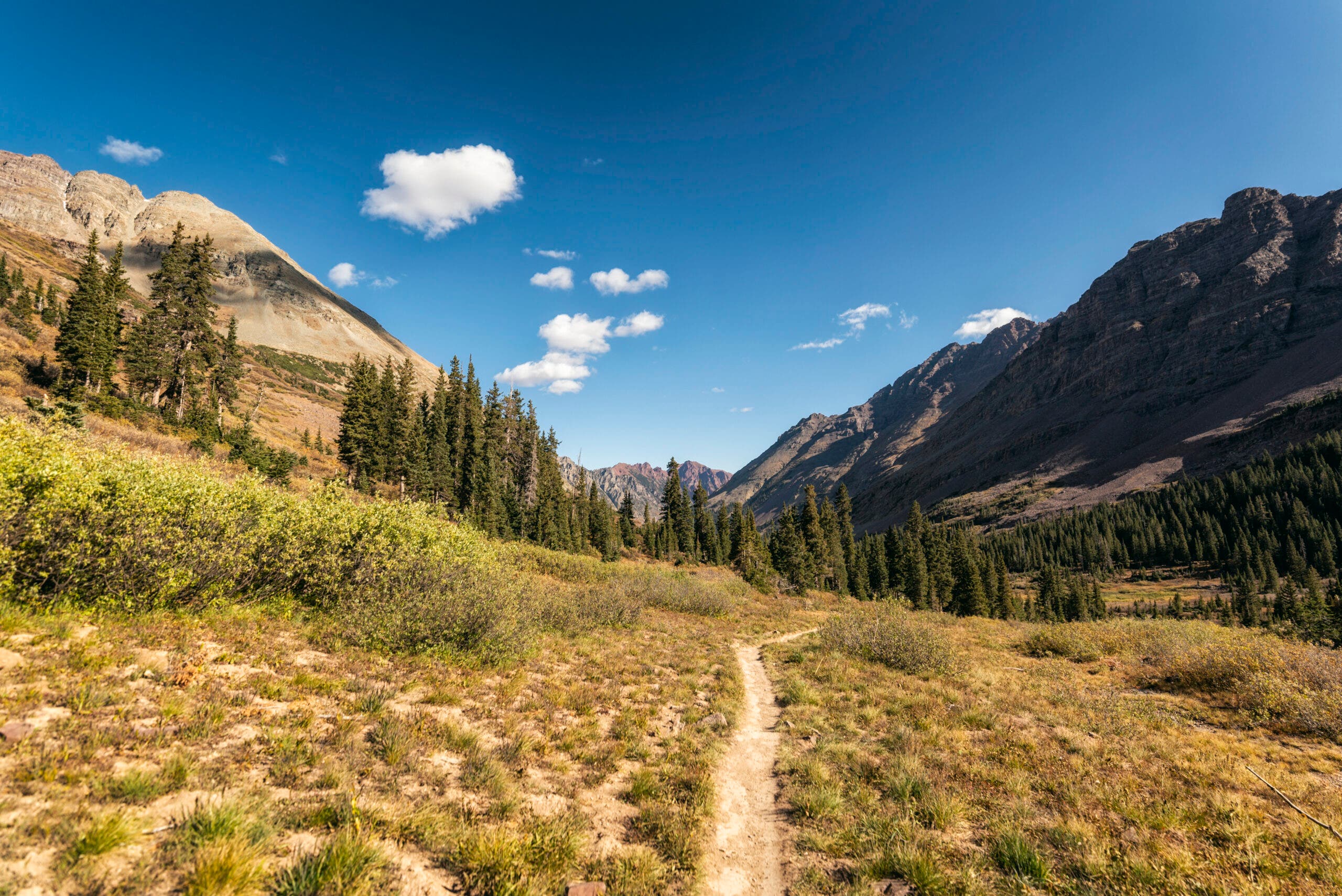
Just outside of Aspen, Colorado, this 27-mile route does exactly what the name implies, climbing and descending four alpine passes. Each one tops out at more than 12,400 feet, with the highest reaching 12,500 (West Maroon Pass). For runners coming from sea level, it’s a true test of resolve (and training). From summer wildflowers to snow-capped peaks, glittering aspens to alpine lakes, the Four Pass Loop serves up a giant dose of Colorado beauty in the stunning Maroon Bells-Snowmass Wilderness. The route traverses a fragile alpine ecosystem, so bring respect and an understanding of Leave No Trace principles. If you’re doing the loop in a day you’ll just need a parking permit or shuttle to the trailhead.
Milford Track, New Zealand
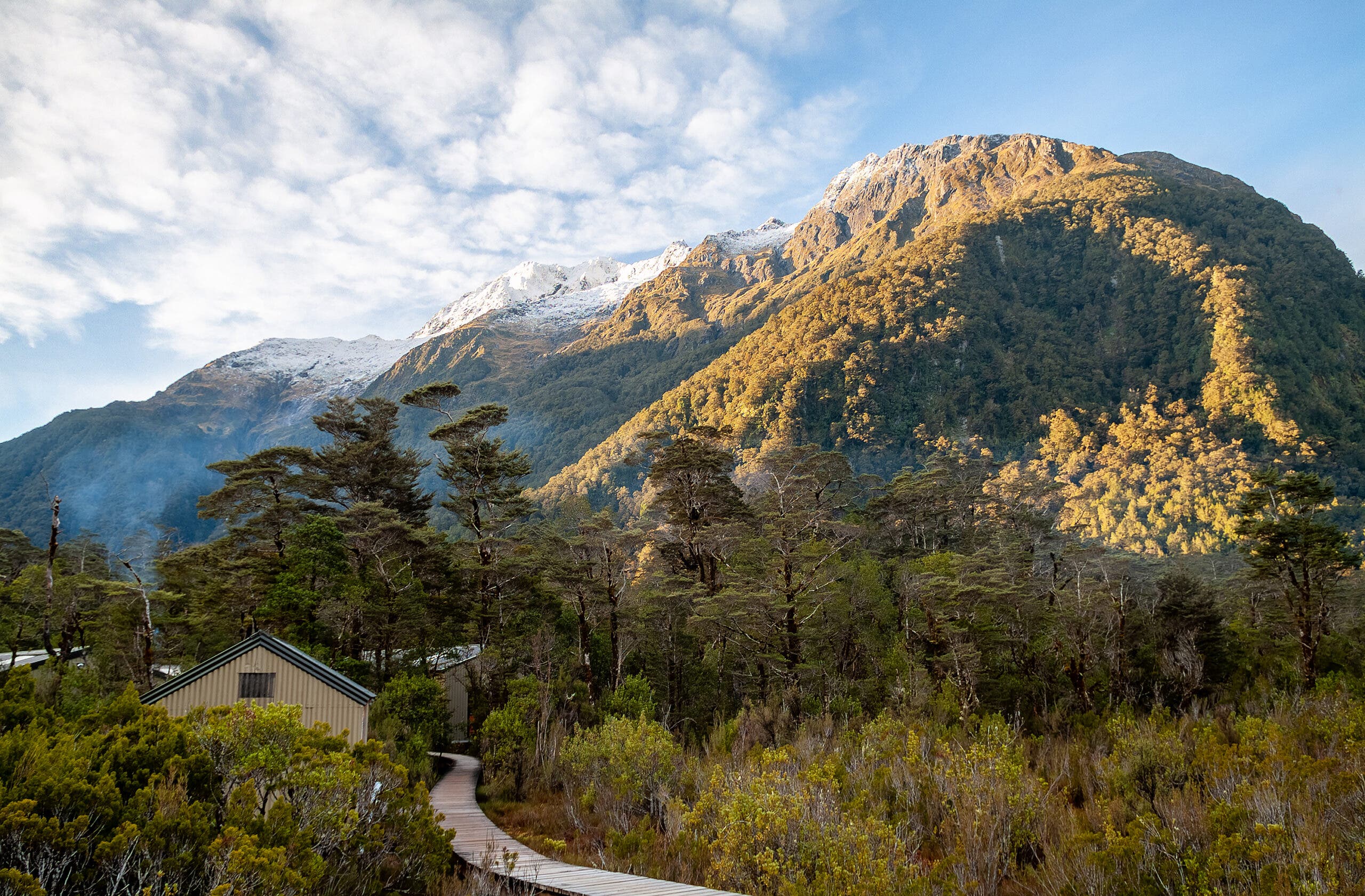
This adventurous run starts and ends with a boat ride. The remote nature of Milford Track on New Zealand’s South Island requires water taxis at both ends, but the 33-mile route through the stunning coastal mountains of Fjordland National Park is well worth the extra logistics. New Zealand’s Department of Conservation operates three huts along the trail where backpackers bunk between hiking days, and a few private lodges and day-use shelters dot the route. Otherwise, this is a raw, rugged, gorgeous track that passes through the unique terrain of fjords and mountains. Fun fact: It also crosses numerous bridges, including the 236-foot-long Clinton River Bridge.
Grand Canyon Rim-to-Rim-to-Rim, Arizona
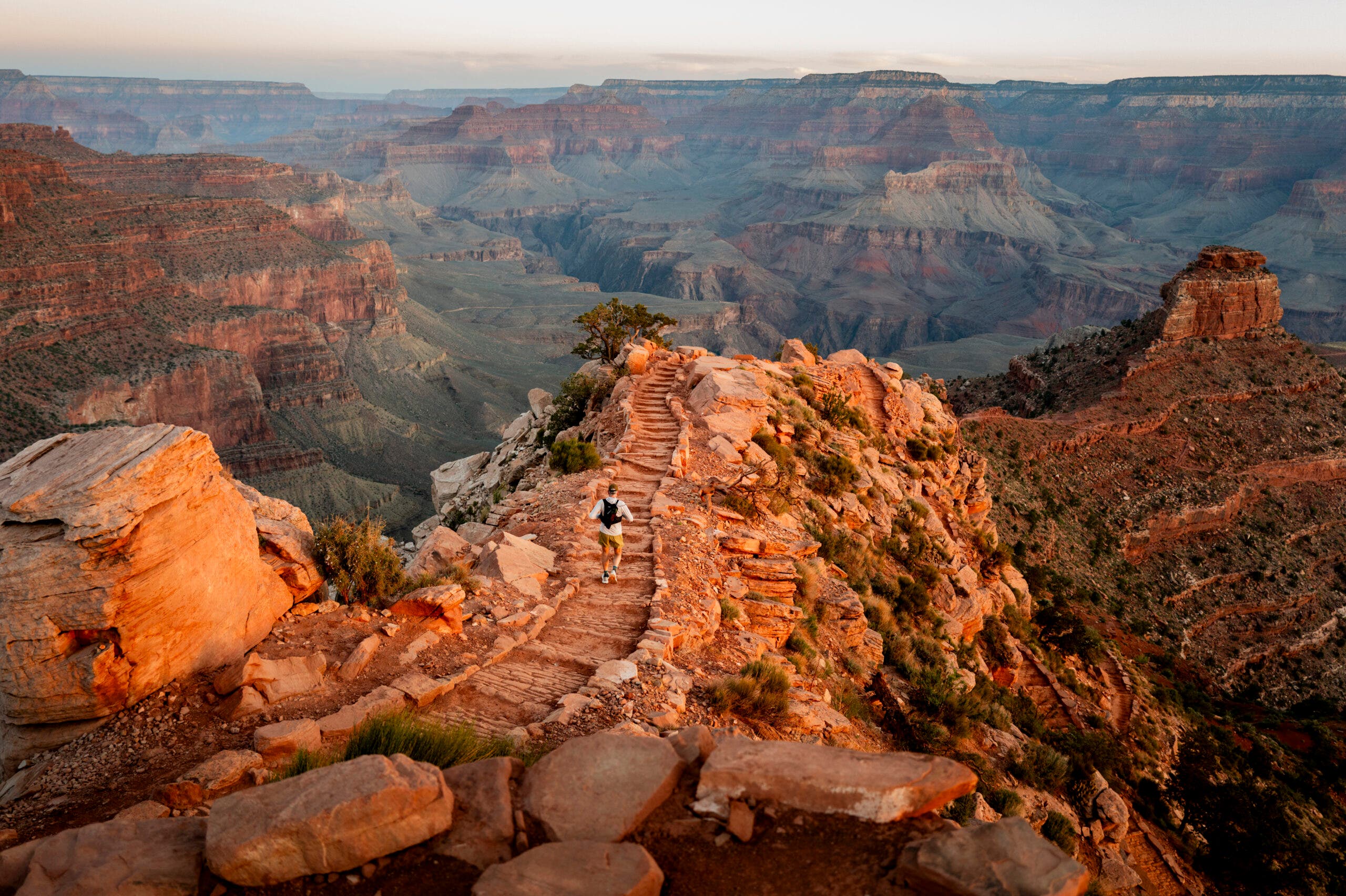
For most trail runners, this iconic route might just be the toughest—and most beautiful—challenge they’ll ever tackle. The famed Rim-to-Rim-to-Rim route (or R2R2R) starts on the Grand Canyon’s South Rim, descends to the Colorado River, ascends to the top of the North Rim, then reverses all the way back to the South Rim. The route has roughly 22,000 feet of elevation gain and loss and is between 42 and 48 miles long, depending on trail choices. A few cautions about this epic adventure: Do it in the spring or fall for the best conditions, and it’s critical to be extremely well prepared with enough fluids (check water sources beforehand), fuel, and the right gear. And be respectful of other trail users: The first miles, below the South Rim, are extremely popular with day hikers, and runners need to share the trail. Note: A portion of the North Kaibab Trail is currently closed, limiting how much of the route you can do (which is probably just as well because you need time to train and plan for this epic run).

If you want to tackle one of the Trail Running Wonders of the World, you need a shoe to match. The Speedgoat 7 is made for charging the most rugged and wild terrain with confidence and comfort. For a decade, the Speedgoat has been setting the standard for performance on steep, technical trails, and this latest iteration raises the bar again. With a new midsole compound—supercritical foam that’s incredibly lightweight, responsive, and adaptive—and a stack height of roughly 37mm under the heel and 32mm in the forefoot (size-dependent), the shoe morphs around rocks and roots while providing a stable, impact-dampening ride. Add a reconfigured outsole pattern, new gaiter compatibility, quick-drying mesh, and an updated heel fit, and the Speedgoat 7 is made for big miles on big terrain.
HOKA is one of the fastest-growing performance footwear and apparel brands in history. Conceived in the mountains, HOKA footwear delivers an unprecedented combination of enhanced cushioning and support for a uniquely smooth ride. Every day, HOKA pushes the innovation and design of its footwear and apparel by teaming up with a deep roster of world champions, taste makers and everyday athletes. From finish lines to everyday life, HOKA fans love the brand for its bold and unexpected approach, and its belief in the power of humanity to create change for a better world. HOKA empowers a world of athletes to fly over the earth. For more information, visit HOKA.com or follow @HOKA. #FlyHumanFly
