

Published May 14, 2026 03:31AM
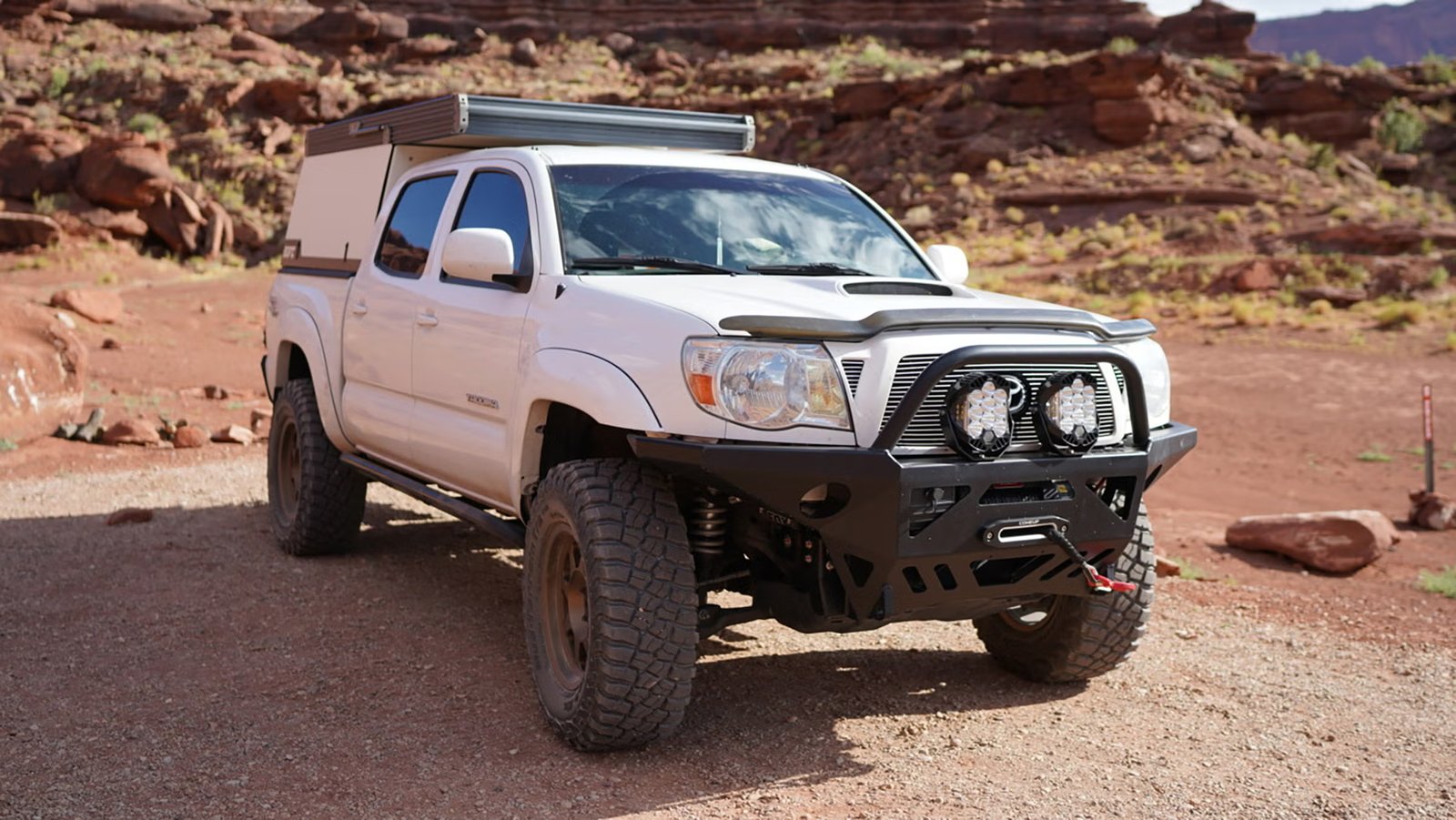
The first overland truck I built, a 2005 Toyota Tacoma, was beautiful. I upgraded it with meaty mud-terrain tires, a quality two-inch lift, an aftermarket bumper with eight-inch lights and a 10,000-pound winch, drawers in the bed, a camper shell with a built-in rooftop tent, and an awning on the side. Inside, I added accouterments like a high-powered radio, molle panels on my seats, and a 10-inch aftermarket GPS screen. Just looking at the thing made me feel manly.
But it had a problem: it was nearly undrivable. The huge tires and all the added weight made getting to 70 mph a feat. Freeway hills scared me. My miles per gallon sank to somewhere around 11, and any time I parked overnight in an urban area, I worried I would wake up and find the truck stripped and on blocks.
Years later, I now understand that the truck had taken me up and over what I now refer to as the overlanding bell curve. Like many people who are first captivated by overlanding, I thought I needed every upgrade imaginable in order to explore the most beautiful places on earth, make my Instagram a worldwide hit, and leave me feeling fulfilled. I was wrong.
When I built out my second, third, and fourth overland trucks, I scaled way back. I came down the backside of the overlanding curve by building trucks that functioned as daily drivers while also being capable of getting me over the gnarliest passes in Colorado or to beautiful camping spots across New Mexico.
To help you avoid your own bell curve, I’ve listed some of the most common overland upgrades and rated whether I’ve found them to be a must-have, a maybe, or something I would skip.
Must-Have Overlanding Gear
All-Terrain Tires
Every writer who’s penned an overland piece for Outside over the last 15 years agrees that all-terrain tires are the most essential upgrade. Better tires will help you navigate the roads you want to explore, and their added durability can help keep you from getting stranded. There are lots of brands to choose from, but BF Goodrich has long been my go-to tire.
Do not, however, buy mud terrain tires unless you plan to rock crawl or need to get down hundreds of miles of muddy roads (and you don’t plan to drive hundreds of interstate highway miles on them). And keep the size reasonable. My friend and fellow Outside longtimer Bryan Rogala wrote a great piece about all the problems he had when he went too big. Note: Always carry a full-size spare and a robust tire repair kit.
Satellite Messenger
Jakob’s Pick: Garmin inReach
Any time I leave cell service I carry some sort of Garmin inReach satellite messenger so I can call search and rescue for help if things get bad. A satellite-connected iPhone also works, but I prefer the Garmin devices because they have a much better battery life.
Basic Tool Kit
My friends would not call me handy, but I always carry a ratchet set to be ready if I ever need to fix a loose nut or bolt on my rooftop tent or truck suspension. Any time I’ve had a problem in the backcountry, it was because something rattled loose, and a quick snug helped me get back to civilization. I also carry jumper cables and a battery jumper pack because a dead battery will leave you stranded. A high-lift jack looks sexy attached to your truck, but they’re heavy and dangerous unless you have a ton of experience. I carry a bottle jack instead.
Recovery Gear
The first time I went on a real overland trip, I got my truck stuck on a sandy beach just as the tide was coming in. Petrified that my prized possession was going to wash out to sea, I quickly aired down my tires with this device from ARB. Less air created more grip and I was able to get out just as the sea reached the rubber. To air back up, I used an ARB compressor that attached to my car battery. I’ve also used a basic shovel and Maxtrax to help many people get unstuck from sand, mud, and snow. Lastly, I always carry an ARB snatch-strap recovery kit that will allow someone to pull me out. I attach the snatch strap kit to my truck’s two-inch receiver with a Factor 55 hitchlink.
Comprehensive First-Aid Kit
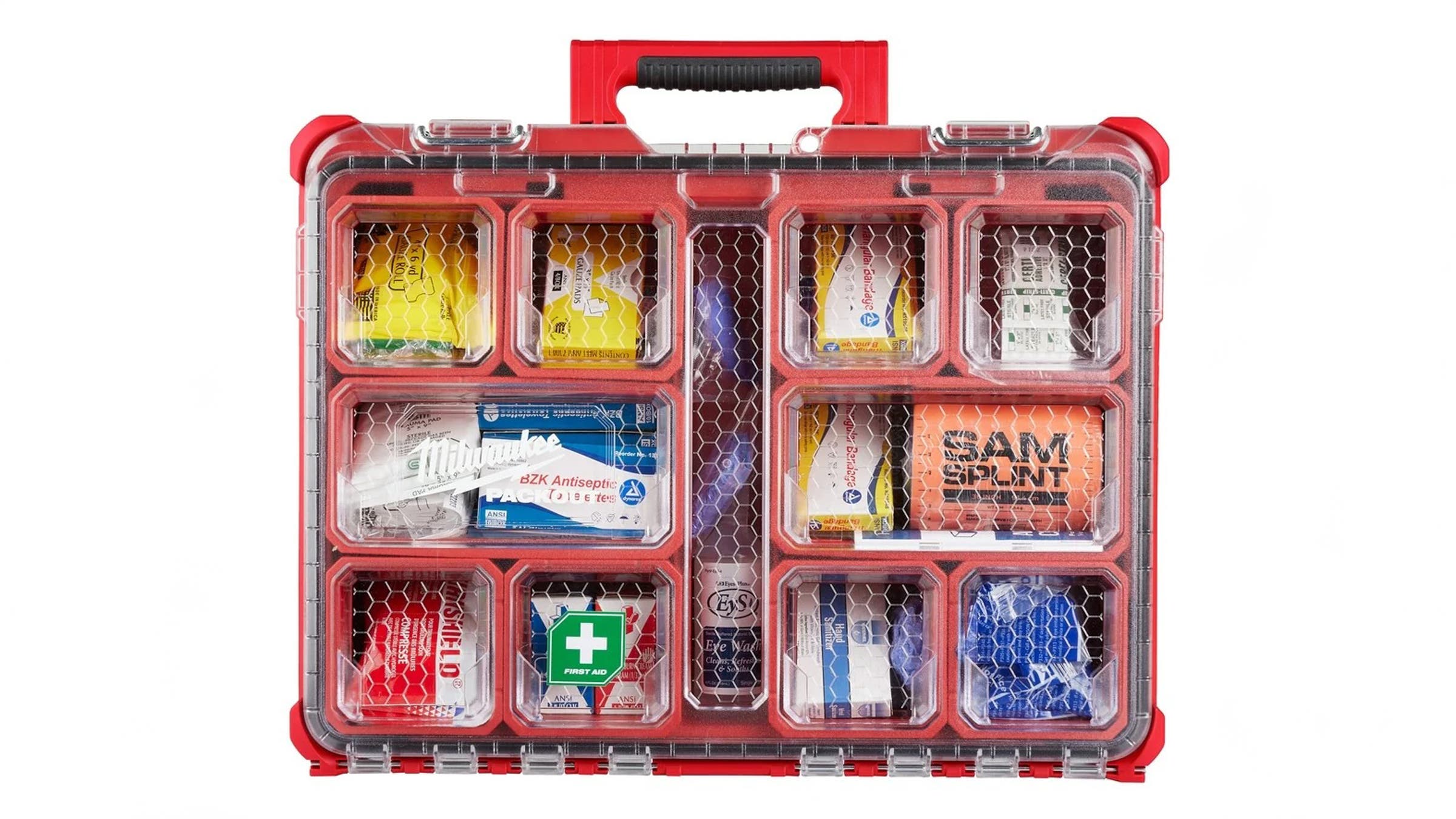
Jakob’s Pick: Milwaukee 193-pc PACKOUT Kit
When I’m exploring off-grid, I always bring a robust first-aid kit. A kit that comes with extra gear like a tourniquet and gauze to stop a heavy bleed has proven invaluable on many occasions. Note: I also took, and recommend, a three-day Wilderness First Aid class to know the basics. You can sign up for one through national organizations like the Red Cross or NOLS, local climbing, paddling or backpacking groups, and even colleges and universities.
Two-Way Radios
When you’re in an off-grid convoy, radios keep you in touch. My advice: Avoid the dash-mounted radios that block the view out your windshield and need to be hard-wired to your battery. Instead, stick with handhelds. Rocky Talkie makes five-watt radios that have great reach and amazing battery life. They also double as safety radios when you’re backpacking or backcountry skiing with a group.
Portable Water and a Faucet
When overlanding took off in the United States (it was already a thing in places like Australia), we saw a flood of new products. Some were junk. Others were genius. Two of my favorites are the battery-powered faucet from Dometic and the battery-powered shower from Ontap. The faucet is great because it attaches to a water jug and doles out water slowly and evenly so you can wash your hands or do the dishes without much waste. The shower from Ontap is perfect for washing mud or dirt off anything—shoes, dogs, bikes—and has allowed me to keep my campsites significantly cleaner.
Overlanding Gear You Might (or Might Not) Want
Upgraded Suspension
If you’re building an overland truck with a camper that you plan to use for weeks or months at a time—i.e. the Desk to Glory crew—you’ll need upgraded suspension to handle the weight. If you just want to jack up your truck to make it look cool, stop right now. On my current truck, a 2024 Toyota Tundra, I added stock-height but heavier duty rear springs so the truck could handle the weight of a cargo slide and sometimes a rooftop tent. If you only overland a couple times a year and you’re not carrying a camper, you can likely stick with your stock suspension.
Rooftop Tent
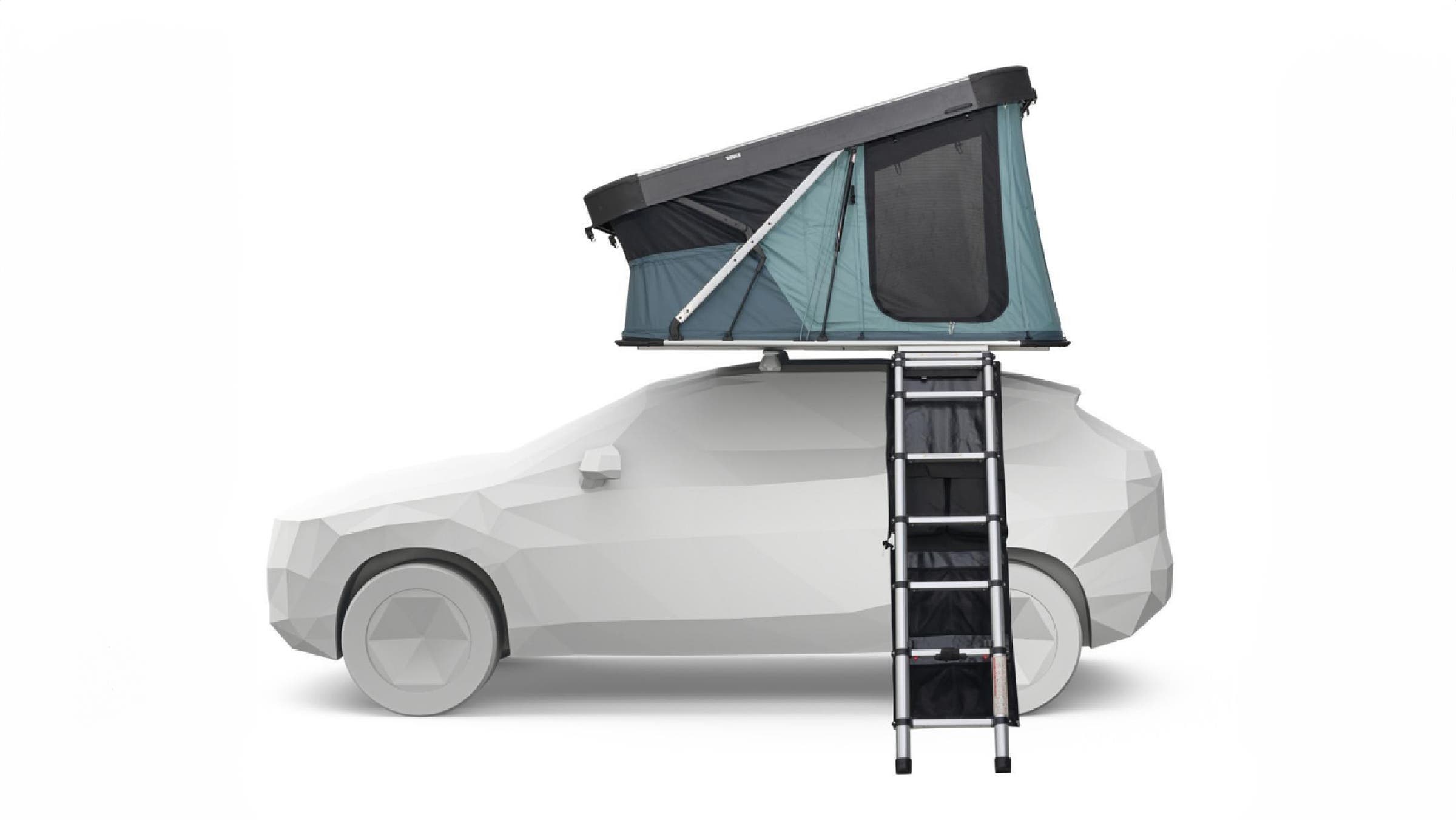
Jakob’s Pick: Thule Widesky Rooftop Tent
I love rooftop tents because they’re easy to set up, come with plush mattresses, and get me off the ground and away from things like nosey animals and gloppy mud. I hate rooftop tents because they’re hard to get on my truck, eat my gas mileage, and can be a pain to store when not in use. For me, a rooftop tent is a no if you don’t have a good storage and install system. It’s a yes if you can rig up a storage system like this one where the tent hangs from your garage roof and then lowers down on pulleys. The two tents I’m most excited to test this summer are the Thule Widesky and the iKamper Skycamp 4.0.
Roof Rack
You’ll need bars or an overland roof rack to carry a rooftop tent. Roof racks are also convenient for carrying gear boxes. But you never want to make your rig too top-heavy, and anything on top will eat gas mileage. I recommend Thule bars to start because they’ll hold a tent or ski rack in the winter. If you want to carry more gear, the roof racks from Front Runner are my favorite and come with attachment points for any piece of overland gear you can think of.
Refrigerator
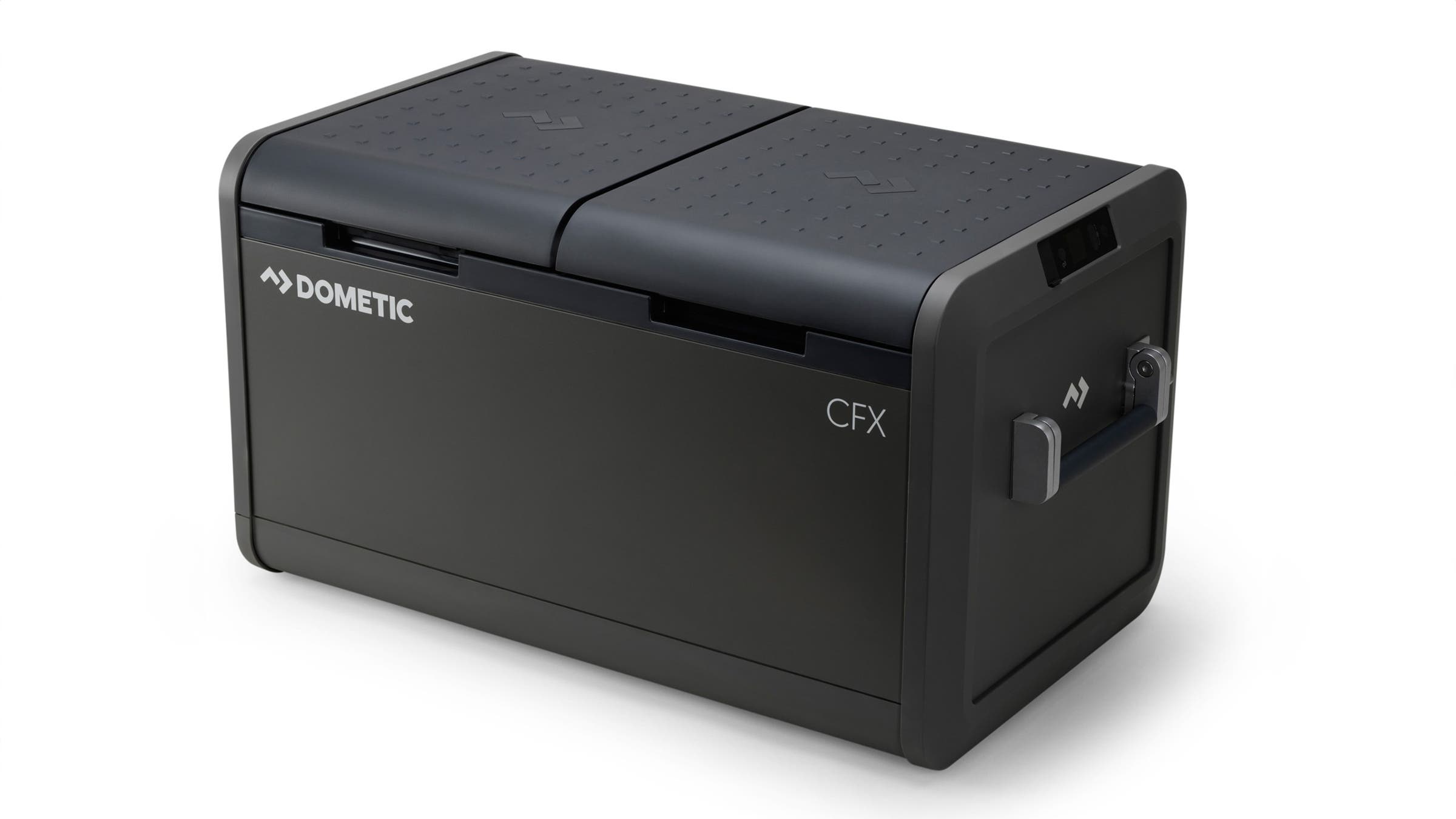
Jakob’s Pick: Dometic CFX5 75 Dual-Zone Powered Cooler
Everyone hates soggy food that’s been bathed in water melted off cooler ice. That’s the number one reason to invest in an overlanding refrigerator (my favorites are made by Dometic). But if you’re not willing to spend $1,000+ for the fridge and another $1,000 for a camping battery and solar panels to keep it running, don’t fret: A regular, no-frills cooler is just fine.
Whether you buy a fridge or not likely depends on the length of your trips. If you’re just camping for a couple of days at a time, stick to a cooler. If you’re spending a week or more on the road, the fridge setup makes more sense and allows you to forget about constantly re-stocking on ice.
Overlanding Gear You Should Skip
Winch
Overlanders who are driving through the most remote parts of Africa or rock crawling gnarly trails in Moab will need a winch to get themselves unstuck or out of a dangerous situation. The rest of us are usually fine with regular recovery gear. I’ve never once needed a winch, even though two of my trucks had them bolted to the bumper. If you’re going to install a winch on your rig, make sure you know how to use it properly and practice several times before heading out.
Extra Lighting
We’ve all seen trucks with so many lights they could illuminate a football field for an evening game. These extra lights are most handy when you have to spend hours on a dirt road at night. But they’re also wicked expensive (for the good ones), take lots of time to install, and cannot be used on regular paved roads. I’ve spent hours on a dirt road trying to find a camping spot after dark and my regular headlights did just fine.
Awning
There were many times I was thankful my awnings kept me out of the sun or rain while camping. But those moments were outweighed by the annoying, loud rattling on dirt roads, the hit to my gas mileage, and how ridiculous the awning looked during school drop-off.
Nowadays, I favor one of the ubiquitous shade structures you see lining sports fields every weekend. These structures take much longer to set up, and you’ll need to use the guylines in the wind, but I love that it fits in the bed of my truck and in my garage when I’m home.
Truck Bed Drawers
I once thought drawers would make me an organizational whiz. Instead, they just ate up valuable bed space and added unnecessary weight. The secret no one tells you is that drawers don’t hold as much stuff as you’d like because the drawers themselves are so bulky. It was also impossible to easily remove the drawers when I was driving around town. Today, I use organizational crates that I tie down with straps. Pelican just launched a series that’s durable and well organized. I also love the soft bins from Kitworks.
Fuel Cans
Nothing says “I’m on a rad adventure” more than a red fuel can strapped to your truck. But after dozens of overland trips, and tens of thousands of miles, I’ve never once needed to use extra fuel. Even in the most remote parts of Utah or Baja, Mexico, there’s always a gas station within range if you plan well. If you’re spending time in really remote spots, by all means, carry extra fuel, but most of the time, the majority of us won’t need it.
