

Published July 31, 2026 10:59AM
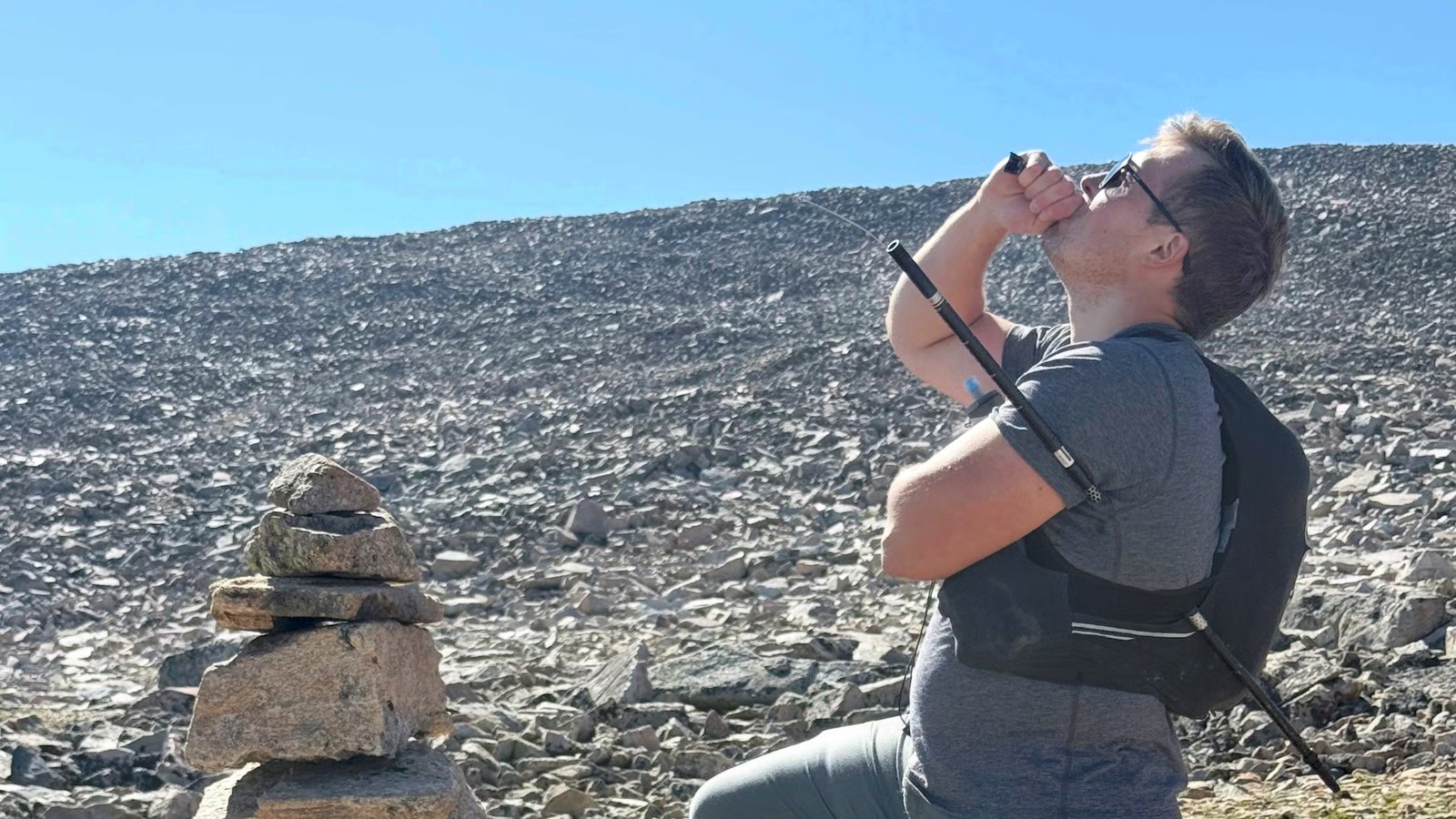
By now, you’ve probably read the headlines: some version of “hiker impaled by trekking pole.” Media as far away as England, India, and Turkey have covered the horrific incident that took place on a remote trail leading to Montana’s highest peak.
The photos are hard to look at. They show what can happen in a split second. But they don’t capture what it’s like to hike ten miles off a mountain knowing your first misstep could be your last.
The Fall
The fall itself is fuzzy. Etched in David Cifaldi’s mind, however, is the summit looming over him as he lay on the ground. They were ten miles in and less than three miles from the top of Granite Peak, the apex of the Beartooth Mountain Range.
“The summit climb is fifth class, making it the most technical high point in the U.S.,” notes Akio Joy, co-owner and guide at Beartooth Mountain Guides. “But even the trail portion isn’t for beginners.”
Startled by their friend’s grunt, Jesse Ross and Brad Reich spun around. One of Cifaldi’s trekking poles lay beside him. The other pole appeared to be protruding through his torso.
While his companions prepared to congratulate him on an unprecedented prank—the pole almost looked tucked under his left armpit—Cifaldi’s eyes never left the peak.
“This is where I die,” he recalls thinking. “I always figured if I was going to die, it should be up here.”
Oddly, he wasn’t in pain. In a way, his final resting spot was reassuring.
Then disappointment hit him like a freight train. “We’re not going to reach the summit,” he thought.
Mile 0
Cifaldi, a nurse in the wound-care unit at a local hospital, knew his salary would hardly put a dent in the cost of a helicopter evacuation. So, trekking pole half-in, half-out, the three men began their ten-mile descent.
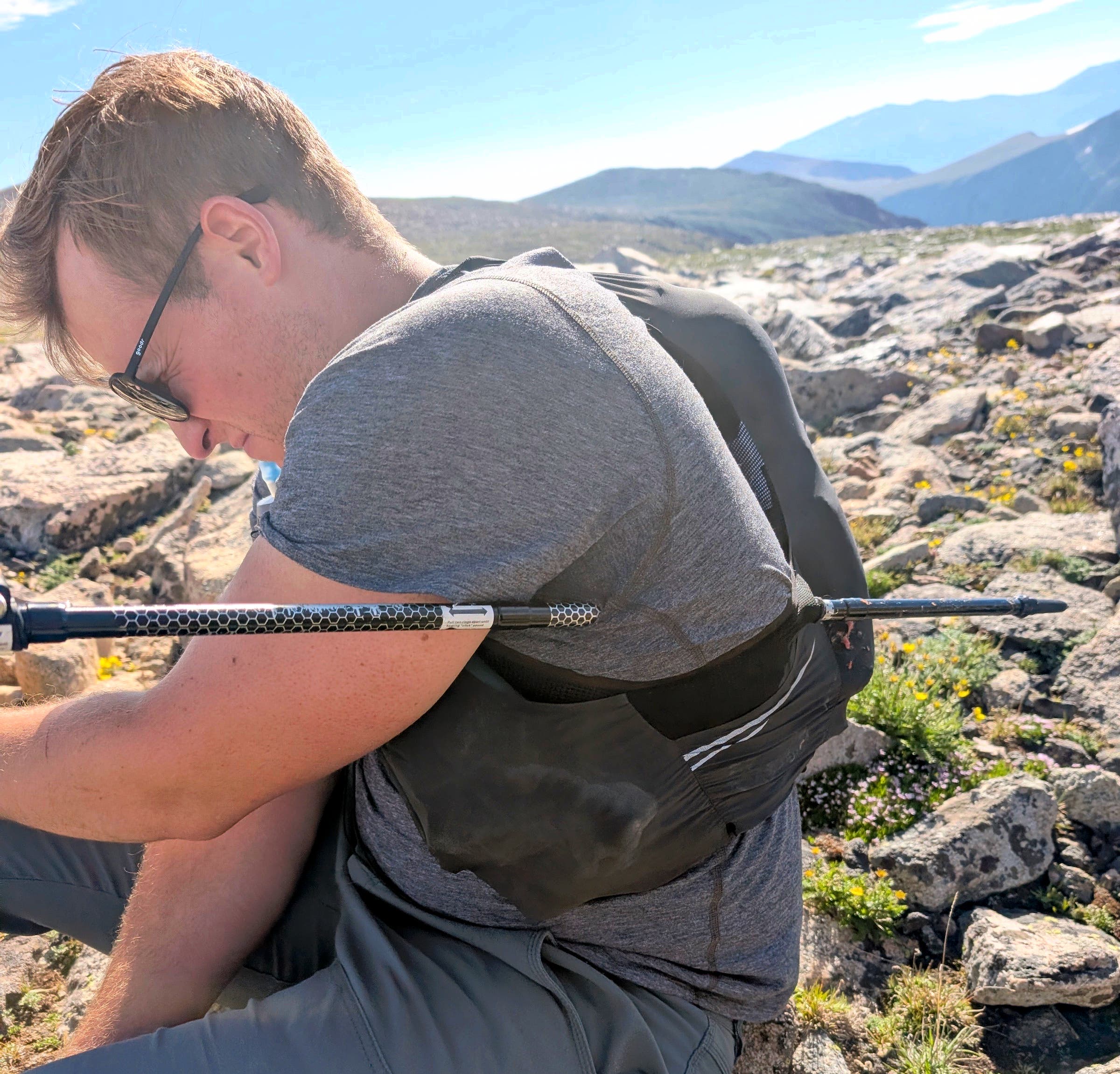
Navigating the snow-covered boulder fields of Granite Peak’s aptly-named Froze-to-Death Plateau isn’t easy on a good day. But when you have a 44-inch-long steel-tipped trekking pole dangerously close to your vital organs, it’s a dance with death.
“I tried to look for snow where David wouldn’t sink into his knee,” recalls Ross. He even took time to stomp the snow down in a futile attempt to create steps. Every loose rock also warranted extra caution.
Cifaldi sums that section of the trail up as “incredibly mentally taxing.”
“I knew there was no second chance if I fell again and this thing went deeper or punctured a lung.”
While Ross and Cifaldi navigated each step with exhausting surgical precision, Reich’s eyes stayed glued to Cifaldi’s back. As the caboose, his job was to monitor the wound. The caravan had yet to see a single drop of blood. But one misstep or microadjustment would have serious consequences.
Mile 3
The shishkebab jokes kicked in around mile 3. Losing altitude lifted the hiker’s spirits. As five trekking poles click-clacked down the rocky trail, humor became their crutch.
It worked until it didn’t. The bobbing of the pole moving through Cifalid went from mildly annoying to distractingly uncomfortable.
And soon, the vegetation they had to traverse became as treacherous as the boulder field in their rearview.
“If I catch this thing on one of these stupid little pine trees that’s trying to grow here and it rips out of my side, we’re in trouble,” recalls Cifaldi. At this point, his friends were calling him Bob.
The moniker had a short shelf-life as the sound of labored breathing replaced laughter.
Mile 5
If mile five had a name, it would be misery. Cerebrally spent after agonizing over every step for hours, Cifaldi fought the urge to give up. Knowing about the 36 switchbacks that lay ahead between the hikers and Mystic Lake was worse than his unwanted appendage.
“At that point I thought I’d rather be dead than continue,” he recalls. Succumbing to exhaustion, the men stopped to refuel. “We didn’t need anyone bonking,” says Ross.
The three looked up and reflected on how perfect the day was: blue skies, no wind, and a pleasant temperature that didn’t require adding or shedding layers, something Cifaldi appreciated.
Below, the zig-zagging trail seemed to stretch for miles, more ominous than a storm cloud.
Heading straight down and cutting their time in half was tempting. But the hikers didn’t dare. Littered with rocks and roots, that shortcut was a minefield.
Mile 7
The largest body of water in the Beartooth Mountains, Mystic Lake is a popular destination for day-trippers. But as the trio traded the steep switchbacks they’d had to themselves for a well-worn path, a new dread set in.
“I don’t need somebody else fainting because of this,” David remembers thinking. He was a nurse, but with a trekking pole still holding him prisoner, he was in no position to help a stranger if they fell, too.
Ross ran ahead to warn an approaching group of teenagers and a middle-aged man. Reich kept pace behind David, still looking for blood.
Mile 8
The last miles to the trailhead were no freebies. At this point, the men, who had left Billings at 1 A.M., had been awake for nearly 12 hours. Wired by adrenaline but tired after 17-plus miles of hiking, they trudged on.
The Final Stretch
From the parking lot at the trailhead, it was still 70 minutes by car, on a mostly dirt road, to the nearest hospital.
Ross’s knuckles turned white as he gripped the steering wheel, dodging potholes and slowing to a near-crawl around curves.
That was the closest Cifaldi, who felt every crushed stone beneath their tires, came to snapping.
“I was like, dude, hit the gas. Get me out of here!”
That afternoon, two surgeons at St. Vincent Regional Hospital removed the trekking pole. Cifaldi returned to work at the same hospital just seven days later.
Unfinished Business
Survivor’s guilt is usually reserved for someone who lives through something that others don’t. No one died on Granite Peak that day. But Cifaldi apologized, multiple times, for being the reason they didn’t summit.
Multiple times, his friends told him not to worry.
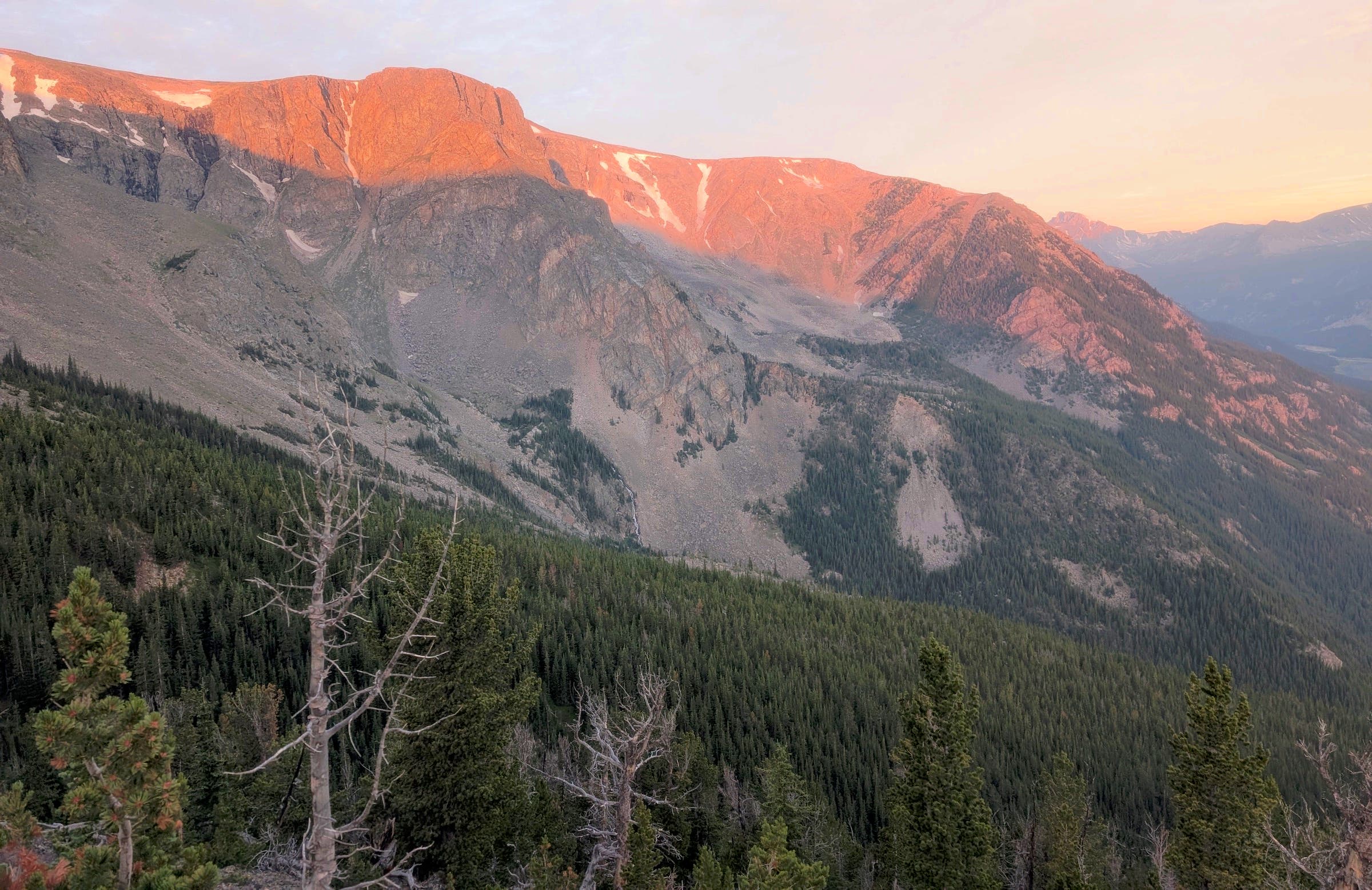
What Ross and Reich haven’t done, however, is discourage him from a second attempt. They’ve already talked about it.
“I think it would be good for all of us to go back and do it next year,” says Ross, who has no plans to retire his trekking poles just because of what happened to his friend. “They’re so nice for pacing.”
Cifaldi doesn’t plan on rawdogging it either. Despite all the damage—physical and financial—caused by his $40 trekking pole set from Amazon, he knows it’s a wise investment.
“Trekking poles are essential for stability,” he said. “They actually saved Jesse’s life a few years ago when he lost his footing and was sliding down a snowfield. He was able to jam the pole into the snow and stop his slide. That’s reason enough for me to carry them.”
