

Published August 10, 2026 03:35PM
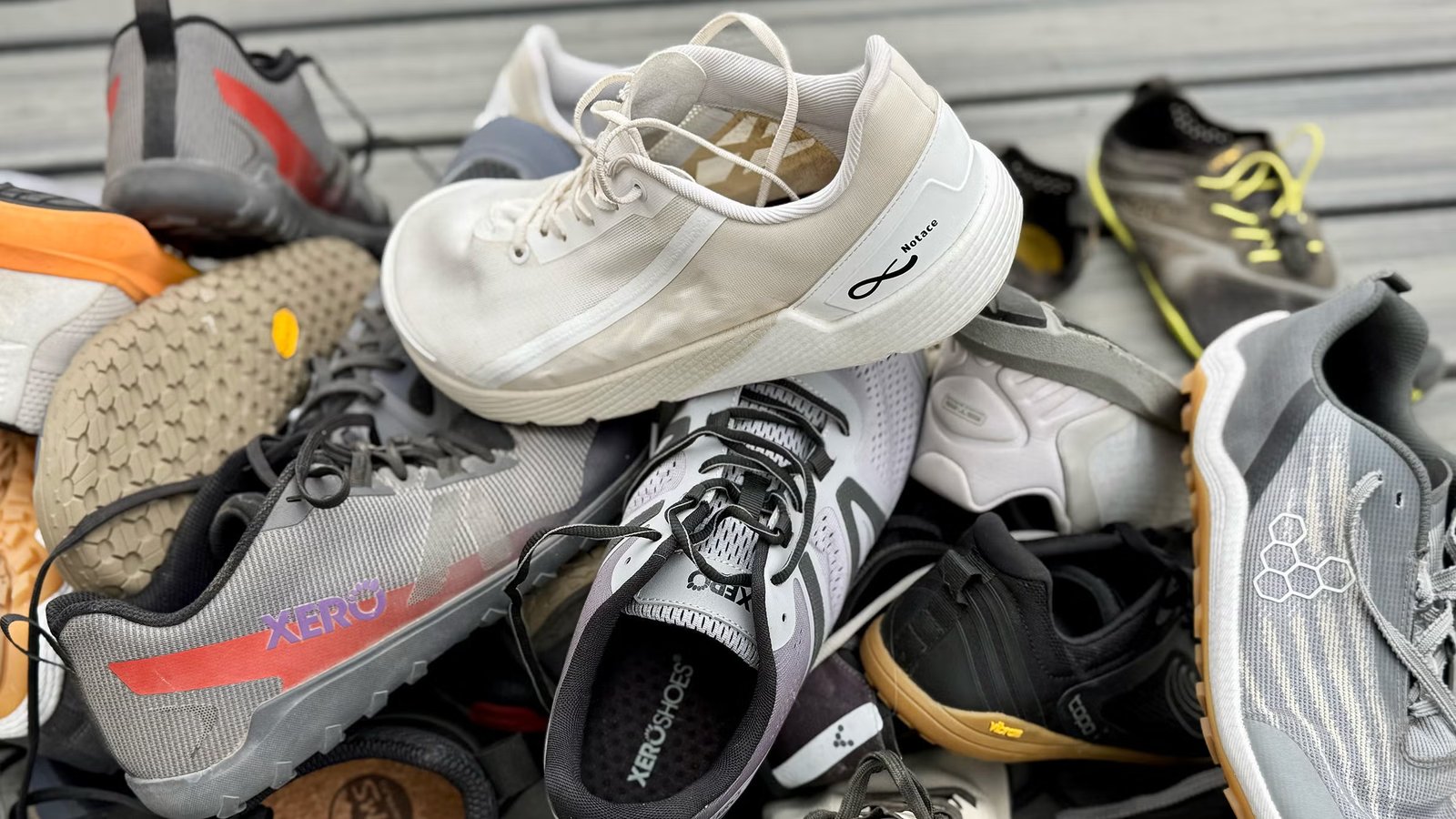
Nearly two decades after Born to Run was published and the barefoot craze came and went, minimalist running shoes are alive and well—and experts agree there are good reasons you should own a pair. Whether you’re adopting low, flexible footwear as your daily trainers or adding a pair to your running shoe rotation, these shoes will set you free, help strengthen your feet, and improve your stride. We’ve sorted out eight of the best minimalist shoes for running on the road and trail, ranging from nearly-bare to lightly-cushioned.
Best Minimalist Running Shoes: At a Glance
Also Consider:
Best All-Around Minimalist Running Shoe
Notace Michi 1
Weight: 6.3 oz (men’s), 5.8 (women’s)
Sole Thickness: 15 mm (includes removable 3 mm insole)
Pros and Cons
+ Well-tuned balance of cushion and ground feel
+ Fun, lively ride
+ Lots of room for toe splay
– Fabric bunches between eyelets
Weighing only six ounces, with a thin, airy upper and just enough lively cushioning to let you forget about your feet, relax, and run, there’s a lot to love in the Michi 1 from new brand Notace. The best feature, however, may well be the shape, which is not only wide enough for all my toes to spread out and engage, but flared significantly under the big toe, providing a stable platform to roll onto with confidence and push off with power.
Notace founder Cedric Scotto, who has a graduate degree in biomechanics and did stints at Altra, Xero, and Vivobarefoot, says he built this shoe to fill the gap between today’s ubiquitous high-stack shoes and the ultra-thin barefoot models from most minimalist brands. At 15 millimeters high, the Michi 1 is still minimal by today’s standards, but the eTPU-based foam (think an advanced, lighter version of Boost) is tuned to feel soft on impact and then bounce back quickly and energetically rather than bottoming out. The ride is low, stable, and flexible, with a balanced, zero-drop ride. My only complaint was that the upper had too much volume at the midfoot: while it was flexible enough to wrap my foot securely, doing so pulled the eyelets so close together that the fabric bunched up weirdly.
That oddity didn’t keep the Michi 1 from quickly becoming my favorite of the test group for road running. I wore it a couple of times a week for speed workouts and short-to-moderate runs. It always felt fun—surprisingly cushioned and bouncy—and I never felt too beat up to run the next day. I also chose it for long urban walks where it kept my strides light and agile. It likely won’t be an everyday running shoe for many, but it’s accessible enough that most can run in it sparingly without a long transition period.
Best All-Around Minimalist Trail Shoe
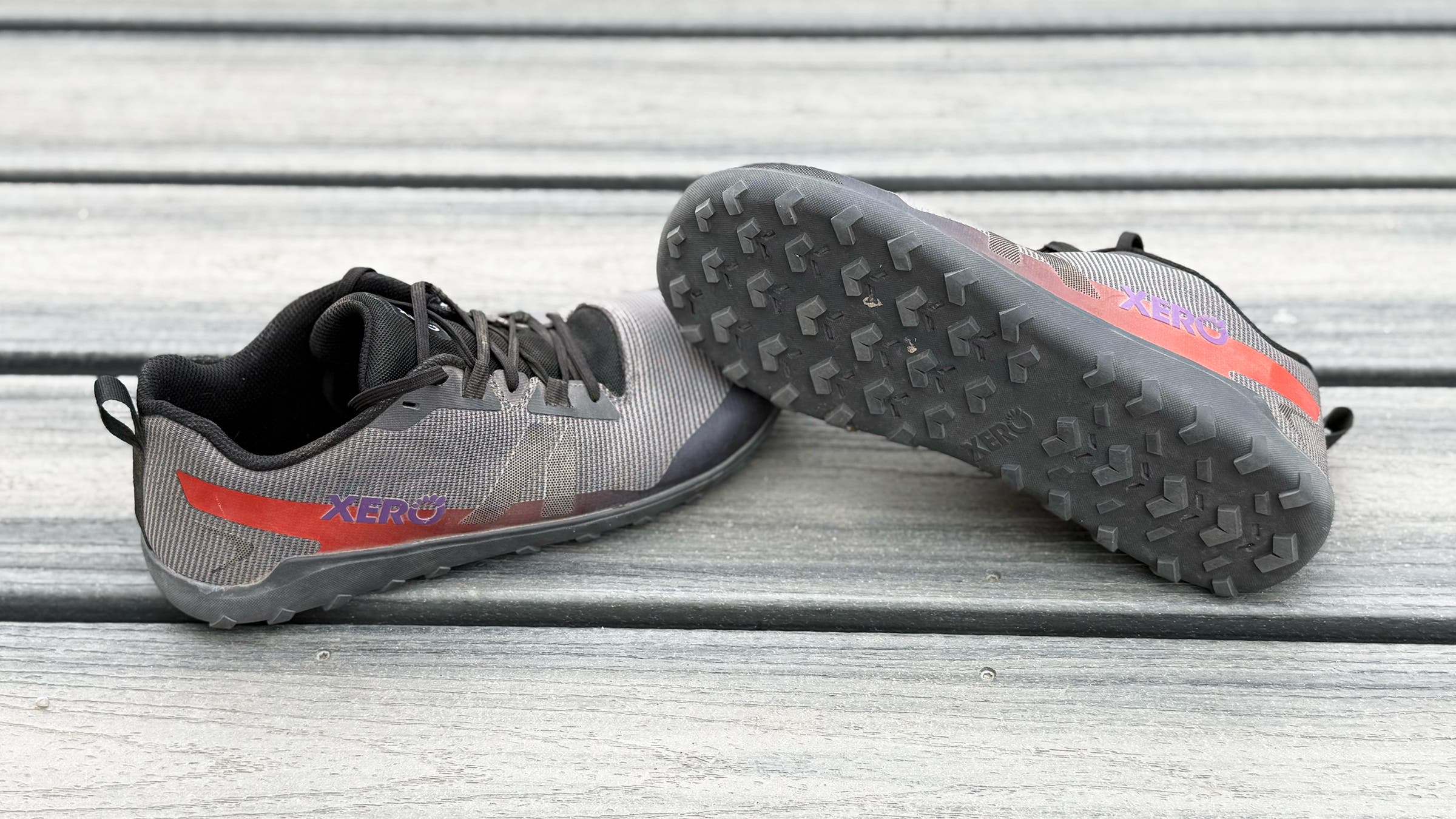
Xero Mesa Summit
Weight: 9.8 oz (men’s), 8.4 oz (women’s)
Sole Thickness: 12 mm (9.5 mm + 3.5 mm removable insole)
Pros and Cons
+ Rugged-but-flexible sole and upper
+ Effective foothold in just-right location
+ Underfoot protection without losing ground connection
– On the heavier side
The Xero Mesa Summit molds to my foot with the comfort of a slipper but tackles the trail with the toughness of a hiking boot. The first thing I noticed when I put them on was the superior foothold. Credit Xero’s signature midfoot straps that tie into the laces with ghillie loops, and snug the foot at exactly the right location to create a secure hold from instep to ball while freeing the forefoot to flex and splay unimpeded. The flexible, lightly padded upper complements the straps, tightly wrapping the mid-foot with no excess volume before opening up around the toes.
That upper—an abrasion-resistant mesh covered with a light, 3D print overlay—is rugged and durable without being heavy or stiff. Underfoot, the shoe is also ready for the toughest trails—fully covered with a luggy rubber outsole and equipped with a puncture-resistant rock guard in the forefoot and heel—but remains highly flexible in all directions.
On the run, the ride is firm with a rubbery bounce and just enough give to ease pressure on high points underfoot. It isn’t a barefoot feel, as the sole provides tangible protection from trail hazards, but there’s no squishiness robbing you of the ability to react to and push off the ground.
I received the Mesa Summit late in the test period, but it quickly earned “most-reached-for” status. I wore it for trail runs, where it kept me dancing lightly on my toes (sparing sore knees), for hikes, where it provided confidence-inspiring stability and grip, and for traveling, where it blended in and didn’t scream “minimalist” or “running shoe.”
Best Barefoot Feel
Vivobarefoot Primus Flow
Weight: 5.3 oz (men’s), 4.7 (women’s)
Sole Thickness: 6 mm (4 mm eTPU midsole + 2 mm rubber outsole, no insole)
Pros and Cons
+ Close to barefoot ground feel
+ Ample room for splay
+ Thin, breathable upper
– Upper buckles and bunches at flex point
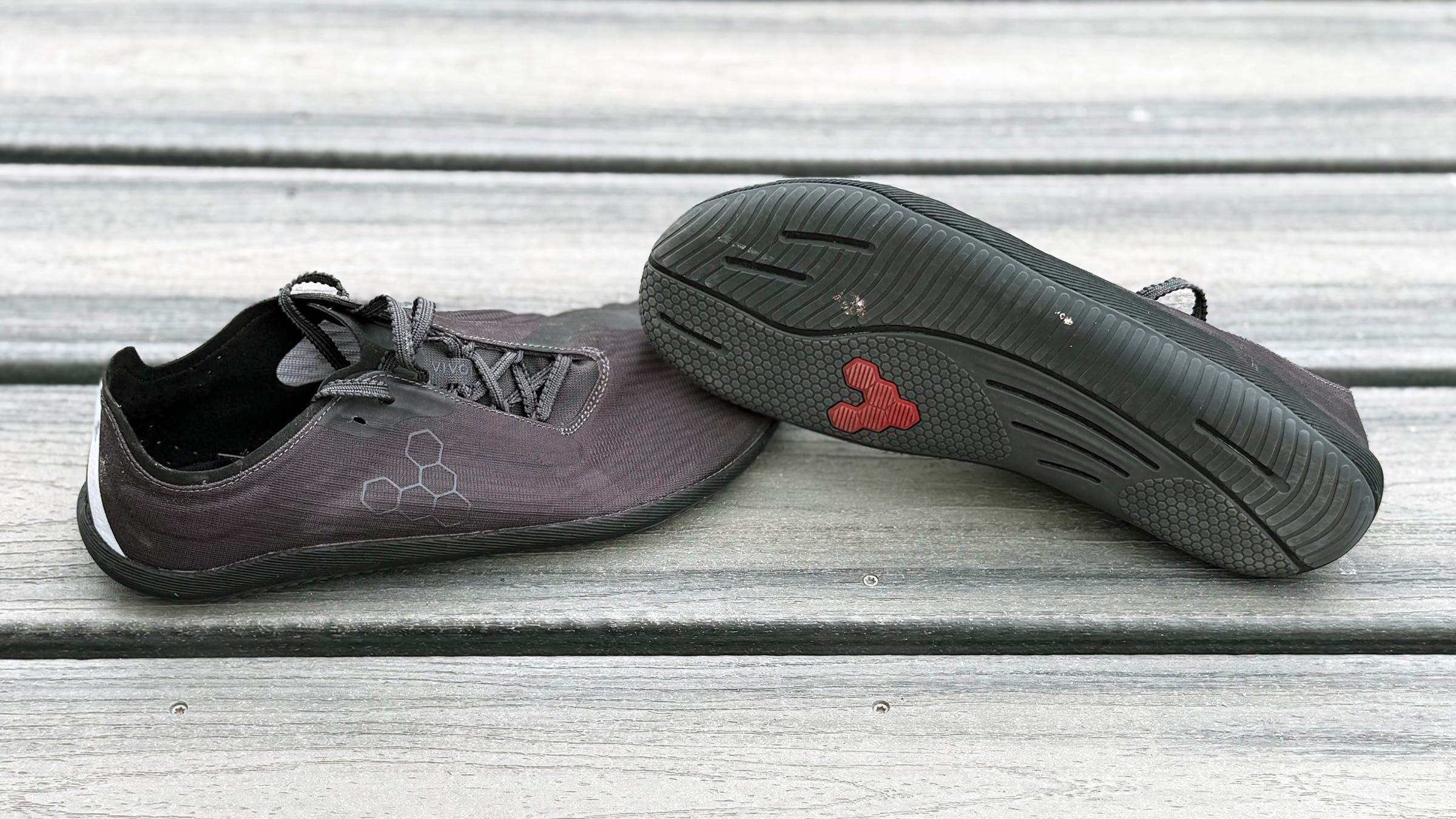
Designed for barefoot-like running, the Primus Flow is minimalist from top to bottom. The upper is a thin mesh with no padding or stretch that wraps and holds the rear foot securely while opening to a generous toe space. Extra fabric around the forefoot ensures the shoe doesn’t cramp the toes, although the material does buckle along the metatarsal line when the foot flexes, which was mildly annoying until I got used to it.
Underfoot, the four-millimeter midsole of eTPU foam is tuned so firmly I could barely feel it sinking in, until I started running and the greater forces created a light compression and rebound that complemented my foot’s natural ground engagement. I wore them for turnover and top-speed workouts, appreciating the light protection while I popped off the ground on my toes with a barefoot stride. I felt my feet and postural chain react with each step, both during workouts and when worn casually.
Even short runs at an easy pace, however, left me with sore Achilles and arches. That says as much about me as about the shoes, revealing that I need the foot and stride strengthening the Primus Flow provides—and you likely do too. This is the shoe to choose if you are ready to run (or walk) barefoot, but lack a safe place to do that and want a thin layer of protection.
Best Barefoot Feel Trail
Vivobarefoot Primus Trail Flow
Weight: 7.72 oz (men’s), 6.9 oz (women’s)
Sole Thickness: 9.3 mm (4 mm eTPU midsole + 1.8 mm sole base + 3.5 mm lugs, no insole)
Pros and Cons
+ Grippy, protective outsole
+ Rugged-but-flexible upper
+ Ample toe box
– Too wide in midfoot for secure hold
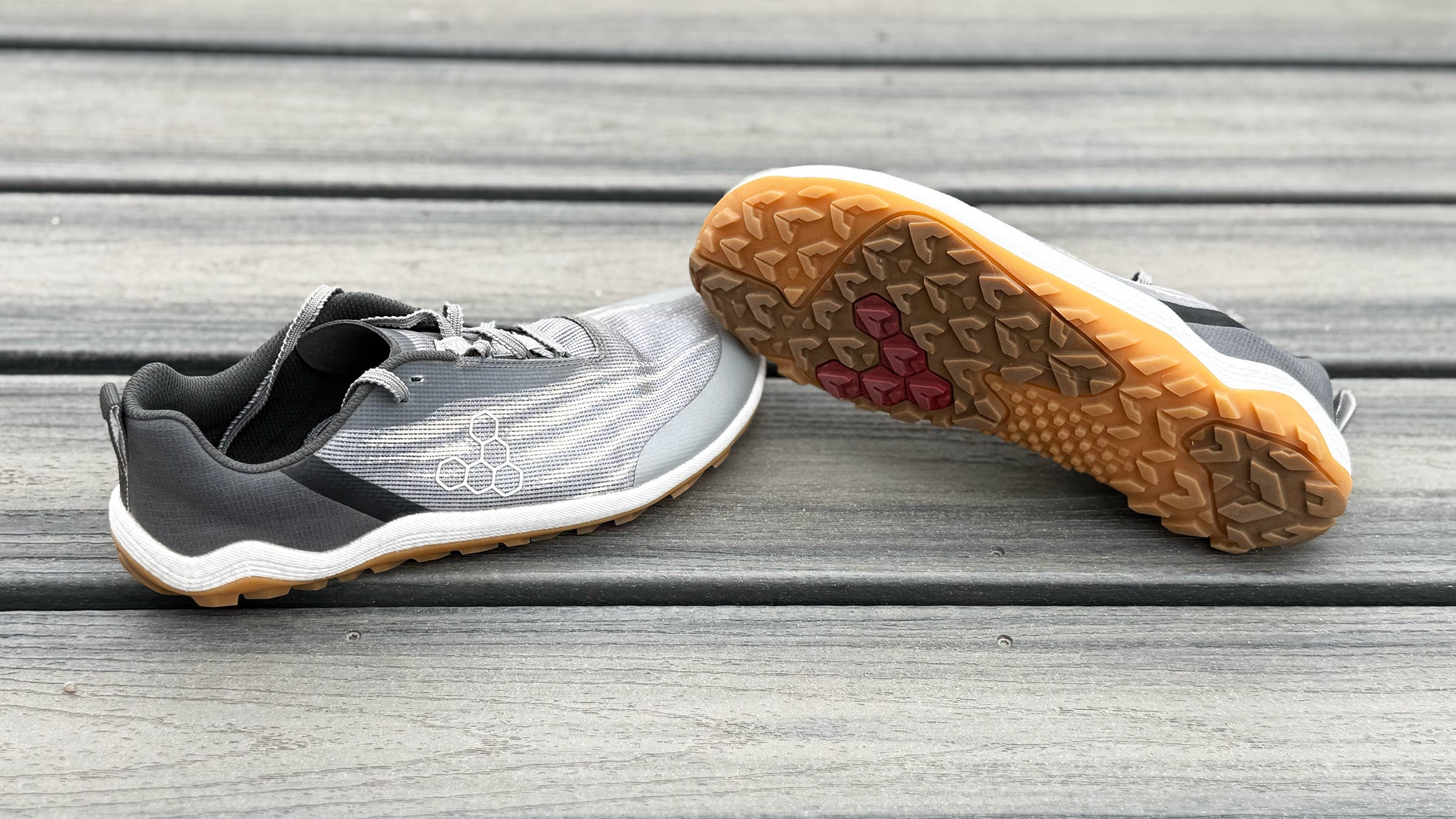
Plush by Vivobarefoot standards, with a lightly-padded heel collar and more than nine millimeters of protection between the foot and the ground, this is still the most minimal trail model I tested. Most of the thickness underfoot is taken up by the 3.5-millimeter-lugged outsole, which grips both soft and slick surfaces without interfering with the close-to-barefoot ground sensitivity. The thin, eTPU midsole didn’t add any wobble or slow my reactions to trail variations, but it did protect enough that I could run with confidence and not have to step gingerly.
I appreciated the flexible but rugged upper, the asymmetrical lacing that followed the shape of my instep, and the sawtooth laces that resisted coming untied, even on weedy or bushy trails. High midsole sidewalls helped keep my feet centered and provided a bit of lateral stability, particularly around the heel.
The width is voluminous, which was luxurious around the toes but excessive in the midfoot: even with the eyelets nearly touching, it didn’t hold securely enough for tackling tricky terrain. Still, I enjoyed the highly proprioceptive feel on tame surfaces and found the shoe comfortable and attractive enough to transition seamlessly from trails to town.
Best Toe Splay
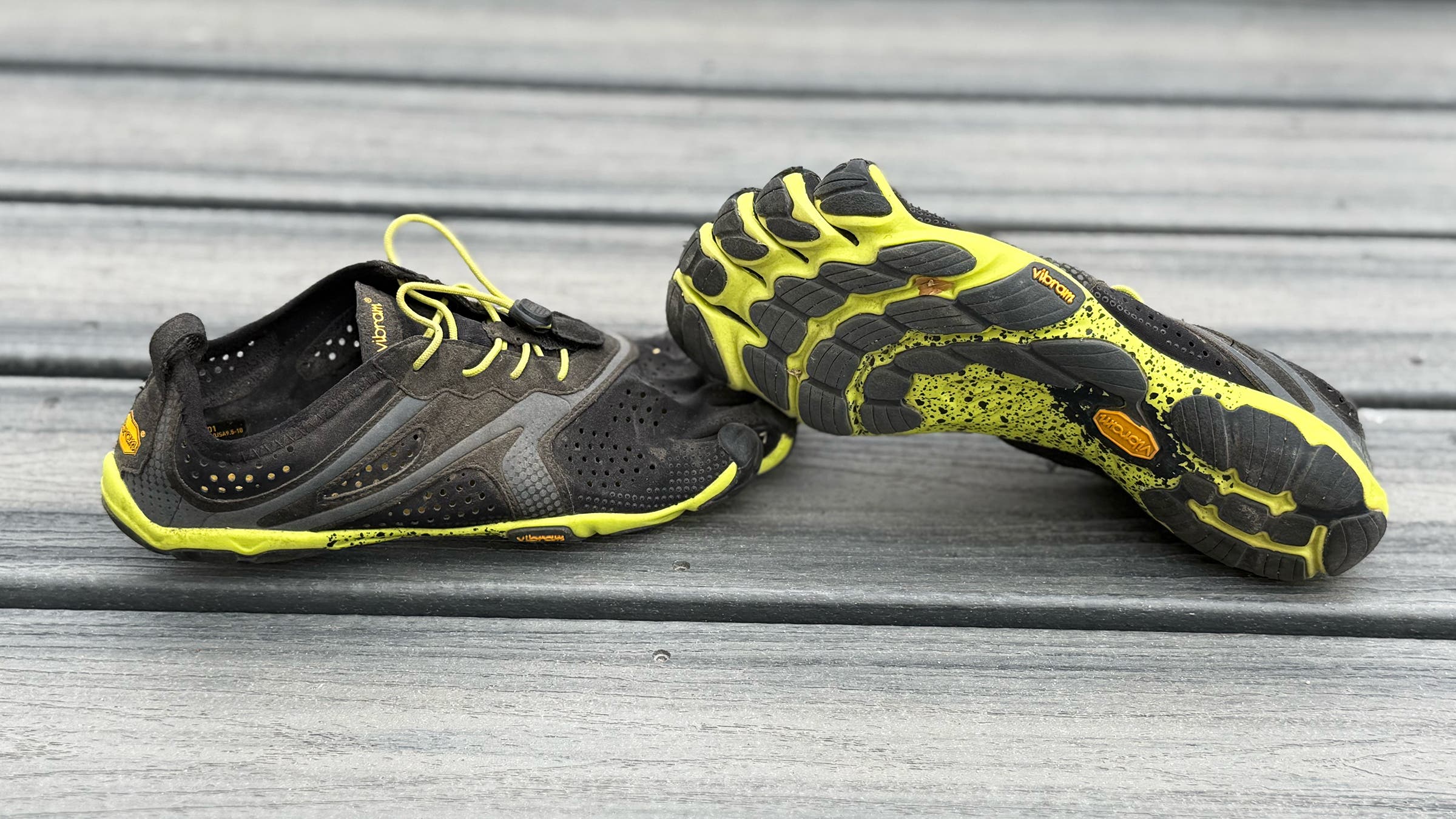
Vibram Five Fingers V-Run
Weight: 4.8 oz (men’s), 3.9 oz (women’s)
Sole Thickness: 8.5 mm (includes non-removable insole)
Pros and Cons
+ Unsurpassed toe splay and engagement
+ Thin, breathable upper
+ Exceptionally light
– A bit stiffer than original
Running in Five Fingers is a familiar sensation for those who lived through and embraced the minimalist movement: a feeling of running barefoot as a child—free, alive, and in touch with the earth. The design delivers unsurpassed toe splay, enforced by the separate toe pockets, and a close-to-the-ground, near-barefoot ride. I put in many miles in Five Fingers in the early 2010s on terrain ranging from asphalt streets to gravel backroads and jungle mud, and always felt like my body was waking up and paying attention. I also got injured going too long and hard too soon. This time I used them for shorter runs a couple of times per week, and loved the reconnection with the earth, which often inspired fast, nimble pickups and hill sprints.
The V Run is both lighter and more supportive than the original. The weight reduction comes mostly from the thin, perforated upper, which is more breathable but less soft than the original knit, and the pared-down outsole rubber. The pads that remain are attached to a four-millimeter-thick sculpted EVA midsole that adds some support as well as padding. In all, the V-Run felt protective and fast, stiffening my foot lever a bit, but slightly more removed from the ground, somewhat stiffer, and less comfortable than the original.
Most Versatile
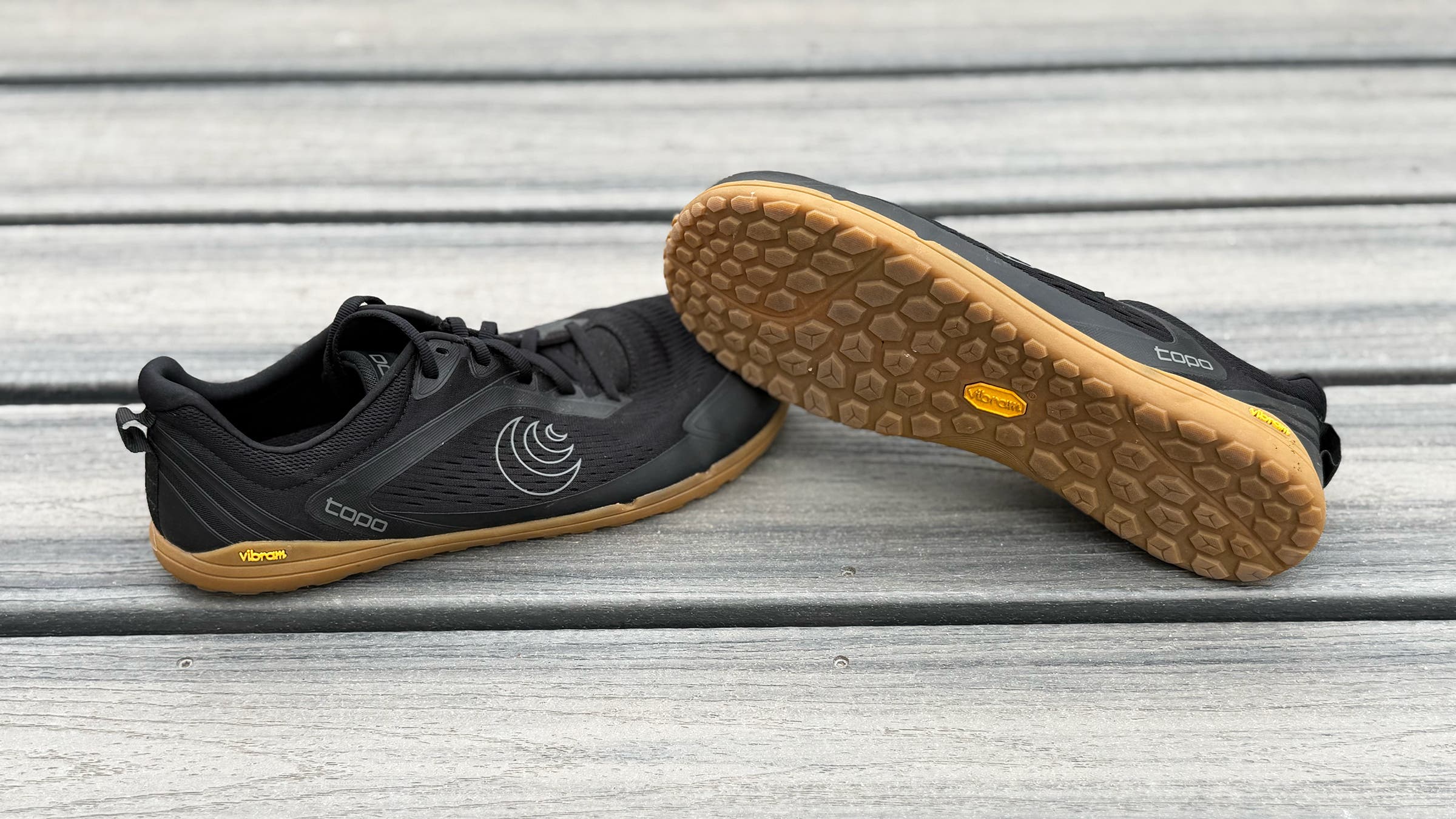
Topo Connect
Weight: 8.2 oz (men’s), 7.0 oz (women’s)
Sole Thickness: 10.5 mm (includes removable 5 mm insole)
Pros and Cons
+ Most comfortable fit in test
+ Highly flexible in all directions
+ Hint of cushion with barefoot ground connection
– Cushion too thin for daily running for most
The all-new Connect is Topo’s most minimalist model, and proved to be comfortable, nimble, and highly versatile. The shoe is incredibly flexible, with a bendy Vibram rubber outsole, no midsole, and a soft, foot-wrapping upper that moves with my foot like a sock. I’ve always found Topos to have the best-fitting uppers in the business, and the Connect is no exception. It provides a wide, airy space for my toes and a snug, secure hold from heel to ball of the foot—even with my low-volume instep.
Despite the lack of a midsole, the high-rebound Ortholite insole cushions surprisingly well, spreading impact forces over the contours of my sole better than other barefoot models—but not squishing much at all, enabling quick, strong ground interaction. That minimal cushion was enough to let me run in these for short outings, but I mostly wore them for walking. They became my default casual shoes during the test, standing out for their comfortable fit, Goldilocks ground feel, and understated good looks.
Most Cushioned Minimalist Shoe
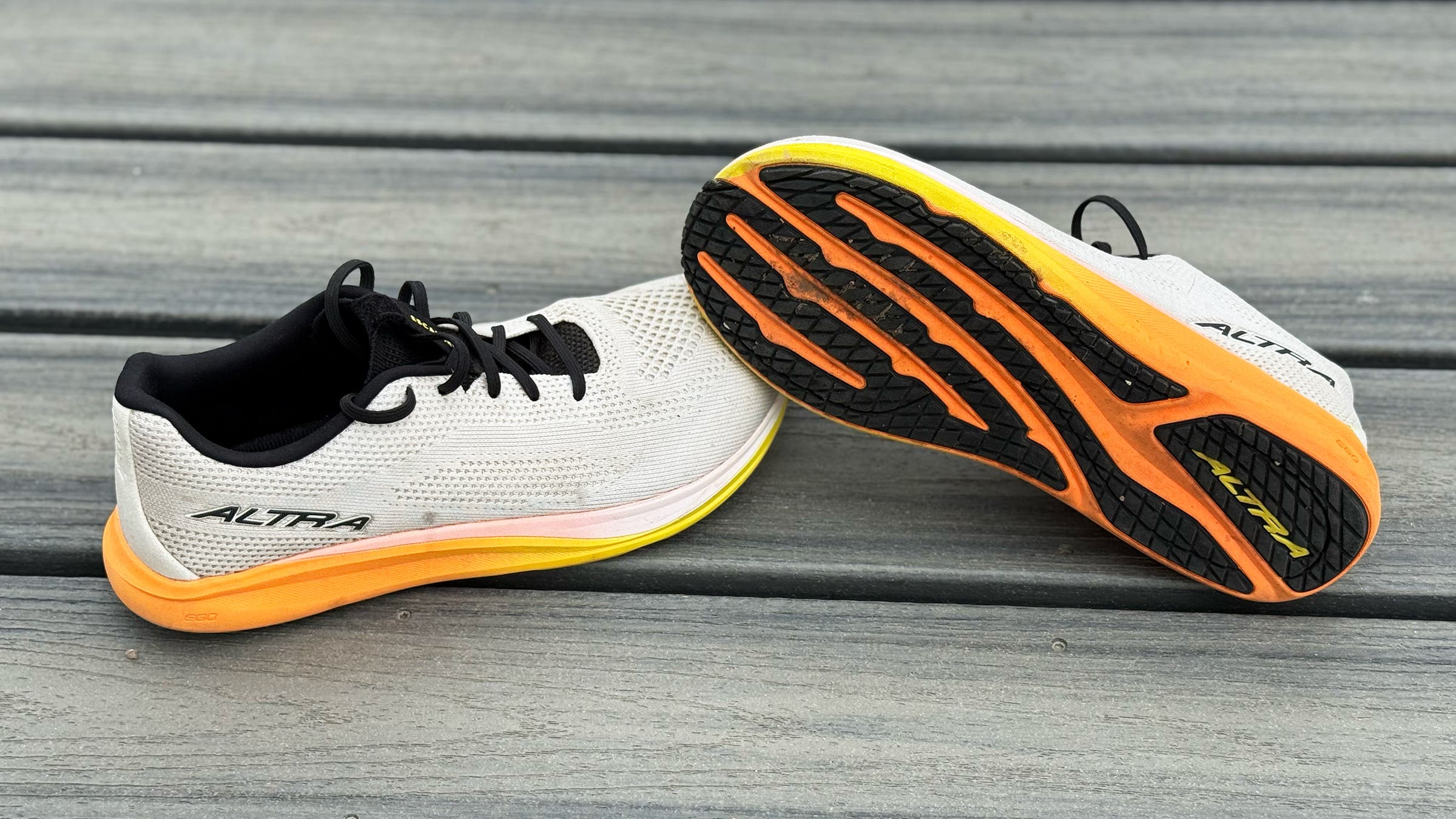
Altra Escalante 5
Weight: 9.5 oz (men’s), 7.5 oz (women’s)
Sole Thickness: 24 mm (includes removable insole)
Pros and Cons
+ Soft, bouncy midsole
+ Stretchy, comfortable knit upper
+ Accessible for most runners
– Midsole too high and squishy for full foot activation
The Escalante is foot-shaped and zero-drop, but purists may not consider it a true minimalist running shoe. That’s because it has 24 millimeters of cushy, bouncy foam, which reduces the shoe’s flexibility, ground feel, and foot strengthening. Compared to most of today’s shoes, however, I found the sole provided plenty of proprioception and foot activation, enhanced by Altra’s proprietary AltraEGO foam that firms up quickly on compression with a lively bounce-back.
The revamped engineered knit upper and tongue are softer and stretchier than version 4 (and than any other shoe in this guide), coddling and moving with my feet while holding where needed. Altra increased the amount of outsole rubber and modified the flex grooves, which seems to enhance the heel-toe transition and promises to be more durable.
Despite the plushness, the zero-drop geometry encouraged a forward-balanced, tall, and quick stride, which felt smooth, efficient, and fast. I was able to go as long as I wanted without feeling post-run foot or calf soreness. Given its position as the most accessible minimalist shoe, the Escalante makes an effective second shoe for many runners, one that they can run in a few times a week to strengthen their feet and vary the stress of running on their bodies—without having to transition to a new stride or reduce mileage.
Most Cushioned Minimalist Trail Shoe
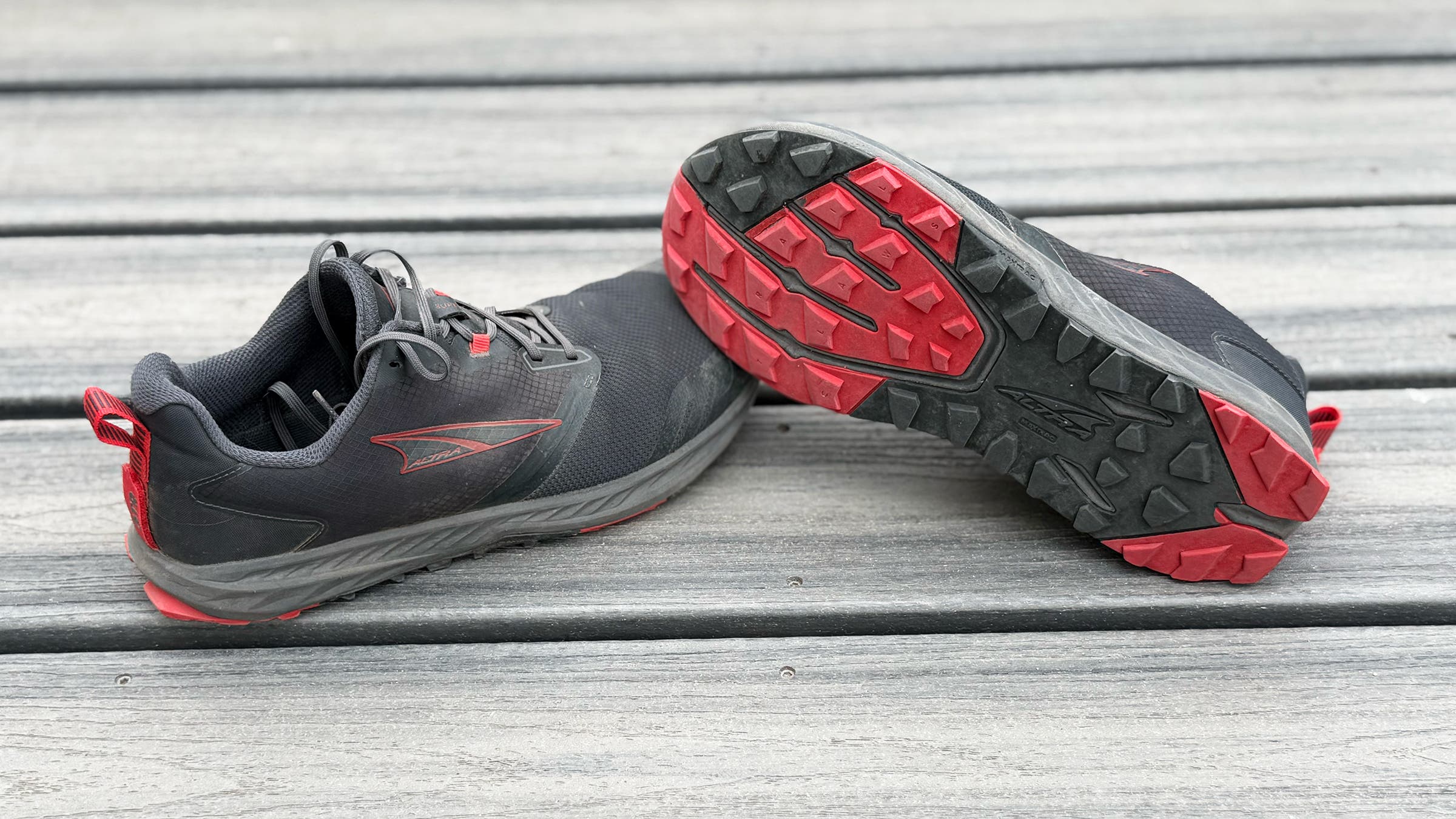
Altra Superior 7
Weight: 9.3 oz (men’s), 7.7 oz (women’s)
Sole Thickness: 21 mm (includes removable 4.5 mm insole)
Pros and Cons
+ Low, nimble ride
+ Stable, wide footprint
+ Secure midfoot hold
– Underfoot protection slim
I’ve been an unapologetic fan of the Superior since it came out—the flexible, balanced ride makes me feel like a wild animal gliding over the earth, and the thin sole provides enough padding that I can run in them daily as long as I stay tall and land lightly. I took the Superior 7 out in western Nebraska’s sandhills and Utah’s rocky Wasatch Mountains, and found it as nimble as ever, equally capable on both terrains.
Underfoot, the 21-millimeter sole without a rock plate softens landings but still lets me feel the ground enough to dance over uneven and unpredictable terrain, adapting to each varied footplant. It doesn’t, however, morph and swallow rocks like a thicker shoe: It requires foot and ankle strength to adapt and support on rough trails—I could feel the strain after longer outings, and noted my strength and reactive skills improving over time. On softer terrain, the shallow, widely spaced lugs dig in and grip but don’t get bogged down.
The redesigned upper is easy to cinch down for a secure fit, while, as expected from Altra, allowing plenty of room for splay. The mesh forefoot is flexible and breathable, while TPU overlays around the toe and saddle enhanced the durability and hold, although they look a bit plasticky when new.
Also Consider These Minimalist Running Shoes
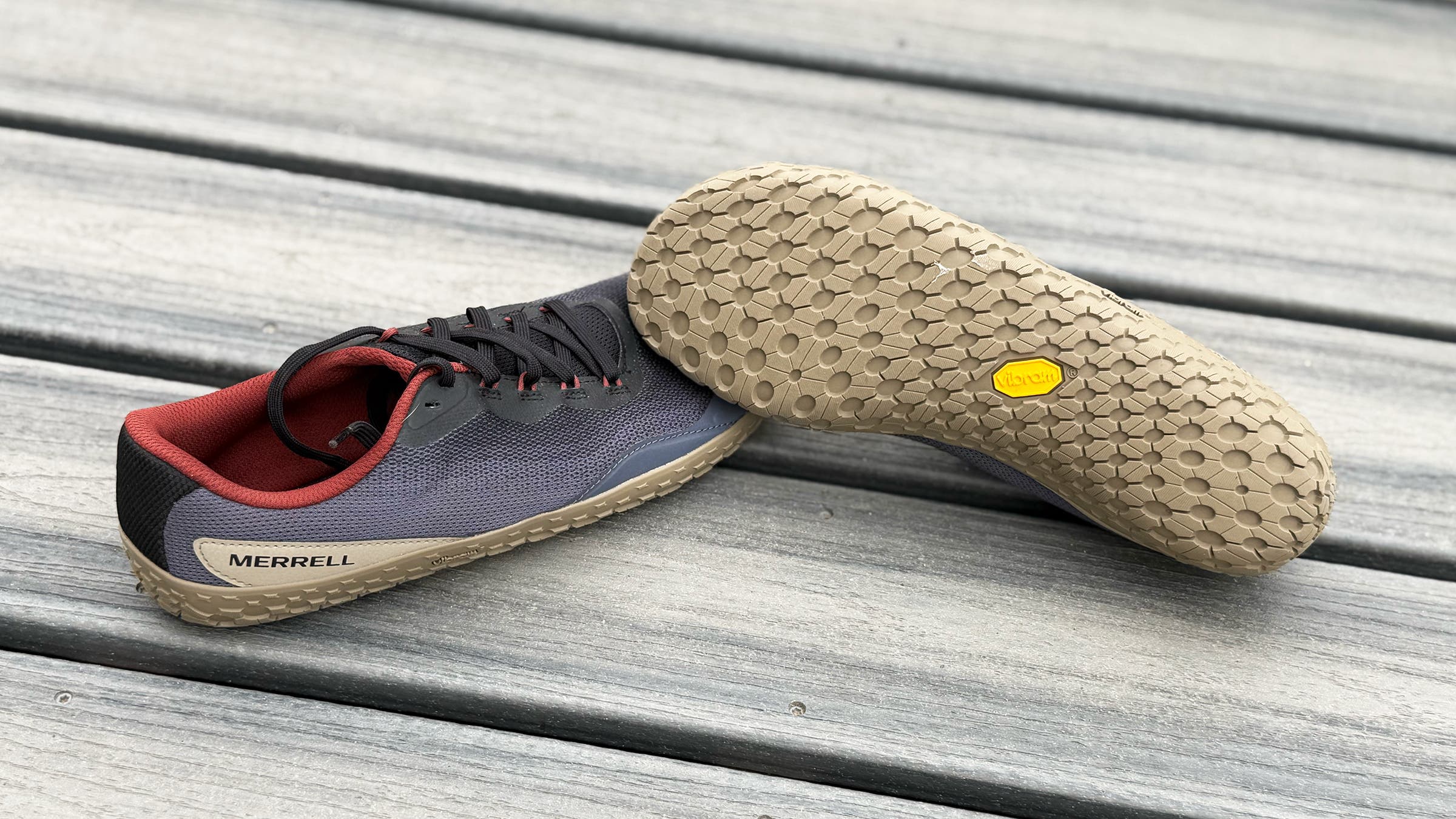
Merrell Vapor Glove 7
Weight: 6.7 oz (men’s), 5.1 oz (women’s)
Sole Thickness: 8 mm
Lightweight and completely flexible in all directions, the Vapor Glove delivers a wrap-around, glove-like feel with a surprisingly plush, padded upper. The sole is slightly thicker and softer than the Vivobarefoot Primus Flow, but the ground connection is similarly close to being barefoot. My feet sensed the ground quickly and engaged with each step, and I found myself landing lightly and running tall and balanced—for short distances. Most will need time to adapt and build strength to run in these regularly, but everyone can appreciate them as a comfortable casual shoe that wakes up your feet.
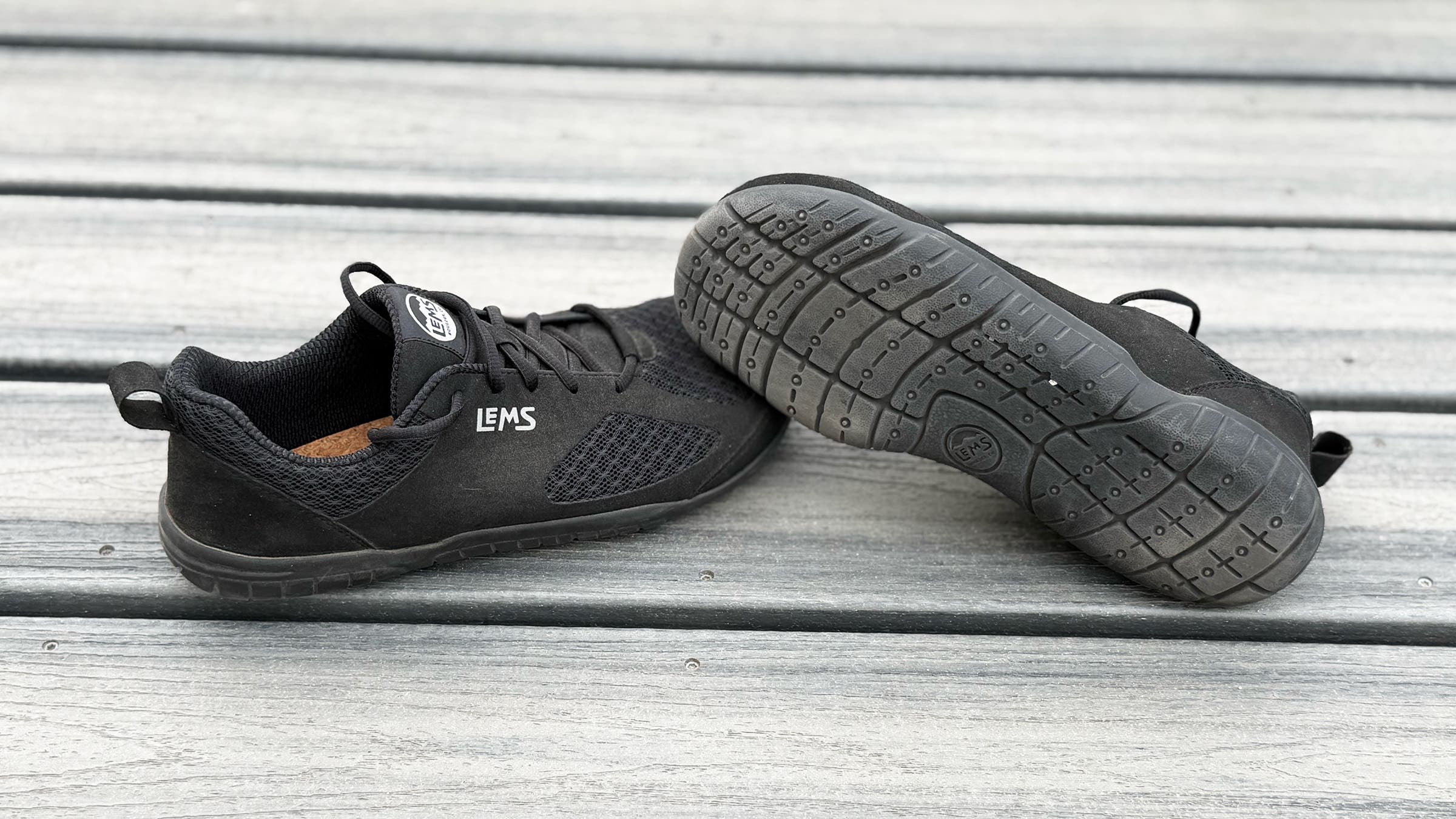
Lems Primal 3
Weight: 8.6 oz (men’s 10, women’s 11.5)
Sole Thickness: 14 mm (includes removable 4.5 mm insole)
Lems markets the Primal 3 as “a solid choice for weightlifting, cross-training, and everyday activity,” but the versatile shoe also works nicely for the minimalist looking for an all-day shoe that they can run to the gym in, work out in, then keep wearing as they head to the coffee shop or the ball field. The forefoot is wide enough for full splay, even when wearing Correct Toes, and the rearfoot snug and supportive enough to secure my foot, although it didn’t hold and move with my foot quite as well while running as the Topo Connect. The highly-flexible, lightly-cushioned sole wraps up the sides, creating a moccasin-like feel, particularly when going sockless and enjoying the smooth, cool, cork-covered insole underfoot.
Also take a look at the Lems Primal Zen, with a similar underfoot feel but a more casual style and relaxed rearfoot fit, making it not quite as good for running but better as an all-day shoe.
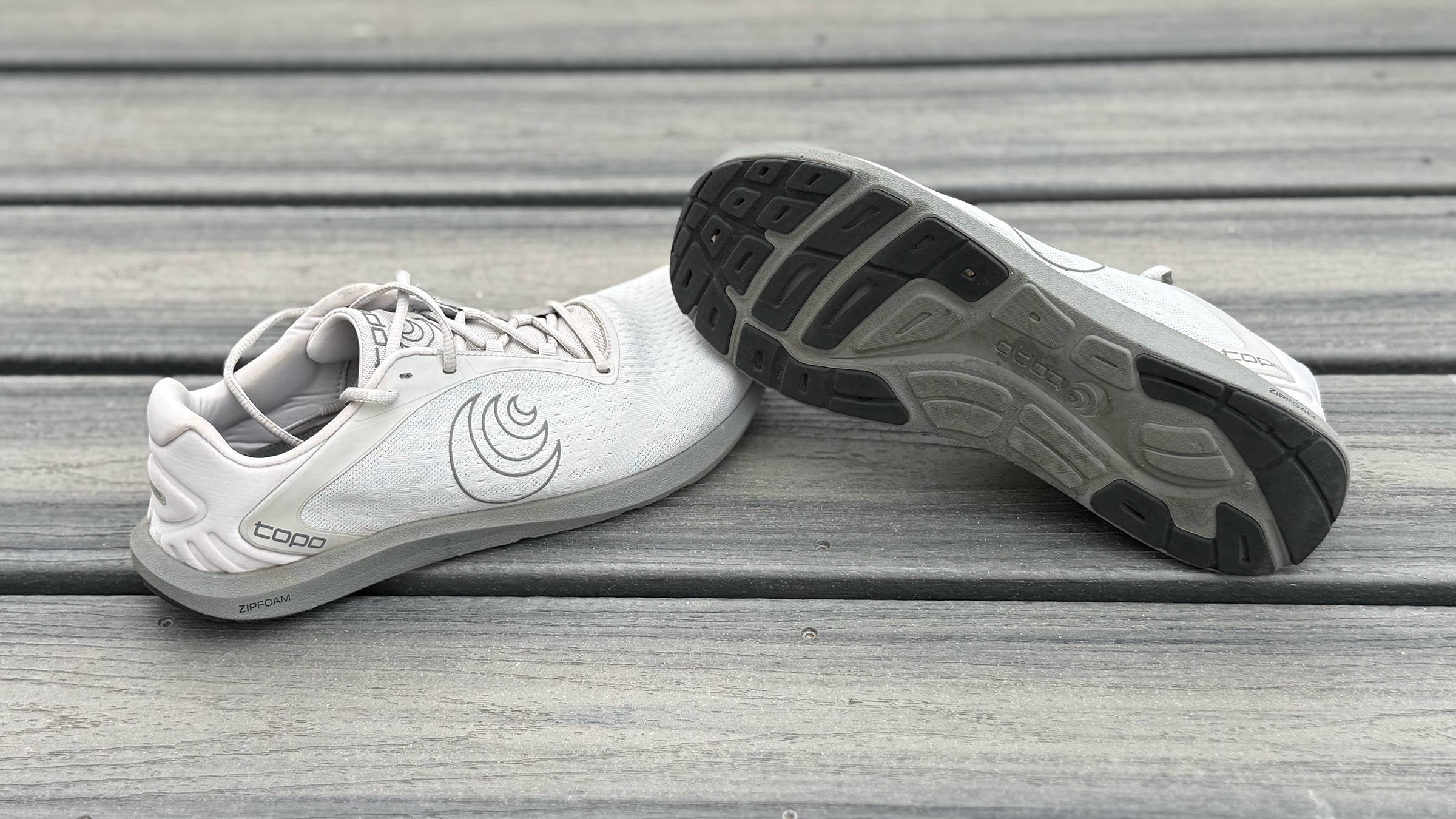
Topo ST-6
Weight: 6.6 oz (men’s), 5.2 oz (women’s)
Sole Thickness: 14 mm (3 mm rubber outsole + 6 mm midsole + 5 mm insole)
Clean styling, subdued colors, and a thin midsole of bouncy Zipfoam had me reaching for this versatile shoe often, knowing I would be comfortable whether I was running, walking for miles on concrete sidewalks, standing for hours at an expo, doing strength and plyometric work, or eating at an upscale restaurant. The soft, flexible upper hugs my foot from heel to ball like a second skin, while the pliable, 14-millimeter stack allows me to feel and interact with the ground without getting bruised by it. Bottom line: the ST-6 disappears and lets me move nimbly and naturally without thinking about my feet. It got beat out for Most Versatile by Topo’s new Connect only because the Connect is a bit more minimal and looks more stylish when out and about town. Choose the ST-6 if you prefer a slightly softer ground connection.
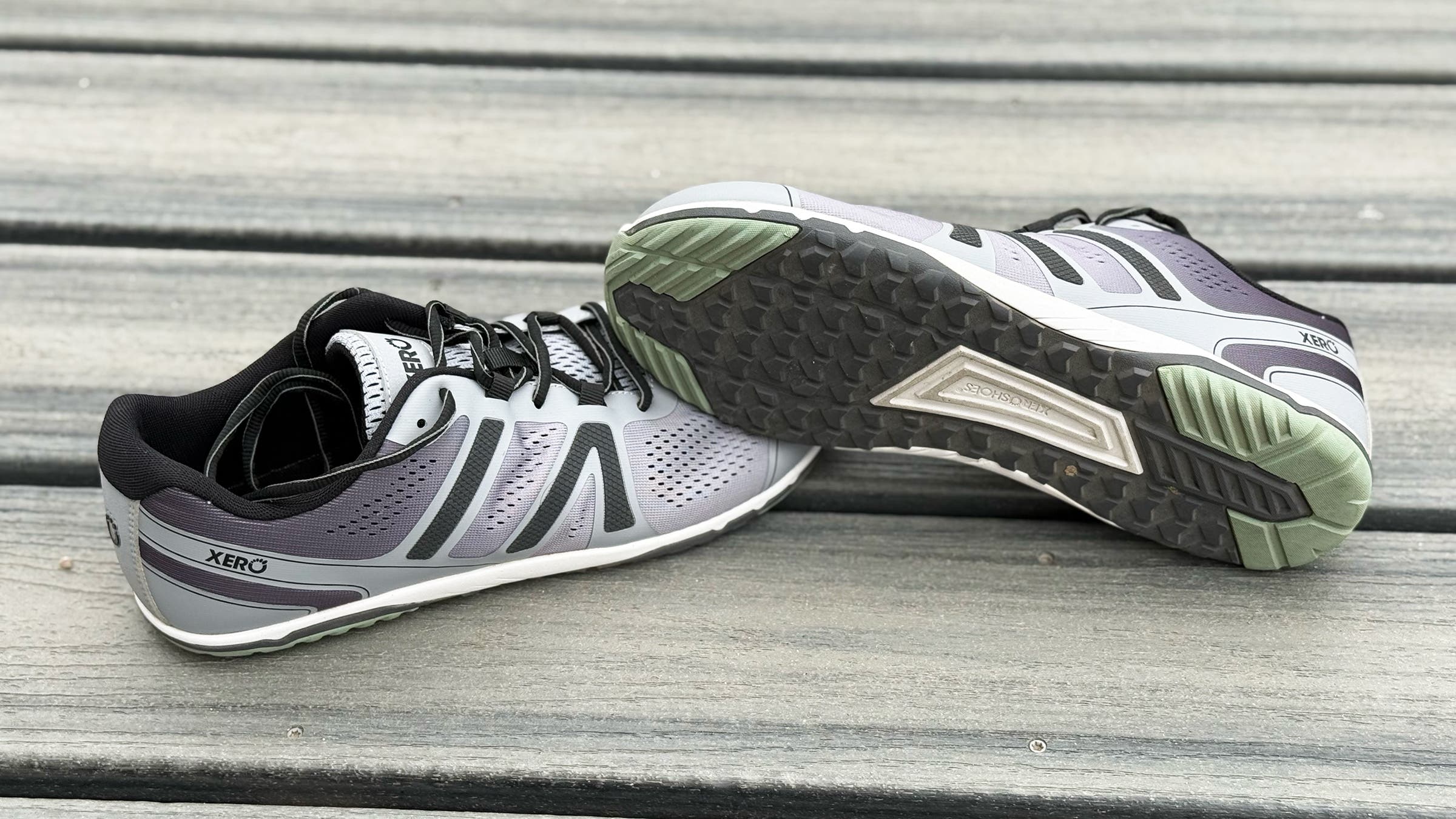
Xero Shoes HFS II
Weight: 8.3 oz (men’s), 6.7 oz (women’s)
Sole Thickness: 12.5 mm (includes removable 3.5 mm insole)
The Xero HFS II is thin, zero-drop, and entirely flexible, but has just enough underfoot padding to make it more accessible to the majority of runners than a barefoot-feel shoe. The shape is wide and roomy from heel to toe, but holds the rear- and mid-foot securely with a well-padded collar and strategic straps that loop into the laces and wrap the instep. The chevron outsole lugs are flat-topped and spaced widely enough to roll smoothly over roads, but are deep enough to grip on relatively soft dirt. It’s not quite as stylish or comfortable as the Topos, but it delivers unmatched performance on gravel, where I ended up doing most of my running in the shoe.
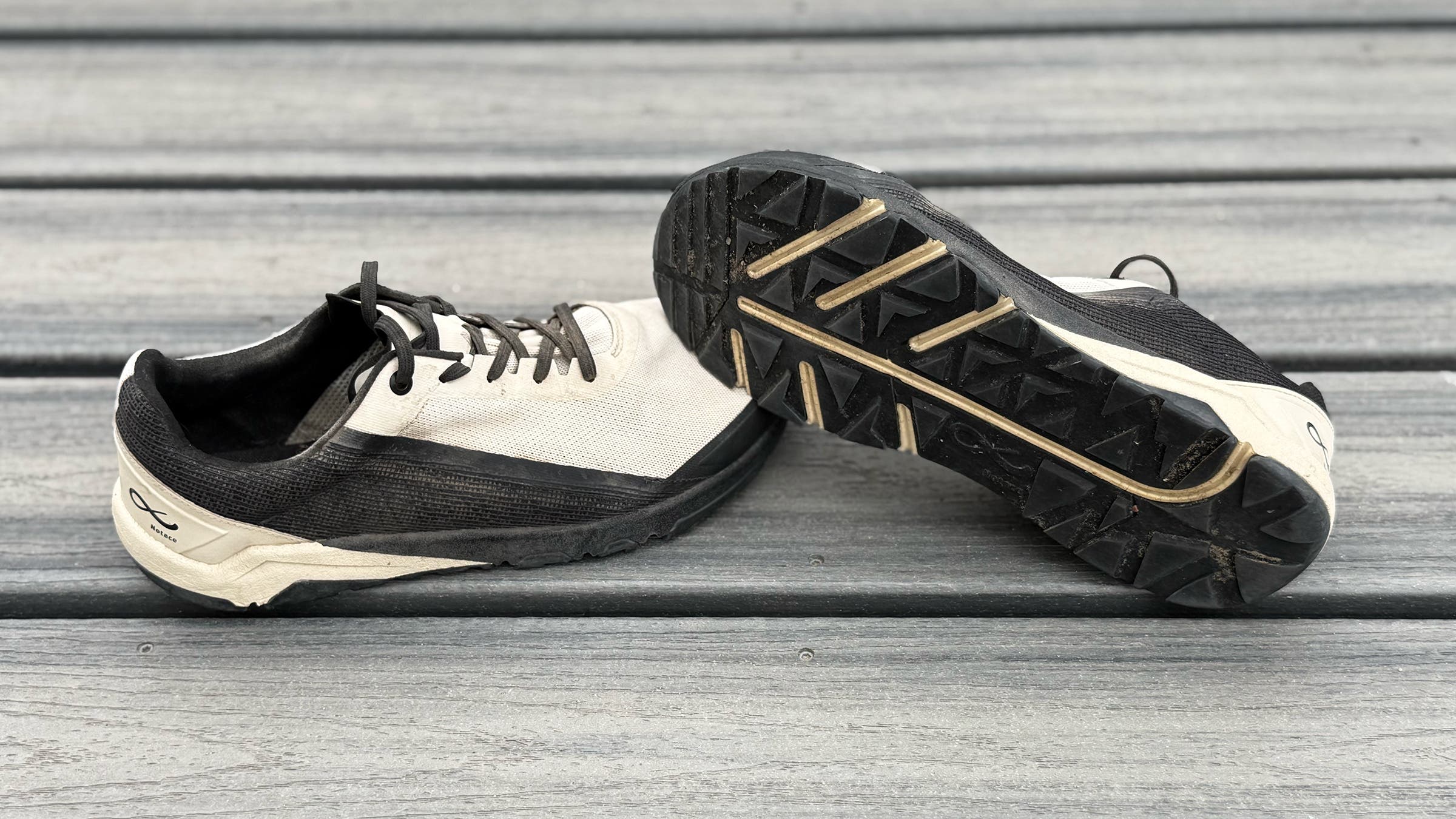
Notace Yama T1
Weight: 7.7 oz (men’s), 6.4 oz (women’s)
Sole Thickness: 15 mm (includes removable 3 mm insole)
The trail version of the Notace Michi 1 shares that shoe’s exceptional foot shape, Goldilocks stack height, and bouncy eTPU midsole foam. The Yama T1, however, weighs 1.4 ounces more thanks to heavier overlays around the midfoot and a 3-millimeter-thick, lugged outsole. I enjoyed the lively feel and well-balanced ride, but wasn’t sure the increased traction made enough of a difference to justify the weight over the road model, and found the foothold inadequate to let me feel confident on any sketchy terrain. Still, if you mostly run on moderate trails and want a durable, comfortable, flexible, and energetic shoe that lets you dance over terrain, this one is hard to beat.
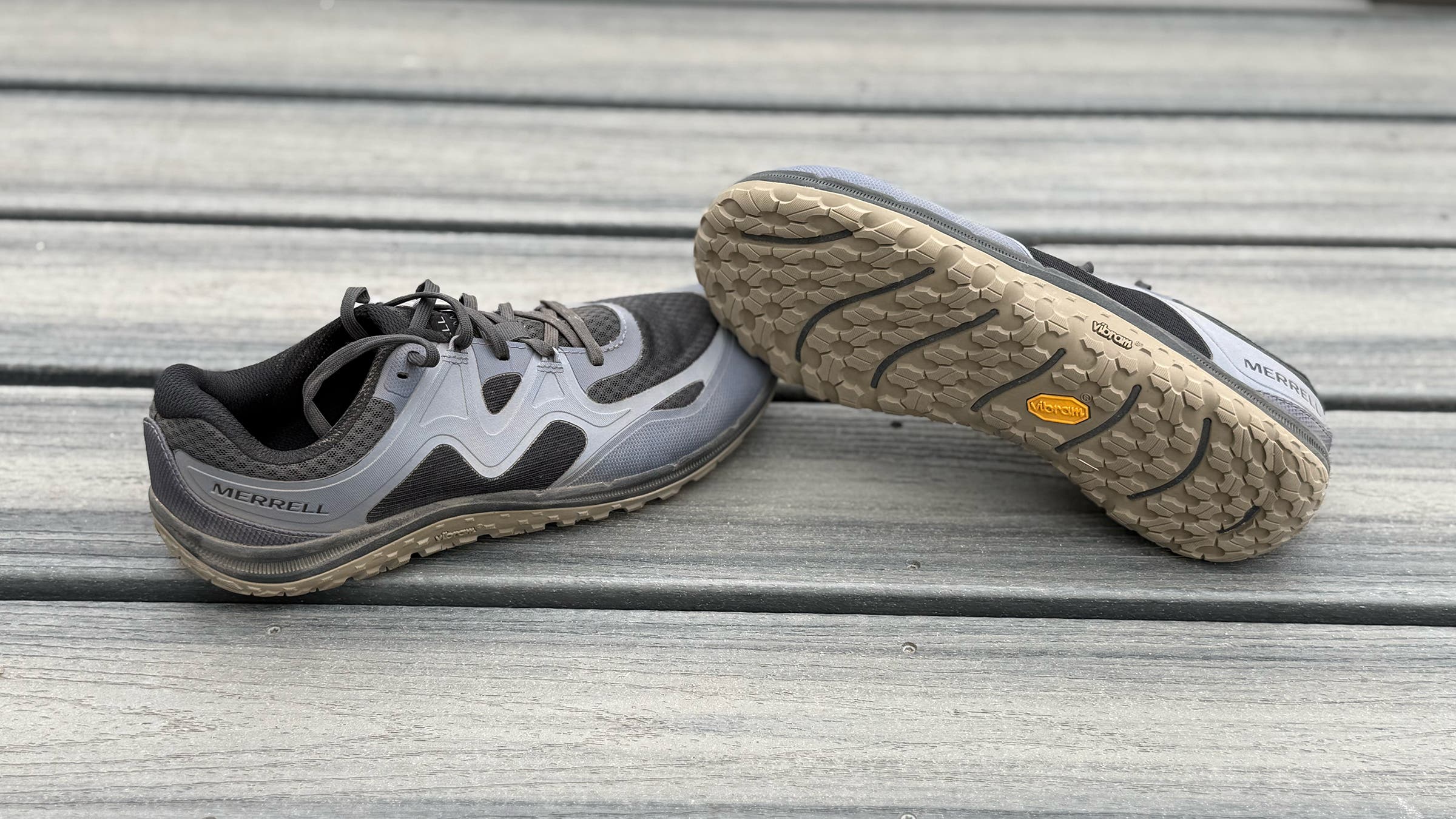
Merrell Trail Glove 8
Weight: 7.8 oz (men’s), 6.35 oz (women’s)
Sole Thickness: 14 mm
The Trail Glove received a major makeover between version 7 and 8, and in the process lost its glove-like fit: the upper has much larger, stiffer overlays, and the outsole is thicker and less flexible. The changes have made it more durable, however, and while it lost some ground proprioception, it’s still zero-drop with no arch support and a moderately wide forefoot. I didn’t find running in them uncomfortable, but they lacked the light, nimble ride and strong foot-strengthening stimulus of barefoot models and didn’t deliver the underfoot comfort of slightly more cushioned shoes. They look like they’ll last for years, however, and I found they worked best as a close-to-the-ground day hiker and casual shoe that can handle a run when needed.
Why Wear Minimalist Running Shoes?
Long gone are the days when runners the world over traded their cushioned, controlling shoes for thin, flexible, barefoot-feel models, but many sports med professionals continue to tout the benefits of minimalist footwear today. “Even in a world dominated by maximalist footwear, I often recommend minimalist shoes—especially for casual wear, walking, and as part of a running shoe rotation,” says sports podiatrist Rob Conenello. Conenello points out how the shoes encourage foot muscle engagement and better proprioception—the foot’s ability to sense and interact with the ground—and, he says, “A stronger foot leads to a more efficient and injury-resistant athlete.”
Fellow sports podiatrist Paul Langer agrees, “The health benefits are supported by more and more research every year. I recommend minimalist shoes for almost all my patients because they have potential benefits that include improving foot strength and mobility, decreasing the risk of falling, and reducing foot pain.”
Jay Dicharry, physical therapist and biomechanics researcher, says every runner should have a minimalist model as one of their running shoes. “Putting less between you and the ground means the shoe’s cushion and geometry can’t do the work for you,” Dicharry explains. “Spending time walking, and yes, some running, in minimal shoes will load your foot and lower leg a lot more. This increased load cues your body to build stronger bones, muscles, tendons, and durability in your feet. And a direct connection between your feet and the ground does wonders for your nervous system, your sense of stability, and can help filter out some imbalances in your stride.”
What Is a Minimalist Running Shoe?
Besides being simply less shoe, what is it that makes a shoe minimalist? Minimalist running shoes are born from the assumption that the best, most natural running is done barefoot. Your feet should be free to be feet: complex constructions of arches, cables, and levers that react and adapt instantly to cushion, stabilize and propel. Given that most people today didn’t grow up going bare in all conditions, and thus didn’t develop the calloused soles necessary to tread safely and comfortably on all but the softest terrains, most minimalists concede that some sort of shoes are a necessary evil. But, to maintain natural proprioception and muscle activation, and encourage efficient posture and gait patterns, they believe shoes should stay as close to bare as possible.
In 2015, 42 experts from 11 countries agreed on a formal definition of a minimalist shoe: “Footwear providing minimal interference with the natural movement of the foot due to its high flexibility, low heel to toe drop, weight and stack height, and the absence of motion control and stability devices.” That definition leaves open to interpretation the exact line where a shoe becomes too high, too stiff, or too controlling to be considered minimalist. All of the shoes reviewed here have the key characteristics of flexibility, zero heel lift, low stack height, and light weight, but vary in degree to which they mimic going bare. If you choose to go more minimal, it is up to you to decide which characteristics are most important and how low you want to go.
Maximizing Your Minimalist Experience
Put on a pair of minimalist shoes and you instantly feel light, nimble, and alive. Head out the door and you dance along, feeling a new, intimate, interactive connection with the earth beneath your feet—until you tire and start clomping along with no cushioning underfoot and return home to find your calves and achilles screaming. Most runners need to transition to minimal footwear very gradually, building up miles in them as slowly as they first added running miles when a beginner, or using them only occasionally as training devices.
“By removing the artificial cushioning and support, the feet are forced to do more work,” Langer explains. “This increased workload, if done gradually, will increase the foot’s capacity to support the body by strengthening muscles and ligaments and other connective tissue and allowing the joints to move in a broader range of motion. If not done gradually, people often get injured with metatarsal stress fractures, plantar fasciitis calf strains or Achilles tendinitis.”
You don’t have to throw out your cushioned shoes and adopt minimal footwear all the time to reap benefits: even using them sparingly is worthwhile, helping to improve posture, stride, and foot strength—particularly if combined with exercises to enhance hip flexibility and strengthen your posterior chain and feet. And nearly everybody can use minimal shoes for walking and daily wear, which experts agree can be as valuable for improving your biomechanics as running in them.
Meet Our Lead Tester
Jonathan Beverly, Senior Running Editor, Gear
I fell in love with running my freshman year in high school in 1977, and quickly became fascinated with finding the perfect pair of running shoes. That quest got a boost when I became editor of Running Times in 2000 and started receiving every new model as they were released.
I embraced the minimalist movement in the early 2010’s, running thousands of miles—including road and trail races—in barely-there shoes which reconnected me with my body and the earth, rejuvenating my running. But after suffering a metatarsal stress fracture and seeing others get injured in minimalist footwear, I dug into the contradictory studies on shoes and running form and talked to dozens of experts—from scientists to medical professionals to coaches—trying to determine common ground. That research turned into a book, Your Best Stride, which explores how to counteract the forces of a modern sedentary lifestyle and restore natural posture and movement so you can run more effectively (in any footwear).
Today, I wear every type of running shoe as a tester, but retain a preference for more minimal models, which I wear exclusively when not running. During this testing, however, I found that my adaptation to running in ultra-thin shoes had waned and my experience in them seemed typical for runners who have some experience with light, low models but are mostly accustomed to today’s high, soft shoes.
For this review, I ran in each model several times over three months, on different terrains and at a variety of paces, from jogs to sprint intervals. I also rotated them as my hiking, walking and casual shoes throughout the test period. Here are my picks for the best minimalist shoes for running today, ranging from nearly-bare to lightly-cushioned models.
