

Published August 28, 2026 09:27AM
Jack Johnson’s earliest memories are of his father coming up the beach, holding a surfboard. And while Johnson is best known for his multi-platinum music career, he’s talented enough on a board that he could’ve gone pro. He first learned guitar when he was 14. But the first time he planted something at Kōkua Learning Farm, the newest arm of the Kōkua Hawai‘i Foundation, a nonprofit he founded with his wife, Kim, he was 44.
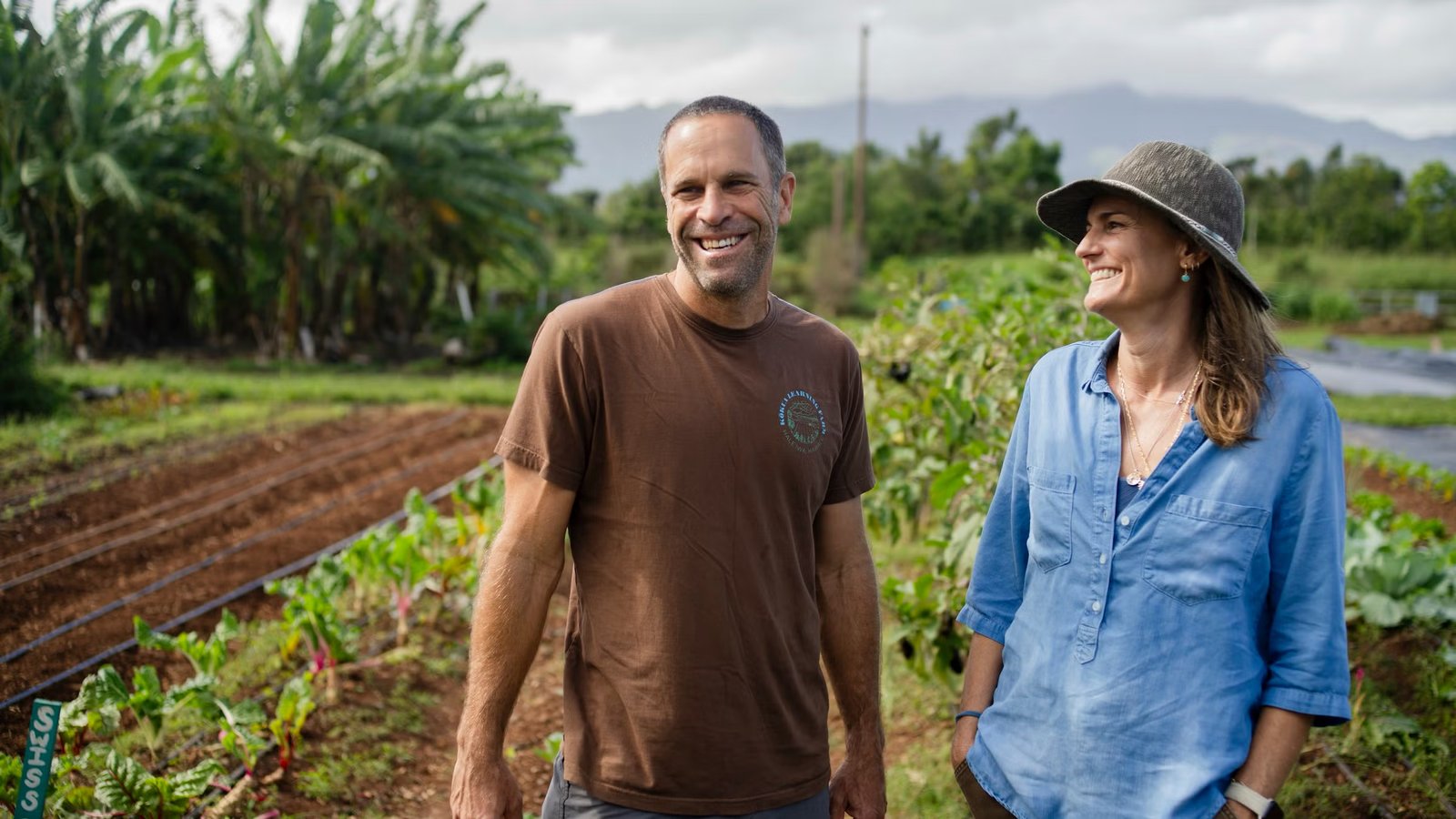
Since then, the eight-acre property on O‘ahu has transformed into a hub of community land stewardship. The farm produces fruit and vegetables, houses a bee apiary and goats, and protects a native wetland, but it also hosts work days every month where people from all over the North Shore come to work the land and connect with one another. ’Āina Farm Stand, which opened on the property in November 2024, sells what’s harvested at Kōkua and at farms across the area.
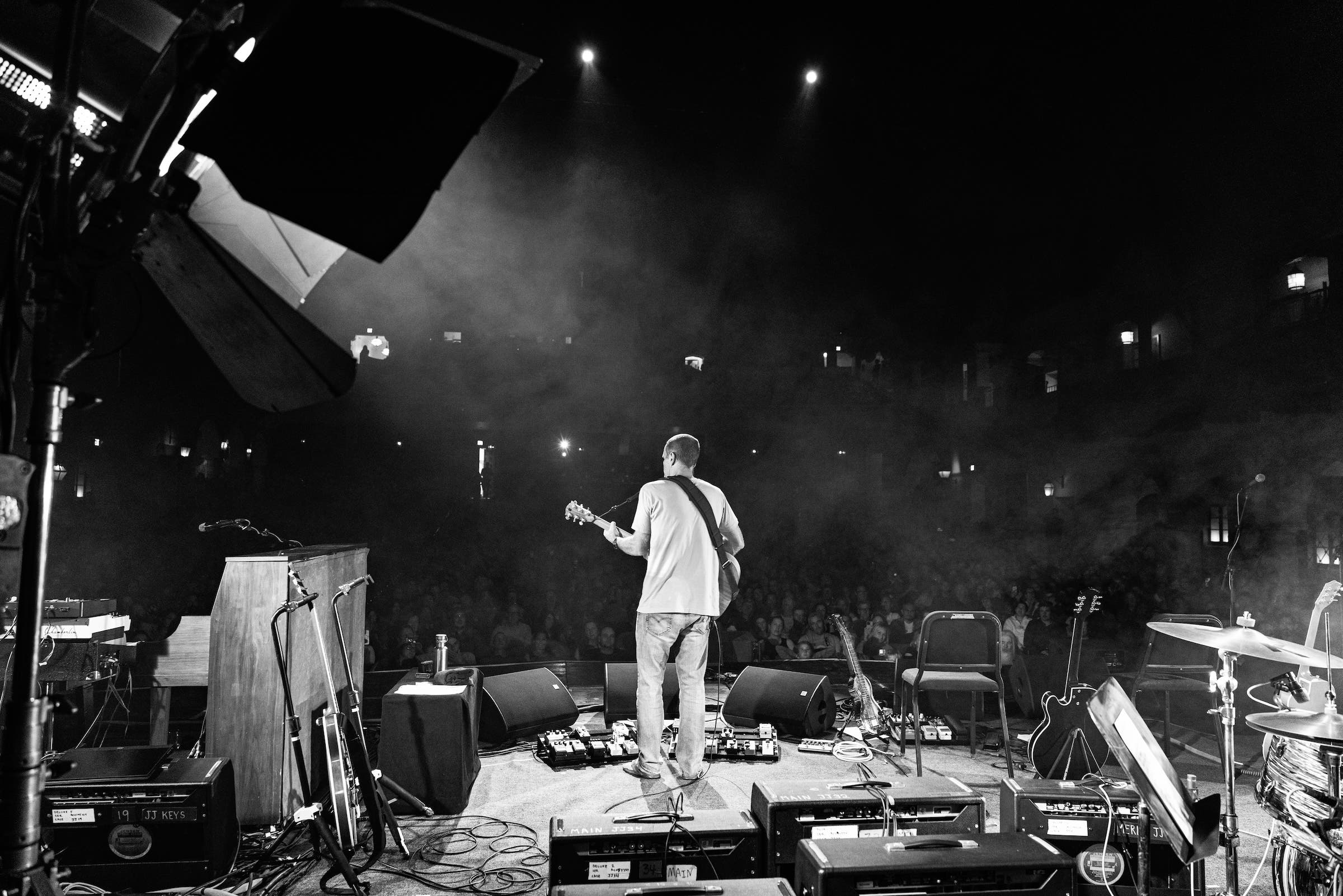
Johnson, 51, is currently on a world tour following the release of SURFILMUSIC, a documentary chronicling how he’s made a life combining the pursuits he loves the most. He spends a lot of his free time at the farm, where we talked to him to learn more about how he works farming and community leadership into his surfing, songwriting, and performing.
Outside: When I arrived, you were leading a staff meeting. What is your relationship to the farm? How often are you here?
JJ: Nature in general has always been really important in my life, and now the farm in the last five years has been a place where everything I loved about all my time outdoors as a kid, and all the times that my dad would take me camping, and the connection I felt to the natural world, is all brought together. It’s really nice to be able to spend my free time doing something productive that’s for the community.
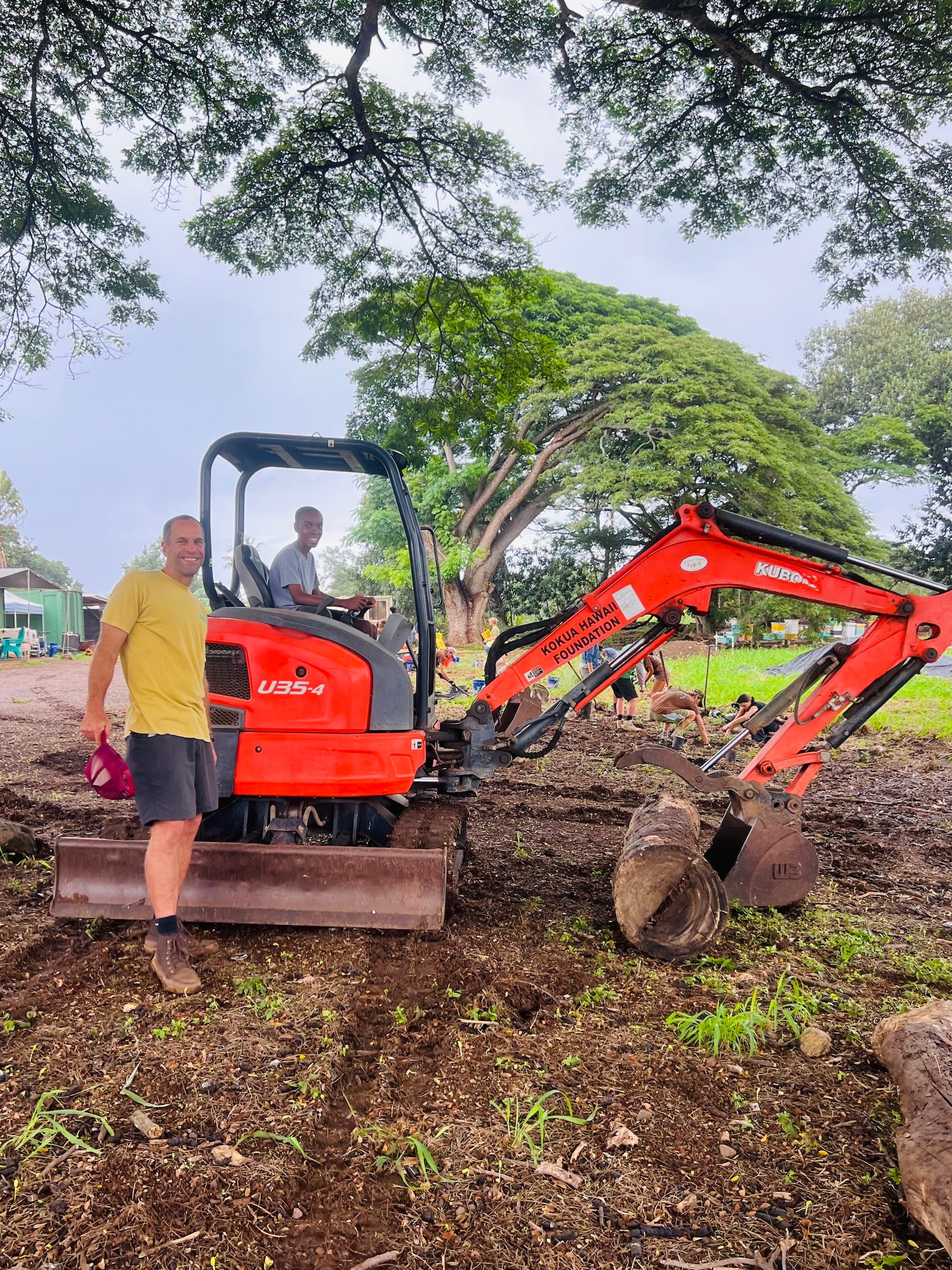
When I say “for the community,” I don’t mean I’m doing some kind of service; I mean that I love to work on it, and my friends love coming down here. Sometimes our volunteer groups are literally just a bunch of close friends who bring chainsaws and want to help remove an invasive tree and do some heavy lifting. And then other times, when we have a community work day, like 100 people show up.
What is it like to work the land alongside the neighborhood?
It’s neat because some people come back every Saturday. I’ve seen little kids who were in their mom’s BabyBjörn that are now running around, you know, five years old. And you can tell they get a lot from it—the kids are learning that you can work together with the community to do something really positive. And it’s the same thing for me—it’ll get me out of bed, it’ll get me motivated. I’ve never left a work day not feeling really stoked. It’s given me a sense of purpose in my life to have this place and be able to contribute to the community I grew up in, to be able to have a place that is for everybody.
You don’t think of it as “your” farm, but as the foundation’s farm, and something bigger.
I really do feel we were able to provide a place that’s for everybody. And I don’t think of it as mine. We help to steward this place, and it’s a very special place. There’s one corner of it that has a lot of native plants, and there’s a certain part of the community that loves to come and just work on that; that’s their specialty. They really take care of that zone. Then other people are really into the wetland part, which has a lot of natives as well, but they’ll show up for anything to do with that. And we have an orchard over there, and we have people who love learning about it because they might have fruit trees in their backyard, so when they come, it’s actually like a masterclass with our agroforest expert, who comes every workday. And [people] can learn about grafting and how to take care of their trees. Everybody’s got their little part on the farm, and I think they do feel like this is their place.
Surfing and farming are both outdoor pursuits. In what way are they similar for you? How are they different?
Surfing is a thing that you can do for yourself, it very much helps center you, it helps give you a sort of peace, but it’s only for you. But working on something like the Kōkua Learning Farm, it’s a whole different kind of thing. You still get to be outside and [feel] the wind blowing on you and get to be under the sun, but then you’re working with people, pulling weeds for an hour, and you’re still having all those conversations. I’ve had so many good conversations on the farm.
When you’re distracted with weeding, it’s a really nice time to talk. And it makes the work easier too. At the end of the day, when you get a drink of water and [you’re] washing your hands, you look at the area and think, “Whoa, we just did that.” There’s a word in Hawaiian language, laulima, which [means] “many hands make light work.”
How would you describe your relationship to surfing now?
Just as strong as it’s ever been. It’s a weird thing growing up in a surfing family where I don’t remember starting necessarily. I have these abstract images of being in front of my dad’s board and watching waves. It was just something that was always in my life. It’s second nature. It’s weird, it’s all I want to do, really. Surf is always the goal—even if I’m kind of far from the ocean and I hear there’s a swell, then it’s kind of like, “OK, well, how do we get two hours to the coast to surf today?”
It’s everything, from the playful stuff in my life to the spiritual part of my life. Most of my time was spent with my dad in the ocean, whether it was just casual surfs after school when he got home from work, or if my friends and I were out surfing our local spot, he would come paddling out. Now I do it with my own kids, and you don’t have to make time for the important conversations when you have that kind of time built into your day. There are always lulls between sets, and you’re just sitting there talking, and it’s a nice place for friends to catch up, and it’s a nice place for family.
Do you find it plays a stronger role in your physical and mental well-being as you get older?
When I say surfing is everything, I’m not exaggerating. It’s the place that I go to shoot the shit with my friends, it’s the place I go to get a little exercise because I tend to get heavier if I don’t surf. If I go on tour and I don’t surf for a couple weeks, I definitely gain a lot of weight. It’s my workout, [it’s] the only way I stay in shape.
It kind of covers everything in my life. You don’t think about that stuff when you’re a kid. But once you get to 50, you start realizing, “Oh, I’ve got to do something to stay in shape.” And surfing’s the only thing I’ve ever learned. And it’s so much fun that I don’t have to find the motivation.
This interview has been lightly edited and condensed.
This article is from the Fall 2026 issue of Outside magazine. To receive the print magazine, become an Outside+ member here.
