

Published October 20, 2026 01:38PM
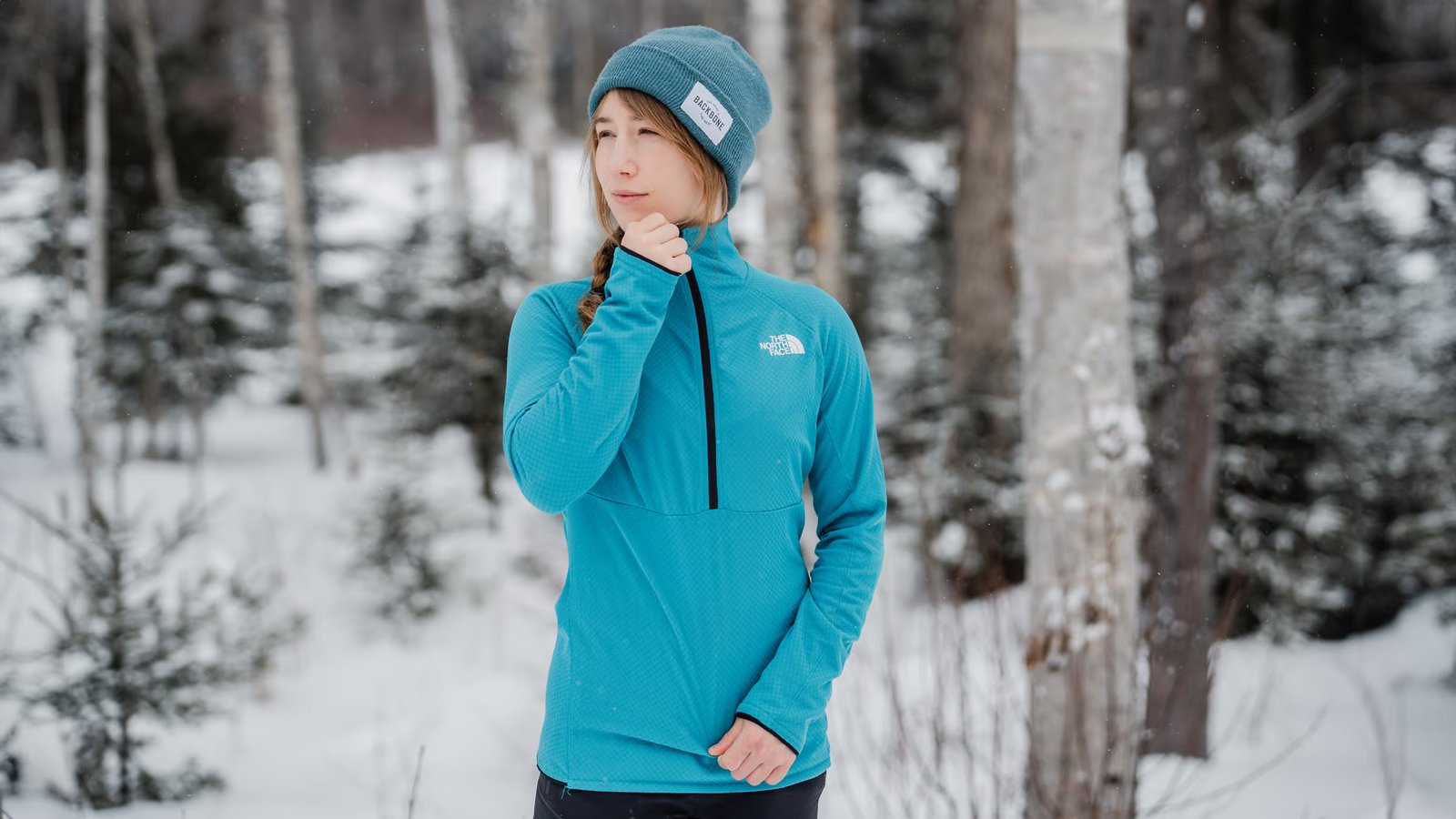
October 2026: The best fleece pullover for men and women overall is the Mountain Hardwear Airmesh Long Sleeve Hoody for its incredible moisture management and “warmer-than-it-looks” hollow-fiber construction. For those seeking the most wind- and weather-resistant option, the Blackstrap Tribrid Grid Fleece Jacket is our top pick. For both sustainability and dollar value, the Black Diamond Rift Full-Zip Fleece Jacket is a standout.
Four-plus decades after it was invented, fleece is still the undisputed king of breathable midlayers, from fall and winter hiking and mountain biking to skiing and snowshoeing. The fluffy, airy synthetic structure delivers both warmth and ventilation and moves perspiration and excess heat away from your body. But with more materials and construction styles than ever before, finding the right layer takes some work. We put more than 40 to the test last winter to narrow it down to just seven of the best fleece jackets for men and women.
The Best Fleece Jackets: At a Glance
Best Fleece Jacket Overall
Mountain Hardwear Airmesh Long Sleeve Hoody
Sizes: XS-XL (women’s), S-XXL (men’s)
Weight: 6 oz (women’s and men’s)
Pros and Cons
+ Very warm
+ Great moisture management
+ Low bulk
– No recycled content
This hooded pullover handily outperformed most fleeces we tested in terms of its ability to wick sweat effectively. Credit goes to the fabric’s 100-percent polyester “octa” fibers, which are hollow in the center and feature eight fins that mop moisture as fast as wearers produce it. Hurrying up a skin track trying to keep pace with faster skiers, one tester got warm but not steamy. Despite the fabric’s relative thinness, its insulation value is impressive (the fibers’ hollow cores trap warmth more effectively than solid yarn).
Because it’s fuzzy on the inside and smooth knit-mesh on the outside, this piece also appeals to folks who don’t love fleece’s fluffy aesthetic. Yet the piece is reversible, and wearing it mesh-side-in purportedly improves breathability by 28 percent. Multiple testers confirmed the boost in ventilation; however, warmth takes a dip, and the small, zippered hip pocket isn’t accessible when worn inside-out. The hood includes a high collar that stands in for a neck gaiter in blustery conditions, and thumb holes extend the sleeves over the backs of the hands for extra warmth. Bonus: It’s less stinky than most fleeces, thanks to an anti-odor finish that kept this hoody fresh-smelling for hours (even multiple days) of wear. Downside: Sustainability suffers with all-virgin materials.
Best Men’s Fleece for High-Intensity Activity
Outdoor Vitals Pursuit Hybrid Fleece
Sizes: S-XXXL, Tall L-XXL
Weight: 9.4 oz (medium)
Pros and Cons
+ Wind-buffering
+ Very breathable
+ Three tall sizes
– Primaloft clumps over time
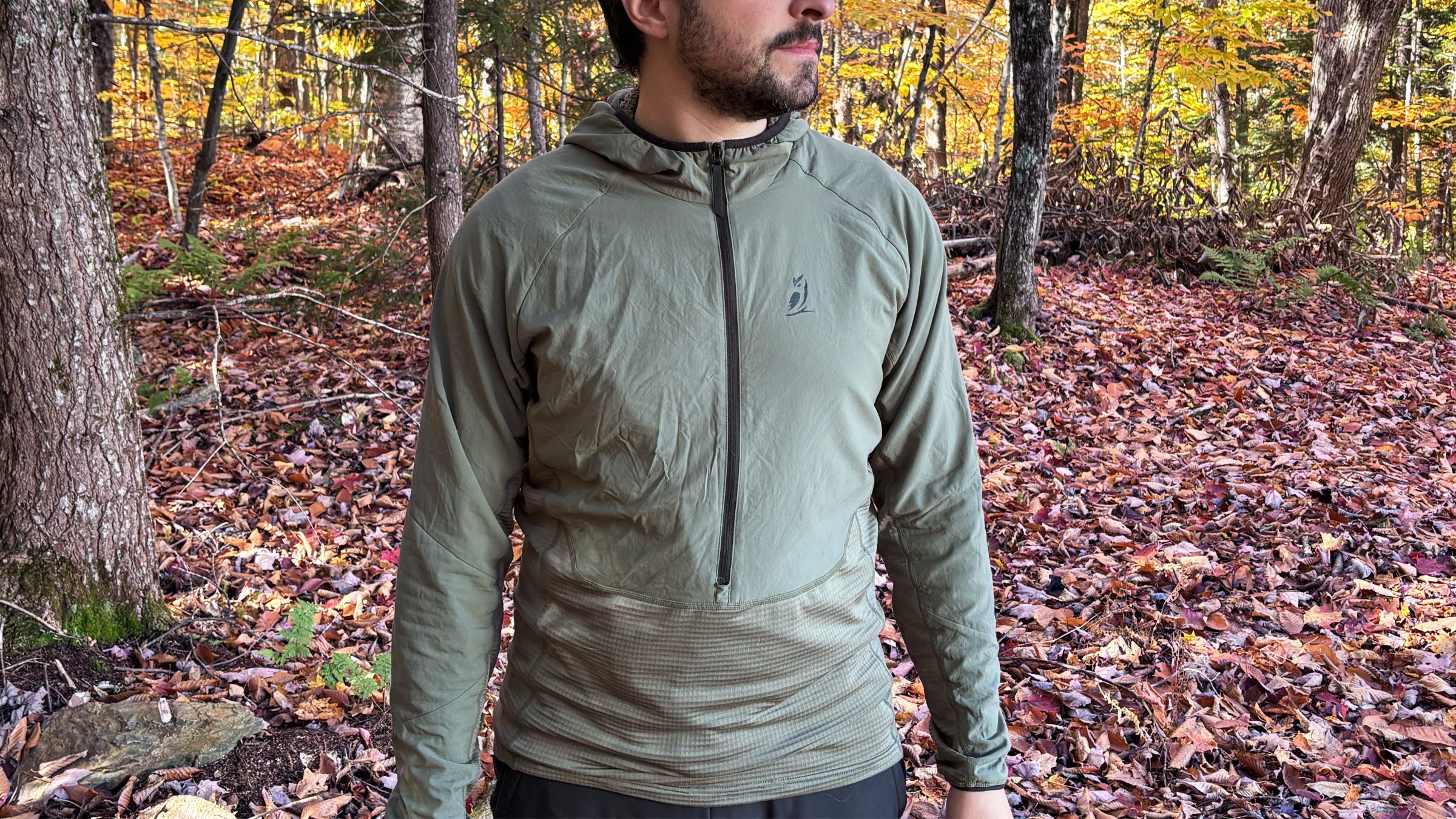
Outdoor Vitals is far from the only brand to mix super-breathable active insulation like Polartec Alpha or Octa with more durable face fabrics, but the Pursuit Hybrid Fleece might be our testers’ favorite chimera. As a stand-alone layer, it blocked wind, insulated, and breathed well enough for a speedy, sweat-free traverse of Stowe’s Pinnacle Trail in Vermont.
This hoody is body-mapped with 75-gram Primaloft Evolve synthetic insulation and 30-denier stretch nylon over most of the garment, with stretchier grid fleece under the arms and lower body. The grid fleece areas offer maximum breathability, but also better flexibility and structure in places that are notorious for getting stretched out. The stretch-nylon face fabric is robust enough to protect the very warm, breathable Primaloft from getting snagged, with a light DWR to fend off drizzle.
At 9.4 ounces in medium, the Pursuit Hybrid Fleece is lighter than most of the faced ultralight fleeces we’ve tested, like Dynafit’s Tigard Alpha Direct Jacket. It kept our Vermont-based tester comfortable down into the 40s during late fall backpacking trips and makes for a killer baselayer on frigid days that inch down into the single and negative digits.
Best Women’s Fleece for High-Intensity Activity
The North Face Women’s Summit Series Futurefleece LT ½-Zip
Sizes: XS-XXL
Weight: 4 oz
Pros and Cons
+ Excellent breathability
+ Packable
– No pockets
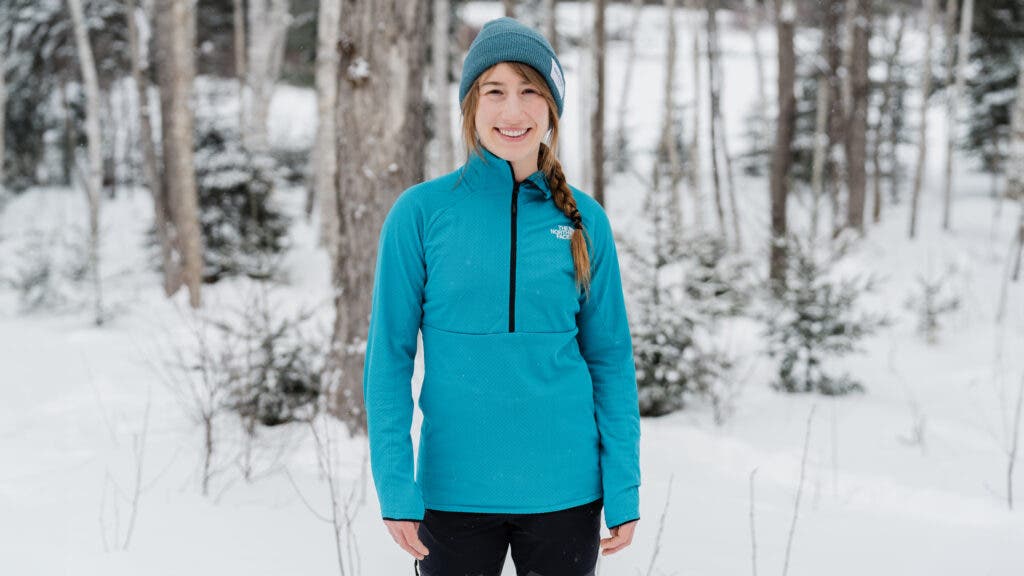
This zippered pullover isn’t terrifically warm—and that’s the point. Made for hikers, climbers, and skiers who are constantly on the move, this fleece provides scant (but effective) insulation and outstanding breathability. “It’s perfect for hurried lunchtime workouts and hot laps on powder fields,” says our Colorado tester, who reached for it more often than she expected because the ultralight fabric provides just-right warmth for conditions above 18 degrees. Similar to Mountain Hardwear’s Airmesh, but with a low-pile gridded pattern that provides less insulation, the Futurefleece uses octa fibers that are hollow and polygonal for maximum moisture transport (and minimal weight). It virtually eliminated clamminess, even during high-output effort.
Features are minimal, consisting of elastic thumb loops at the cuffs and a deep half-zip for ventilation. There are no pockets or bulky shell fabrics to add weight, making this topper very packable (softball size) but also wind-permeable. “As soon as I stopped, I felt chilled unless I topped this with a shell or puffy,” said our tester. The body-hugging fit doesn’t layer neatly over thicker base layers, but mobility is excellent thanks to stretchy underarm gussets that give arms full freedom to move.
Most Sustainable
Black Diamond Rift Full-Zip Fleece Jacket
Sizes: XS-XL (women’s), S-XL (men’s)
Weight: 8 oz (women’s), 10 oz (men’s)
Pros and Cons
+ Sustainable materials
+ Approachable price
– Below average breathability
– Not particularly durable
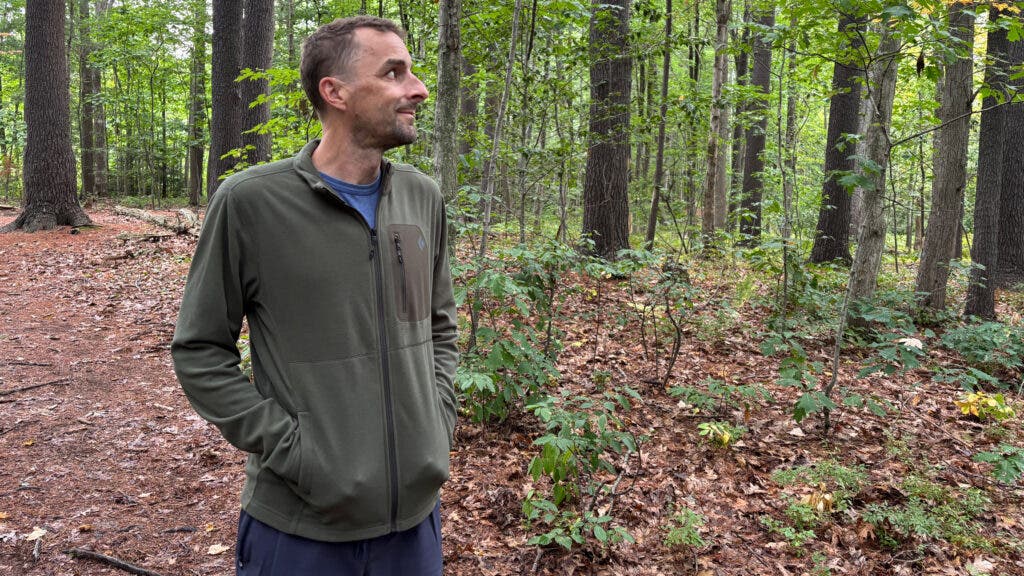
Proof that inexpensive gear doesn’t always signal sub-par performance, this lightweight fleece impressed testers with its field cred and its environmental scorecard. The 100-percent recycled polyester addresses fleeces’ dirty little secret: Most shed tiny fragments of plastic that persist in waterways. But this fabric actually biodegrades—fibers are embedded with a patented ingredient that lets microorganisms decompose the material. And the thinner fabric proved ideal for year-round wear while skiing, camping, and hiking in cool conditions: Our Maine tester wore it beneath a shell while skiing Sugarloaf in 38-degree weather, and over a tee while packing up the tent on 60-degree mornings.
A zippered chest pocket holds a phone, and two hand pockets secure keys or a snack. The hoodless design layers tidily beneath a shell, and the fit is efficiently trim but unconfining. But breathability is a shortfall: Compared to other fleeces we tested, this one feels clammier, making it best for moderate- to low-exertion activities. And the soft fibers pilled from skirmishes with backpack straps. But when paired with a shell or during light activity, this affordable fleece earned testers’ enthusiastic endorsement.
Best Midweight Fleece
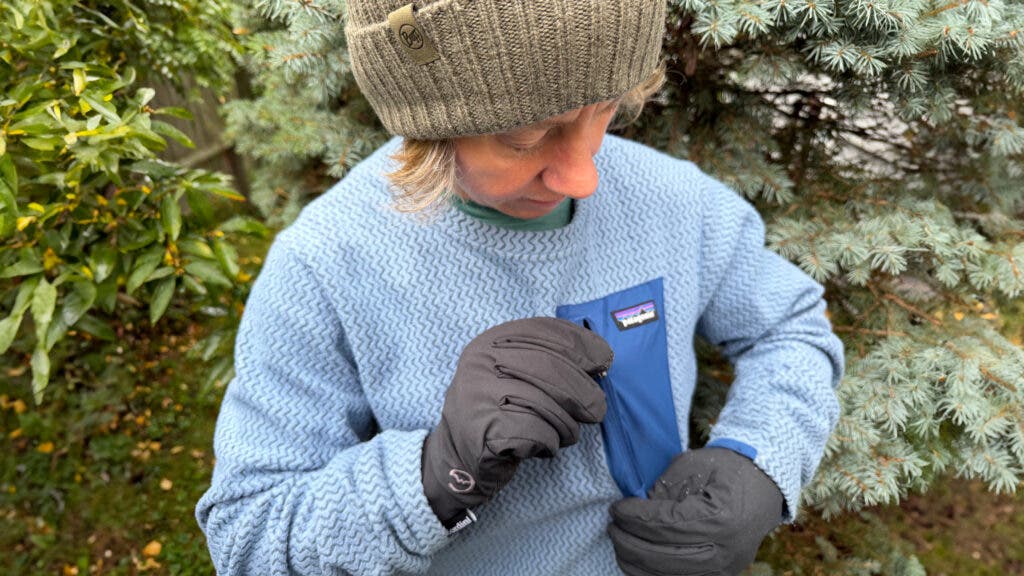
Patagonia R1 Air Fleece Crewneck
Sizes: XXS-XL (women’s), XS-XXL (men’s)
Weight: 8 oz (women’s), 10 oz (men’s)
Pros and Cons
+ Warm
+ Fairly breathable
+ Affordable
– OK packability
A true generalist, this midweight fleece ticks boxes for warmth, breathability, durability, and even value (it’s a killer deal at $109). The hollow fiber, 100-percent recycled polyester is sewn in a zig-zag pattern with ventilating channels. Although it doesn’t prevent stickiness as effectively as the Mountain Hardwear Airmesh, it comes close: Wearing this midlayer skiing T-to-B at Sugarloaf, Maine, our tester felt no sweat buildup and only noticed dampness during a 10-minute bootpack.
The crew’s fit is looser than the body-hugging R1 Air full zip (which best suits slim builds) and comfortably tops the full range of base layers. One zippered chest pocket holds snacks or a smartphone. And the seam-free shoulders feel smooth beneath a backpack, even with direct contact (the fibers also proved rugged enough to resist pilling from abrasive straps). As you’d expect from a midweight fleece, packability is not stellar: It’s volleyball-sized when toted (similar in packed size to the Black Diamond Rift, but warmer.)
Best Fleece for Wind Protection
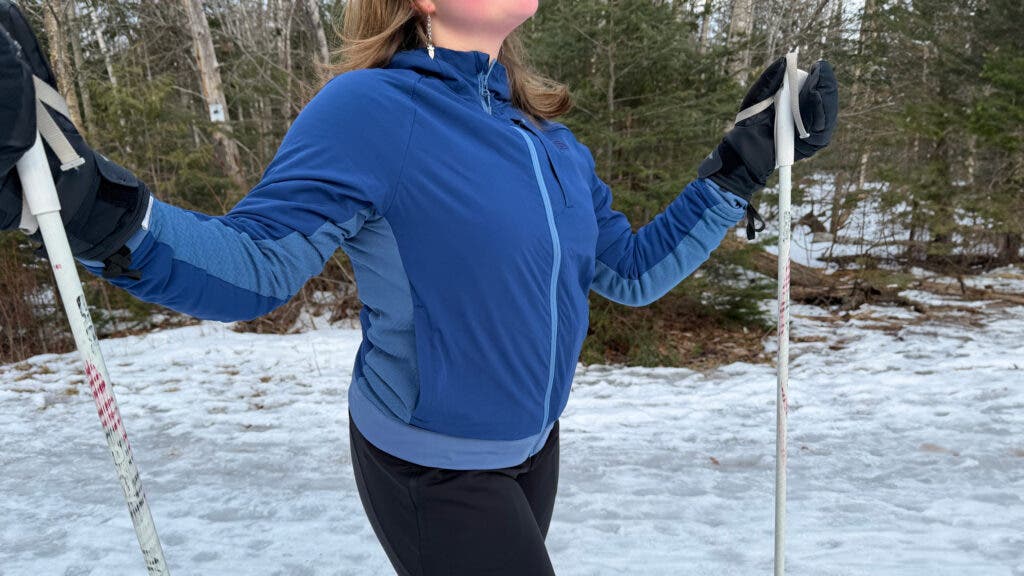
Blackstrap Tribrid Grid Fleece Softshell Jacket
Sizes: XS-XL (women’s), S-XXL (men’s)
Weight: 19 oz
Pros and Cons
+ Blocks wind
+ Breathable
+ Stretchy
– Expensive
A fleece that feels comfortable in virtually all conditions? We didn’t think it existed, until we threw on the Tribid. This magical layer kept testers dry while they climbed (even during snowfall), protected from chilling gusts, and warm (but not smothered) throughout moderate-to-strenuous activity. Its formula pairs gridded polyester fleece (60-percent recycled) with a soft and stretchy windblock woven nylon (with 20-percent Spandex) shell that’s dense enough to buffer 20-mile-per-hour gusts, but breathable enough to foil clamminess on sustained uphills in 20-degree temps. “I could wear it until I was really warm without sweating it up, which isn’t true for most fleeces,” one tester reported. Under the arms, shell-free fleece panels facilitate moisture transport.
Adjustable with an elastic cinch cord around the face, the hood earned raves for its comfortable fit and effective protection. “I barely felt like I had a hoodie on—it was tight enough to stay put but moved with me and didn’t feel cumbersome,” said another tester. Three zippered pockets—two hand, one chest—hold keys or dog treats. Femmes, take note: The square cut doesn’t accommodate a bosom: with no chest darts shaping the fit, one average-sized tester reported a tight fit across the breasts.
Most Versatile Wool Fleece
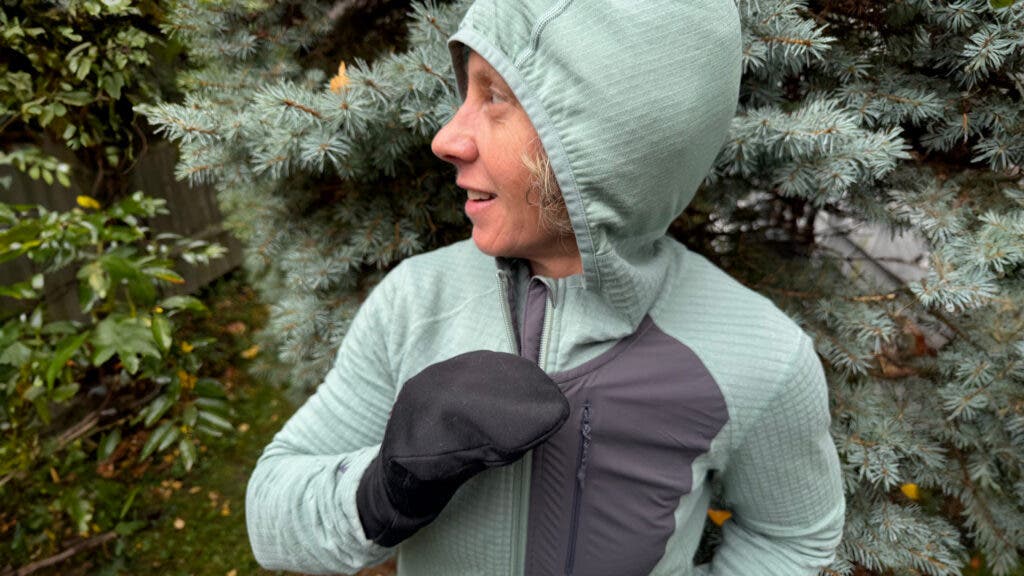
Ridge Merino Cloudripper Merino Grid Fleece Full Zip Jacket
Sizes: XS-XL (women’s), S-XXL (men’s)
Weight: 13 oz (women’s), 15 oz (men’s)
Pros and Cons
+ Very warm
+ Packable
+ Breathable
– Relatively heavy
This Merino-based midlayer matched competing synthetics for technical performance and bested most for temperature regulation. “It’s crazy how warm it is, because the fabric isn’t at all bulky,” reported one wearer after ski-touring in 15-degree temperatures. When packed, the Cloudripper is roughly cantaloupe-sized. The gridded fleece combines 69-percent Merino wool with 15-percent recycled polyester and 3-percent Spandex. Under the arms and across the lower back, Ridge Merino uses a thinner, less-insulating version with more polyester and lycra to trim bulk and improve layering (testers in bib pants loved this hybrid feature).
As you’d expect from a gridded fleece, the fuzz-free channels facilitate ventilation, so that testers only experienced clamminess in temperatures above freezing. “I love that I can keep it on while I’m moving, when I’m stopped, and across a whole spectrum of effort levels so that I don’t have to bother with a lot of layer changes,” one reported. The Merino’s natural water repellency handles light flurries. The hood is thin enough to fit under a helmet, and elastic trim snugs it in place during windy conditions (gusts above 20 mph had one tester reaching for a shell, however). And stink prevention is tops, with one tester boasting, “I never washed mine all season, but could still wear it to work because it developed no offending smell.” Downside? It weighs more than comparable synthetics.
Fleece Jackets Comparison Chart
| Specs | Price | Sizes | Style / Closure | Key Material |
| Mountain Hardwear Airmesh Long Sleeve Hoody | $125 | XS-XL (women’s), S-XXL (men’s) | Hooded pullover | 100% polyester Octa fibers |
| Outdoor Vitals Pursuit Hybrid Fleece | $145 | S-XXXL, Tall L-XXL (men’s) | Hybrid hoody | 75g PrimaLoft Evolve, 30D stretch nylon, grid fleece |
| The North Face Women’s Summit Series Futurefleece LT ½-Zip | $170 | XS-XXL | ½-zip pullover | Low-pile gridded Octa polyester |
| Black Diamond Rift Full-Zip Fleece Jacket | $109 | XS-XL (women’s), S-XL (men’s) | Full-zip jacket (hoodless) | 100% recycled biodegradable polyester |
| Patagonia R1 Air Fleece Crewneck | $109 | XXS-XL (women’s), XS-XXL (men’s) | Crewneck | 100% recycled polyester hollow-fiber |
| BlackStrap Tribrid Grid Fleece Softshell Jacket | $225 | XS-XL (women’s), S-XXL (men’s) | Hooded hybrid jacket | 60% recycled poly grid fleece & windblock woven nylon/spandex |
| Ridge Merino Cloudripper Merino Grid Fleece Full Zip Jacket | $200 | XS-XL (women’s), S-XXL (men’s) | Full-zip hooded jacket | 69% Merino wool, 15% recycled polyester, 3% Spandex |
How to Choose a Fleece Jacket
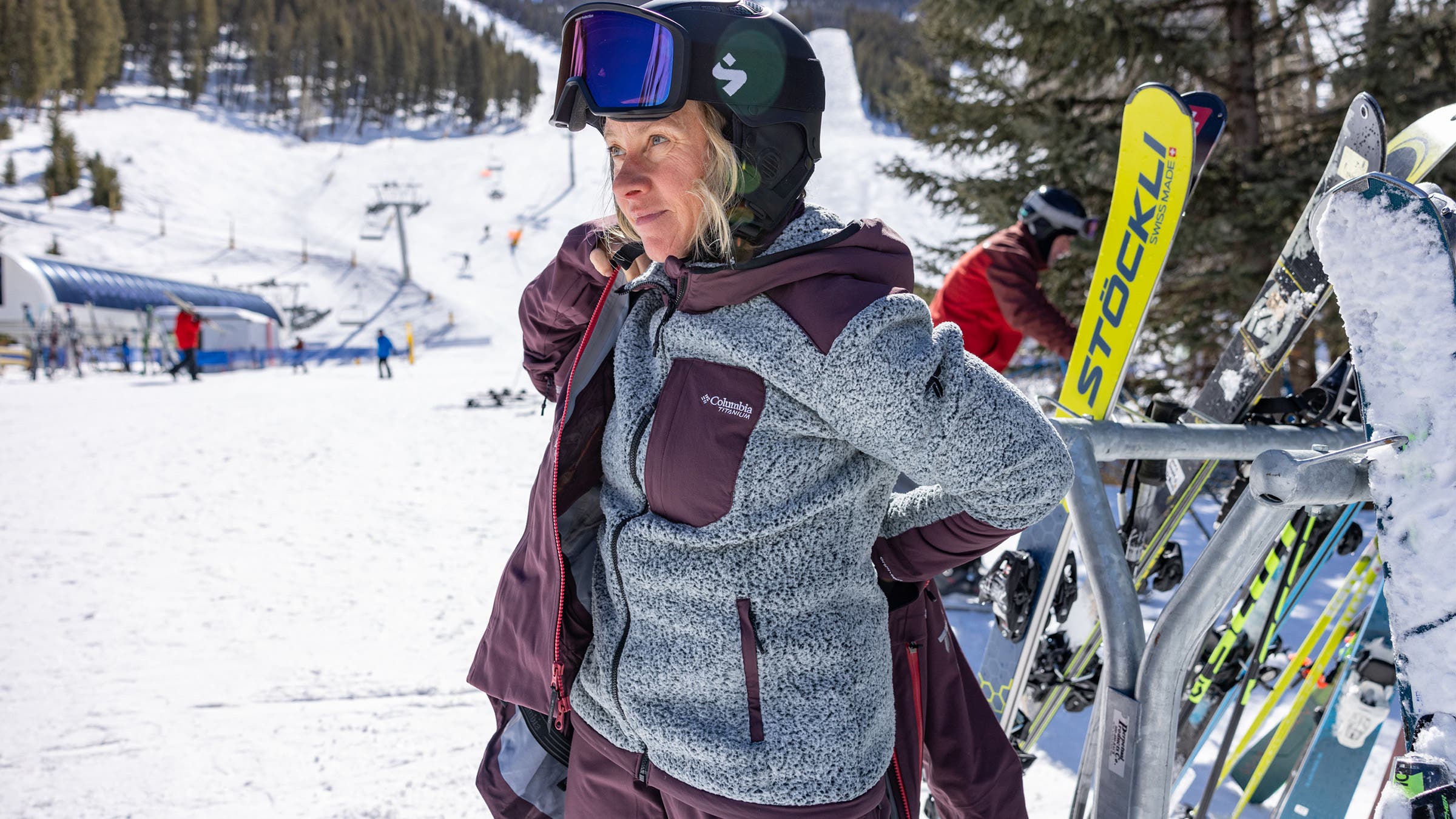
Fleece jackets range widely in warmth, breathability, and weather protection. Materials also vary. Synthetic fleece is quick-drying, making it a smart choice for damp conditions, and abrasion-resistant. Unlike wool or even cotton, synthetic fibers can hold their own against friction from backpack straps. But fleece made from merino wool is particularly warm and temperature-regulating (wearers avoid clamminess through a broad spectrum of temperatures). Hybrid constructions—a trend that continues to gain momentum in this category—combine various fabrics in multi-paneled jackets that pair breathable fleece in the hot zones such as underarms with wind-resistant fleece in exposed areas like the shoulders.
Here’s how to judge what will serve your needs.
Will You Pack It?
As a rule, a fleece isn’t as compressible as, for example, a down jacket. So it takes up considerable space in luggage or backpacks. If you need heavyweight insulation but know it will remain packed most of the time, you might consider other, more space-saving insulated jackets.
How Much Will You Sweat in This Fleece?
Some fleeces use a dense construction that traps body heat but limits breathability. If you’re cross-country skiing, running, or logging other high-output outdoor workouts, look for lightweight fleeces or hybrid constructions that use body mapped insulation and place breathable panels under the arms and in other hot spots.
Will You Wear a Water- and Windproof Shell Over this Fleece?
Most fleeces offer some water-resistance, but that varies—and no fleece can be counted on to deliver waterproof protection against serious rain or sustained snowfall. Most fleeces are also porous enough to let breezes in, which is great for sweat mitigation but bad for comfort amid 30-mph winds. Consider whether you’ll wear a shell sometimes, always, or never: Ski-tourers might choose a fleece with some weather-resistant panels so they can skip a shell in milder conditions, while resort skiers are often better off with breathable fleece worn as a midlayer under a full shell jacket.
Do You Run Cold?
If you’ll wear the fleece in 0- to 10-degree F temperatures, or if you’re always chilly no matter the conditions, choose a high-pile fleece with cozy insulation.
FAQs
Are fleece jackets good for outdoor sports
Yes, many fleeces offer a combination of breathability, warmth and durability that makes them ideal for snowshoeing, skiing, and other cold-weather sports.
Is fleece environmentally friendly
Not always. Petroleum-based fibers and the shedding of micro-plastics lower fleece’s sustainability score. But some fleece fabrics stand out, thanks to technology that minimizes micro-plastics (see the Black Diamond Rift) and/or prioritizes recycled content (such as The North Face Futurefleece, Patagonia R1 Air, and Blackstrap Tribrid). Some (such as the Merino-based Cloudripper) limit the use of synthetic fibers in favor of natural material.
Are fleece jackets warm?
Yes, all fleece offers some insulation to hold in body heat, but warmth depends on fabric pile and other factors: Generally, high-pile materials feel warmer than short-pile fleeces.
How We Test Fleece Jackets
- Number of testers: 18
- Number of products tested: 42
- Testers’ age range: 15 to 64
- States represented: 5 (Colorado, Alaska, Minnesota, New Hampshire, Maine)
Our testers don’t just spend a lot of time outdoors. Yes, they are gifted skiers, mountaineers, ultrarunners, climbers, hikers, and view-admirers. But they also possess the gift of gab. Our testers must be able to say much more about a piece of gear than “It’s awesome” or “It sucks.” Instead, we choose industry professionals, lifelong athletes, and fellow gear reviewers who can both identify a product’s strengths and weaknesses and talk at length about the nitty-gritty details that make a jacket shine in some areas—and fall short in others. Over the course of each testing season, each tester keeps notes on their samples’ fit, how much wind protection each delivers, its ability to retain warmth, and whether it plays nice with a backpack. They geek out on the gear and its performance, and then deliver those notes to us for final analysis.
For this test, we evaluated 42 of the most promising fleeces on the market, including full-zip and pullover styles. We pored over our testers’ notes to nail down each jacket’s best application: Is the fleece best for dog-walking? Nordic skiing? Après at the resort? All of the above? Only the items that earned raves on both performance and livability earned coverage among these reviews.
Meet Our Lead Tester
Kelly Bastone ski-bummed in the Colorado Rockies from 2002 and has pursued outdoor sports ever since. A freelancer who writes about gear and other outdoor topics for publications such as Backpacker, AFAR, and The Red Bulletin, Bastone has contributed many gear reviews to Outside over the years. An avid skier (resort, Nordic and backcountry), fly-fisher, mountain biker and mushroom forager, she gets the news she needs from the weather report.
Bastone’s backing band of gear testers includes ski bums across resorts in Maine, New Hampshire, and Colorado: These diehards click into touring, downhill, or cross-country boards each and every day of the season. A wildlife researcher and ultrarunner punished jackets in Minnesota; another ultrarunner and backcountry rescuer tested insulation on all-weather runs and missions in northwest Colorado; a rancher wore test puffies while exercising horses in Montana.
