

Published April 1, 2026 02:21PM
Weighted vests and rucking packs are all the rage among the suburban middle-aged walkers, hikers, and runners (and TikTokers, I’m told) looking to build strength, improve bone density to ward off osteoporosis, and burn extra calories. I get the concept. Walking the dog? Throw on something weighted to gain strength at the same time. Need to catch up with a friend? Why not pull on a weighted pack and go for a cruise around the neighborhood. Going for a trail run or a hike? Double the benefits of your time and effort.
In our busy lives, multitasking is gold. I’ve long been a proponent of running or hiking with a backpack loaded with water or heavy gear, both to slow myself down so my aging dog can keep up and to gain strength. I spent a lot of years adventuring racing, carrying everything from fuel and liquids to a teammate’s backup prosthetic leg. So, I’m no stranger to carrying extra weight, and I know the value of wearing the right pack for the task.
But as I’ve seen more and more people wearing goofy-looking vests and packs designed specifically to carry weights, I’ve wondered: Couldn’t you get the same benefits from loading weight into a backpack or hydration vest you already own? I decided to dig into the options.
Weighted Vests and Rucking Packs
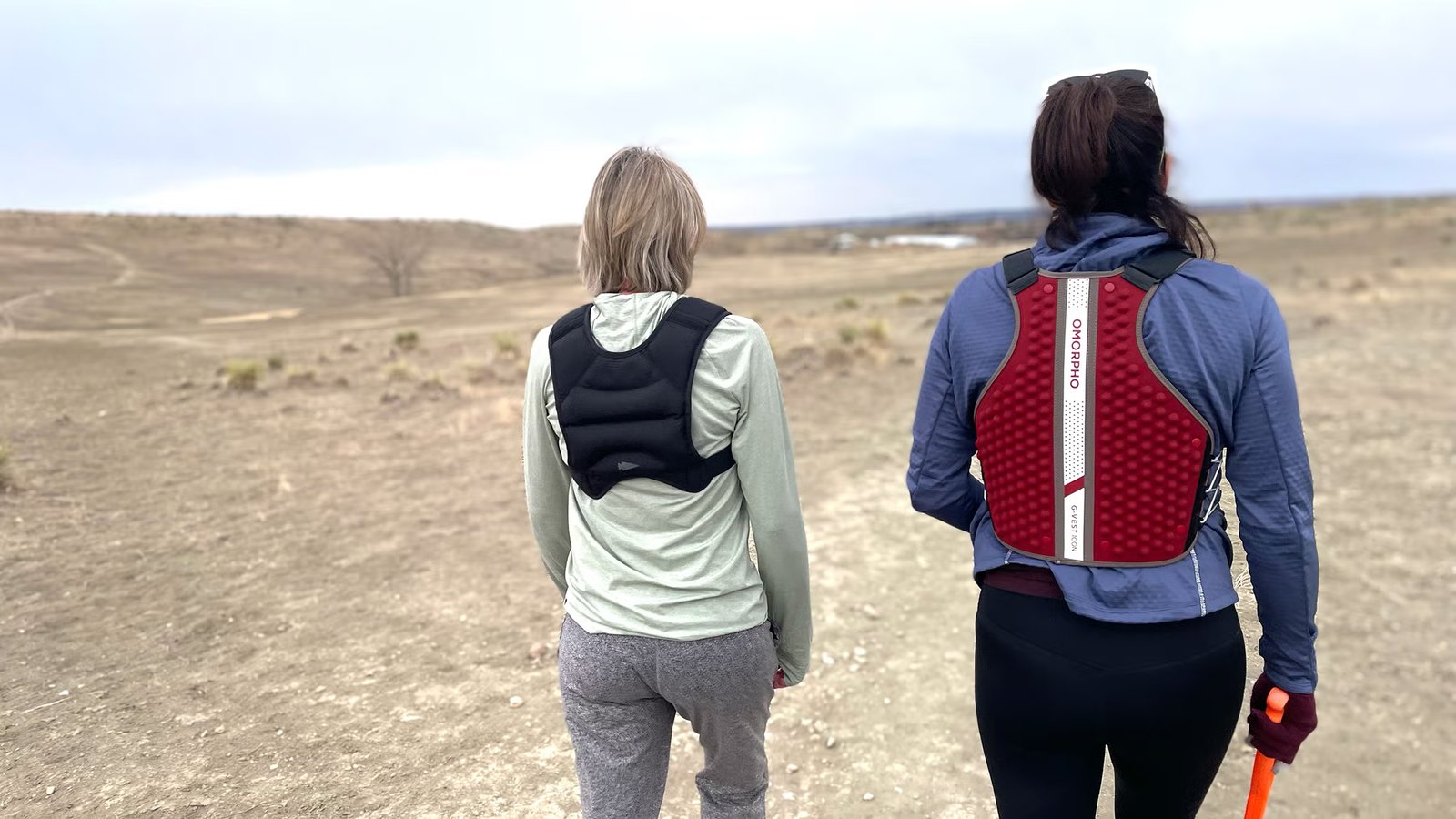
Omorpho G-Vest Icon
Last spring, I got my hands on a women’s version of the Omorpho G-Vest Icon. The flexible, zip-up vest fit comfortably, distributing weight evenly across the entirety of the front and back of my torso while leaving my shoulders free. And I loved how easily I could add additional weight to the built-in six pounds . I doubled the weight to 12 pounds by snapping two 1.5-pound panels on the front and a three-pound panel on the back (sold separately).
The vest was rather unusual-looking, however, and I was embarrassed to wear it on a walk in front of other people. I decided to reserve it for what I do behind closed gates: yardwork. I was initially excited about the prospect of gaining extra strength while digging, raking, and moving things around. But as I worked my yard, I started to worry: Am I going to tweak something because I’m doing all these awkward movements with added weight on my body?
“That instinct is actually a good one,” said Stefan Olander, founder of Omorpho and an ex-Nike executive, when I asked for his input on my concern. “We always recommend easing into any activity or exercise when you’re adding external resistance.” He explained that even though their vest is designed to evenly distribute small weights across key muscle groups and sit close to the body to avoid added stress, users need to be very careful with twisting motions with a bent back or any lifting with poor form, as it can lead to injury. As someone who’s ridiculously injury-prone—which is my main motivation for strength training—I took the advice, heeded my body’s warning signals, and stopped doing yardwork in the weighted vest.
I waited for fall to continue my testing so I could wear it underneath a jacket on neighborhood walks and foothill hikes. And I added a second vest and a rucking pack to the test.
Comparative Testing
GoRuck Spy Ruck Weighted Vest
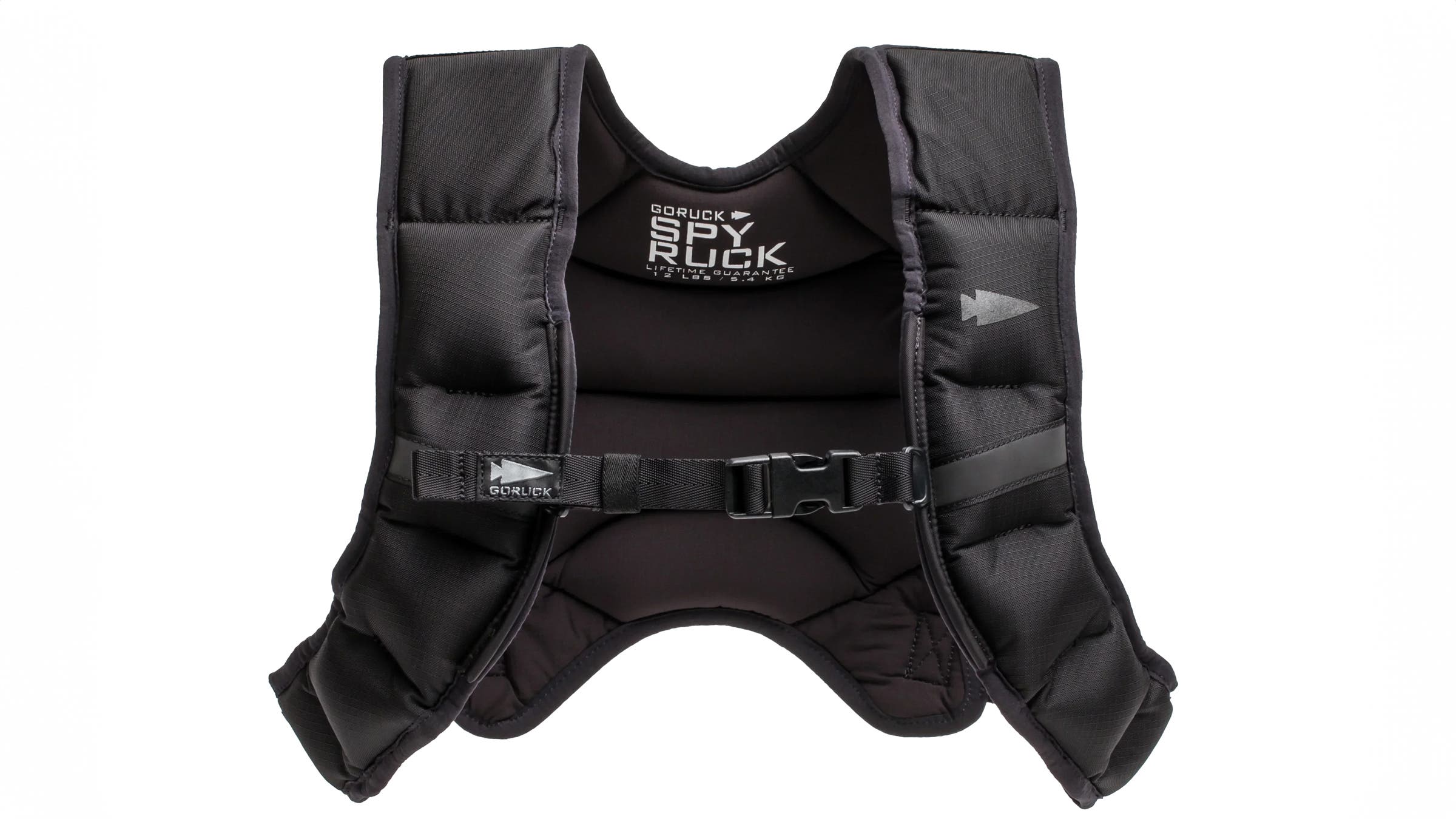
Designed by former CIA agent Emily McCarthy, the Spy Ruck is also built with a woman’s anatomy in mind. It has narrow, weighted shoulder straps that connect via an adjustable buckle (like a pack) and a weighted back panel. The Spy Ruck comes in 8, 12, and 16 pound options. I went for the 12-pounder.
Comparing the two vests, the weight in the Spy Ruck is concentrated into less surface area and stayed out of the way when I was breathing hard, making it easier to hike uphill. In the Omorpho G-vest, the weight extends farther down my torso and sometimes felt a little restrictive. The Omorpho G-Vest, however, distributed the weight better and didn’t dig into my shoulder blades like the weighted Spy Ruck tended to do.
GoRuck Basic Rucker
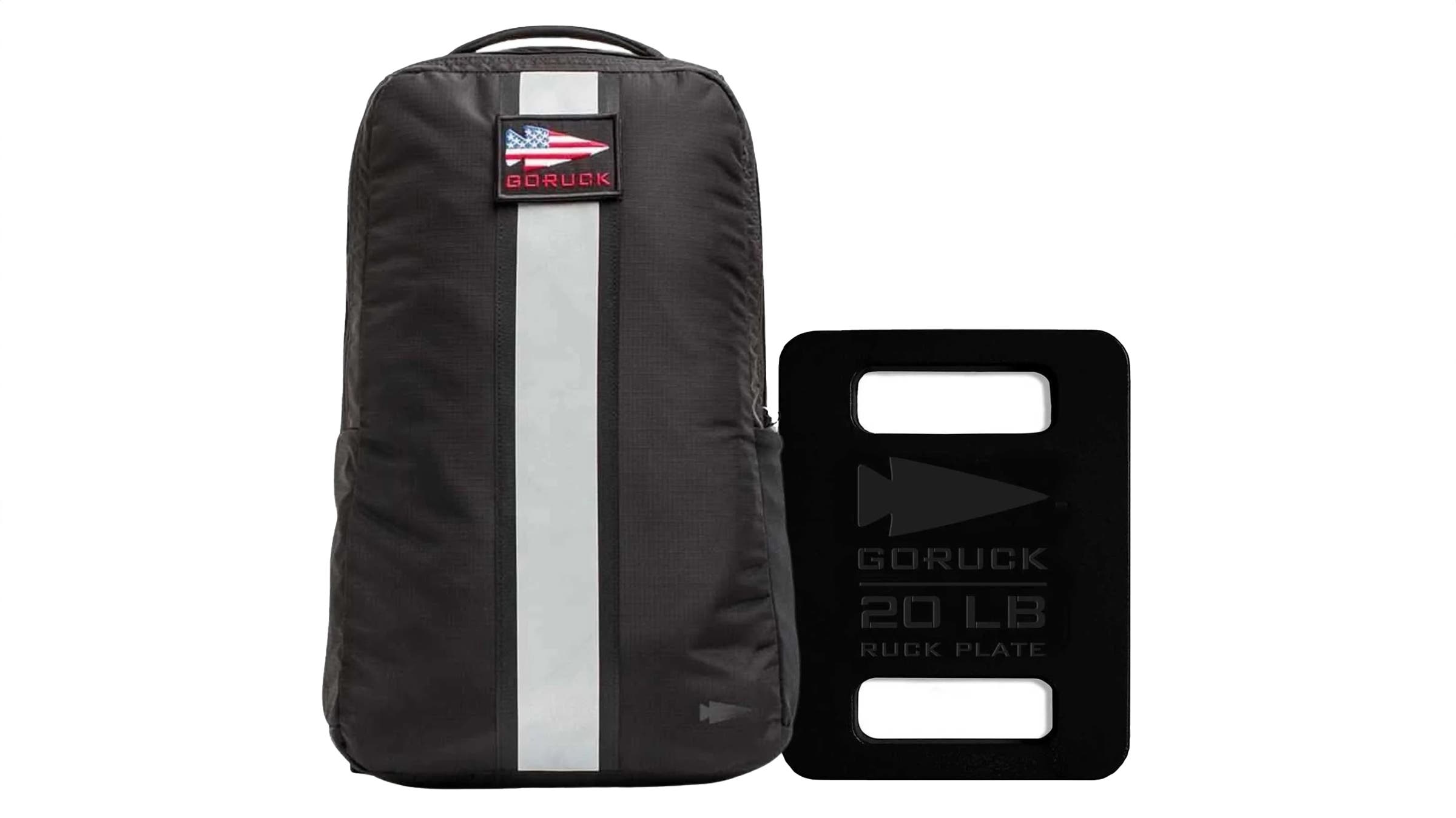
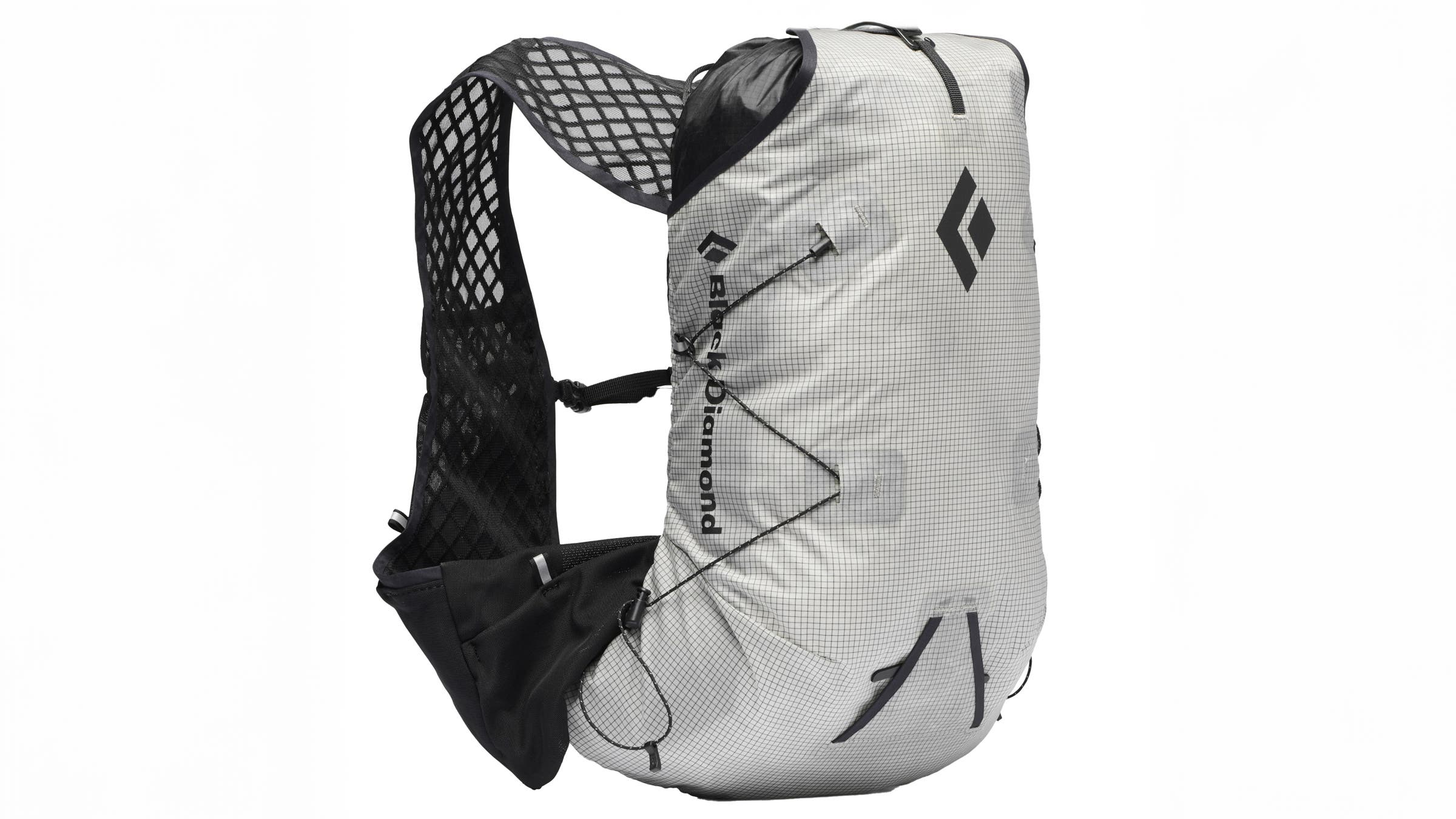
To complete my comparison of weighted contraptions, I tested a true rucking pack. The GoRuck Basic Rucker is a backpack that carries a 20-pound plate (included) in a dedicated pocket close to your back. While the Basic Rucker has two side water bottle pockets, room for a hydration bladder, and plenty of interior room for packing extra layers and lunch, it is very basic on comfort. Walking on a trail with friends and dogs, I craved a sternum strap to stabilize the weight. I craved more comfortable shoulder straps. I craved, really, a well-designed backpack like my Black Diamond Distance 8.
A Regular Backpack
Black Diamond Distance 8
My testing had brought me back to my initial question: Why not just use a backpack? For one thing, hiking while carrying a pack lets you blend in with the other outdoorspeople. And, unlike a weighted vest, a backpack lets you carry things you need. While you can also carry things in a rucking backpack, a hiking pack is more versatile in terms of what you use for weight, and often better designed to carry loads in comfort.
On the downside, you do, however, need to take the time to find and add weight to a backpack, loading things like fluids, food, tools, a first-aid kit, or heck, small weights. And to achieve even distribution of weight in a backpack, you have to, well, distribute the weight evenly among the pockets. I like to put full water flasks on the shoulder straps, carry a full bladder in the hydration sleeve, and then, if I want more weight, throw whatever else is in my car into the pack.
The Verdict
After testing all the options, I didn’t find a clear winner. Each has its strengths and weaknesses. If having a grab-and-go weight system at the ready is your priority, then a weighted vest or rucking pack might be right for you. With these vests or dedicated packs, you know exactly how much you’re carrying every time you pull them on, and know where the weight belongs. They’re less work.
Weighted vests distribute the load more evenly than rucking packs, but rucking packs can carry more weight.
Ordinary running packs are more versatile, and you likely already own one. The weight you carry in them can be useful items that you want to bring along anyway. But you have to be creative in finding heavy items and strategic about packing them.
You can also carry other useful items in a rucking pack, but in my opinion, and with limited testing, rucking pack companies could benefit from taking some cues from outdoor and running backpacks by using higher-end materials and smarter designs.
As for me, will I keep using any of the weighted products I’ve tested, or return to loading up one of the hydration vests or backpacks I already own? I’m not sure. I may just keep a fully loaded backpack in my car, but I do like the simplicity of a pre-loaded weight system for a spontaneous hike or a walk. Maybe I’ll use both.
